Explore 16 March

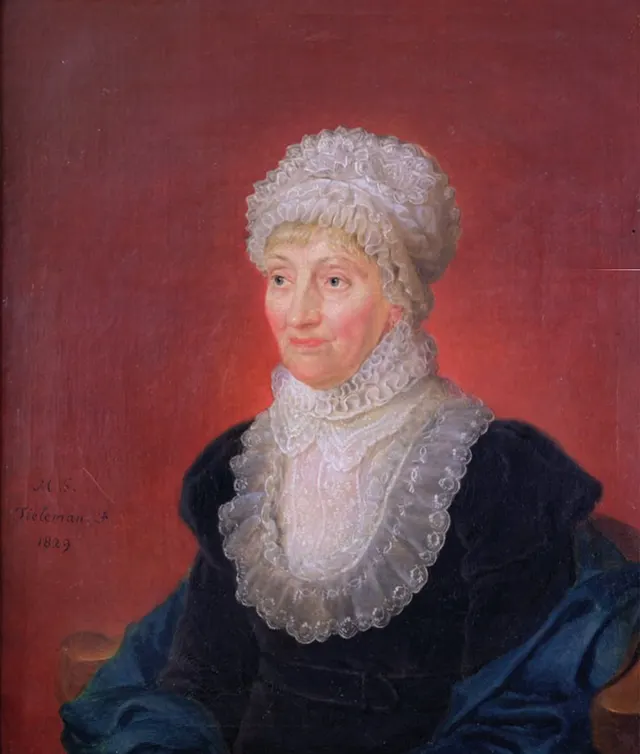
Explore 16 March: Magellan’s fleet reaches the Philippines, the first African American newspaper goes to press, Robert Goddard launches the first liquid-fuelled rocket and Gemini 8 makes the first docking in space. Meet James Madison, Caroline Herschel and Isabelle Huppert, born on this date.

This day through time →15 verified events across 4 eras

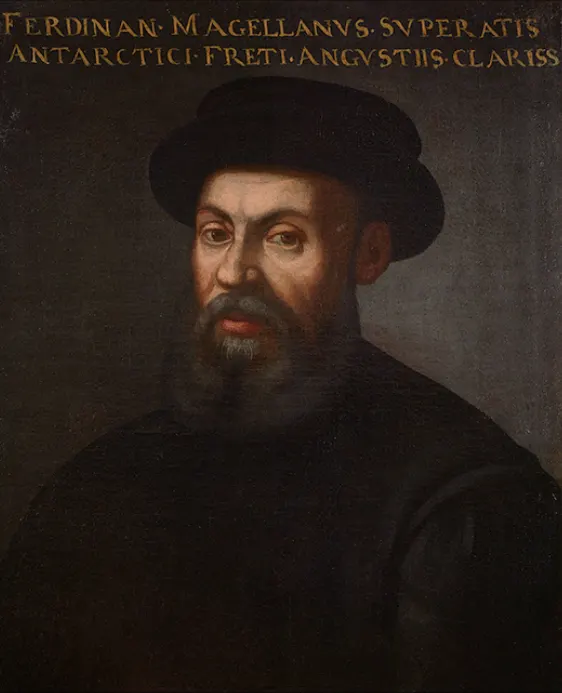
Ferdinand Magellan, in a portrait painted in the late 1500s or early 1600s.
Image creditUnknown authorUnknown author · Public domainResized and cropped for display.

Magellan’s fleet reaches the Philippines

After a gruelling crossing of the Pacific that cost many of his men their lives, Ferdinand Magellan’s fleet sighted the mountains of Samar on 16 March 1521 (by the calendar of the day). The next day the ships anchored at the small island of Homonhon, where the exhausted crews rested and traded for food with islanders from nearby Suluan.

It was the first recorded European arrival in the Philippine islands. Magellan himself was killed at Mactan that April, but one of his ships went on to complete the first voyage around the world in 1522.

Read the full storyHistory & Timeline →Source: National Quincentennial Committee, Government of the Philippines: Homonhon, our contribution to the first circumnavigation ↗
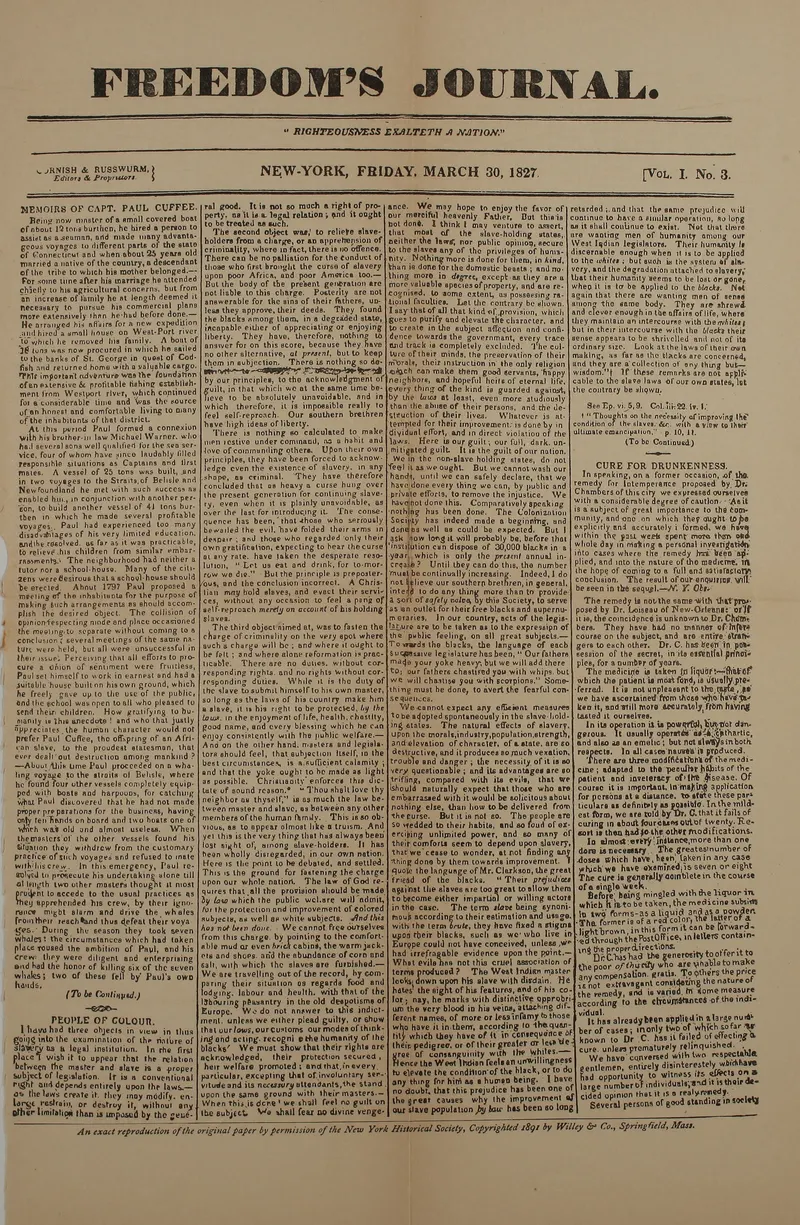
The front page of Freedom's Journal, 30 March 1827, its third issue.
The front page of Freedom’s Journal, 30 March 1827, its third issue.
Image creditSamuel Cornish and John Russwurm (publishers) · Public domainResized and cropped for display.

The first African American newspaper

On 16 March 1827 the first issue of Freedom’s Journal appeared in New York City, the first newspaper in the United States owned and run by African Americans. Its editors were the minister Samuel Cornish and John Russwurm, one of the first Black graduates of an American college.

Its opening editorial declared that Black Americans would now plead their own cause. The weekly attacked slavery and the racism of the mainstream press, and championed education. It lasted only two years, but inspired a long line of Black newspapers.

Read the full storyHistory & Timeline →Source: Encyclopaedia Britannica: Freedom’s Journal ↗
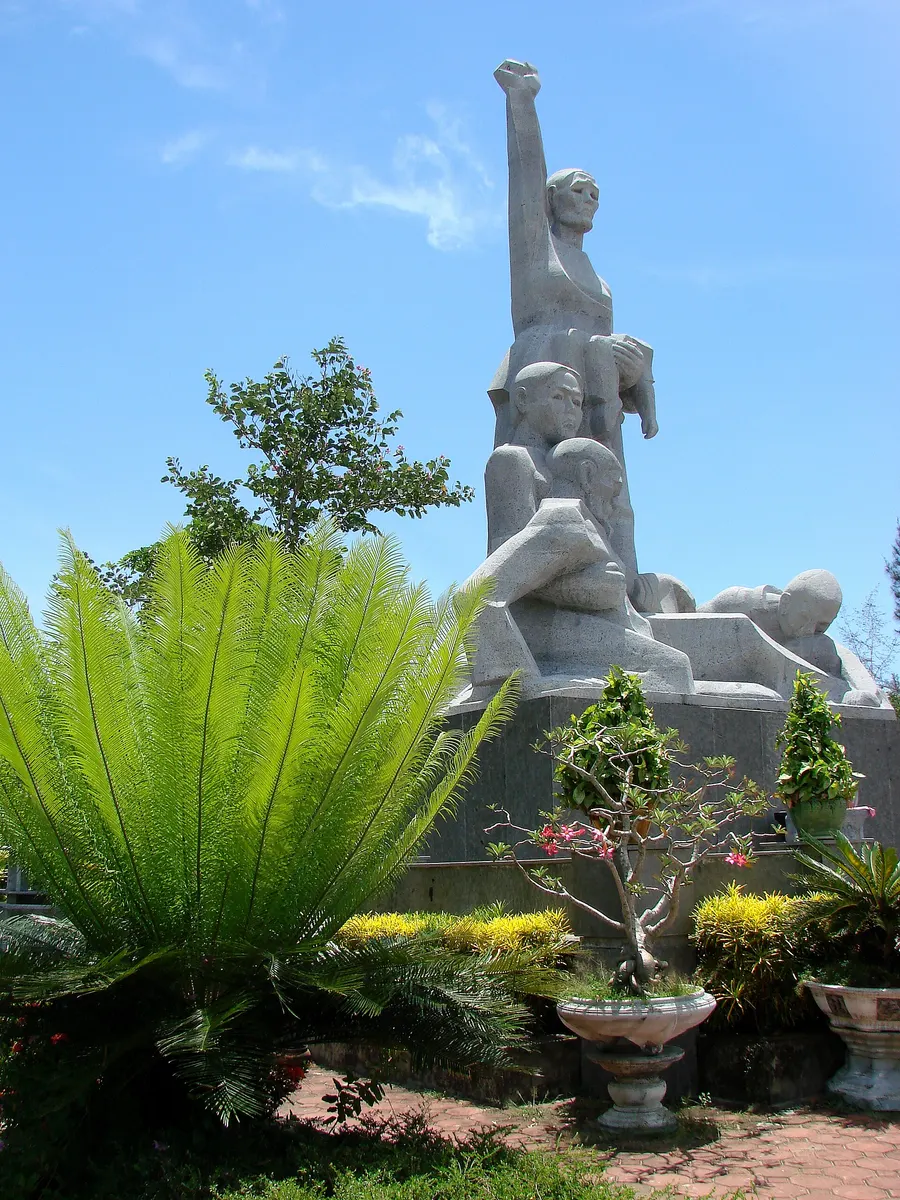
The main monument at the My Lai memorial site near Quang Ngai, Vietnam, 2009.
Image creditAdam Jones Adam63 · CC BY-SA 3.0Resized and cropped for display.

The My Lai massacre

On the morning of 16 March 1968 soldiers of the US Army’s Charlie Company entered the hamlets of My Lai and My Khe in South Vietnam on a ‘search and destroy’ mission and killed unarmed villagers, most of them women, children and old men. Estimates of the dead run from about 350 to 504.

A helicopter crew led by Hugh Thompson Jr. stepped in to shield some of the survivors. The killings became public only in November 1969, and of the soldiers charged, only Lieutenant William Calley was convicted.

Read the full storyHistory & Timeline →Source: Encyclopaedia Britannica: My Lai Massacre ↗
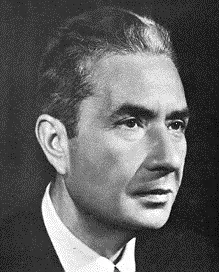
Aldo Moro, five times prime minister of Italy.
Image creditUnknown authorUnknown author · CC BY-SA 4.0Resized and cropped for display.

The Red Brigades seize Aldo Moro

On the morning of 16 March 1978 the Red Brigades ambushed the car of Aldo Moro, Italy’s leading Christian Democrat and five times prime minister, in Via Fani in Rome. All five of his bodyguards were killed. Moro was on his way to Parliament for a vote on a new government backed, for the first time, by the Communists.

The government refused to bargain for his release. After 55 days his body was found in a car in the centre of Rome, a moment that still haunts Italian politics.

Read the full storyHistory & Timeline →Source: Encyclopaedia Britannica: Aldo Moro ↗
♙
PEOPLE

Born Today

James Madison
Image creditJohn Vanderlyn · Public domainResized and cropped for display.

James Madison

Fourth president of the United States and a chief author of its Constitution.

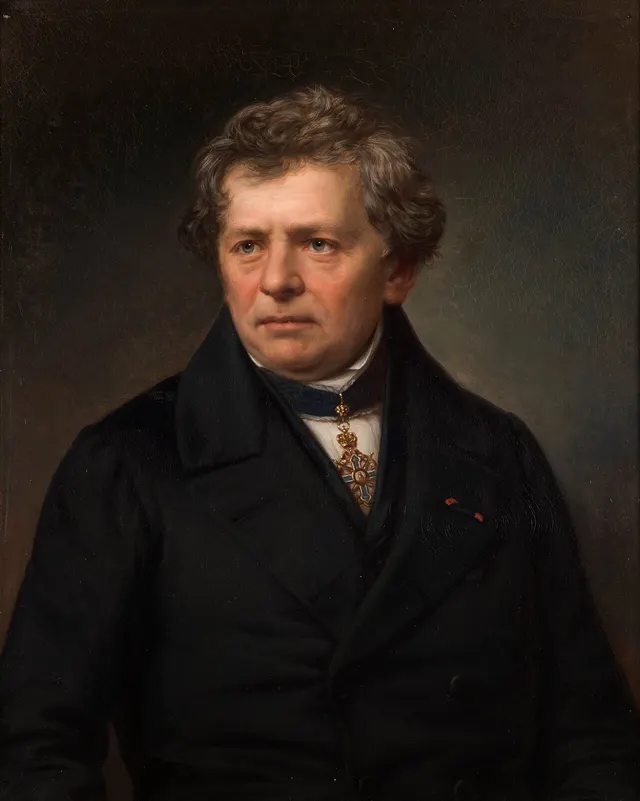
Georg Ohm
Image creditUnknown artist · Public domainResized and cropped for display.

Georg Ohm

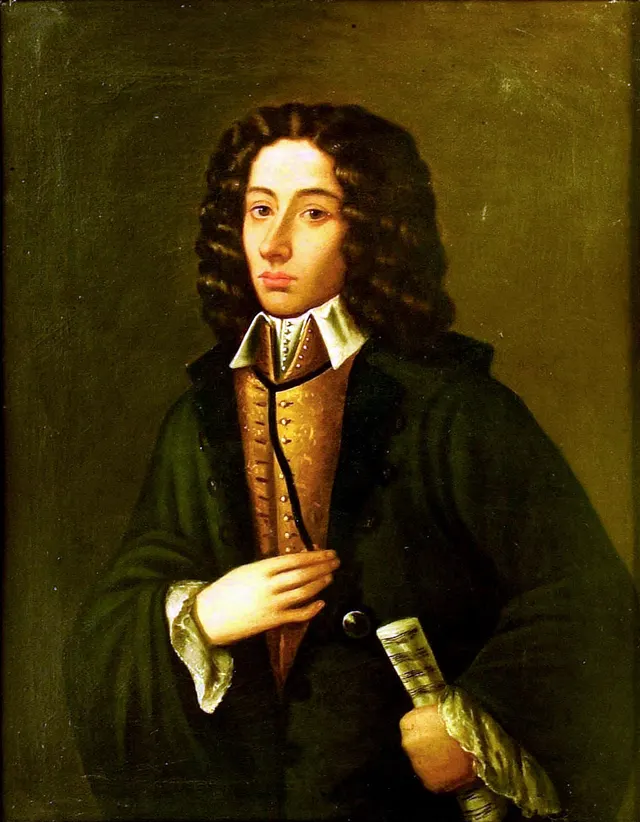
German physicist of Ohm’s law; the unit of electrical resistance is named after him.

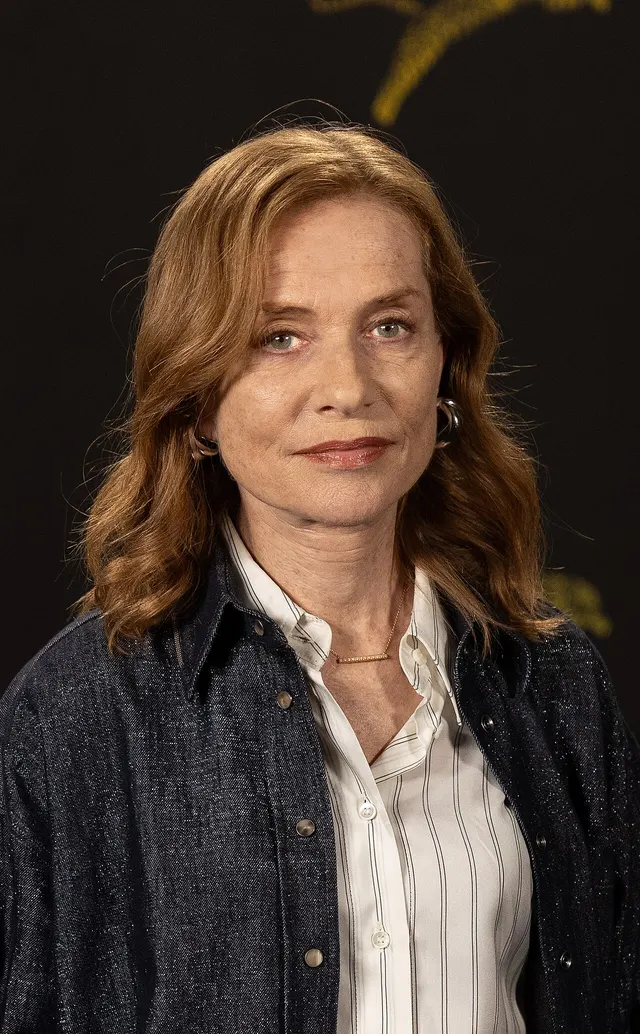
Isabelle Huppert
Image creditLucaFazPhoto · CC BY-SA 4.0Resized and cropped for display.

Isabelle Huppert

French actress of The Piano Teacher and Elle.

◉
IDEAS THAT CHANGED THINGS

Firsts, Science & Discoveries

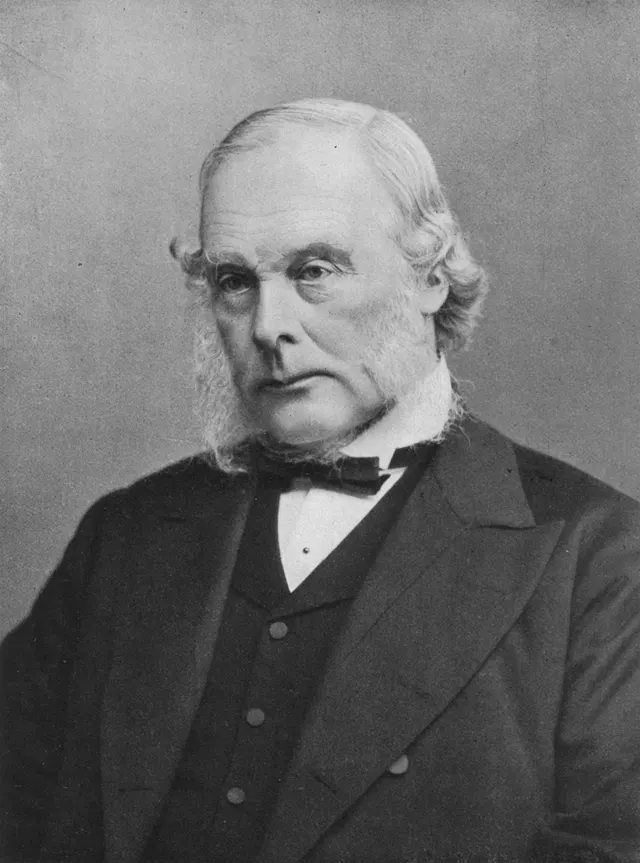
Joseph Lister in 1902.
Image creditUnknown photographer · Public domainResized and cropped for display.

Lister shows how to keep wounds clean

On 16 March 1867 The Lancet published the first part of a paper by Joseph Lister, professor of surgery in Glasgow, describing a new way of treating compound fractures, where broken bone pierces the skin. Such wounds often turned septic and killed.

Following Louis Pasteur’s idea that germs cause decay, Lister dressed the wounds with carbolic acid. Most of his first patients healed without infection. His antiseptic methods changed surgery around the world.

Read the full storyHistory & Timeline →Source: The Lancet (via ScienceDirect): On a new method of treating compound fracture, abscess, etc. ↗
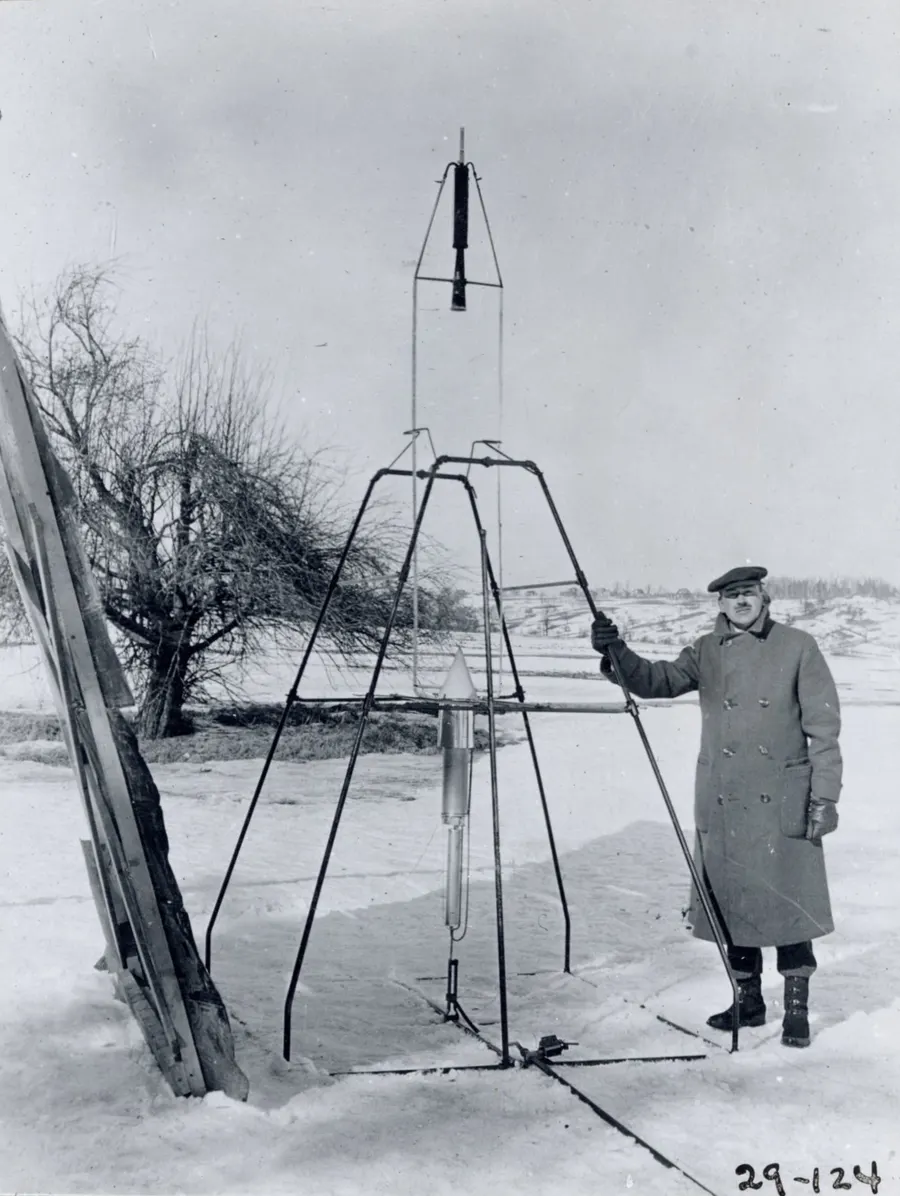
Robert Goddard beside his rocket and its launch frame at Auburn, Massachusetts, on 16 March 1926.
Image creditEsther Goddard, from the Clark University archive · Public domainResized and cropped for display.

The first liquid-fuelled rocket flies

On 16 March 1926, in a snowy field on his aunt’s farm at Auburn, Massachusetts, the physicist Robert Goddard launched a rocket burning gasoline and liquid oxygen. It flew for about two and a half seconds, rose about 12 metres and landed some 56 metres away.

It was a modest hop, but it was the first flight of a liquid-fuelled rocket, the kind that would one day carry people to the Moon. NASA’s Goddard Space Flight Center is named after him.

Read the full storyHistory & Timeline →Source: NASA: 95 years ago, Goddard’s first liquid-fueled rocket ↗
David Scott and Neil Armstrong in their Gemini 8 capsule after splashdown on 16 March 1966, with Air Force rescuers.
Image creditNASA · Public domainResized and cropped for display.

The first docking in space, and a narrow escape

On 16 March 1966 Neil Armstrong and David Scott flew Gemini 8 up to an unmanned Agena target and joined the two craft together, the first docking of two spacecraft in orbit. It was a skill the Moon landings would depend on.

Minutes later a stuck thruster sent them into a violent spin. Armstrong undocked and used his re-entry thrusters to regain control, and the mission was cut short with a splashdown in the Pacific the same day.

Read the full storyHistory & Timeline →Source: NASA: March 16, 1966, Gemini’s first docking of two spacecraft in Earth orbit ↗
✦
LIVES REMEMBERED

Remembered Today

Aubrey Beardsley
Image creditFrederick Hollyer · Public domainResized and cropped for display.

Aubrey Beardsley

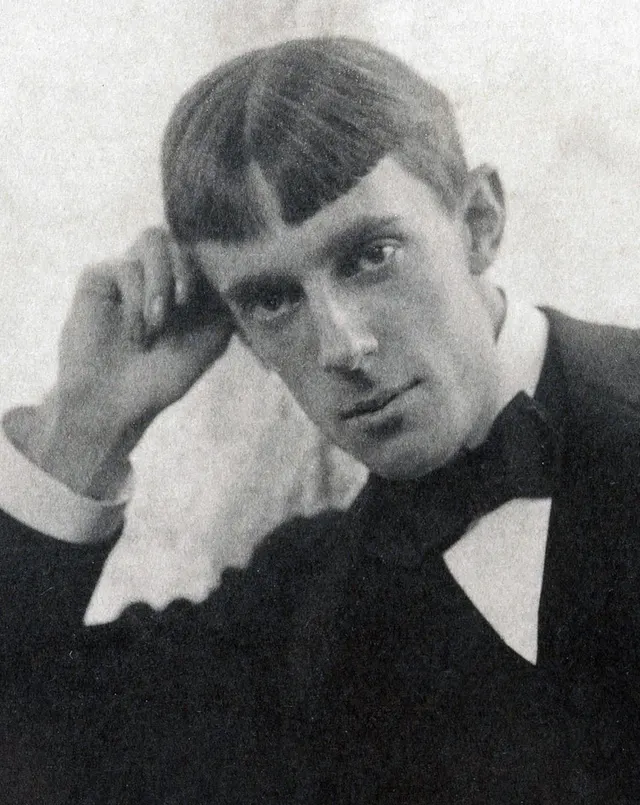
English illustrator of Oscar Wilde’s Salome, who died aged 25.

Selma Lagerlöf
Image creditUnknown photographer · Public domainResized and cropped for display.

Selma Lagerlöf

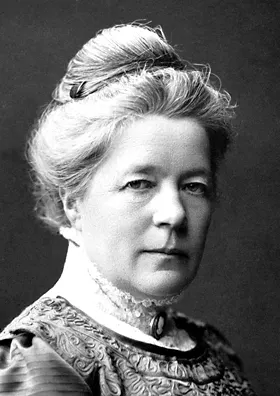
Swedish novelist; the first woman to win the Nobel Prize in Literature, 1909.

Constantin Brâncuși
Image creditEdward Steichen · Public domainResized and cropped for display.

Constantin Brâncuși

Romanian sculptor of Bird in Space and The Kiss.

HISTORY & TIMELINE

Finished the highlights?

Follow 16 March chronologically, from the Middle Ages to the modern day, with 15 verified events and the sources behind them.

This day through time →