Explore 12 March

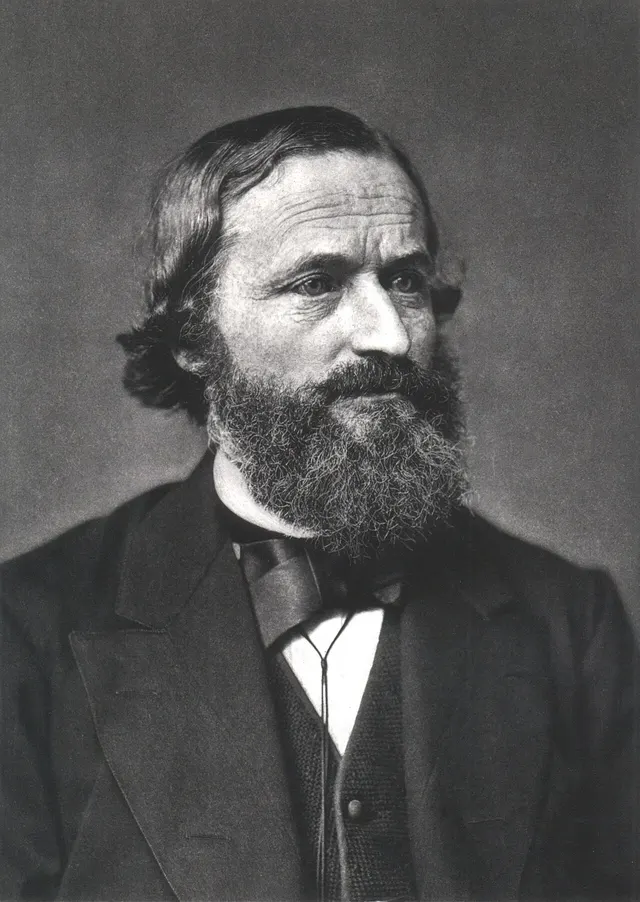
Explore 12 March: Gandhi sets out on the Salt March, Mauritius becomes independent, German troops cross into Austria and Canberra gets its name. Meet Vaslav Nijinsky, Jack Kerouac and George Berkeley, born on this date.

This day through time →10 verified events across 1 eras

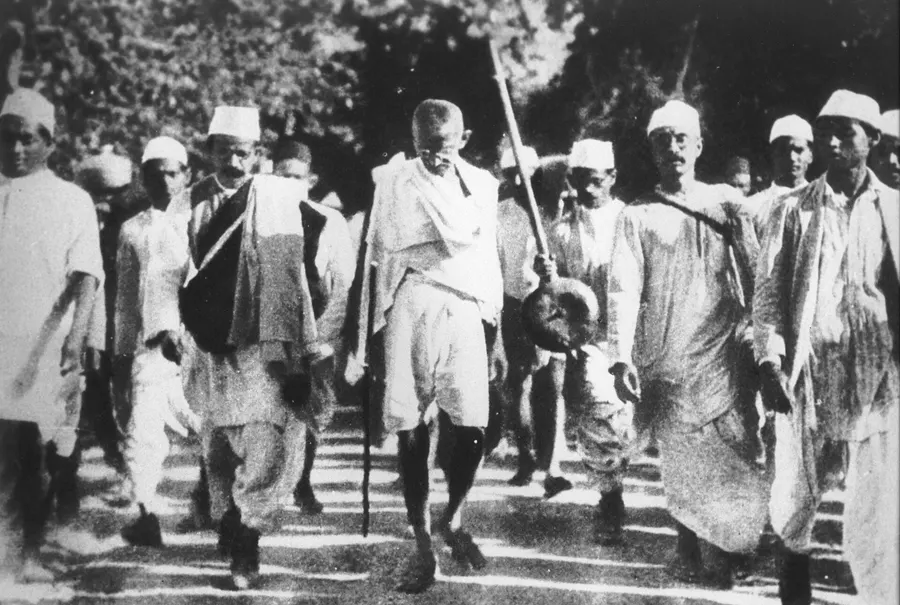
Gandhi and his companions during the Salt March, March 1930.
Image creditUnknown photographer · Public domainResized and cropped for display.

Gandhi begins the Salt March

On 12 March 1930 Mohandas Gandhi, aged 60, walked out of his ashram at Sabarmati near Ahmedabad with 78 followers, bound for the sea at Dandi, about 240 miles away. His target was the salt tax: British law made it a crime for Indians to make or sell their own salt.

Thousands joined the march along the way. On 6 April, at Dandi, Gandhi picked up a handful of natural salt, breaking the law, and civil disobedience spread across India. By the end of the year about 60,000 people had been jailed.

Read the full storyHistory & Timeline →Source: Sabarmati Ashram: History ↗
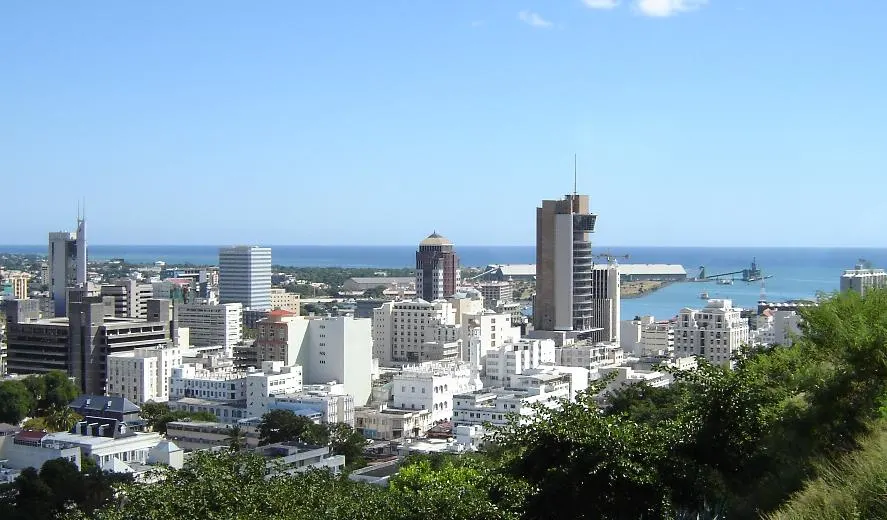
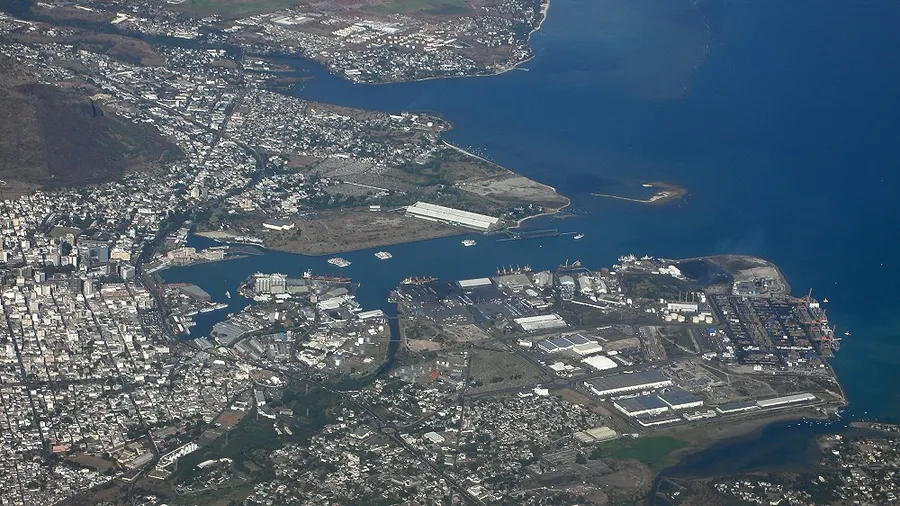
Port Louis, the capital of Mauritius, seen from the Citadel.
Image creditThierry · CC BY-SA 3.0Resized and cropped for display.

Mauritius becomes independent

On 12 March 1968 the Indian Ocean island of Mauritius, under British rule since 1810, became an independent state within the Commonwealth, with a governor-general representing the British monarch.

Exactly 24 years later, on 12 March 1992, Mauritius became a republic with its own president as head of state. Both anniversaries are celebrated together each year as National Day.

Read the full storyHistory & Timeline →Source: Encyclopaedia Britannica: Mauritius, independence ↗
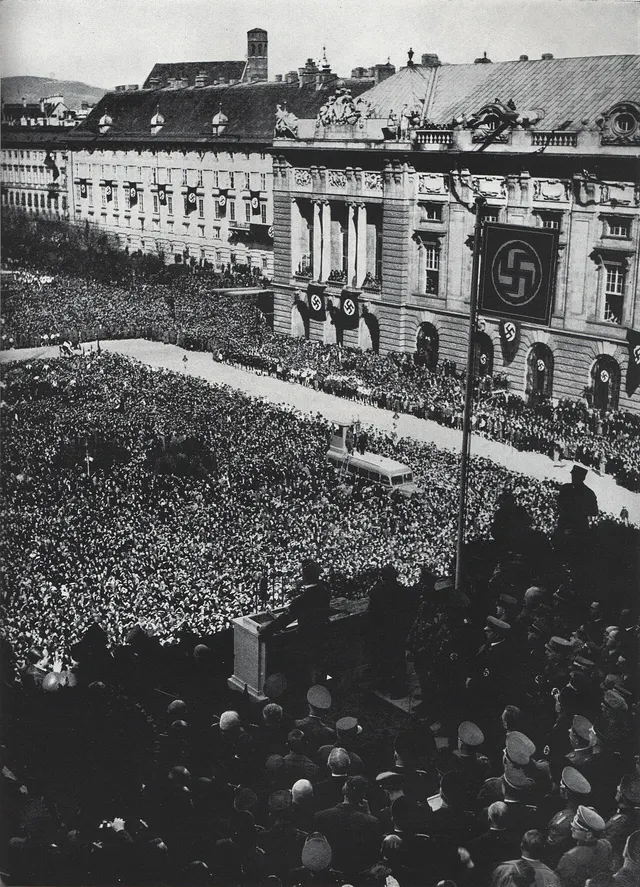
Crowds on the Heldenplatz in Vienna to hear Hitler speak, 15 March 1938.
Image creditHeinrich Hoffmann · Public domainResized and cropped for display.

German troops march into Austria

Early on 12 March 1938 German troops crossed the Austrian border. They met no armed resistance, and in many places cheering crowds. That afternoon Hitler entered his birthplace, Braunau, and went on to Linz. The next day a law declared Austria part of the German Reich.

It was Nazi Germany’s first seizure of another country’s territory. Persecution of Austria’s Jews began at once, with public humiliation, looting and arrests.

Read the full storyHistory & Timeline →Source: United States Holocaust Memorial Museum: German annexation of Austria ↗
The ceremony naming Canberra, 12 March 1913, with Prime Minister Andrew Fisher at the centre.
Image creditUnknown photographer · Public domainResized and cropped for display.

Australia’s new capital is named Canberra

At a ceremony on a hill in the Australian countryside on 12 March 1913, Lady Denman, wife of the Governor-General, announced the name of the nation’s future capital: Canberra. Foundation stones were laid for a column to mark the start of the city.

The name comes from the Aboriginal people of the area. Parliament moved to Canberra from Melbourne in 1927.

Read the full storyHistory & Timeline →Source: National Archives of Australia: Lady Denman names Canberra ↗
♙
PEOPLE

Born Today

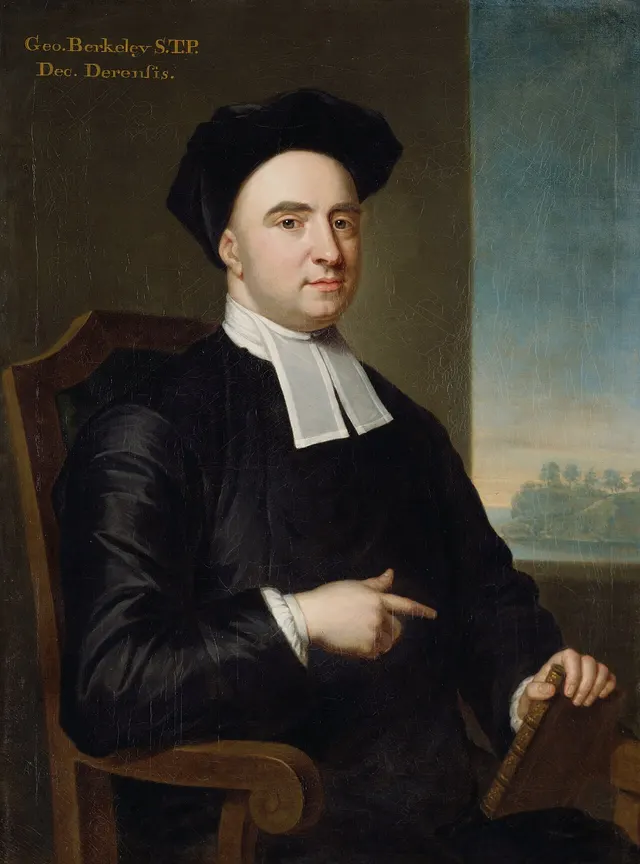
George Berkeley
Image creditJohn Smibert · Public domainResized and cropped for display.

George Berkeley

Irish philosopher who argued that material things exist only in being perceived.

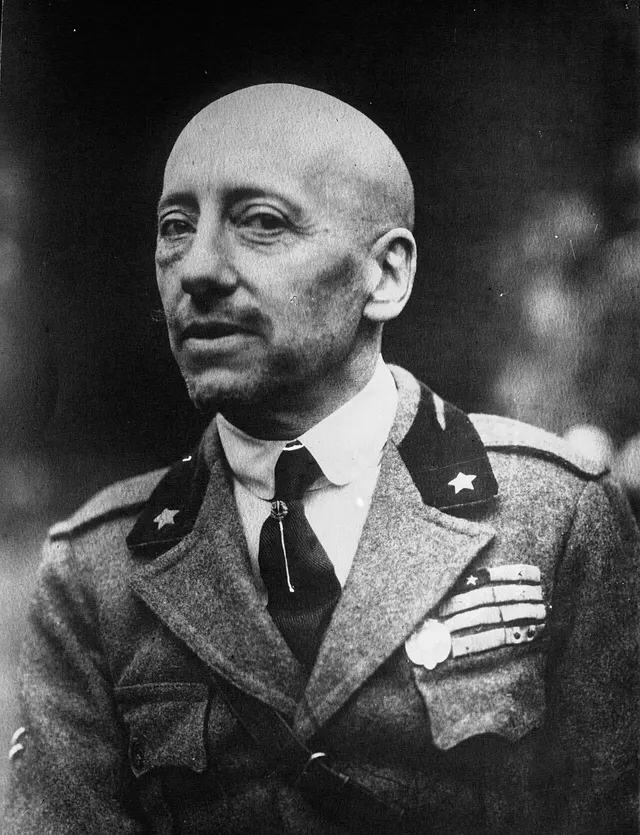
Gabriele D'Annunzio
Image creditAgence de presse Meurisse · Public domainResized and cropped for display.

Gabriele D’Annunzio

Italian poet, novelist and nationalist adventurer who seized the city of Fiume in 1919.

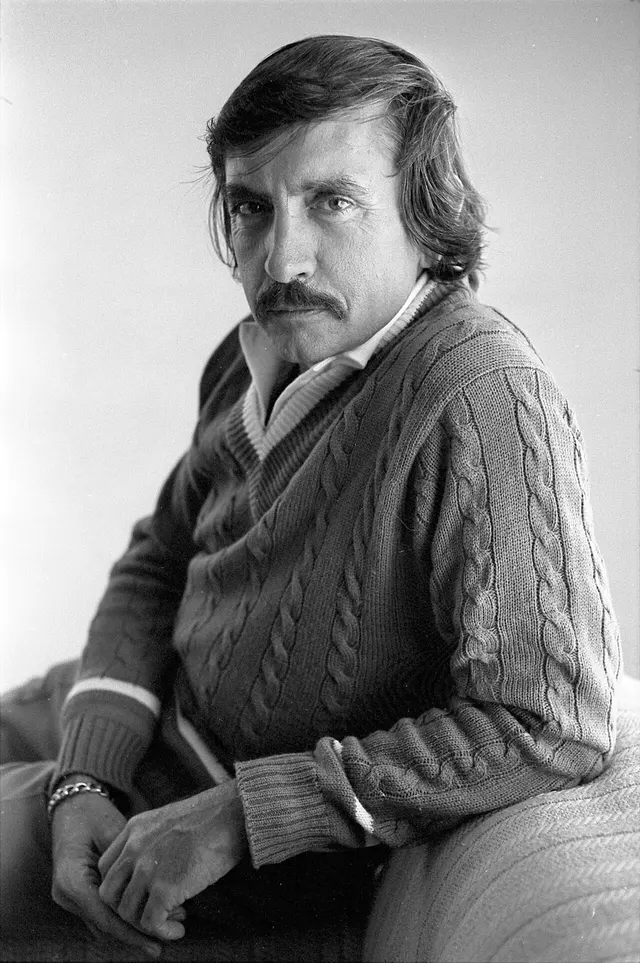
Edward Albee
Image creditLos Angeles Times · CC BY 4.0Resized and cropped for display.

Edward Albee

American playwright of Who’s Afraid of Virginia Woolf?

James Taylor
Image creditColumbia Records · Public domainResized and cropped for display.

James Taylor

American singer-songwriter of ‘Fire and Rain’.

◉
IDEAS THAT CHANGED THINGS

Firsts, Science & Discoveries

The NeXT computer that Tim Berners-Lee used as the first web server at CERN.
Image creditCoolcaesar (English Wikipedia) · CC BY-SA 3.0Resized and cropped for display.

Tim Berners-Lee proposes the World Wide Web

In March 1989 Tim Berners-Lee, a British computer scientist at CERN, the European physics laboratory near Geneva, handed his boss a paper called ‘Information Management: A Proposal’. It described a system of linked documents that researchers anywhere could share. His boss wrote on the cover: ‘Vague but exciting.’

12 March 1989 is now celebrated as the web’s birthday. Berners-Lee built the first browser and server in 1990, and in 1993 CERN made the web’s software free for anyone to use.

Read the full storyHistory & Timeline →Source: Science Museum: Happy 25th birthday, World Wide Web ↗
✦
LIVES REMEMBERED

Remembered Today

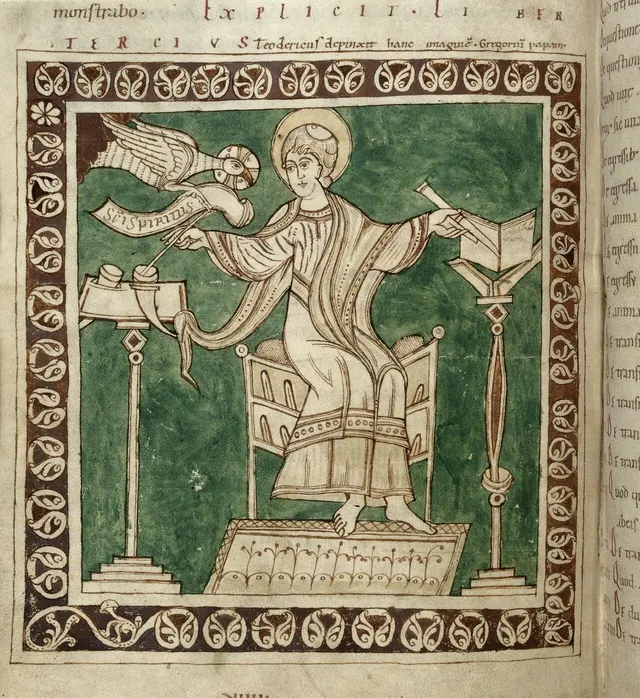
Pope Gregory I
Image creditBritish Library (manuscript illumination) · CC0Resized and cropped for display.

Pope Gregory I

Pope known as Gregory the Great, who sent missionaries to convert the English (12 March by the calendar of his day).

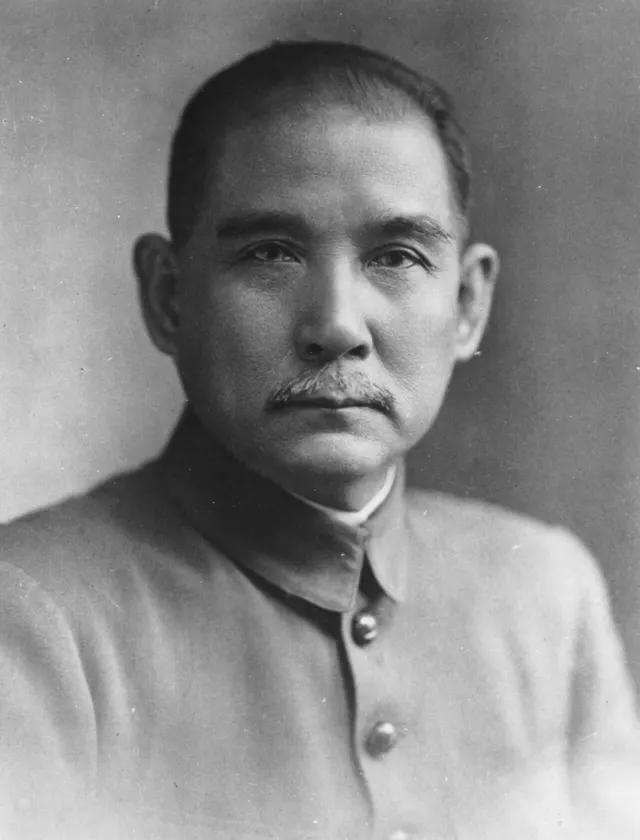
Sun Yat-sen
Image credit上海波尔照相馆 · Public domainResized and cropped for display.

Sun Yat-sen

Chinese revolutionary leader honoured as the father of the Republic of China.

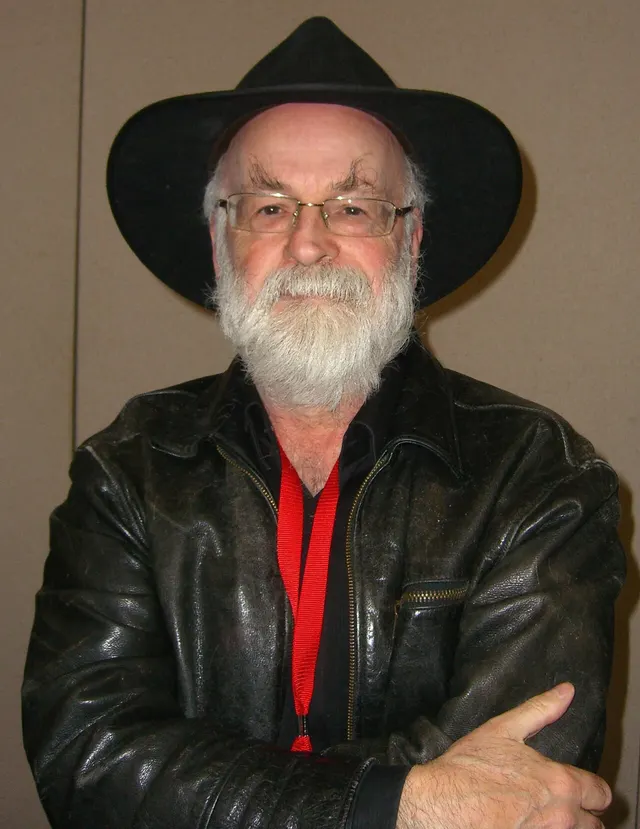
Terry Pratchett
Image creditLuigi Novi · CC BY 3.0Resized and cropped for display.

Terry Pratchett

English author of the comic fantasy Discworld novels.

☉
AROUND THE WORLD

Observances & Anniversaries

HISTORY & TIMELINE

Finished the highlights?

Follow 12 March chronologically, from the Middle Ages to the modern day, with 10 verified events and the sources behind them.

This day through time →