Explore 6 March

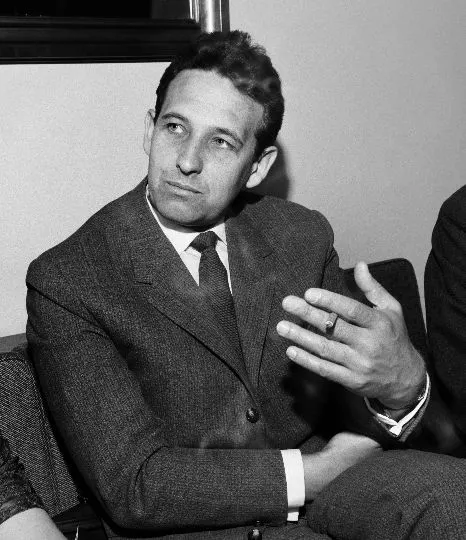
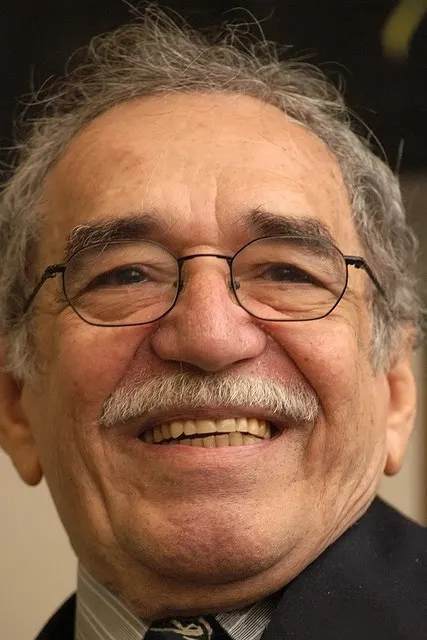
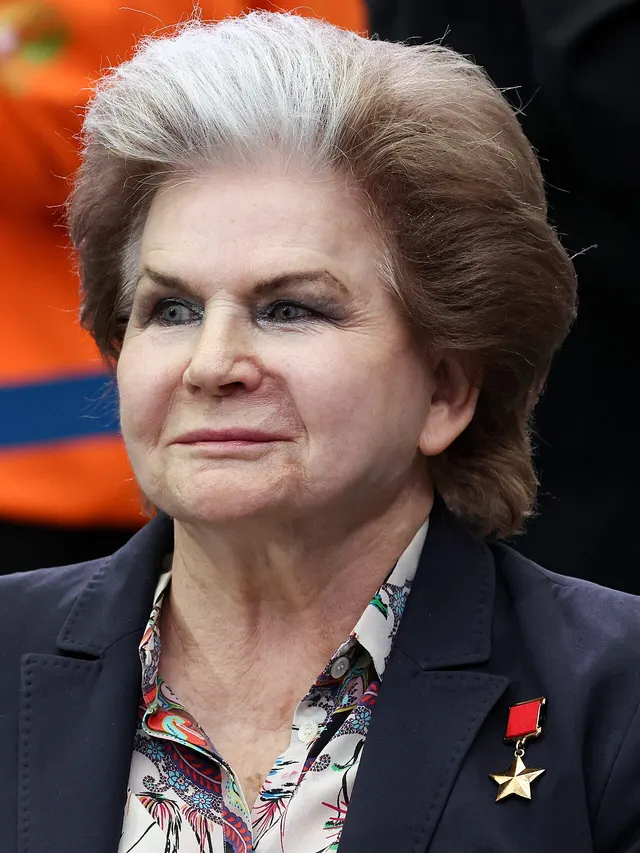
Explore 6 March: Ghana becomes the first sub-Saharan colony to win independence, the Alamo falls, Ho Chi Minh signs a deal with France and La traviata opens in Venice. Meet Michelangelo, Gabriel García Márquez and Valentina Tereshkova, born on this date.

This day through time →14 verified events across 3 eras

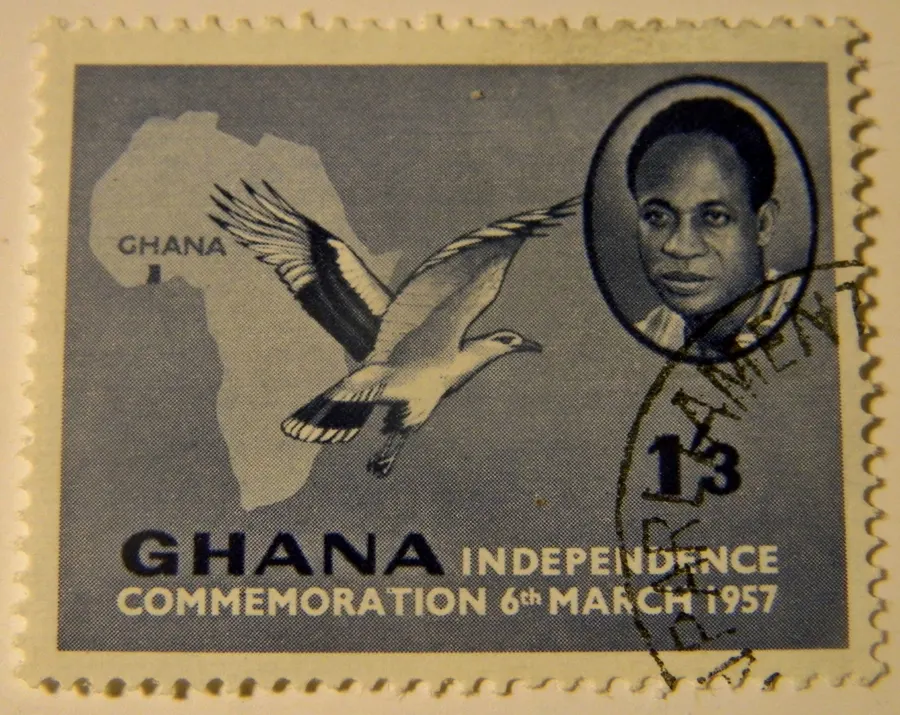
A stamp issued to mark Ghana's independence on 6 March 1957, with Kwame Nkrumah's portrait.
A stamp issued to mark Ghana’s independence on 6 March 1957, with Kwame Nkrumah’s portrait.
Image creditPaasikivi · CC BY-SA 4.0Resized and cropped for display.

Ghana becomes independent

At midnight on 6 March 1957 the British colony of the Gold Coast became the independent state of Ghana, the first colony in sub-Saharan Africa to break free of European rule. Kwame Nkrumah, whose Convention People’s Party had campaigned for self-government since 1949, became its first prime minister, and the new country joined the Commonwealth.

In his independence speech Nkrumah said that Ghana’s freedom meant little unless it was linked to the liberation of the whole continent. Within about a decade more than thirty African states had followed.

Read the full storyHistory & Timeline →Source: Encyclopaedia Britannica: Ghana, independence ↗
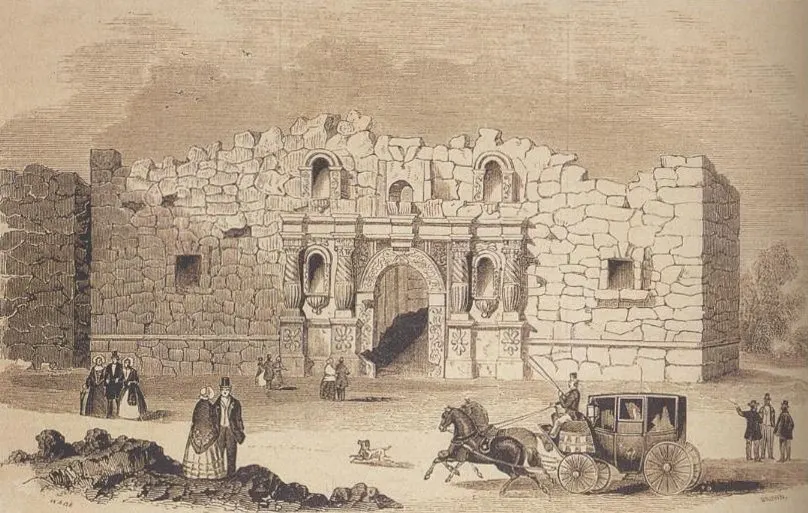
The Alamo mission in San Antonio, from a drawing printed in 1854.
Image creditUnknown authorUnknown author · Public domainResized and cropped for display.

The Alamo falls

Before dawn on 6 March 1836, on the thirteenth day of a siege, Mexican troops under General Antonio López de Santa Anna stormed the Alamo, an old mission in San Antonio held by Texan rebels. The assault came from four sides and was over in about ninety minutes. Nearly all the defenders were killed, among them William Travis, Jim Bowie and David Crockett.

The defeat became a rallying cry. Weeks later, shouting ‘Remember the Alamo!’, Sam Houston’s army beat Santa Anna at San Jacinto and won independence for Texas.

Read the full storyHistory & Timeline →Source: Texas State Historical Association: Alamo, Battle of the ↗
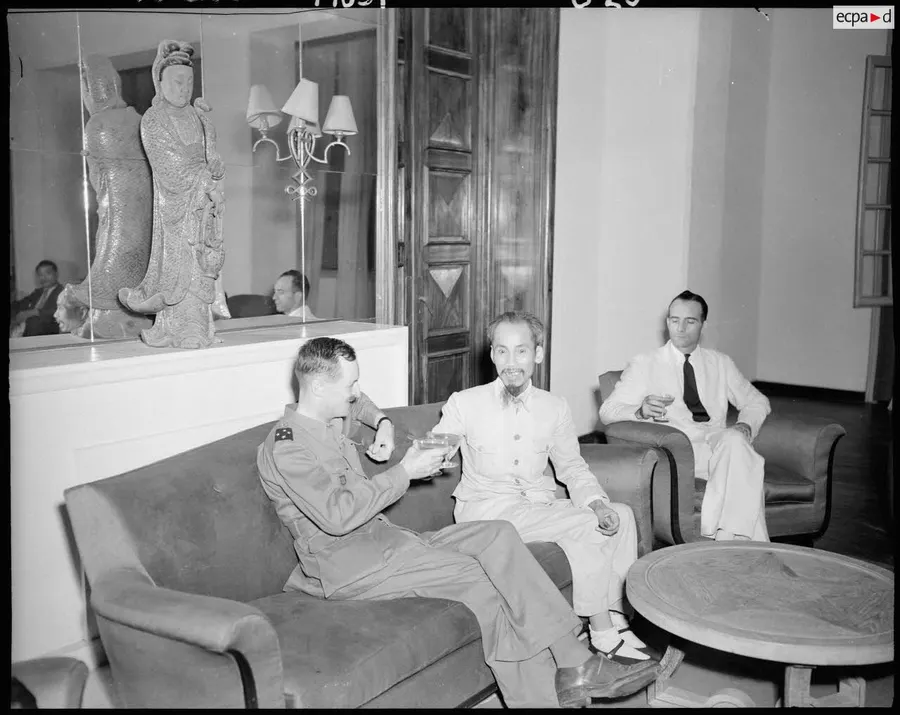
General Leclerc and President Ho Chi Minh raise a toast in Hanoi after French troops returned, March 1946.
Image creditClaude Le Ray · Public domainResized and cropped for display.

France recognises Vietnam as a ‘free state’

On 6 March 1946 Ho Chi Minh, president of the Democratic Republic of Vietnam, and the French envoy Jean Sainteny signed an agreement in Hanoi. France recognised Vietnam as a free state with its own government, parliament, army and finances, inside the French Union. In return French troops could return to the north, replacing Chinese forces, and would be withdrawn over five years.

France also promised a referendum on uniting Vietnam’s three regions. The deal did not hold: after the French bombardment of Haiphong that November, the First Indochina War broke out in December 1946.

Read the full storyHistory & Timeline →Source: Encyclopaedia Britannica: Ho Chi Minh, founding of the Vietnamese state ↗
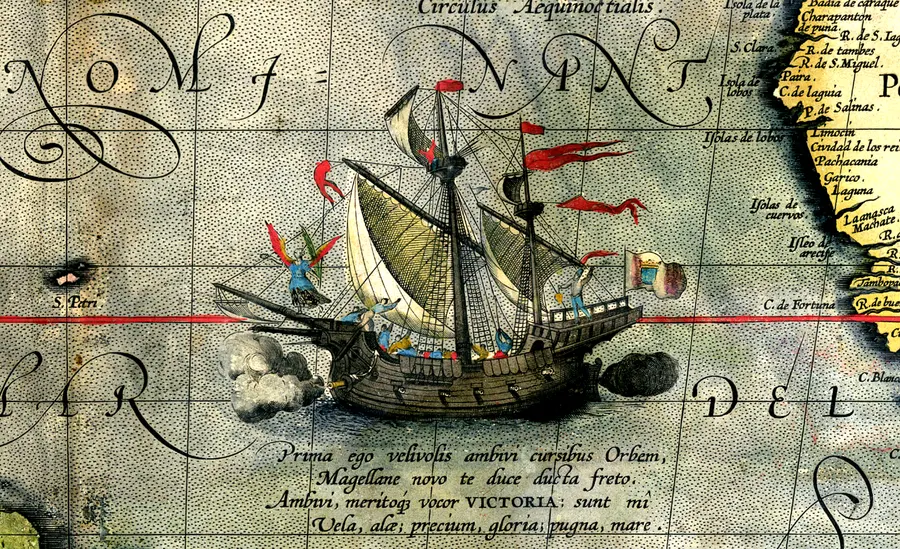
Magellan's ship Victoria, from a map by Abraham Ortelius, 1590.
Magellan’s ship Victoria, from a map by Abraham Ortelius, 1590.
Image creditAbraham Ortelius · Public domainResized and cropped for display.

Magellan’s fleet reaches Guam

On 6 March 1521, by the calendar then in use, Ferdinand Magellan’s fleet sighted land in the Mariana Islands after 99 days crossing the Pacific without fresh food. They were the first Europeans known to cross the ocean, and they landed on Guam, home of the Chamorro people.

Chamorros came out in canoes to trade and took items from the ships, and Magellan’s men burned houses and killed several islanders. The date comes from the chronicler Antonio Pigafetta; another crew member recorded a different day.

Read the full storyHistory & Timeline →Source: Guampedia: Ferdinand Magellan ↗
♙
PEOPLE

Born Today

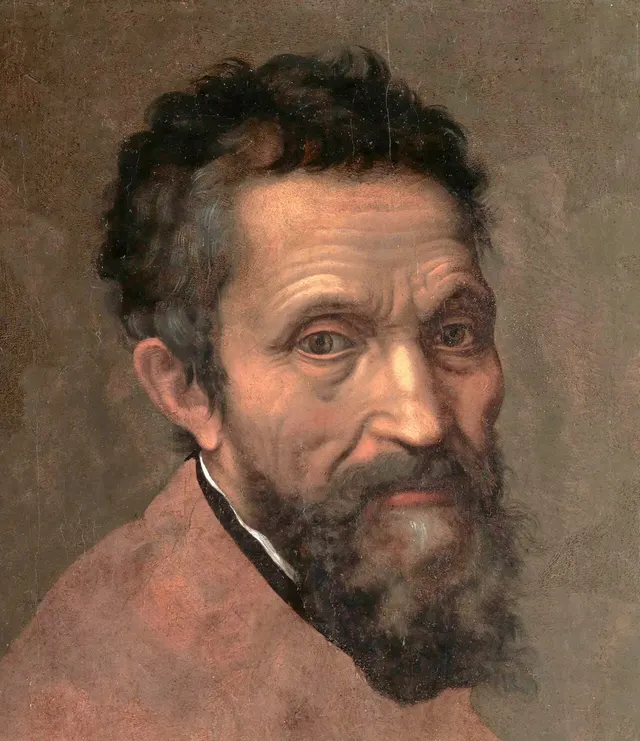
Michelangelo
Image creditAttributed to Daniele da Volterra · Public domainResized and cropped for display.

Michelangelo

Florentine sculptor, painter and architect of the David, the Sistine Chapel ceiling and St Peter’s dome (6 March by the calendar of his day).

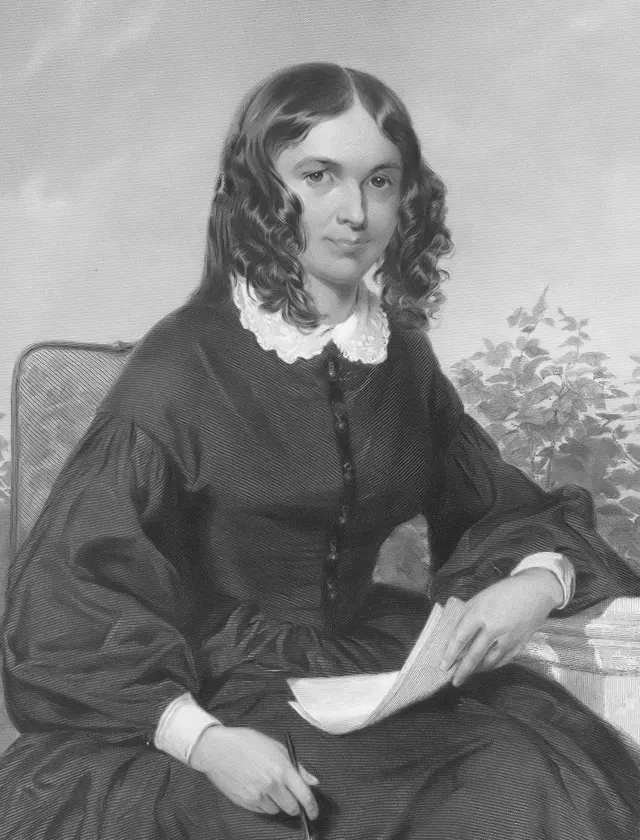
Elizabeth Barrett Browning
Image creditUnknown author · Public domainResized and cropped for display.

Elizabeth Barrett Browning

English poet of Sonnets from the Portuguese and Aurora Leigh.

Gabriel García Márquez
Image creditJose Lara · CC BY-SA 2.0Resized and cropped for display.

Gabriel García Márquez

Colombian novelist of One Hundred Years of Solitude; Nobel Prize in Literature, 1982.

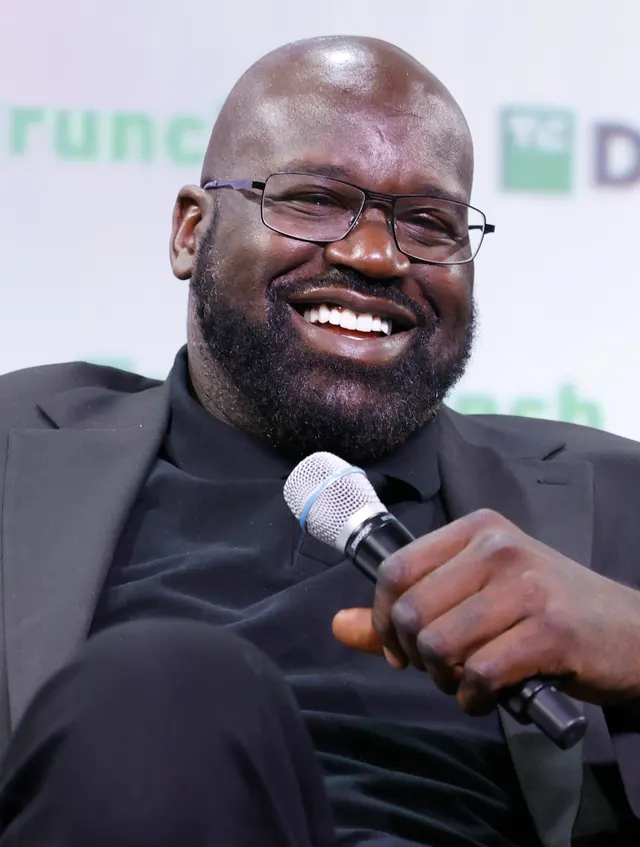
Shaquille O'Neal
Image creditTechCrunch · CC BY 2.0Resized and cropped for display.

Shaquille O’Neal

American basketball player who won four NBA championships.

◉
IDEAS THAT CHANGED THINGS

Firsts, Science & Discoveries

A French advertisement for Aspirine tablets from the Usines du Rhône, 1923.
Image creditunknown (no credits) · Public domainResized and cropped for display.

‘Aspirin’ is registered as a trademark

On 6 March 1899 the name ‘Aspirin’ was entered in the trademark register of the Imperial Patent Office in Berlin for Friedrich Bayer & Co. The drug, acetylsalicylic acid, was a gentler form of a painkiller long taken from willow bark, and it was a registered brand name, not a patent.

After the United States entered the First World War, Bayer’s American assets were seized, and in 1919 the US rights to the name were sold. In many countries ‘aspirin’ has since become an ordinary word.

Read the full storyHistory & Timeline →Source: German Patent and Trade Mark Office: Aspirin, brands with history ↗
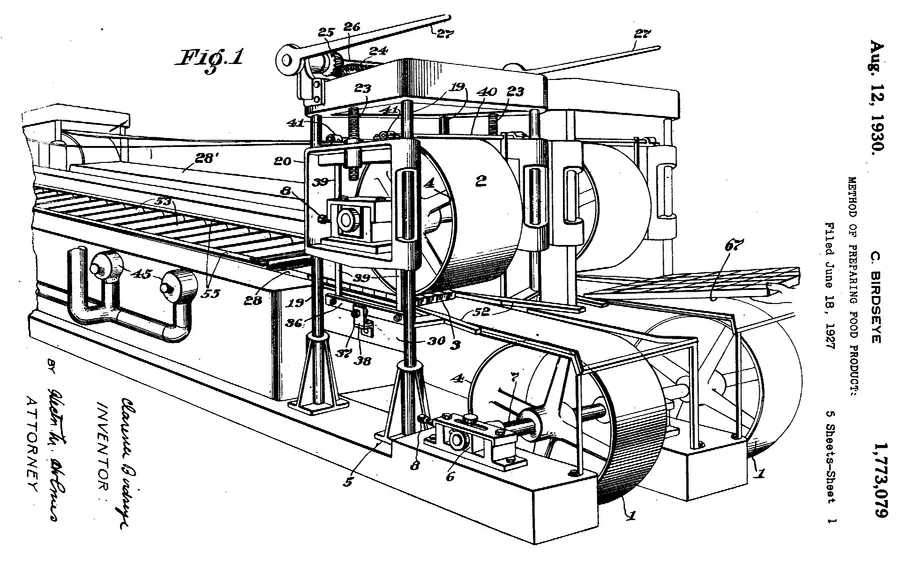
A drawing from Clarence Birdseye's 1930 US patent for quick-frozen fish.
A drawing from Clarence Birdseye’s 1930 US patent for quick-frozen fish.
Image creditUnited States Patent Office (Clarence Birdseye, inventor). · Public domainResized and cropped for display.

Quick-frozen food goes on sale

On 6 March 1930 shoppers in Springfield, Massachusetts, were offered a new kind of food: fish, meat, fruit and vegetables frozen so fast that they kept their taste and texture. The test sale of Birds Eye products used some 26 or 27 items and special freezer cabinets that the company leased to the grocers.

The method came from Clarence Birdseye, who had seen Inuit fishermen in Labrador freeze their catch in the bitter cold. General Foods had bought his company in 1929.

Read the full storyHistory & Timeline →Source: Mass Moments (Mass Humanities): Clarence Birdseye tests frozen food ↗
☆
SPORTING HISTORY

Sporting Moments

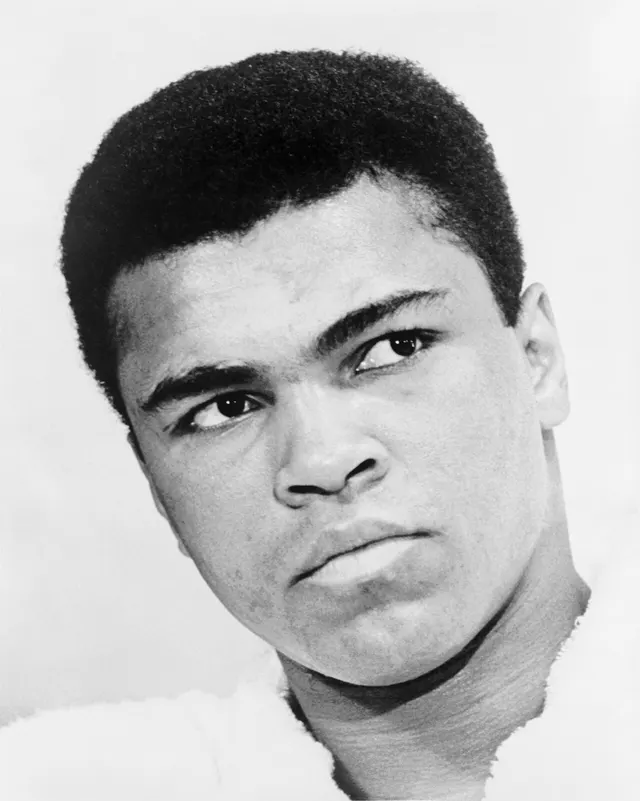
Muhammad Ali in 1967.
Image creditIra Rosenberg · Public domainResized and cropped for display.

Cassius Clay becomes Muhammad Ali

On 6 March 1964, in a radio address, the Nation of Islam leader Elijah Muhammad gave the new world heavyweight champion Cassius Clay the name Muhammad Ali. It came ten days after Clay, a heavy underdog, had beaten Sonny Liston for the title.

Many newspapers went on calling him Clay for years, but the name stuck, and Ali became one of the most famous sportsmen of the century.

Read the full storyHistory & Timeline →Source: Encyclopaedia Britannica: Muhammad Ali ↗
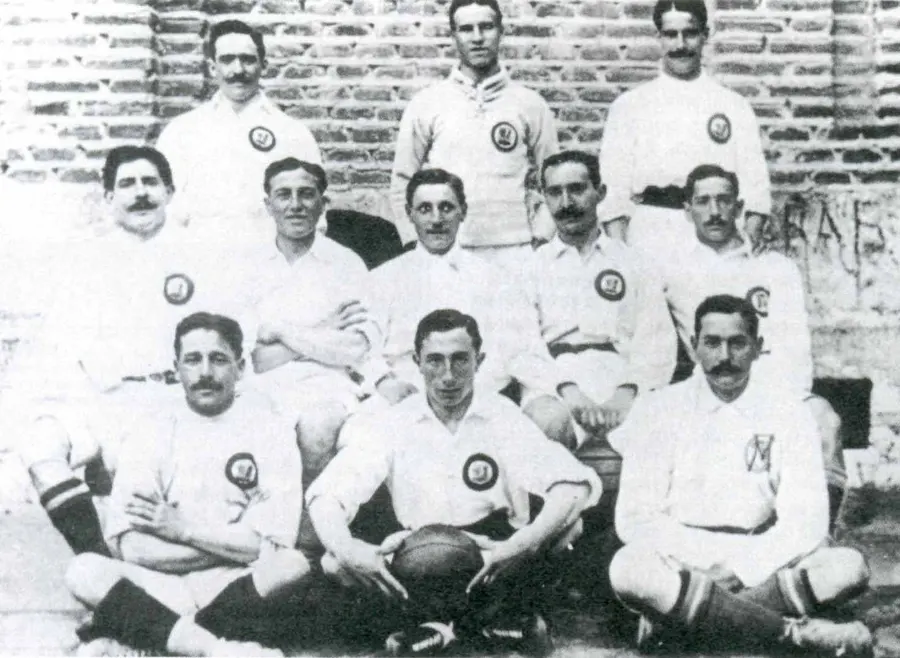
The Madrid Football Club team of 1905-06.
Image creditUnknown authorUnknown author · Public domainResized and cropped for display.

Madrid Football Club is founded

On 6 March 1902 the first board of Madrid Foot Ball Club was elected, with Juan Padrós as its president. The club grew out of Football Club Sky, a team formed in the city in 1897.

It gained the title ‘Real’ (royal) in 1920 and became Real Madrid, the most successful club in the history of the European Cup and the Champions League.

Read the full storyHistory & Timeline →Source: Real Madrid CF: 124 years of legend ↗
♫
MUSIC • FILM • BOOKS • CULTURE

Culture Stories

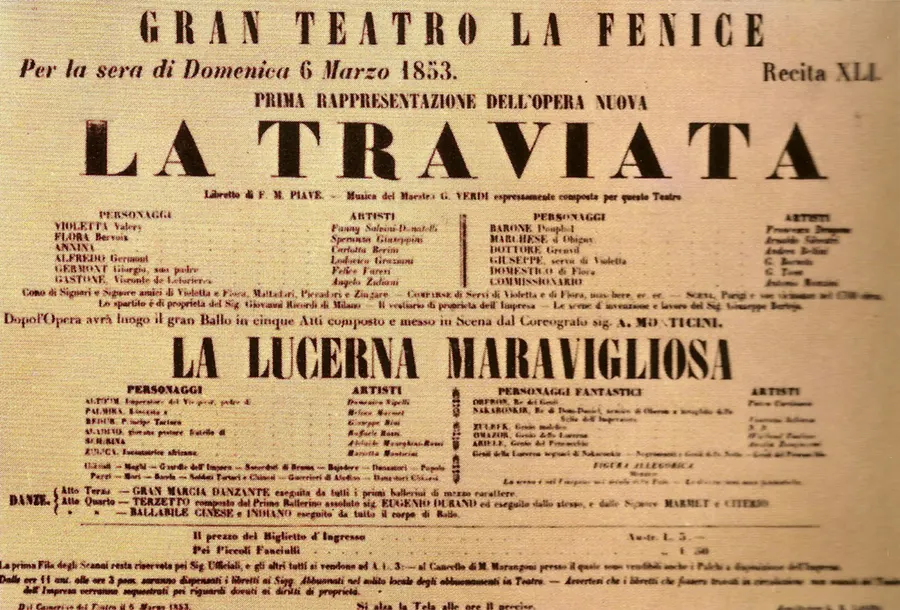
The poster for the first performance of La traviata at La Fenice, Venice, 6 March 1853.
Image creditTeatro La Fenice (poster, 1853) · Public domainResized and cropped for display.

Verdi’s La traviata opens in Venice

Giuseppe Verdi’s opera La traviata, with a libretto by Francesco Maria Piave based on Alexandre Dumas’s La Dame aux camélias, had its first performance at La Fenice in Venice on 6 March 1853. The first night went badly, and Verdi called it a fiasco.

He did not give up. A later revival at another Venetian theatre, with better-suited singers and small revisions, was a triumph, and the story of the doomed Violetta became one of the most performed operas in the world.

Read the full storyHistory & Timeline →Source: Encyclopaedia Britannica: La traviata ↗
✦
LIVES REMEMBERED

Remembered Today

Louisa May Alcott
Image creditAdam Cuerden · Public domainResized and cropped for display.

Louisa May Alcott

American novelist, author of Little Women.

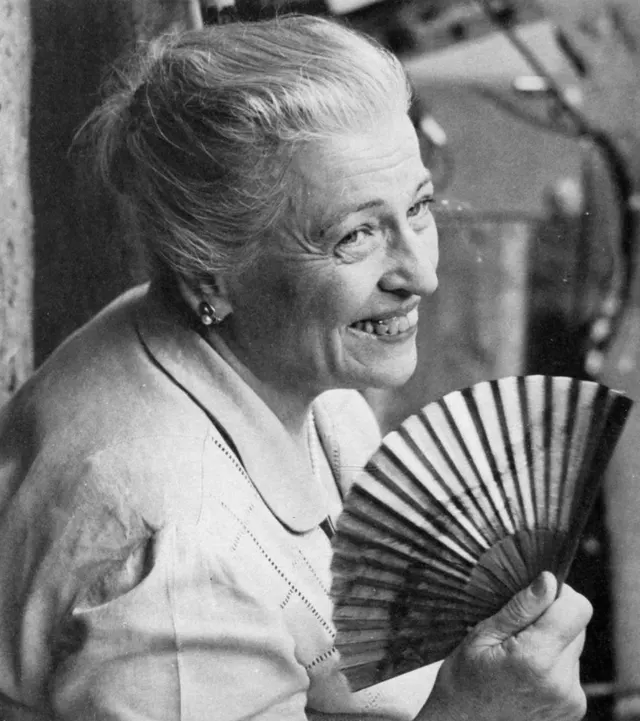
Pearl S. Buck
Image creditAP · Public domainResized and cropped for display.

Pearl S. Buck

American novelist of China, author of The Good Earth; Nobel Prize in Literature, 1938.

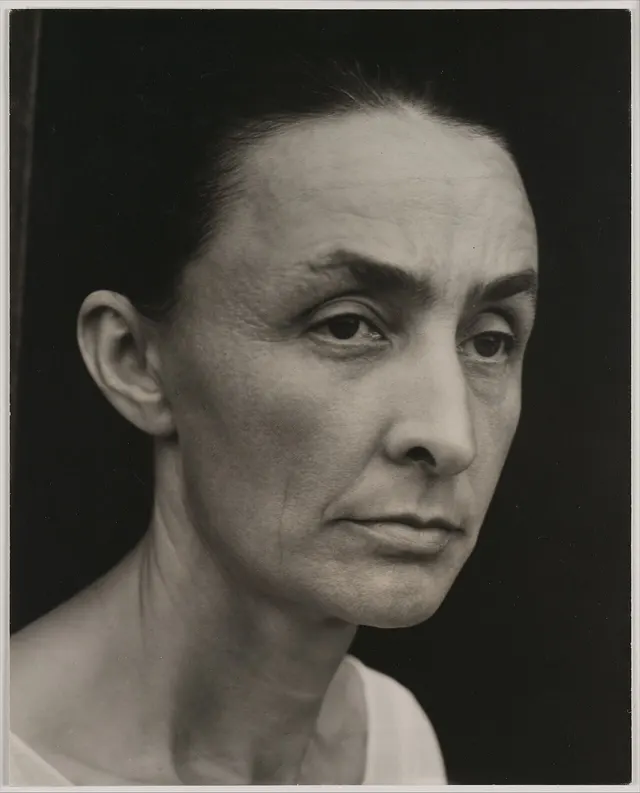
Georgia O'Keeffe
Image creditAlfred Stieglitz · CC0Resized and cropped for display.

Georgia O’Keeffe

American modernist painter of flowers, bones and New Mexico landscapes.

☉
AROUND THE WORLD

Observances & Anniversaries

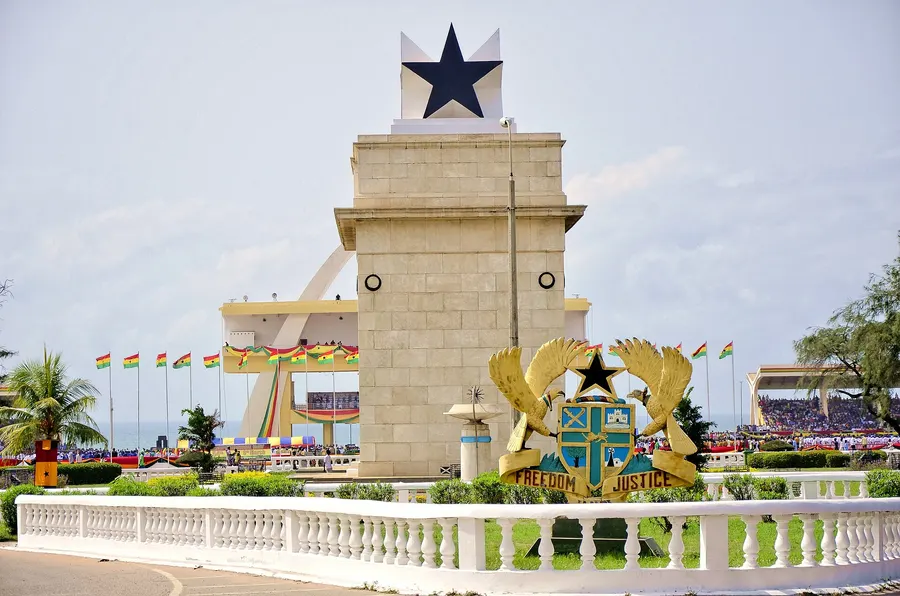
Independence Square in Accra, with the Independence Arch, on 6 March 2011.
Image creditBen Sutherland (on Flickr) · CC BY 2.0Resized and cropped for display.

Independence Day in Ghana

Ghana marks its independence from Britain in 1957 with a public holiday on 6 March. Flags are raised, and parades and cultural events are held in Accra and across the country.

Source: Bank of Ghana: Independence Day ↗
HISTORY & TIMELINE

Finished the highlights?

Follow 6 March chronologically, from the Middle Ages to the modern day, with 14 verified events and the sources behind them.

This day through time →