Explore 7 March

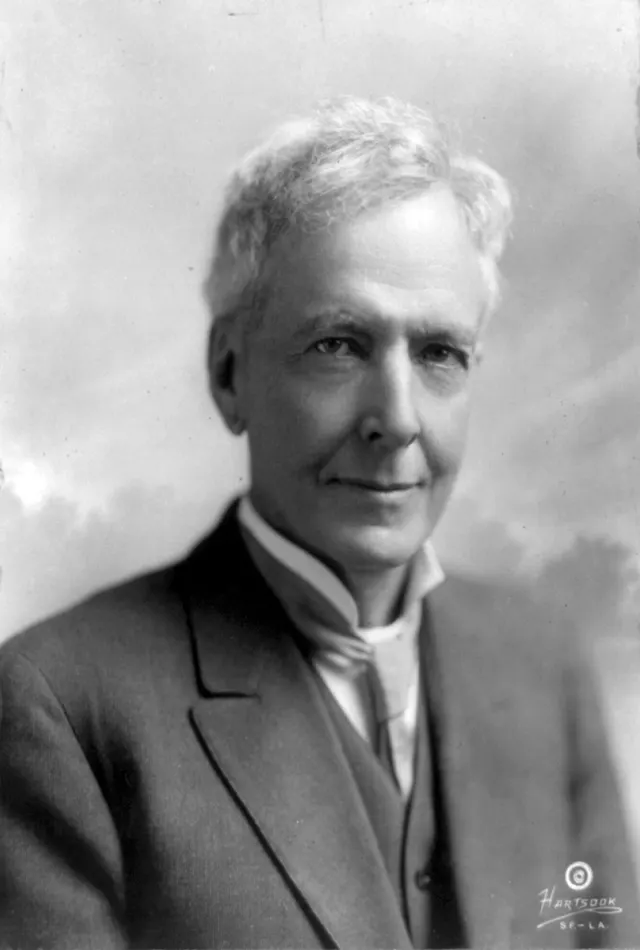
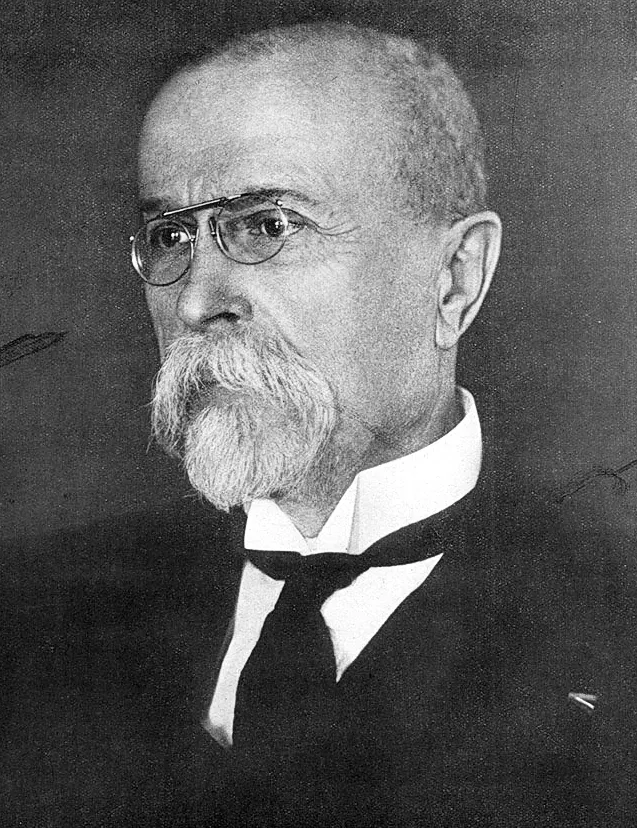
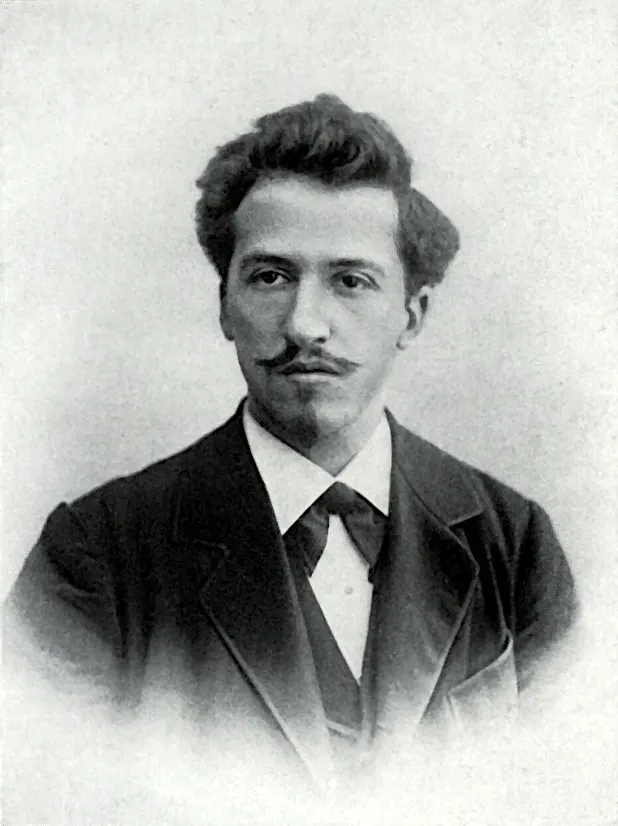
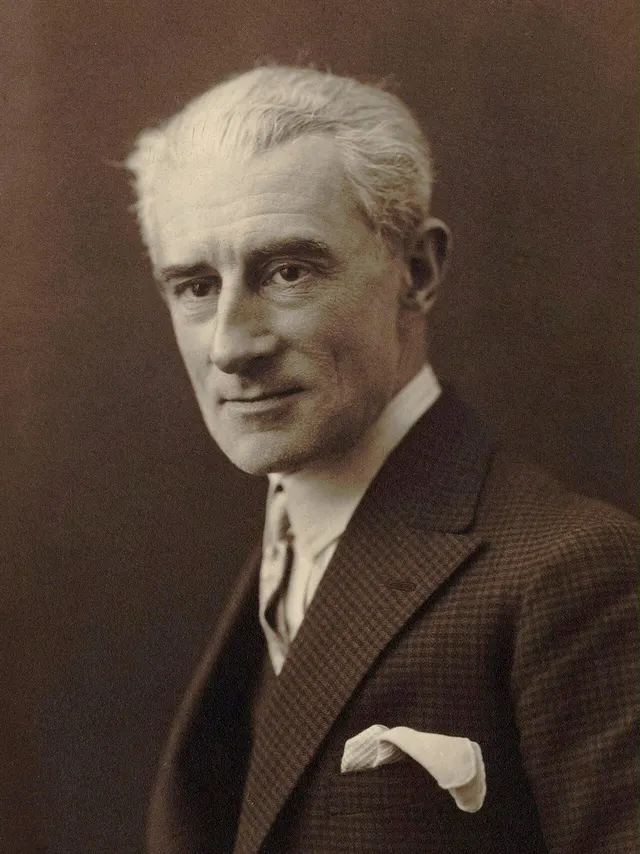
Explore 7 March: marchers are beaten on the Edmund Pettus Bridge, Sheikh Mujibur Rahman calls for freedom in Dhaka, Amundsen’s South Pole news reaches Hobart and Bell is granted his telephone patent. Meet Maurice Ravel, Piet Mondrian and Tomáš Masaryk, born on this date.

This day through time →10 verified events across 3 eras

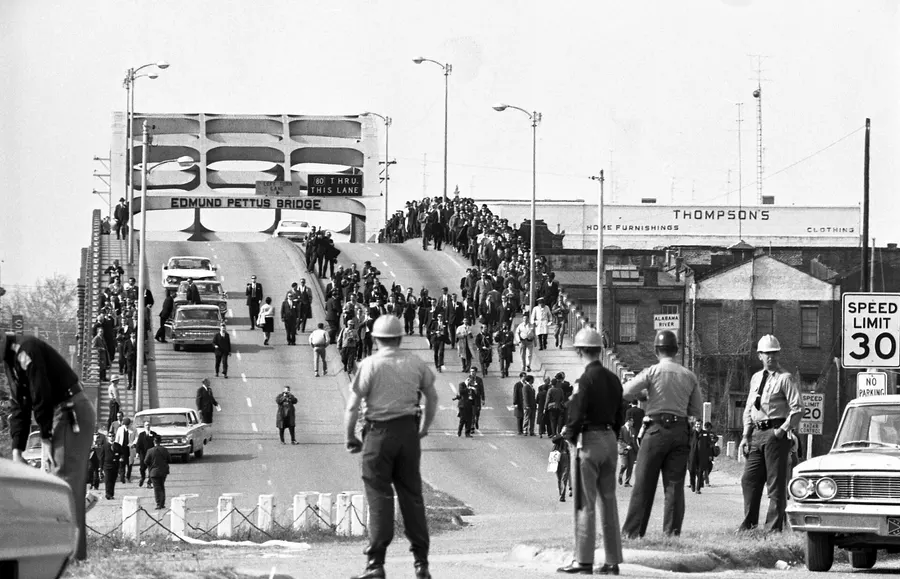
Alabama officers wait for the marchers at the end of the Edmund Pettus Bridge, 7 March 1965.
Image creditU.S. Department of Justice · Public domainResized and cropped for display.

‘Bloody Sunday’ on the Edmund Pettus Bridge

On Sunday 7 March 1965 about 600 people set out from Selma, Alabama, to march to the state capital, Montgomery, to demand the right to vote. Led by John Lewis and Hosea Williams, they crossed the Edmund Pettus Bridge and were met by state troopers and a local posse, who attacked them with clubs, tear gas and horses. Lewis’s skull was fractured, and dozens of marchers were taken to hospital.

Television pictures of the attack shocked the nation. Within days President Lyndon Johnson called for new voting laws, and the Voting Rights Act became law on 6 August 1965.

Read the full storyHistory & Timeline →Source: National Park Service: Bloody Sunday ↗
Sheikh Mujibur Rahman speaks at the Ramna Racecourse in Dhaka, 7 March 1971.
Image creditPress Information Department · Public domainResized and cropped for display.

Sheikh Mujibur Rahman’s 7 March speech

On 7 March 1971 Sheikh Mujibur Rahman addressed a vast crowd at the Ramna Racecourse in Dhaka, then in East Pakistan. His Awami League had won a majority in Pakistan’s 1970 election, but the military rulers had refused to hand over power. Speaking without a written text, he declared that ‘the struggle this time is the struggle for our freedom’ and set out a campaign of non-cooperation.

Within weeks war had broken out, and Bangladesh won its independence that December. In 2017 UNESCO added the speech to its Memory of the World register.

Read the full storyHistory & Timeline →Source: UNESCO Memory of the World: The historic 7th March speech ↗
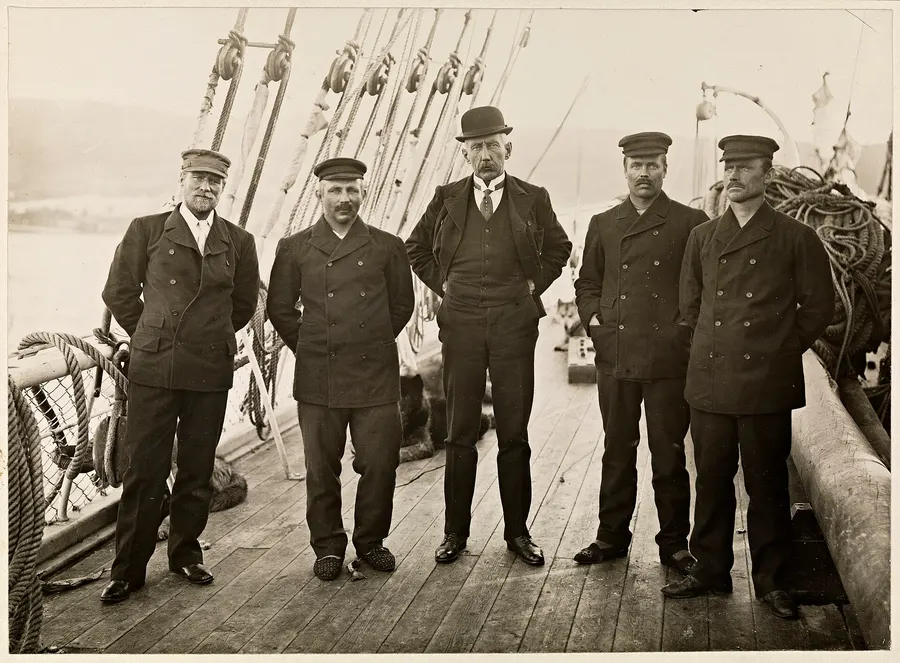
Hassel, Wisting, Amundsen, Bjaaland and Hanssen, the five who reached the South Pole, on the Fram's deck at Hobart, March 1912.
Hassel, Wisting, Amundsen, Bjaaland and Hanssen, the five who reached the South Pole, on the Fram’s deck at Hobart, March 1912.
Image creditUnknown photographer (National Library of Norway) · Public domainResized and cropped for display.

Amundsen brings news of the South Pole to Hobart

On 7 March 1912 Roald Amundsen’s ship Fram reached Hobart in Tasmania, the first port it could make after leaving Antarctica. From there Amundsen sent word to Norway that his party of five had reached the South Pole on 14 December 1911, more than a month ahead of Robert Falcon Scott.

The Norwegians had travelled with skis and dog sledges and returned safely to their base. The world did not yet know that Scott and his four companions had died on their return journey.

Read the full storyHistory & Timeline →Source: Fram Museum: The third Fram expedition, 1910-1914 ↗
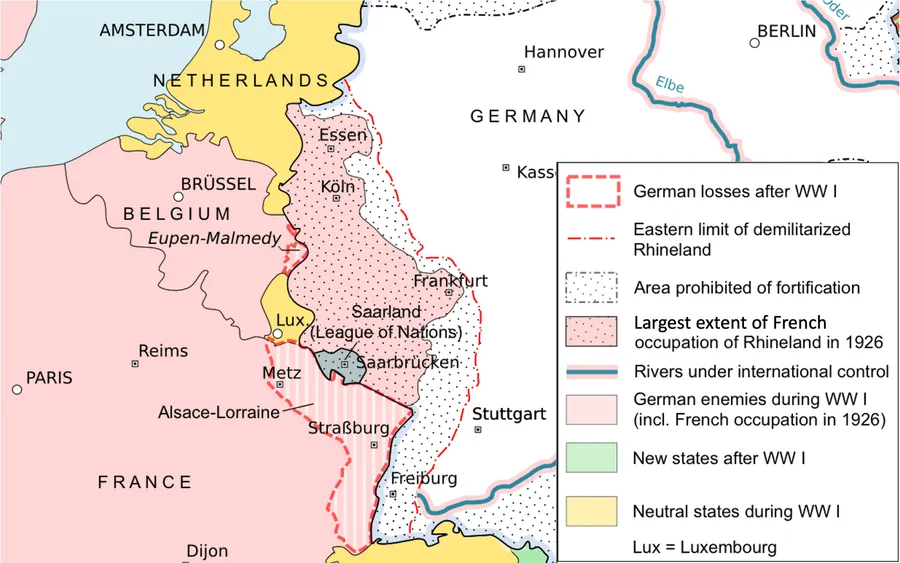
A map of western Germany after the First World War, showing the demilitarised Rhineland.
Image creditSoerfm · CC BY-SA 4.0Resized and cropped for display.

Hitler sends troops into the Rhineland

On 7 March 1936 German troops marched into the Rhineland, the strip of Germany along the borders with France, Belgium and the Netherlands that the Treaty of Versailles and the Locarno treaties had declared a demilitarised zone. It was a gamble, since Germany’s army was still small.

Britain and France protested but did not act; the French government would not risk mobilisation. The success emboldened Hitler, and it foreshadowed the appeasement over Austria and Czechoslovakia two years later.

Read the full storyHistory & Timeline →Source: United States Holocaust Memorial Museum: Remilitarisation of the Rhineland ↗
♙
PEOPLE

Born Today

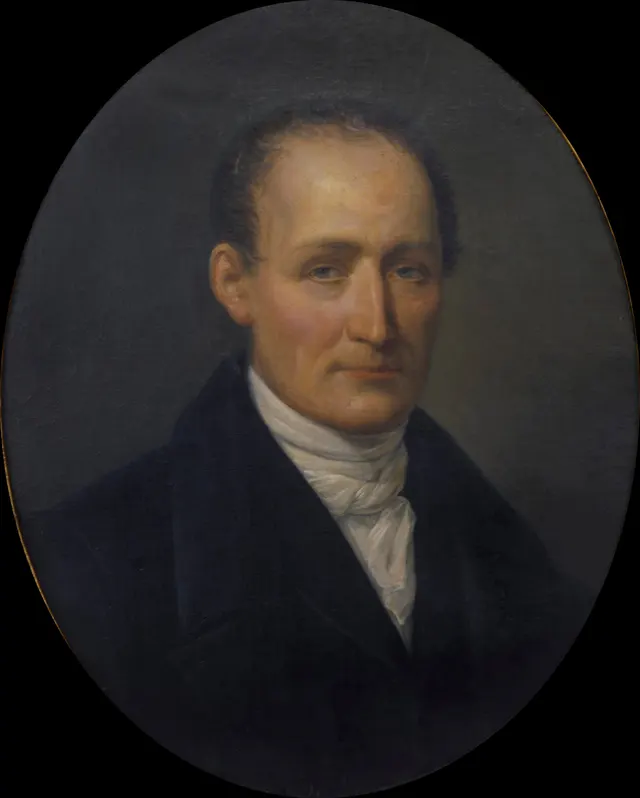
Nicéphore Niépce
Image creditLéonard François Berger · Public domainResized and cropped for display.

Nicéphore Niépce

French inventor who made the oldest surviving photograph taken with a camera.

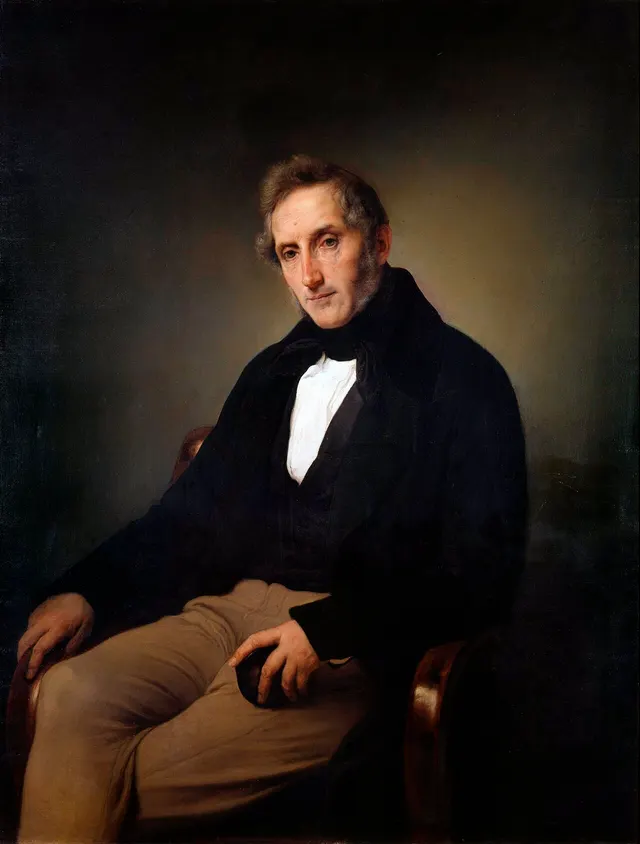
Alessandro Manzoni
Image creditFrancesco Hayez · Public domainResized and cropped for display.

Alessandro Manzoni

Italian novelist of The Betrothed, a founding work of modern Italian prose.

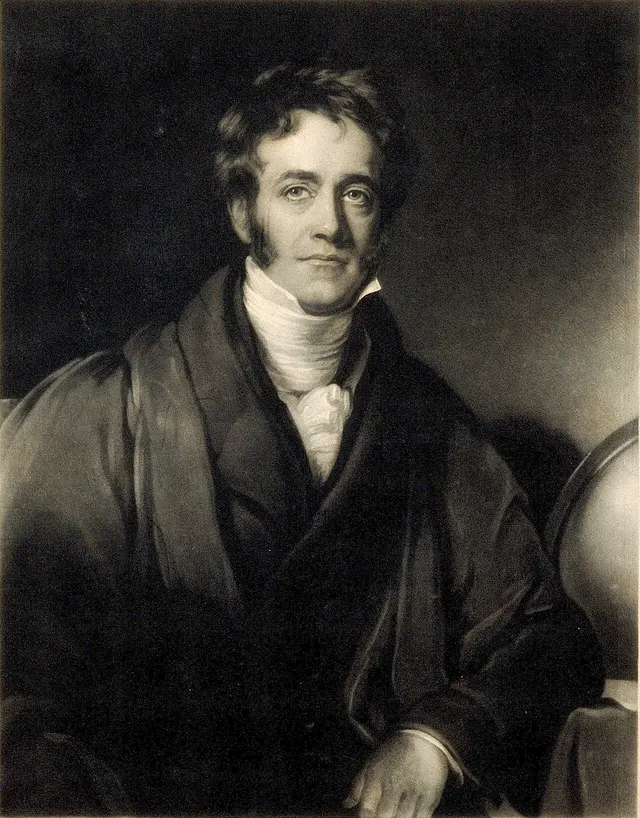
John Herschel
Image creditW. Ward · Public domainResized and cropped for display.

John Herschel

English astronomer who charted the southern skies and helped pioneer photography.

Luther Burbank
Image creditFred Hartsook · Public domainResized and cropped for display.

Luther Burbank

American plant breeder who developed hundreds of new fruits, flowers and vegetables.

Ivan Lendl
Image creditCharlie Cowins · CC BY 2.0Resized and cropped for display.

Ivan Lendl

Czech-born tennis player who won eight Grand Slam singles titles.

◉
IDEAS THAT CHANGED THINGS

Firsts, Science & Discoveries

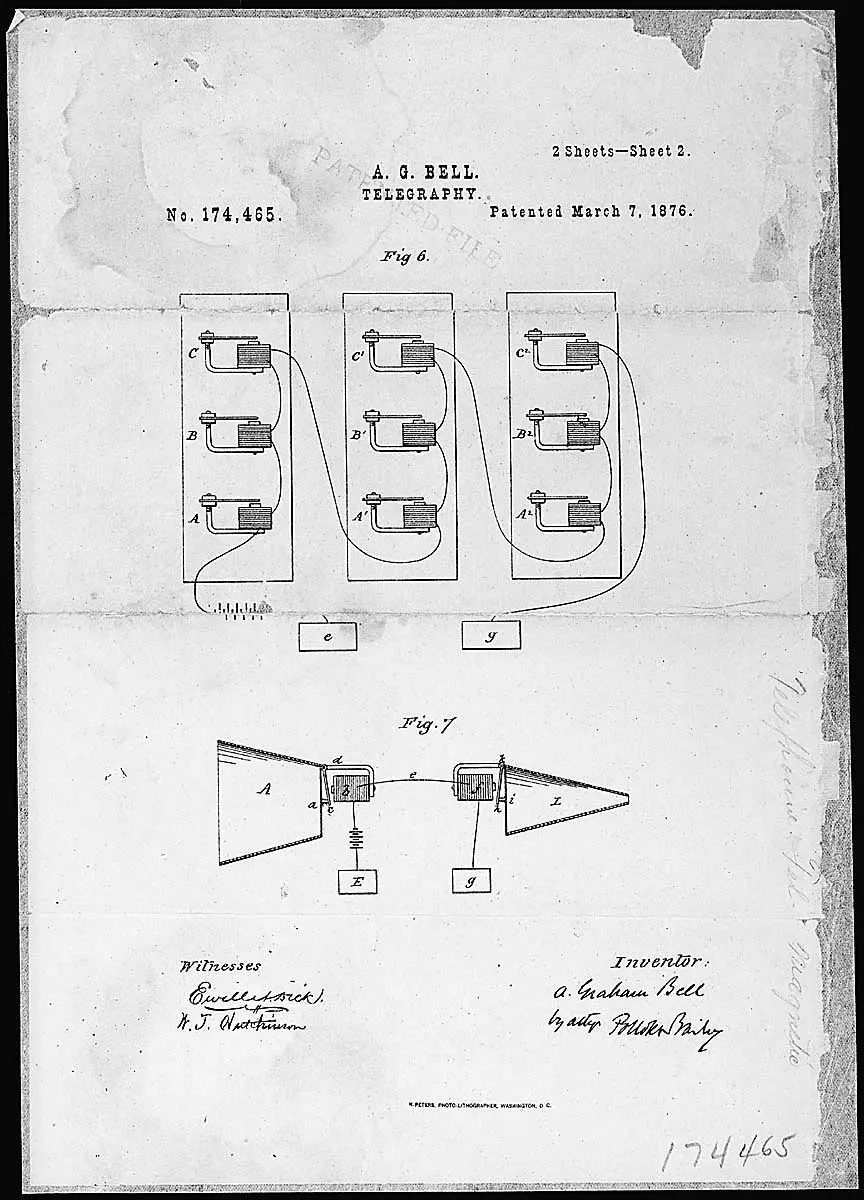
The drawing from Alexander Graham Bell's telephone patent, 1876.
The drawing from Alexander Graham Bell’s telephone patent, 1876.
Image creditAlexander Graham Bell · Public domainResized and cropped for display.

Bell is granted a patent for the telephone

On 7 March 1876 Alexander Graham Bell was granted US patent number 174,465, for ‘Improvements in Telegraphy’, describing a way to send the human voice along a wire. He had filed it on 14 February, only hours before the inventor Elisha Gray lodged a notice for a similar device.

Three days later Bell spoke the first words over his instrument. The patent survived years of court challenges and is often called the most valuable ever issued.

Read the full storyHistory & Timeline →Source: Library of Congress: Who is credited with inventing the telephone? ↗
✦
LIVES REMEMBERED

Remembered Today

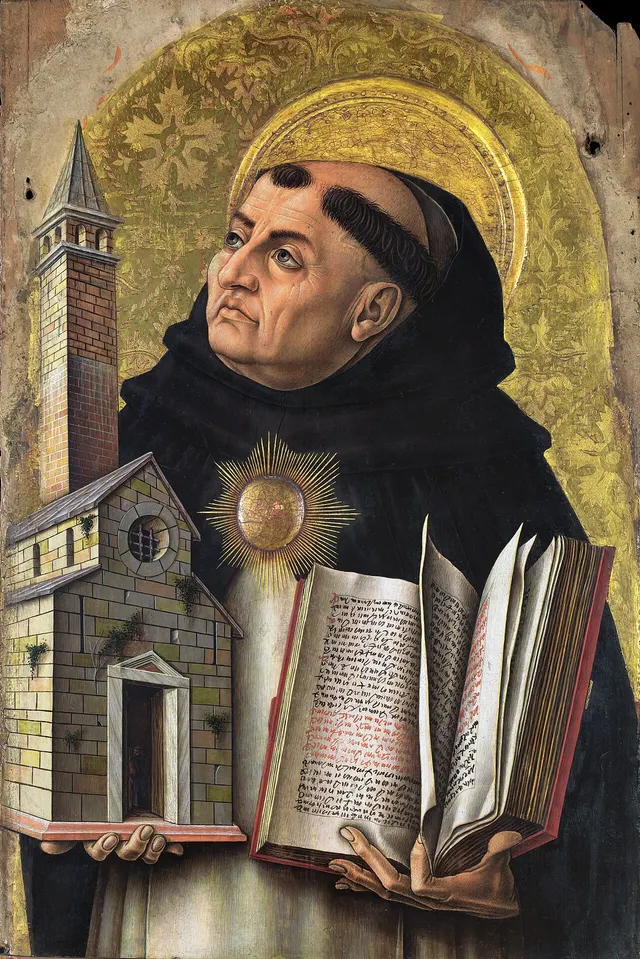
Thomas Aquinas
Image creditCarlo Crivelli · Public domainResized and cropped for display.

Thomas Aquinas

Italian friar and philosopher whose Summa Theologiae shaped Catholic thought (7 March by the calendar of his day).

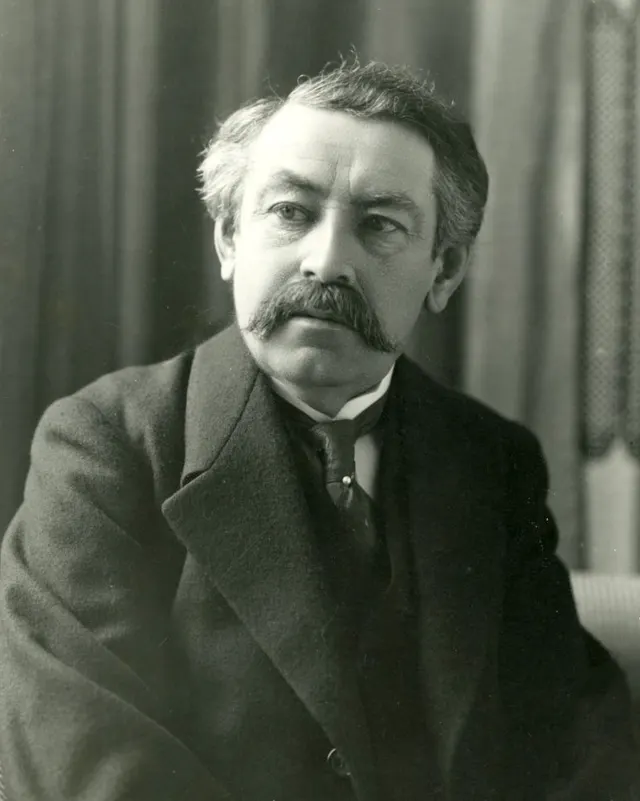
Aristide Briand
Image creditAnonymousUnknown author · Public domainResized and cropped for display.

Aristide Briand

French statesman who shared the Nobel Peace Prize in 1926 for reconciling France and Germany.

☉
AROUND THE WORLD

Observances & Anniversaries

HISTORY & TIMELINE

Finished the highlights?

Follow 7 March chronologically, from the Middle Ages to the modern day, with 10 verified events and the sources behind them.

This day through time →