Explore 5 March

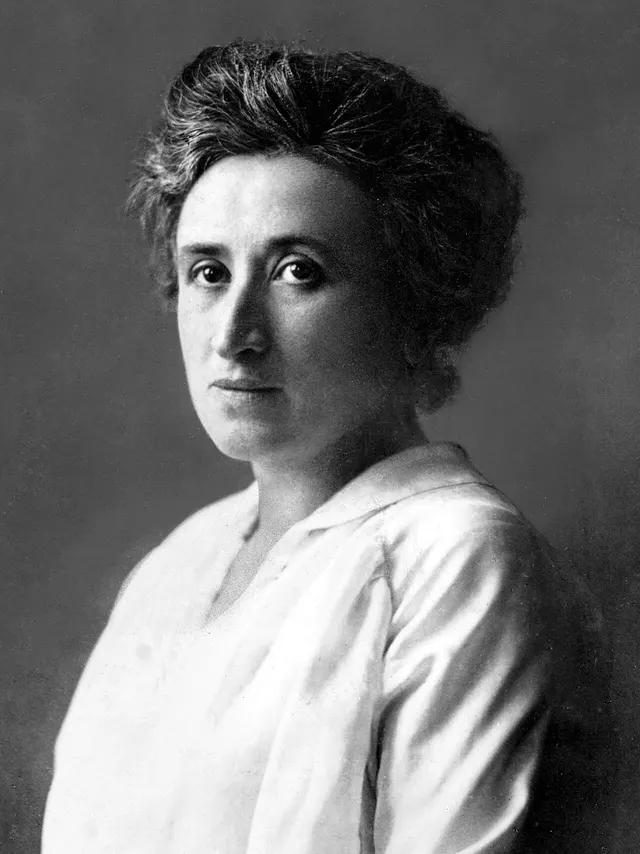
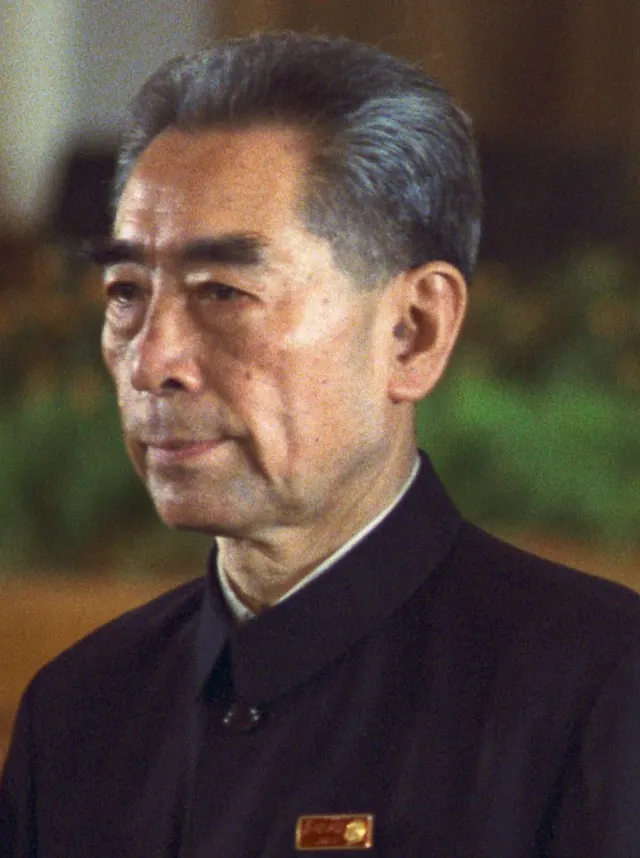
Explore 5 March: British soldiers fire on a Boston crowd, Gandhi and the Viceroy make peace, Churchill warns of an ‘iron curtain’ across Europe and the treaty to stop the spread of nuclear weapons comes into force. Meet Rosa Luxemburg, Zhou Enlai and Heitor Villa-Lobos, born on this date.

This day through time →12 verified events across 3 eras

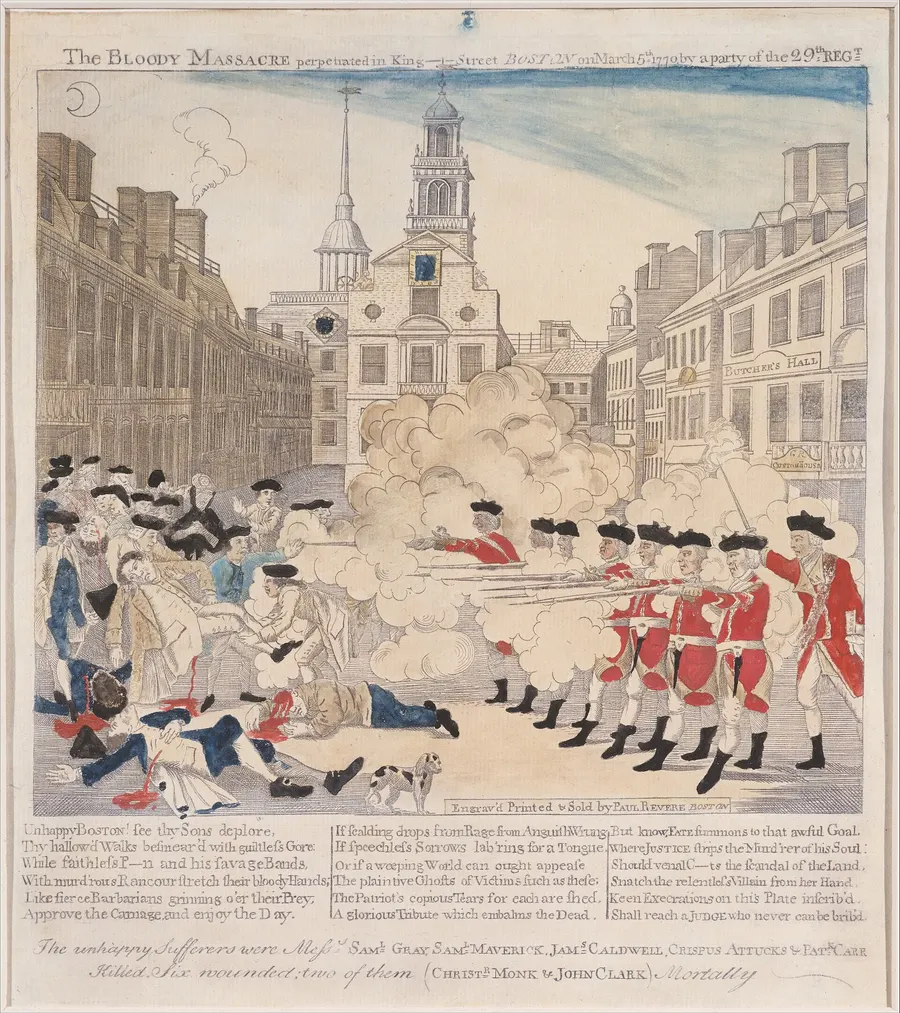
Paul Revere's engraving of the shooting, published weeks later as anti-British propaganda, 1770.
Paul Revere’s engraving of the shooting, published weeks later as anti-British propaganda, 1770.
Image creditPaul Revere · Public domainResized and cropped for display.

British soldiers fire on a crowd in Boston

On the snowy evening of 5 March 1770 a crowd jeering and throwing snowballs gathered round a British sentry outside the Custom House on King Street in Boston. Soldiers of the 29th Regiment came to his aid and opened fire. Three men died that night, including Crispus Attucks, a sailor of African and Native American descent, and two more died later.

Colonists called it the Boston Massacre, and Paul Revere’s engraving spread the story. At trial, defended by John Adams, the captain and six soldiers were acquitted and two were convicted of manslaughter. The shooting became a rallying point on the road to the American Revolution.

Read the full storyHistory & Timeline →Source: National Park Service: Boston Massacre ↗
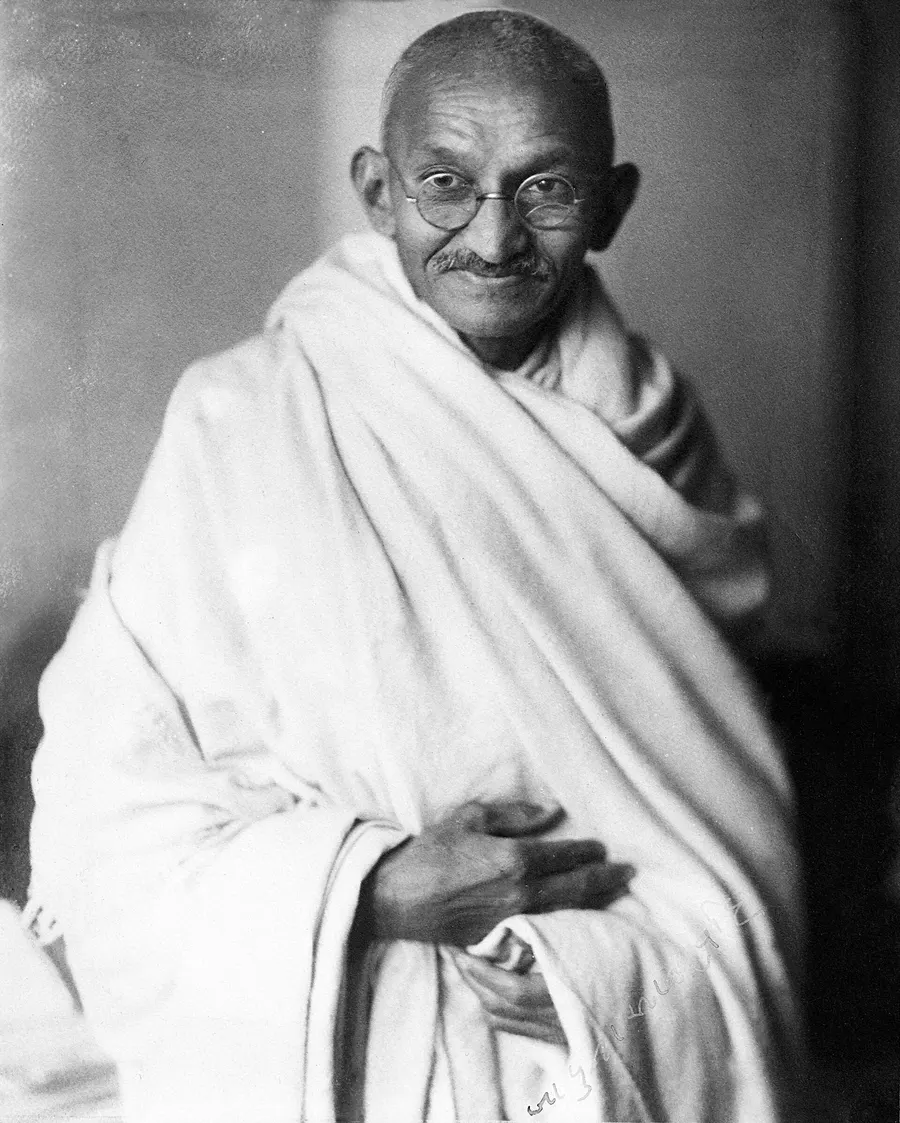
Mahatma Gandhi photographed by Elliott and Fry in London, 1931.
Image creditElliott & Fry · Public domainResized and cropped for display.

Gandhi and the Viceroy sign a truce

After weeks of talks in Delhi, Mahatma Gandhi and the Viceroy of India, Lord Irwin, signed an agreement on 5 March 1931. Gandhi called off the campaign of civil disobedience that had begun with his Salt March a year earlier.

In return the government agreed to release the protesters it had imprisoned and to let people along the coast make salt for their own use. Later that year Gandhi sailed to London to represent the Indian National Congress at the Round Table Conference.

Read the full storyHistory & Timeline →Source: Encyclopaedia Britannica: Gandhi-Irwin Pact ↗
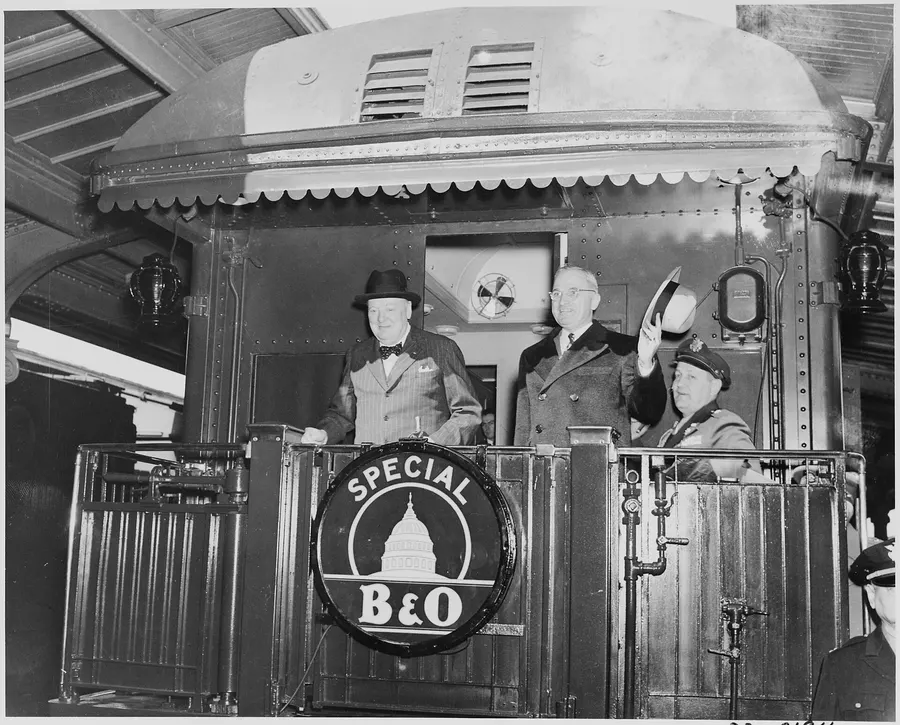
Winston Churchill and President Truman on the train taking them to Fulton, Missouri, March 1946.
Image creditAbbie Rowe · Public domainResized and cropped for display.

Churchill warns of an ‘iron curtain’

Speaking at Westminster College in Fulton, Missouri, on 5 March 1946, with President Harry Truman beside him, Winston Churchill declared that ‘from Stettin in the Baltic to Trieste in the Adriatic, an iron curtain has descended across the Continent’.

Churchill was then leader of the opposition in Britain, but his speech, which he called ‘The Sinews of Peace’, drew attention around the world. It also popularised the idea of a ‘special relationship’ between Britain and the United States, and it is often seen as an opening statement of the Cold War.

Read the full storyHistory & Timeline →Source: America’s National Churchill Museum: Sinews of Peace, Iron Curtain speech ↗
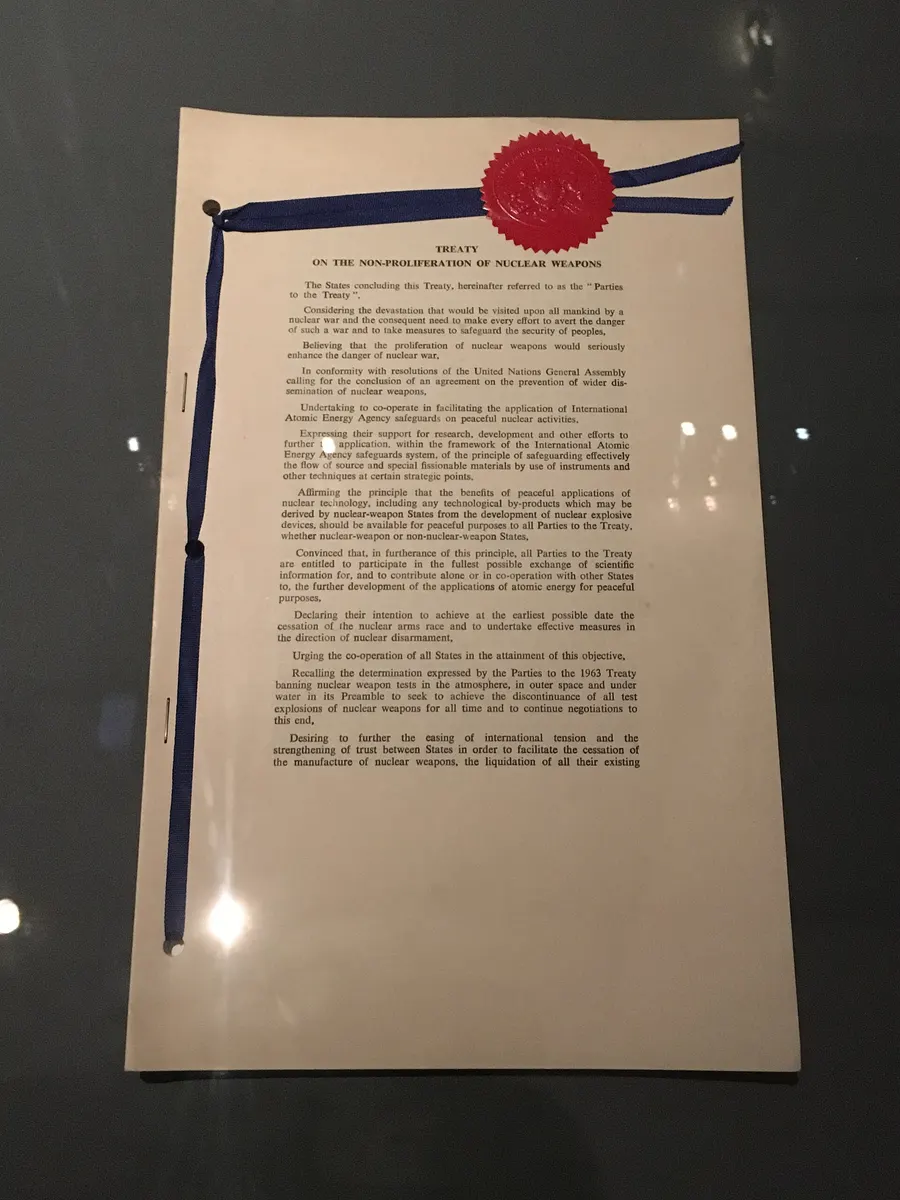
A signed copy of the Treaty on the Non-Proliferation of Nuclear Weapons on display.
Image creditMarc Baronnet · CC BY-SA 4.0Resized and cropped for display.

The Nuclear Non-Proliferation Treaty comes into force

The Treaty on the Non-Proliferation of Nuclear Weapons, opened for signature in London, Moscow and Washington in July 1968, came into force on 5 March 1970, once the United States, Britain, the Soviet Union and 40 other states had ratified it.

Countries without nuclear weapons promised not to acquire them, the nuclear powers promised to work towards disarmament, and all agreed to share peaceful nuclear energy under inspection by the International Atomic Energy Agency. Almost every country in the world has since joined.

Read the full storyHistory & Timeline →Source: International Atomic Energy Agency: Treaty on the Non-Proliferation of Nuclear Weapons (NPT) ↗
♙
PEOPLE

Born Today

Giovanni Battista Tiepolo
Image creditGiovanni Battista Tiepolo · Public domainResized and cropped for display.

Giovanni Battista Tiepolo

Venetian painter of vast, light-filled ceiling frescoes, including at Würzburg and Madrid.

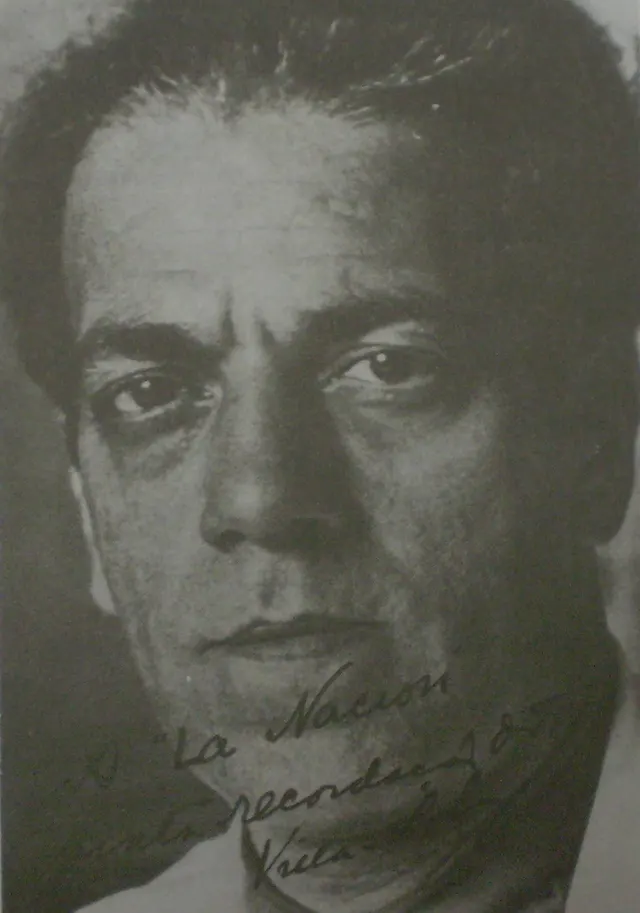
Heitor Villa-Lobos
Image creditUnknown authorUnknown author · Public domainResized and cropped for display.

Heitor Villa-Lobos

Brazilian composer of the Bachianas Brasileiras, who blended folk music with classical forms.

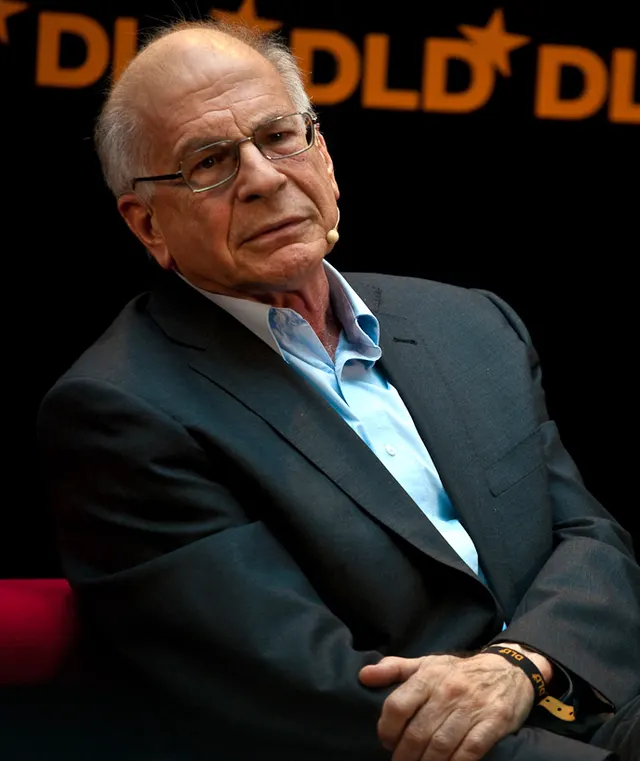
Daniel Kahneman
Image creditnrkbeta · CC BY-SA 2.0Resized and cropped for display.

Daniel Kahneman

Israeli-American psychologist who showed how people misjudge risk, Nobel laureate in economics in 2002.

◉
IDEAS THAT CHANGED THINGS

Firsts, Science & Discoveries

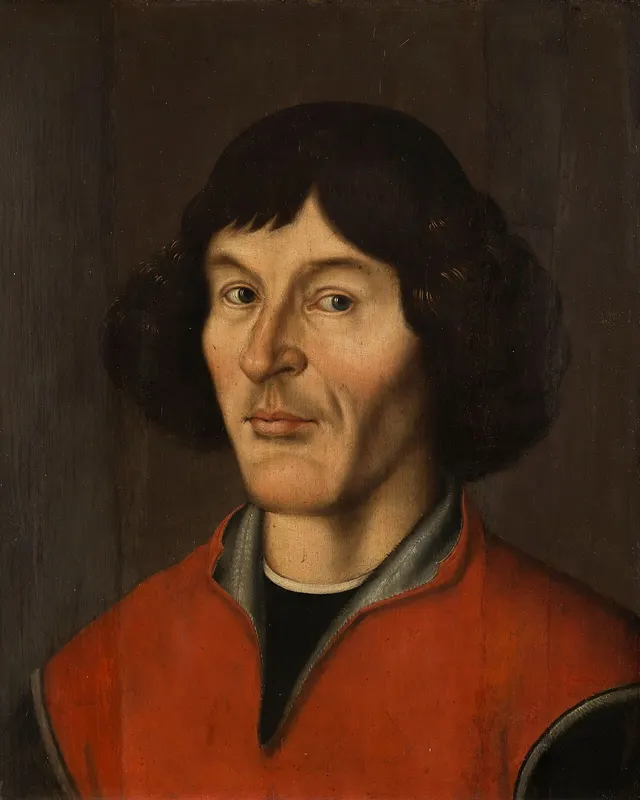
Nicolaus Copernicus, in a portrait kept in Toruń, the city of his birth.
Image creditUnknown authorUnknown author · Public domainResized and cropped for display.

The Church suspends Copernicus’s book

On 5 March 1616 the Catholic Church’s Congregation of the Index issued a decree declaring the idea that the Earth moves round the Sun false and contrary to Scripture. Copernicus’s great book of 1543, On the Revolutions of the Heavenly Spheres, was suspended ‘until corrected’.

The decree came as Galileo was arguing publicly for the Copernican view, and it set the stage for his trial in 1633. Corrections to the book were issued in 1620, but it stayed on the Index of forbidden books until 1835.

Read the full storyHistory & Timeline →Source: Stanford Encyclopedia of Philosophy: Galileo Galilei ↗
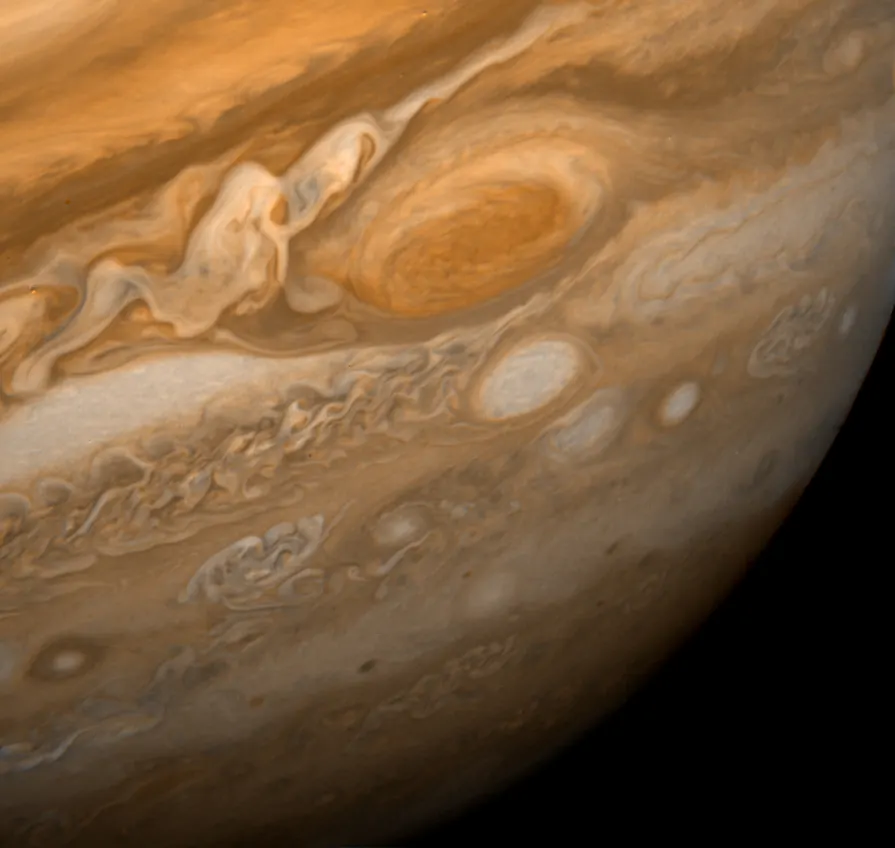
Jupiter's Great Red Spot, photographed by Voyager 1 on its approach, 25 February 1979.
Jupiter’s Great Red Spot, photographed by Voyager 1 on its approach, 25 February 1979.
Image creditNASA · Public domainResized and cropped for display.

Voyager 1 swings past Jupiter

NASA’s Voyager 1 made its closest approach to Jupiter on 5 March 1979, passing about 280,000 kilometres above the cloud tops. Its cameras sent back the most detailed pictures yet of the planet’s storms and of its large moons.

The flyby brought surprises: a thin ring round Jupiter, two new small moons, and active volcanoes on the moon Io, the first seen anywhere beyond Earth. Voyager 1 went on to Saturn and is now the most distant human-made object.

Read the full storyHistory & Timeline →Source: NASA Jet Propulsion Laboratory: Slice of history, 45 years since Voyager 1’s Jupiter closest encounter ↗
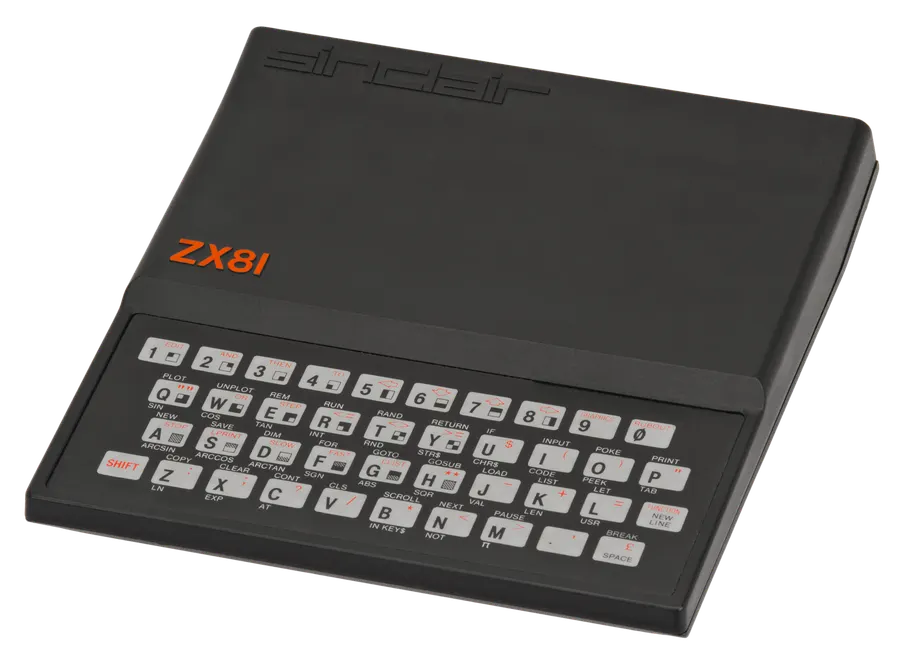
The Sinclair ZX81 home computer.
Image creditEvan-Amos · CC BY-SA 3.0Resized and cropped for display.

Sinclair launches the ZX81

On 5 March 1981 Clive Sinclair’s company launched the ZX81, a small black home computer that plugged into a television set and cost under £100, cheaper than its predecessor, the ZX80.

It was sold ready-built or as a kit, and by the end of the year more than 250,000 had been sold. For many families in Britain it was the first computer in the house, and a generation of programmers started on it.

Read the full storyHistory & Timeline →Source: Centre for Computing History: Sinclair launches the ZX81 ↗
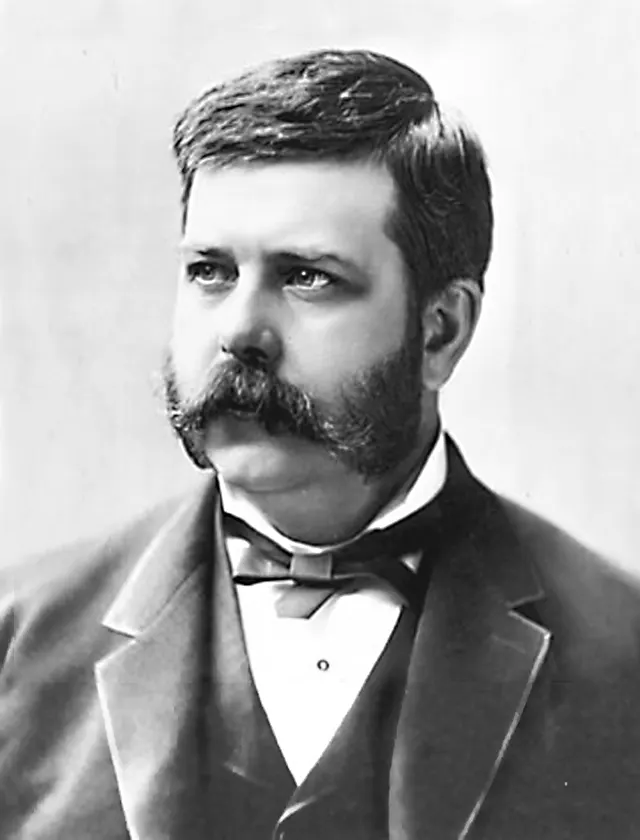
George Westinghouse in 1884.
Image creditunknown (Life time: subject died before 1914) · Public domainResized and cropped for display.

Westinghouse patents a fail-safe train brake

On 5 March 1872 George Westinghouse was granted a US patent for an improved automatic air brake. Each railway carriage carried its own air reservoir and a ‘triple valve’, and air pressure held the brakes off.

If a hose burst or a train came apart, the pressure dropped and the brakes went on by themselves. The fail-safe design made trains far safer and allowed them to run faster and longer, and the principle is still used on railways today.

Read the full storyHistory & Timeline →Source: American Society of Mechanical Engineers: George Westinghouse Jr., landmark brochure ↗
✦
LIVES REMEMBERED

Remembered Today

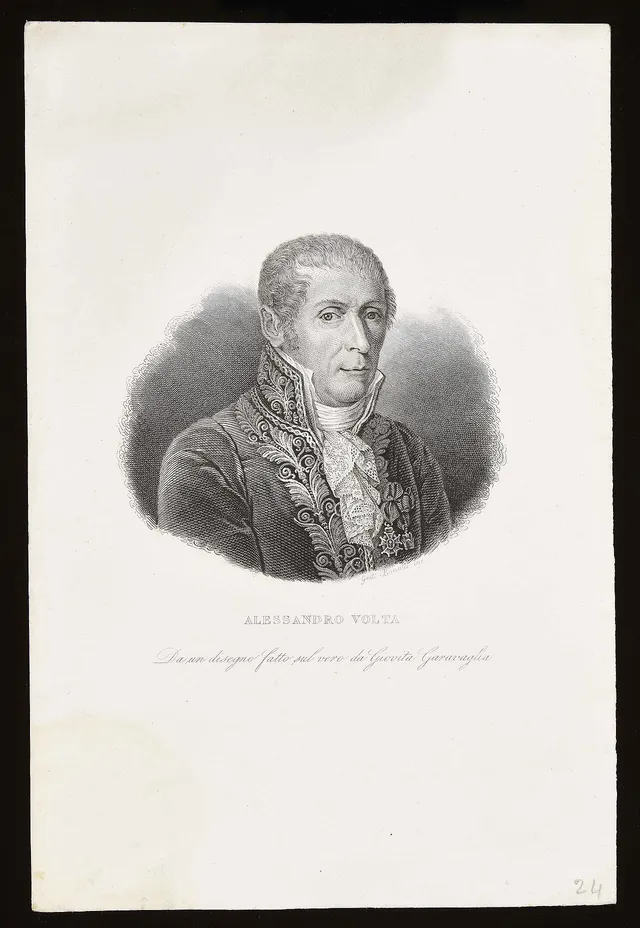
Alessandro Volta
Image creditGaetano Bonatti · CC0Resized and cropped for display.

Alessandro Volta

Italian physicist who invented the electric battery; the volt is named after him.

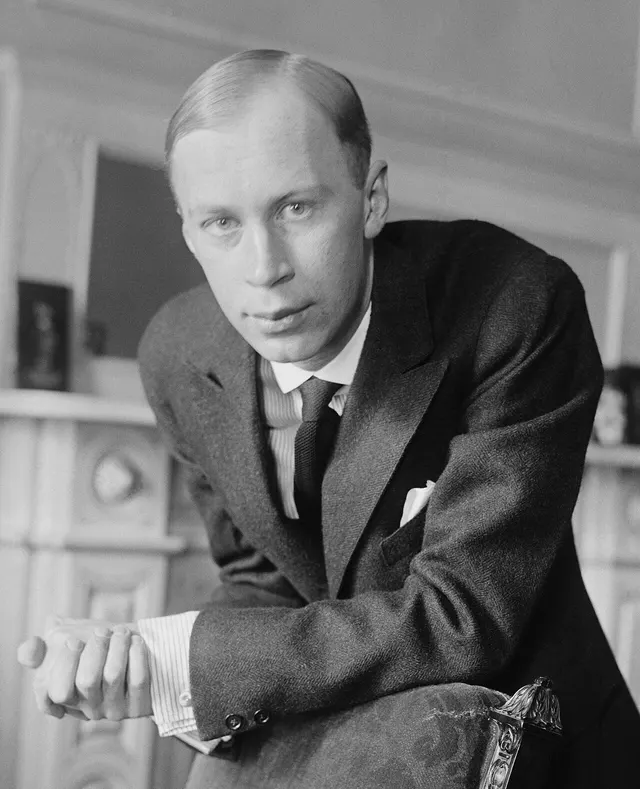
Sergei Prokofiev
Image creditBain News Service, publisher · Public domainResized and cropped for display.

Sergei Prokofiev

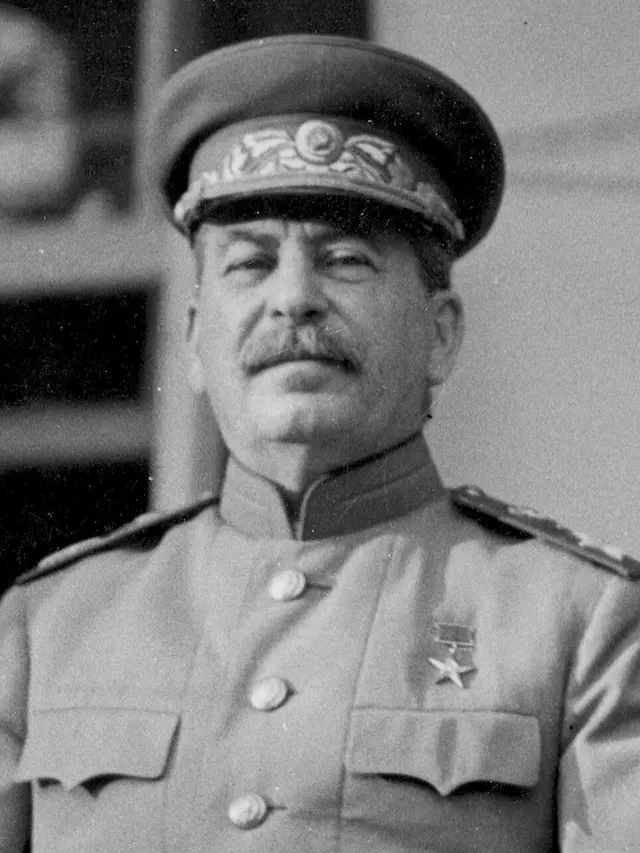
Russian composer of Peter and the Wolf and Romeo and Juliet, who died on the same day as Stalin.

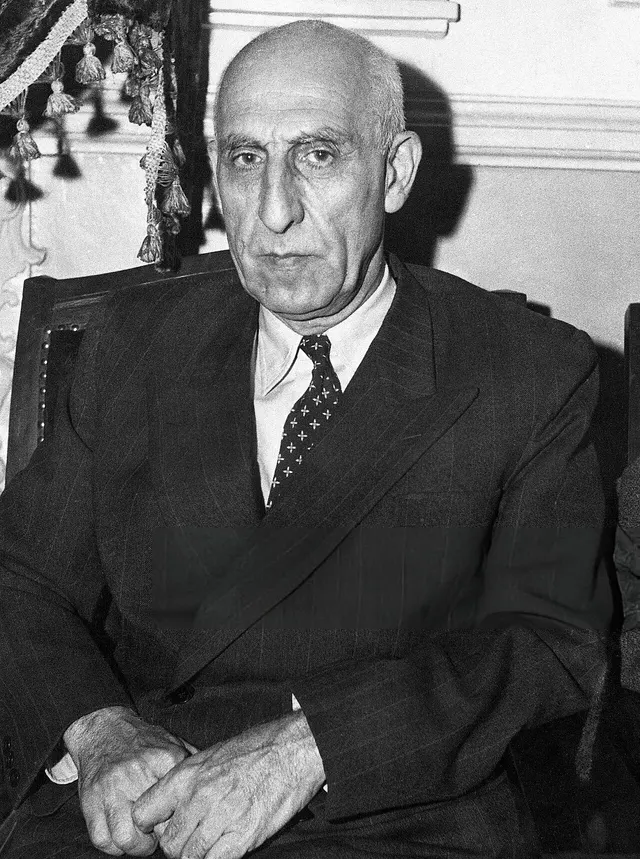
Mohammad Mosaddegh
Image creditInternational News Photos · Public domainResized and cropped for display.

Mohammad Mosaddegh

Prime Minister of Iran who nationalised its oil industry and was overthrown in a coup in 1953.

☉
AROUND THE WORLD

Observances & Anniversaries

The St Piran's Day parade in Redruth, Cornwall, March 2023.
The St Piran’s Day parade in Redruth, Cornwall, March 2023.
Image creditMutney · CC BY-SA 4.0Resized and cropped for display.

St Piran’s Day in Cornwall

Cornwall celebrates its patron saint, Piran, patron of tin miners, on 5 March. Legend says he discovered tin when it flowed from a black hearthstone, which is why the Cornish flag is a white cross on black. Towns hold parades and festivals.

Source: Cornwall Council: Kresen Kernow to mark St Piran’s Day ↗
HISTORY & TIMELINE

Finished the highlights?

Follow 5 March chronologically, from the Middle Ages to the modern day, with 12 verified events and the sources behind them.

This day through time →