Explore 4 March

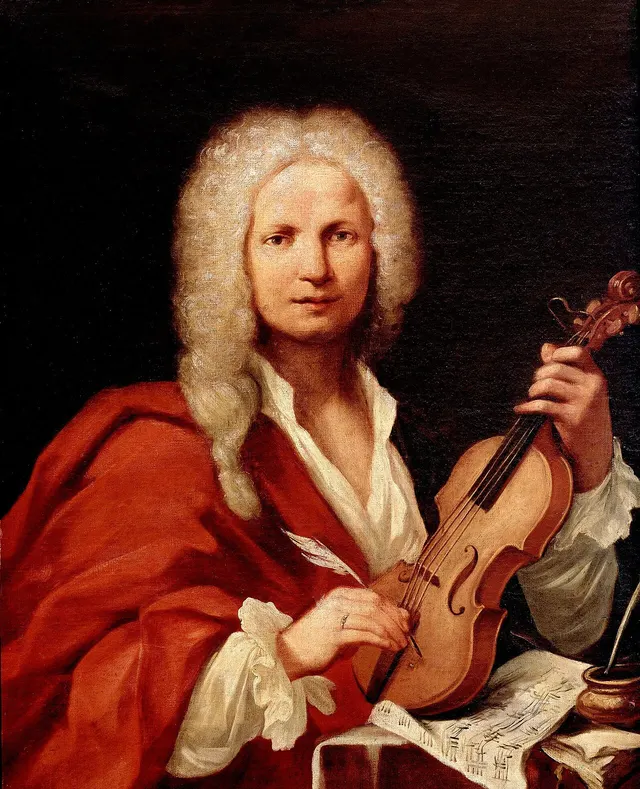
Explore 4 March: Franklin D. Roosevelt tells Depression-hit Americans they have nothing to fear but fear itself, Saudi Arabia’s first great oil well starts flowing, Zimbabwe elects Robert Mugabe and Britain founds a lifeboat service run by volunteers. Meet Antonio Vivaldi, Miriam Makeba and Jim Clark, born on this date.

This day through time →10 verified events across 4 eras

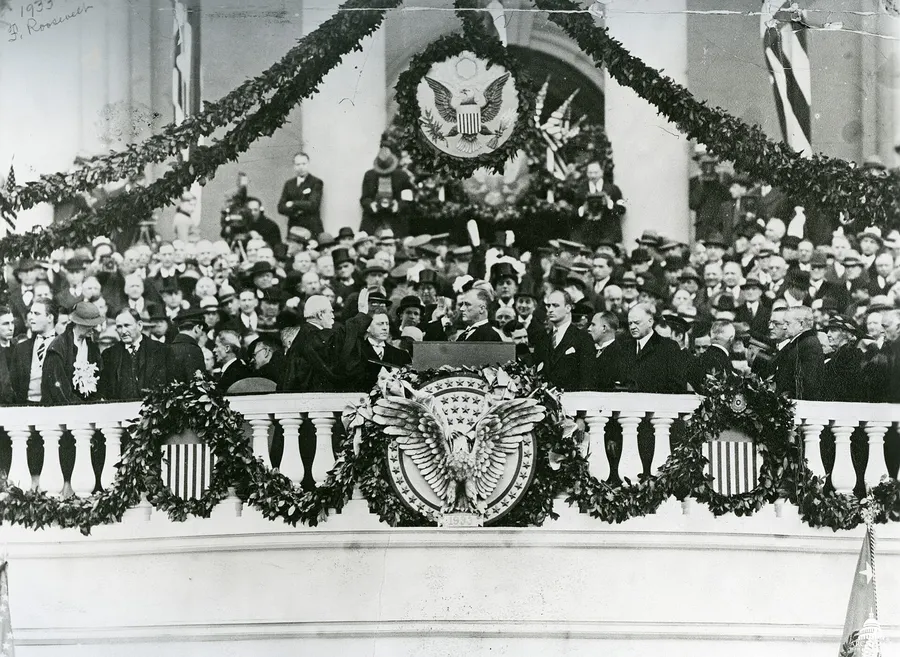
Franklin D. Roosevelt takes the oath at the Capitol, 4 March 1933.
Image creditUSCapitol · Public domainResized and cropped for display.

Roosevelt: ‘The only thing we have to fear is fear itself’

Franklin D. Roosevelt was sworn in as president of the United States on 4 March 1933, at the depth of the Great Depression. Thousands of banks had failed, millions of people were out of work, and on the morning of his inauguration many of the nation’s banks had shut their doors.

In his address he told Americans that ‘the only thing we have to fear is fear itself’ and promised action. Within days he had closed the banks to stop the panic and called Congress into a special session, the start of the programme of recovery and reform known as the New Deal.

Read the full storyHistory & Timeline →Source: US National Archives: FDR’s first inaugural address declaring ‘war’ on the Great Depression ↗
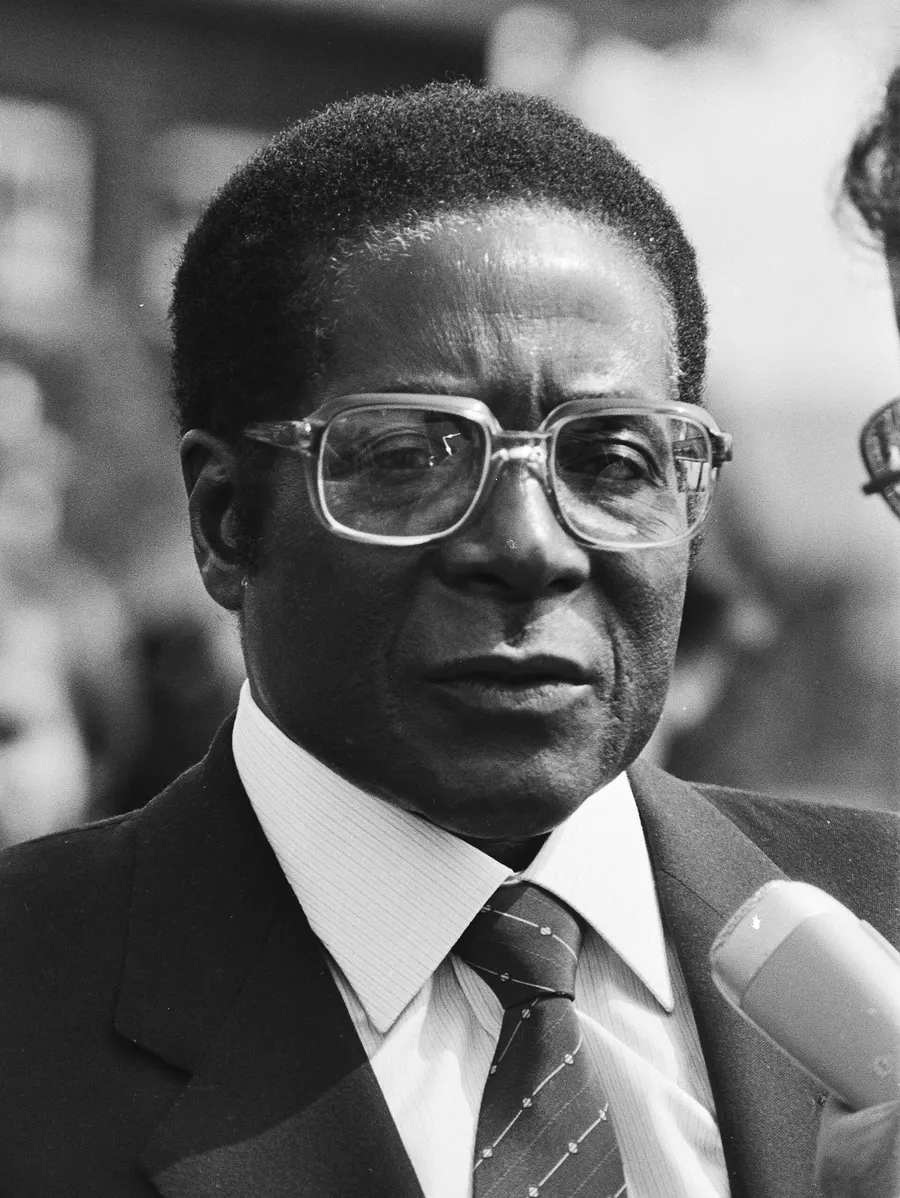
Robert Mugabe as prime minister of Zimbabwe, on a visit to the Netherlands in 1982.
Image creditHans van Dijk for Anefo · CC0Resized and cropped for display.

Robert Mugabe wins Zimbabwe’s independence election

After a long guerrilla war and the Lancaster House agreement, Rhodesia held elections open to all its people in February 1980. The results, announced on 4 March, gave Robert Mugabe’s ZANU-PF 57 of the 80 seats elected by the common roll, a clear majority in the new parliament. Joshua Nkomo’s party won 20 and Bishop Abel Muzorewa’s three.

Mugabe became prime minister and the country became independent as Zimbabwe on 18 April 1980. Hailed at first as a reconciler, he went on to rule for 37 years, increasingly by repression, until he was forced from power in 2017.

Read the full storyHistory & Timeline →Source: South African History Online: ZANU-PF under Robert Mugabe wins the first free elections in Zimbabwe ↗
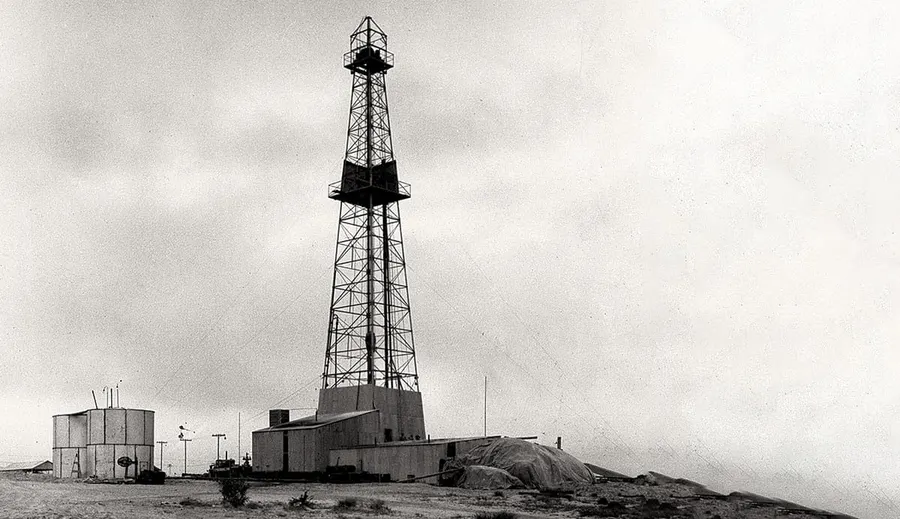
The drilling rig at Dammam Well No. 7 in 1938.
Image creditUnknown Author · Public domainResized and cropped for display.

Saudi Arabia’s first great oil well starts to flow

American geologists had been drilling near Dammam on the Gulf coast of Saudi Arabia for almost three years with little success. On 4 March 1938 Dammam Well No. 7, drilled far deeper than planned, began producing oil in commercial quantities, 1,585 barrels on its first day and 3,690 barrels a day three days later.

It was the first commercial oil well in the kingdom. The discovery transformed Saudi Arabia and the Gulf, and the company that drilled it grew into Saudi Aramco, one of the largest oil producers in the world.

Read the full storyHistory & Timeline →Source: AramcoWorld: Discovery! Chapter 7, Dammam No. 7 ↗
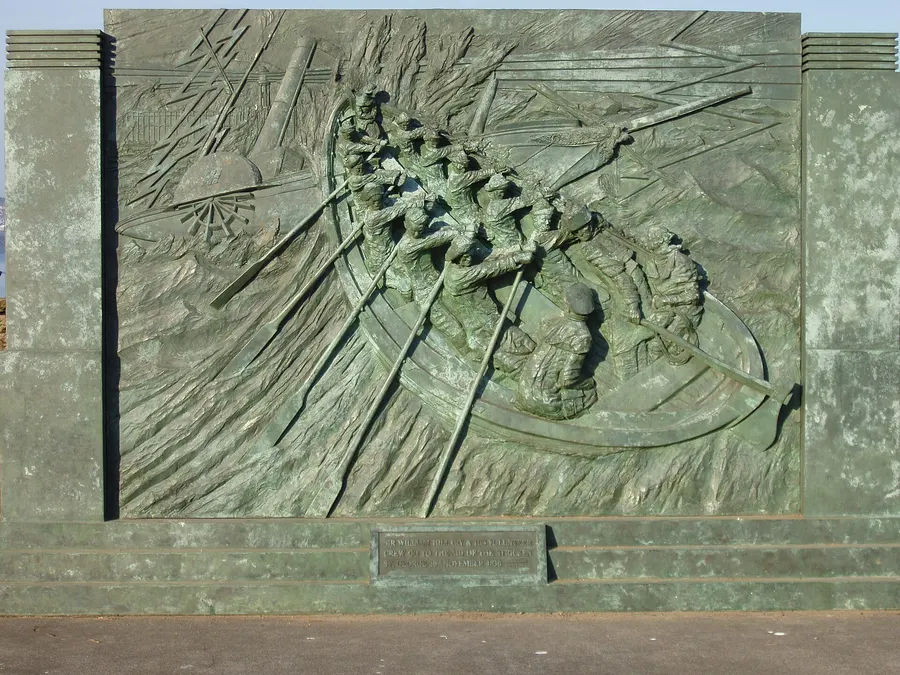
The memorial to Sir William Hillary and the lifeboat crews on Loch Promenade, Douglas, Isle of Man.
Image creditGregory J Kingsley · CC BY-SA 3.0Resized and cropped for display.

Britain founds a national lifeboat service

At a meeting in the City of London Tavern on 4 March 1824, chaired by the Archbishop of Canterbury, the National Institution for the Preservation of Life from Shipwreck was founded. It was the idea of Sir William Hillary, who had watched many ships wrecked off his home on the Isle of Man.

Renamed the Royal National Lifeboat Institution in 1854, the charity still crews its lifeboats mainly with volunteers. Its crews and lifeguards have saved more than 146,000 lives around the coasts of the United Kingdom and Ireland.

Read the full storyHistory & Timeline →Source: Royal National Lifeboat Institution: How the RNLI was founded in 1824 ↗
♙
PEOPLE

Born Today

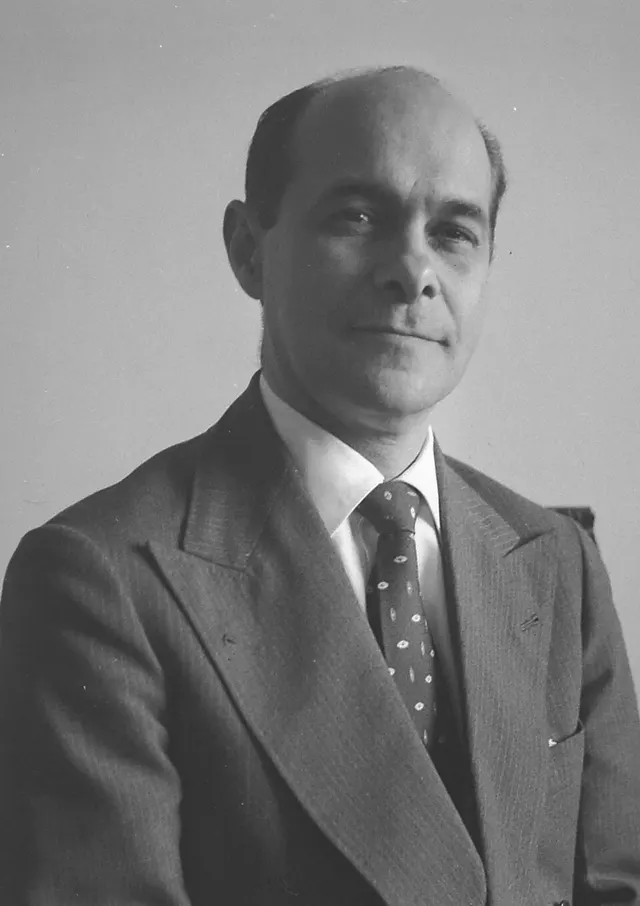
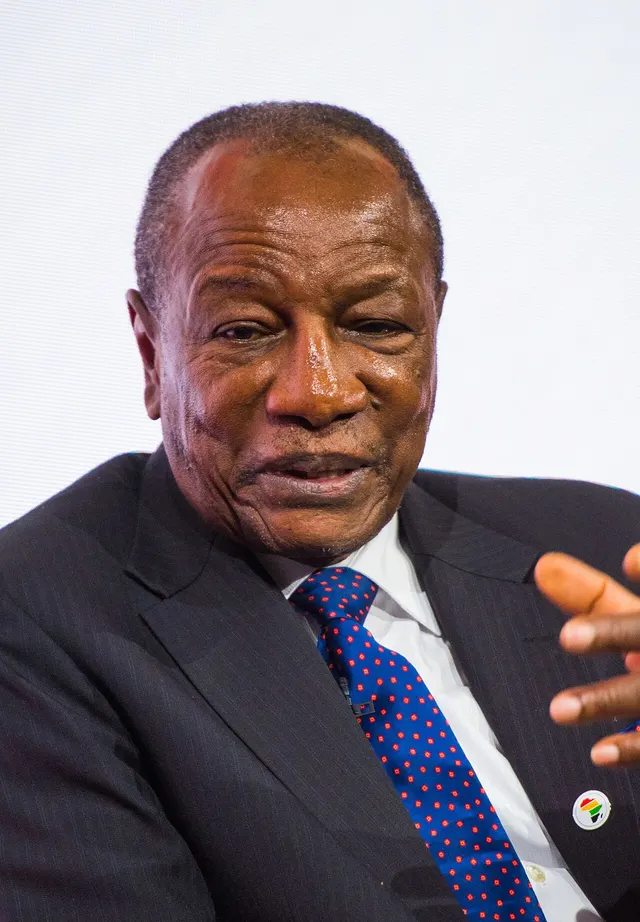
Tancredo Neves
Image creditUnknownUnknown · Public domainResized and cropped for display.

Tancredo Neves

Brazilian statesman elected president in 1985 at the end of military rule, who died before he could take office.

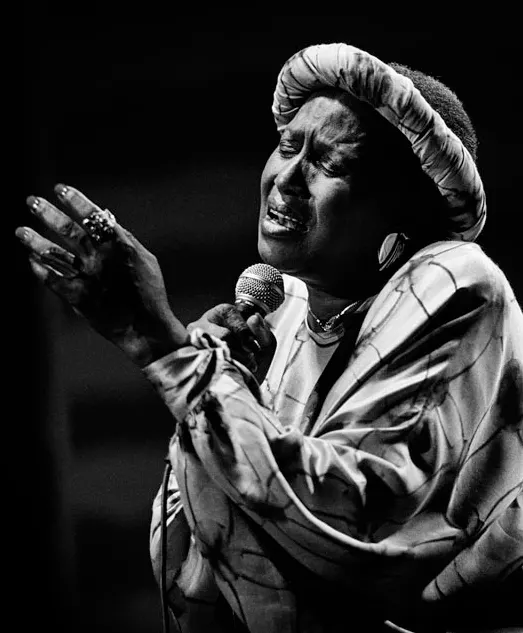
Miriam Makeba
Image creditPaul Weinberg · CC BY-SA 3.0Resized and cropped for display.

Miriam Makeba

South African singer known as ‘Mama Africa’, an exiled voice against apartheid.

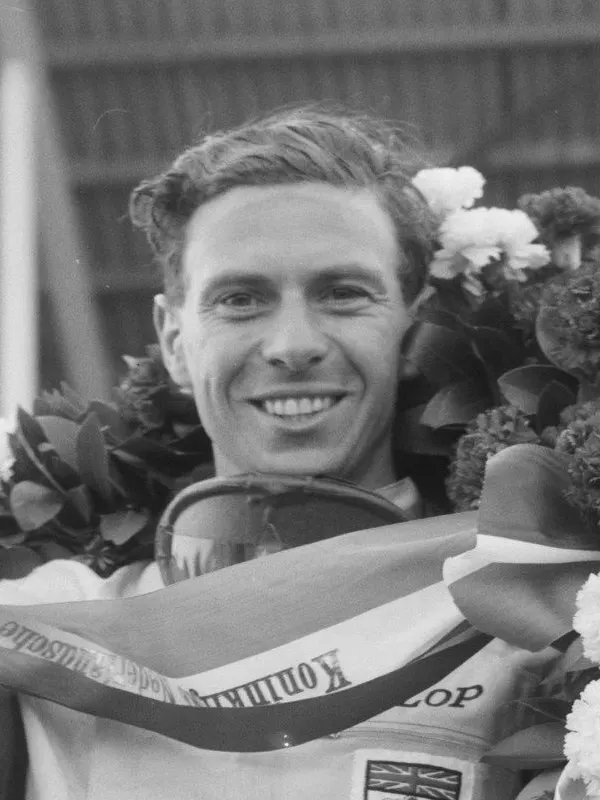
Jim Clark
Image creditJoop van Bilsen / Anefo · CC0Resized and cropped for display.

Jim Clark

Scottish racing driver, twice Formula One world champion and winner of the 1965 Indianapolis 500.

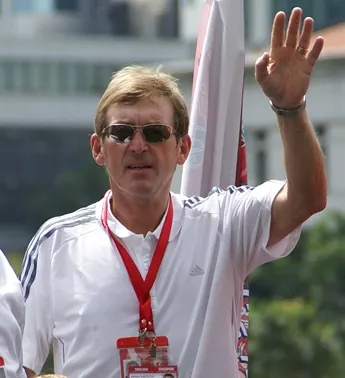
Kenny Dalglish
Image creditSaw from Singapore · CC BY-SA 2.0Resized and cropped for display.

Kenny Dalglish

Scottish footballer and manager, a record-breaking forward for Celtic, Liverpool and Scotland.

◉
IDEAS THAT CHANGED THINGS

Firsts, Science & Discoveries

The Forth Bridge seen from Dalmeny, 2022.
Image creditMrMasterKeyboard · CC BY-SA 4.0Resized and cropped for display.

The Forth Bridge opens

In a gale on 4 March 1890 the Prince of Wales, the future Edward VII, drove in a gilded last rivet to open the Forth Bridge, carrying the railway across the Firth of Forth near Edinburgh. Its designer, Benjamin Baker, was knighted at the ceremony.

With its three huge cantilevers it was one of the first great structures in Britain built of steel, and it completed an unbroken east-coast railway from London to Aberdeen. Still carrying trains today, it is a UNESCO World Heritage Site.

Read the full storyHistory & Timeline →Source: Network Rail: The opening of the Forth Bridge ↗
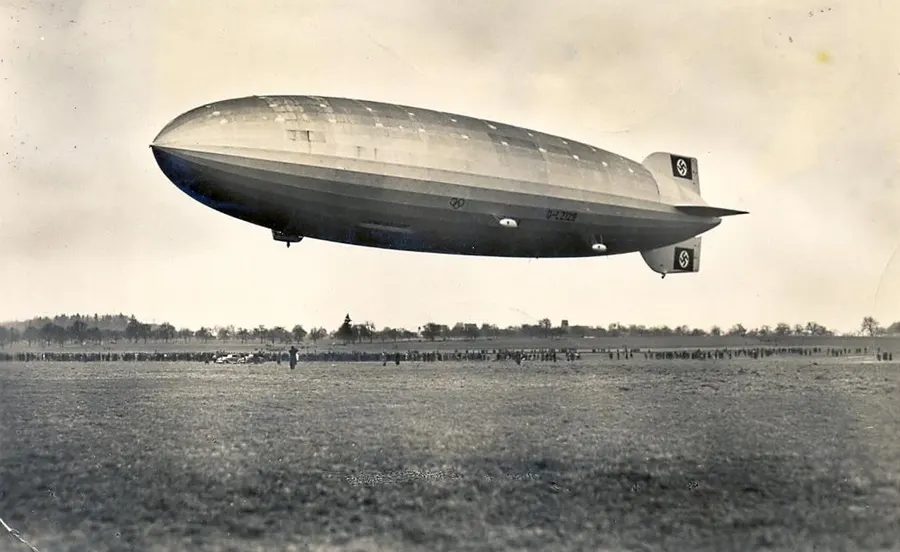
LZ 129 rising on its first flight at Friedrichshafen, 4 March 1936, on a postcard of the time.
Image creditUnknown photographer (1936 postcard) · Public domainResized and cropped for display.

The airship Hindenburg flies for the first time

The giant Zeppelin LZ 129 left its hangar at Friedrichshafen on Lake Constance on the afternoon of 4 March 1936 for a first flight of about three hours, with Hugo Eckener in command. At 245 metres long it was the largest aircraft ever to fly; the name Hindenburg was painted on its side a few weeks later.

It carried passengers across the Atlantic in comfort through 1936. On 6 May 1937 it caught fire while landing at Lakehurst, New Jersey, and 36 people died, bringing the age of passenger airships to an end.

Read the full storyHistory & Timeline →Source: Airships.net: LZ-129 Hindenburg, a detailed history ↗
♫
MUSIC • FILM • BOOKS • CULTURE

Culture Stories

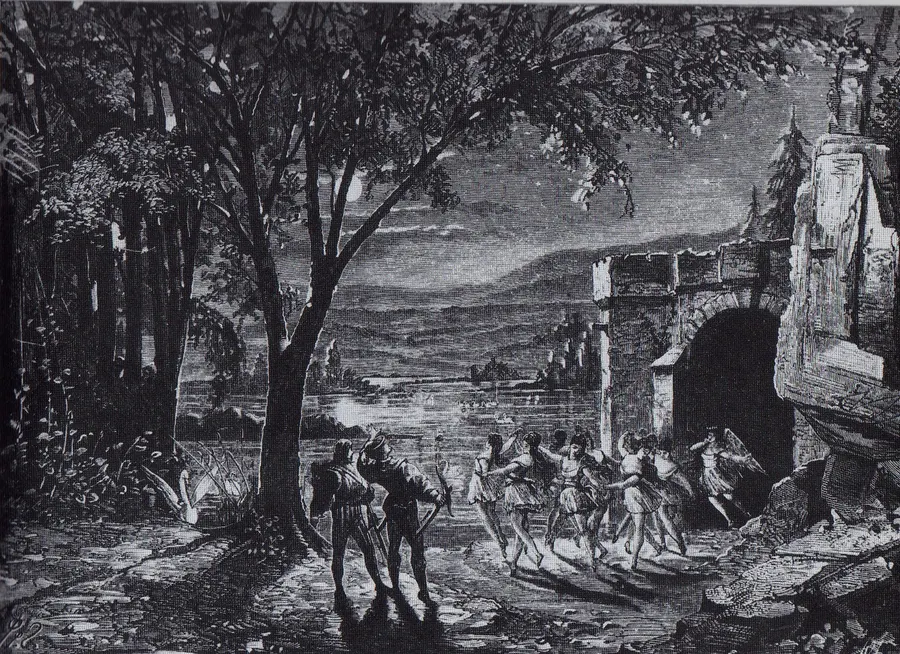
A stage design for the second act of Swan Lake at the Bolshoi, Moscow, 1877.
Image creditF. Gaanen (set designer) · Public domainResized and cropped for display.

Swan Lake has its first night

Tchaikovsky’s first ballet, Swan Lake, was first performed at the Bolshoi Theatre in Moscow on 4 March 1877 (20 February in the Russian calendar), as a benefit night for the ballerina Pelageya Karpakova. The choreography was by Julius Reisinger.

The reception was lukewarm, the dancing was criticised, and the production was dropped after a few seasons. The version danced around the world today is the revival by Marius Petipa and Lev Ivanov in St Petersburg in 1895, after the composer’s death.

Read the full storyHistory & Timeline →Source: Tchaikovsky Research: Swan Lake ↗
✦
LIVES REMEMBERED

Remembered Today

Jean-François Champollion
Image creditLéon Cogniet · Public domainResized and cropped for display.

Jean-François Champollion

French scholar who deciphered Egyptian hieroglyphs using the Rosetta Stone.

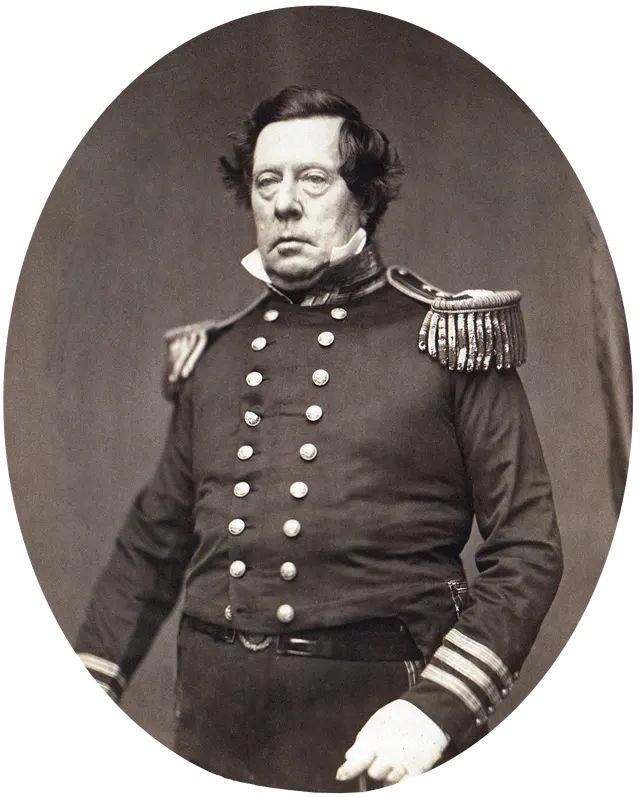
Matthew C. Perry
Image creditMathew Benjamin Brady · Public domainResized and cropped for display.

Matthew C. Perry

American naval officer whose squadron forced Japan to open to foreign trade in 1854.

Charles Sherrington
Image creditUnknown authorUnknown author · CC BY 4.0Resized and cropped for display.

Charles Sherrington

English physiologist who explained how nerves work together, Nobel laureate in 1932.

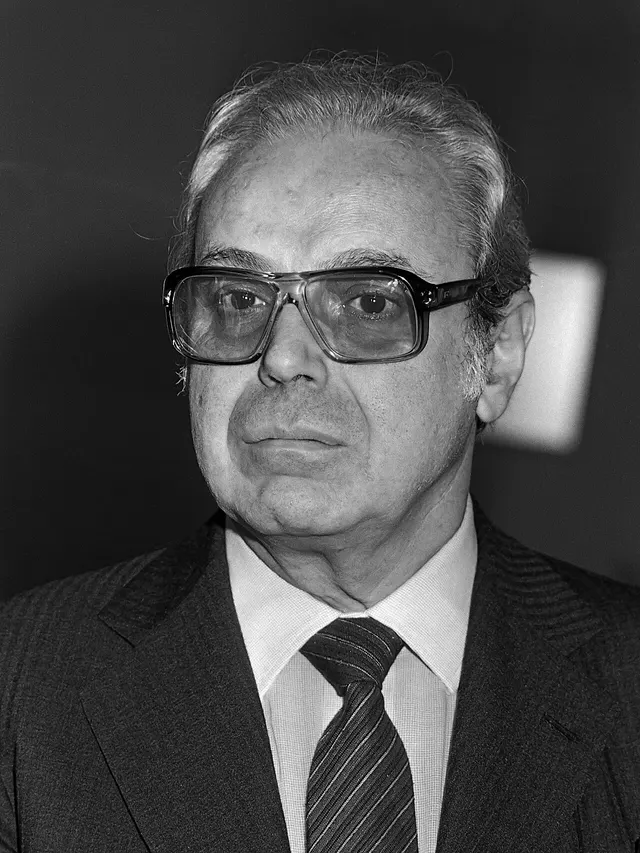
Javier Pérez de Cuéllar
Image creditRob Bogaerts for Anefo · CC BY-SA 3.0 nlResized and cropped for display.

Javier Pérez de Cuéllar

Peruvian diplomat, Secretary-General of the United Nations from 1982 to 1991.

☉
AROUND THE WORLD

Observances & Anniversaries

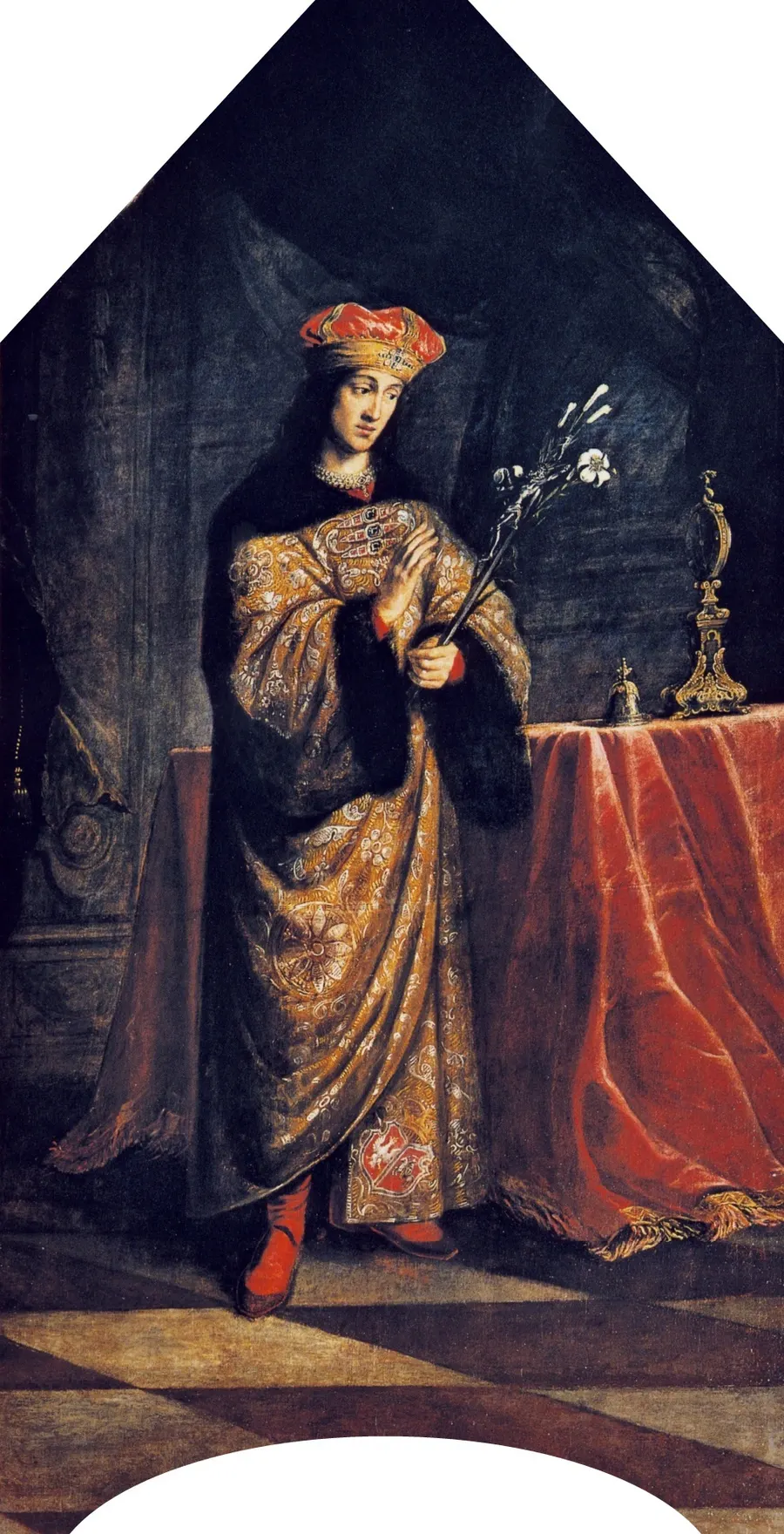
Saint Casimir, painted by Daniel Schultz about 1670.
Image creditDaniel Schultz · Public domainResized and cropped for display.

St Casimir’s Day in Lithuania

Lithuania honours its patron saint, Casimir, a prince of the Jagiellon dynasty who died on 4 March 1484, on the anniversary of his death. Around the day Vilnius holds Kaziuko mugė, St Casimir’s Fair, a crafts market dating back to the early 17th century.

Source: Lithuania Travel: Kaziuko mugė (St Casimir’s Fair) ↗
HISTORY & TIMELINE

Finished the highlights?

Follow 4 March chronologically, from the Middle Ages to the modern day, with 10 verified events and the sources behind them.

This day through time →