Explore 26 February

Explore 26 February: Napoleon slips away from Elba, young officers attempt a coup in Tokyo, Grand Teton becomes a national park and a British experiment proves that radar can find aircraft. Meet Victor Hugo, Johnny Cash and Fats Domino, born on this date.

This day through time →9 verified events across 3 eras

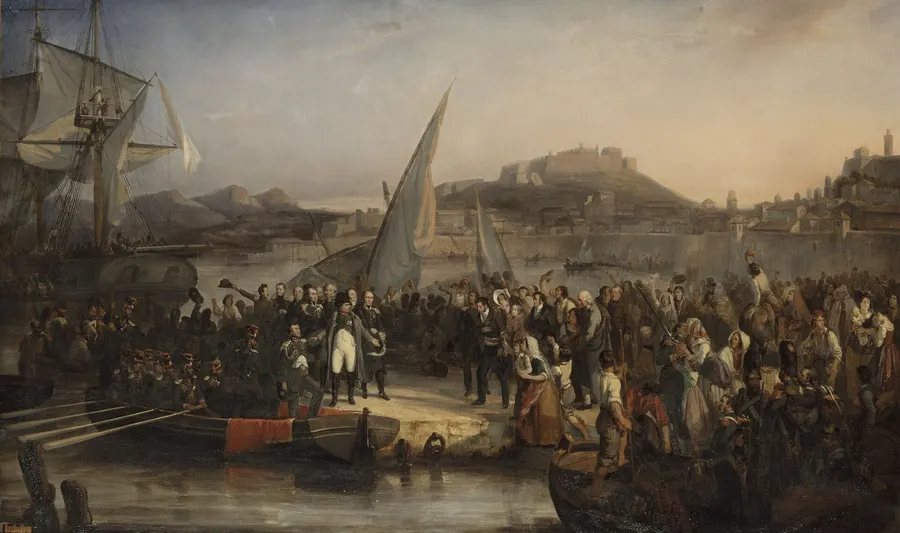
Napoleon leaving Elba, painted by Joseph Beaume in 1836.
Image creditJoseph Beaume · Public domainResized and cropped for display.

Napoleon escapes from Elba

Less than a year after his abdication, Napoleon slipped away from his exile on the Mediterranean island of Elba on 26 February 1815, sailing in the brig Inconstant with a small flotilla. He landed near Cannes on 1 March with about 1,500 men and marched north towards Paris.

Troops sent to stop him went over to his side, King Louis XVIII fled, and Napoleon entered Paris on 20 March. His return, the ‘Hundred Days’, ended with his defeat at Waterloo in June and exile to St Helena.

Read the full storyHistory & Timeline →Source: Encyclopaedia Britannica: Hundred Days ↗
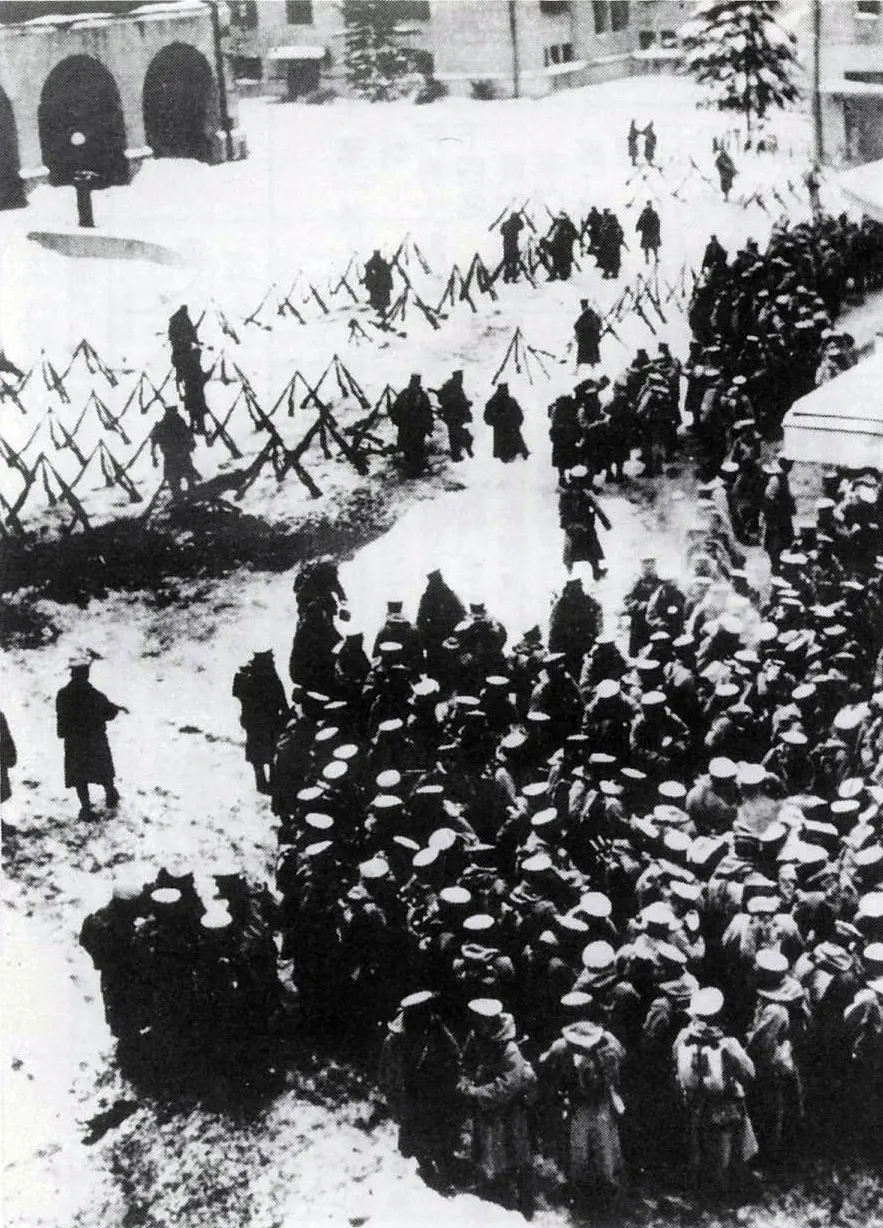
Rebel troops gathered at the Tokyo police headquarters in the snow, 26 February 1936.
Image creditKōyō Ishikawa · Public domainResized and cropped for display.

Young officers attempt a coup in Tokyo

Before dawn on 26 February 1936, in heavy snow, radical young army officers led about 1,400 soldiers against the prime minister’s residence and other targets in Tokyo. They killed the finance minister Takahashi Korekiyo, the former prime minister Saitō Makoto and the army’s inspector general of military training, and occupied the centre of the capital.

Emperor Hirohito demanded that the revolt be put down, and the troops surrendered after three days. Its leaders were executed, but the army emerged with greater power over the government, speeding Japan’s path to war.

Read the full storyHistory & Timeline →Source: National Diet Library, Japan: The 2.26 Incident of 1936 ↗
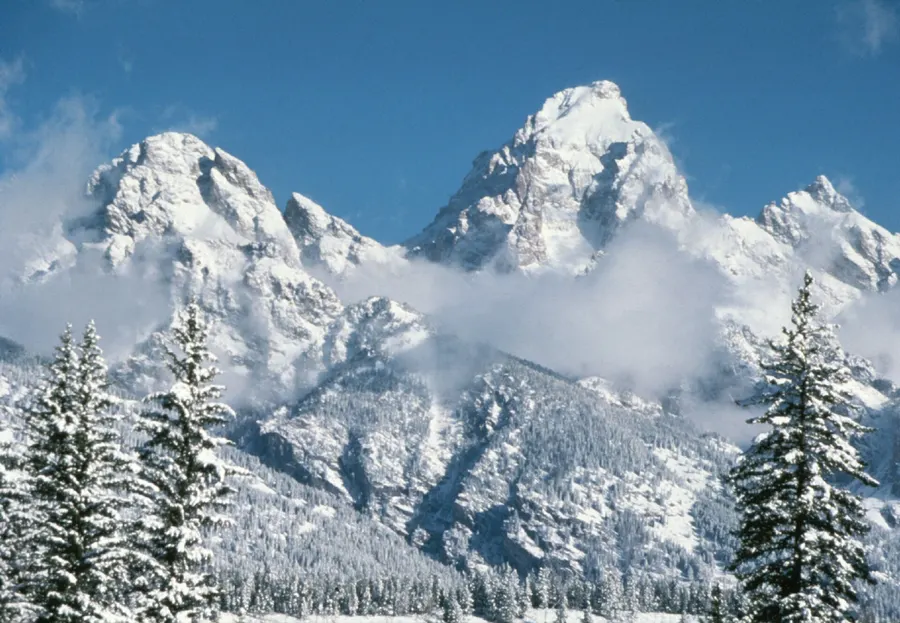
The Teton Range in winter.
Image creditNPS · Public domainResized and cropped for display.

Grand Teton becomes a national park

On 26 February 1929 President Calvin Coolidge signed the bill creating Grand Teton National Park in Wyoming. The first park covered 96,000 acres, taking in the jagged peaks of the Teton Range and six glacial lakes at their foot.

Much of the valley of Jackson Hole below was quietly bought up by John D. Rockefeller Jr. to protect it. After years of dispute it was joined to the park in 1950, making an enlarged park of about 310,000 acres.

Read the full storyHistory & Timeline →Source: National Park Service: Creation of Grand Teton National Park, a thumbnail history ↗
♙
PEOPLE

Born Today

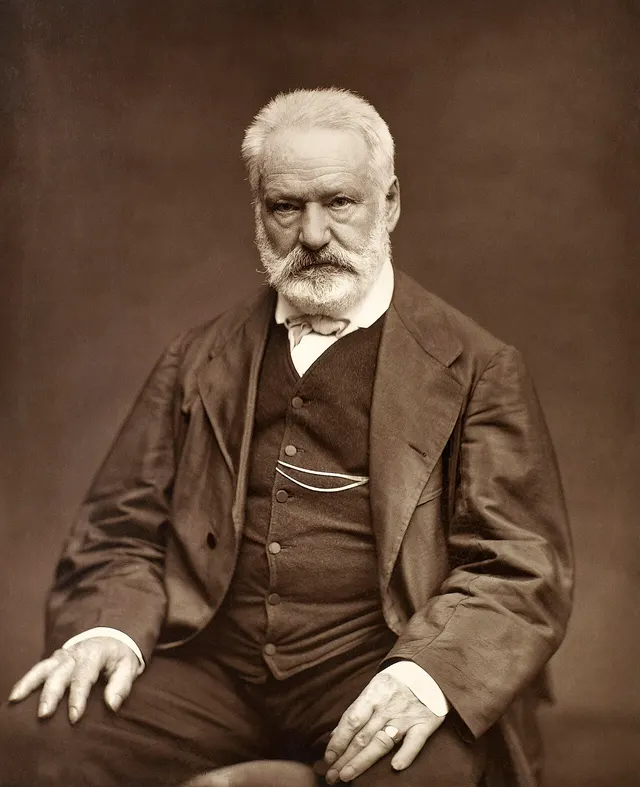
Victor Hugo
Image creditÉtienne Carjat · Public domainResized and cropped for display.

Victor Hugo

French poet and novelist of Les Misérables and The Hunchback of Notre-Dame.

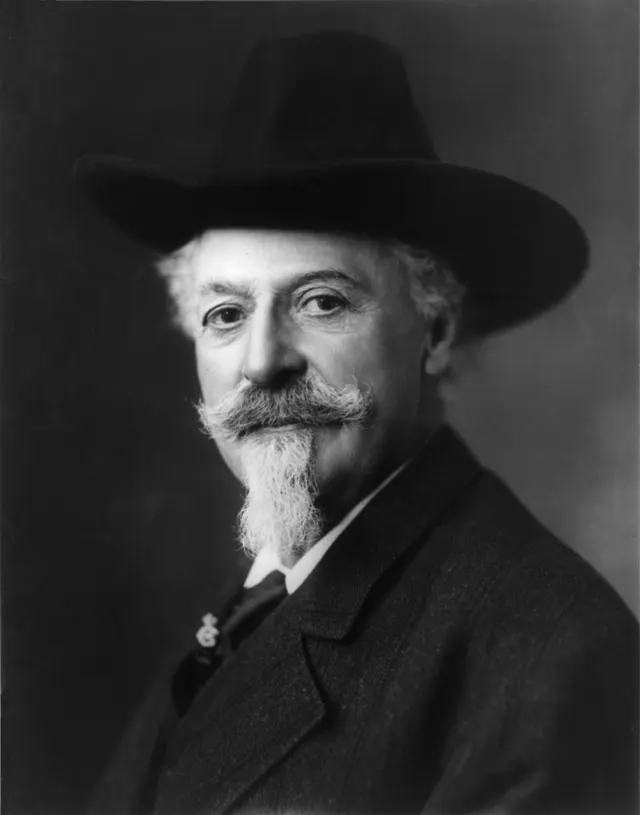
Buffalo Bill
Image creditMoffett, Chicago · Public domainResized and cropped for display.

Buffalo Bill

William F. Cody, American scout and showman whose Wild West show toured the United States and Europe.

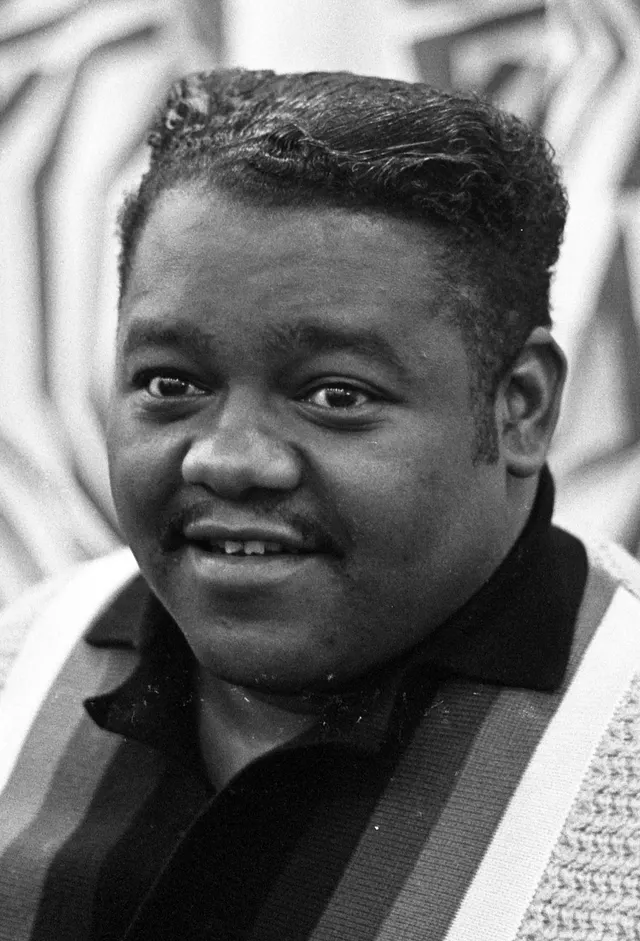
Fats Domino
Image creditHugo van Gelderen / Anefo · CC0Resized and cropped for display.

Fats Domino

New Orleans pianist and singer, a founding figure of rock and roll, known for Blueberry Hill.

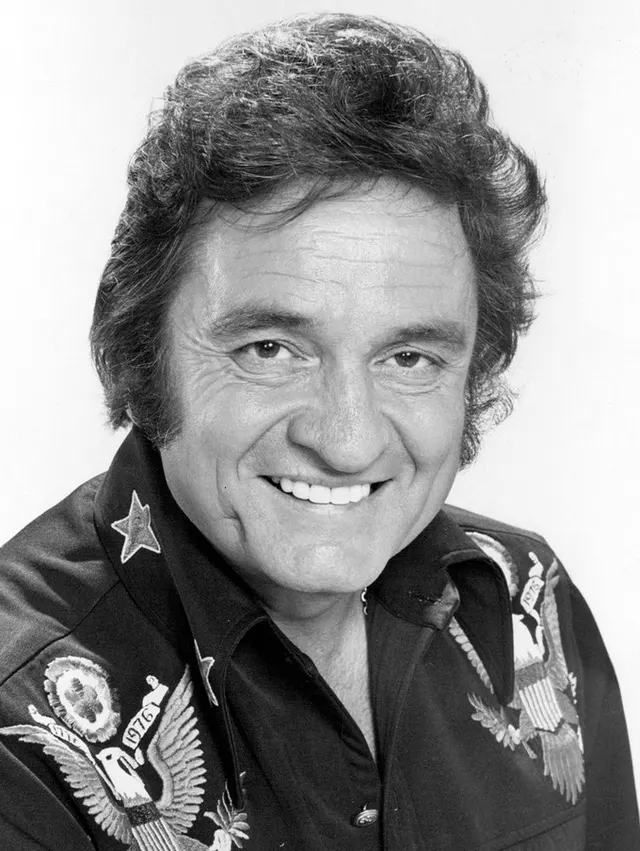
Johnny Cash
Image creditCBS Television · Public domainResized and cropped for display.

Johnny Cash

American singer-songwriter, the ‘Man in Black’, of I Walk the Line and Ring of Fire.

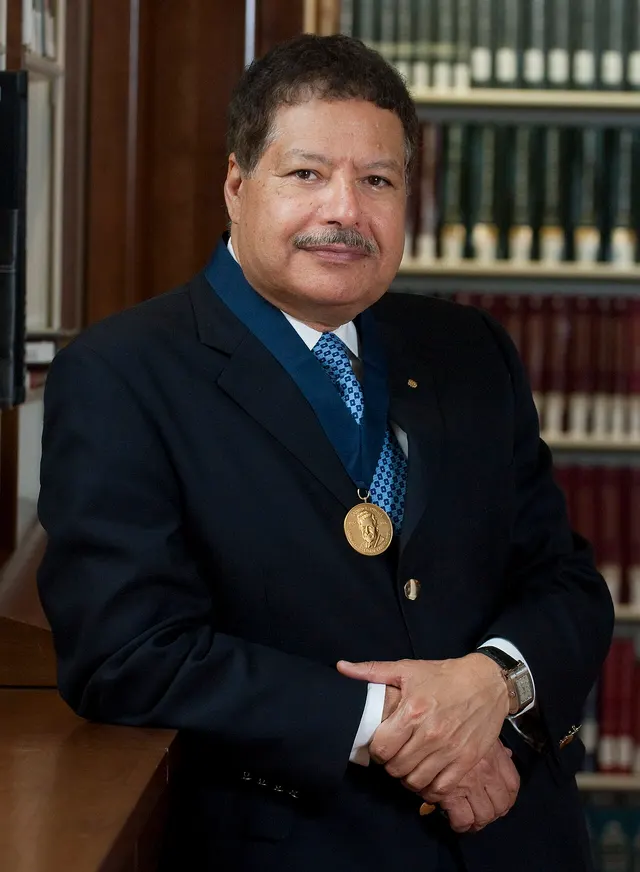
Ahmed Zewail
Image creditDouglas A. Lockard · CC BY-SA 3.0Resized and cropped for display.

Ahmed Zewail

Egyptian-American chemist who won the 1999 Nobel Prize in Chemistry for filming chemical reactions with laser flashes.

◉
IDEAS THAT CHANGED THINGS

Firsts, Science & Discoveries

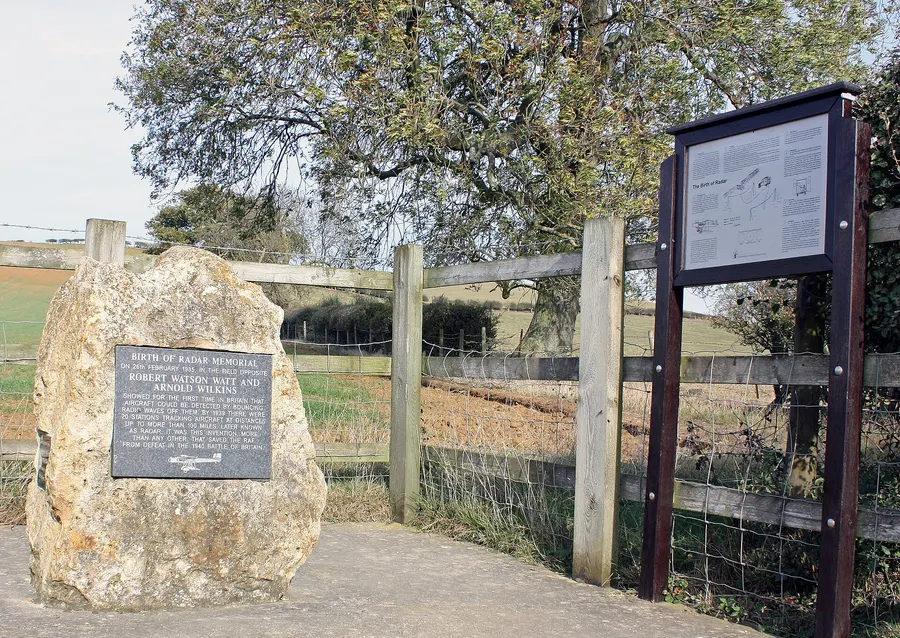
The memorial near Weedon Bec, Northamptonshire, marking the field where the 1935 test took place.
Image creditCj1340 · CC BY-SA 3.0Resized and cropped for display.

The Daventry experiment shows radar can work

On the morning of 26 February 1935 a Handley Page Heyford bomber flew back and forth near the BBC’s powerful shortwave transmitter at Daventry. In a van parked in a field below, Arnold Wilkins and Robert Watson-Watt watched a spot on a screen rise as radio waves bounced back from the aircraft, several miles away.

Watson-Watt is said to have remarked that Britain was an island once more. Money for research began to flow at once, and within a few years a chain of radar stations along the coast was ready to guide fighters in the Battle of Britain.

Read the full storyHistory & Timeline →Source: Science Museum: Robert Watson-Watt and the triumph of radar ↗
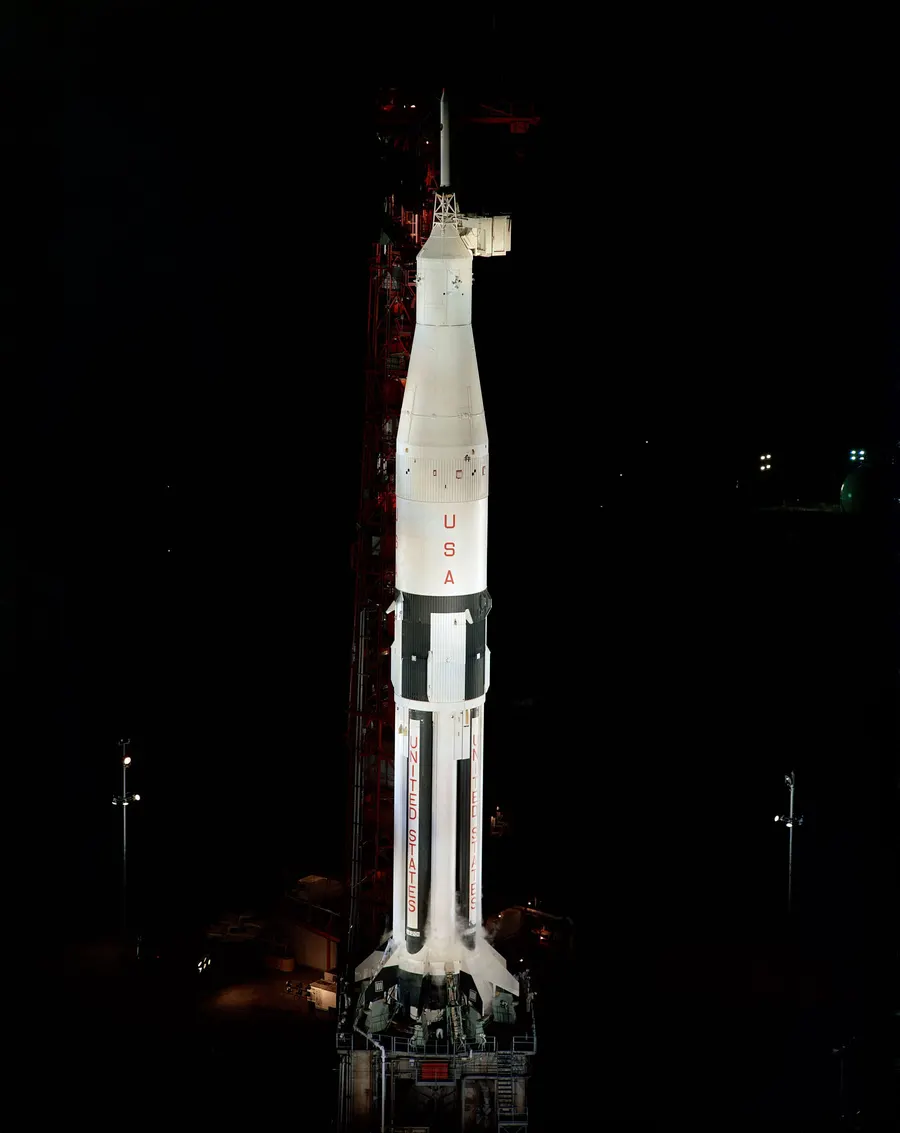
The Saturn IB rocket with its Apollo spacecraft on the pad at Launch Complex 34 during a countdown test, 6 February 1966.
Image creditNASA Johnson Space Center · Public domainResized and cropped for display.

The first Saturn IB and Apollo spacecraft fly

At 11.12 in the morning on 26 February 1966 the first Saturn IB rocket lifted off from Cape Kennedy carrying an uncrewed Apollo command and service module. It was the first flight of Apollo spacecraft hardware and of the J-2 engine that would later power the upper stages of the Saturn V.

On the 37-minute suborbital flight the service module’s engine fired and the command module’s heat shield was tested at high speed, before it splashed down in the South Atlantic. The Saturn IB later launched the first crewed Apollo flight, Apollo 7.

Read the full storyHistory & Timeline →Source: NASA: 55 years ago, Apollo AS-201 test flight ↗
♫
MUSIC • FILM • BOOKS • CULTURE

Culture Stories

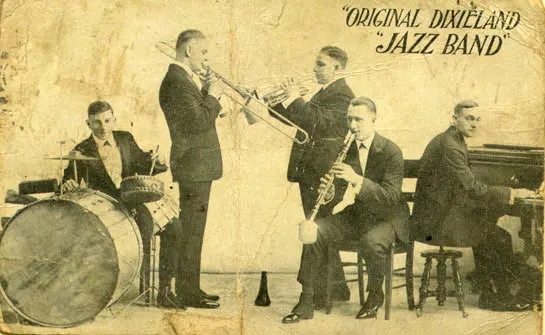
The Original Dixieland Jazz Band on a promotional postcard of about 1918.
Image creditUnknown authorUnknown author · Public domainResized and cropped for display.

The first jazz record is made

On 26 February 1917 the Original Dixieland Jass Band, five white musicians from New Orleans then playing in New York, recorded ‘Livery Stable Blues’ and ‘Dixieland Jass Band One-Step’ for the Victor company. The record is generally counted as the first jazz recording, and it sold in huge numbers.

It is an awkward first: the band’s leader Nick LaRocca later claimed to have invented jazz, a music created by Black musicians in New Orleans who had not yet been given the chance to record.

Read the full storyHistory & Timeline →Source: Library of Congress, Now See Hear!: The first jazz recording, one hundred years later ↗
✦
LIVES REMEMBERED

Remembered Today

Mohammed V of Morocco
Image creditFotograaf Onbekend / Anefo · CC0Resized and cropped for display.

Mohammed V of Morocco

Sultan and then king who led Morocco to independence from France in 1956.

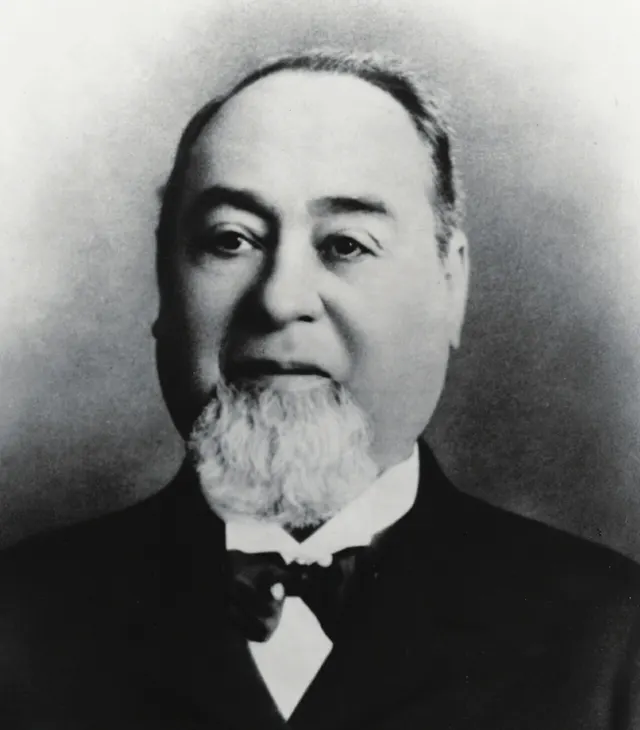
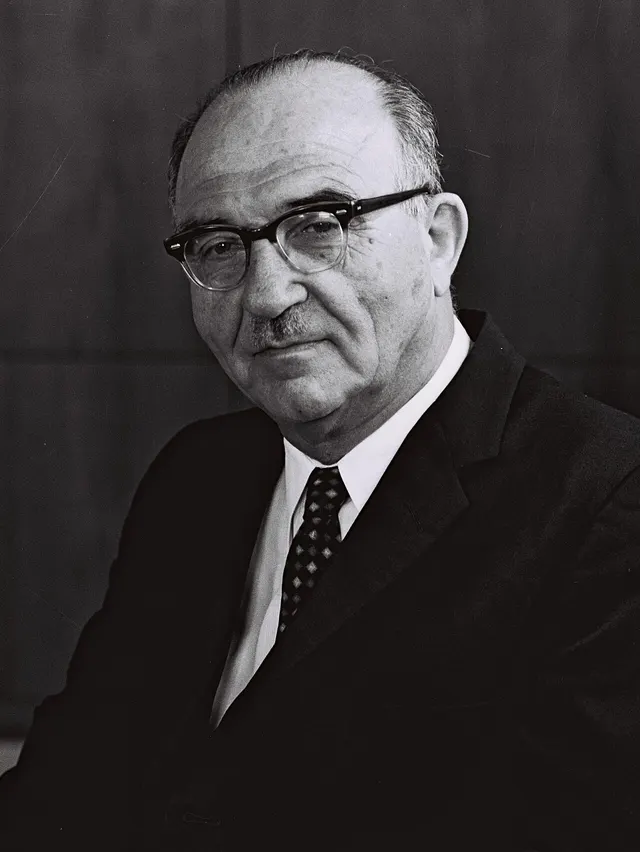
Levi Eshkol
Image creditDavid Eldan · CC BY-SA 4.0Resized and cropped for display.

Levi Eshkol

Israel’s third prime minister, in office during the Six-Day War of 1967.

HISTORY & TIMELINE

Finished the highlights?

Follow 26 February chronologically, from the Middle Ages to the modern day, with 9 verified events and the sources behind them.

This day through time →