Explore 25 February

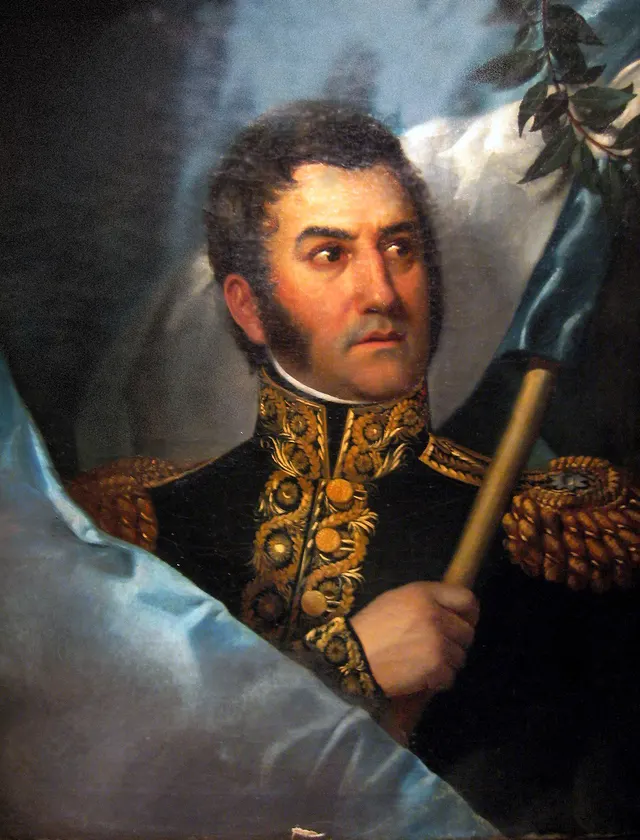
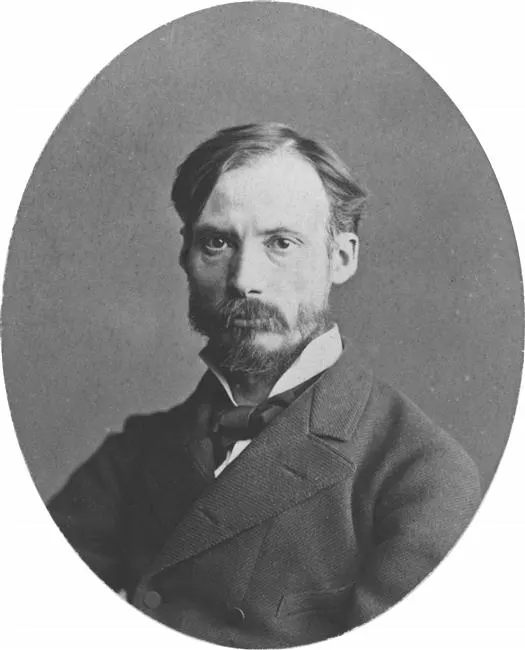
Explore 25 February: Khrushchev denounces Stalin in a secret speech, communists take power in Prague, Hiram Revels becomes the first Black US senator and the Warsaw Pact’s military alliance is wound up. Meet Renoir, José de San Martín and George Harrison, born on this date.

This day through time →7 verified events across 3 eras

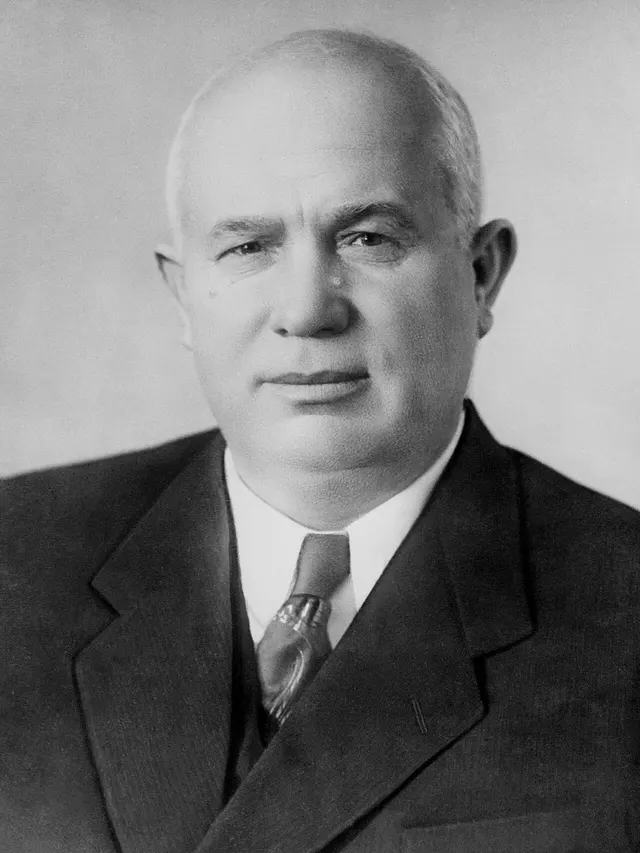
Nikita Khrushchev in an official portrait of the mid-1950s.
Image creditTASS · Public domainResized and cropped for display.

Khrushchev denounces Stalin in a secret speech

At a closed session at the end of the Soviet Communist Party’s 20th Congress, on 25 February 1956, Nikita Khrushchev spoke for about four hours to delegates about ‘the cult of personality and its consequences’. Three years after Stalin’s death, he accused him of mass arrests, torture and executions of loyal party members, and of blunders in the war.

The speech was meant to stay inside the party, but its text reached the West within weeks and was published in June. It shook communists everywhere and helped spark the upheavals in Poland and Hungary later that year.

Read the full storyHistory & Timeline →Source: US Department of State, Office of the Historian: Khrushchev and the Twentieth Congress of the Communist Party ↗
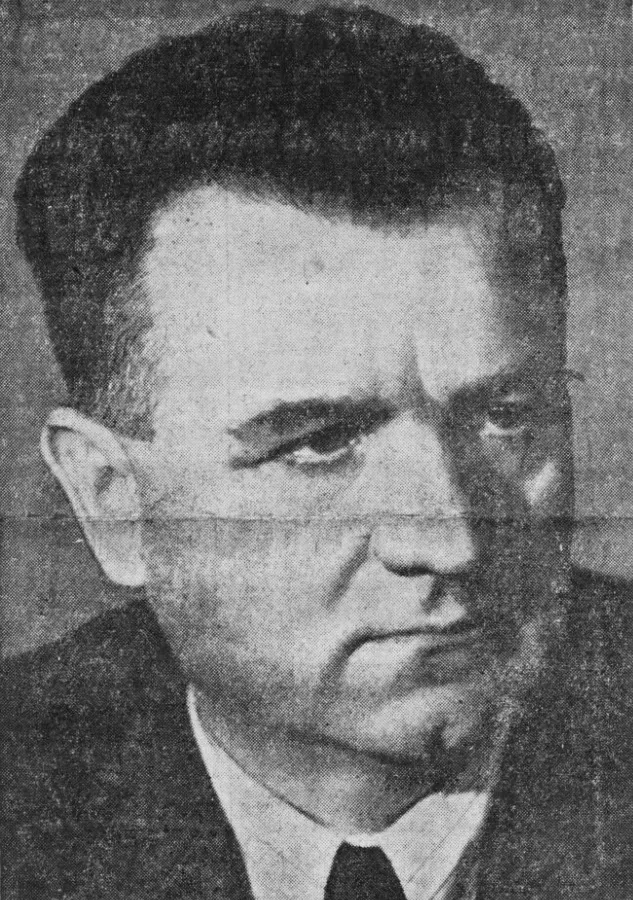
Klement Gottwald, from a newspaper photograph dated 26 February 1948.
Image creditUnknown authorUnknown author · Public domainResized and cropped for display.

Communists take power in Czechoslovakia

In February 1948 twelve non-communist ministers resigned from Czechoslovakia’s coalition government, expecting President Edvard Beneš to refuse and force early elections. Instead the communists called crowds on to the streets and armed workers’ militias. On 25 February Beneš accepted the resignations and approved a new cabinet under the communist leader Klement Gottwald.

Gottwald announced his victory to a crowd in Wenceslas Square. The ‘Victorious February’ began four decades of communist rule, and the shock in the West helped speed up the founding of NATO.

Read the full storyHistory & Timeline →Source: US Department of State, Office of the Historian: Foreign Relations of the United States, 1948, Czechoslovakia ↗
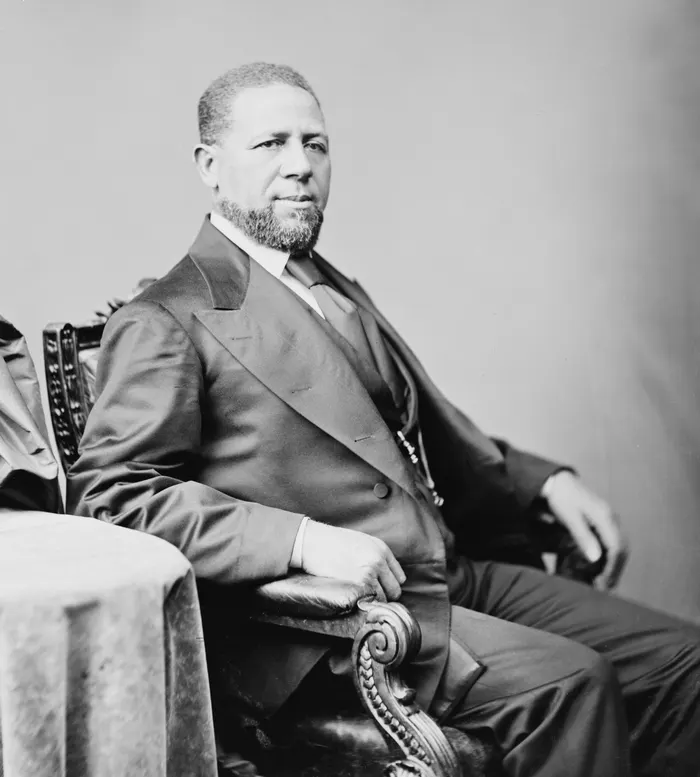
Hiram Revels, photographed by the studio of Mathew Brady.
Image creditMathew Benjamin Brady / Levin Corbin Handy · Public domainResized and cropped for display.

Hiram Revels becomes the first Black US senator

On 25 February 1870 the galleries of the US Senate broke into applause as Hiram Revels, a minister and Republican from Mississippi, took his oath as the first African American senator. Some Democrats had tried to block him, arguing that he had not been a citizen for the required nine years, but the Senate voted 48 to 8 to seat him.

Revels served for a year, completing the unexpired term of a senator who had left Mississippi to join the Confederacy. He later became the first president of Alcorn College, a Black university in Mississippi.

Read the full storyHistory & Timeline →Source: United States Senate: Hiram Revels, first African American senator ↗
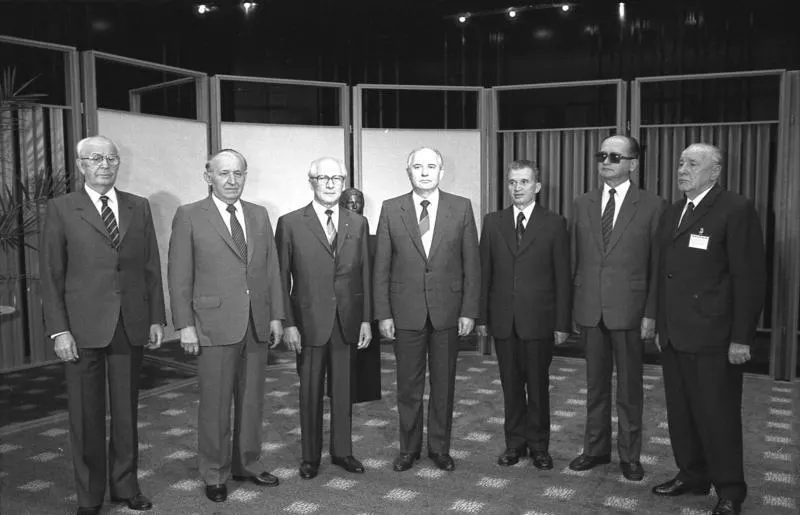
Leaders of the Warsaw Pact countries at a meeting in East Berlin, May 1987.
Image creditRainer Mittelstädt · CC BY-SA 3.0 deResized and cropped for display.

The Warsaw Pact agrees to disband its armies

Meeting in Budapest on 25 February 1991, the foreign and defence ministers of the six remaining Warsaw Pact members, the Soviet Union, Bulgaria, Czechoslovakia, Hungary, Poland and Romania, announced that the alliance’s military structures would be dissolved. East Germany had left when Germany reunited the previous October.

The military command was wound up at the end of March, and the pact itself was formally dissolved on 1 July 1991, ending the Soviet-led alliance created in 1955 as a counterweight to NATO.

Read the full storyHistory & Timeline →Source: CVCE, University of Luxembourg: Statement on the dissolution of the military structures of the Warsaw Pact (25 February 1991) ↗
♙
PEOPLE

Born Today

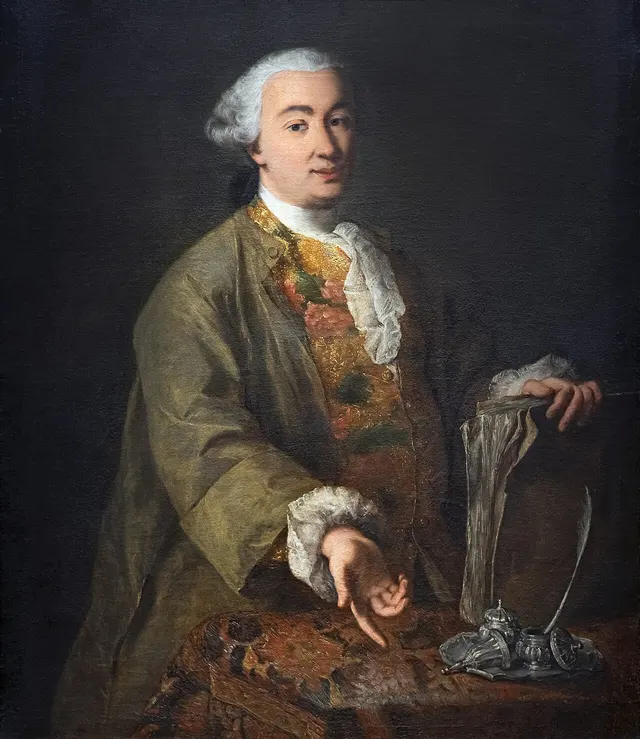
Carlo Goldoni
Image creditDidier Descouens · CC BY-SA 4.0Resized and cropped for display.

Carlo Goldoni

Venetian playwright who reformed Italian comedy, author of The Servant of Two Masters.

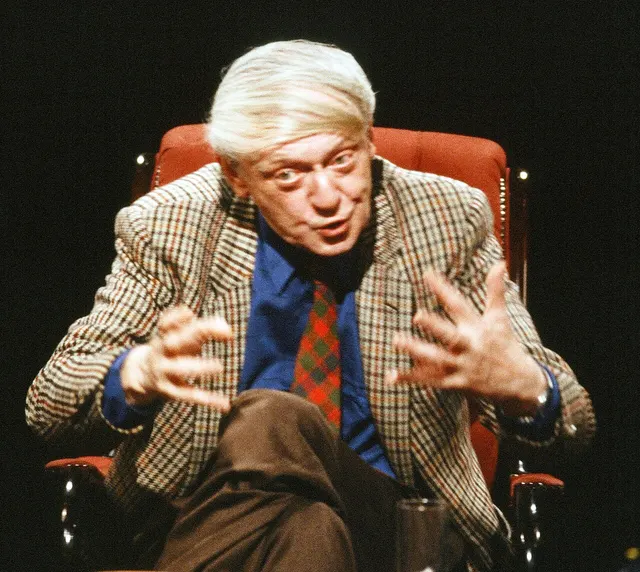
Anthony Burgess
Image creditOpen Media Ltd. · CC BY-SA 3.0Resized and cropped for display.

Anthony Burgess

English novelist and composer, author of A Clockwork Orange.

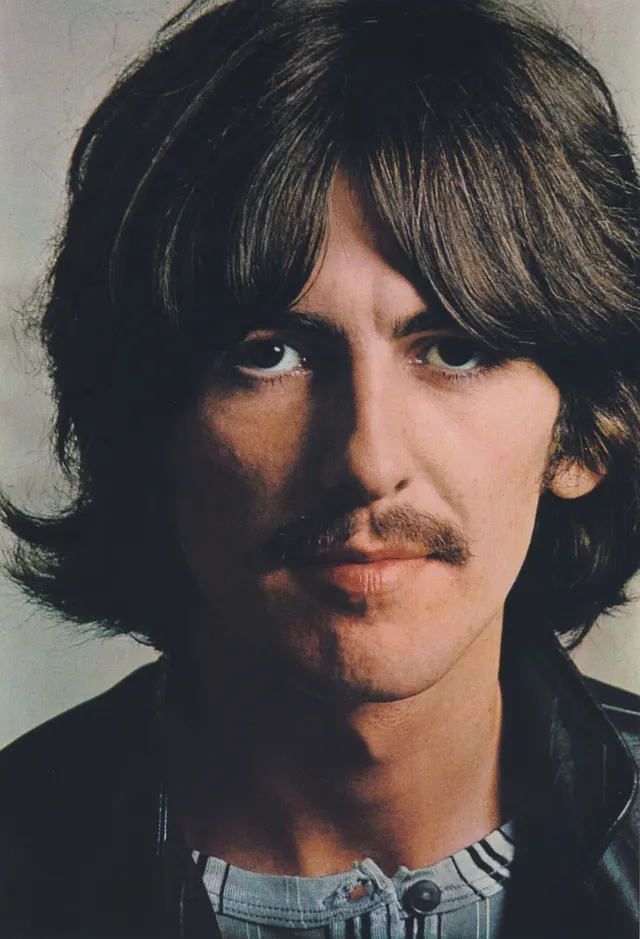
George Harrison
Image creditJohn Kelly · Public domainResized and cropped for display.

George Harrison

English guitarist and songwriter of the Beatles, who wrote Something and Here Comes the Sun.

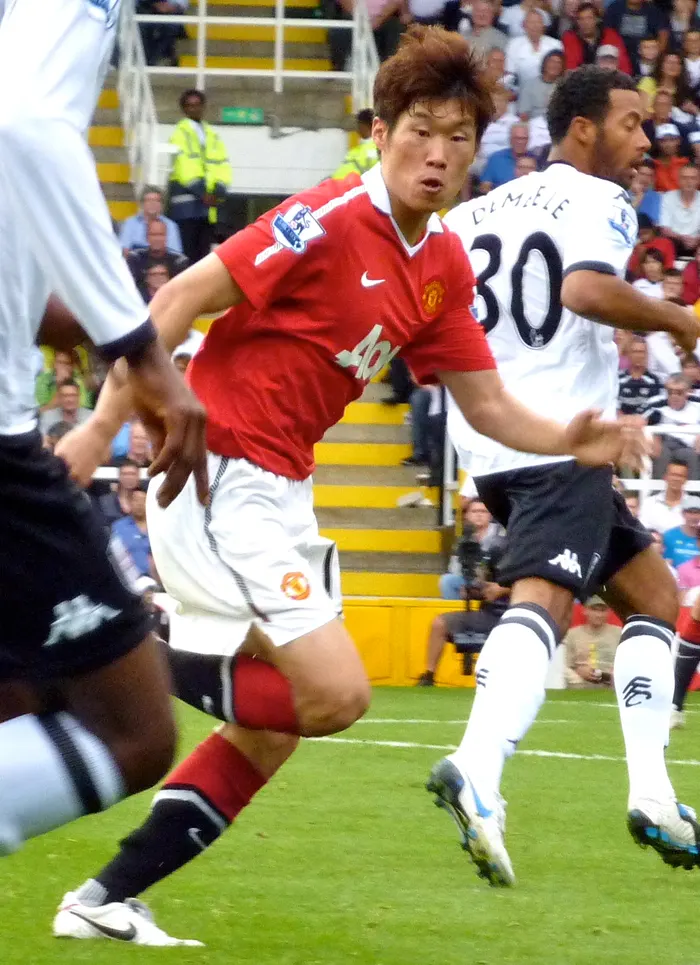
Park Ji-sung
Image creditMagnus D · CC BY 2.0Resized and cropped for display.

Park Ji-sung

South Korean footballer who won four Premier League titles with Manchester United.

☆
SPORTING HISTORY

Sporting Moments

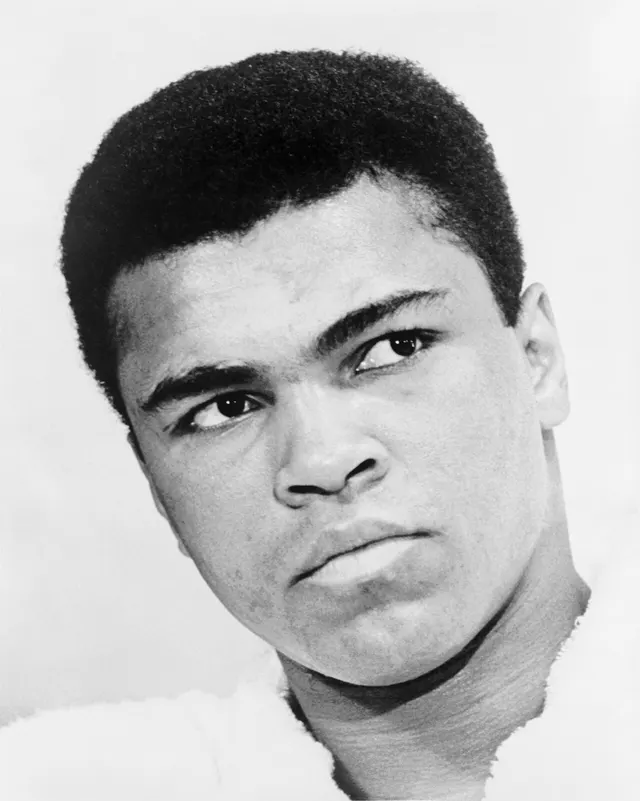
Muhammad Ali in 1967, three years after he first won the title as Cassius Clay.
Image creditIra Rosenberg · Public domainResized and cropped for display.

Cassius Clay ‘shakes up the world’

At Miami Beach on 25 February 1964, 22-year-old Cassius Clay, a 7-to-1 outsider, took the world heavyweight title from Sonny Liston, who failed to come out for the seventh round with an injured shoulder. Clay had danced away from Liston’s punches and cut him in the third round.

Former champion Joe Louis called it the biggest upset in boxing history. Days later Clay confirmed that he had joined the Nation of Islam, and he soon took the name Muhammad Ali.

Read the full storyHistory & Timeline →Source: Muhammad Ali Center: New name, new champion, 60 years later ↗
✦
LIVES REMEMBERED

Remembered Today

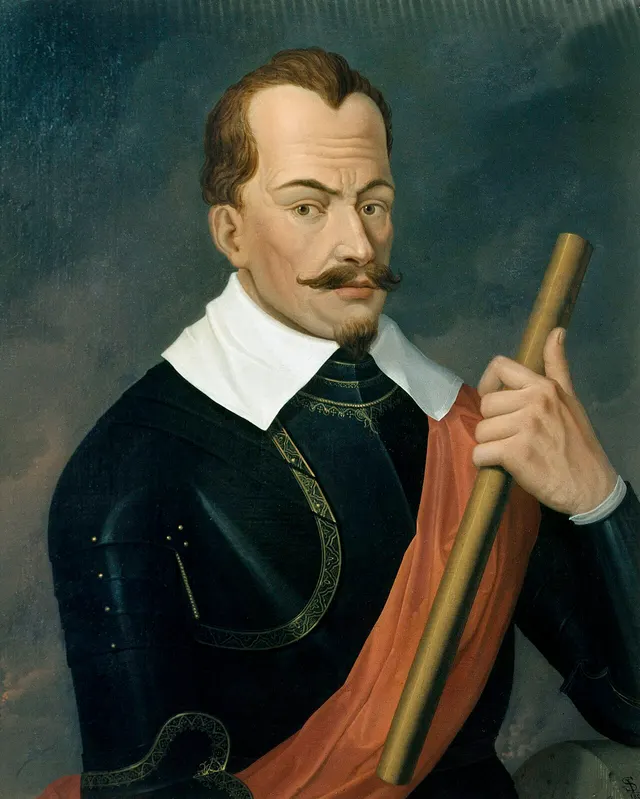
Albrecht von Wallenstein
Image creditJulius Schnorr von Carolsfeld · Public domainResized and cropped for display.

Albrecht von Wallenstein

Bohemian general who commanded the emperor’s armies in the Thirty Years’ War; he was murdered by his own officers at Eger.

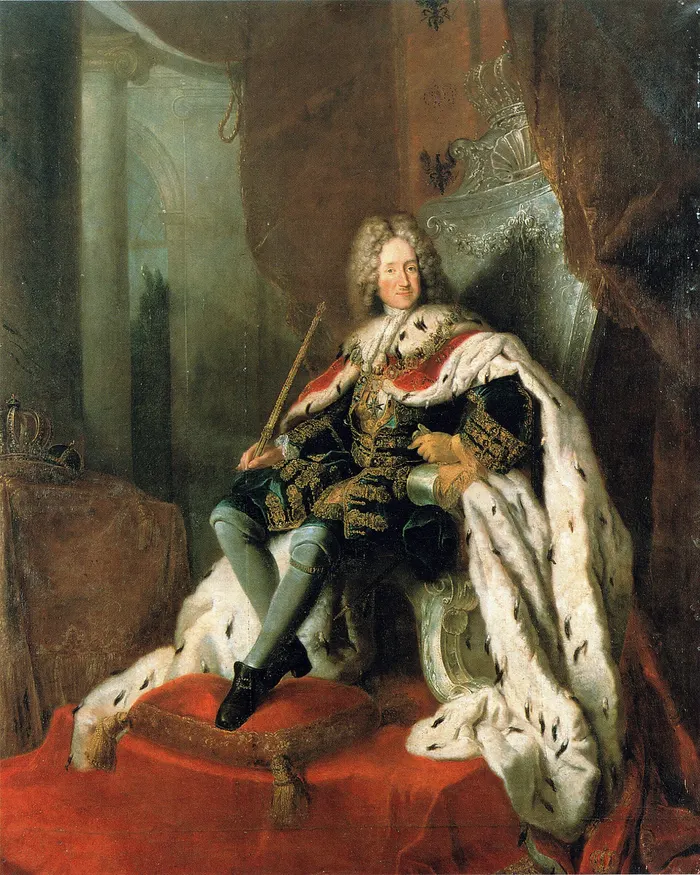
Frederick I of Prussia
Image creditAntoine Pesne · Public domainResized and cropped for display.

Frederick I of Prussia

Elector of Brandenburg who crowned himself the first King in Prussia in 1701.

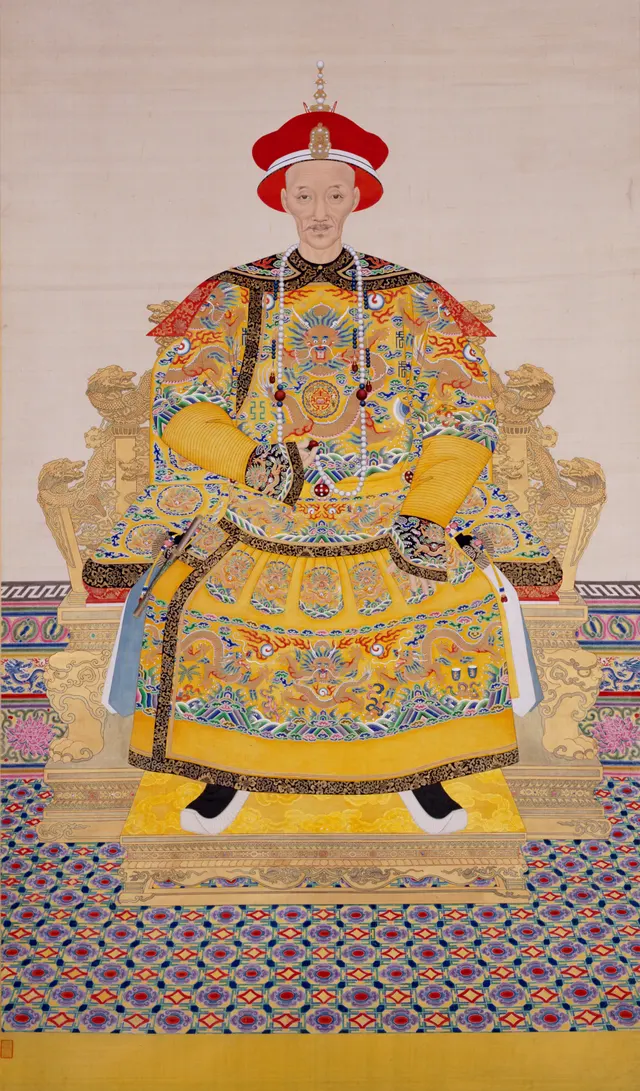
Daoguang Emperor
Image creditUnknown authorUnknown author · Public domainResized and cropped for display.

Daoguang Emperor

Qing emperor of China whose attempt to stamp out the opium trade led to the First Opium War with Britain.

George Minot
Image creditThe Nobel Foundation · Public domainResized and cropped for display.

George Minot

American physician who shared the 1934 Nobel Prize for showing that a liver diet could treat pernicious anaemia.

☉
AROUND THE WORLD

Observances & Anniversaries

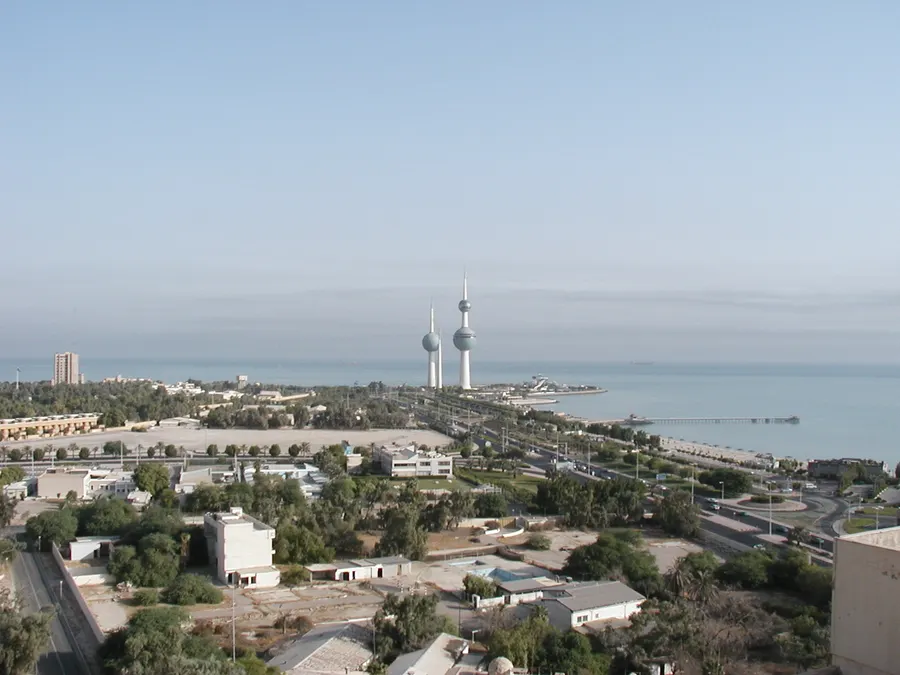
The Kuwait Towers on the waterfront of Kuwait City, 2004.
Image creditMikael Lindmark · CC BY-SA 2.5 seResized and cropped for display.

National Day (Kuwait)

Kuwait celebrates its National Day on 25 February. The country became independent on 19 June 1961, but in 1964 an emiri decree moved the celebration to the anniversary of the accession of Sheikh Abdullah Al-Salem Al-Sabah, the ruler who led Kuwait to independence. It is followed on 26 February by Liberation Day, marking the end of the Iraqi occupation in 1991.

Source: Kuwait News Agency (KUNA): Kuwait national day, celebration of unity and sovereignty ↗
HISTORY & TIMELINE

Finished the highlights?

Follow 25 February chronologically, from the Middle Ages to the modern day, with 7 verified events and the sources behind them.

This day through time →