Explore 23 February

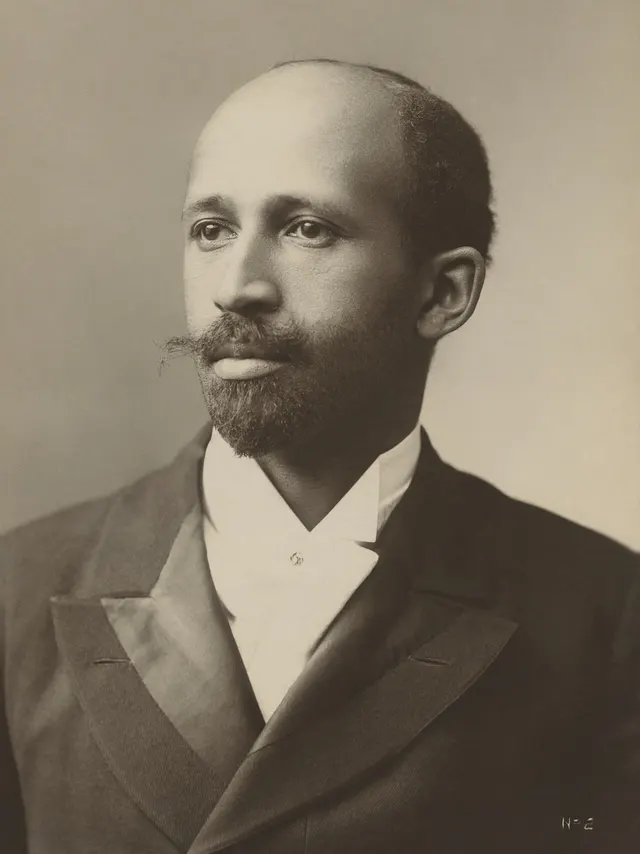
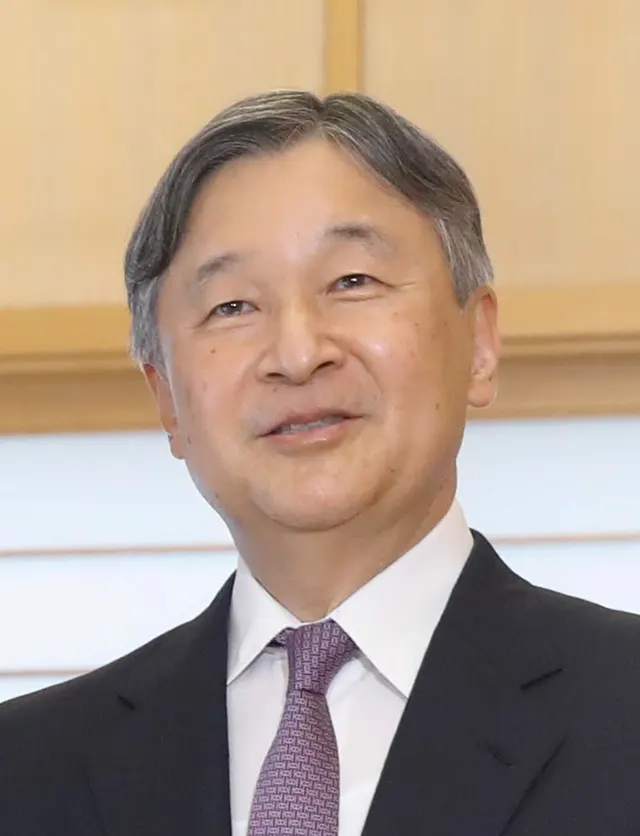
Explore 23 February: Marines raise the flag on Iwo Jima, a coup attempt fails in Spain’s parliament, Stalin deports the Chechen and Ingush peoples and the United States takes Guantánamo Bay. Meet Handel, W. E. B. Du Bois and Emperor Naruhito, born on this date.

This day through time →9 verified events across 2 eras

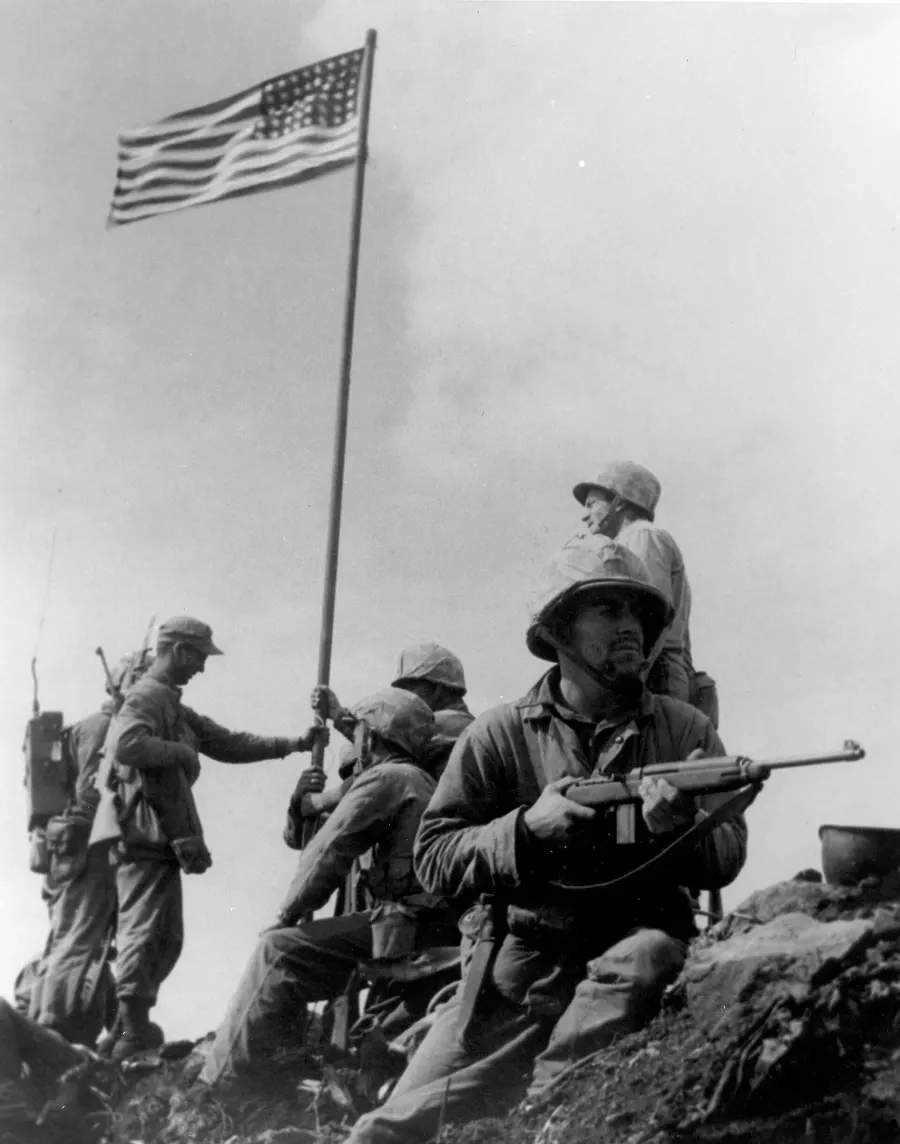
The first flag raised on Mount Suribachi, at 10.20 on 23 February 1945, photographed by Staff Sergeant Louis Lowery.
Image creditStaff Sergeant Louis R. Lowery, USMC, staff photographer for "Leatherneck" magazine · Public domainResized and cropped for display.

Marines raise the flag on Iwo Jima

On the fifth day of the battle for Iwo Jima, 23 February 1945, a patrol of US Marines climbed Mount Suribachi, the volcano at the island’s southern tip, and raised a small American flag on its summit at 10.20 in the morning. A few hours later a larger flag replaced it.

Associated Press photographer Joe Rosenthal’s picture of the second raising won a Pulitzer Prize and became one of the most famous images of the war, the model for the Marine Corps War Memorial in Virginia. The fighting on the island went on for another month.

Read the full storyHistory & Timeline →Source: National Archives: Photograph of flag raising on Iwo Jima, February 23, 1945 ↗
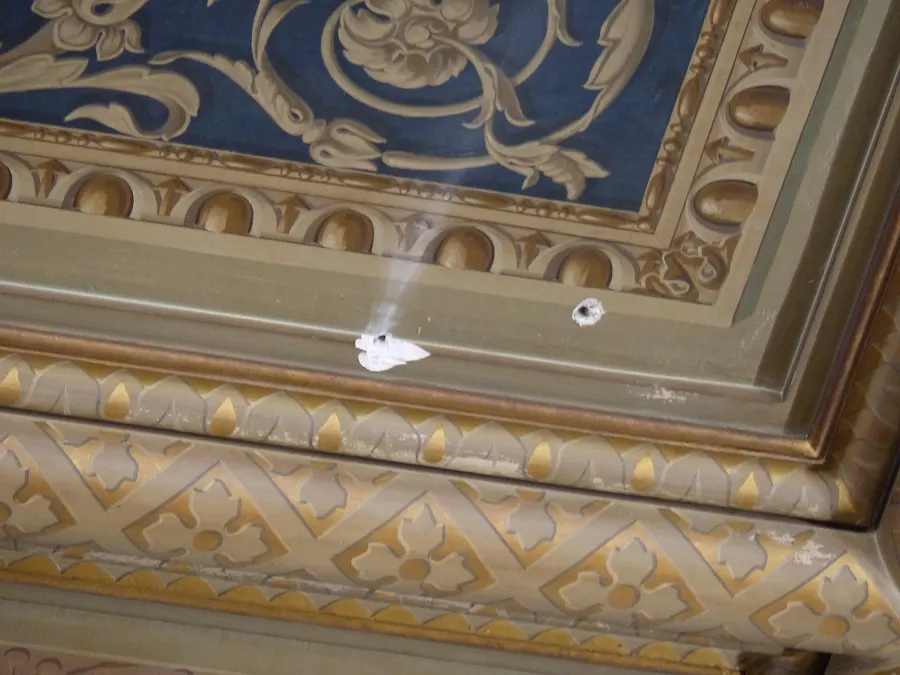
Bullet holes left in the ceiling of Spain's Congress of Deputies by the 1981 coup attempt, photographed in 2015.
Bullet holes left in the ceiling of Spain’s Congress of Deputies by the 1981 coup attempt, photographed in 2015.
Image creditBenjamín Núñez González · CC BY-SA 4.0Resized and cropped for display.

A coup attempt fails in Spain’s parliament

On the evening of 23 February 1981, during the vote to confirm Leopoldo Calvo Sotelo as prime minister, Lieutenant Colonel Antonio Tejero burst into Spain’s Congress of Deputies with a group of Civil Guards, fired shots into the ceiling and held the government and deputies hostage for about 18 hours.

In the early hours King Juan Carlos, in uniform, spoke on television in support of the constitution and ordered the army to back the democratic government. The coup collapsed, and Spain’s young democracy, only six years on from Franco’s death, came through it.

Read the full storyHistory & Timeline →Source: Encyclopaedia Britannica: Antonio Tejero ↗
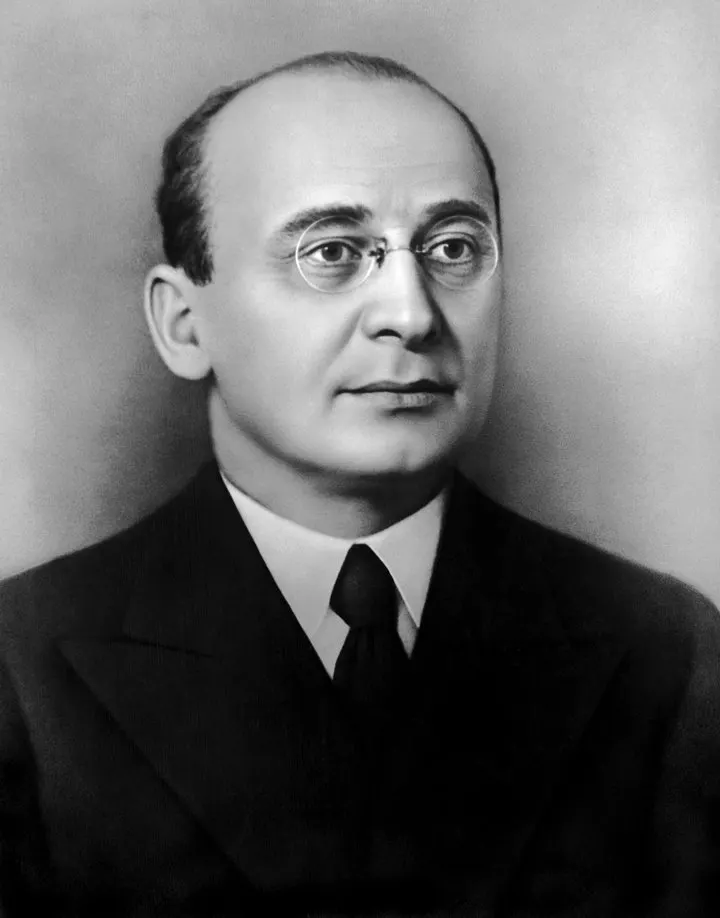
Lavrentiy Beria, head of the Soviet secret police, who oversaw the deportation in person.
Image creditUnknown, presumed official · Public domainResized and cropped for display.

Stalin deports the Chechen and Ingush peoples

On 23 February 1944 Soviet security troops began rounding up the entire Chechen and Ingush peoples of the North Caucasus, accusing them of collaborating with Nazi Germany. Within about a week nearly half a million people had been loaded on to trains and sent to Kazakhstan and Central Asia.

Many thousands died on the journey and in the harsh first years of exile; estimates of the share who perished run from a quarter to a half. The survivors were allowed to return only in the late 1950s, after Stalin’s death.

Read the full storyHistory & Timeline →Source: Sciences Po, Mass Violence and Resistance Research Network: The massive deportation of the Chechen people ↗
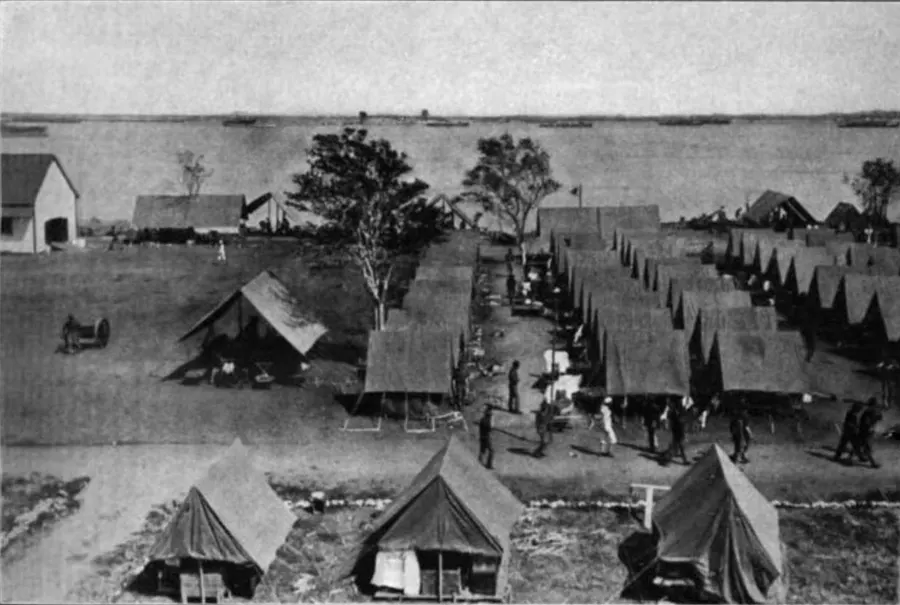
The US naval base at Guantánamo Bay in 1916.
Image creditUnknown authorUnknown author · Public domainResized and cropped for display.

The United States leases Guantánamo Bay

An agreement leasing land at Guantánamo Bay and Bahía Honda to the United States for coaling and naval stations was signed by Cuba’s president on 16 February 1903 and by President Theodore Roosevelt on 23 February. The United States recognised Cuba’s ultimate sovereignty but took complete control of the areas.

No end date was set, and the lease can be ended only by agreement of both countries. The base at Guantánamo is still American, and Cuba’s government has long called it illegal.

Read the full storyHistory & Timeline →Source: Yale Law School, Avalon Project: Agreement between the United States and Cuba for the lease of lands for coaling and naval stations, 23 February 1903 ↗
♙
PEOPLE

Born Today

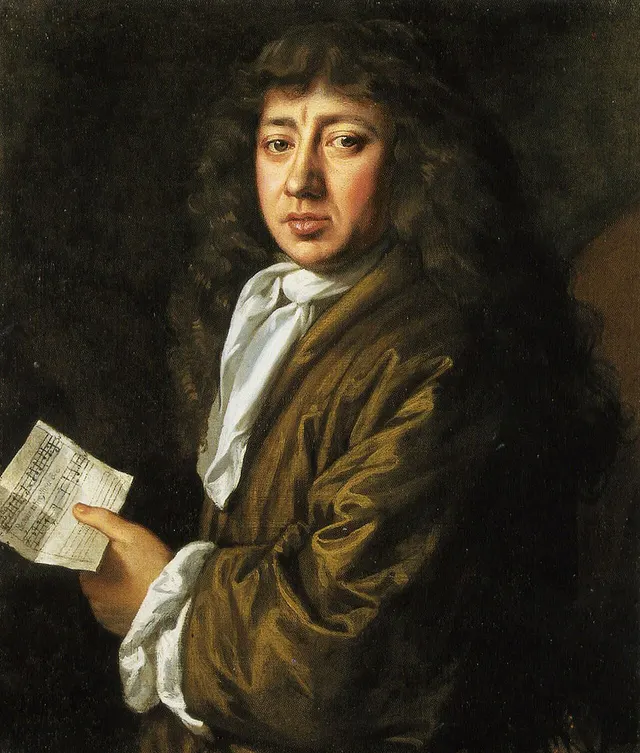
Samuel Pepys
Image creditJohn Hayls · Public domainResized and cropped for display.

Samuel Pepys

English naval administrator whose diary of the 1660s records the Great Plague and the Great Fire of London.

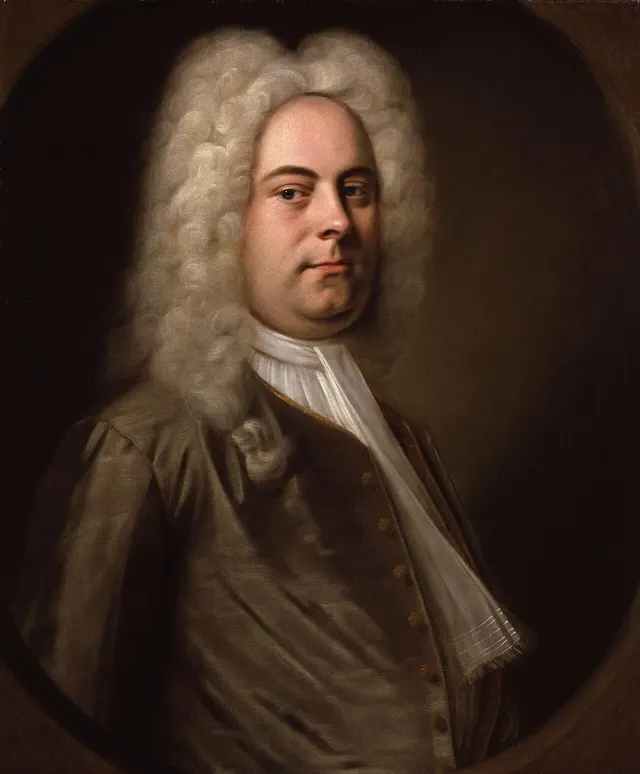
George Frideric Handel
Image creditAttributed to Balthasar Denner · Public domainResized and cropped for display.

George Frideric Handel

German-born composer who made his career in London; his works include Messiah and Water Music.

Emily Blunt
Image creditGabriel Hutchinson · CC BY-SA 4.0Resized and cropped for display.

Emily Blunt

English actress of The Devil Wears Prada, A Quiet Place and Oppenheimer.

◉
IDEAS THAT CHANGED THINGS

Firsts, Science & Discoveries

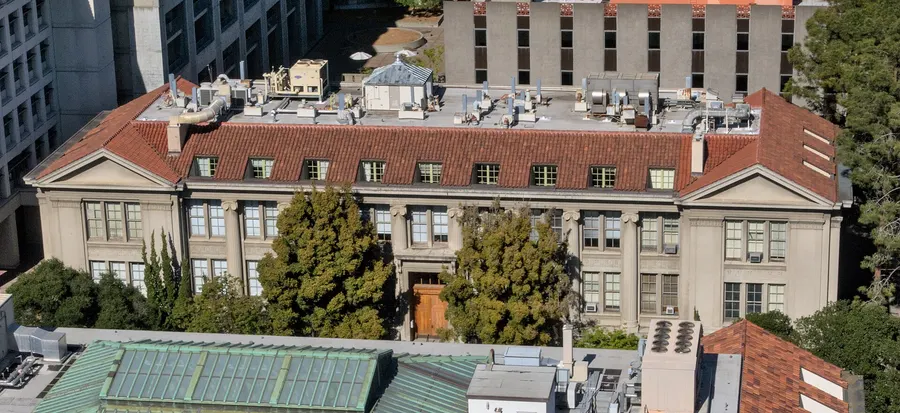
Gilman Hall at the University of California, Berkeley, where plutonium was identified in Room 307.
Image creditGabriel Classon (gabeclasson on Flickr) · CC BY 2.0Resized and cropped for display.

Plutonium is identified at Berkeley

On 23 February 1941, in Room 307 of Gilman Hall at the University of California, Berkeley, Glenn Seaborg, Arthur Wahl and Joseph Kennedy showed by chemical tests that they had made a new element, number 94. It was later named plutonium, after the planet Pluto.

Plutonium became a fuel for nuclear weapons and reactors; the bomb dropped on Nagasaki in 1945 used it. Seaborg shared the 1951 Nobel Prize in Chemistry with Edwin McMillan for work on elements heavier than uranium, and Room 307 is now a National Historic Landmark.

Read the full storyHistory & Timeline →Source: National Park Service: Gilman Hall, University of California ↗
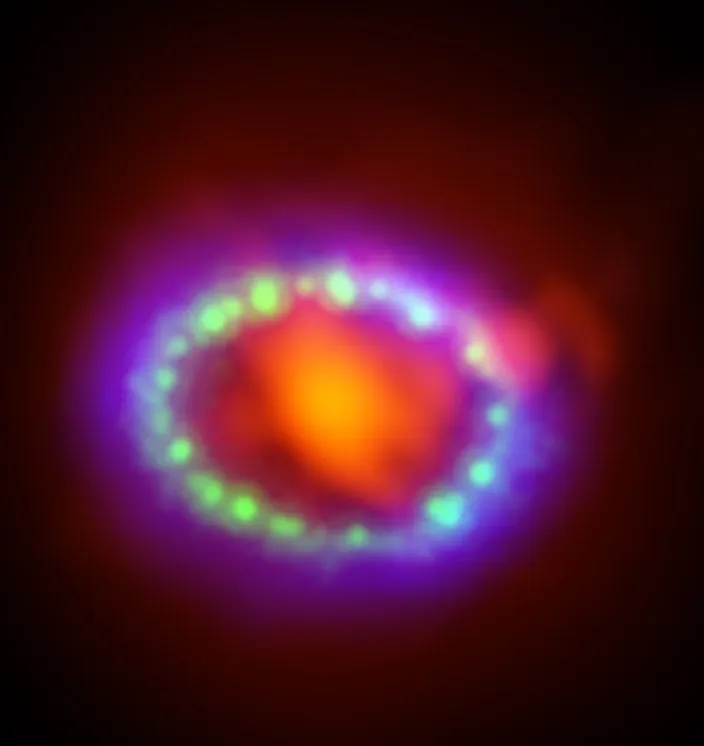
The remnant of Supernova 1987A in a combined image from the ALMA, Hubble and Chandra telescopes, 2014.
Image creditALMA (ESO/NAOJ/NRAO)/A. Angelich. Visible light image: the NASA/ESA Hubble Space Telescope. X-Ray image: The NASA Chandra X-Ray Observatory · CC BY 4.0Resized and cropped for display.

Supernova 1987A lights up the southern sky

On 23 February 1987 light from an exploding star in the Large Magellanic Cloud, a small galaxy near our own, reached Earth. At Las Campanas Observatory in Chile, Ian Shelton spotted it on a photographic plate and Oscar Duhalde saw it with his own eyes.

It was the first supernova visible to the naked eye since 1604, and the closest seen since the telescope was invented. Astronomers have watched it ever since, following its shock wave and the dust forming in its wreckage.

Read the full storyHistory & Timeline →Source: European Southern Observatory: SN 1987A’s twentieth anniversary ↗
☆
SPORTING HISTORY

Sporting Moments

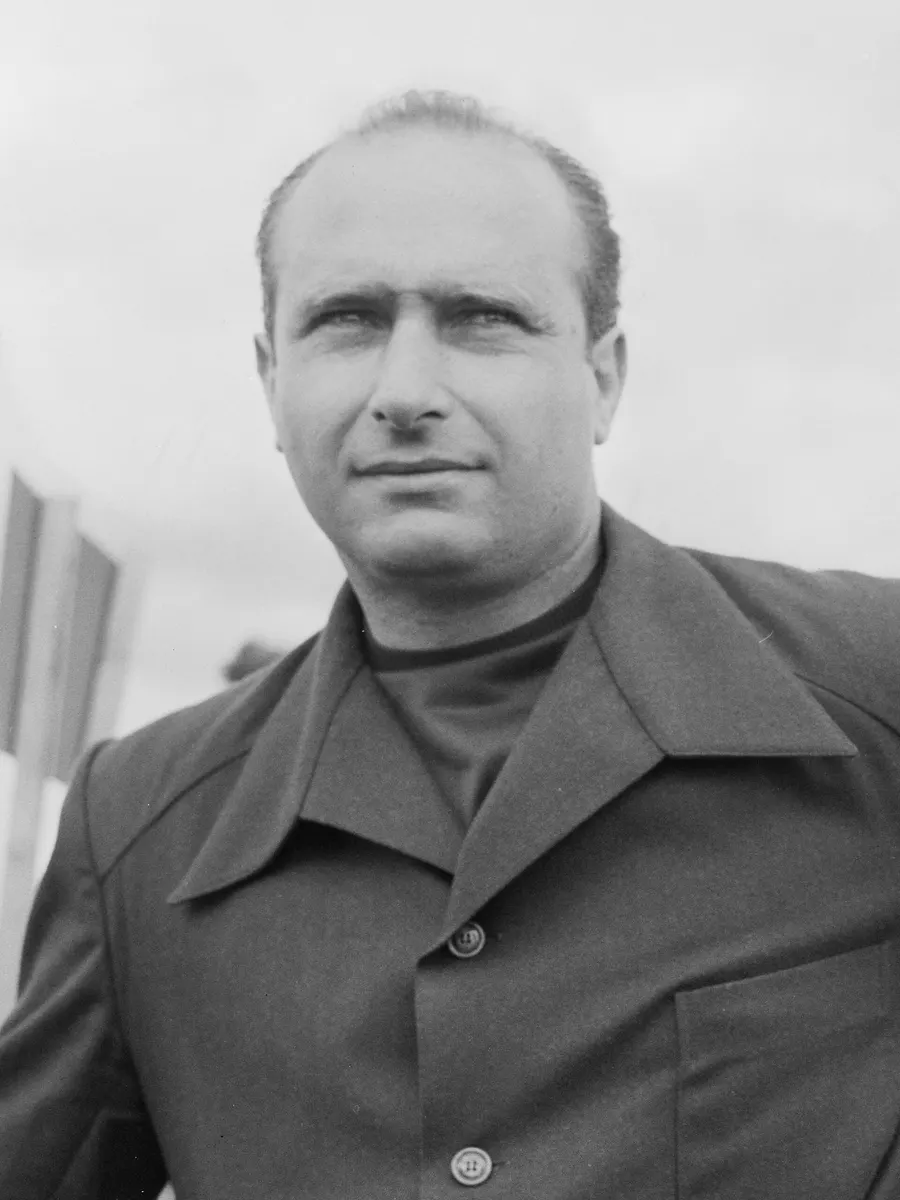
Juan Manuel Fangio at a race in Kristianstad, Sweden, in August 1955.
Image creditBjørn Fjørtoft · CC BY 4.0Resized and cropped for display.

Rebels kidnap Fangio in Havana

On the evening of 23 February 1958, the eve of the Cuban Grand Prix, the five-time world champion Juan Manuel Fangio was taken at gunpoint from the lobby of the Hotel Lincoln in Havana by members of Fidel Castro’s 26th of July Movement, who wanted to embarrass the Batista government.

His captors treated him politely, and he listened to the race on the radio. He was released the next night to the Argentine embassy, and he later said he bore his captors no grudge.

Read the full storyHistory & Timeline →Source: Motor Sport Magazine: When Fangio was kidnapped in Cuba ↗
♫
MUSIC • FILM • BOOKS • CULTURE

Culture Stories

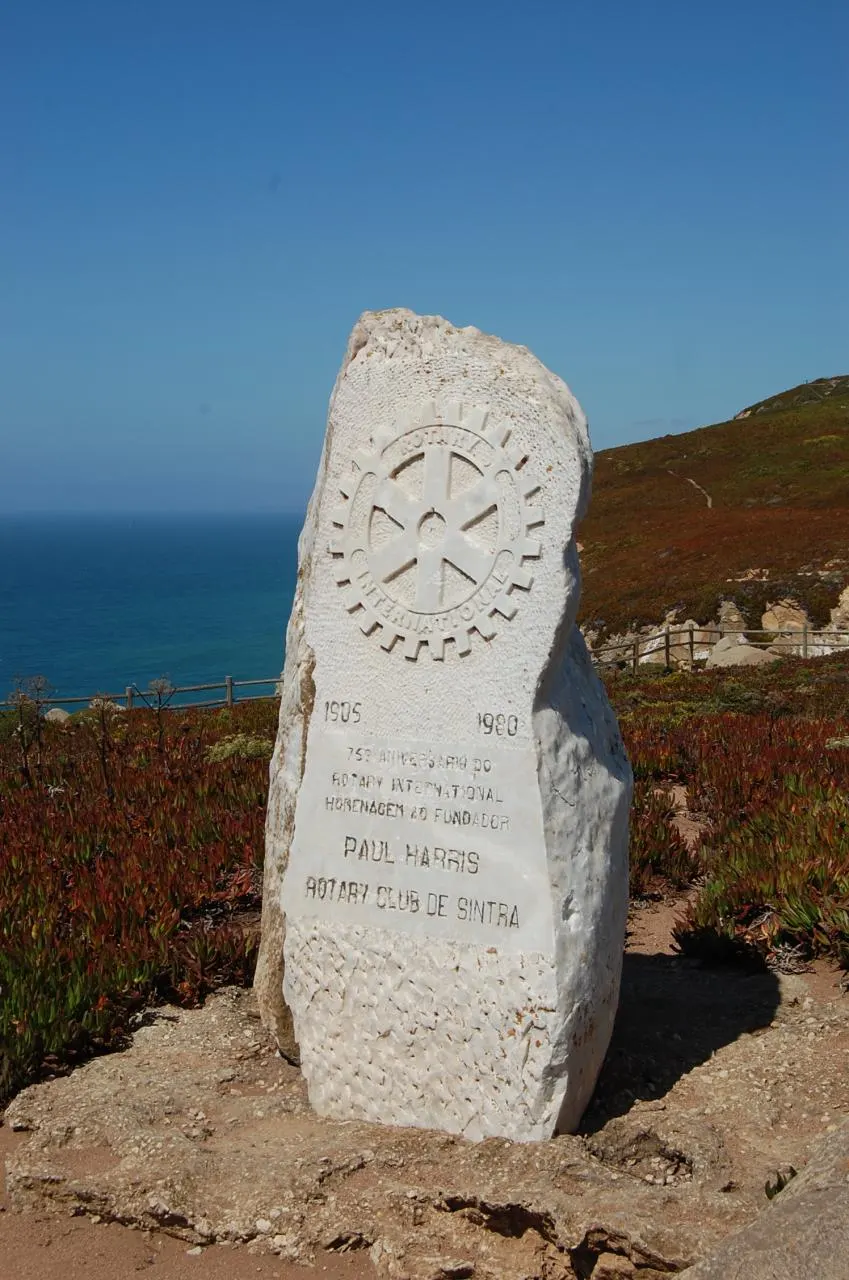
A stone marker bearing the Rotary wheel and Paul Harris's name, photographed in 2009.
A stone marker bearing the Rotary wheel and Paul Harris’s name, photographed in 2009.
Image creditYusuke Kawasaki from Tokyo, Japan · CC BY 2.0Resized and cropped for display.

The first Rotary club meets in Chicago

On 23 February 1905 the Chicago lawyer Paul Harris met three friends, Gustavus Loehr, Silvester Schiele and Hiram Shorey, in Loehr’s office, Room 711 of the Unity Building. They formed a club where men from different professions could meet, make friends and do business.

Harris suggested the name Rotary because meetings rotated between members’ offices. The idea spread across the United States and then the world, and Rotary International now has well over a million members.

Read the full storyHistory & Timeline →Source: Rotary International: Our history ↗
✦
LIVES REMEMBERED

Remembered Today

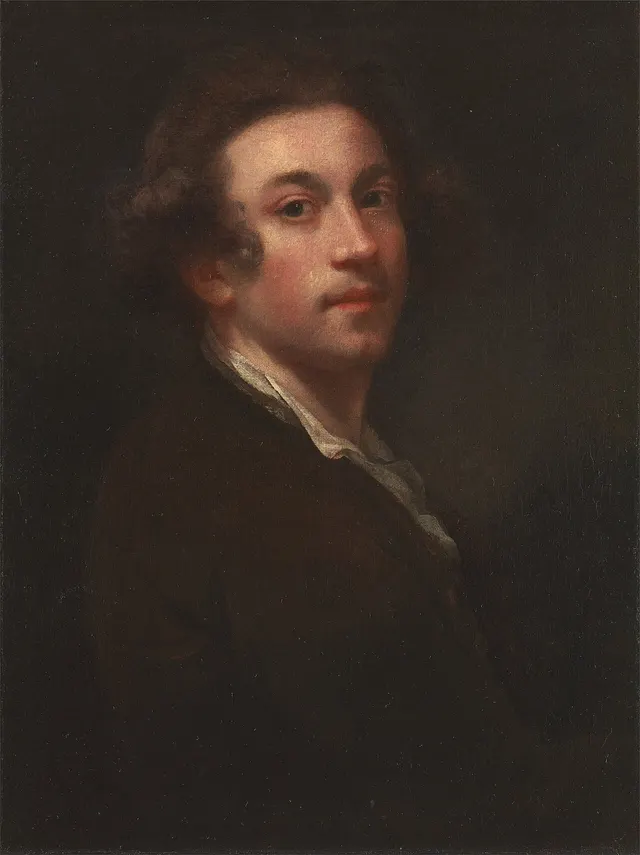
Joshua Reynolds
Image creditJoshua Reynolds · Public domainResized and cropped for display.

Joshua Reynolds

English portrait painter and first president of the Royal Academy of Arts.

John Keats
Image creditWilliam Hilton · Public domainResized and cropped for display.

John Keats

English Romantic poet of the great odes, who died of tuberculosis in Rome at 25.

John Quincy Adams
Image creditMathew Brady · Public domainResized and cropped for display.

John Quincy Adams

Sixth president of the United States, who later spent seventeen years in Congress fighting slavery; he collapsed at his desk in the House.

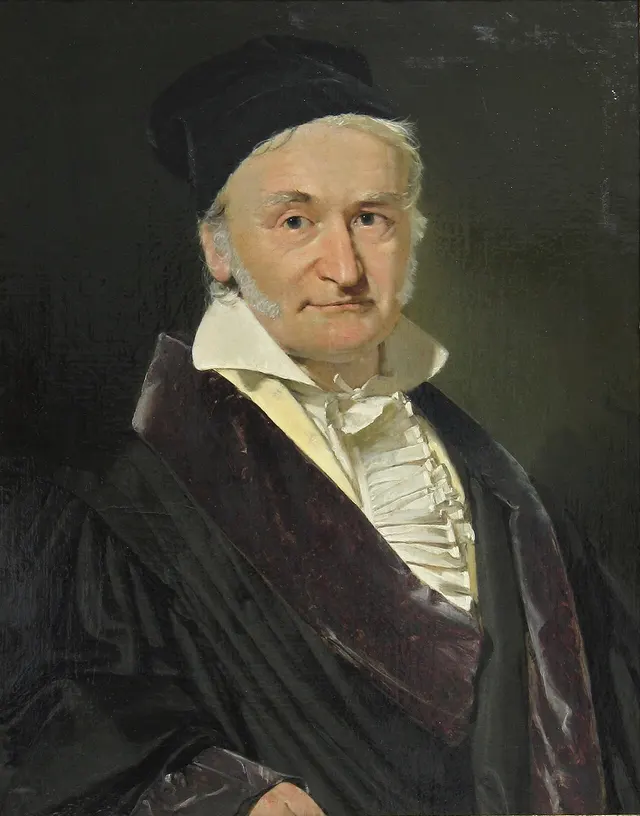
Carl Friedrich Gauss
Image creditChristian Albrecht Jensen · Public domainResized and cropped for display.

Carl Friedrich Gauss

German mathematician, often called the prince of mathematicians, who transformed number theory, astronomy and the study of magnetism.

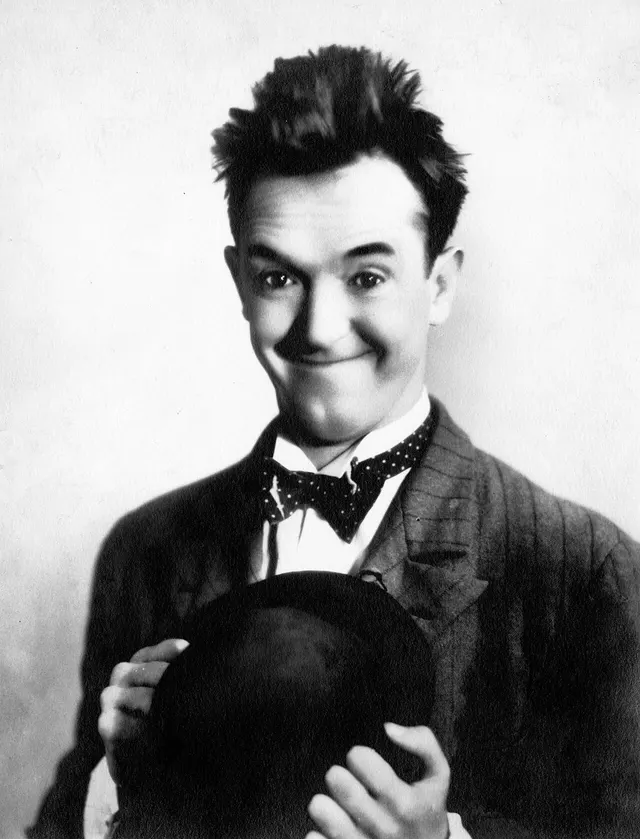
Stan Laurel
Image creditPhoto by Stax · Public domainResized and cropped for display.

Stan Laurel

English-born comic actor, the thin half of the film double act Laurel and Hardy.

☉
AROUND THE WORLD

Observances & Anniversaries

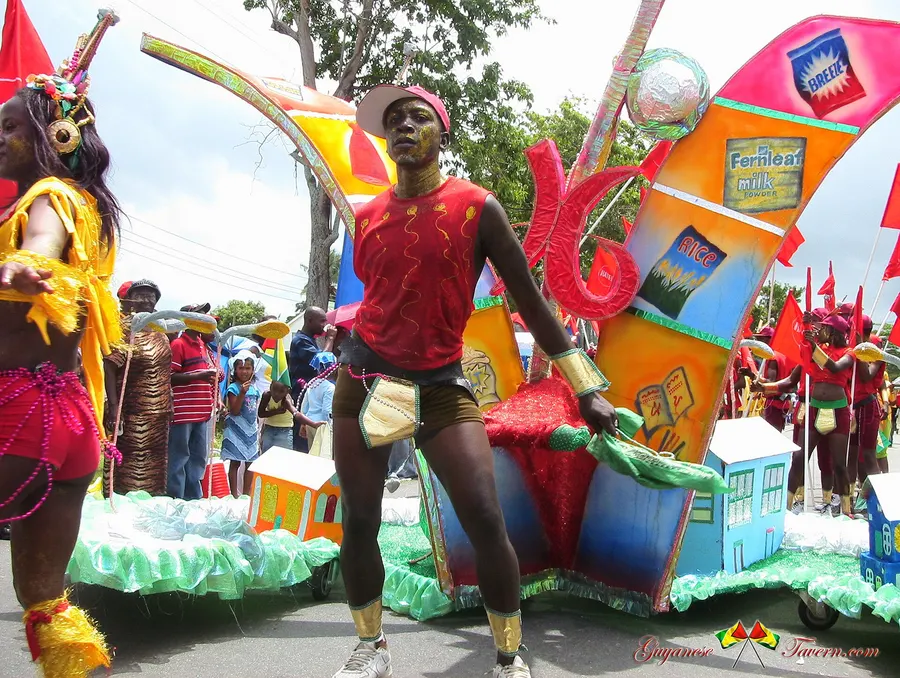
Costumed revellers at the Mashramani parade in Guyana, 2007.
Image creditKing sheik at English Wikipedia · Public domainResized and cropped for display.

Republic Day and Mashramani (Guyana)

Guyana became a Co-operative Republic on 23 February 1970, cutting its last constitutional ties with the British monarchy, nearly four years after independence. The day is celebrated with Mashramani, a festival of costumed parades, music and dance; the name comes from an Indigenous word meaning a celebration after hard work.

Source: Department of Public Information, Guyana: Mashramani, a vibrant expression of Guyanese culture ↗
HISTORY & TIMELINE

Finished the highlights?

Follow 23 February chronologically, from the Middle Ages to the modern day, with 9 verified events and the sources behind them.

This day through time →