Explore 17 February

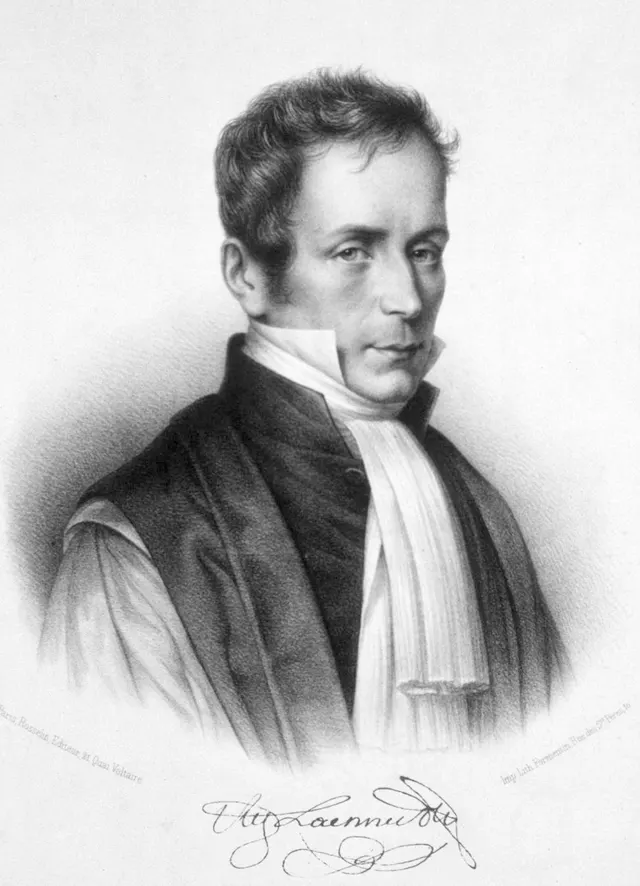
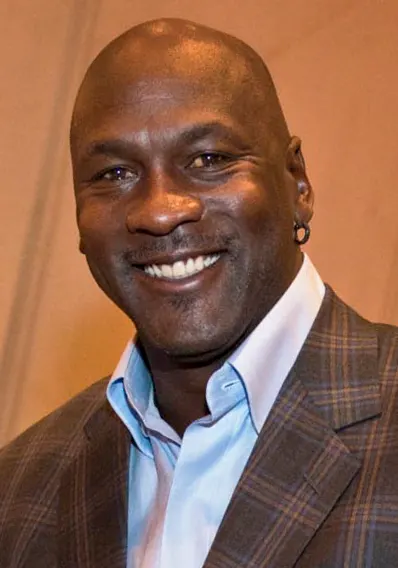
Explore 17 February: the philosopher Giordano Bruno is burned in Rome, the House of Representatives breaks a deadlock to make Thomas Jefferson president, China invades Vietnam and Kosovo declares independence. Meet René Laennec, Michael Jordan and Ed Sheeran, born on 17 February.

This day through time →6 verified events across 4 eras

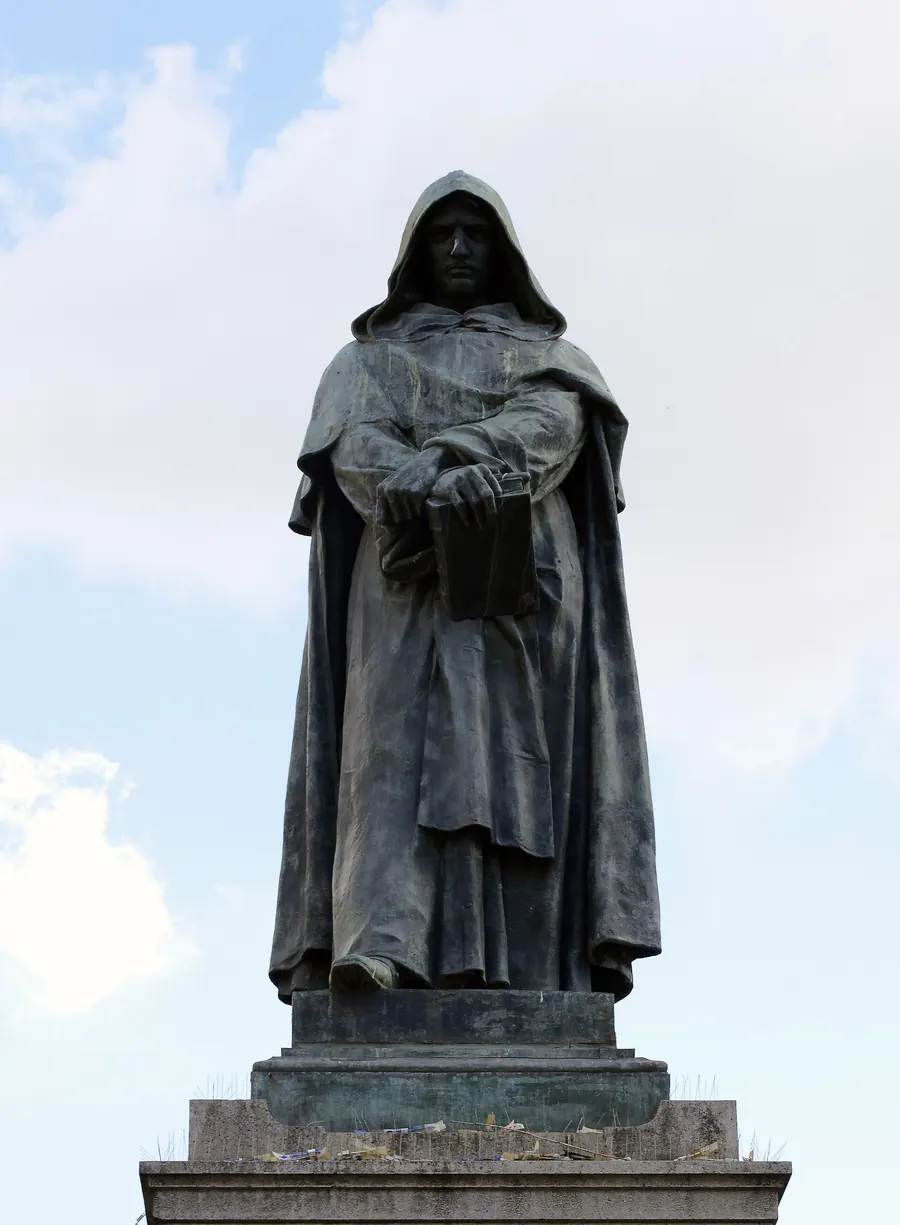
Ettore Ferrari's bronze statue of Giordano Bruno, raised in 1889 on the Campo de' Fiori in Rome where he was burned.
Ettore Ferrari’s bronze statue of Giordano Bruno, raised in 1889 on the Campo de’ Fiori in Rome where he was burned.
Image creditLivioandronico2013 · CC BY-SA 4.0Resized and cropped for display.

The philosopher Giordano Bruno is burned in Rome

Giordano Bruno, a Dominican friar from near Naples, left his order and wandered Europe as a teacher and writer. Going further than Copernicus, he argued that the universe was infinite, with countless suns and worlds, and he held views on God and the soul that the Church judged heretical.

Lured to Venice in 1592, he was handed to the Inquisition and sent to Rome, where he was held and questioned for almost eight years. He refused to recant, and on 17 February 1600 he was taken to the Campo de’ Fiori, gagged and burned alive. In 1889 a statue of him was raised on the spot, and he became a symbol of free thought.

Read the full storyHistory & Timeline →Source: Stanford Encyclopedia of Philosophy: Giordano Bruno ↗
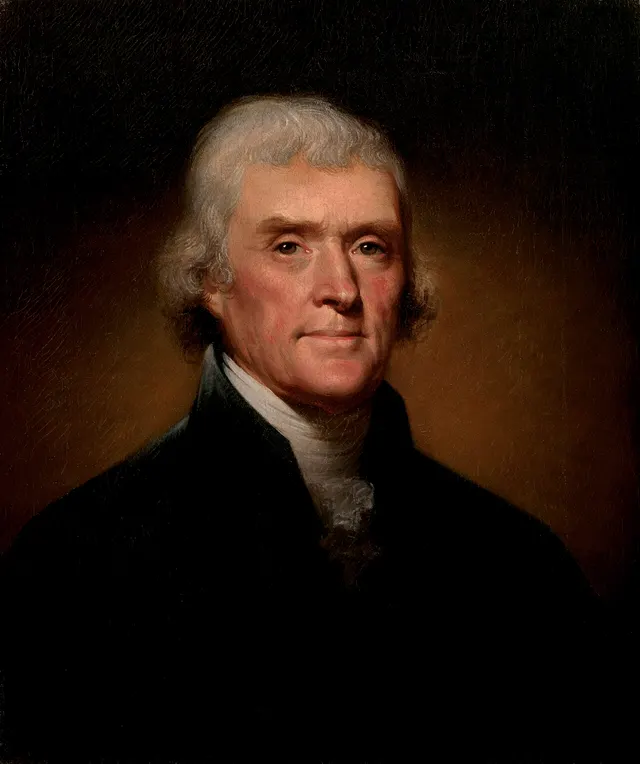
Thomas Jefferson, painted by Rembrandt Peale in 1800.
Image creditRembrandt Peale · Public domainResized and cropped for display.

The House of Representatives breaks a deadlock and makes Jefferson president

In the election of 1800, electors cast two votes each without saying which was for president. Thomas Jefferson and his running mate, Aaron Burr, tied with 73 votes each, so the choice passed to the House of Representatives, where each state delegation had one vote.

From 11 February 1801 the House voted again and again without either man winning the nine states needed. At last the Federalist James Bayard of Delaware and others cast blank ballots, and on 17 February, on the 36th ballot, Jefferson was elected with ten states. It was the first peaceful transfer of power between rival parties in the United States, and the Twelfth Amendment of 1804 gave president and vice-president separate votes.

Read the full storyHistory & Timeline →Source: US House of Representatives, History, Art and Archives: Thomas Jefferson ↗
The Friendship Pass gate on the border between China and Vietnam.
Image creditViethavvh at vi.wikipedia · Public domainResized and cropped for display.

China invades Vietnam

China and Vietnam had been allies against the United States, but after 1975 they fell out. Vietnam drew close to the Soviet Union, ethnic Chinese were driven out of Vietnam, and in December 1978 Vietnam invaded Cambodia and overthrew the Khmer Rouge, China’s ally.

On 17 February 1979 Chinese forces, several hundred thousand strong, crossed the border to ‘teach Vietnam a lesson’. They took several provincial capitals and destroyed much of the frontier region but met fierce resistance, and in March they withdrew. Both sides claimed victory, many thousands died, and clashes along the border went on through the 1980s.

Read the full storyHistory & Timeline →Source: Encyclopaedia Britannica: history of Vietnam ↗
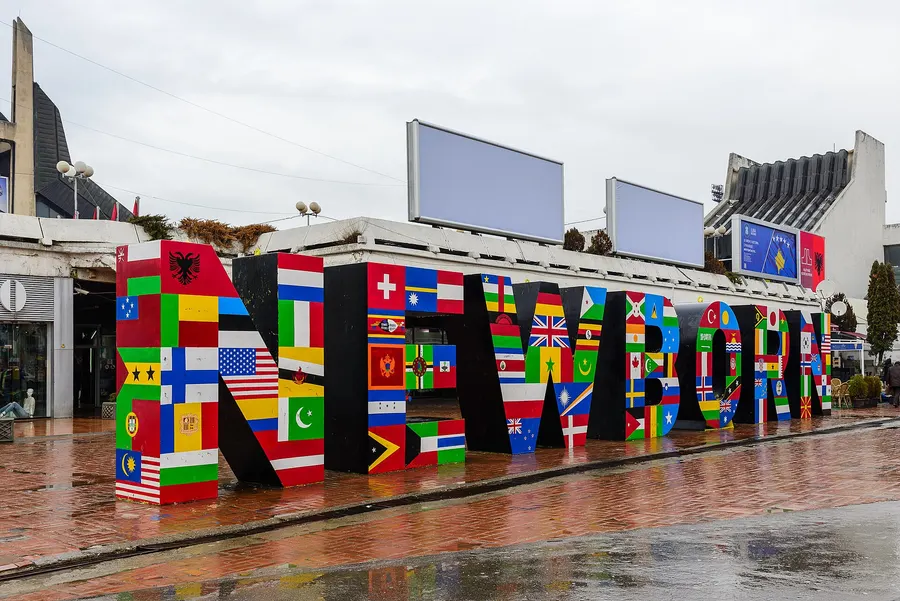
The NEWBORN monument in Pristina, unveiled on the day of independence, repainted with the flags of countries that recognise Kosovo, in February 2013.
Image creditArild Vågen · CC BY-SA 3.0Resized and cropped for display.

Kosovo declares independence from Serbia

After the war of 1998-99 and NATO’s bombing of Yugoslavia, Kosovo, a province of Serbia with an Albanian majority, was run by the United Nations. Years of talks on its future failed to bring Belgrade and Pristina to an agreement.

On 17 February 2008 the Kosovo Assembly declared independence, with the Serb members absent. The United States and most European Union countries recognised the new state, but Serbia, backed by Russia, rejected it, and the UN Security Council was divided. In 2010 the International Court of Justice advised that the declaration had not broken international law. Kosovo is recognised by many countries but not all.

Read the full storyHistory & Timeline →Source: International Court of Justice: accordance with international law of the unilateral declaration of independence in respect of Kosovo ↗
♙
PEOPLE

Born Today

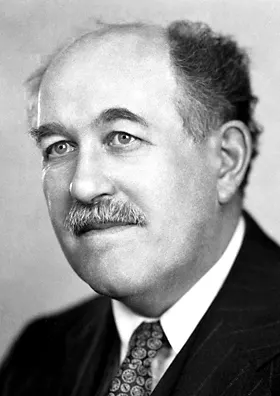
Otto Stern
Image creditNobelprize.org · Public domainResized and cropped for display.

Otto Stern

German-American physicist who won the 1943 Nobel Prize for work on the magnetic properties of atoms.

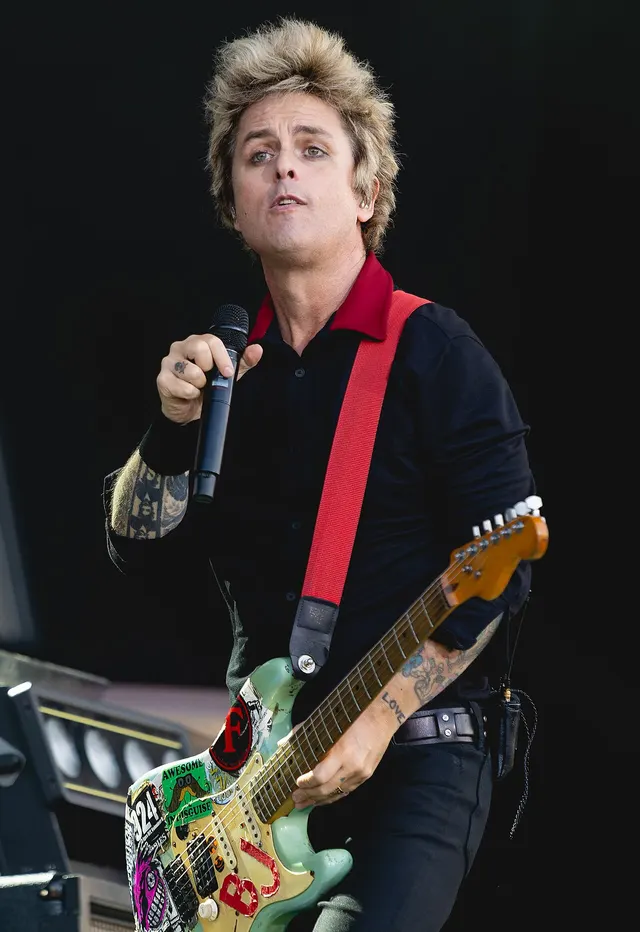
Billie Joe Armstrong
Image creditRaph_PH · CC BY 2.0Resized and cropped for display.

Billie Joe Armstrong

American singer and guitarist of Green Day.

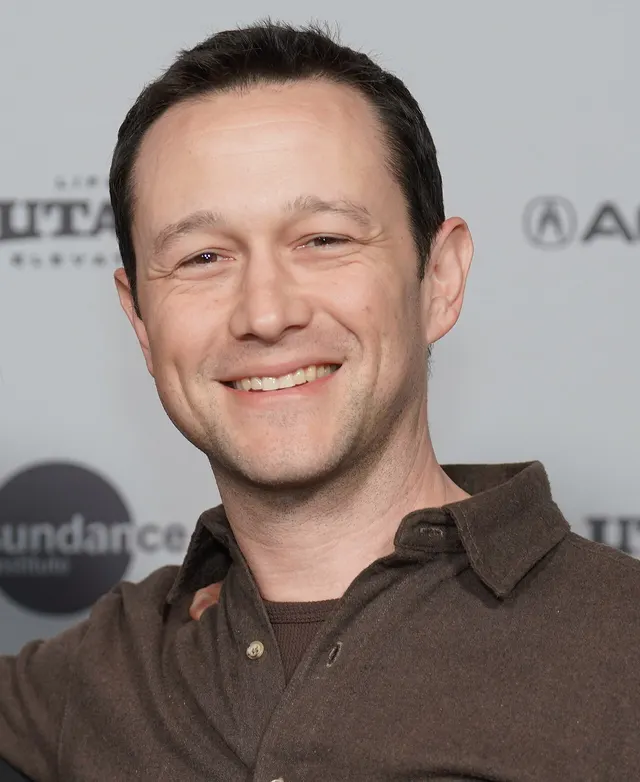
Joseph Gordon-Levitt
Image creditColleen Sturtevant · CC BY 4.0Resized and cropped for display.

Joseph Gordon-Levitt

American actor of Inception and 500 Days of Summer.

Ed Sheeran
Image creditHarald Krichel · CC BY-SA 3.0Resized and cropped for display.

Ed Sheeran

English singer-songwriter of Shape of You.

◉
IDEAS THAT CHANGED THINGS

Firsts, Science & Discoveries

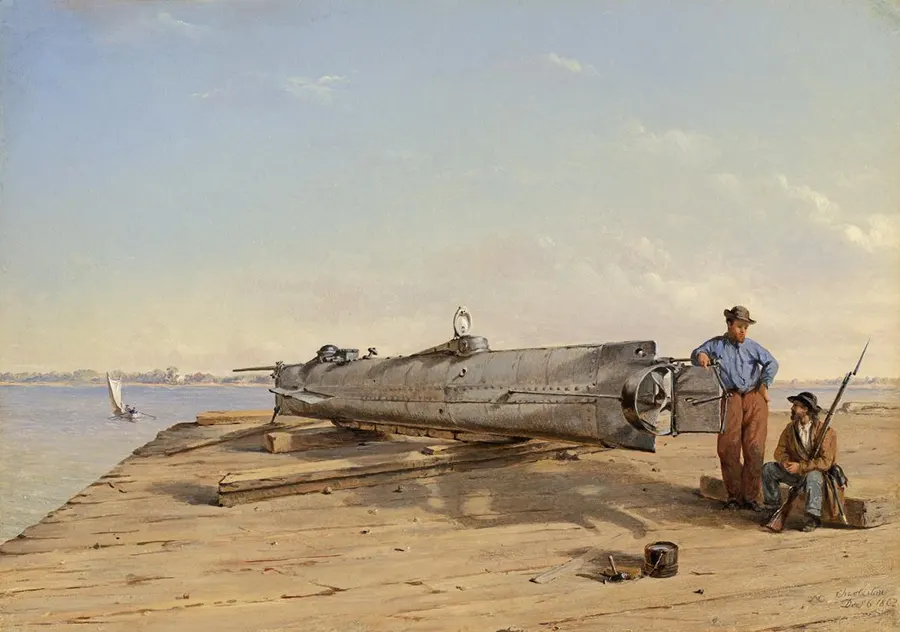
The submarine H. L. Hunley on a wharf at Charleston, painted by Conrad Wise Chapman in December 1863.
Image creditConrad Wise Chapman · Public domainResized and cropped for display.

A submarine sinks a warship for the first time

During the American Civil War, Union ships blockaded the Confederate port of Charleston, South Carolina. The Confederates tried a secret weapon: the H. L. Hunley, a narrow iron submarine driven by a hand crank turned by seven men, with an eighth to steer. It had sunk twice in trials, and the second accident killed its backer, Horace Hunley, and all his crew.

On the night of 17 February 1864 it crept up on the Union sloop Housatonic off Charleston and drove a charge of black powder on a long spar into its hull. The Housatonic sank with five of its crew, the first warship sunk by a submarine. The Hunley never returned; its wreck was found in 1995 and raised in 2000.

Read the full storyHistory & Timeline →Source: Naval History and Heritage Command: H. L. Hunley wreck (1864) ↗
♫
MUSIC • FILM • BOOKS • CULTURE

Culture Stories

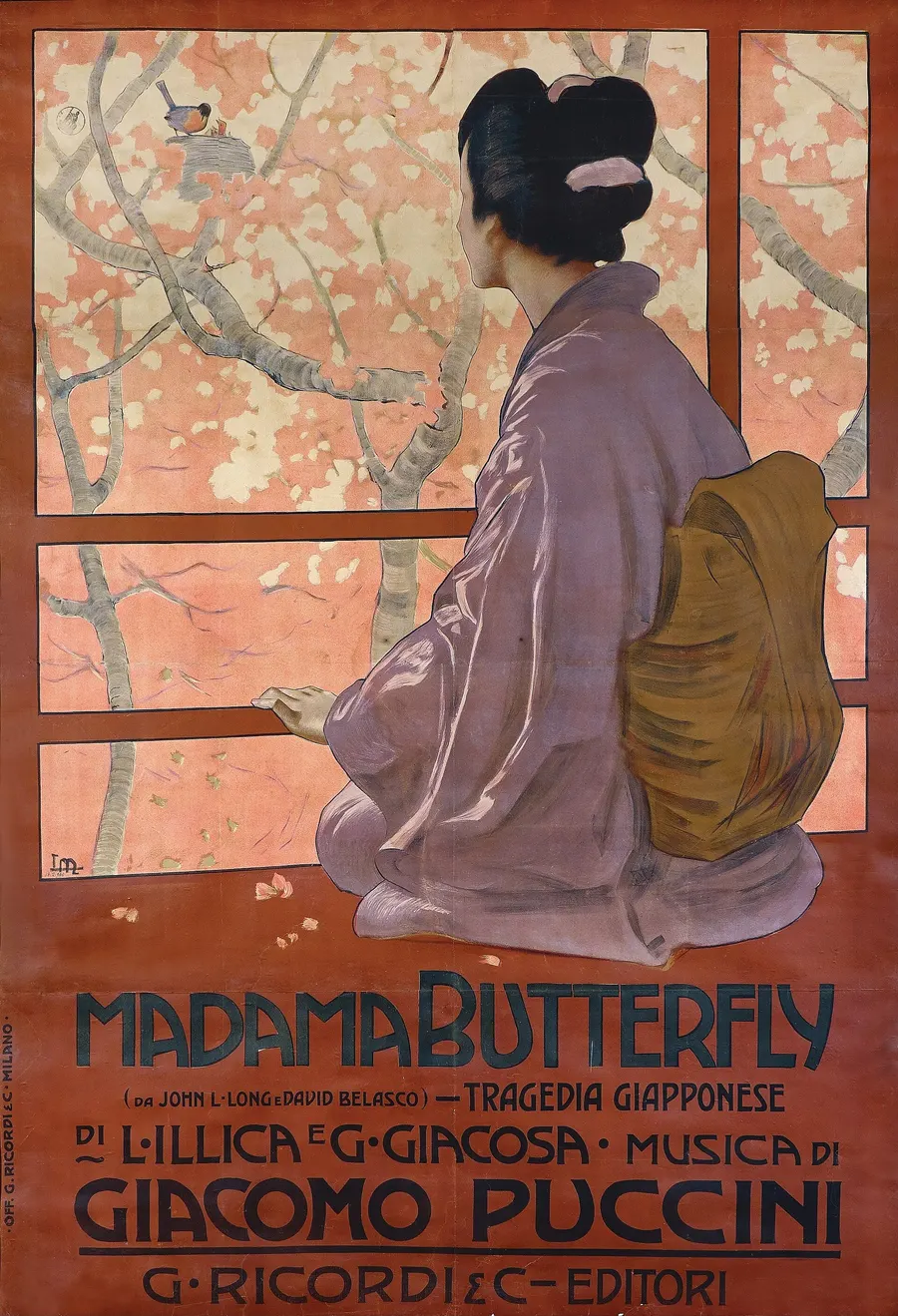
Leopoldo Metlicovitz's poster for Madama Butterfly, 1904.
Leopoldo Metlicovitz’s poster for Madama Butterfly, 1904.
Image creditLeopoldo Metlicovitz · Public domainResized and cropped for display.

Madama Butterfly is jeered on its first night

Giacomo Puccini, the most successful Italian opera composer of his day after La Bohème and Tosca, based his new opera on a play about a young Japanese woman abandoned by an American naval officer, and worked on it with great care.

At its first performance at La Scala in Milan on 17 February 1904 the audience booed and hissed, mocking its Japanese setting and calling it a copy of his earlier works. Puccini withdrew it at once and revised it, splitting the long second act. The new version, staged at Brescia that May, was a triumph, and Madama Butterfly became one of the most performed operas in the world.

Read the full storyHistory & Timeline →Source: Encyclopaedia Britannica: Madama Butterfly ↗
✦
LIVES REMEMBERED

Remembered Today

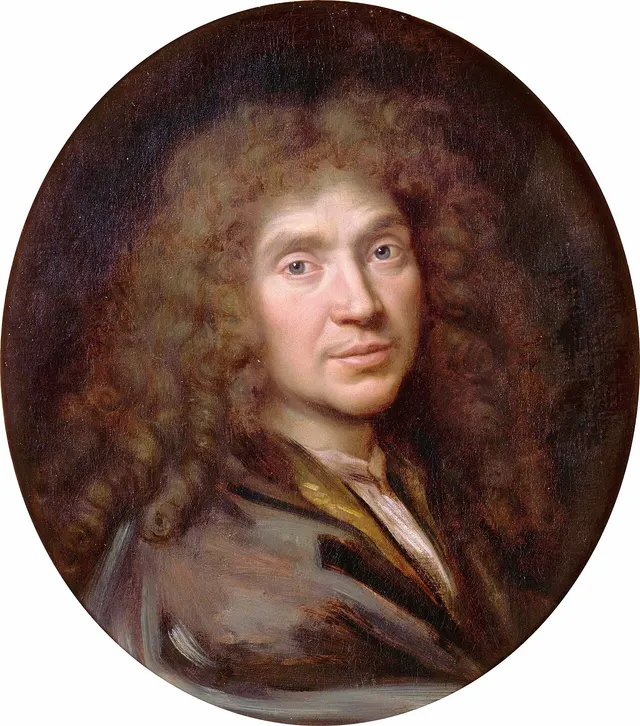
Molière
Image creditPierre Mignard I · Public domainResized and cropped for display.

Molière

French comic playwright of Tartuffe, taken ill on stage in his last play.

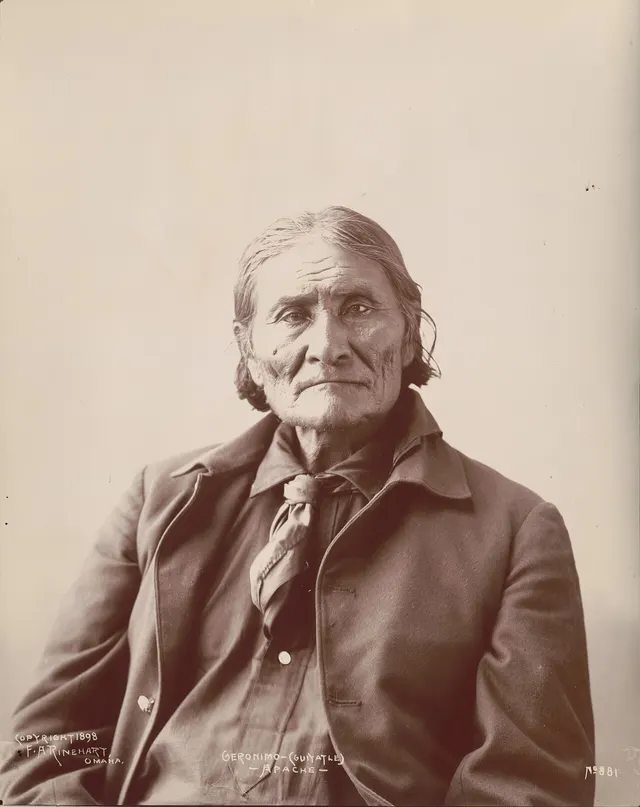
Geronimo
Image creditAdolph F. Muhr · Public domainResized and cropped for display.

Geronimo

Apache leader who resisted the United States and Mexico until 1886.

Albert I
Image creditRichard Speaight · Public domainResized and cropped for display.

Albert I

King of the Belgians who led his army through the First World War, killed in a climbing accident.

HISTORY & TIMELINE

Finished the highlights?

Follow 17 February chronologically, from the Middle Ages to the modern day, with 6 verified events and the sources behind them.

This day through time →