Explore 21 February

Explore 21 February: the Battle of Verdun begins, Nixon lands in Beijing, students in Dhaka die for the Bengali language and Malcolm X is killed in New York. Meet Nina Simone, W. H. Auden and Alan Rickman, born on this date.

This day through time →10 verified events across 3 eras

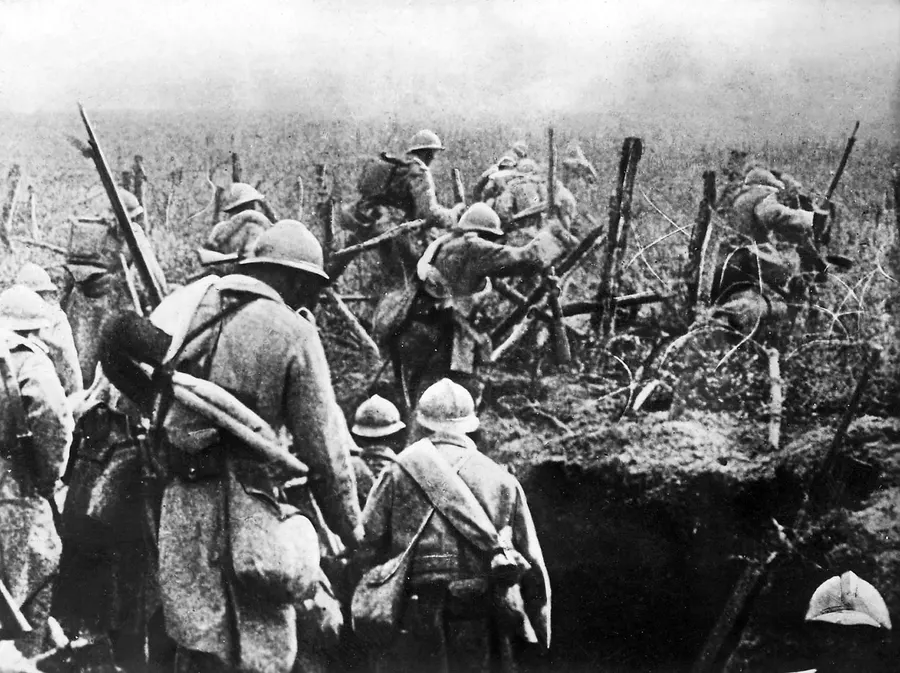
French soldiers leave their trench to attack during the Battle of Verdun, 1916.
Image creditCollection DocAnciens/docpix.fr · Public domainResized and cropped for display.

The Battle of Verdun begins

At 7.15 in the morning on 21 February 1916 German guns opened fire along a 40 km front around the French fortress town of Verdun. Hundreds of thousands of shells fell that day, and late in the afternoon German infantry began to advance. The German commander, Erich von Falkenhayn, aimed to wear down the French army in a place it could not afford to give up.

The fighting lasted until December 1916, making it one of the longest battles in history. French casualties, killed and wounded, came to about 400,000 and German ones to about 350,000, and the front line ended close to where it had started.

Read the full storyHistory & Timeline →Source: Imperial War Museums: Battle of Verdun ↗
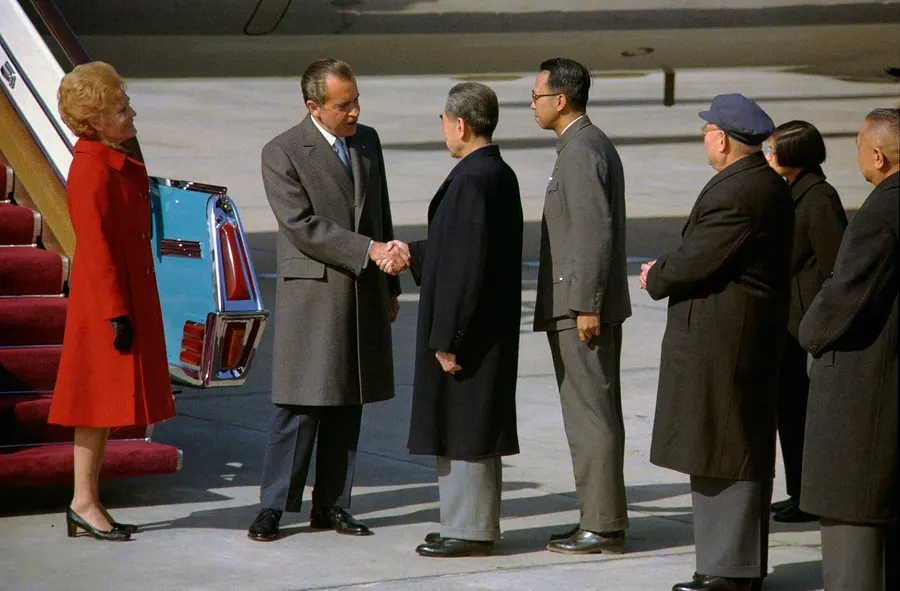
Richard Nixon shakes hands with Premier Zhou Enlai on arrival at Beijing airport, 21 February 1972, with Pat Nixon beside him.
Image creditPresident (1969-1974 : Nixon). White House Photo Office. 1969-1974, General Services Administration. National Archives and Records Service. Office of Presidential Libraries. Office of Presidential Papers. 1/20/1969-ca. 12/1974 · Public domainResized and cropped for display.

Nixon lands in Beijing

On the morning of 21 February 1972 Richard Nixon stepped off his plane in Beijing and shook hands with Premier Zhou Enlai, becoming the first American president to visit the People’s Republic of China. The two countries had had no formal relations since the communist victory in 1949.

That afternoon Nixon met Mao Zedong. By the end of the week-long visit, which Nixon called ‘the week that changed the world’, the two sides had issued the Shanghai Communiqué, opening the way to full diplomatic relations in 1979.

Read the full storyHistory & Timeline →Source: US Department of State, Office of the Historian: Rapprochement with China, 1972 ↗
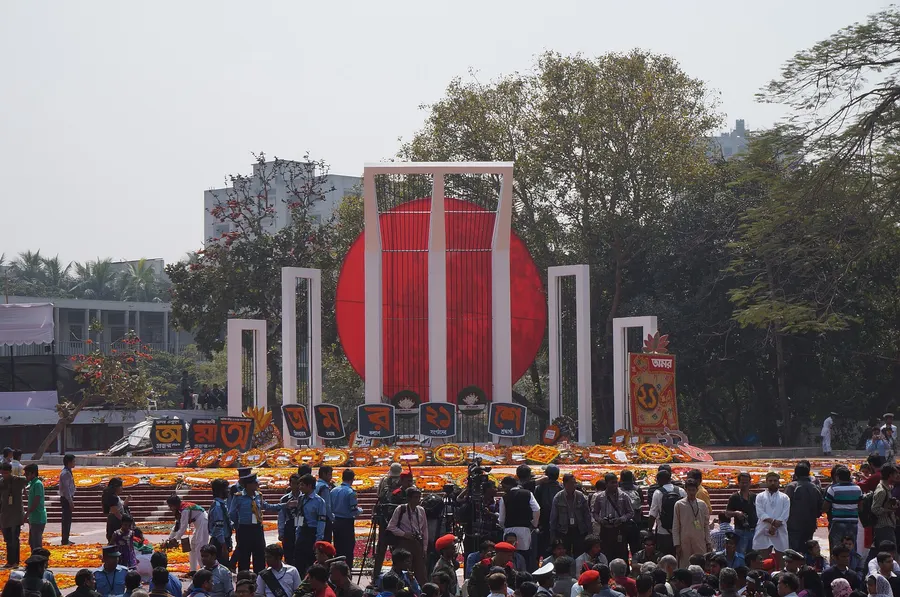
Crowds at the Shaheed Minar, the Language Martyrs' Monument in Dhaka, on 21 February 2014.
Crowds at the Shaheed Minar, the Language Martyrs’ Monument in Dhaka, on 21 February 2014.
Image creditSubarashitours · CC BY-SA 4.0Resized and cropped for display.

Students die for the Bengali language in Dhaka

On 21 February 1952 students at the University of Dhaka, in what was then East Pakistan, defied a ban on protests to demand that Bengali be made a state language of Pakistan alongside Urdu. Police opened fire, and several demonstrators were killed. The exact number of dead has never been settled.

The Language Movement won official status for Bengali in 1956 and fed the nationalism that led to Bangladesh’s independence in 1971. The day is remembered at the Shaheed Minar monument in Dhaka, and since 2000 the world has marked it as International Mother Language Day.

Read the full storyHistory & Timeline →Source: UNESCO: International Mother Language Day ↗
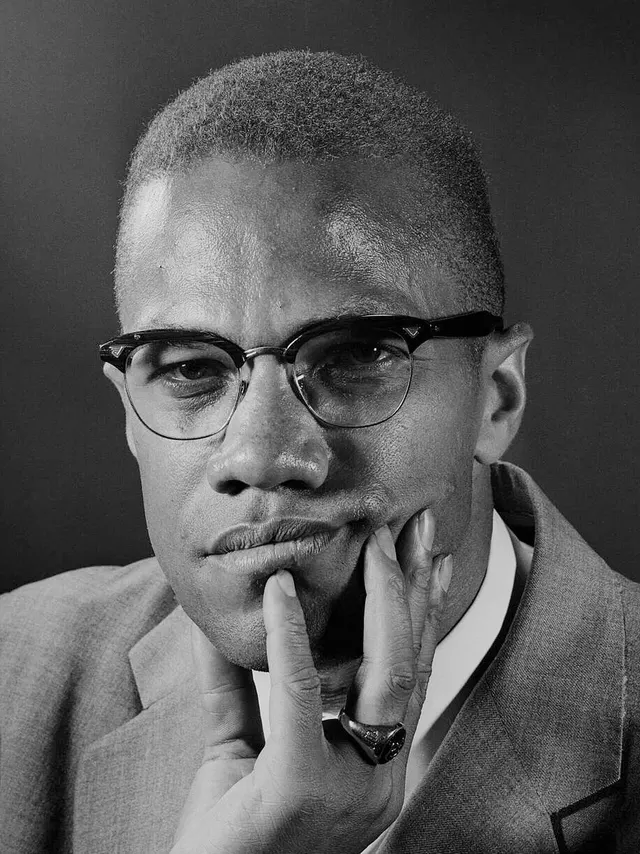
Malcolm X in March 1964.
Image creditEddie Adams · Public domainResized and cropped for display.

Malcolm X is killed in New York

On the afternoon of 21 February 1965 Malcolm X had just begun speaking to about 400 people at the Audubon Ballroom in Upper Manhattan when several gunmen opened fire. He was pronounced dead soon afterwards. A year earlier he had broken with the Nation of Islam, from which he had been receiving threats.

Three members of the Nation of Islam were convicted of his murder, but two of them always said they were innocent, and in 2021 both were exonerated. His autobiography, published later in 1965, made him one of the most influential voices of Black America.

Read the full storyHistory & Timeline →Source: Encyclopaedia Britannica: The assassination of Malcolm X ↗
♙
PEOPLE

Born Today

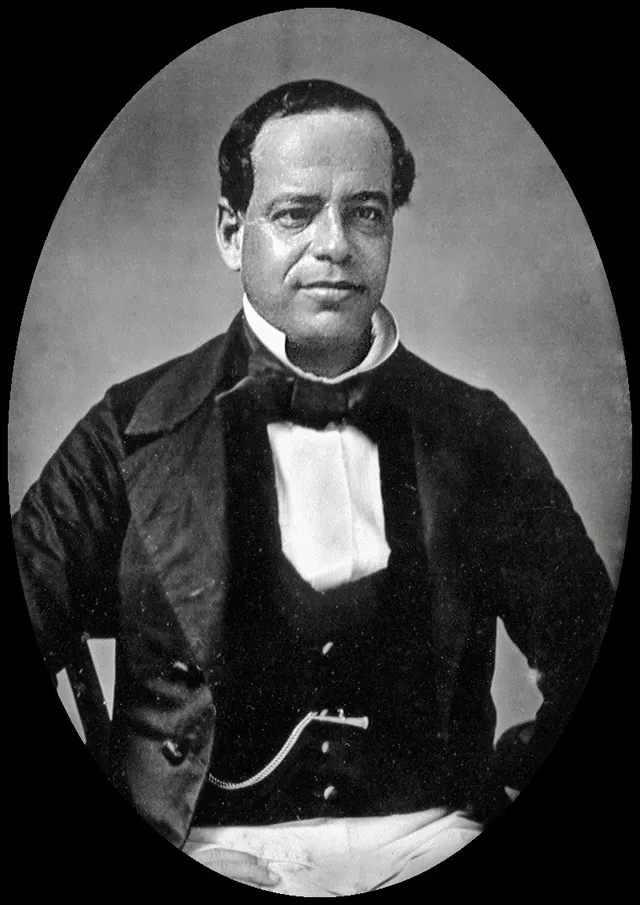
Antonio López de Santa Anna
Image creditMeade Brothers · Public domainResized and cropped for display.

Antonio López de Santa Anna

Mexican general who dominated his country’s politics for decades and was president several times; he led the attack on the Alamo in 1836.

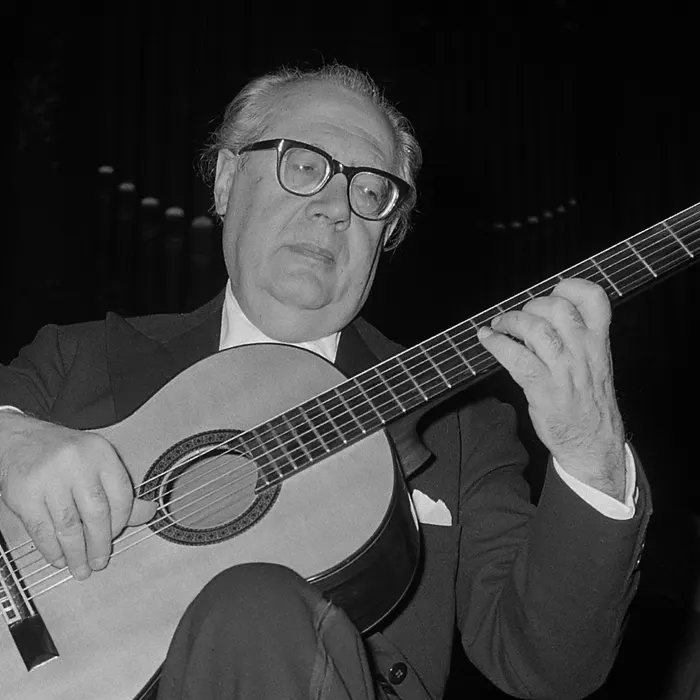
Andrés Segovia
Image creditJack de Nijs for Anefo · CC0Resized and cropped for display.

Andrés Segovia

Spanish guitarist who brought the classical guitar to the concert hall.

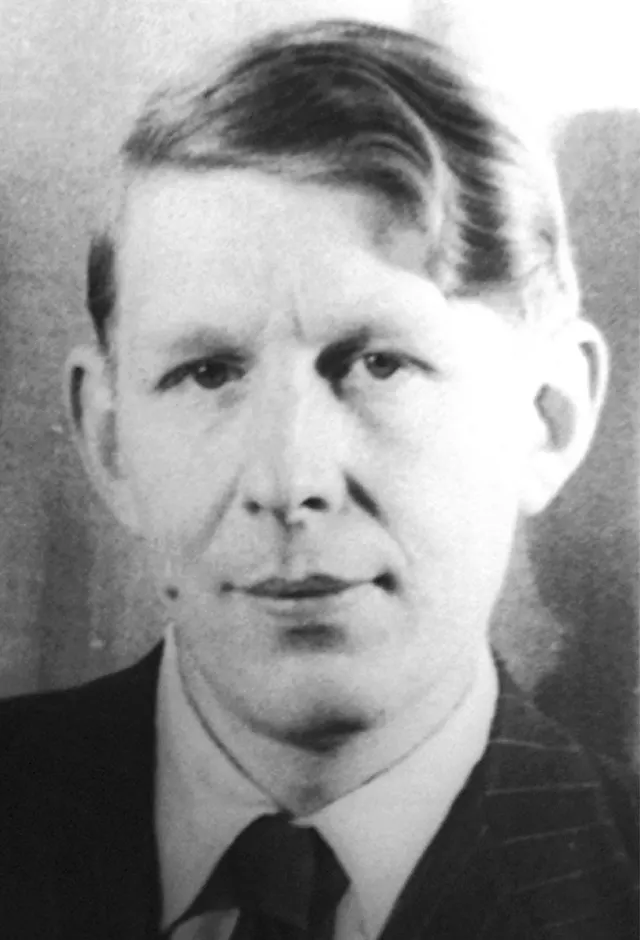
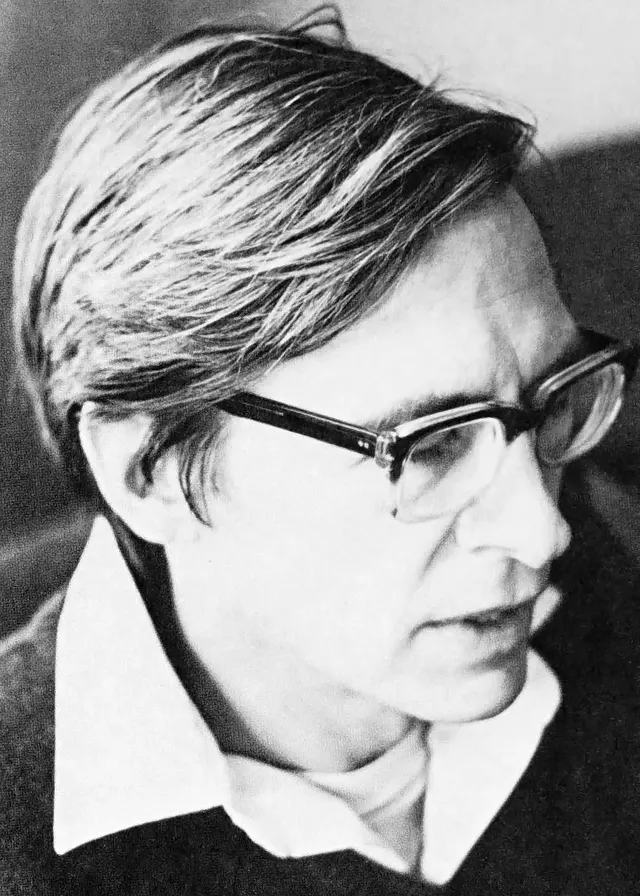
W. H. Auden
Image creditCarl Van Vechten · Public domainResized and cropped for display.

W. H. Auden

English-born poet, later an American citizen, whose work ranges from political verse of the 1930s to Funeral Blues.

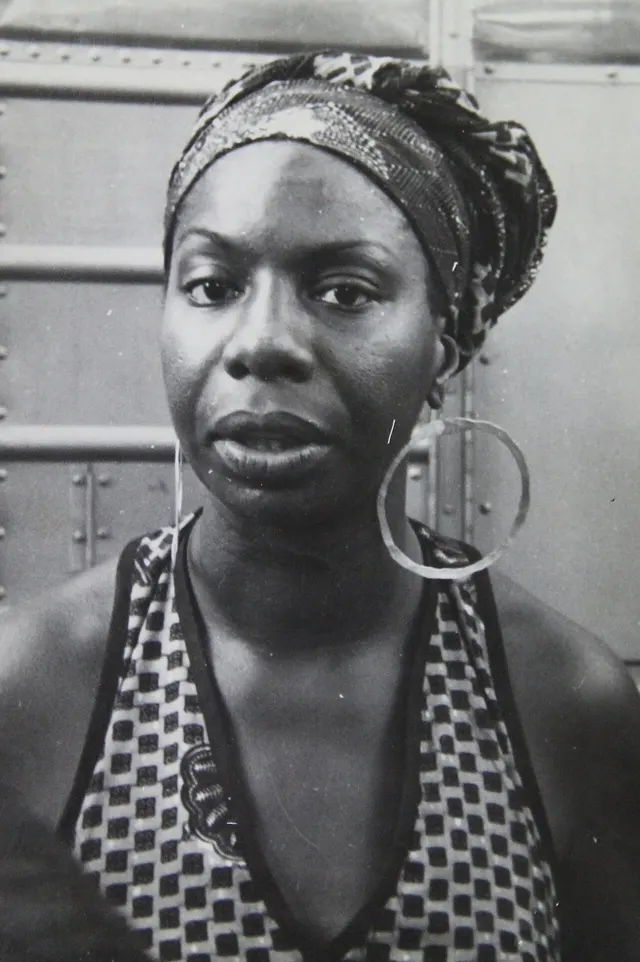
Nina Simone
Image creditGerrit de Bruin · CC BY 4.0Resized and cropped for display.

Nina Simone

American singer and pianist whose music mixed jazz, soul and classical, and who sang for the civil rights movement.

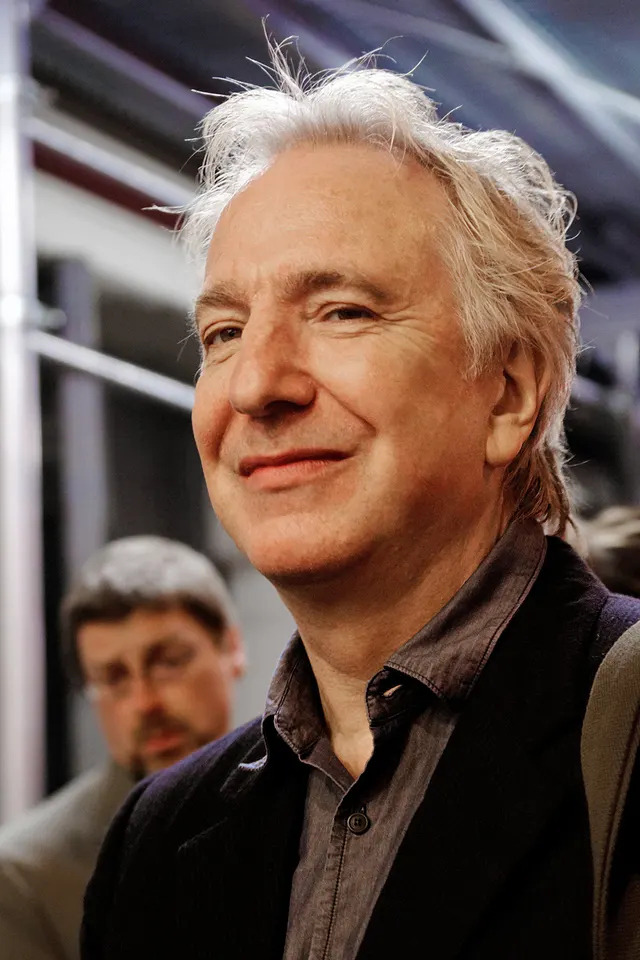
Alan Rickman
Image creditMarie-Lan Nguyen · CC BY 2.0Resized and cropped for display.

Alan Rickman

English actor of stage and screen, remembered for Die Hard, Truly, Madly, Deeply and the Harry Potter films.

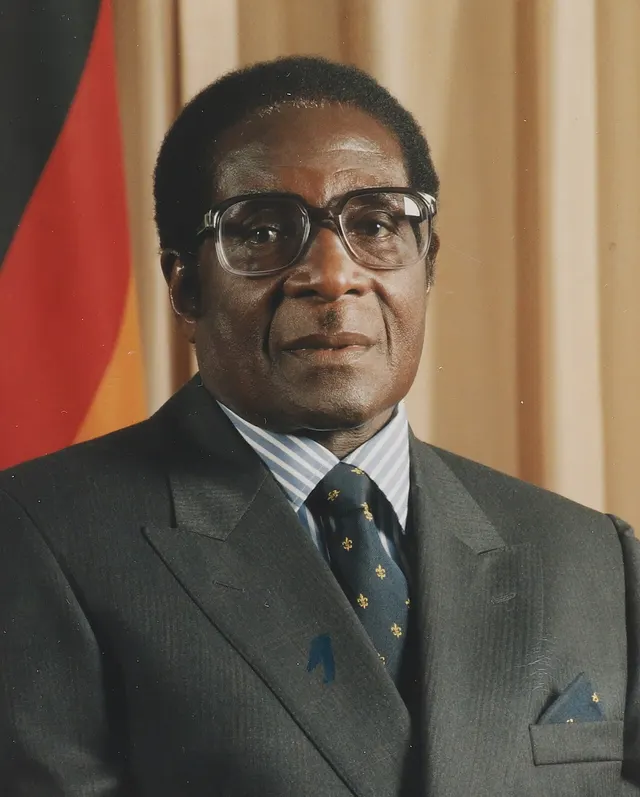
Jigme Khesar Namgyel Wangchuck
Image creditRoyal Family of Bhutan · CC BY-SA 3.0Resized and cropped for display.

Jigme Khesar Namgyel Wangchuck

Fifth king of Bhutan, who came to the throne in 2006.

◉
IDEAS THAT CHANGED THINGS

Firsts, Science & Discoveries

A working replica of Trevithick's Penydarren locomotive at the National Railway Museum, York, in 2004.
A working replica of Trevithick’s Penydarren locomotive at the National Railway Museum, York, in 2004.
Image creditThryduulf · CC BY-SA 4.0Resized and cropped for display.

Trevithick’s locomotive makes the first railway journey

On 21 February 1804 a steam locomotive built by the Cornish engineer Richard Trevithick hauled ten tons of iron and about 70 passengers nearly ten miles along a tramroad from the Penydarren ironworks in Merthyr Tydfil to the canal at Abercynon, in south Wales. It was the first recorded journey by a steam locomotive on rails.

The ironmaster Samuel Homfray had bet that it could be done. The heavy engine kept breaking the brittle cast-iron rails, and it was soon put to work as a stationary engine, but the age of the railway had begun.

Read the full storyHistory & Timeline →Source: Amgueddfa Cymru, Museum Wales: Birth of the railway locomotive ↗
♫
MUSIC • FILM • BOOKS • CULTURE

Culture Stories

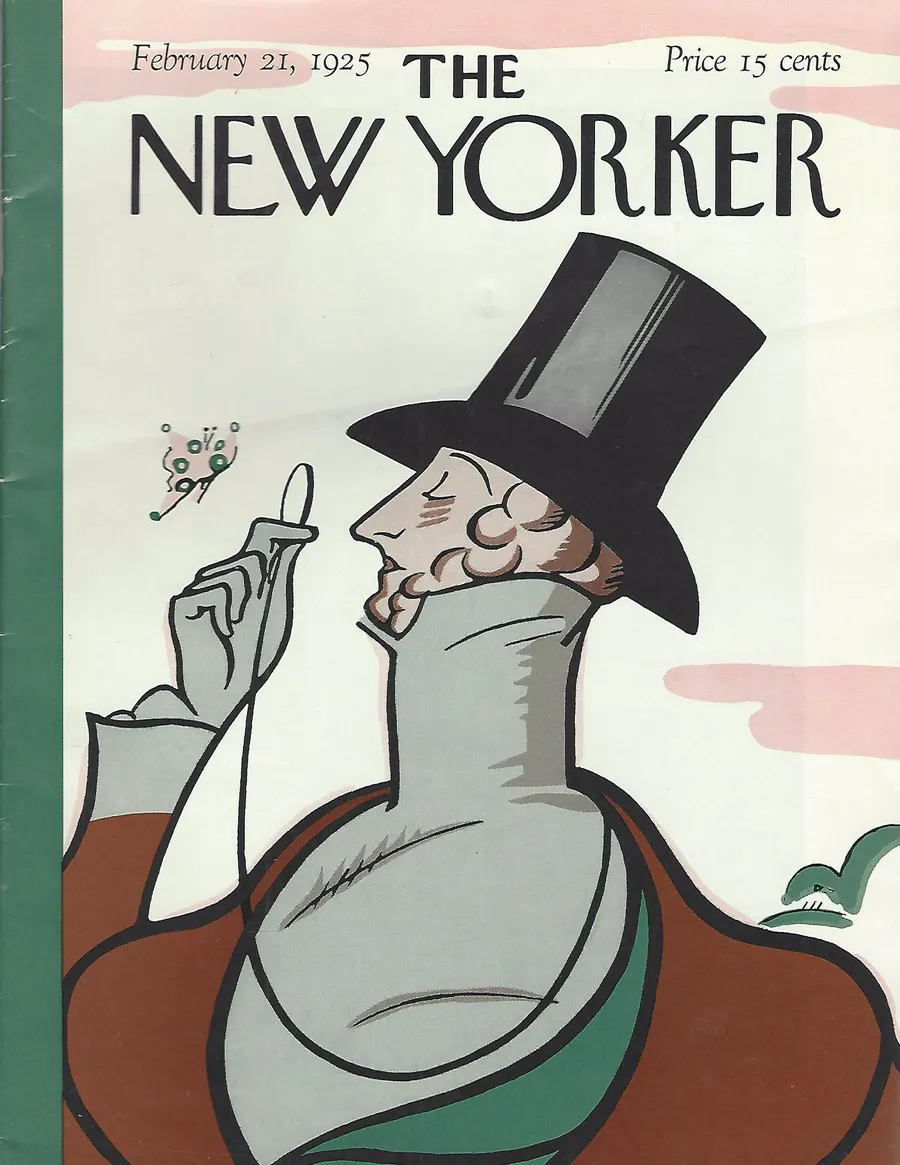
The cover of the first issue, dated 21 February 1925: Rea Irvin's dandy, later named Eustace Tilley.
The cover of the first issue, dated 21 February 1925: Rea Irvin’s dandy, later named Eustace Tilley.
Image creditRea Irvin · Public domainResized and cropped for display.

The New Yorker publishes its first issue

The first issue of The New Yorker was dated 21 February 1925. It was founded by the editor Harold Ross with his wife, the journalist Jane Grant, and its cover showed a top-hatted dandy studying a butterfly through a monocle, drawn by Rea Irvin.

Early sales were poor and the magazine nearly closed, but it went on to become famous for its cartoons, fiction, criticism and long-form reporting. The dandy, later named Eustace Tilley, returns on anniversary covers.

Read the full storyHistory & Timeline →Source: Encyclopaedia Britannica: The New Yorker ↗
✦
LIVES REMEMBERED

Remembered Today

Pope Julius II
Image creditRaphael · Public domainResized and cropped for display.

Pope Julius II

Warrior pope who commissioned Michelangelo’s Sistine Chapel ceiling and began the new St Peter’s Basilica.

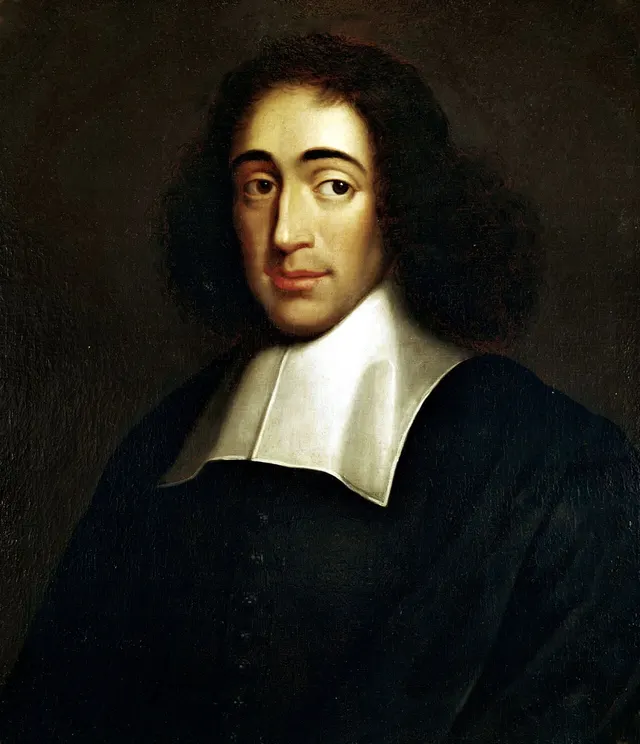
Baruch Spinoza
Image creditanonymous · Public domainResized and cropped for display.

Baruch Spinoza

Dutch philosopher whose Ethics described God and nature as one, a founding work of the Enlightenment.

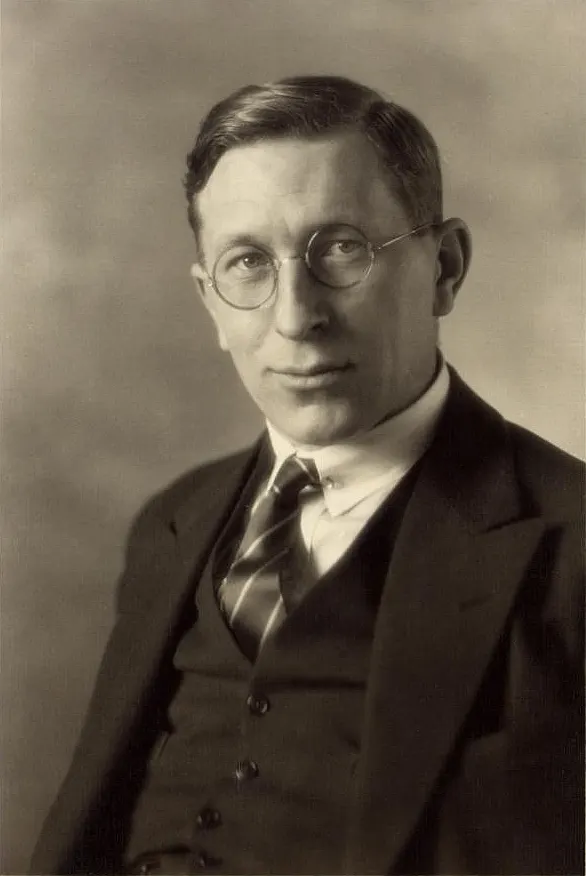
Frederick Banting
Image creditLouis Schmidt · Public domainResized and cropped for display.

Frederick Banting

Canadian doctor who shared the 1923 Nobel Prize for the discovery of insulin; he died in an air crash.

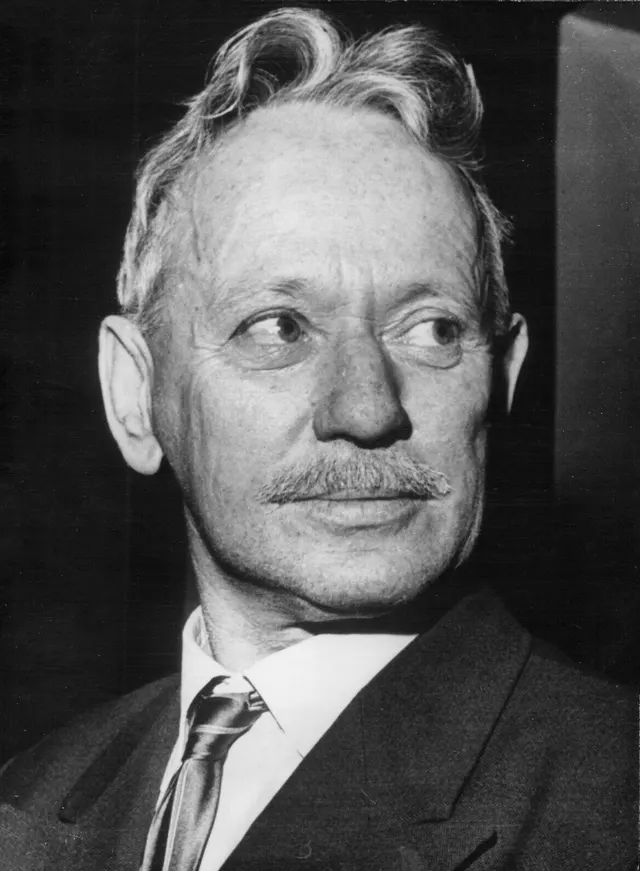
Mikhail Sholokhov
Image creditUnknown authorUnknown author · Public domainResized and cropped for display.

Mikhail Sholokhov

Soviet novelist of And Quiet Flows the Don and winner of the 1965 Nobel Prize in Literature.

Margot Fonteyn
Image creditHurok Concerts (U.S.) · Public domainResized and cropped for display.

Margot Fonteyn

English ballerina of the Royal Ballet, famous for her partnership with Rudolf Nureyev.

☉
AROUND THE WORLD

Observances & Anniversaries

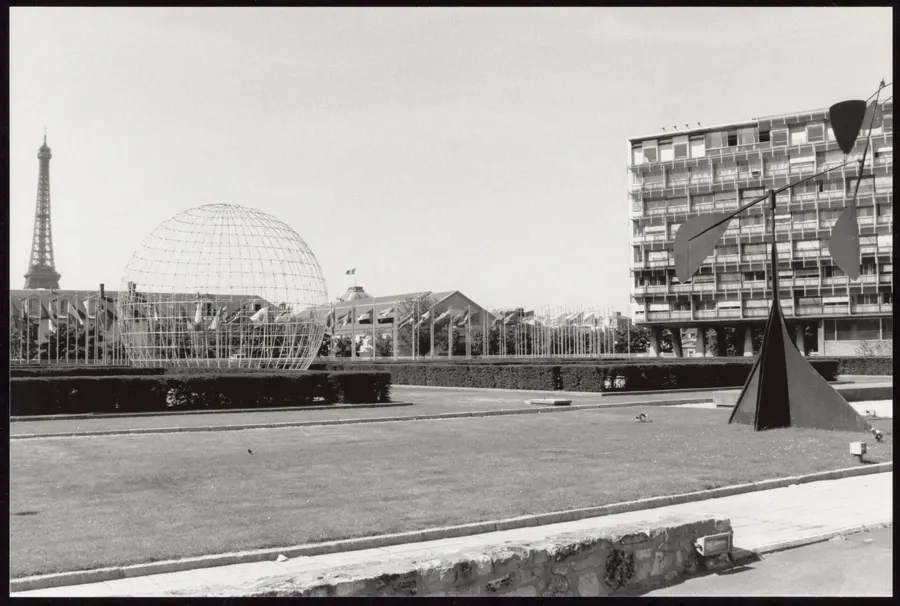
UNESCO's headquarters in Paris, 1997.
UNESCO’s headquarters in Paris, 1997.
Image creditMichel Claude · CC BY-SA 3.0 igoResized and cropped for display.

International Mother Language Day

UNESCO proclaimed 21 February International Mother Language Day in 1999, in memory of the students killed in Dhaka in 1952 while demanding recognition for Bengali. Observed since 2000, it promotes the world’s linguistic diversity and learning in one’s first language.

Source: UNESCO: International Mother Language Day ↗
HISTORY & TIMELINE

Finished the highlights?

Follow 21 February chronologically, from the Middle Ages to the modern day, with 10 verified events and the sources behind them.

This day through time →