Explore 22 February

Explore 22 February: Paris rises in the revolution of 1848, the People Power Revolution begins in Manila, Saint Lucia becomes independent and the world meets Dolly the cloned sheep. Meet George Washington, Heinrich Hertz and Niki Lauda, born on this date.

This day through time →10 verified events across 5 eras

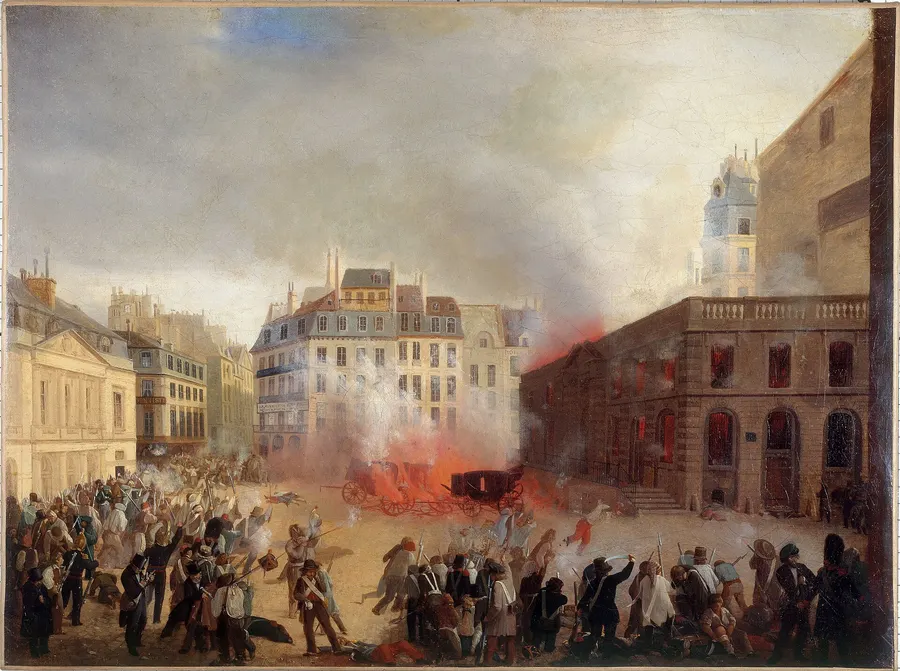
Insurgents storm the Château d'Eau guardhouse on the Place du Palais-Royal, 24 February 1848, in a contemporary painting in the Musée Carnavalet.
Insurgents storm the Château d’Eau guardhouse on the Place du Palais-Royal, 24 February 1848, in a contemporary painting in the Musée Carnavalet.
Image creditanonymous · Public domainResized and cropped for display.

Paris rises in the revolution of 1848

King Louis-Philippe’s government had banned a political banquet planned by reformers who wanted the vote extended. On the morning of 22 February 1848 students and some 3,000 workers gathered anyway and marched towards the Chamber of Deputies, shouting ‘Long live reform! Down with Guizot!’, the unpopular chief minister.

The protests grew over the next two days. Guizot was dismissed, but soldiers fired on a crowd, barricades went up across Paris, and on 24 February the king abdicated. France became a republic and gave the vote to all adult men, and revolutions spread across Europe that spring.

Read the full storyHistory & Timeline →Source: Assemblée nationale: February 1848, the February Revolution ↗
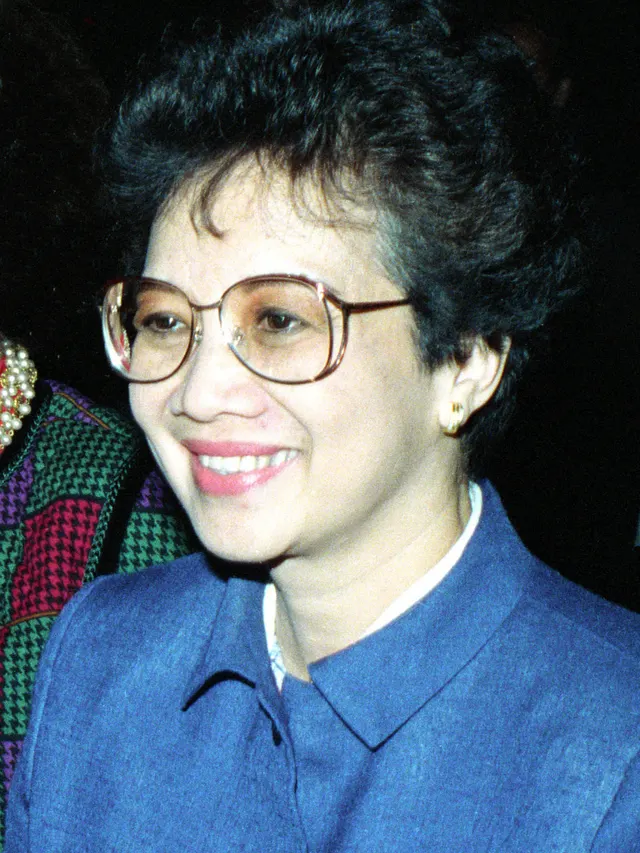
Corazon Aquino in September 1986, seven months after she became president.
Image creditAirman Gerald B. Johnson · Public domainResized and cropped for display.

The People Power Revolution begins in Manila

On the evening of 22 February 1986 the Philippine defence minister, Juan Ponce Enrile, and the army’s vice chief of staff, Fidel Ramos, broke with President Ferdinand Marcos after an election marred by fraud. That night Cardinal Jaime Sin called on Radio Veritas for people to gather outside the military camps to protect the rebels.

Hundreds of thousands filled Epifanio de los Santos Avenue, known as EDSA, over the next four days. On 25 February Corazon Aquino was sworn in as president, and Marcos flew into exile in Hawaii, ending two decades of his rule.

Read the full storyHistory & Timeline →Source: Official Gazette of the Republic of the Philippines: The fall of the dictatorship ↗
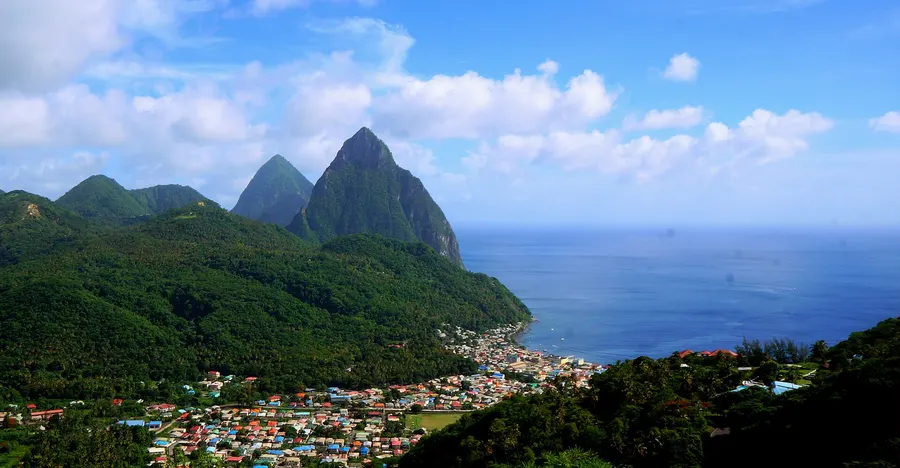
The Pitons, Saint Lucia's twin volcanic peaks, above the town of Soufrière.
The Pitons, Saint Lucia’s twin volcanic peaks, above the town of Soufrière.
Image creditAneil Lutchman · CC BY-SA 2.0Resized and cropped for display.

Saint Lucia becomes independent

The Caribbean island of Saint Lucia became an independent country on 22 February 1979, remaining within the Commonwealth as a parliamentary democracy. Fought over by Britain and France for more than a century, it had been British since 1814.

It had gained representative government in 1924 and full internal self-government as an associated state of the United Kingdom in 1967. Its independence day is now the national holiday.

Read the full storyHistory & Timeline →Source: Encyclopaedia Britannica: Saint Lucia, independence ↗
Leaders of Algeria, Pakistan, Bangladesh and Saudi Arabia at the Shalimar Gardens in Lahore during the Islamic summit, February 1974.
Image creditUnknown authorUnknown author · Public domainResized and cropped for display.

Pakistan recognises Bangladesh

On 22 February 1974, just before the opening of an Islamic summit in Lahore, Pakistan’s prime minister Zulfikar Ali Bhutto announced that his country recognised Bangladesh, the former East Pakistan, which had won its independence in a bloody war in 1971.

Bangladesh’s leader, Sheikh Mujibur Rahman, had refused to attend until it was recognised. He flew to Lahore the next day and embraced Bhutto, and leaders from 38 countries met at the summit.

Read the full storyHistory & Timeline →Source: Organisation of Islamic Cooperation: 2nd Islamic Summit, Lahore 1974 ↗
♙
PEOPLE

Born Today

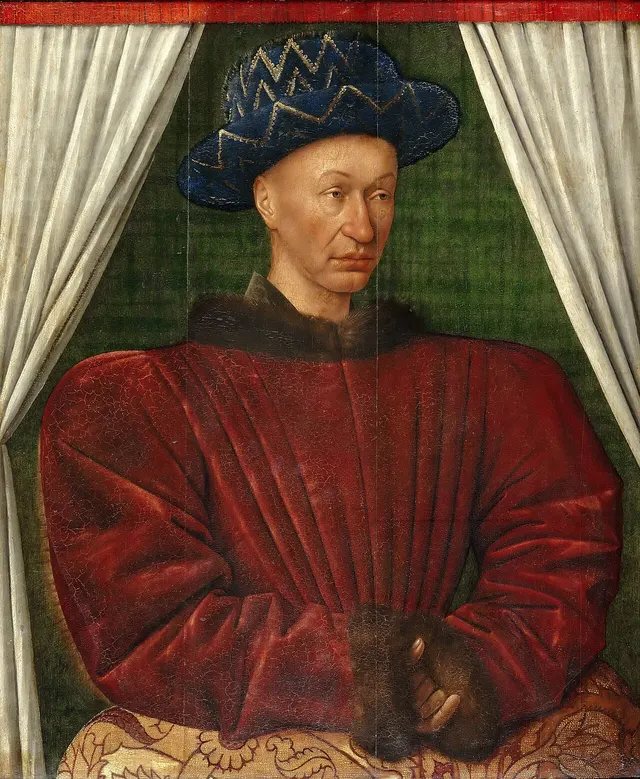
Charles VII of France
Image creditJean Fouquet · Public domainResized and cropped for display.

Charles VII of France

King of France who, with the help of Joan of Arc, was crowned at Reims in 1429 and drove the English from most of France.

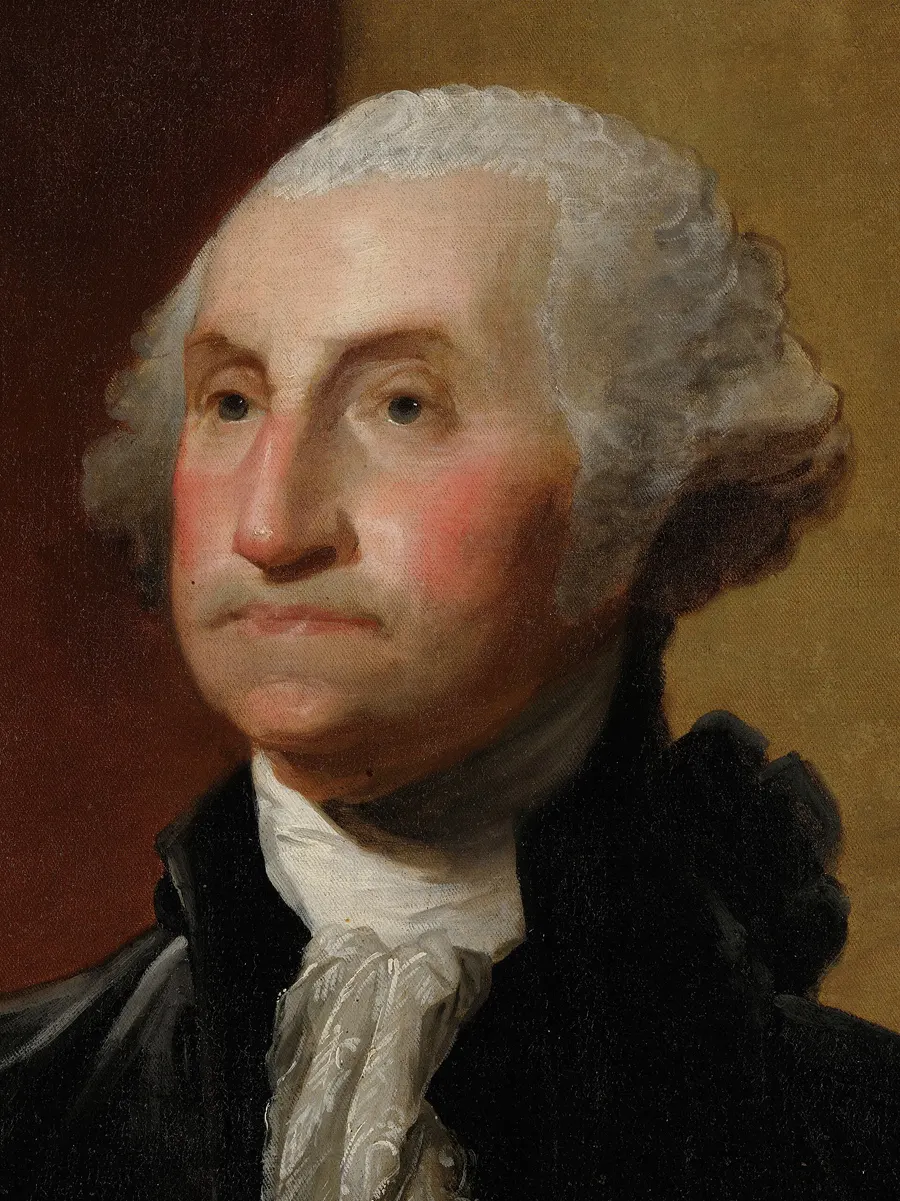
George Washington
Image creditGilbert Stuart · Public domainResized and cropped for display.

George Washington

Commander of the American army in the War of Independence and first president of the United States.

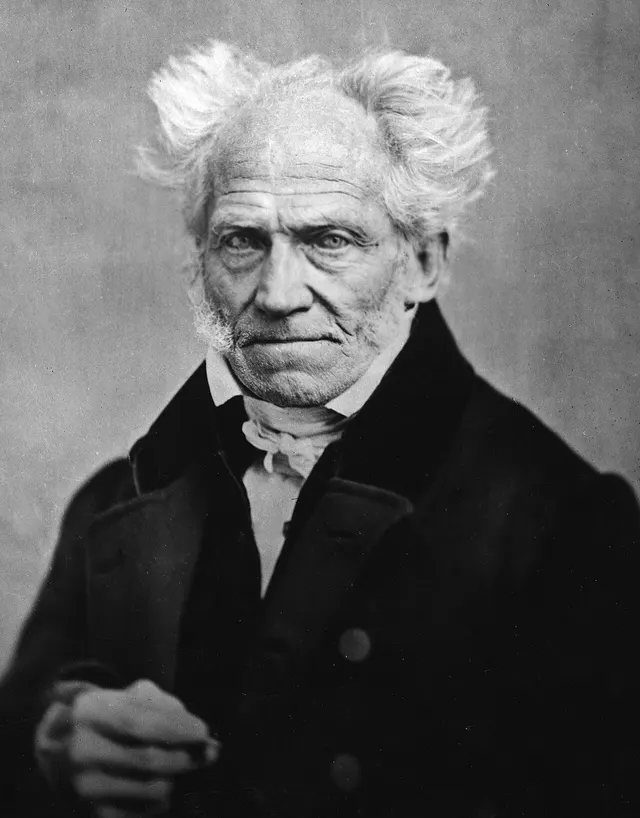
Arthur Schopenhauer
Image creditJohann Schäfer · Public domainResized and cropped for display.

Arthur Schopenhauer

German philosopher of The World as Will and Representation, known for his pessimism.

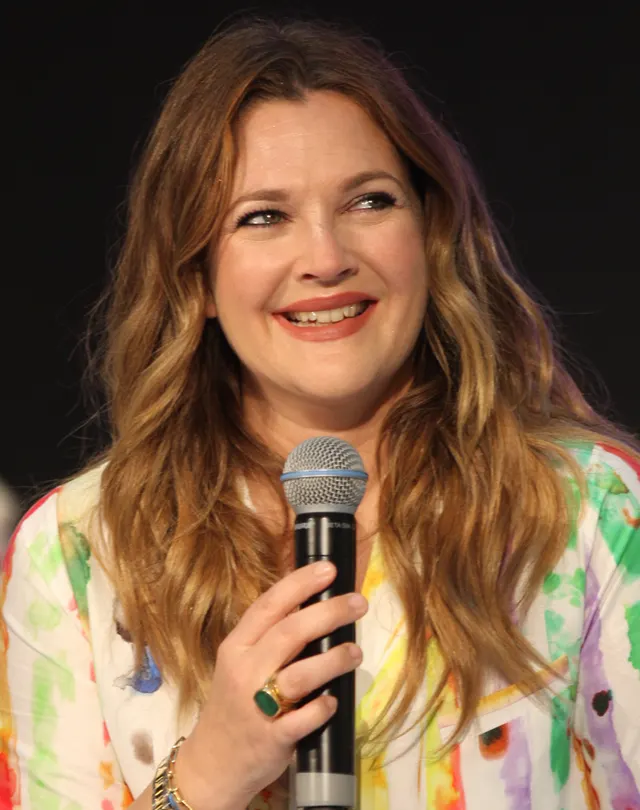
Drew Barrymore
Image creditEva Rinaldi · CC BY-SA 2.0Resized and cropped for display.

Drew Barrymore

American actress and producer who became famous as a child in E.T. the Extra-Terrestrial.

◉
IDEAS THAT CHANGED THINGS

Firsts, Science & Discoveries

The title page and frontispiece of Galileo's Dialogue, printed by Giovanni Battista Landini in Florence, 1632.
The title page and frontispiece of Galileo’s Dialogue, printed by Giovanni Battista Landini in Florence, 1632.
Image creditGiovanni Battista Landini · Public domainResized and cropped for display.

Galileo presents his Dialogue to the Grand Duke

On 22 February 1632 Galileo presented the first copy of his newly printed Dialogue Concerning the Two Chief World Systems to his patron, Grand Duke Ferdinando II de’ Medici, in Florence. Written as a conversation between three friends, it set out the case for Copernicus’s Sun-centred system against the Earth-centred system of Ptolemy.

By summer there were rumours that the book would be banned. Galileo was summoned to Rome, tried by the Inquisition in 1633 and forced to recant, and the Dialogue stayed on the Church’s list of forbidden books until 1835.

Read the full storyHistory & Timeline →Source: Museo Galileo, Florence: Galileo’s life ↗
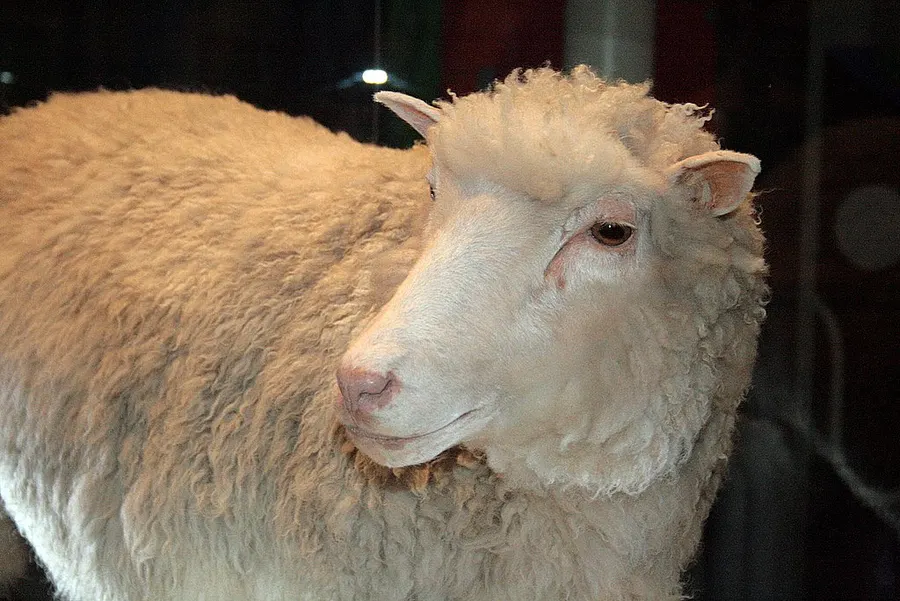
Dolly, preserved and on display at the National Museum of Scotland in Edinburgh.
Image creditToni Barros from São Paulo, Brasil · CC BY-SA 2.0Resized and cropped for display.

The world meets Dolly the cloned sheep

The news that scientists at the Roslin Institute near Edinburgh had cloned a sheep broke on 22 February 1997, and reporters from around the world descended on Roslin. Dolly, born on 5 July 1996 and kept secret for seven months, was the first mammal cloned from an adult cell.

The research paper, by Ian Wilmut’s team, appeared in Nature on 27 February. Dolly set off a worldwide debate about the ethics of cloning. She had six lambs and lived until 2003, and she can still be seen at the National Museum of Scotland.

Read the full storyHistory & Timeline →Source: National Museums Scotland: The story of Dolly the sheep ↗
☆
SPORTING HISTORY

Sporting Moments

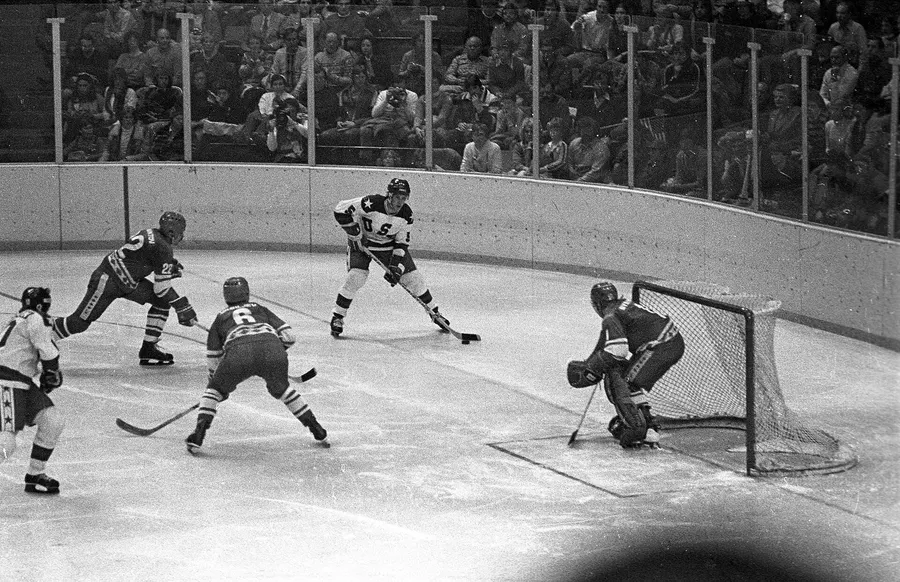
The United States play the Soviet Union at Lake Placid on 22 February 1980, with Mike Ramsey (5) on the puck.
Image creditHenry Zbyszynski · CC BY 2.0Resized and cropped for display.

The ‘Miracle on Ice’ at Lake Placid

At the Winter Olympics in Lake Placid on 22 February 1980, a United States ice hockey team of college players beat the Soviet Union, winners of the previous four Olympic titles, by four goals to three. The Americans came from behind twice, and their captain Mike Eruzione scored the winner in the third period.

As the clock ran down, the broadcaster Al Michaels asked viewers, ‘Do you believe in miracles? Yes!’ The team went on to beat Finland two days later and take the gold medal.

Read the full storyHistory & Timeline →Source: Encyclopaedia Britannica: Miracle on Ice ↗
✦
LIVES REMEMBERED

Remembered Today

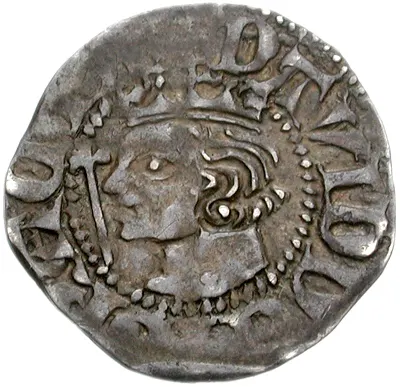
David II of Scotland
Image creditCNG · CC BY-SA 3.0Resized and cropped for display.

David II of Scotland

King of Scots, son of Robert the Bruce, who spent eleven years as a prisoner in England; his death brought the Stewarts to the throne.

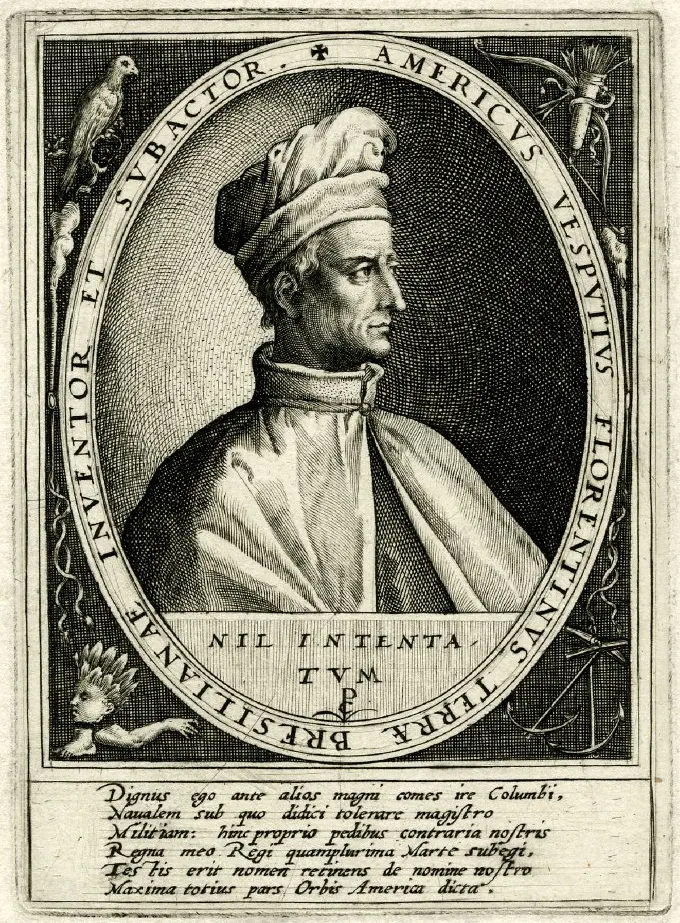
Amerigo Vespucci
Image creditCrispijn van de Passe the Elder · Public domainResized and cropped for display.

Amerigo Vespucci

Florentine navigator whose accounts of voyages to the New World led a mapmaker to name America after him.

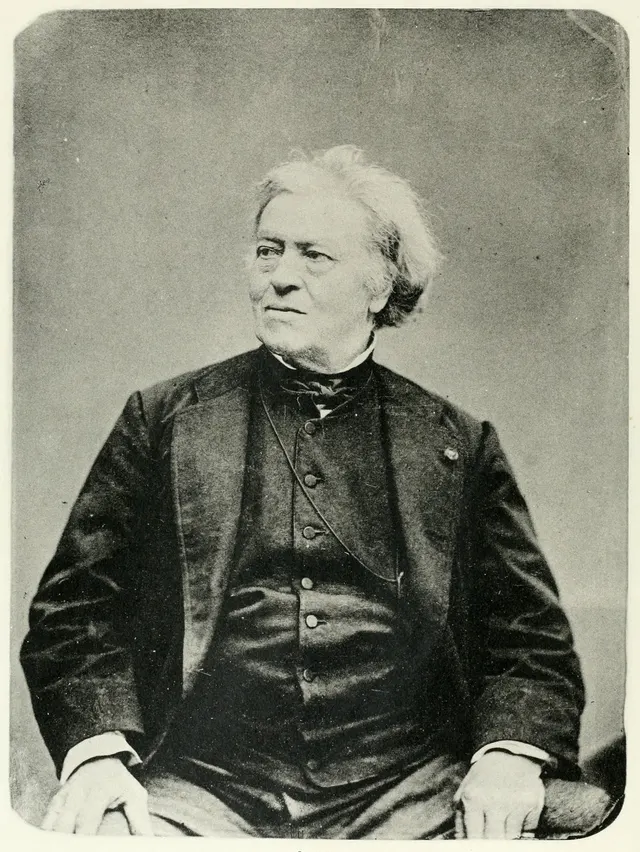
Camille Corot
Image creditÉtienne Carjat · Public domainResized and cropped for display.

Camille Corot

French landscape painter whose outdoor studies paved the way for the Impressionists.

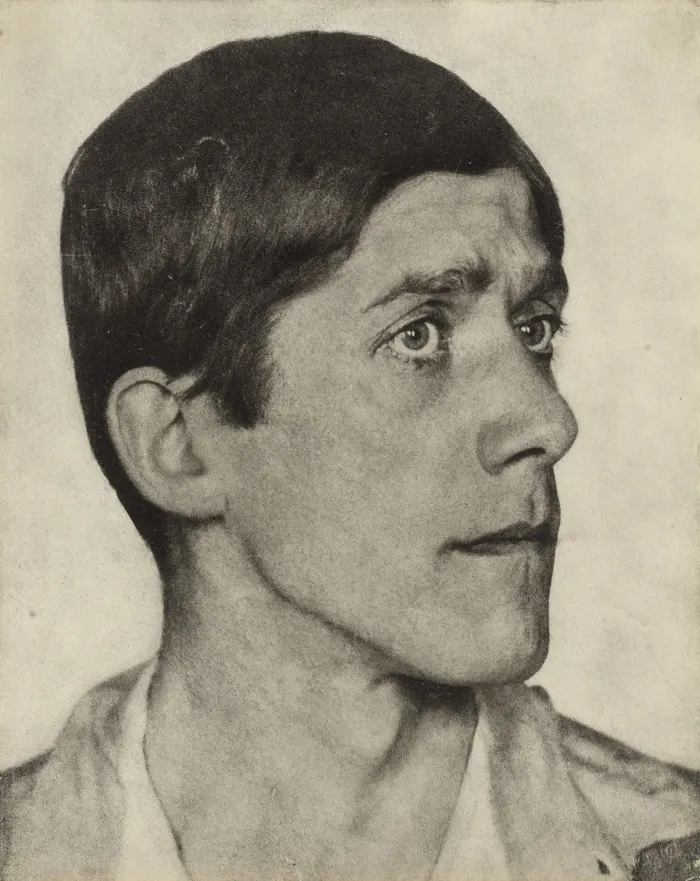
Oskar Kokoschka
Image creditHugo Erfurth · Public domainResized and cropped for display.

Oskar Kokoschka

Austrian Expressionist painter and writer, known for intense portraits and The Bride of the Wind.

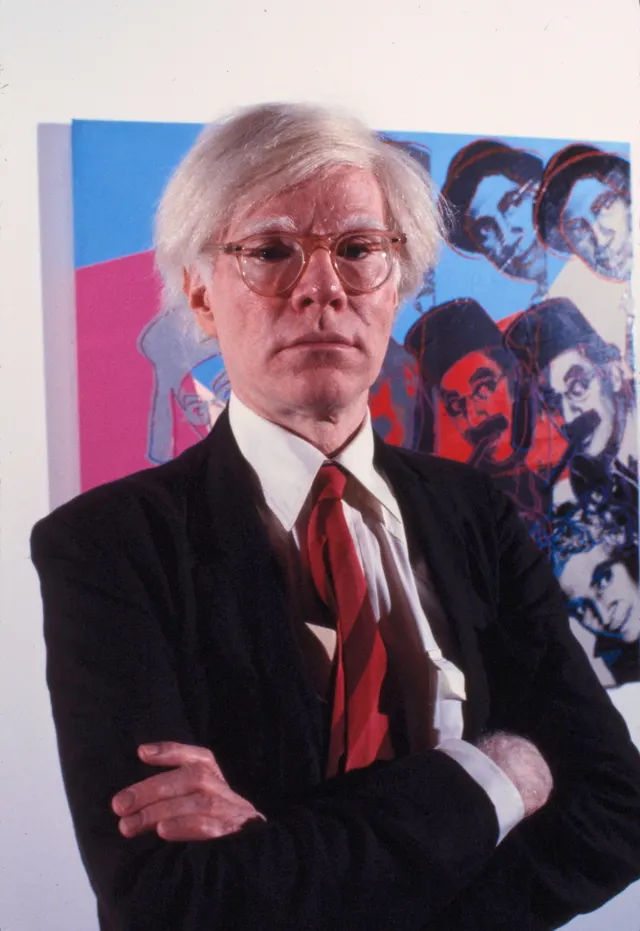
Andy Warhol
Image creditBernard Gotfryd · Public domainResized and cropped for display.

Andy Warhol

American artist at the centre of Pop Art, known for his soup cans and silkscreen portraits of celebrities.

☉
AROUND THE WORLD

Observances & Anniversaries

Olave Baden-Powell, World Chief Guide, in 1966.
Image creditFotograaf Onbekend / Anefo, [onbekend] · CC0Resized and cropped for display.

World Thinking Day

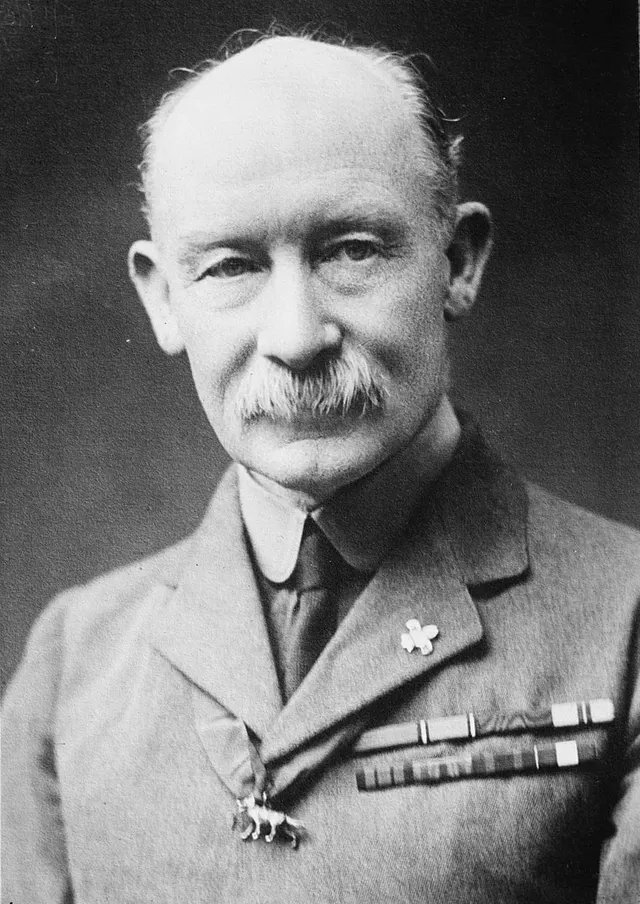
Girl Guides and Girl Scouts around the world mark World Thinking Day on 22 February, the shared birthday of Robert Baden-Powell, founder of Scouting, and his wife Olave, the World Chief Guide. The day was agreed in 1926; since 1932 it has also been a day of fundraising for the World Association of Girl Guides and Girl Scouts.

Source: World Association of Girl Guides and Girl Scouts: World Thinking Day, history and impact ↗
HISTORY & TIMELINE

Finished the highlights?

Follow 22 February chronologically, from the Middle Ages to the modern day, with 10 verified events and the sources behind them.

This day through time →