Explore 20 February

Explore 20 February: the Metropolitan Museum of Art opens, Albanians topple Enver Hoxha’s statue, John Glenn orbits the Earth and a volcano is born in a Mexican cornfield. Meet Ansel Adams, Sidney Poitier and Rihanna, born on this date.

This day through time →11 verified events across 3 eras

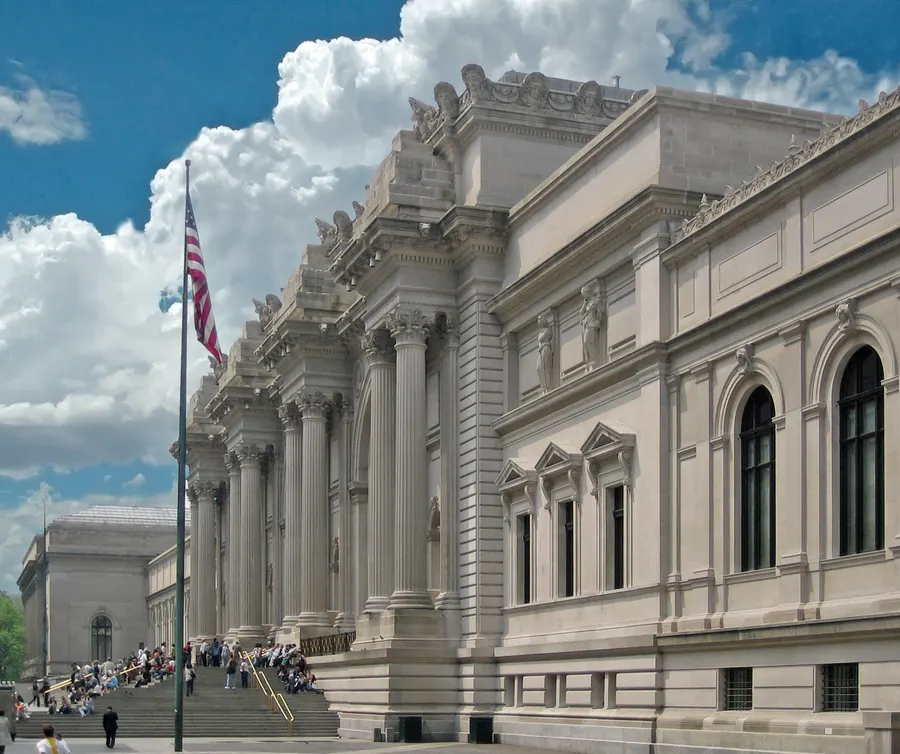
The Metropolitan Museum's Fifth Avenue entrance in 2007. The museum moved to this Central Park site in 1880.
The Metropolitan Museum’s Fifth Avenue entrance in 2007. The museum moved to this Central Park site in 1880.
Image creditArad · CC BY-SA 3.0Resized and cropped for display.

The Metropolitan Museum of Art opens its doors

The Metropolitan Museum of Art opened to the public for the first time on 20 February 1872, in a rented former dance academy, the Dodworth Building, at 681 Fifth Avenue in New York. Founded in 1870 by businessmen, artists and thinkers who wanted to bring art and art education to Americans, it began with no building and no collection.

Its trustees quickly bought 174 European paintings, known as the ‘Purchase of 1871’, to form its core. In 1880 the museum moved to its present home on the edge of Central Park, and it has grown into one of the largest art museums in the world.

Read the full storyHistory & Timeline →Source: The Metropolitan Museum of Art: This weekend in Met history, February 20 ↗
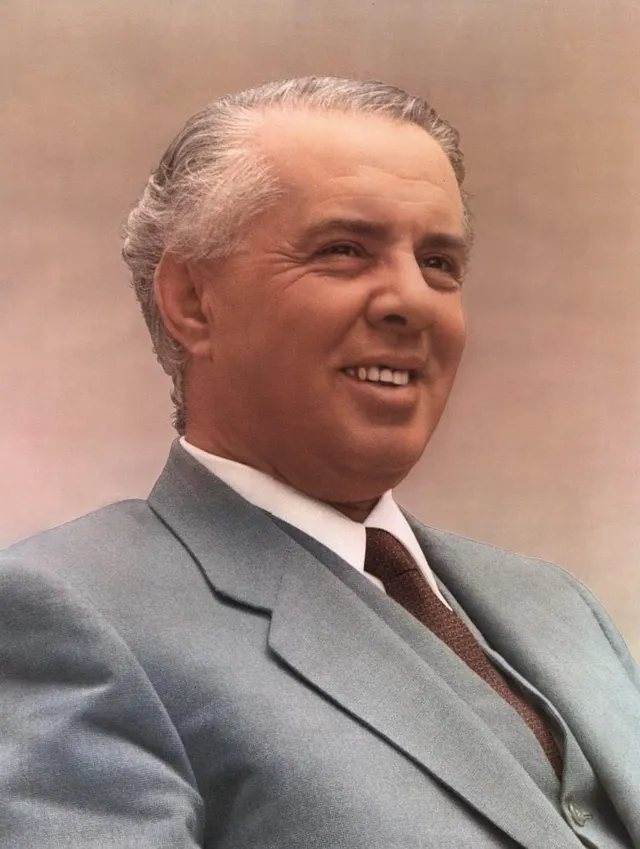
Enver Hoxha, who ruled Albania from 1944 until his death in 1985.
Image creditPetrit Kumi · Public domainResized and cropped for display.

Albanians topple Enver Hoxha’s statue

On 20 February 1991 a large crowd in Tirana pulled down the giant statue of Enver Hoxha, the communist leader who had ruled Albania from 1944 until his death in 1985. Students had been boycotting classes and some were on hunger strike, demanding among other things that their university drop Hoxha’s name.

The statue’s fall in the capital’s main square marked the symbolic end of nearly half a century of isolated communist rule. Albania held its first multi-party elections a few weeks later.

Read the full storyHistory & Timeline →Source: Encyclopaedia Britannica: Tirana ↗
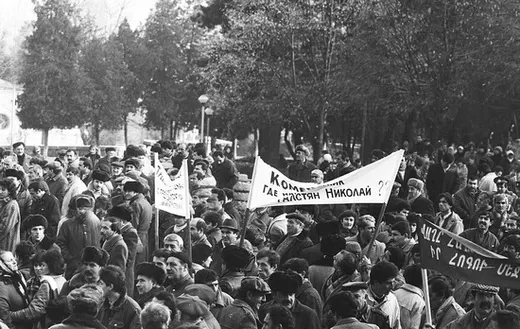
A rally of the Karabakh movement; its Commons record dates the photograph 20 February 1988.
Image creditՌուսլան Սարգսյան · CC BY-SA 4.0Resized and cropped for display.

Nagorno-Karabakh asks to join Armenia

On 20 February 1988 the regional council of Nagorno-Karabakh, a mainly Armenian autonomous region inside Soviet Azerbaijan, voted to ask for the region to be transferred to Soviet Armenia. Azerbaijan’s leaders refused the next day, and huge demonstrations in support of the request filled the streets of Yerevan.

The vote opened one of the longest conflicts of the late Soviet era. Fighting between Armenians and Azerbaijanis grew into a full war after the Soviet Union broke up, and the dispute over the region lasted for more than three decades.

Read the full storyHistory & Timeline →Source: Encyclopaedia Britannica: Nagorno-Karabakh ↗
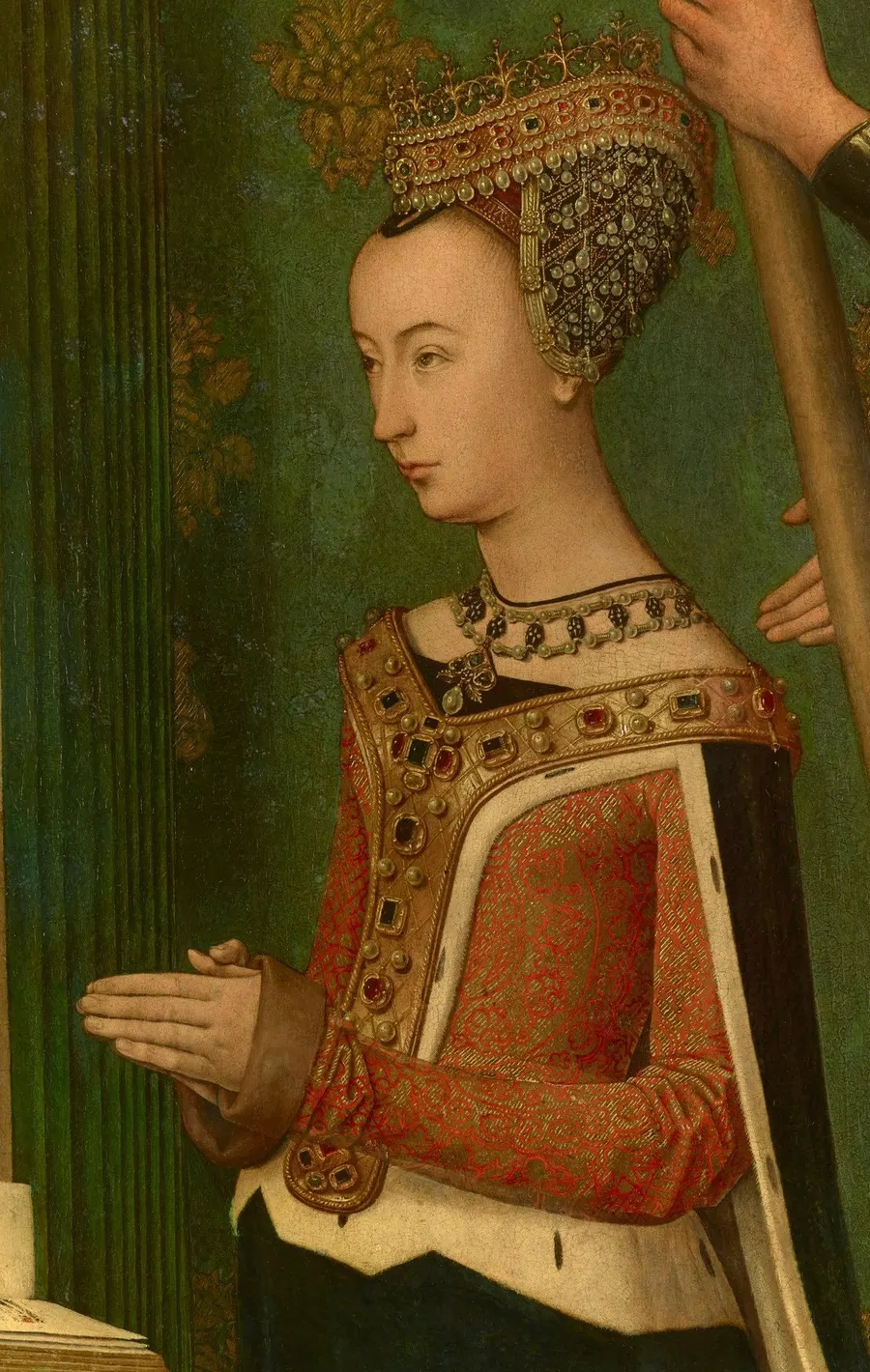
Margaret of Denmark, Queen of Scotland, from the Trinity Altarpiece by Hugo van der Goes, about 1478.
Image creditHugo van der Goes · Public domainResized and cropped for display.

Scotland annexes Orkney and Shetland

When James III of Scotland married Margaret of Denmark in 1469, her father, King Christian I of Denmark and Norway, could not pay her dowry. He pledged first Orkney and then Shetland instead, meaning to redeem them later.

The money never came. On 20 February 1472 James annexed the islands to the Scottish crown, promising they would never be given away except to a legitimate son of the king. Their Norse laws and language faded only slowly over the following centuries.

Read the full storyHistory & Timeline →Source: Shetland Museum and Archives: 550 years ago, how Shetland became part of Scotland ↗
♙
PEOPLE

Born Today

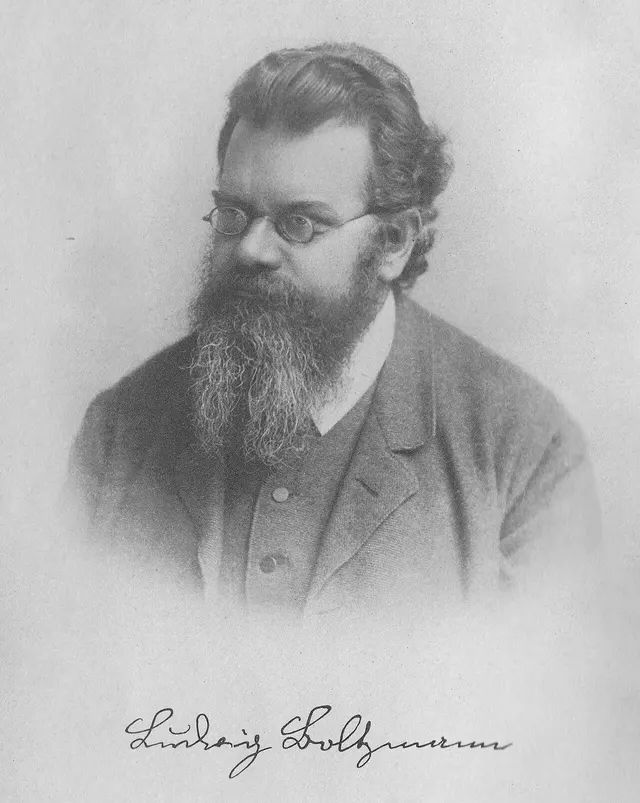
Ludwig Boltzmann
Image creditUnknown authorUnknown author · Public domainResized and cropped for display.

Ludwig Boltzmann

Austrian physicist who explained heat and entropy through the statistics of countless moving atoms.

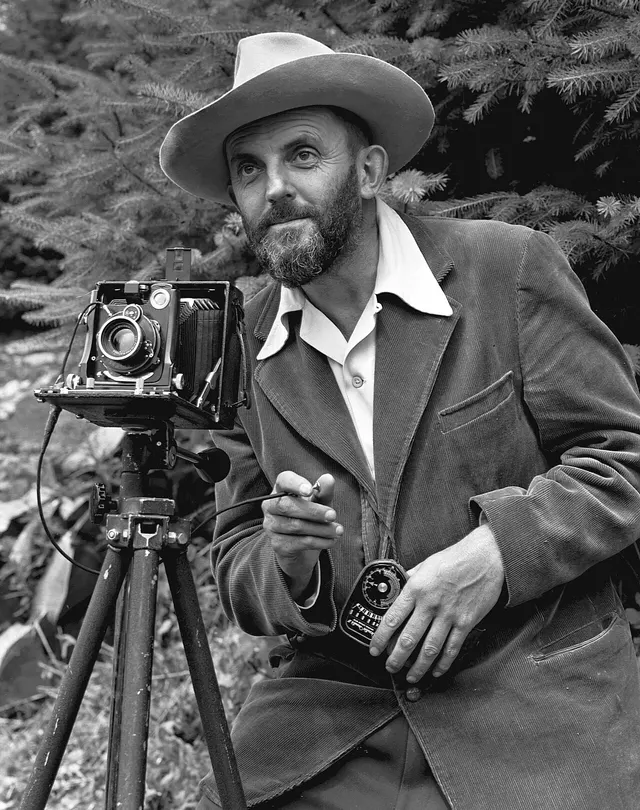
Ansel Adams
Image creditJ. Malcolm Greany · Public domainResized and cropped for display.

Ansel Adams

American photographer whose black-and-white pictures of Yosemite and the West helped the cause of wilderness protection.

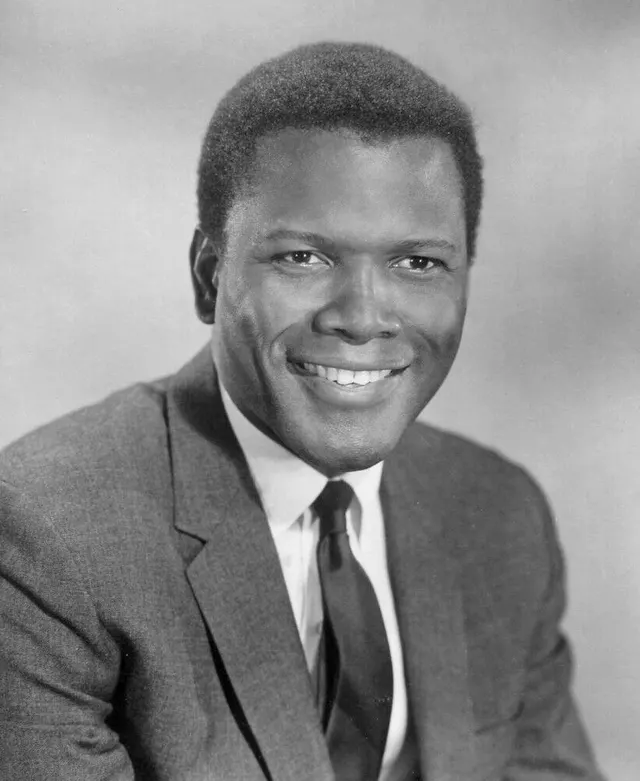
Sidney Poitier
Image creditUnknown photographer · Public domainResized and cropped for display.

Sidney Poitier

Bahamian-American actor who in 1964 became the first Black man to win the Oscar for best actor.

Charles Barkley
Image creditWright-Patt AFB · Public domainResized and cropped for display.

Charles Barkley

American basketball player, the NBA’s most valuable player in 1993, and later a television pundit.

Rihanna
Image creditSIGMA · CC BY 3.0Resized and cropped for display.

Rihanna

Barbadian singer and businesswoman, one of the best-selling music artists of her generation.

◉
IDEAS THAT CHANGED THINGS

Firsts, Science & Discoveries

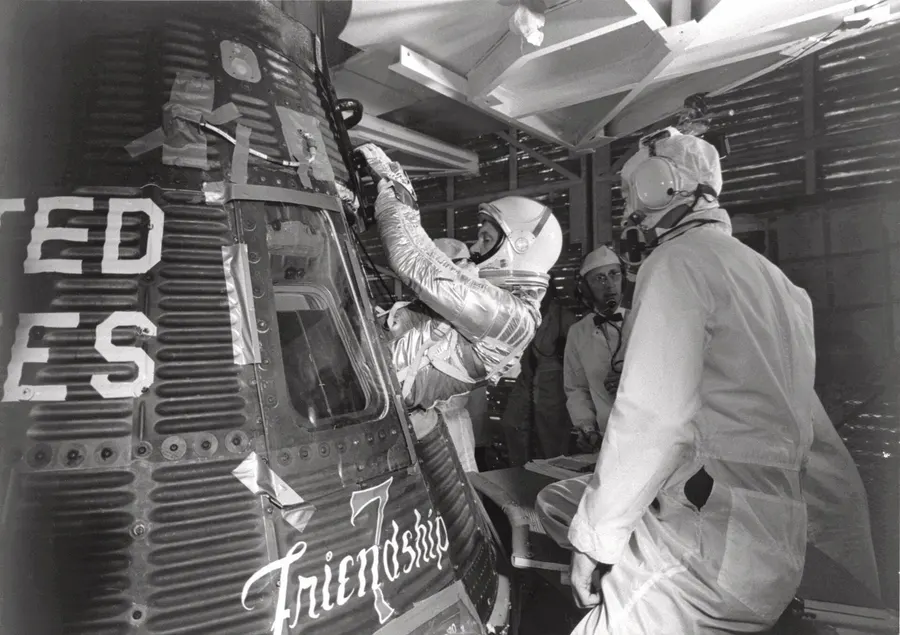
John Glenn climbs into Friendship 7 before launch on 20 February 1962.
Image creditNASA · Public domainResized and cropped for display.

John Glenn orbits the Earth

At 9.47 in the morning on 20 February 1962 John Glenn lifted off from Cape Canaveral aboard Friendship 7 and became the first American to orbit the Earth. He circled the planet three times in 4 hours and 55 minutes.

A faulty thruster forced him to fly parts of the mission by hand, and a warning light suggested his heat shield might be loose, so he was told to keep his retro-rocket pack on during re-entry. The capsule came down safely in the Atlantic, where the destroyer USS Noa picked it up.

Read the full storyHistory & Timeline →Source: NASA: 60 years ago, John Glenn, the first American to orbit the Earth ↗
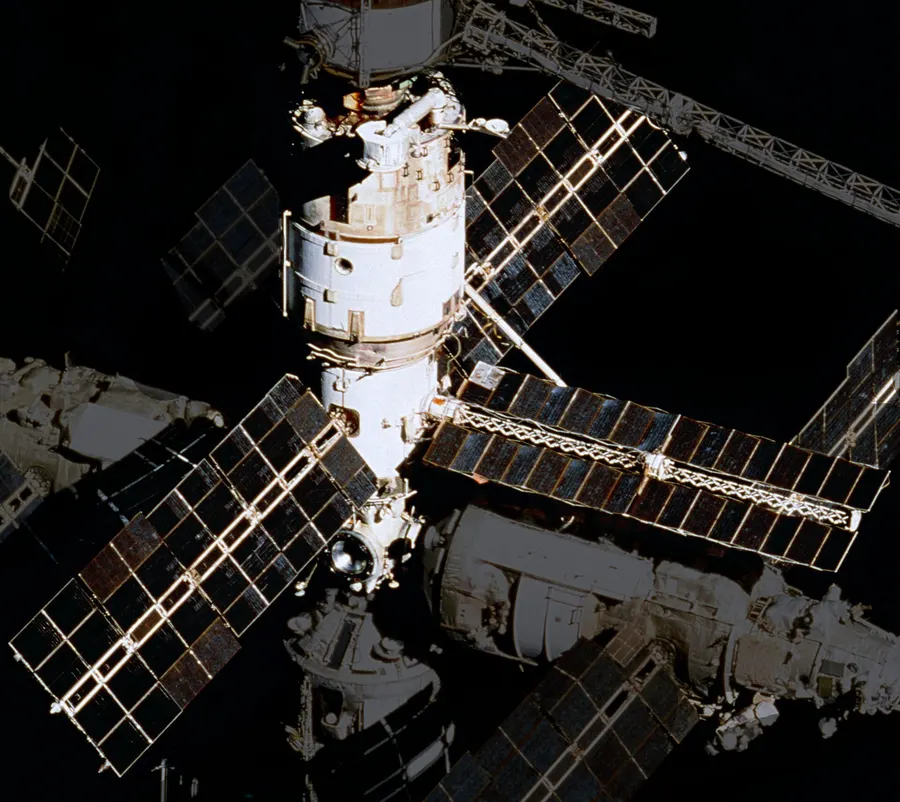
The Mir space station photographed from the space shuttle Atlantis in 1995, after more modules had been added.
Image creditNASA · Public domainResized and cropped for display.

The Soviet Union launches Mir

The first module of the Soviet space station Mir was launched from the Baikonur Cosmodrome on a Proton rocket late on 19 February 1986 by Greenwich time, when it was already 20 February in Moscow. The core module held living quarters, life support and the station’s controls.

Six more modules were added over ten years. Mir was occupied almost continuously from 1989 to 1999, hosted astronauts from many countries, and was brought down into the Pacific in 2001.

Read the full storyHistory & Timeline →Source: NASA: 35 years ago, launch of Mir space station’s first module ↗
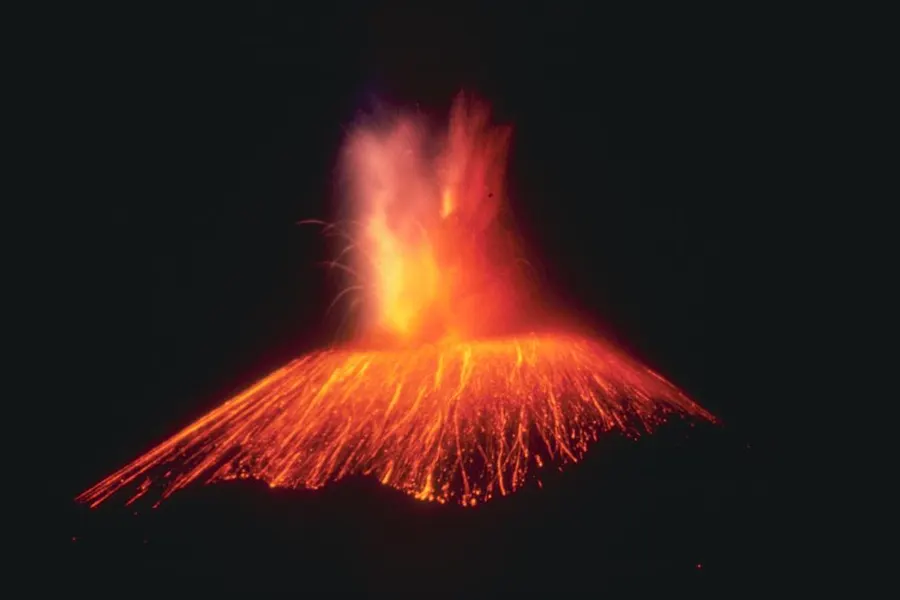
Parícutin erupting at night in 1943, photographed by R. E. Wilcox of the US Geological Survey.
Image creditR.E. Wilcox, U.S. Geological Survey · Public domainResized and cropped for display.

A volcano is born in a Mexican cornfield

After weeks of earthquakes, a crack opened on 20 February 1943 in a cornfield belonging to Dionisio and Paula Pulido near the village of Parícutin, in the Mexican state of Michoacán. Within a day a cone of ash and cinders was rising from it.

Parícutin erupted until 1952, burying two villages under lava. It was the first time scientists could follow a volcano’s whole life from its birth, and their studies changed how cinder cones are understood.

Read the full storyHistory & Timeline →Source: Smithsonian Institution Archives: Parícutin volcano in its early stage of formation ↗
♫
MUSIC • FILM • BOOKS • CULTURE

Culture Stories

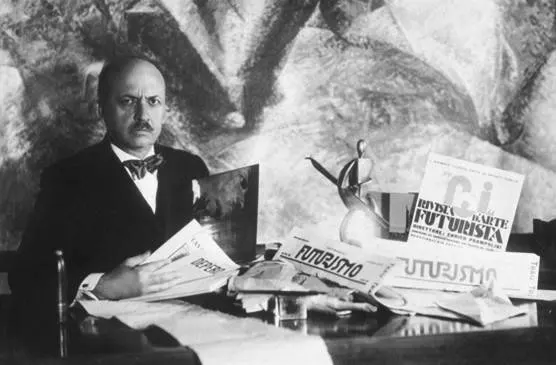
Filippo Tommaso Marinetti with Futurist newspapers, in a press photograph of about 1909.
Image creditUnknown · Public domainResized and cropped for display.

The Futurist Manifesto appears in Le Figaro

On 20 February 1909 the Paris newspaper Le Figaro printed Filippo Tommaso Marinetti’s ‘Manifesto of Futurism’ on its front page. It praised speed, machines and violence, and called for museums and libraries to be swept away. An Italian newspaper had printed it earlier that month, but Le Figaro gave it an international audience.

The manifesto launched Futurism, a movement that spread from poetry to painting, sculpture, architecture and music. Marinetti led it until his death in 1944, and many of its members became closely tied to Mussolini’s Fascism.

Read the full storyHistory & Timeline →Source: Encyclopaedia Britannica: Manifesto of Futurism ↗
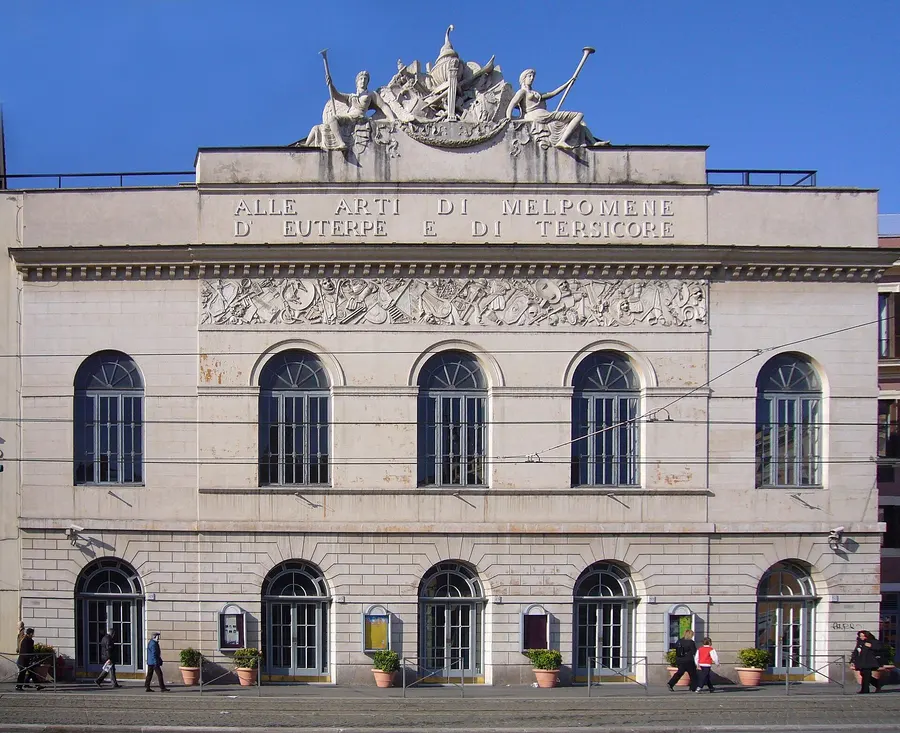
The Teatro Argentina in Rome, where The Barber of Seville was first performed.
Image creditLalupa · CC BY-SA 3.0Resized and cropped for display.

Rossini’s Barber of Seville is booed at its premiere

Gioachino Rossini’s comic opera The Barber of Seville opened at the Teatro Argentina in Rome on 20 February 1816, under the title Almaviva, or the Useless Precaution. Rossini had written it in a few weeks, and the first night went badly: admirers of the older composer Giovanni Paisiello, who had set the same story, jeered, and things went wrong on stage.

The second performance went far better, and the opera became one of the most popular ever written.

Read the full storyHistory & Timeline →Source: Encyclopaedia Britannica: The Barber of Seville ↗
✦
LIVES REMEMBERED

Remembered Today

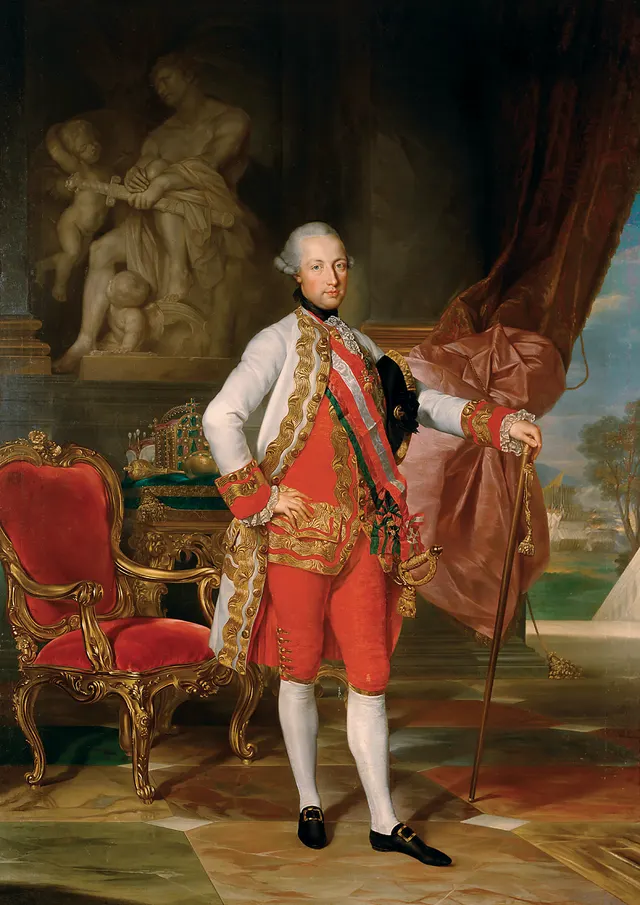
Joseph II
Image creditAnton von Maron · Public domainResized and cropped for display.

Joseph II

Habsburg emperor who pushed through sweeping reforms, including religious toleration and the abolition of serfdom in Austria’s lands.

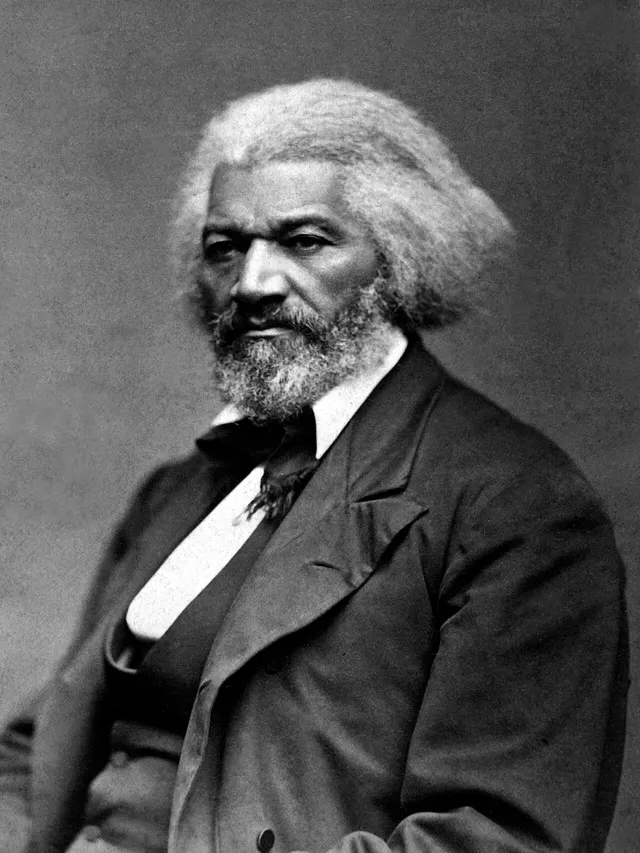
Frederick Douglass
Image creditGeorge Kendall Warren · Public domainResized and cropped for display.

Frederick Douglass

American writer and speaker who escaped slavery and became the leading Black voice of the abolitionist movement.

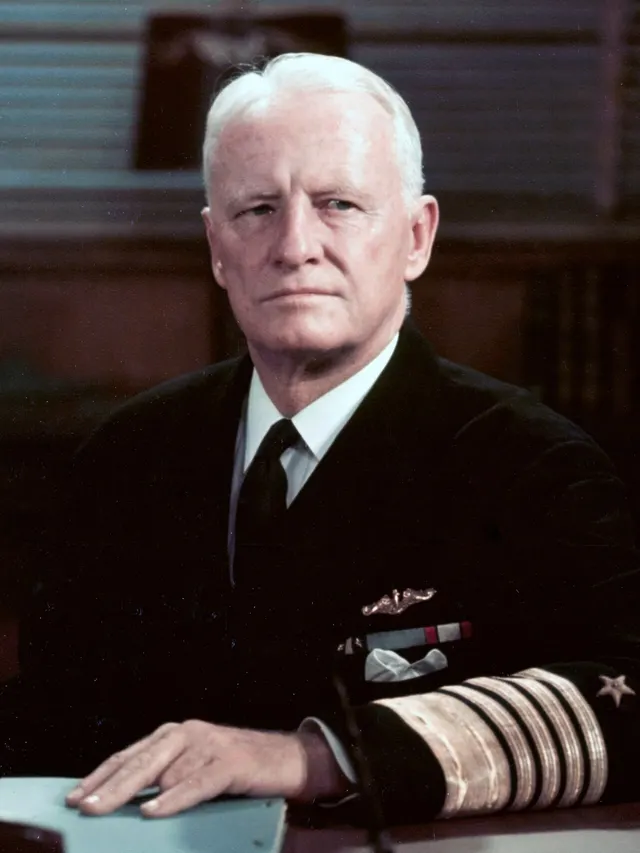
Chester W. Nimitz
Image creditUS Navy · Public domainResized and cropped for display.

Chester W. Nimitz

US admiral who commanded the Pacific Fleet through the Second World War.

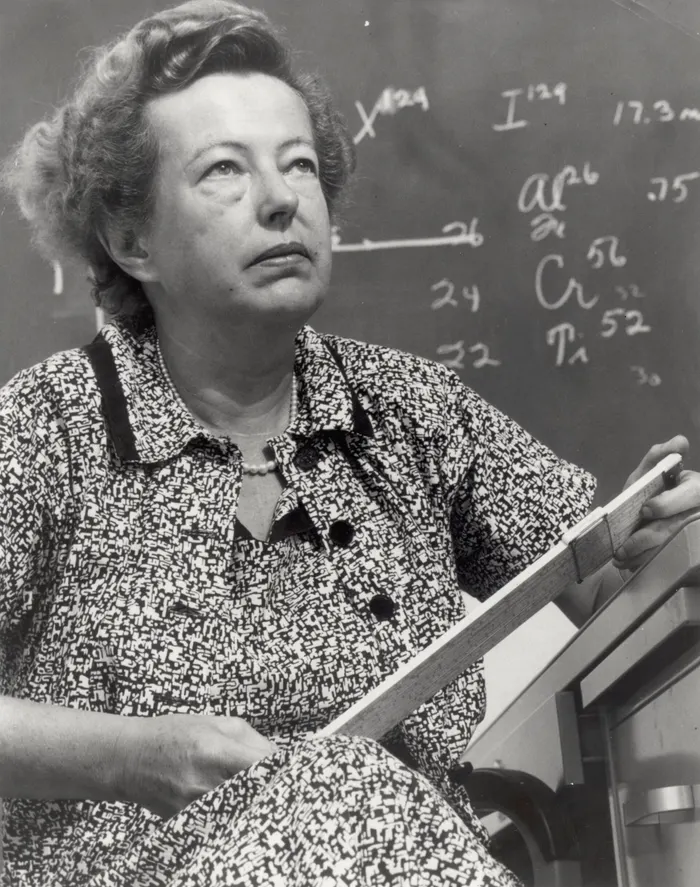
Maria Goeppert Mayer
Image creditENERGY.GOV · Public domainResized and cropped for display.

Maria Goeppert Mayer

German-born American physicist who shared the 1963 Nobel Prize in Physics for the shell model of the atomic nucleus.

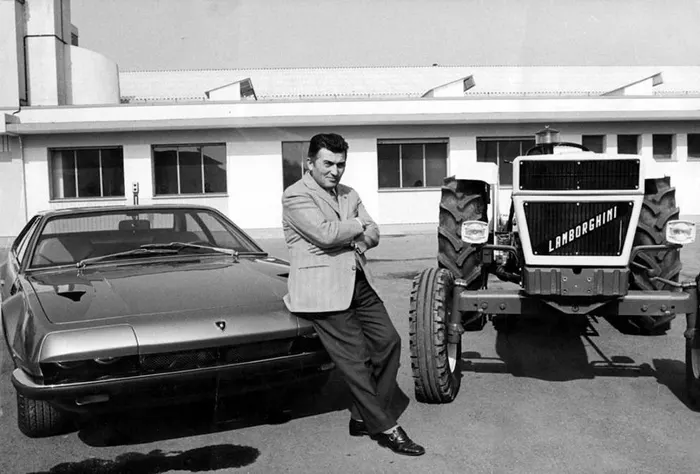
Ferruccio Lamborghini
Image creditUnknown authorUnknown author · Public domainResized and cropped for display.

Ferruccio Lamborghini

Italian industrialist who built tractors before founding the Lamborghini sports car company in 1963.

☉
AROUND THE WORLD

Observances & Anniversaries

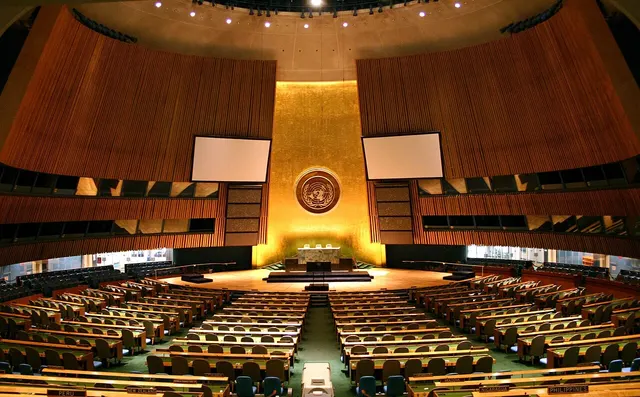
The General Assembly hall at United Nations headquarters in New York.
Image creditPatrick Gruban, cropped and downsampled by Pine · CC BY-SA 2.0Resized and cropped for display.

World Day of Social Justice

The UN General Assembly declared 20 February the World Day of Social Justice in November 2007, and it was first marked in 2009. It is a day to promote efforts to end poverty, secure decent work for all, and advance equality between women and men.

Source: United Nations: World Day of Social Justice ↗
HISTORY & TIMELINE

Finished the highlights?

Follow 20 February chronologically, from the Middle Ages to the modern day, with 11 verified events and the sources behind them.

This day through time →