Explore 14 February

Explore 14 February: Captain Cook is killed at Kealakekua Bay in Hawaii, Israel’s first parliament meets, Russia skips thirteen days to join the Western calendar and Chile’s occupation of Antofagasta starts the War of the Pacific. Meet Babur, Jack Benny and Simon Pegg, born on 14 February.

This day through time →9 verified events across 5 eras

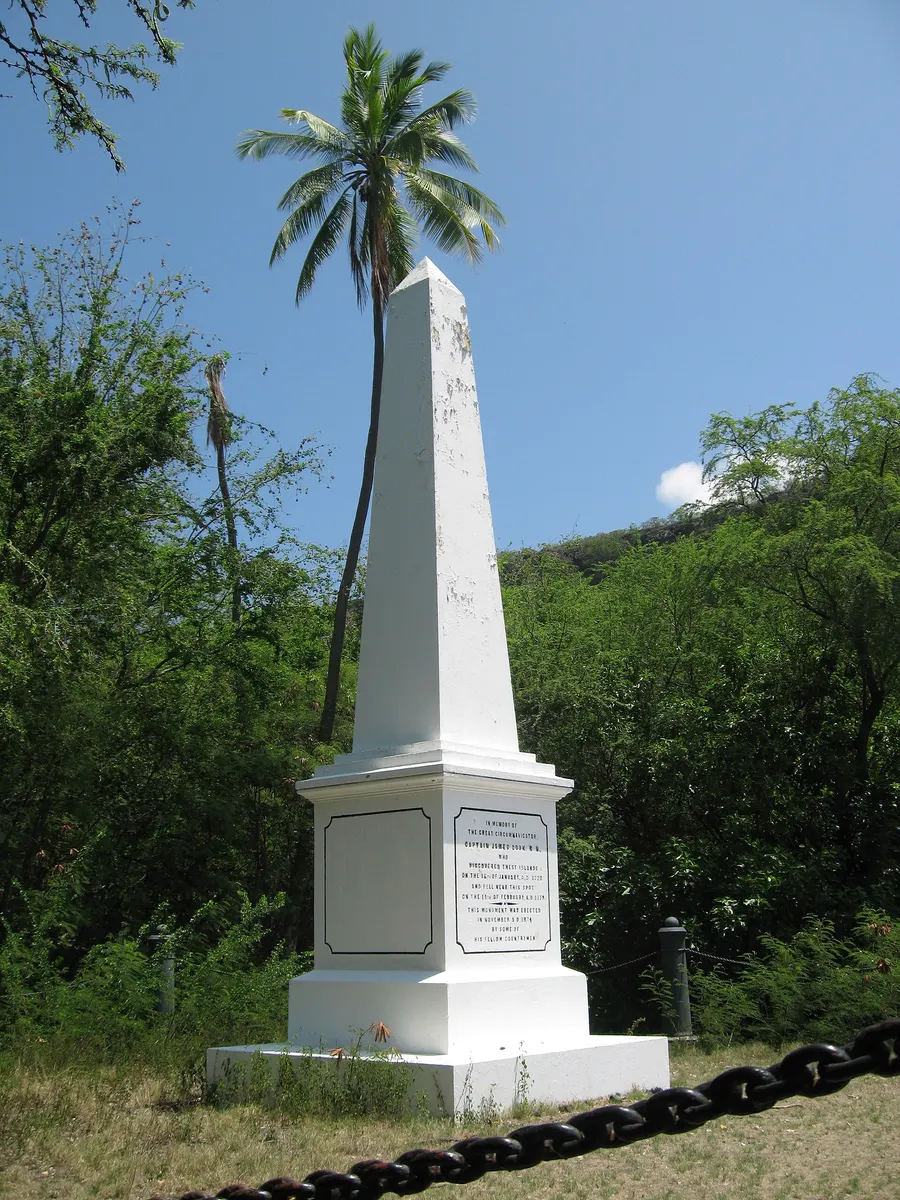
The monument to Captain Cook near the spot where he was killed at Kealakekua Bay, Hawaii.
Image creditSurfsupusa at en.wikipedia · Public domainResized and cropped for display.

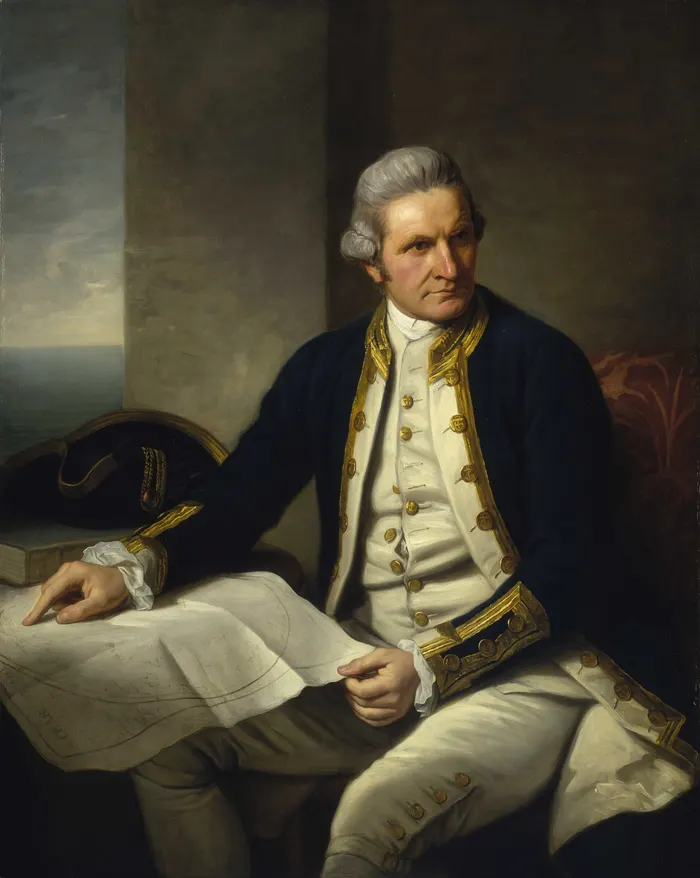
Captain Cook is killed at Kealakekua Bay

On his third Pacific voyage, James Cook became the first European known to reach the Hawaiian Islands, in 1778. In January 1779 his ships Resolution and Discovery anchored at Kealakekua Bay on the island of Hawaiʻi, where they were received with great ceremony, and after a stay of some weeks they sailed away.

A damaged mast forced them back, and relations with the islanders soured. When a boat was stolen from the Discovery on the night of 13 February, Cook went ashore the next morning to take the high chief Kalaniʻōpuʻu on board as a hostage until it was returned. A large crowd gathered, news came that a chief had been shot elsewhere in the bay, and in the fighting at the water’s edge on 14 February 1779 Cook and four marines were killed.

Read the full storyHistory & Timeline →Source: Royal Museums Greenwich: Captain James Cook’s fatal third voyage ↗
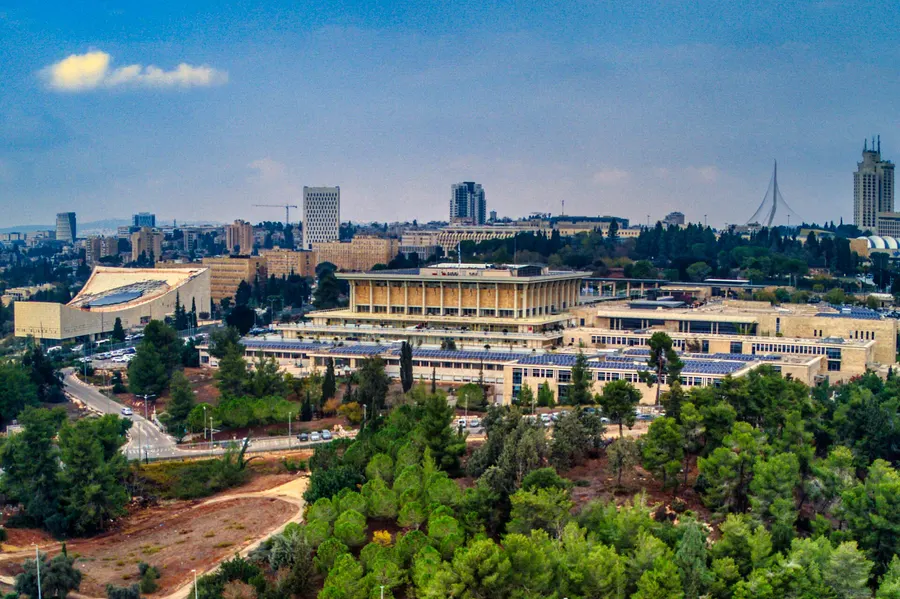
The Knesset building in Jerusalem, the parliament's home since 1966, photographed in November 2022.
The Knesset building in Jerusalem, the parliament’s home since 1966, photographed in November 2022.
Image creditHagai Agmon-Snir حچاي اچمون-سنير חגי אגמון-שניר · CC BY-SA 4.0Resized and cropped for display.

Israel’s first parliament meets

The State of Israel was proclaimed in May 1948 and fought its first war against its Arab neighbours through the rest of the year. In January 1949, while armistice talks were under way, Israelis voted to elect a Constituent Assembly of 120 members.

The assembly met for the first time on 14 February 1949 in the Jewish Agency’s National Institutions Building in Jerusalem. Two days later it passed the Transition Law, which renamed it the First Knesset, after the assembly of the Second Temple period, and it went on to elect Chaim Weizmann as the country’s first president.

Read the full storyHistory & Timeline →Source: The Knesset: the Knesset’s anniversary ↗
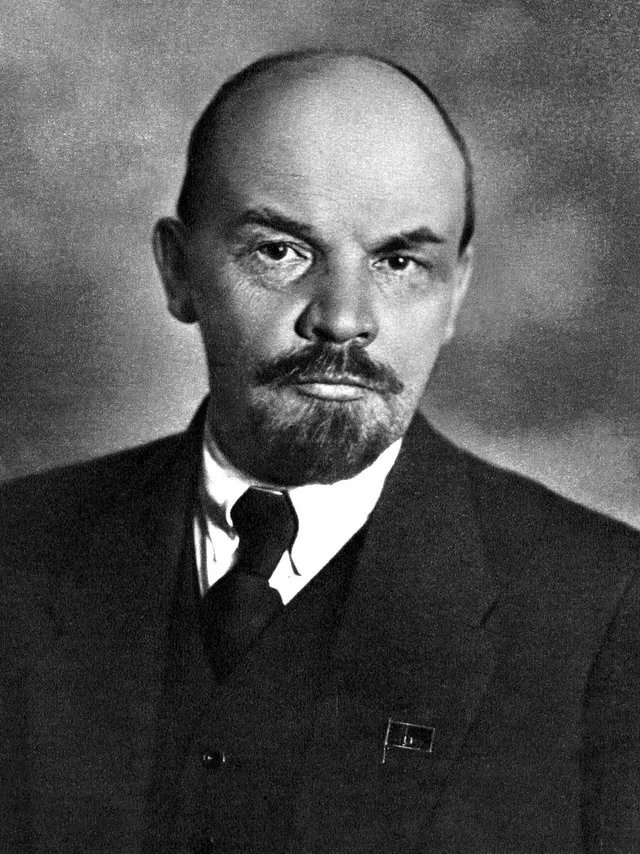
Vladimir Lenin, head of the Soviet government that decreed the change, photographed in 1920.
Image creditUnknown, presumably official · Public domainResized and cropped for display.

Russia skips thirteen days to join the Western calendar

Most of Europe had switched from the Julian calendar to the more accurate Gregorian calendar between 1582 and 1752, but Russia, guided by the Orthodox Church, kept the old one. By the twentieth century it was thirteen days behind the West, which is why the October Revolution of 1917 took place in November by Western reckoning.

In January 1918 Lenin’s Council of People’s Commissars decreed that Russia would adopt the ‘West European calendar’. The day after 31 January 1918 was declared to be 14 February, and the thirteen days in between never happened in Russia. The Russian Orthodox Church still follows the Julian calendar, which is why it celebrates Christmas on 7 January.

Read the full storyHistory & Timeline →Source: Presidential Library of Russia: the decree on adoption of the Gregorian calendar ↗
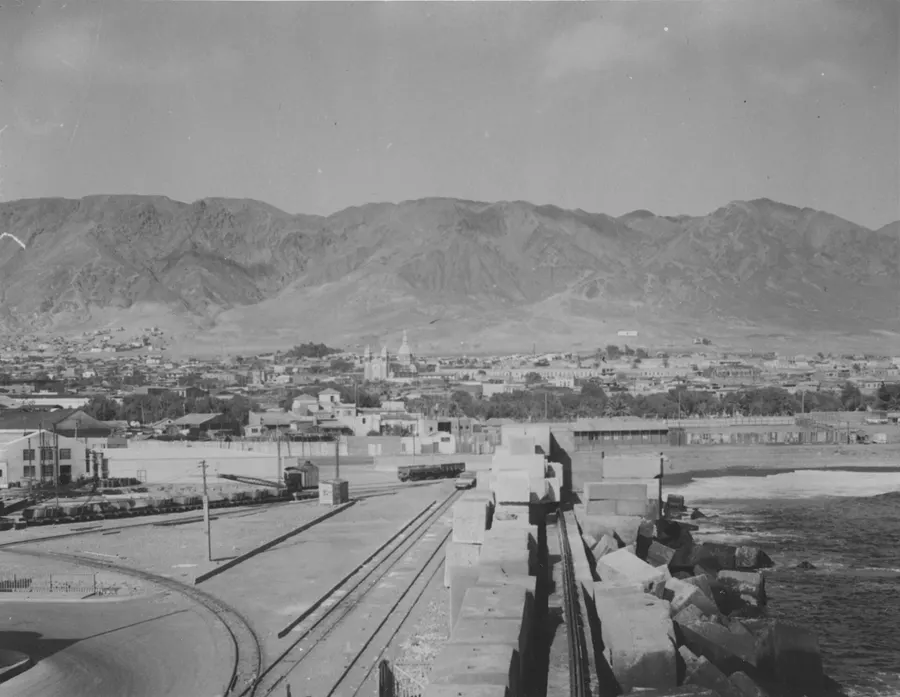
The docks at Antofagasta, Chile, in June 1941.
Image creditBureau of Public Roads · Public domainResized and cropped for display.

Chile occupies Antofagasta and the War of the Pacific begins

The Atacama Desert, rich in nitrates prized for fertiliser and explosives, was divided between Bolivia and Peru, but much of its mining was run by Chilean capital and worked by Chileans. In 1878 Bolivia raised a tax on the Chilean-owned Antofagasta Nitrate Company, breaking a treaty of 1874, and when the company refused to pay, moved to seize its property.

On 14 February 1879 Chilean troops landed and occupied the Bolivian port of Antofagasta. Bolivia declared war, Peru was drawn in under a secret alliance, and the War of the Pacific lasted until 1884. Chile won and took the whole coastal province from Bolivia, which has been landlocked ever since and still claims access to the sea.

Read the full storyHistory & Timeline →Source: Encyclopaedia Britannica: War of the Pacific ↗
♙
PEOPLE

Born Today

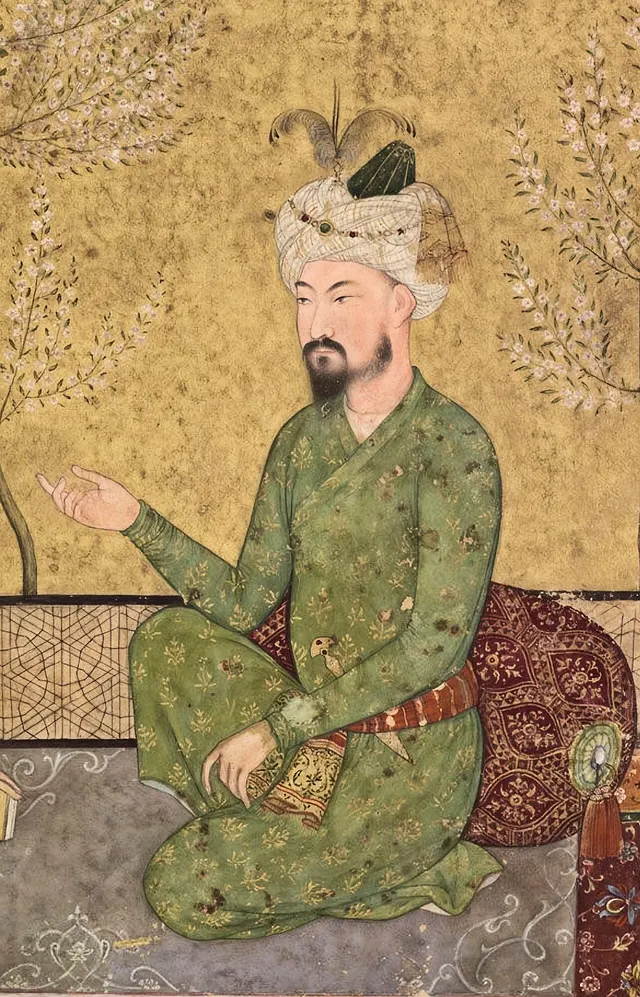
Babur
Image creditc.1650 · Public domainResized and cropped for display.

Babur

Founder of the Mughal empire in India, who won the Battle of Panipat in 1526.

Jack Benny
Image creditstudio · Public domainResized and cropped for display.

Jack Benny

American comedian of radio and television, famous for his timing and his violin.

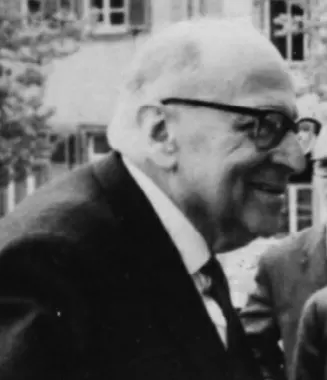
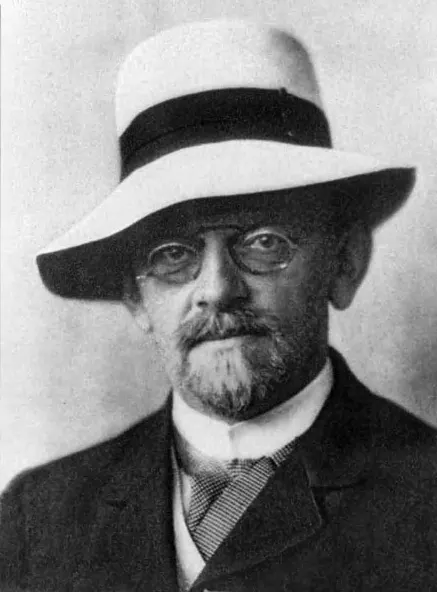
Max Horkheimer
Image creditJeremy J. Shapiro · CC BY-SA 3.0Resized and cropped for display.

Max Horkheimer

German philosopher who led the Frankfurt School of critical theory.

Michael Bloomberg
Image creditGage Skidmore · CC BY-SA 3.0Resized and cropped for display.

Michael Bloomberg

American businessman who founded Bloomberg LP and was mayor of New York.

Simon Pegg
Image creditBryan Berlin · CC BY-SA 4.0Resized and cropped for display.

Simon Pegg

English actor and writer of Shaun of the Dead.

◉
IDEAS THAT CHANGED THINGS

Firsts, Science & Discoveries

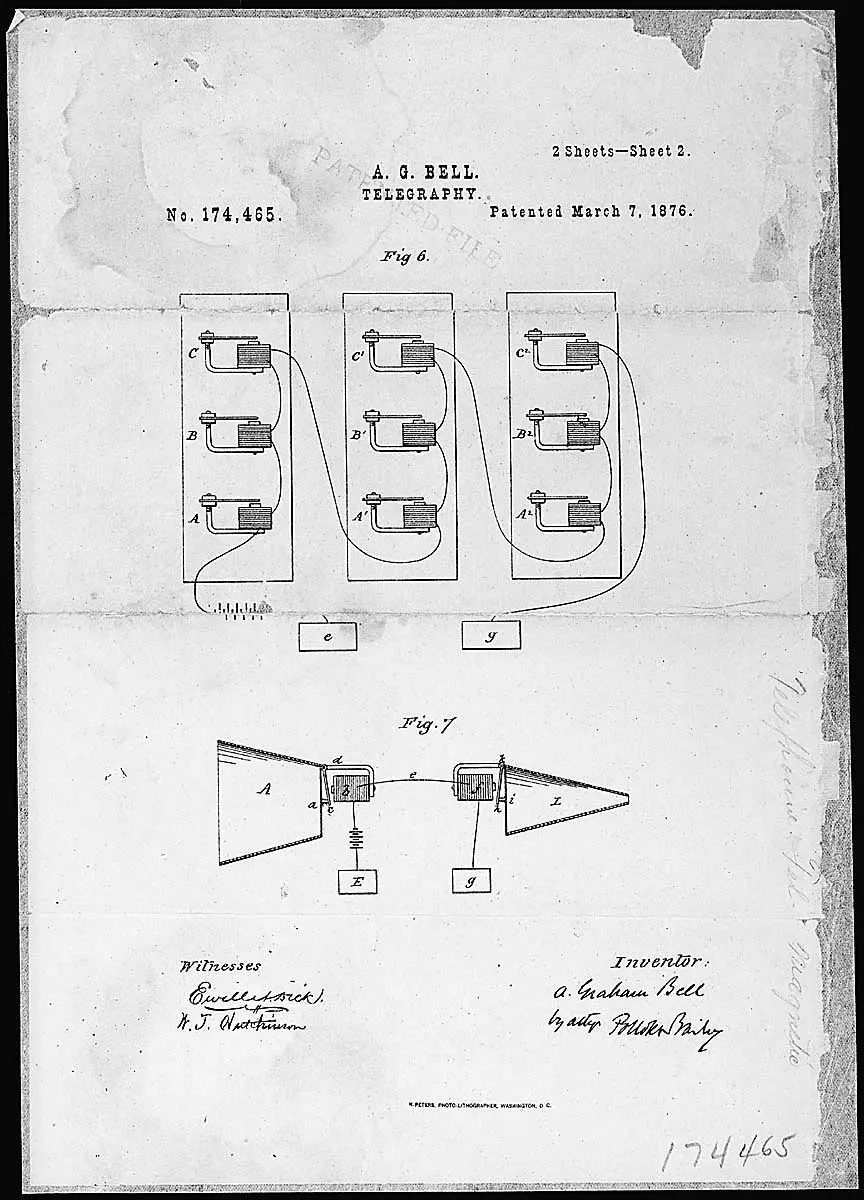
A drawing from Alexander Graham Bell's telephone patent of 1876 (US National Archives).
A drawing from Alexander Graham Bell’s telephone patent of 1876 (US National Archives).
Image creditAlexander Graham Bell · Public domainResized and cropped for display.

Alexander Graham Bell files his telephone patent

Alexander Graham Bell, a Scottish-born teacher of the deaf working in Boston, had spent years experimenting with sending several telegraph messages along one wire, and with sending the human voice.

On 14 February 1876 his lawyer filed his application for a patent on ‘improvements in telegraphy’ at the US Patent Office in Washington. The same day, a few hours later, the inventor Elisha Gray filed a notice that he was working on a similar device. Bell’s patent was granted on 7 March, and three days later he spoke the first words over his telephone to his assistant, Thomas Watson. The rival claims led to years of court battles, which Bell won.

Read the full storyHistory & Timeline →Source: Library of Congress: who is credited with inventing the telephone? ↗
The Pale Blue Dot: Earth, less than a pixel across, in a band of scattered sunlight, photographed by Voyager 1 on 14 February 1990.
Image creditVoyager 1 · Public domainResized and cropped for display.

Voyager 1 photographs Earth as a pale blue dot

Voyager 1 was launched in 1977 and flew past Jupiter and Saturn. By 1990 it was heading out of the solar system, and the astronomer Carl Sagan persuaded NASA to turn its cameras back towards home one last time.

On 14 February 1990, about six billion kilometres from the Sun, it took 60 frames for a ‘family portrait’ of the planets. In one of them Earth appears as a tiny speck in a ray of scattered sunlight. Soon afterwards the cameras were switched off for good. Sagan called the picture the Pale Blue Dot and wrote that it showed how small and fragile our world is.

Read the full storyHistory & Timeline →Source: NASA Science: Voyager 1’s Pale Blue Dot ↗
✦
LIVES REMEMBERED

Remembered Today

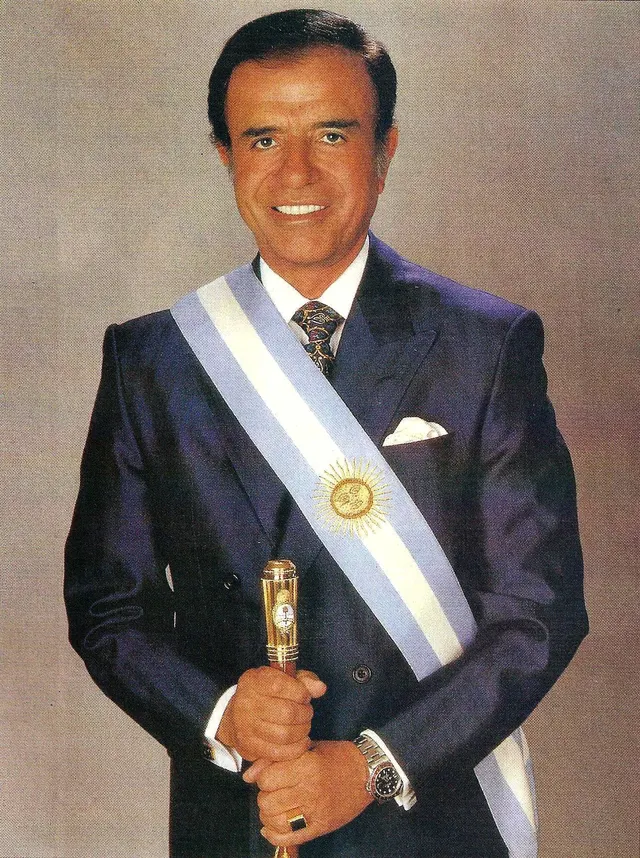
Carlos Menem
Image creditVíctor Bugge · CC BY 2.0Resized and cropped for display.

Carlos Menem

President of Argentina from 1989 to 1999.

☉
AROUND THE WORLD

Observances & Anniversaries

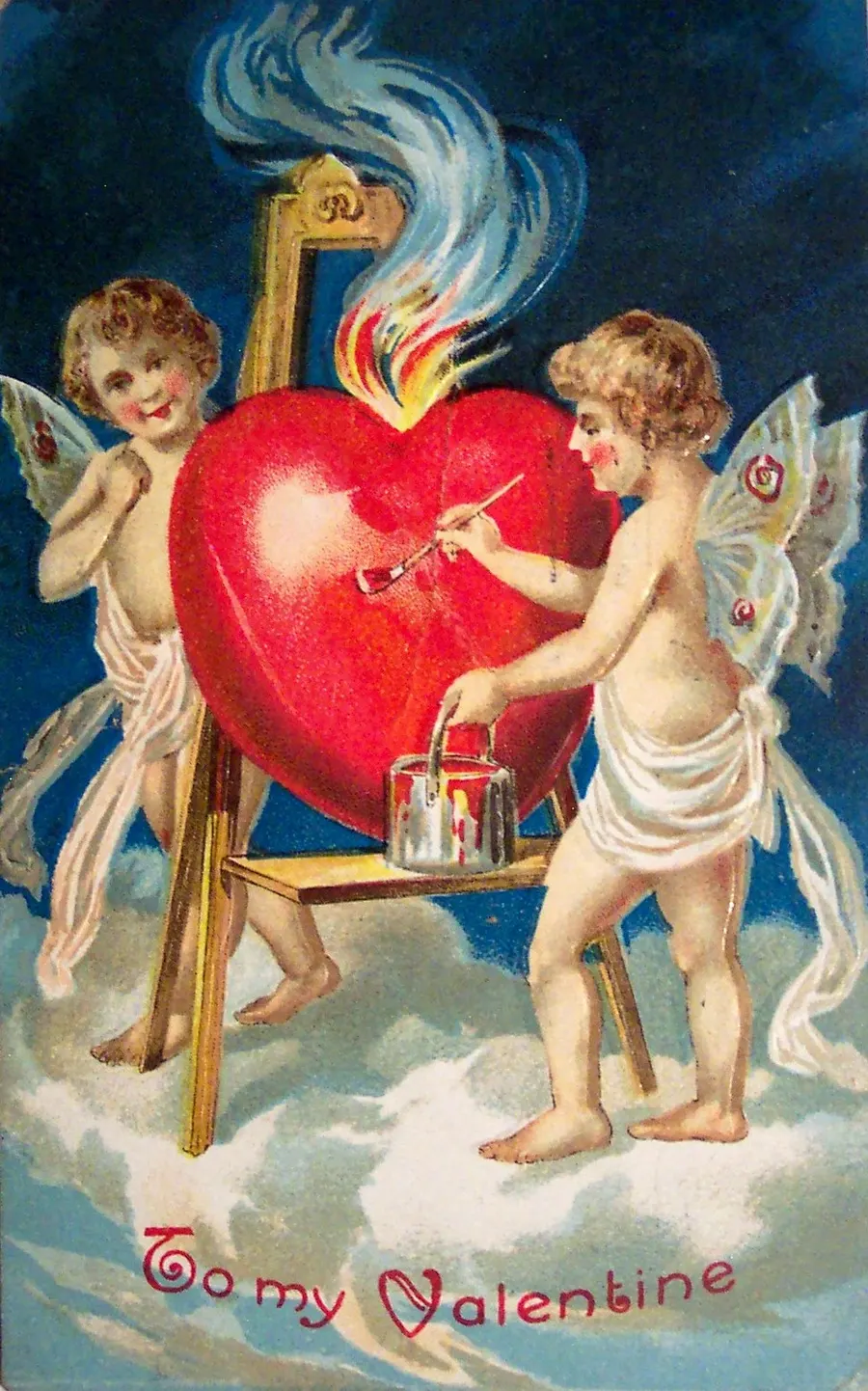
A Valentine greeting card of 1909, with cupids painting a heart.
Image creditUpload: Chordboard · Public domainResized and cropped for display.

Valentine’s Day

14 February is the feast of St Valentine, a Roman martyr of the third century about whom little is known. The day was first linked with love in the late Middle Ages, probably through Geoffrey Chaucer’s poem The Parlement of Foules, and cards and gifts between sweethearts became a custom that has spread around the world.

Source: Encyclopaedia Britannica: Valentine’s Day ↗
HISTORY & TIMELINE

Finished the highlights?

Follow 14 February chronologically, from the Middle Ages to the modern day, with 9 verified events and the sources behind them.

This day through time →