Explore 15 February

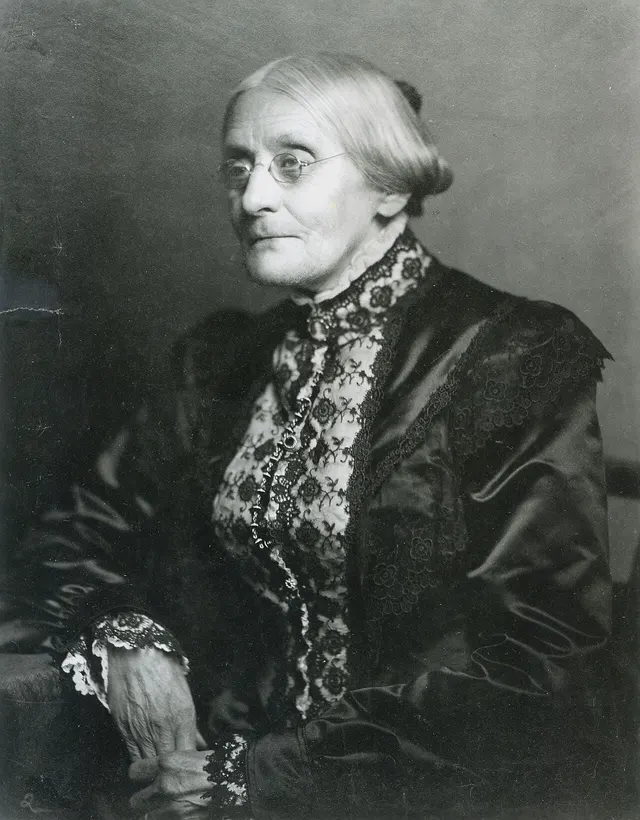
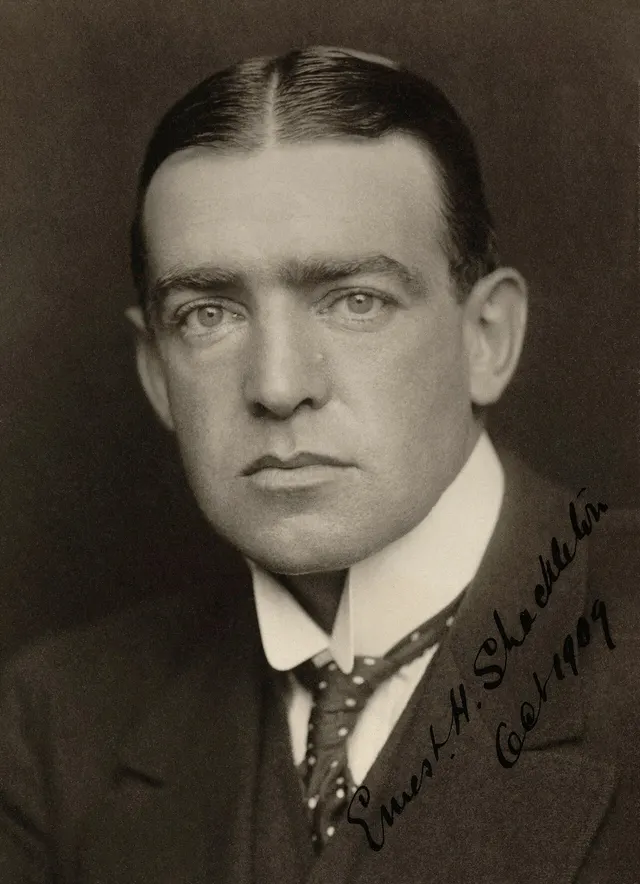
Explore 15 February: the battleship Maine blows up in Havana harbour, the last Soviet troops leave Afghanistan, Britain and Ireland switch to decimal money and millions march around the world against war in Iraq. Meet Galileo Galilei, Susan B. Anthony and Ernest Shackleton, born on 15 February.

This day through time →8 verified events across 4 eras

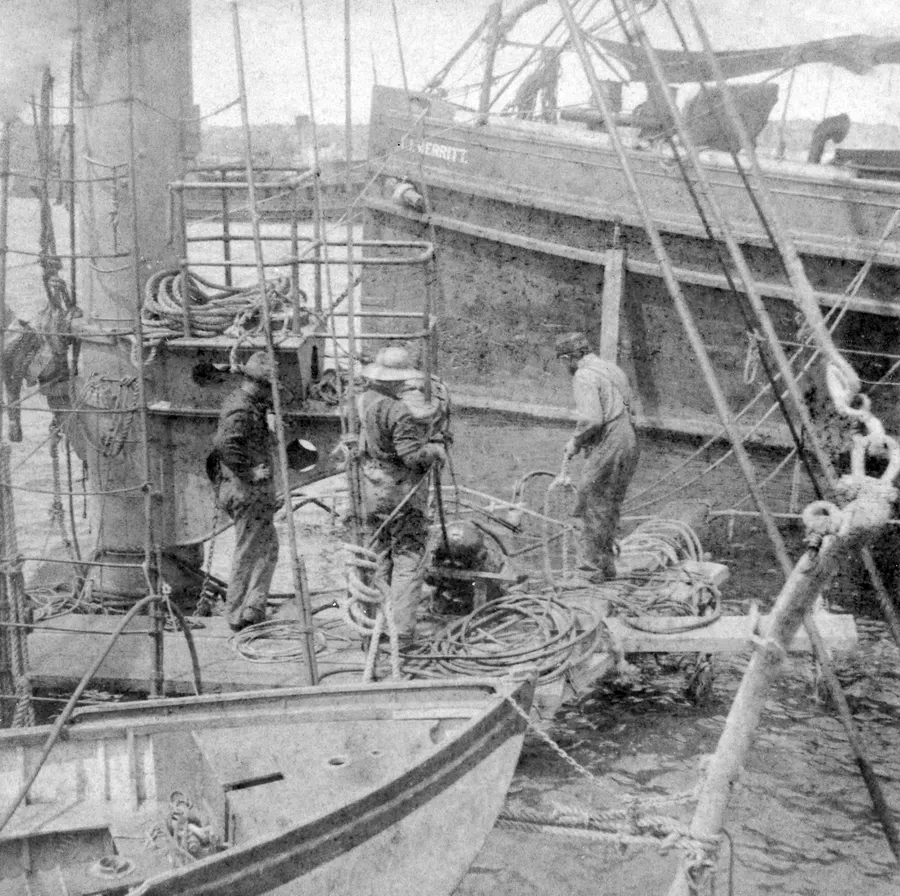
Workers on the wreck of the Maine in Havana harbour, from a stereoview of 1898.
Image creditStrohmeyer & Wyman / Underwood & Underwood · Public domainResized and cropped for display.

The battleship Maine blows up in Havana harbour

In 1895 Cubans rose again against Spanish rule, and Spain’s harsh efforts to crush the rebellion were reported in lurid detail by American newspapers. In January 1898 the US Navy sent the battleship Maine to Havana to protect American citizens and interests.

At about 9.40 on the evening of 15 February 1898 an explosion tore the ship apart, and 266 of the 354 men aboard were killed. A US naval inquiry blamed a mine, and the cry ‘Remember the Maine, to hell with Spain!’ helped push the United States into war with Spain that April. The cause has never been settled: a US Navy study in 1976 concluded that a fire in a coal bunker had most likely set off the ship’s own ammunition.

Read the full storyHistory & Timeline →Source: Naval History and Heritage Command: sinking of USS Maine ↗
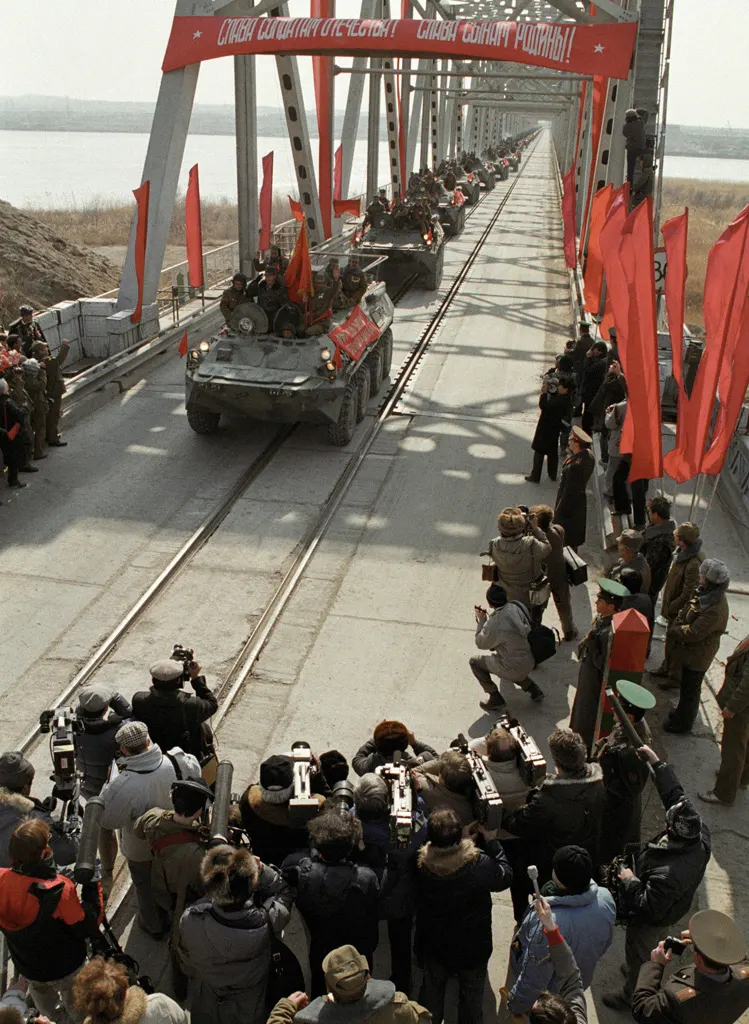
The last Soviet column crosses the bridge into the Soviet Union on 15 February 1989, under a banner reading 'Glory to the soldiers of the fatherland!'
The last Soviet column crosses the bridge into the Soviet Union on 15 February 1989, under a banner reading ‘Glory to the soldiers of the fatherland!’
Image creditA. Solomonov / А. Соломонов · CC BY-SA 3.0Resized and cropped for display.

The last Soviet troops leave Afghanistan

Soviet forces entered Afghanistan in December 1979 to prop up its communist government. For almost ten years they fought mujahideen guerrillas armed by the United States, Pakistan and others, in a war that killed about 15,000 Soviet soldiers and vast numbers of Afghans and drove millions into exile.

Mikhail Gorbachev called the war a ‘bleeding wound’, and under the Geneva Accords of April 1988 Soviet troops began to pull out. On 15 February 1989 their commander, General Boris Gromov, was the last to cross the Friendship Bridge over the Amu Darya into Soviet Uzbekistan. The war did not end: fighting in Afghanistan went on between the government and the mujahideen, and then among the victors.

Read the full storyHistory & Timeline →Source: National Security Archive: the Soviet withdrawal from Afghanistan, 1989 ↗
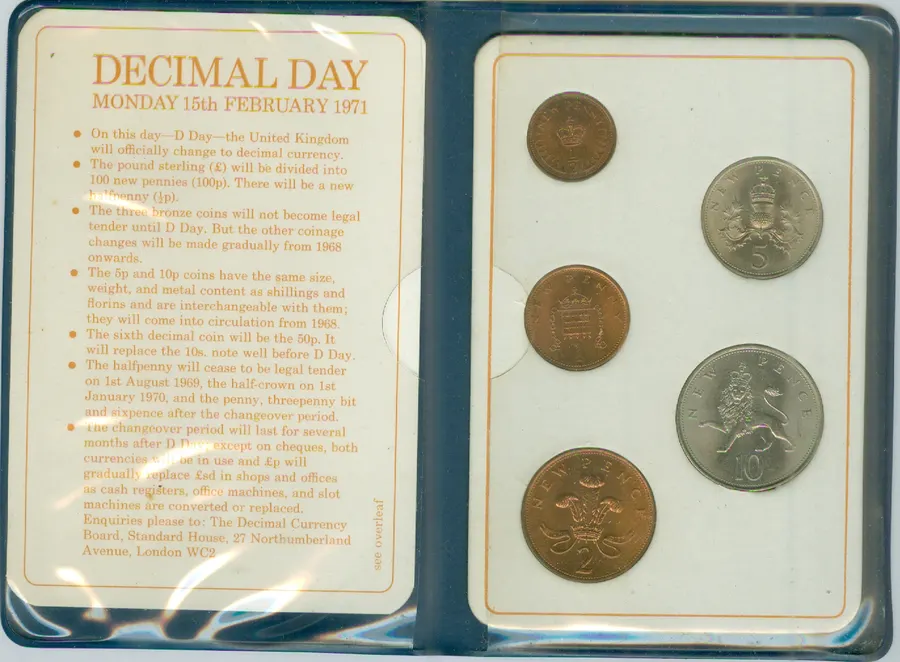
A presentation pack of the new decimal coins issued for Decimal Day, Monday 15 February 1971.
Image creditMandtplatt · CC BY-SA 4.0Resized and cropped for display.

Britain and Ireland switch to decimal money

For centuries British money was counted in pounds, shillings and pence: twelve pence to the shilling and twenty shillings, or 240 pence, to the pound. After a government committee recommended change, the Chancellor, James Callaghan, announced in 1966 that the pound would be divided into 100 new pence.

The Royal Mint built a new works at Llantrisant in Wales to strike thousands of millions of new coins, and some were issued early to get people used to them. On Decimal Day, 15 February 1971, the United Kingdom and Ireland switched over, and old and new coins circulated side by side for a while.

Read the full storyHistory & Timeline →Source: The Royal Mint: the story of decimalisation ↗
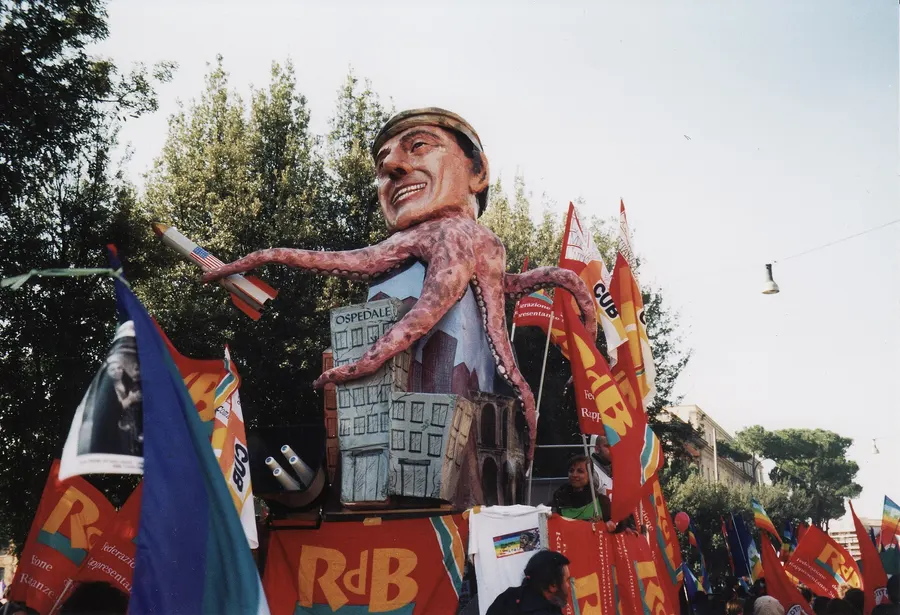
A float in the peace demonstration in Rome on 15 February 2003.
Image creditGacio · Public domainResized and cropped for display.

Millions march around the world against war in Iraq

In early 2003 the United States and Britain were preparing to invade Iraq, arguing that Saddam Hussein’s government held weapons of mass destruction. Opponents of war organised coordinated marches for the same weekend in hundreds of cities.

On 15 February 2003 millions of people took to the streets across the world, in what was recorded as the largest protest of its kind in history. Around three million were reported in Rome, and between one and two million in London, the biggest demonstration Britain had ever seen. The invasion went ahead in March.

Read the full storyHistory & Timeline →Source: Imperial War Museums: photographs from the day the world said no to war ↗
♙
PEOPLE

Born Today

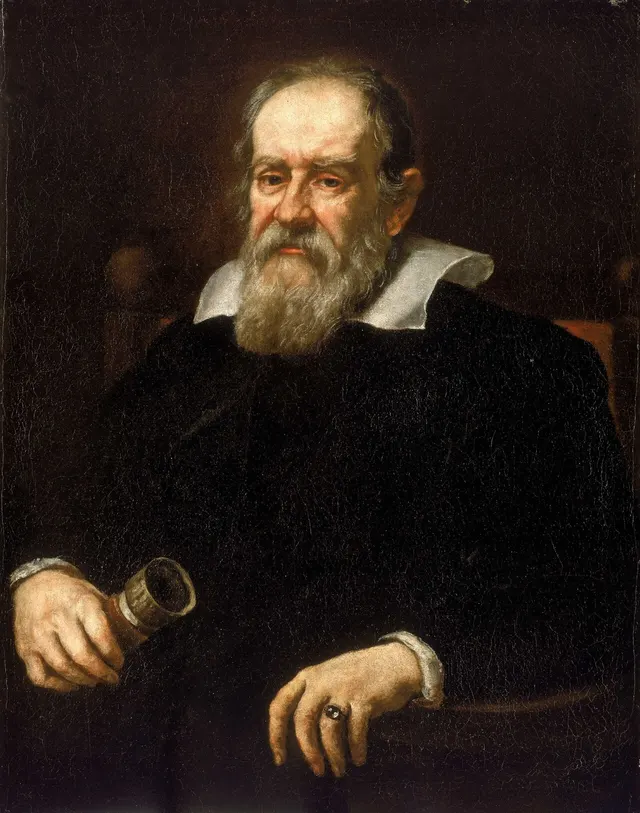
Galileo Galilei
Image creditJustus Sustermans · Public domainResized and cropped for display.

Galileo Galilei

Italian astronomer and physicist whose telescope discoveries supported the view that the Earth moves round the Sun.

Alfred North Whitehead
Image creditunknown · Public domainResized and cropped for display.

Alfred North Whitehead

English mathematician and philosopher, co-author with Bertrand Russell of Principia Mathematica.

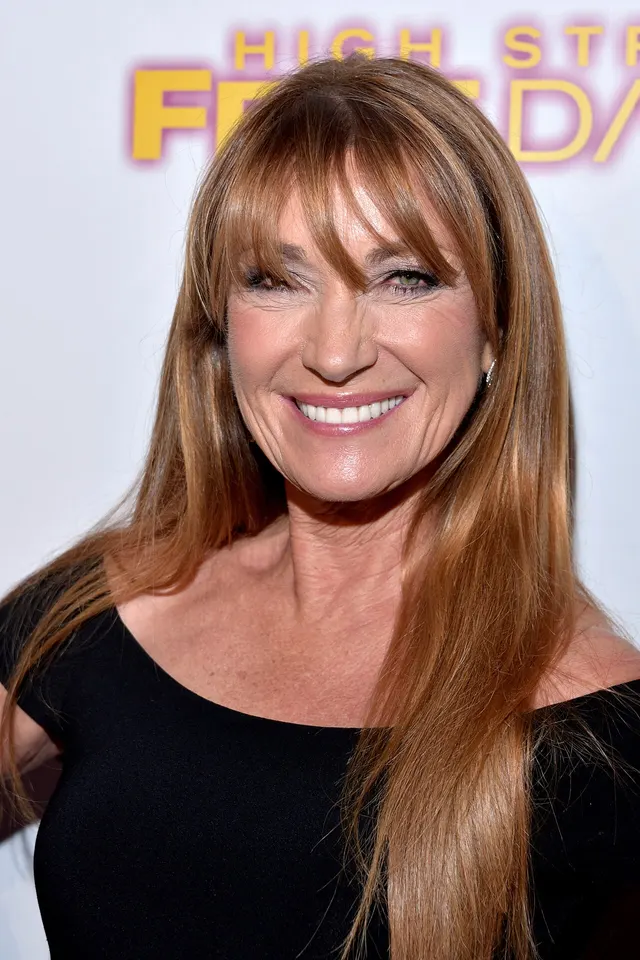
Jane Seymour
Image creditToglenn · CC BY-SA 4.0Resized and cropped for display.

Jane Seymour

English actress of Live and Let Die and Dr. Quinn, Medicine Woman.

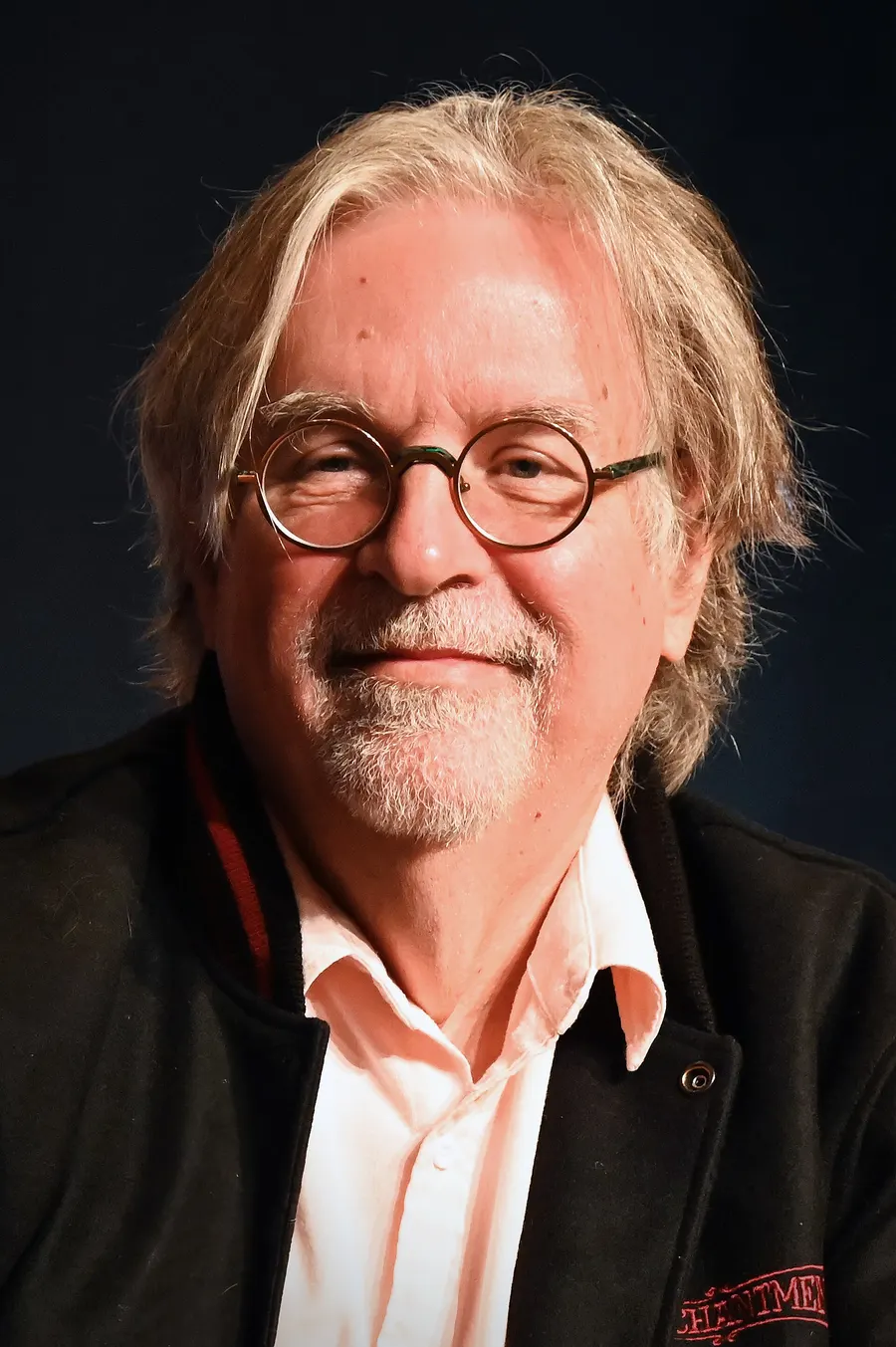
Matt Groening
Image creditPhilipRomanoPhoto · CC BY 4.0Resized and cropped for display.

Matt Groening

American cartoonist who created The Simpsons.

◉
IDEAS THAT CHANGED THINGS

Firsts, Science & Discoveries

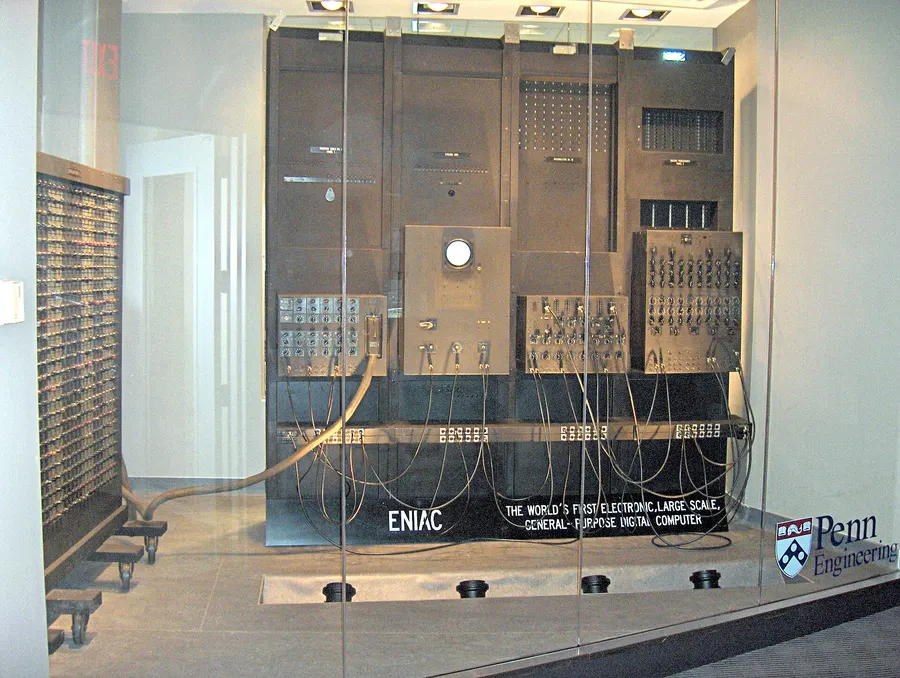
Surviving panels of ENIAC on display at the University of Pennsylvania's Moore School of Engineering.
Surviving panels of ENIAC on display at the University of Pennsylvania’s Moore School of Engineering.
Image creditThe original uploader was TexasDex at English Wikipedia. · CC BY-SA 3.0Resized and cropped for display.

ENIAC, the first general-purpose electronic computer, is dedicated

During the Second World War the US Army needed faster ways to calculate artillery firing tables. At the University of Pennsylvania’s Moore School, John Mauchly and J. Presper Eckert built ENIAC, a machine with about 18,000 vacuum tubes that filled a large room and could be reprogrammed for different problems.

The army showed it to the press on 14 February 1946, and on 15 February it was formally dedicated at the university, when an army general pressed a button to set it running. It could do thousands of additions a second, far faster than any machine before it. Much of the programming was done by a team of women mathematicians, whose work was long overlooked.

Read the full storyHistory & Timeline →Source: Penn Engineering: ENIAC ↗
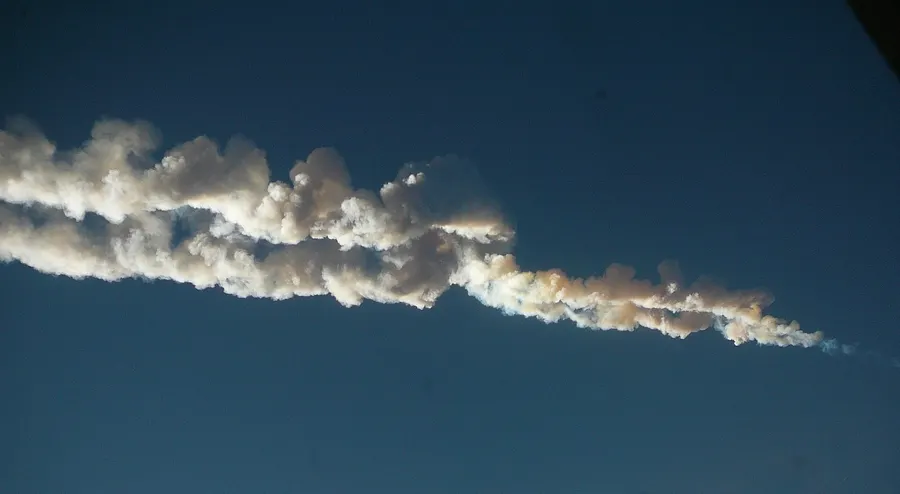
The trail left by the meteor over Chelyabinsk on the morning of 15 February 2013.
Image creditNikita Plekhanov · CC BY-SA 3.0Resized and cropped for display.

A meteor explodes over Chelyabinsk

On the morning of 15 February 2013 a small asteroid, about 20 metres across, entered the atmosphere at great speed over the Ural region of Russia. Brighter than the Sun for a moment, it blew apart high above the city of Chelyabinsk.

The blast released energy equal to about 500 kilotons of TNT. Its shock wave shattered windows across the city, and some 1,500 people needed medical help, mostly for cuts from flying glass. It was the largest such airburst since the Tunguska event of 1908 and, recorded by countless dashboard cameras, it made space agencies take the threat of small asteroids more seriously.

Read the full storyHistory & Timeline →Source: European Space Agency: Russia asteroid impact, ESA update and assessment ↗
☆
SPORTING HISTORY

Sporting Moments

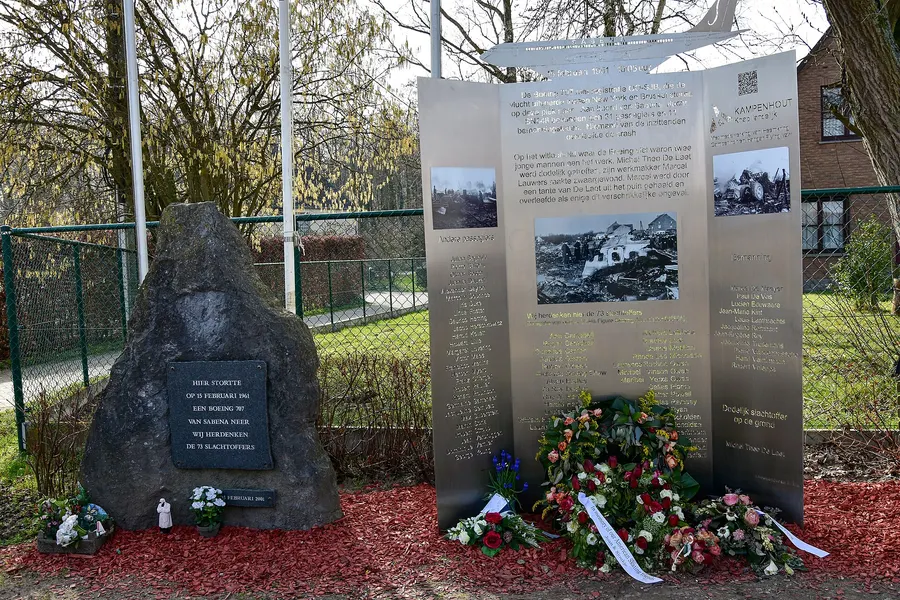
The memorial to the victims of Sabena Flight 548 at Berg, Kampenhout, Belgium, in March 2021.
Image creditPaul Hermans · CC BY-SA 4.0Resized and cropped for display.

The US figure skating team is lost in a plane crash

In February 1961 the United States team set out for the World Figure Skating Championships in Prague on Sabena Flight 548 from New York to Brussels.

On 15 February the plane crashed while approaching Brussels airport, at Berg near Kampenhout, and all 72 people on board and one person on the ground were killed. Among them were 18 members of the US team, including the 16-year-old national champion Laurence Owen, and several coaches and family members. The championships were cancelled, and the US Figure Skating Memorial Fund, set up in the team’s memory, still supports young skaters.

Read the full storyHistory & Timeline →Source: US Figure Skating: Memorial Fund ↗
✦
LIVES REMEMBERED

Remembered Today

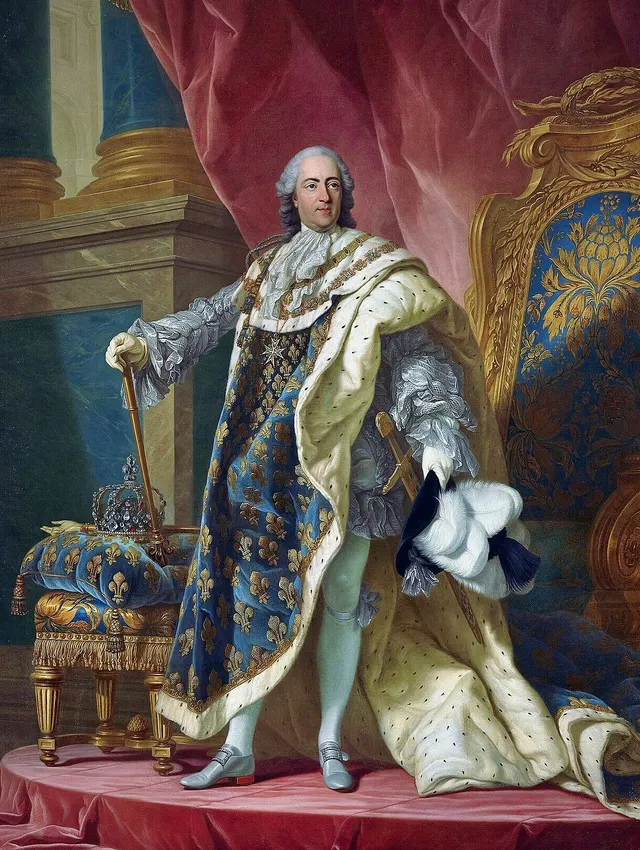
Ferdinand II
Image creditUnidentified painter · Public domainResized and cropped for display.

Ferdinand II

Holy Roman Emperor whose attempts to restore Catholicism in Bohemia helped start the Thirty Years’ War.

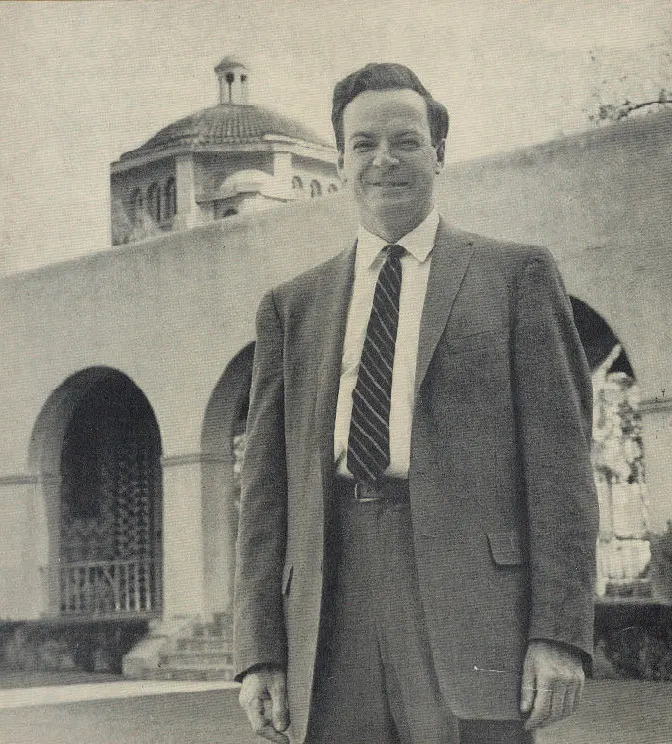
Richard Feynman
Image creditUnknown · Public domainResized and cropped for display.

Richard Feynman

American physicist who shared the 1965 Nobel Prize for quantum electrodynamics.

☉
AROUND THE WORLD

Observances & Anniversaries

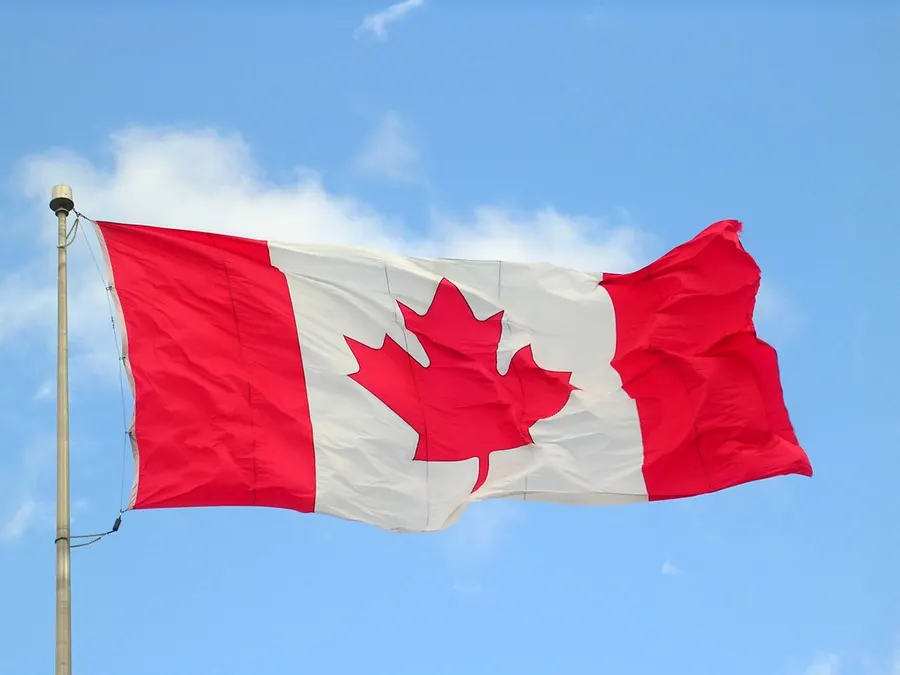
The Canadian flag flying in Halifax, Nova Scotia, in September 2004.
Image creditPhotograph taken by Jared Grove (Phobophile) with a Nikon Coolpix 3200. · CC BY-SA 3.0Resized and cropped for display.

National Flag of Canada Day

At noon on 15 February 1965 the red and white maple leaf flag was raised on Parliament Hill in Ottawa for the first time, replacing the Canadian Red Ensign after a long and bitter debate in Parliament. Since 1996 the anniversary has been kept as National Flag of Canada Day.

Source: Government of Canada: National Flag of Canada Day ↗
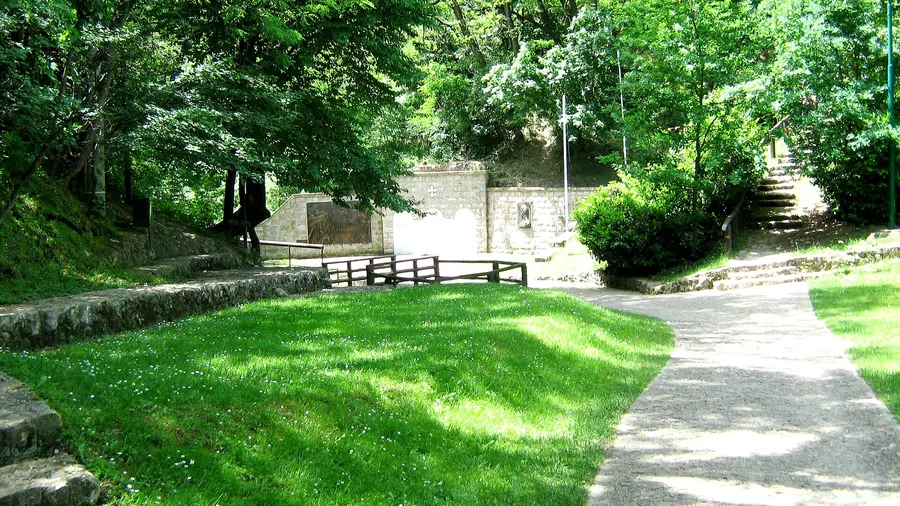
Marićevića jaruga at Orašac, Serbia, where the First Serbian Uprising began, in May 2013.
Image creditFortunato32 · CC BY-SA 3.0Resized and cropped for display.

Statehood Day (Serbia)

Serbia’s Statehood Day, Sretenje, recalls two events on 15 February: the start of the First Serbian Uprising against Ottoman rule at Orašac in 1804, and the proclamation of the Sretenje Constitution of the Principality of Serbia in 1835. The main state ceremony is often held at Orašac.

Source: Government of Serbia: central state ceremony marking Statehood Day held in Orašac ↗
HISTORY & TIMELINE

Finished the highlights?

Follow 15 February chronologically, from the Middle Ages to the modern day, with 8 verified events and the sources behind them.

This day through time →