Explore 8 February

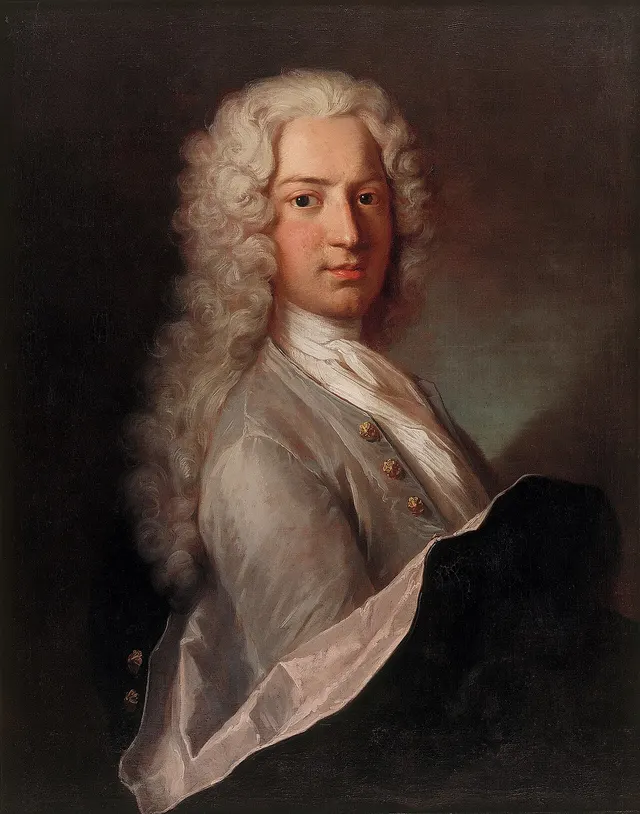
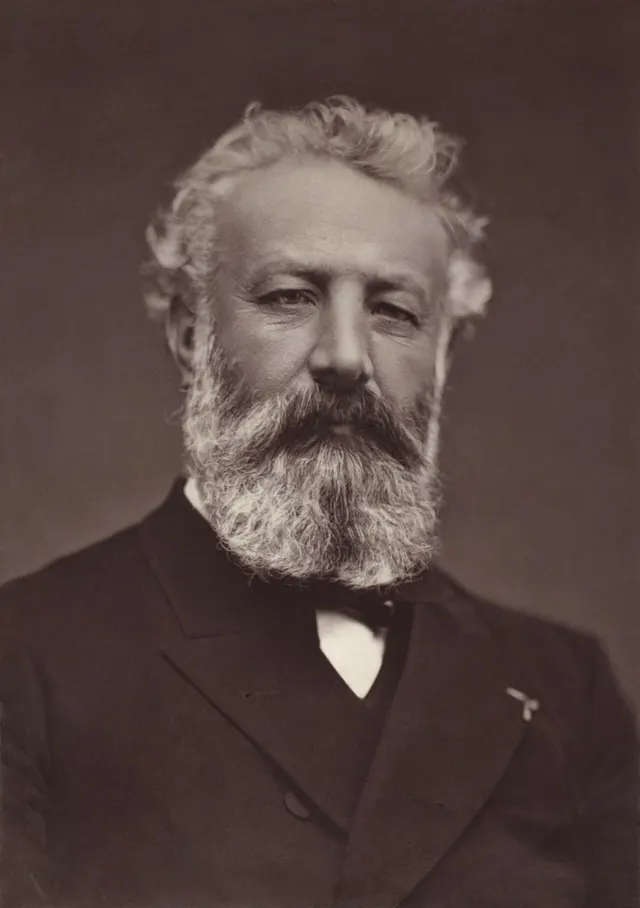
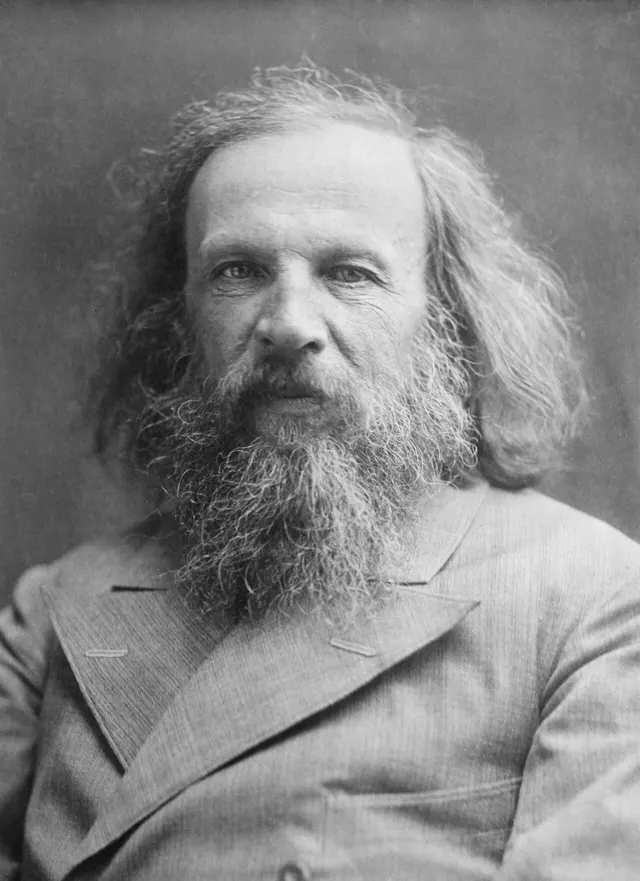
Explore 8 February: crusaders are trapped in the Egyptian town of Mansurah, Mary, Queen of Scots is beheaded at Fotheringhay, Japan opens war on Russia with a night attack on Port Arthur and Japanese troops cross to Singapore. Meet Jules Verne, Dmitri Mendeleev and James Dean, born on 8 February.

This day through time →8 verified events across 3 eras

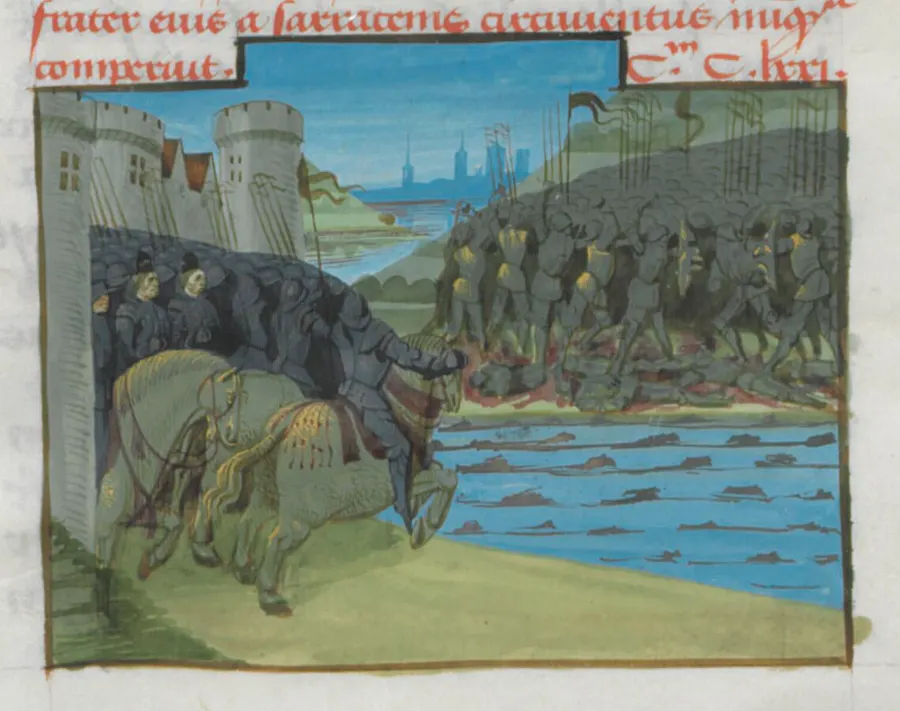
The Battle of Mansurah in a fifteenth-century French manuscript (Bibliothèque nationale de France, Latin 4915).
Image creditMaster of Jouvenel des Ursins · Public domainResized and cropped for display.

Crusaders are trapped in the Egyptian town of Mansurah

In 1249 King Louis IX of France led the Seventh Crusade to Egypt, reasoning that Jerusalem could be won by first conquering the richest Muslim state. He took the port of Damietta and marched up the Nile towards Cairo, but his army was held up for weeks at a canal in front of the town of Mansurah.

On 8 February 1250 the crusaders found a ford. The king’s brother Robert of Artois, leading the vanguard, overran the Egyptian camp and then, against advice, charged into the town, where he and most of his knights were cut down in the narrow streets. Louis held the field that day, but his army was worn down by attack and disease. In April he was captured and had to pay a huge ransom. In the same weeks the Mamluk soldiers who had won the fight seized power in Egypt.

Read the full storyHistory & Timeline →Source: Encyclopaedia Britannica: Al-Mansurah ↗
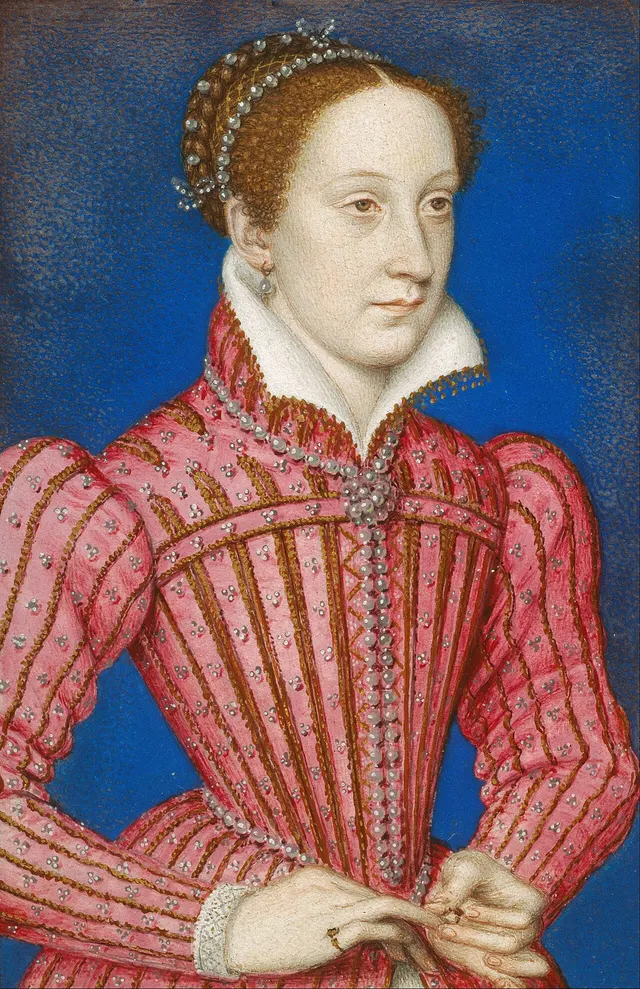
Mary, Queen of Scots, painted by François Clouet around 1558-60, when she was a young queen in France.
Image creditFrançois Clouet · Public domainResized and cropped for display.

Mary, Queen of Scots is beheaded at Fotheringhay

Mary became queen of Scotland at six days old and was brought up in France. Forced to give up her throne in 1567, she fled to England, where her cousin Elizabeth I kept her a prisoner for almost twenty years. As a Catholic with a strong claim to the English crown, she was the focus of plot after plot.

In 1586 Elizabeth’s spymaster, Francis Walsingham, intercepted letters in which Mary approved the Babington plot to kill Elizabeth. She was tried and condemned, and after long hesitation Elizabeth signed the death warrant. On the morning of 8 February 1587, hours after writing a last letter to the king of France, Mary was beheaded in the great hall of Fotheringhay Castle. Her son James VI of Scotland became king of England in 1603.

Read the full storyHistory & Timeline →Source: National Library of Scotland: the last letter of Mary, Queen of Scots ↗
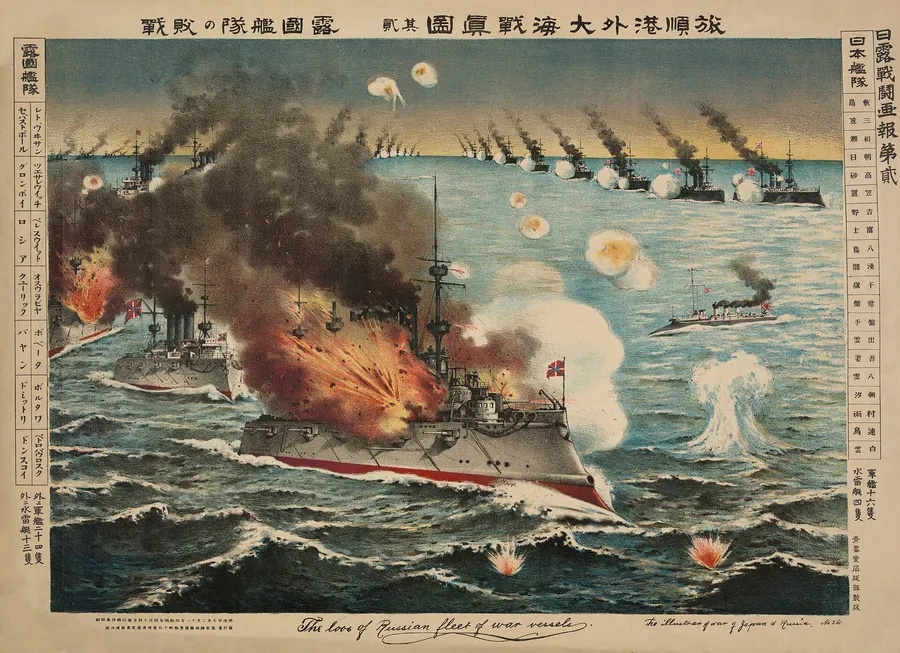
A Japanese print of 1904 by Kasai Torajirō showing Japanese battleships firing on the Russian fleet at Port Arthur.
Image creditKasai Torajirō · Public domainResized and cropped for display.

Japan opens war on Russia with a night attack on Port Arthur

Russia and Japan both wanted to dominate Manchuria and Korea. Russia had leased the fortified harbour of Port Arthur, now Lüshun in China, as a base for its Pacific fleet, which could threaten any Japanese army crossing to the mainland.

On the night of 8 February 1904, before war had been declared, Japanese destroyers under Admiral Tōgō Heihachirō slipped into the outer harbour and torpedoed two battleships and a cruiser. The ships were damaged rather than sunk, but the Russian fleet was bottled up. The war that followed ended in 1905 with a Japanese victory, the first defeat of a European great power by an Asian one in modern times.

Read the full storyHistory & Timeline →Source: Encyclopaedia Britannica: Battle of Port Arthur ↗
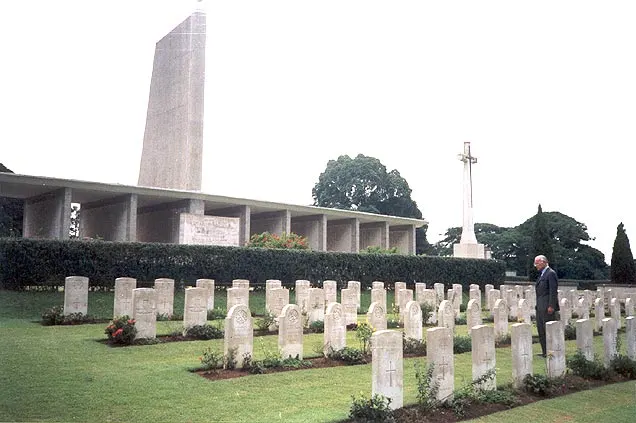
The war cemetery and memorial at Kranji, in the north of Singapore island.
Image creditOorlogsgraven stichting · CC BY 2.5Resized and cropped for display.

Japanese troops cross to Singapore

Britain had built Singapore into its great naval base in the East and called it a fortress. But in December 1941 Japanese forces landed in Malaya and in eight weeks drove the British, Indian and Australian defenders the length of the peninsula. On 31 January the last of them crossed the causeway to Singapore island.

At about 10.30 on the night of 8 February 1942, after a day of heavy shelling, Japanese troops crossed the Strait of Johor in boats and landed on the north-west coast, where Australian troops were too thinly spread to stop them. A week later General Percival surrendered with some 80,000 men, the largest surrender in British military history, and Singapore endured three and a half years of Japanese occupation.

Read the full storyHistory & Timeline →Source: National Library Board Singapore, Infopedia: Battle of Singapore ↗
♙
PEOPLE

Born Today

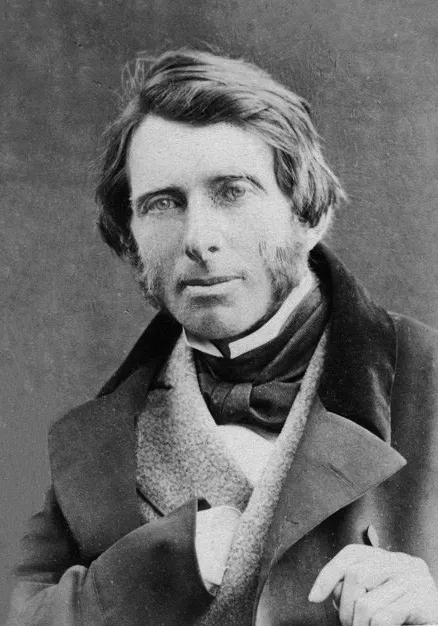
John Ruskin
Image creditW. & D. Downey · Public domainResized and cropped for display.

John Ruskin

English art critic and social thinker of Modern Painters and Unto This Last.

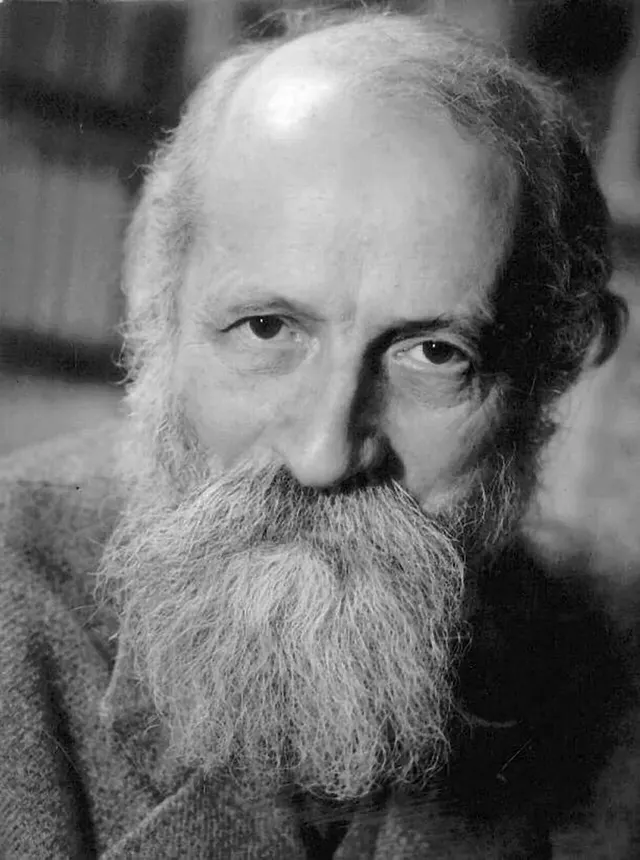
Martin Buber
Image creditUnknown · Public domainResized and cropped for display.

Martin Buber

Austrian-born Jewish philosopher of I and Thou.

Lana Turner
Image creditMGM · Public domainResized and cropped for display.

Lana Turner

American film star of The Postman Always Rings Twice.

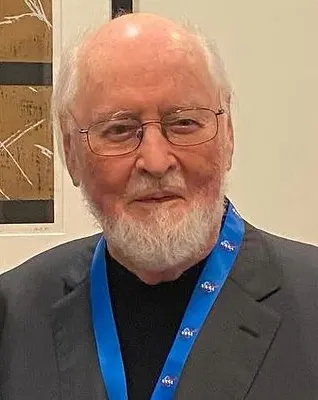
John Williams
Image creditLindseysharpe · CC BY-SA 4.0Resized and cropped for display.

John Williams

American composer of the music for Star Wars, Jaws and Schindler’s List.

◉
IDEAS THAT CHANGED THINGS

Firsts, Science & Discoveries

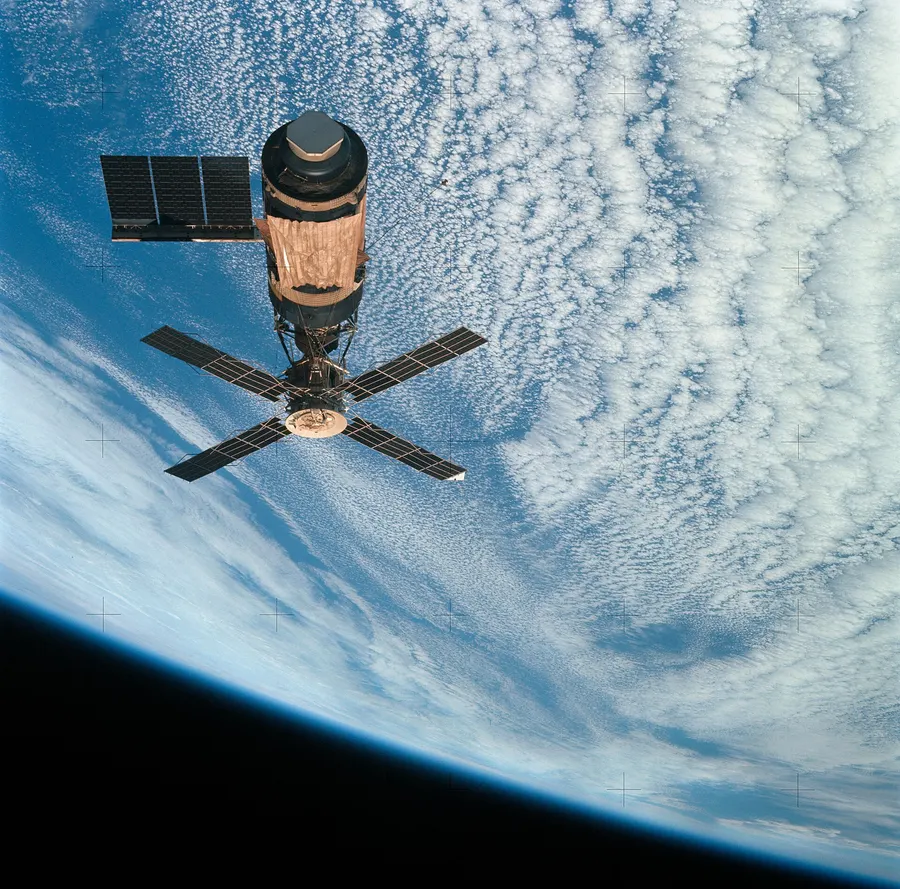
Skylab above a cloud-covered Earth, photographed by the departing Skylab 4 crew on 8 February 1974.
Image creditNASA Johnson Space Center · Public domainResized and cropped for display.

The last crew leaves Skylab after a record 84 days in space

Skylab, America’s first space station, was built from a spare Saturn V rocket stage and launched in 1973. Three crews in turn lived aboard, studying the Sun, the Earth and the effects of long spaceflight on the human body.

The third crew, Gerald Carr, Edward Gibson and William Pogue, arrived in November 1973. On 8 February 1974, after 84 days, a record that stood for four years, they undocked, photographed the empty station and splashed down in the Pacific off San Diego. No one visited Skylab again, and it fell back to Earth over Australia in 1979.

Read the full storyHistory & Timeline →Source: NASA: 50 years ago, Skylab 4 astronauts return from record-breaking spaceflight ↗
☆
SPORTING HISTORY

Sporting Moments

The Olympic cauldron of the 1992 Winter Games, preserved in Albertville, Savoie.
Image creditRémih · CC BY-SA 3.0Resized and cropped for display.

The Albertville Winter Olympics open

The 1992 Winter Games were held in Albertville and in ski resorts across the French Alps of Savoie. They were the last Winter Olympics held in the same year as the Summer Games, and a unified German team took part for the first time since 1964.

The opening ceremony on 8 February 1992, designed by the choreographer Philippe Decouflé, featured acrobats swinging from elastic ropes above the audience and set a new standard for Olympic spectacle.

Read the full storyHistory & Timeline →Source: Olympics.com: an architectural and artistic revival, Albertville 1992 ↗
✦
LIVES REMEMBERED

Remembered Today

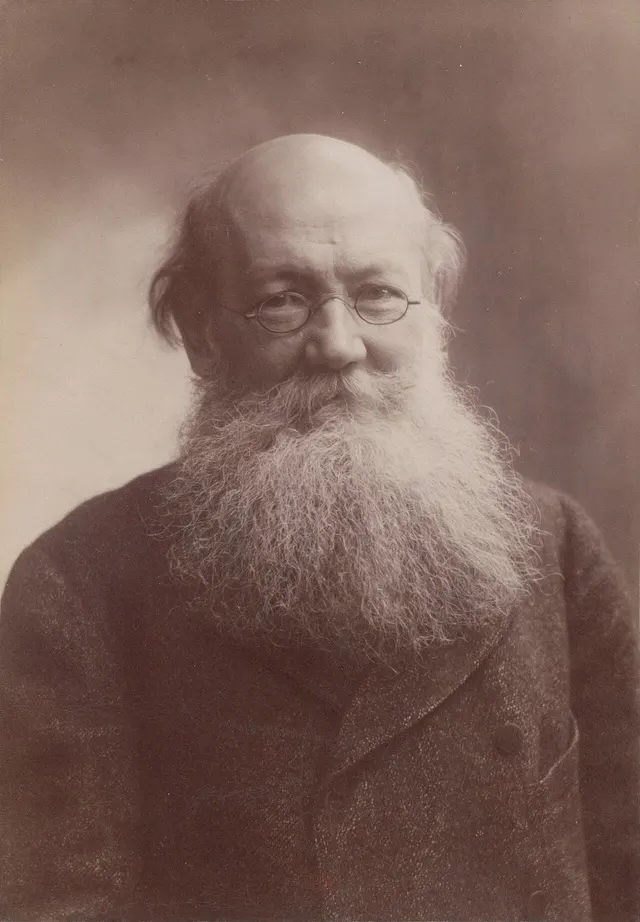
Peter Kropotkin
Image creditNadar · Public domainResized and cropped for display.

Peter Kropotkin

Russian prince, geographer and leading thinker of anarchism.

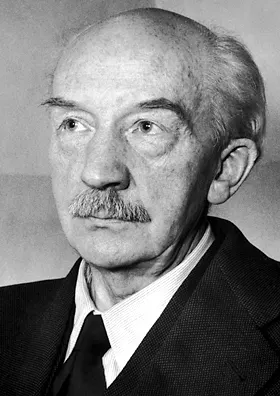
Walther Bothe
Image creditNobel foundation · Public domainResized and cropped for display.

Walther Bothe

German physicist who shared the 1954 Nobel Prize for his method of timing particle collisions.

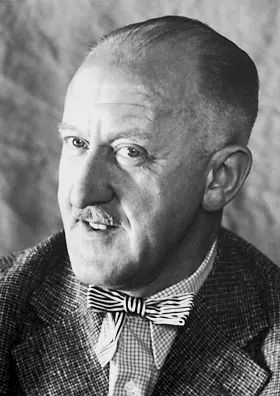
Halldór Laxness
Image creditNobel Foundation · Public domainResized and cropped for display.

Halldór Laxness

Icelandic novelist of Independent People, Nobel laureate in 1955.

☉
AROUND THE WORLD

Observances & Anniversaries

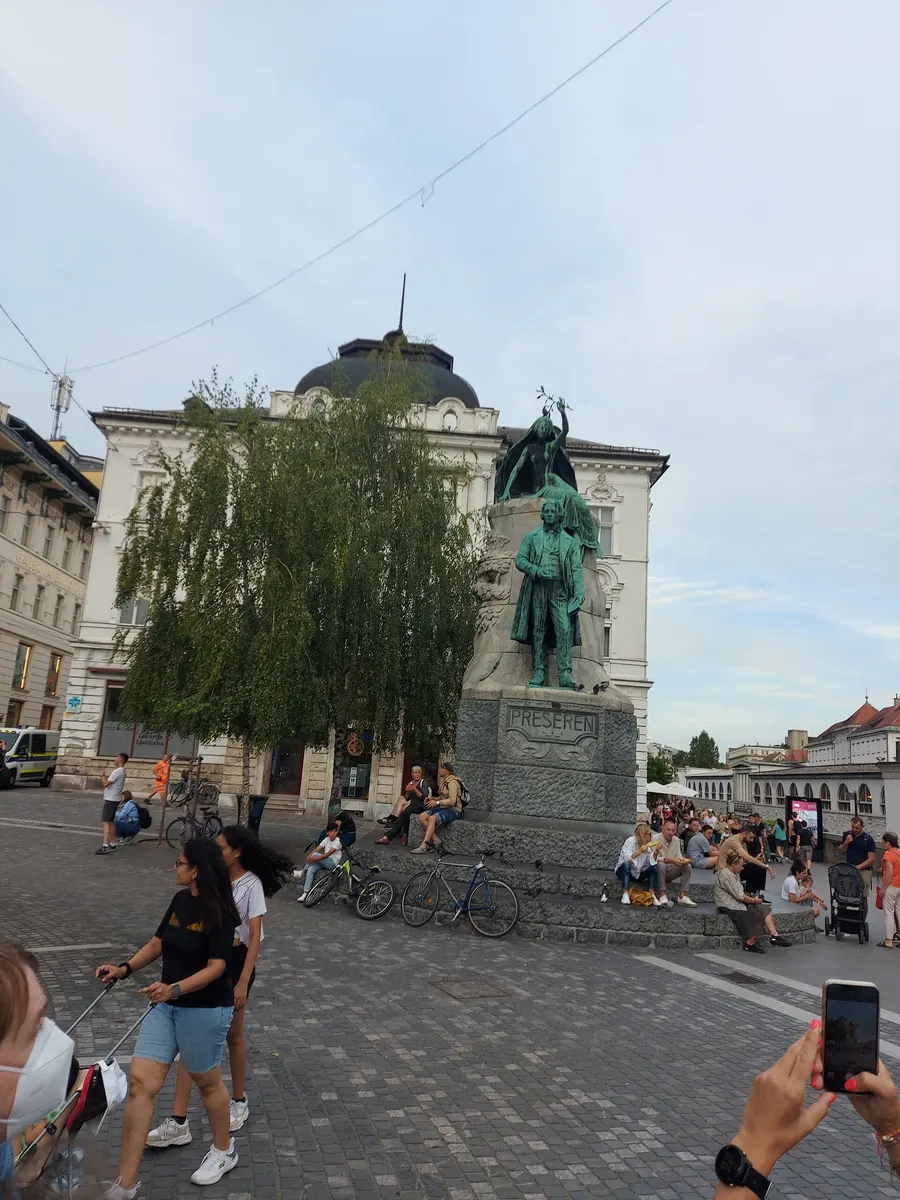
The monument to France Prešeren on Prešeren Square in Ljubljana.
Image creditFurkan Akkurt · CC BY-SA 4.0Resized and cropped for display.

Prešeren Day, Slovenia’s cultural holiday

Slovenia honours its culture on 8 February, the day in 1849 when the poet France Prešeren died. He showed that Slovene could be a language of great poetry, and a verse of his poem A Toast is the national anthem. The day is a public holiday, with free entry to museums and galleries, and the country’s highest arts awards, the Prešeren Prizes, are presented the evening before.

Source: Government of Slovenia: Prešeren Day, the Slovenian cultural holiday ↗
HISTORY & TIMELINE

Finished the highlights?

Follow 8 February chronologically, from the Middle Ages to the modern day, with 8 verified events and the sources behind them.

This day through time →