Explore 5 February

Explore 5 February: twenty-six Christians are executed at Nagasaki, the French marshal Bernadotte becomes king of Sweden and Norway, and Mexico’s revolutionary constitution is proclaimed at Querétaro. Meet Robert Peel, Hank Aaron and Cristiano Ronaldo, born on 5 February.

This day through time →7 verified events across 3 eras

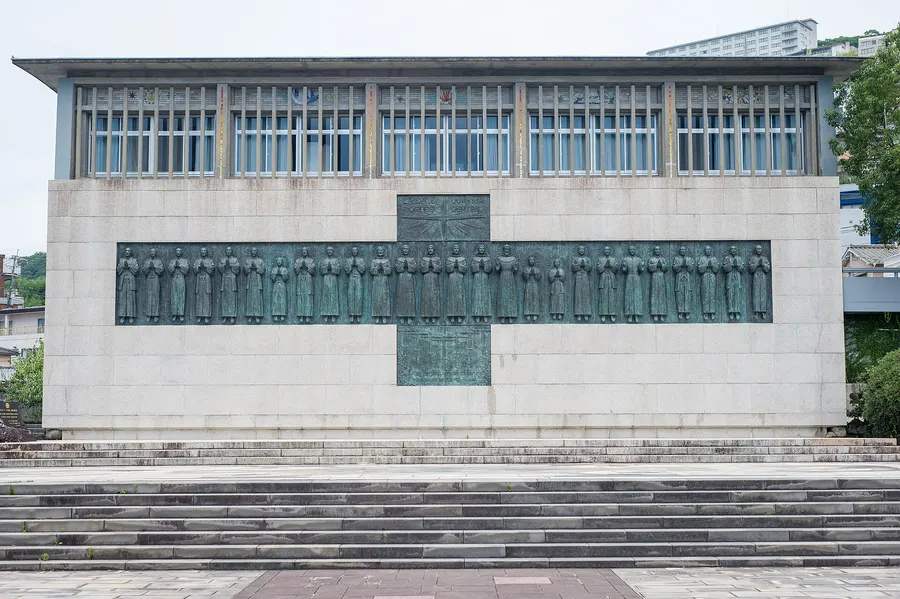
The monument to the 26 Martyrs on Nishizaka Hill, Nagasaki, where they died.
Image creditBigCheddah · CC BY-SA 4.0Resized and cropped for display.

Twenty-six Christians are executed at Nagasaki

Catholic missionaries had reached Japan in 1549 and won hundreds of thousands of converts, especially around the port of Nagasaki. Toyotomi Hideyoshi, who had united the country, came to see them as a threat and in 1587 ordered the missionaries out, though at first the order was little enforced.

Late in 1596 Hideyoshi had a group of Franciscan friars, Jesuits and Japanese lay Christians arrested in Kyoto and Osaka and marched to Nagasaki. On 5 February 1597 the twenty-six, among them three boys, were executed on crosses on Nishizaka Hill. Twenty were Japanese. It was the start of more than two centuries of persecution, during which Christianity survived only in secret. The martyrs were declared saints in 1862.

Read the full storyHistory & Timeline →Source: Encyclopaedia Britannica: 26 Martyrs of Japan ↗
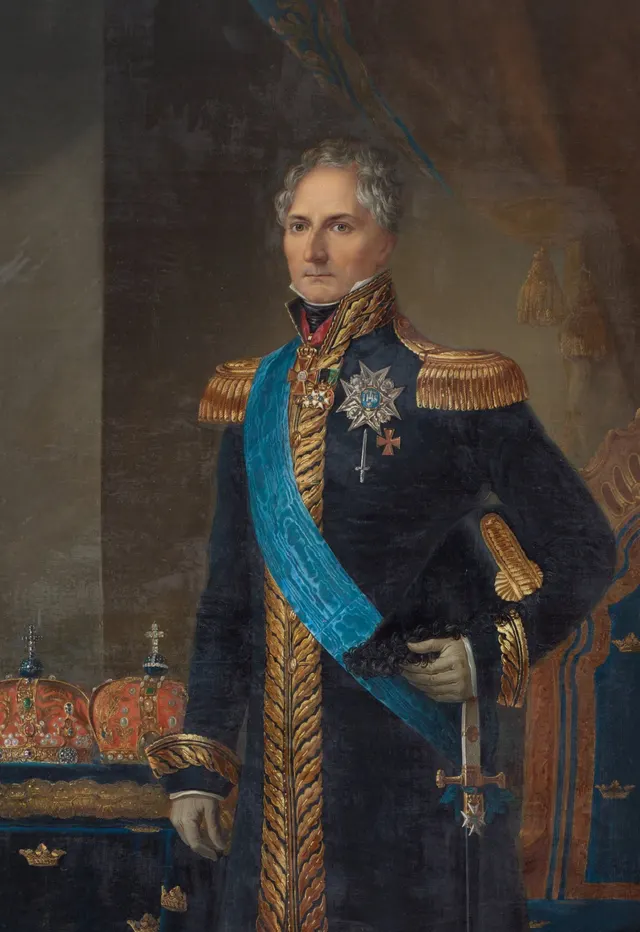
Charles XIV John, the former French marshal Jean-Baptiste Bernadotte, painted by Fredric Westin around 1843.
Image creditCarlsSston · CC0Resized and cropped for display.

A French marshal becomes king of Sweden and Norway

Jean-Baptiste Bernadotte, a lawyer’s son from Pau in south-west France, rose through the revolutionary armies to become one of Napoleon’s marshals. In 1810 Sweden, whose ageing king Charles XIII had no heir, surprised Europe by electing him crown prince.

Bernadotte soon turned against Napoleon, led an allied army against him in 1813 and won Norway for the Swedish crown in 1814. When Charles XIII died on 5 February 1818, he became King Charles XIV John of Sweden and Norway. He never learned to speak Swedish well, but he kept his kingdoms at peace for the rest of his reign, and his descendants still sit on the Swedish throne.

Read the full storyHistory & Timeline →Source: Encyclopaedia Britannica: Charles XIV John ↗
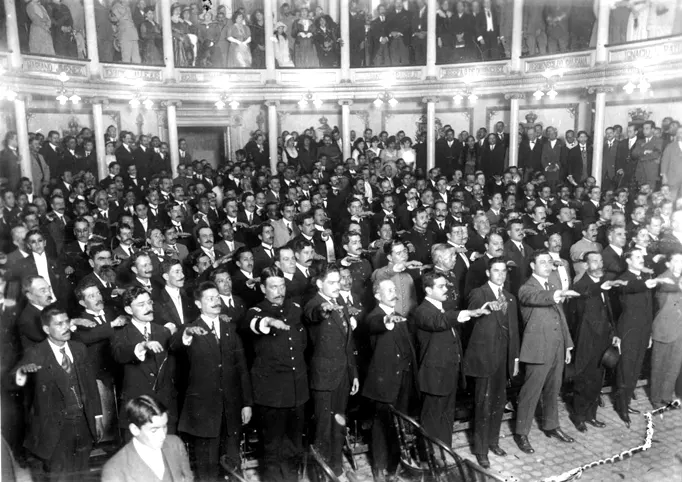
Members of the Constituent Congress take the oath to the new constitution in Querétaro, 5 February 1917.
Image creditUnknown authorUnknown author · Public domainResized and cropped for display.

Mexico’s revolutionary constitution is proclaimed

The Mexican Revolution began in 1910 against the long rule of Porfirio Díaz and turned into years of war between rival armies. By 1916 Venustiano Carranza’s Constitutionalists had the upper hand, and he called a congress in the city of Querétaro to write a new constitution.

Carranza proclaimed it on 5 February 1917. It went much further than his own draft: it was one of the first constitutions in the world to guarantee social rights, including free secular schooling, an eight-hour working day and the right to strike, while it gave the nation ownership of land and minerals and allowed great estates to be broken up. Much amended, it is still Mexico’s constitution, and its anniversary is a national holiday, now kept on the first Monday of February.

Read the full storyHistory & Timeline →Source: Government of Mexico, Secretariat of Foreign Affairs: centennial of the Mexican Constitution ↗
♙
PEOPLE

Born Today

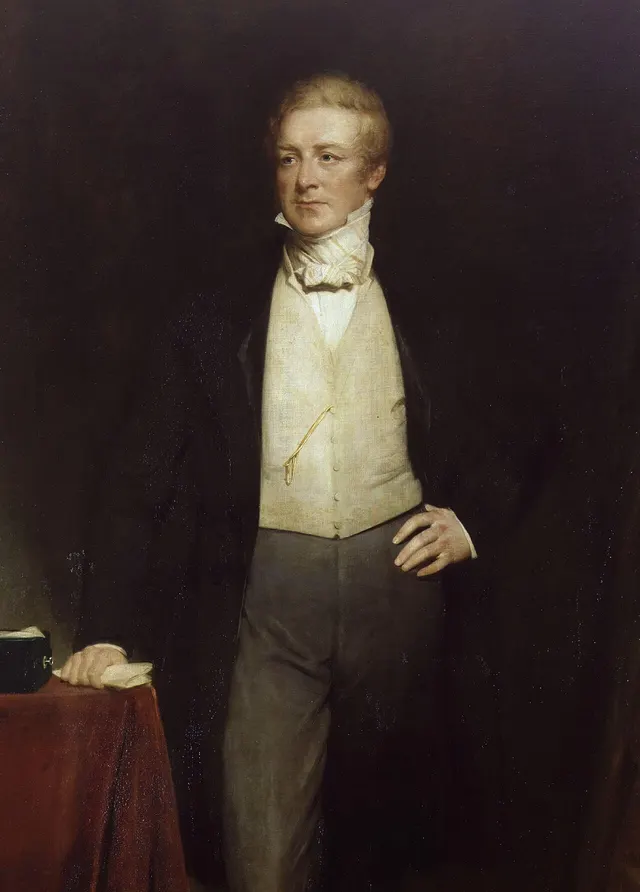
Robert Peel
Image creditHenry William Pickersgill · Public domainResized and cropped for display.

Robert Peel

British prime minister who founded London’s Metropolitan Police and repealed the Corn Laws.

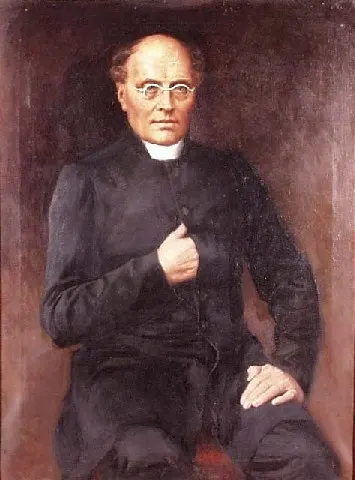
Johan Ludvig Runeberg
Image creditAlbert Edelfelt · Public domainResized and cropped for display.

Johan Ludvig Runeberg

Finland’s national poet, whose words became the national anthem.

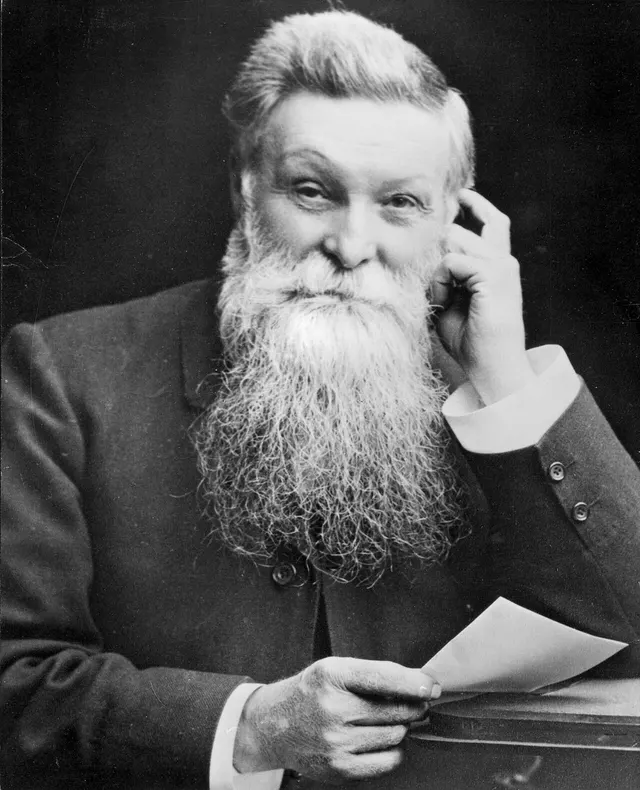
John Boyd Dunlop
Image creditUnknown · Public domainResized and cropped for display.

John Boyd Dunlop

Scottish vet who developed the first practical pneumatic tyre.

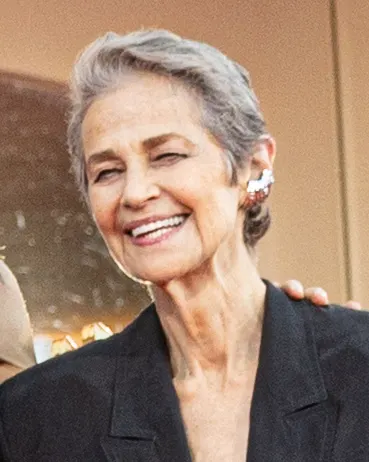
Charlotte Rampling
Image creditHarald Krichel · CC BY-SA 4.0Resized and cropped for display.

Charlotte Rampling

English actress of The Night Porter and 45 Years.

Cristiano Ronaldo
Image creditBryan Berlin · CC BY-SA 4.0Resized and cropped for display.

Cristiano Ronaldo

Portuguese footballer, five times winner of the Ballon d’Or.

◉
IDEAS THAT CHANGED THINGS

Firsts, Science & Discoveries

The equipment that generated the Greenwich time signal, the 'pips', in the 1970s.
The equipment that generated the Greenwich time signal, the ‘pips’, in the 1970s.
Image creditGeni dec 2008 · CC BY-SA 4.0Resized and cropped for display.

The BBC broadcasts the Greenwich ‘pips’ for the first time

In the early days of radio, people set their clocks by church bells, factory hooters or the post office. Frank Dyson, the Astronomer Royal, and the clockmaker Frank Hope-Jones saw that the new BBC could give the whole country the exact time from the Royal Observatory at Greenwich.

On the evening of 5 February 1924 Dyson spoke on the air about the observatory and then introduced the new signal: six short tones, the last marking the exact hour. Driven by the observatory’s precision clocks, later by quartz and atomic clocks, the ‘pips’ have been broadcast ever since.

Read the full storyHistory & Timeline →Source: Royal Museums Greenwich: history of the BBC pips ↗
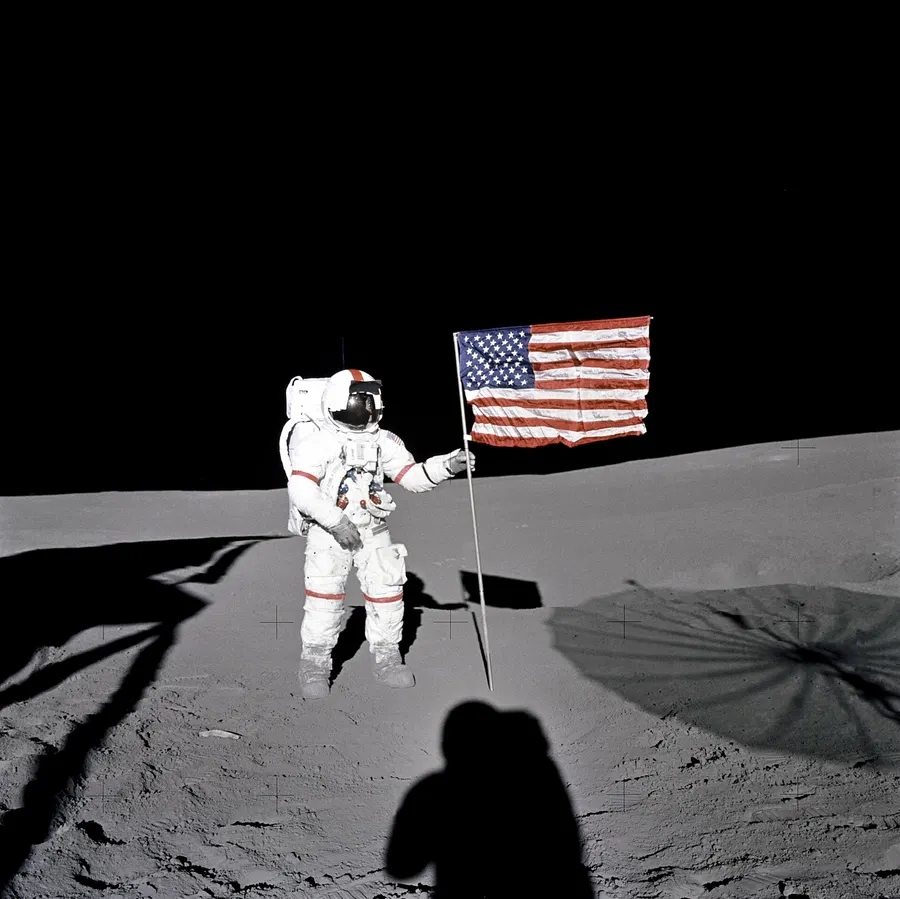
Alan Shepard beside the US flag in the Fra Mauro highlands during the first Apollo 14 moonwalk, 5 February 1971.
Image creditNASA Edgar D. Mitchell · Public domainResized and cropped for display.

Apollo 14 lands in the Fra Mauro highlands

The Fra Mauro highlands had been the target of Apollo 13, which was abandoned after an explosion in 1970. Apollo 14 was sent to the same place, commanded by Alan Shepard, who had been the first American in space ten years earlier.

Shepard and Edgar Mitchell landed their lunar module, Antares, on 5 February 1971, with about a minute of fuel to spare. In two moonwalks they set up scientific instruments and gathered 42 kilograms of rock, and Shepard famously hit two golf balls with a makeshift club. Apollo’s troubles were over: three more crews would walk on the Moon.

Read the full storyHistory & Timeline →Source: NASA: 50 years ago, Apollo 14 lands at Fra Mauro ↗
♫
MUSIC • FILM • BOOKS • CULTURE

Culture Stories

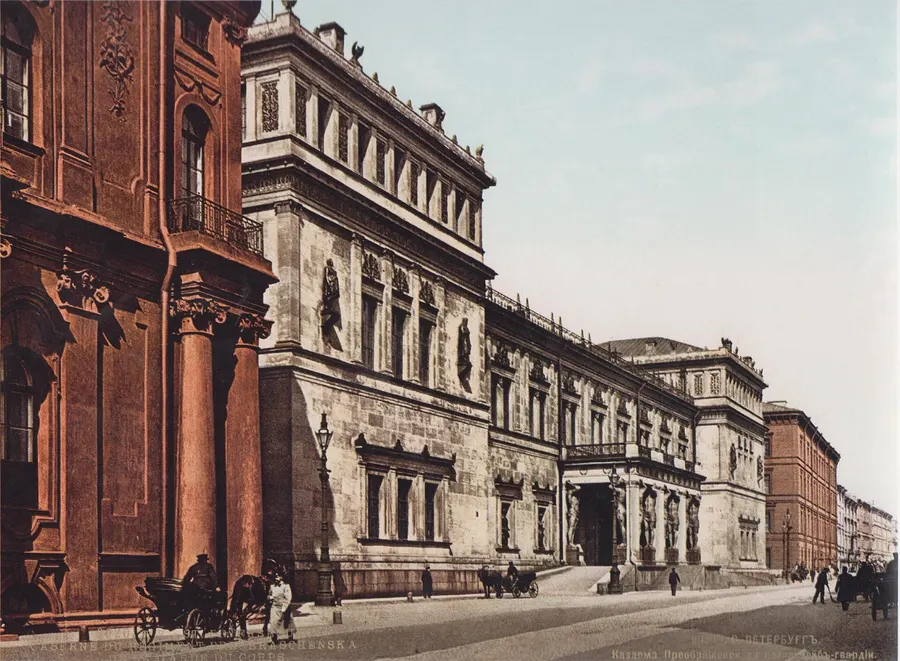
The New Hermitage on Millionnaya Street, St Petersburg, in a coloured photochrome print of the 1890s.
Image creditUnknown authorUnknown author · Public domainResized and cropped for display.

The New Hermitage opens in St Petersburg

Catherine the Great began the Hermitage collection in the 1760s as a private gallery in her palace. By the nineteenth century it had grown into one of the greatest art collections in Europe, but it was still shut away inside the imperial residence.

Nicholas I commissioned the German architect Leo von Klenze to design a proper museum building, its entrance guarded by granite giants, the Atlantes. The New Hermitage opened with a grand ceremony on 5 February 1852, the first building in Russia made to be a public art museum. Today the State Hermitage holds some three million objects.

Read the full storyHistory & Timeline →Source: State Hermitage Museum: the opening of the Imperial Museum of the New Hermitage, 1852 ↗
✦
LIVES REMEMBERED

Remembered Today

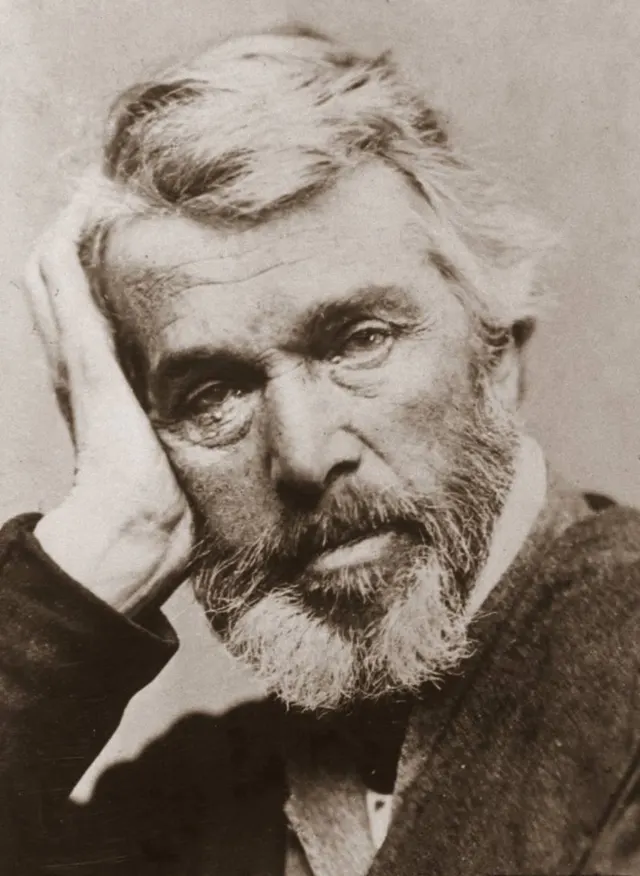
Thomas Carlyle
Image creditElliott & Fry · Public domainResized and cropped for display.

Thomas Carlyle

Scottish historian and essayist of The French Revolution.

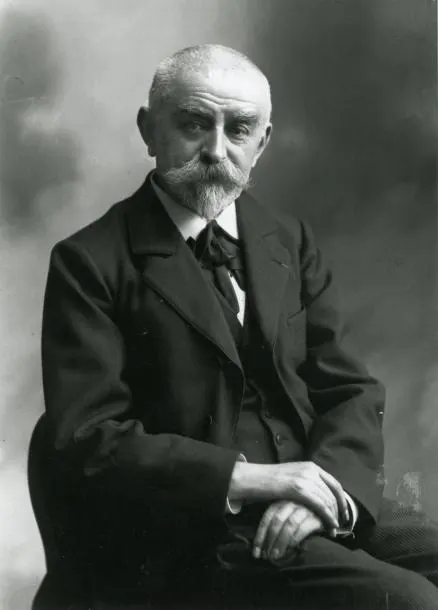
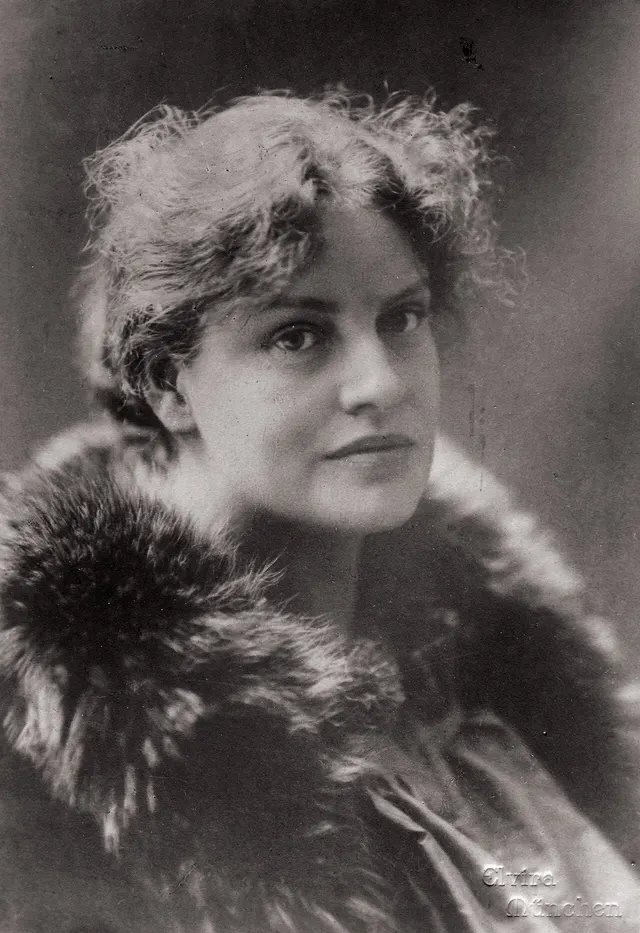
Lou Andreas-Salomé
Image creditHofatelier Elvira · Public domainResized and cropped for display.

Lou Andreas-Salomé

Russian-born writer and psychoanalyst, friend of Nietzsche, Rilke and Freud.

Wassily Leontief
Image creditKeystone · Public domainResized and cropped for display.

Wassily Leontief

Russian-American economist who won the Nobel Prize for input-output analysis.

☉
AROUND THE WORLD

Observances & Anniversaries

A Runeberg torte, the small almond cake topped with raspberry jam and icing that Finns eat on Runeberg Day.
Image creditPicture: Ville KoistinenModified by -Majestic- · CC BY 2.5Resized and cropped for display.

Runeberg Day in Finland

Finland marks the birthday of its national poet, Johan Ludvig Runeberg, born on 5 February 1804, as a flag day. His poem Our Land became the national anthem, and on his day Finns eat Runeberg tortes, small cakes said to have been a favourite of the poet himself.

Source: Ministry of the Interior of Finland: flag-flying days ↗
HISTORY & TIMELINE

Finished the highlights?

Follow 5 February chronologically, from the Middle Ages to the modern day, with 7 verified events and the sources behind them.

This day through time →