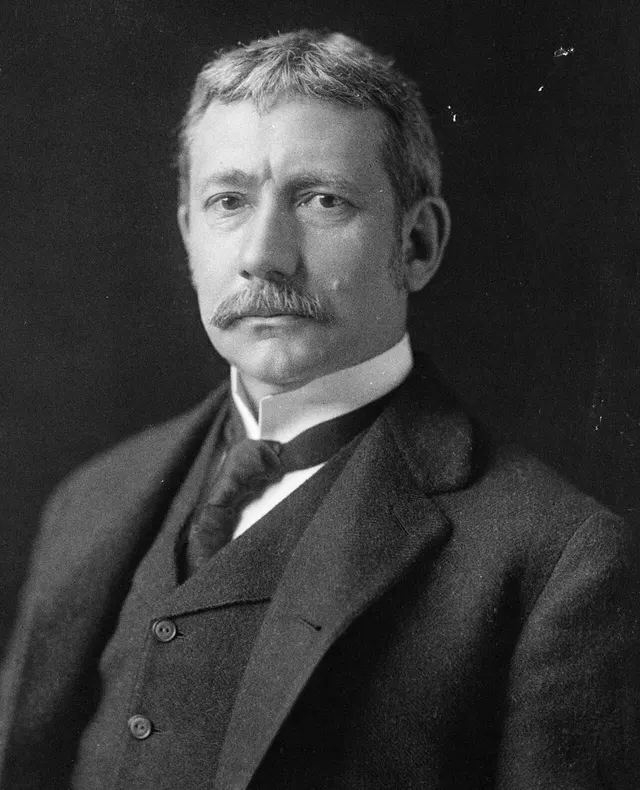
Explore 7 February

Explore 7 February: Émile Zola goes on trial for accusing the French army over the Dreyfus affair, Grenada becomes independent, twelve European countries sign the Maastricht Treaty and Jordan mourns King Hussein. Meet Charles Dickens, Thomas More and Laura Ingalls Wilder, born on 7 February.

This day through time →8 verified events across 2 eras

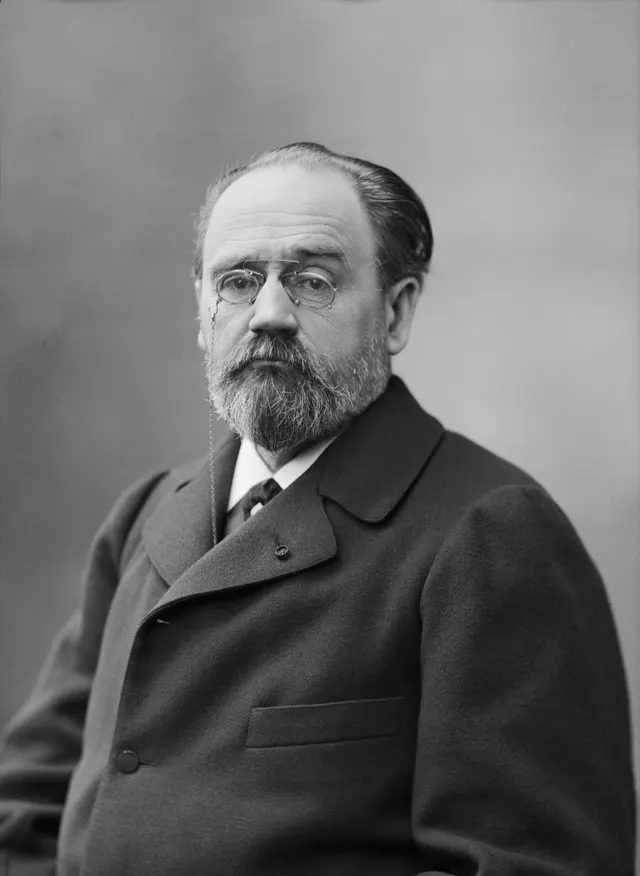
Émile Zola, photographed by Nadar.
Image creditNadar · Public domainResized and cropped for display.

Émile Zola goes on trial for ‘J’accuse’

In 1894 Alfred Dreyfus, a Jewish captain in the French army, was convicted of spying for Germany on flimsy evidence and sent to Devil’s Island. Proof later emerged that another officer was the real spy, but the army acquitted him and closed ranks.

On 13 January 1898 the novelist Émile Zola published an open letter to the president, headed ‘J’accuse...!’, naming the officers he blamed for the cover-up. He meant to be prosecuted, so that the facts would come out in court. His trial for libel began in Paris on 7 February 1898 amid angry crowds; he was convicted and fled to England. The case split France, and Dreyfus was finally cleared in 1906.

Read the full storyHistory & Timeline →Source: Encyclopaedia Britannica: Dreyfus affair ↗
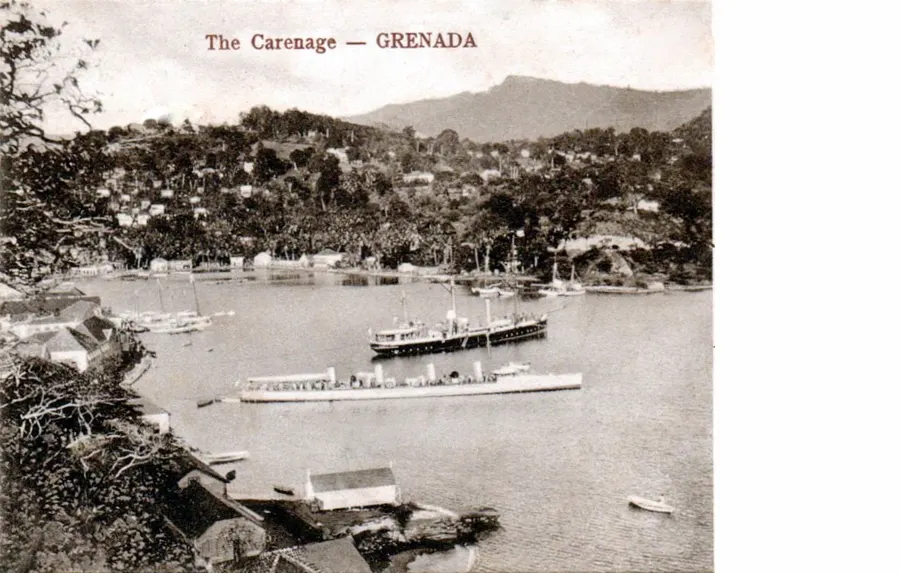
The Carenage, the harbour of St George's, Grenada, on a postcard published around 1906.
The Carenage, the harbour of St George’s, Grenada, on a postcard published around 1906.
Image creditWest Indian View Postcard, Series VII · Public domainResized and cropped for display.

Grenada becomes independent

Grenada, a small island of nutmeg and cocoa in the southern Caribbean, had been a British colony since the eighteenth century. From 1967 it governed its own affairs as an associated state, and its premier, Eric Gairy, pressed for full independence.

Independence came on 7 February 1974, amid strikes and protests against Gairy’s increasingly harsh rule. It is celebrated as Grenada’s national day. Five years later Gairy was overthrown in a coup by Maurice Bishop’s New Jewel Movement, and in 1983 a bloody split in that government was followed by a US-led invasion.

Read the full storyHistory & Timeline →Source: Encyclopaedia Britannica: Grenada, independence ↗
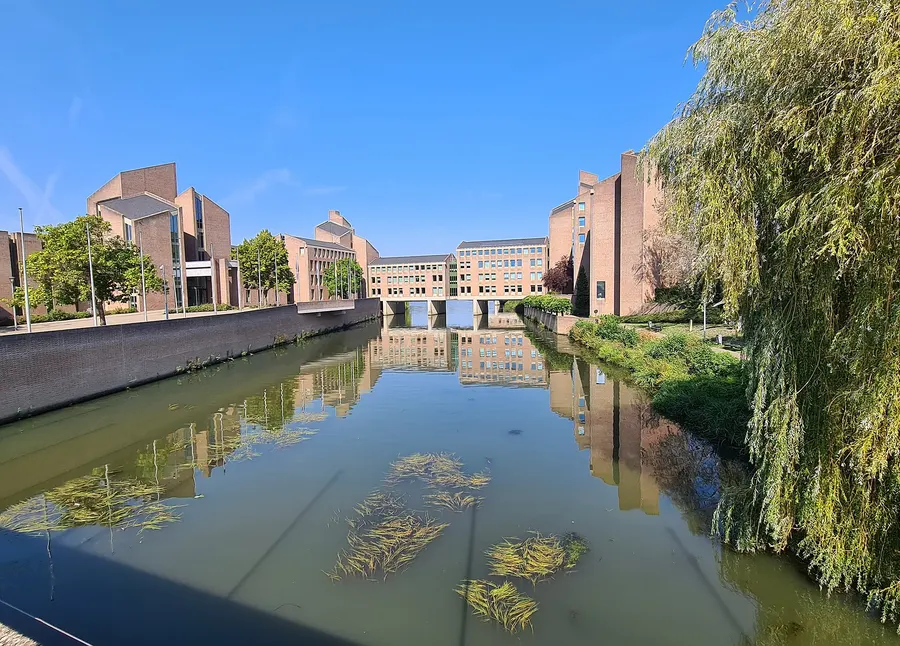
The Gouvernement aan de Maas, the seat of the province of Limburg, in Maastricht, seen across the Papenwater.
Image creditKleon3 · CC BY-SA 4.0Resized and cropped for display.

Twelve European countries sign the Maastricht Treaty

After the fall of the Berlin Wall and the reunification of Germany, the twelve members of the European Community agreed to bind themselves together more closely. Their leaders settled the terms in the Dutch city of Maastricht in December 1991.

On 7 February 1992 their foreign and finance ministers signed the Treaty on European Union there. It created the European Union and a citizenship of the Union, set a path to a single currency, which became the euro, and began common policies on foreign affairs, security and justice. Danish voters rejected it at first and French voters approved it only narrowly, but it came into force in November 1993.

Read the full storyHistory & Timeline →Source: European Parliament: the Maastricht Treaty ↗
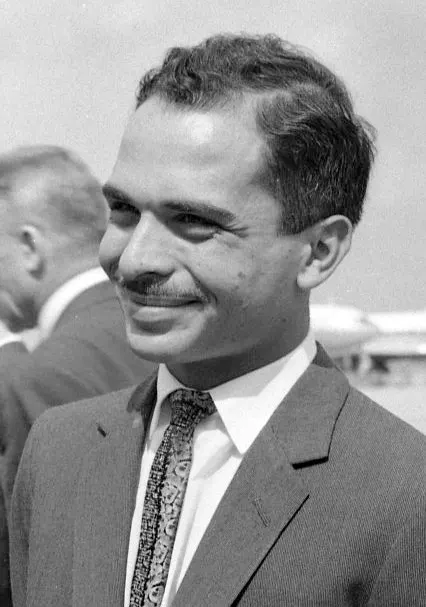
King Hussein of Jordan at an airport in France, September 1963.
Image creditAndré Cros · CC BY-SA 4.0Resized and cropped for display.

Jordan mourns King Hussein as Abdullah II takes the throne

Hussein bin Talal became king of Jordan in 1952 at the age of 17 and reigned for nearly half a century, steering a small country through wars with Israel, civil conflict in 1970 and waves of refugees. In 1994 he signed a peace treaty with Israel.

In January 1999, dying of cancer, he named his eldest son Abdullah as crown prince in place of his brother Hassan. Hussein died on 7 February 1999, and within hours Abdullah II was sworn in as king. World leaders, including old enemies, gathered in Amman for the funeral the next day.

Read the full storyHistory & Timeline →Source: Official website of King Abdullah II: about the King ↗
♙
PEOPLE

Born Today

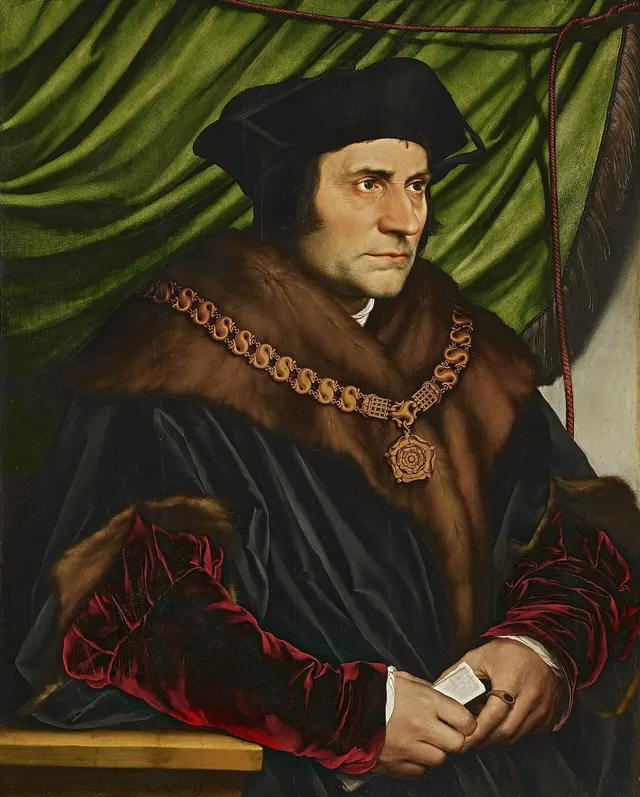
Thomas More
Image creditHans Holbein the Younger · Public domainResized and cropped for display.

Thomas More

English lawyer, author of Utopia, executed for refusing to accept Henry VIII as head of the Church.

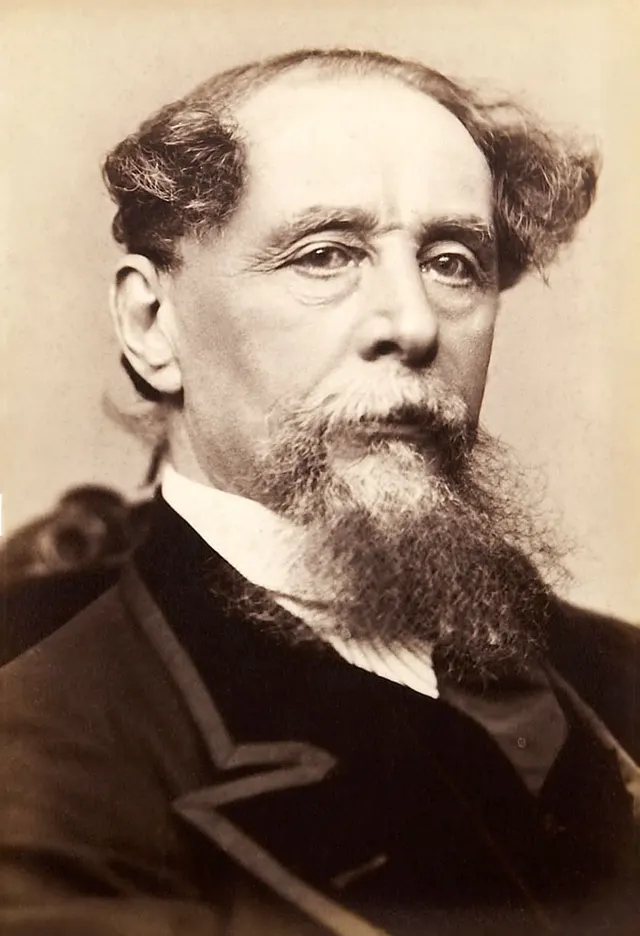
Charles Dickens
Image creditJeremiah Gurney · Public domainResized and cropped for display.

Charles Dickens

English novelist of Oliver Twist, David Copperfield and A Christmas Carol.

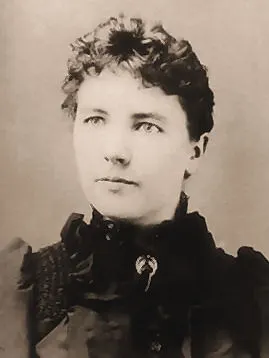
Laura Ingalls Wilder
Image creditUnknown photographer · Public domainResized and cropped for display.

Laura Ingalls Wilder

American writer of the Little House books about her pioneer childhood.

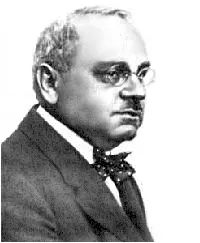
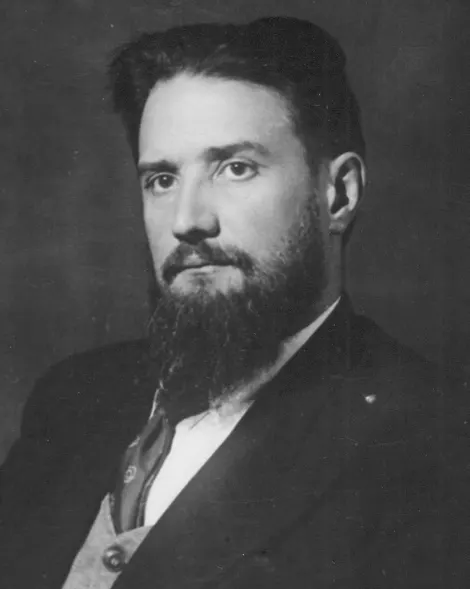
Alfred Adler
Image creditUnknown · Public domainResized and cropped for display.

Alfred Adler

Austrian psychiatrist who founded individual psychology.

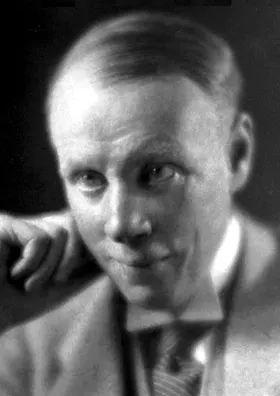
Sinclair Lewis
Image creditNobel Foundation · Public domainResized and cropped for display.

Sinclair Lewis

American novelist of Main Street and Babbitt, the first American Nobel laureate in literature.

◉
IDEAS THAT CHANGED THINGS

Firsts, Science & Discoveries

Bruce McCandless flying the Manned Maneuvering Unit above the Earth during the space shuttle mission STS-41-B, February 1984.
Image creditNASA · Public domainResized and cropped for display.

An astronaut flies free in space for the first time

Until 1984 every astronaut who left a spacecraft stayed tied to it by a line. NASA wanted crews to be able to fly out to satellites and repair them, and Bruce McCandless had spent years helping to develop a jet-powered backpack, the Manned Maneuvering Unit, for the job.

On 7 February 1984, during the space shuttle Challenger’s mission STS-41-B, he stepped out and flew untethered, steering with small bursts of nitrogen gas to nearly 100 metres from the shuttle. ‘It may have been one small step for Neil,’ he said, ‘but it’s a heck of a big leap for me.’ The photograph of him floating alone above the Earth became one of the best-known pictures of the space age.

Read the full storyHistory & Timeline →Source: NASA: the iconic photos from STS-41B, documenting the first untethered spacewalk ↗
☆
SPORTING HISTORY

Sporting Moments

The Nagano Olympic Stadium, where the opening ceremony of the 1998 Winter Games was held.
Image creditphoto: Qurren (talk) Taken with Canon IXY DIGITAL 450 · CC BY-SA 3.0Resized and cropped for display.

The Nagano Winter Olympics open

Japan held the Winter Olympics for the second time, 26 years after Sapporo, in the mountain city of Nagano, famous for its ancient Zenkō-ji temple.

On 7 February 1998 Emperor Akihito opened the Games before some 50,000 spectators, and more than 2,000 athletes from 72 nations took part. Nagano saw the first Olympic women’s ice hockey tournament, the first appearance of players from the North American NHL, the Olympic debut of snowboarding and the return of curling after 70 years.

Read the full storyHistory & Timeline →Source: Olympics.com: Nagano 1998 ↗
♫
MUSIC • FILM • BOOKS • CULTURE

Culture Stories

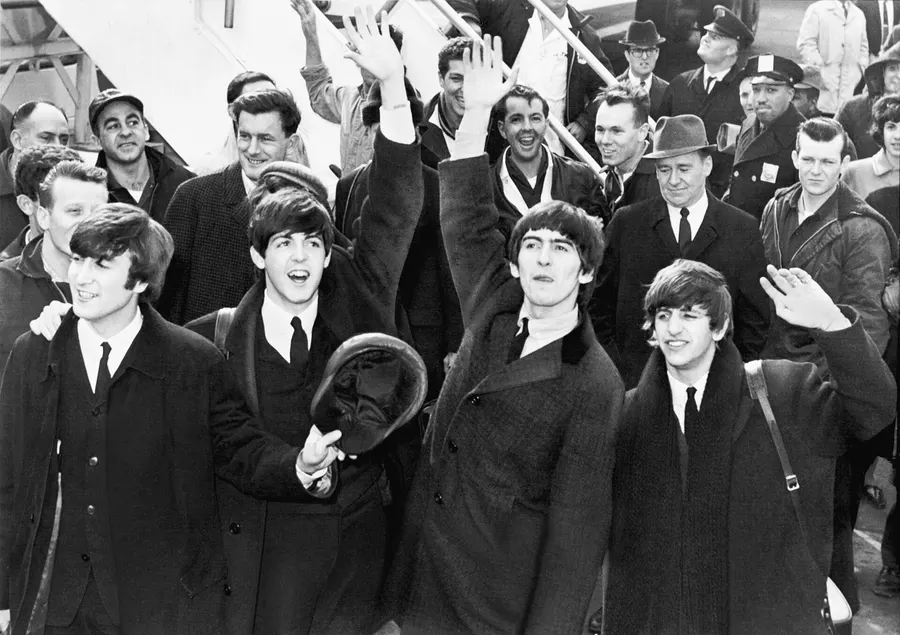
The Beatles wave to fans after arriving at New York's Kennedy Airport, 7 February 1964.
The Beatles wave to fans after arriving at New York’s Kennedy Airport, 7 February 1964.
Image creditUnited Press International, photographer unknown · Public domainResized and cropped for display.

The Beatles land in the United States

By the end of 1963 Beatlemania had swept Britain, but American record companies had shown little interest. Then I Want to Hold Your Hand went to number one in the United States in the first weeks of 1964, just as the band were due to cross the Atlantic.

On 7 February 1964 the Beatles stepped off a Pan Am flight at New York’s newly renamed Kennedy Airport to a welcome from some 4,000 screaming fans and about 200 reporters, whom they charmed at a witty press conference. Two days later more than 70 million people watched them on The Ed Sullivan Show, and the ‘British invasion’ of American pop had begun.

Read the full storyHistory & Timeline →Source: The Beatles (official site): the first US visit ↗
✦
LIVES REMEMBERED

Remembered Today

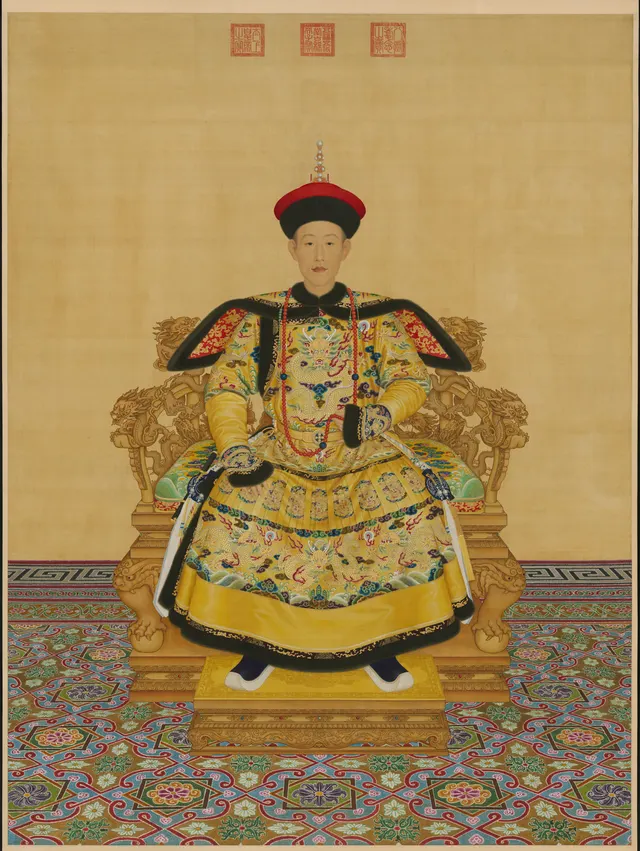
Qianlong Emperor
Image creditGiuseppe Castiglione · Public domainResized and cropped for display.

Qianlong Emperor

Qing emperor of China for sixty years, patron of art and learning.

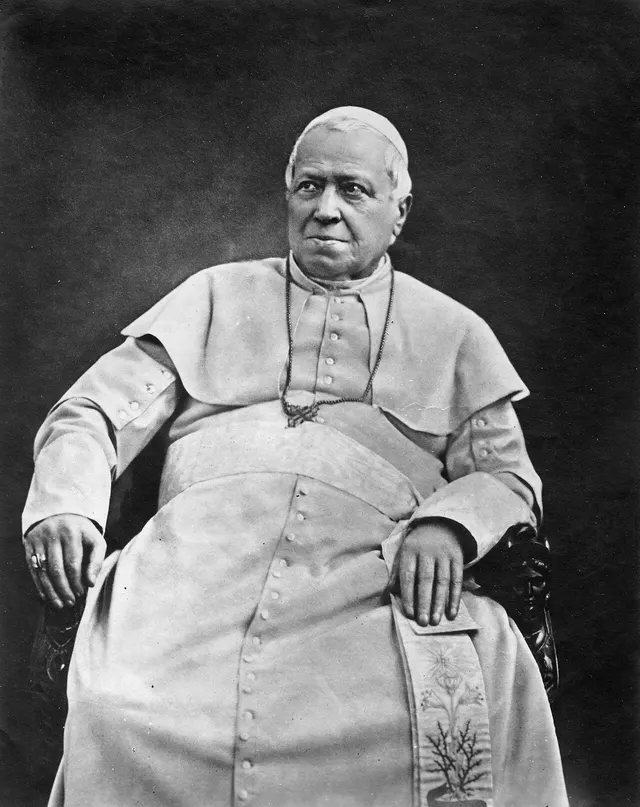
Pope Pius IX
Image creditAdolphe Braun · Public domainResized and cropped for display.

Pope Pius IX

The longest-reigning elected pope, who lost the Papal States and called the First Vatican Council.

HISTORY & TIMELINE

Finished the highlights?

Follow 7 February chronologically, from the Middle Ages to the modern day, with 8 verified events and the sources behind them.

This day through time →