Explore 3 February

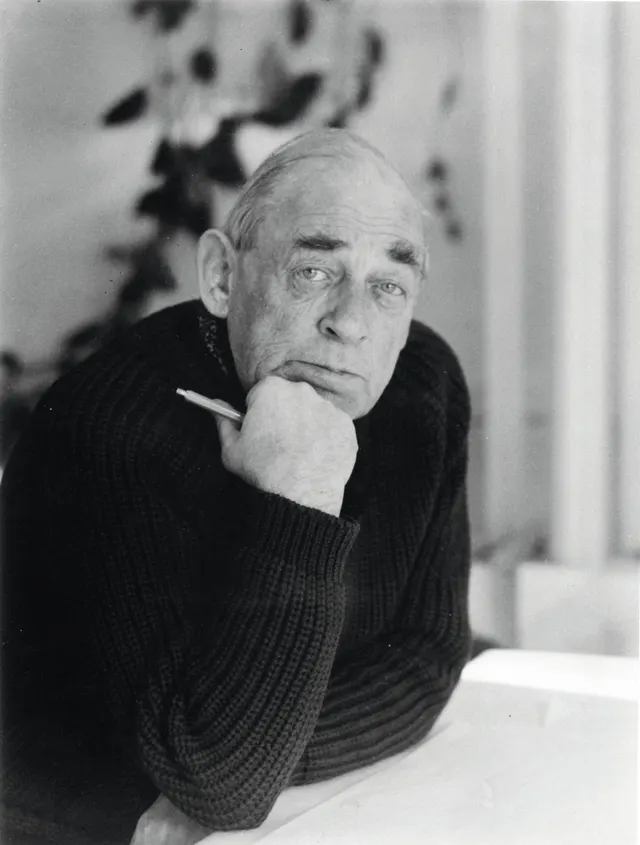
Explore 3 February: Bartolomeu Dias lands at Mossel Bay after rounding the tip of Africa, the Great Powers declare Greece independent, the Fifteenth Amendment is ratified and the Communist Party of Vietnam is founded in Hong Kong. Meet Felix Mendelssohn, Gertrude Stein and Alvar Aalto, born on 3 February.

This day through time →10 verified events across 3 eras

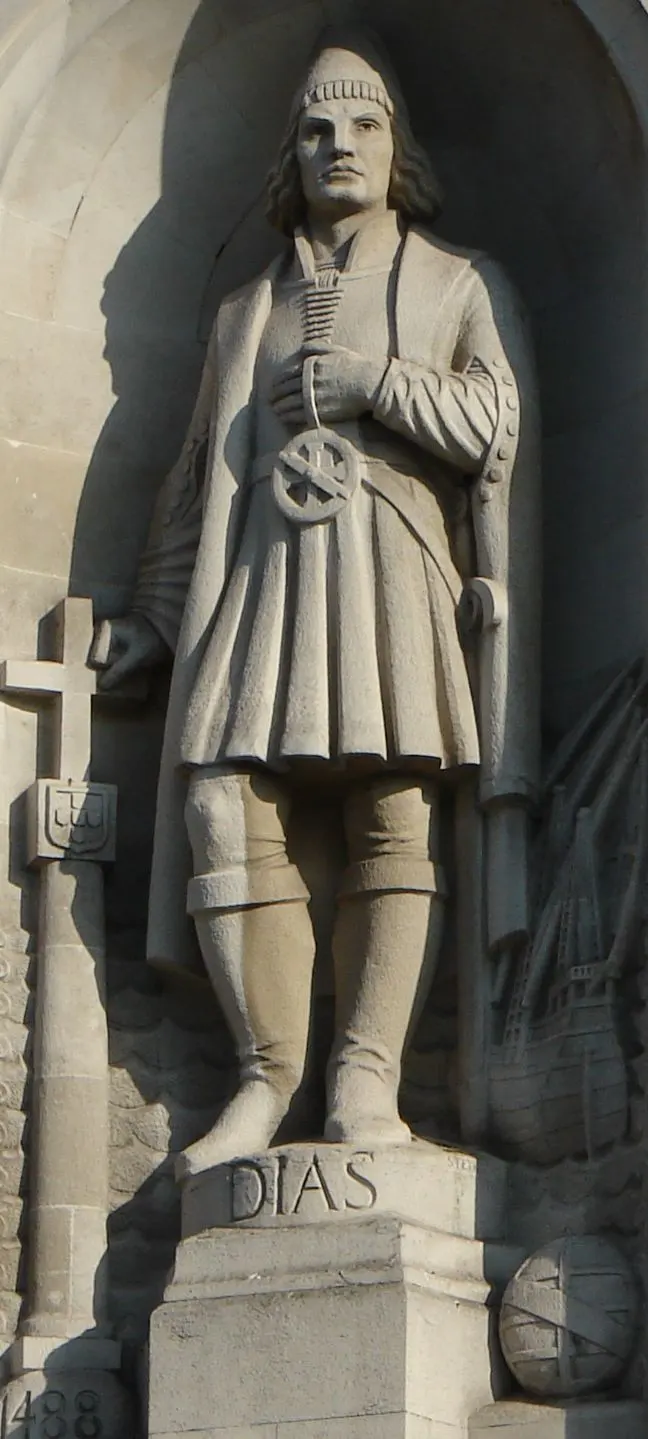
The statue of Bartolomeu Dias on South Africa House, the South African High Commission in London.
Image creditBartolomeu_Dias,_South_Africa_House.JPG: RedCoat (en:User:RedCoat10) derivative work: Biser Todorov (talk) · CC BY-SA 3.0Resized and cropped for display.

Bartolomeu Dias lands at Mossel Bay after rounding the tip of Africa

For decades Portuguese captains had crept down the west coast of Africa, looking for a sea route to the spices of India. In 1487 King John II sent Bartolomeu Dias south with three ships. Off the coast of present-day Namibia a storm drove them far out to sea for days.

When Dias turned east and then north again, there was no coast where he expected it: without seeing it, he had passed the southern end of the continent. On 3 February 1488 his ships put in at a bay he named São Brás, now Mossel Bay in South Africa, where the crews took on water and traded with Khoikhoi herders; the meeting ended in a clash in which one Khoikhoi man was killed. Dias’s voyage proved that the Atlantic and Indian Oceans met, and a decade later Vasco da Gama followed his route to India.

Read the full storyHistory & Timeline →Source: South African History Online: Bartolomeu Dias reaches present-day Mossel Bay ↗
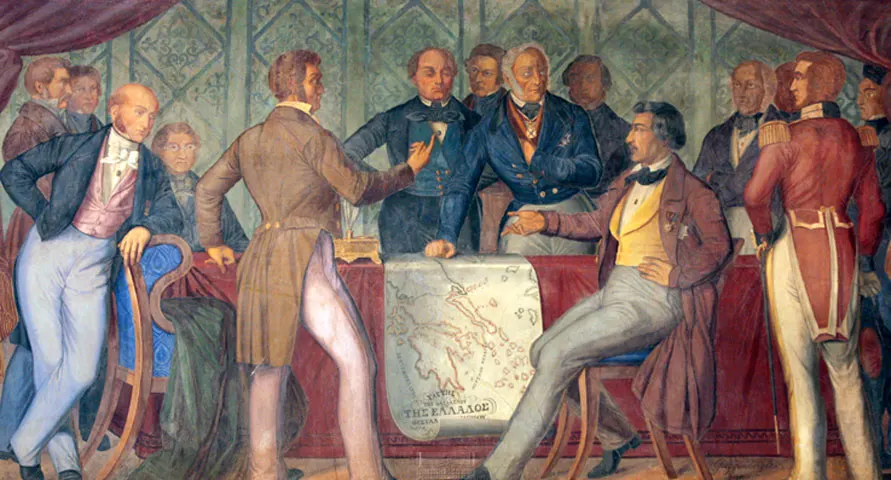
The signing of the London Protocol, painted in 1842 by Ludwig Michael von Schwanthaler for the frieze of the Trophy Hall in the Greek Parliament building.
Image creditLudwig Michael von Schwanthaler · Public domainResized and cropped for display.

The Great Powers declare Greece an independent state

The Greeks rose against Ottoman rule in 1821, and after years of fighting Britain, France and Russia stepped in, destroying the Ottoman and Egyptian fleet at Navarino in 1827. The question was what kind of Greece would follow: a self-governing province paying tribute to the sultan, or a state of its own.

On 3 February 1830 the three powers signed a protocol in London declaring that Greece would be an independent monarchy under their protection, with all the rights of a sovereign state. It was the first international act to recognise Greece as fully independent, though its borders were drawn more tightly than the Greeks had hoped. The Ottoman government accepted the protocol that spring, and in 1832 the powers chose a Bavarian prince, Otto, as the first king.

Read the full storyHistory & Timeline →Source: Hellenic Ministry of Foreign Affairs, Greece Liberated: international treaties and protocols ↗
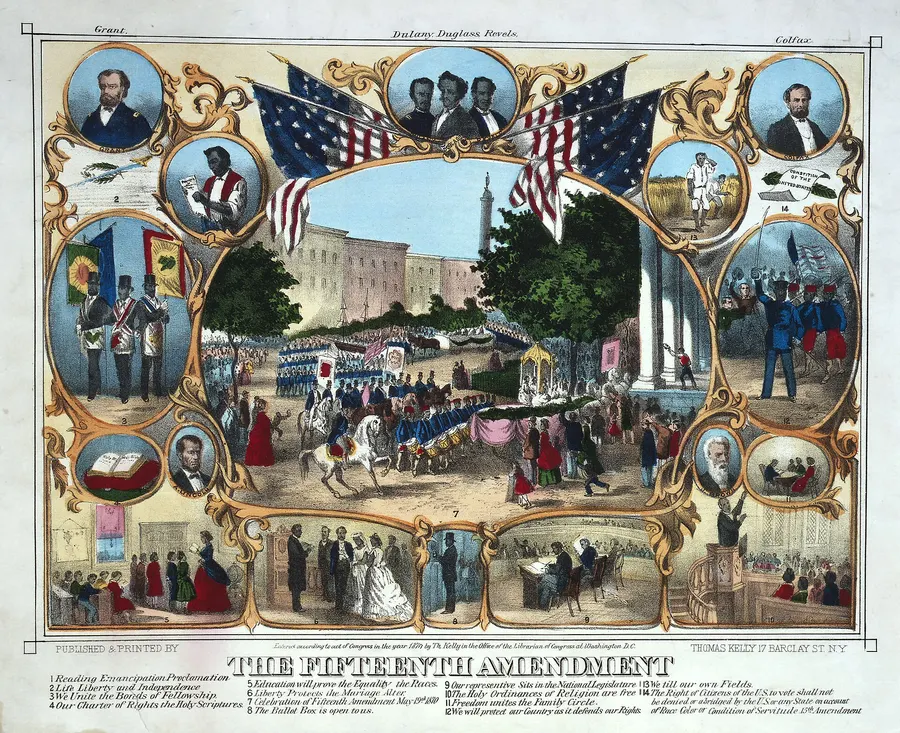
The Fifteenth Amendment, an 1870 print by Thomas Kelly celebrating the amendment with a parade and portraits of Black leaders and abolitionists.
Image creditThomas Kelly · Public domainResized and cropped for display.

The Fifteenth Amendment is ratified

After the Civil War the United States abolished slavery and, in the Fourteenth Amendment, made the formerly enslaved citizens. But whether a citizen could vote was still decided by each state, and many refused the vote to Black men.

Congress passed a new amendment in February 1869, and on 3 February 1870 it was ratified, forbidding the federal government and the states to deny the vote ‘on account of race, color, or previous condition of servitude’. Black men voted and were elected in large numbers during Reconstruction, but after it ended Southern states used poll taxes, literacy tests and violence to shut them out again. Women of all races were still excluded, and the amendment’s promise was only fully enforced after the Voting Rights Act of 1965.

Read the full storyHistory & Timeline →Source: US National Archives: 15th Amendment to the U.S. Constitution, voting rights (1870) ↗
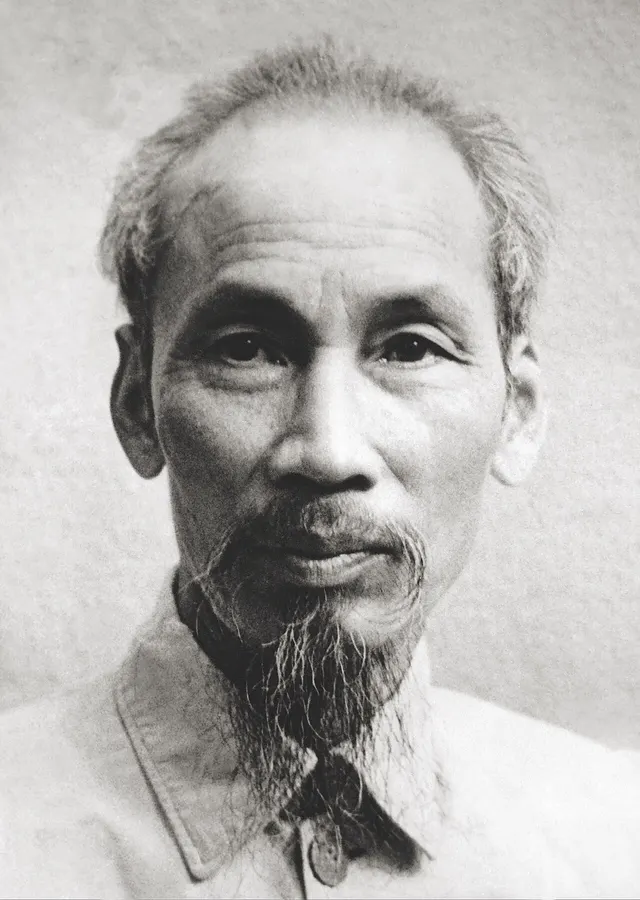
Ho Chi Minh, who chaired the founding conference under the name Nguyen Ai Quoc, in a portrait from 1946.
Image creditUnknown authorUnknown author · Public domainResized and cropped for display.

The Communist Party of Vietnam is founded in Hong Kong

In the late 1920s French rule in Indochina faced a growing opposition, but Vietnam’s communists were split into rival groups. The Communist International sent Nguyen Ai Quoc, the revolutionary later known as Ho Chi Minh, to bring them together.

Meeting in secret in Kowloon, in British-ruled Hong Kong, delegates agreed to merge their organisations into one party, and 3 February 1930 is kept as its founding day. Renamed the Indochinese Communist Party later that year, it led the fight against France and then the long war that ended with the reunification of Vietnam in 1975. It has governed the country ever since.

Read the full storyHistory & Timeline →Source: Encyclopaedia Britannica: Indochinese Communist Party ↗
♙
PEOPLE

Born Today

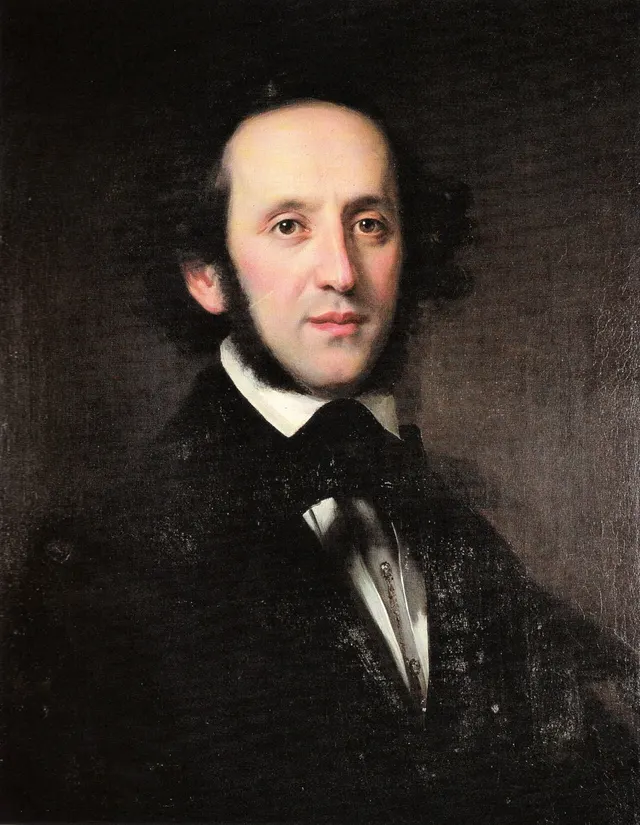
Felix Mendelssohn
Image creditEduard Magnus · Public domainResized and cropped for display.

Felix Mendelssohn

German composer of the Italian Symphony and the music for A Midsummer Night’s Dream.

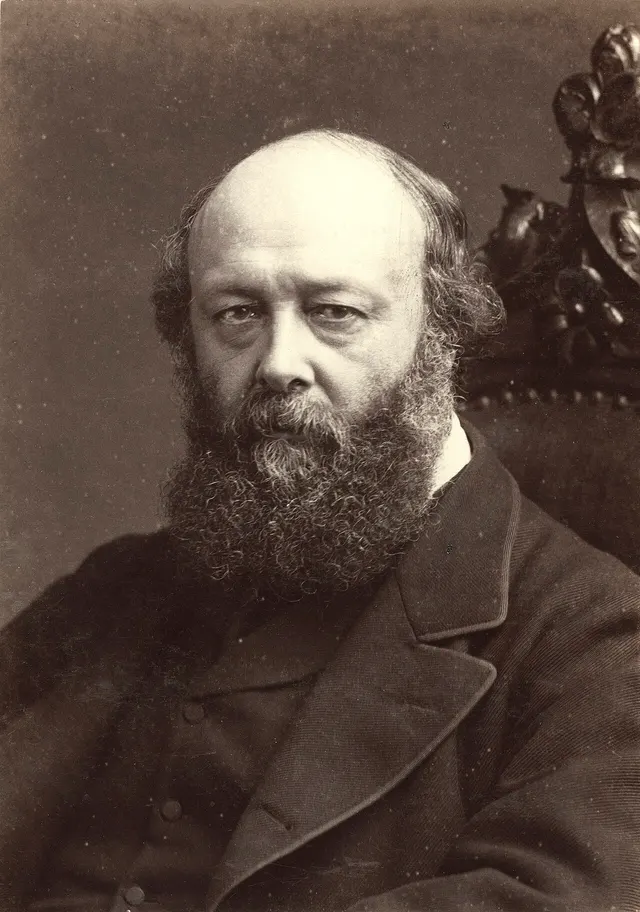
Lord Salisbury
Image creditElliott & Fry · Public domainResized and cropped for display.

Lord Salisbury

British Conservative statesman, three times prime minister between 1885 and 1902.

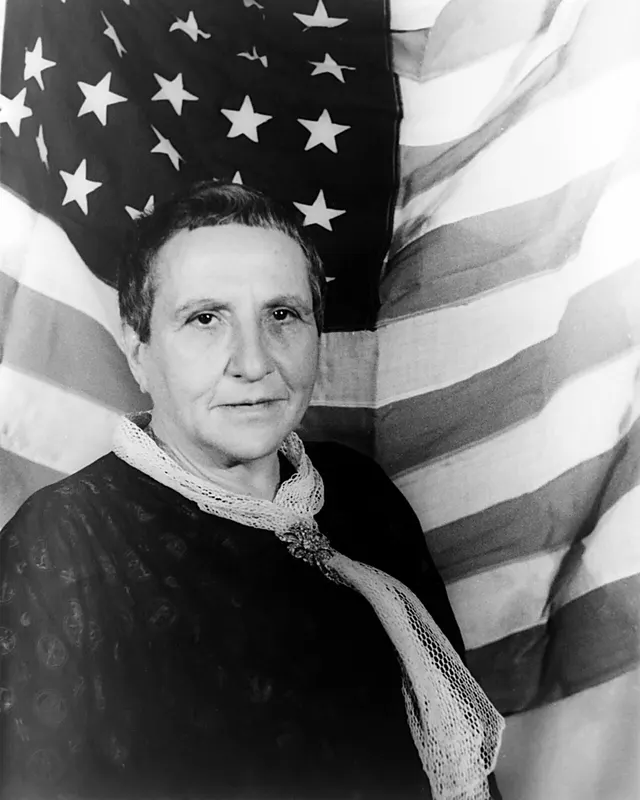
Gertrude Stein
Image creditCarl Van Vechten · Public domainResized and cropped for display.

Gertrude Stein

American writer whose Paris salon welcomed Picasso, Matisse and Hemingway.

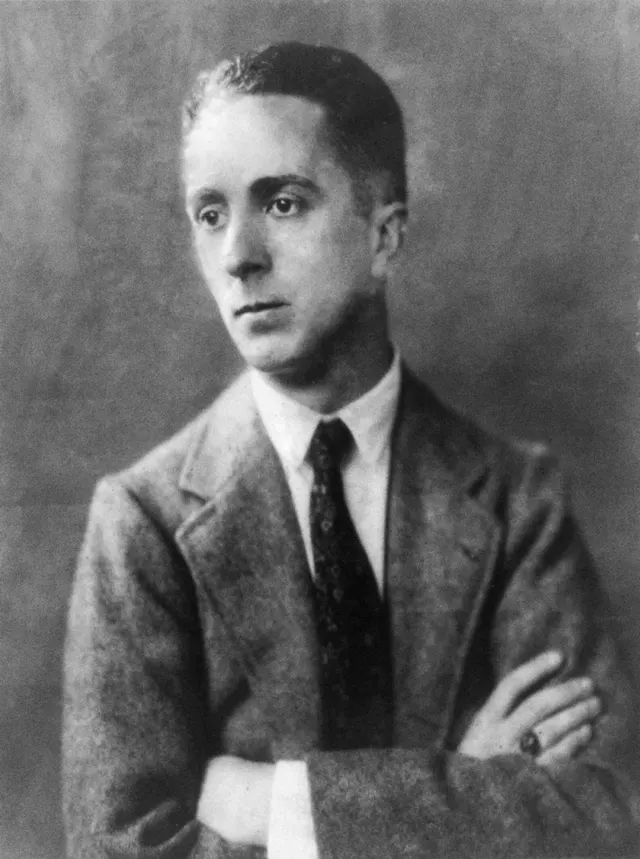
Norman Rockwell
Image crediten:Underwood & Underwood · Public domainResized and cropped for display.

Norman Rockwell

American illustrator of small-town life on the covers of the Saturday Evening Post.

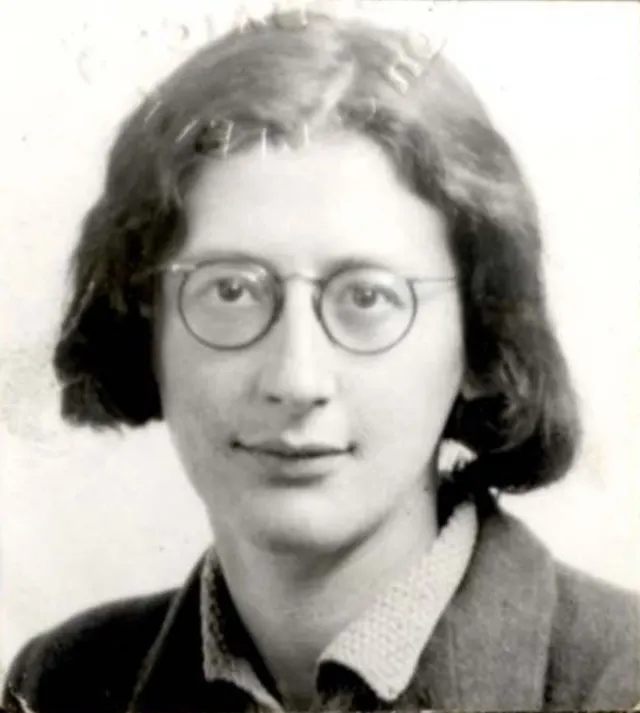
Simone Weil
Image creditUnknown · Public domainResized and cropped for display.

Simone Weil

French philosopher and activist who wrote on work, suffering and faith.

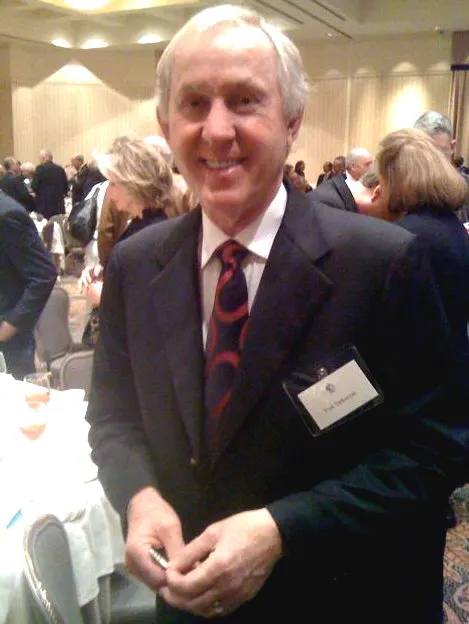
Fran Tarkenton
Image creditSteve Burns · CC BY 2.0Resized and cropped for display.

Fran Tarkenton

American football quarterback famed for escaping defenders, later a broadcaster.

◉
IDEAS THAT CHANGED THINGS

Firsts, Science & Discoveries

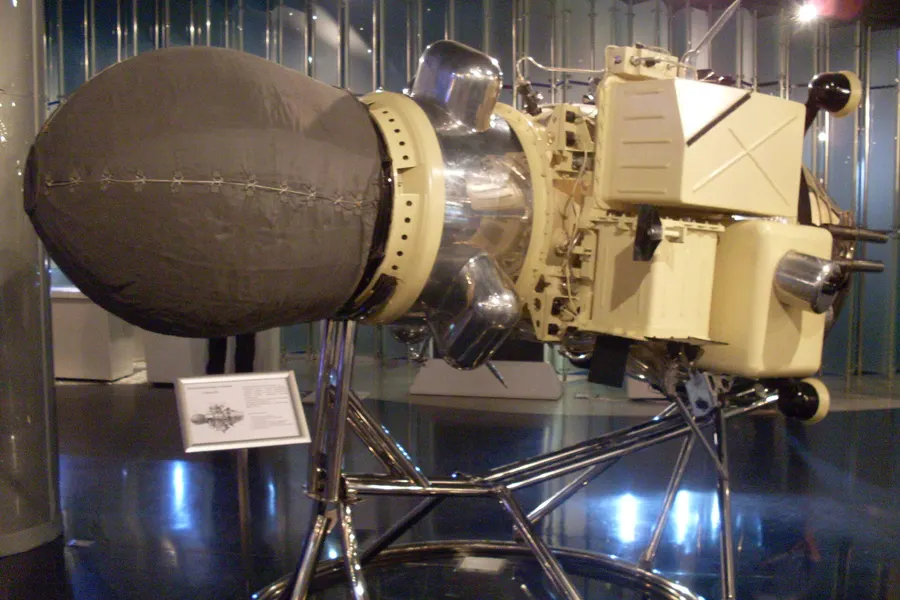
A full-size model of the Luna 9 spacecraft in the Memorial Museum of Astronautics, Moscow.
Image creditArmael · CC0Resized and cropped for display.

Luna 9 makes the first soft landing on the Moon

Before anyone could land on the Moon, engineers needed to know whether its surface would bear weight at all; some scientists feared a craft might sink into deep dust. Several Soviet attempts at a soft landing had failed.

Luna 9 was launched on 31 January 1966. On 3 February its small landing capsule was set down in the Ocean of Storms, bounced to a halt and opened its petals. Over the next three days, running on batteries, it sent back the first pictures taken on the surface of another world, showing solid ground scattered with stones. The way was clear for landers, and for people.

Read the full storyHistory & Timeline →Source: NASA Space Science Data Coordinated Archive: Luna 9 ↗
☆
SPORTING HISTORY

Sporting Moments

The Okurayama ski jump in Sapporo, the large-hill venue of the 1972 Winter Olympics, photographed in summer.
Image creditDaigaku2051 · CC BY-SA 3.0Resized and cropped for display.

The Sapporo Winter Olympics open, the first in Asia

Sapporo, the largest city on Japan’s northern island of Hokkaido, had been chosen to hold the Winter Olympics of 1940, but the war took the Games away. More than three decades later it got its chance.

The Games opened on 3 February 1972, with about a thousand athletes from 35 nations. They were the first Winter Olympics held outside Europe and North America, and Japanese ski jumpers took all three medals on the normal hill, led by Yukio Kasaya. The city was left with a subway, new roads and venues that still host winter sport.

Read the full storyHistory & Timeline →Source: Olympics.com: Sapporo 1972, the first Olympic Winter Games in Asia ↗
♫
MUSIC • FILM • BOOKS • CULTURE

Culture Stories

The memorial at the crash site near Clear Lake, Iowa, to Buddy Holly, Ritchie Valens, J. P. Richardson and their pilot.
Image creditTravellers & Tinkers · CC BY-SA 4.0Resized and cropped for display.

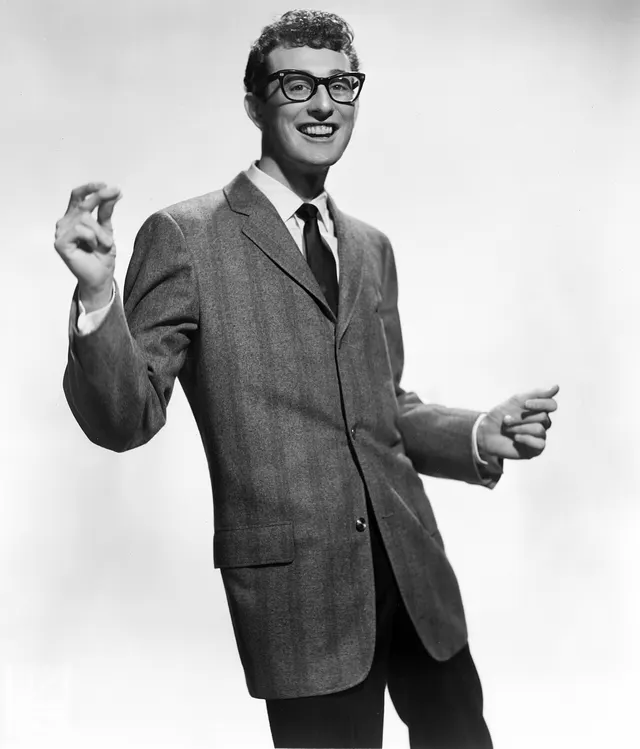
Buddy Holly, Ritchie Valens and the Big Bopper die in a plane crash

In the winter of 1959 a package of rock and roll acts was touring the American Midwest on a cold, unreliable bus. After a show in Clear Lake, Iowa, Buddy Holly chartered a small plane to take him ahead to the next date, and Ritchie Valens and J. P. Richardson, ‘the Big Bopper’, took the other seats.

The plane came down in a snowy cornfield soon after take-off in the early hours of 3 February 1959, killing all three musicians and the 21-year-old pilot, Roger Peterson. Holly was 22 and Valens 17. Don McLean later called it ‘the day the music died’ in his song American Pie.

Read the full storyHistory & Timeline →Source: Encyclopaedia Britannica: The Day the Music Died ↗
✦
LIVES REMEMBERED

Remembered Today

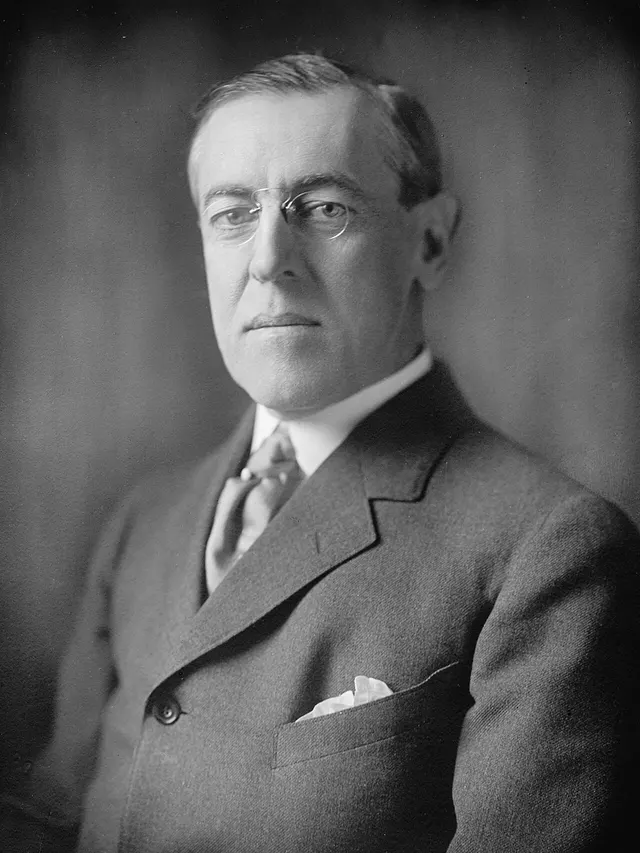
Woodrow Wilson
Image creditHarris & Ewing, photographer · Public domainResized and cropped for display.

Woodrow Wilson

President of the United States during the First World War and champion of the League of Nations.

Eduardo Mondlane
Image creditOberlin College · Public domainResized and cropped for display.

Eduardo Mondlane

Founding president of Frelimo, killed by a parcel bomb while leading Mozambique’s fight for independence.

☉
AROUND THE WORLD

Observances & Anniversaries

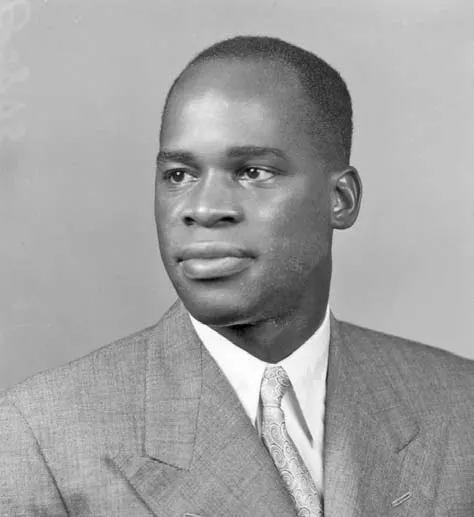
Eduardo Mondlane, the founding president of Frelimo, photographed in 1953.
Image creditOberlin College · Public domainResized and cropped for display.

Heroes’ Day in Mozambique

Mozambique honours the men and women who fought for its independence on 3 February, the day in 1969 when Eduardo Mondlane, the first president of the liberation movement Frelimo, was killed by a parcel bomb in Dar es Salaam. The president leads a ceremony at the Heroes’ Monument in Maputo, and the day is a public holiday.

Source: Presidency of the Republic of Mozambique: day of homage to the national heroes ↗
HISTORY & TIMELINE

Finished the highlights?

Follow 3 February chronologically, from the Middle Ages to the modern day, with 10 verified events and the sources behind them.

This day through time →