Explore 28 January

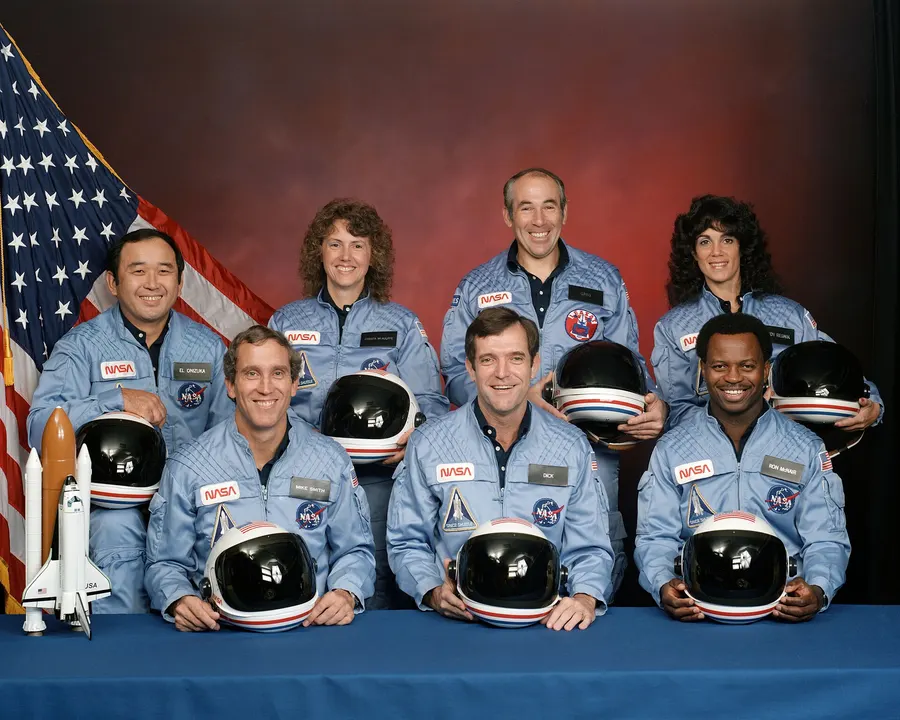
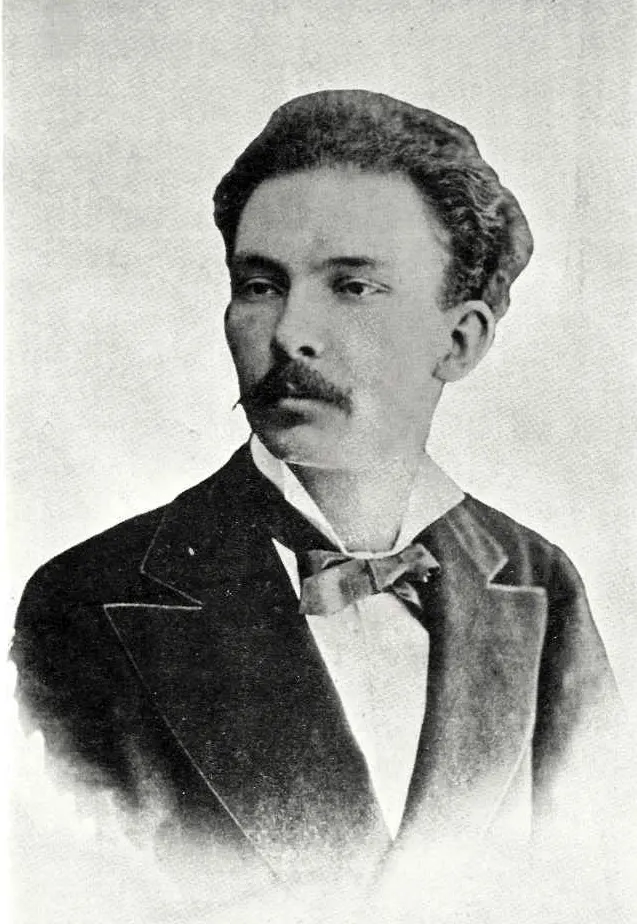
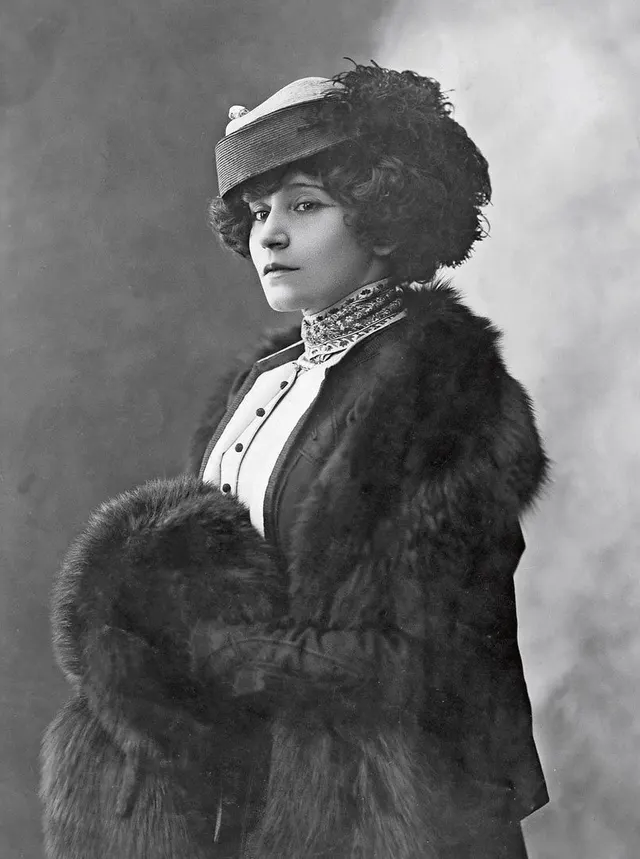
Explore 28 January: an emperor kneels to the pope at Canossa, Russian sailors sight the ice of Antarctica, Japanese forces attack Shanghai and the space shuttle Challenger is lost with its crew of seven. Meet José Martí, Colette and Jackson Pollock, born on 28 January.

This day through time →9 verified events across 4 eras

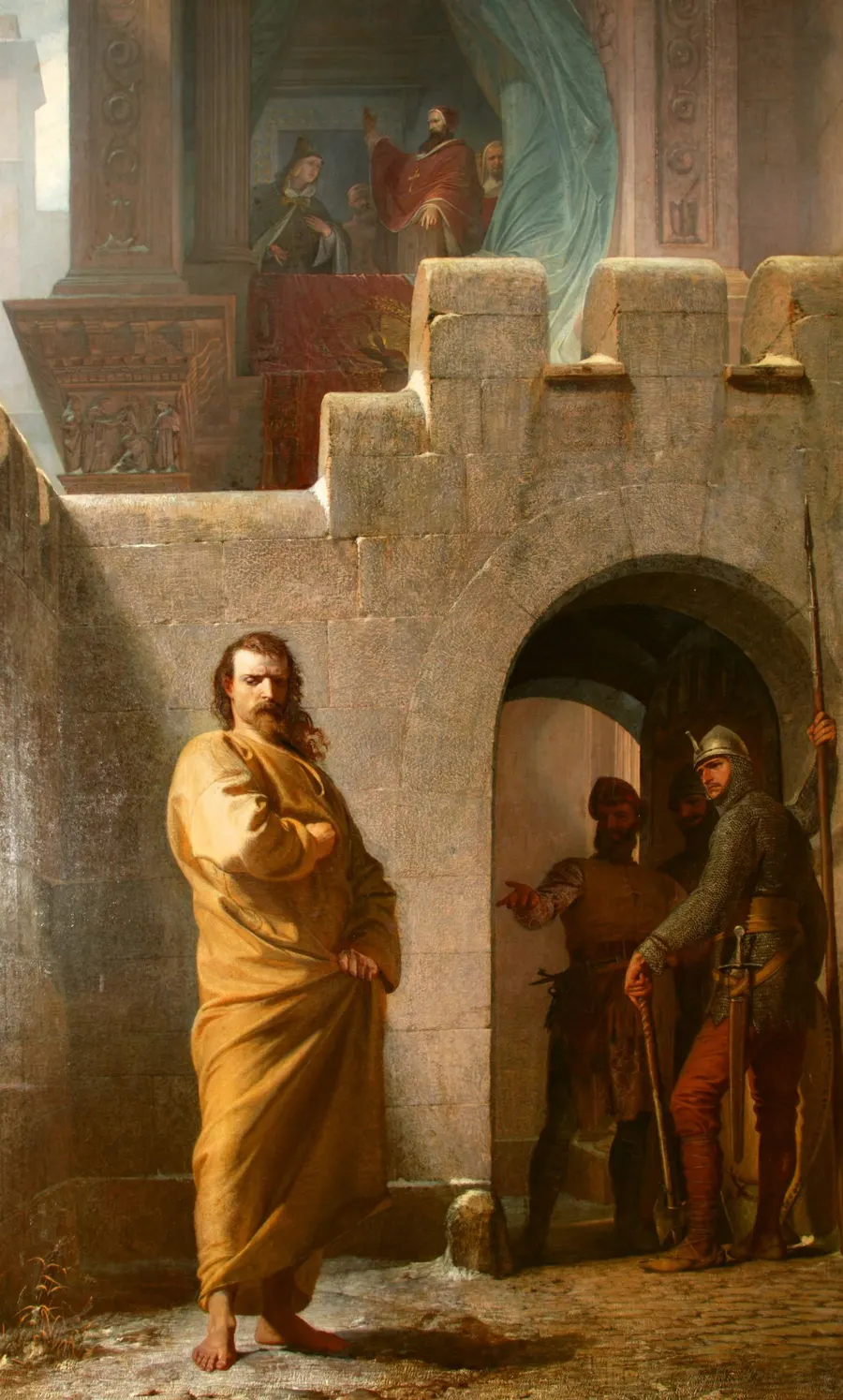
Henry IV before Canossa, painted by Eduard Schwoiser in 1862.
Image creditEduard Schwoiser (1826 — 1902) · Public domainResized and cropped for display.

An emperor kneels to the pope at Canossa

The German king Henry IV and Pope Gregory VII were locked in a struggle over who had the right to appoint bishops. When Henry’s bishops declared the pope deposed in 1076, Gregory excommunicated the king and released his subjects from their oaths, and the German princes threatened to choose a new king.

Henry crossed the Alps in the depth of winter to meet the pope at the castle of Canossa, in northern Italy, home of his cousin Countess Matilda of Tuscany. For three days he stood at the gate as a penitent, barefoot and dressed in wool. On 28 January 1077 Gregory lifted the excommunication. ‘Going to Canossa’ has meant a humiliating climb-down ever since.

Read the full storyHistory & Timeline →Source: Encyclopaedia Britannica: Canossa ↗
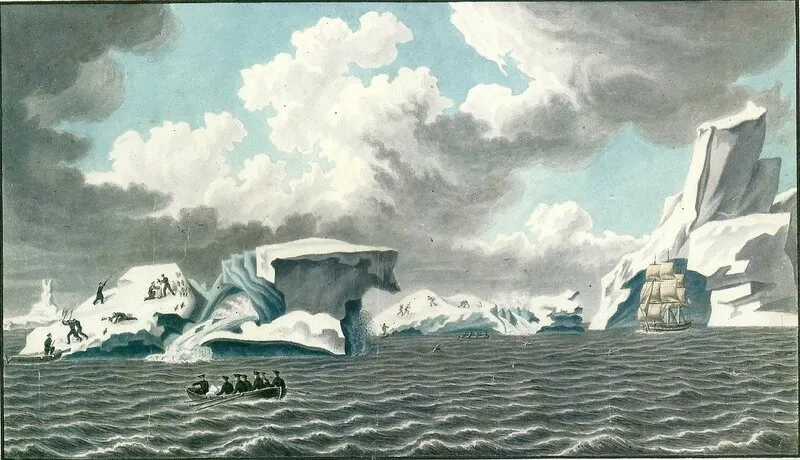
Ice islands in the Southern Ocean, drawn about 1820 by Pavel Mikhailov, the artist on Bellingshausen's expedition.
Ice islands in the Southern Ocean, drawn about 1820 by Pavel Mikhailov, the artist on Bellingshausen’s expedition.
Image creditPavel Mihajlov · Public domainResized and cropped for display.

Russian sailors sight the ice of Antarctica

People had long guessed that a great southern continent lay near the South Pole, but James Cook sailed round the Antarctic seas in the 1770s without seeing land. In 1819 Tsar Alexander I sent two sloops, the Vostok and the Mirny, under Fabian Gottlieb von Bellingshausen and Mikhail Lazarev to search the far south.

On 28 January 1820 (16 January in the Russian calendar of the time) they came up against a wall of ice ‘covered with small hillocks’ at about 69 degrees south. It was the edge of an ice shelf fringing the continent, and it is now widely counted as the first sighting of Antarctica. British and American sailors sighted the Antarctic Peninsula within days.

Read the full storyHistory & Timeline →Source: Presidential Library (Russia): Antarctica discovered by the Russian expedition ↗
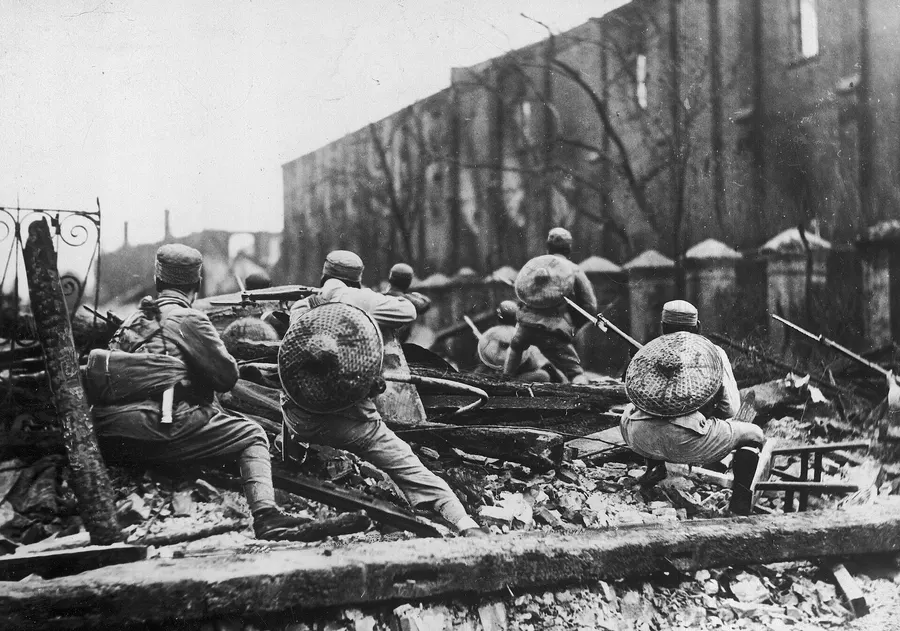
Soldiers of the Chinese 19th Route Army in the ruins of Zhabei (Chapei), Shanghai, February 1932.
Image creditUnknown authorUnknown author · Public domainResized and cropped for display.

Japanese forces attack Shanghai

In 1931 Japan’s army seized Manchuria, and Chinese boycotts of Japanese goods spread across the country. In Shanghai, where Japan had troops to protect its settlement, tension grew after Japanese monks were attacked in January 1932, and Japan demanded that the city clamp down.

Although the mayor accepted the demands, around midnight on 28 January 1932 Japanese marines moved into the crowded Zhabei district and clashed with the Chinese 19th Route Army. Japanese aircraft bombed the district, destroying much of it, including the Commercial Press and its great library. The fighting lasted until a ceasefire in March and was a prelude to the full war that began in 1937.

Read the full storyHistory & Timeline →Source: US Office of the Historian: Foreign Relations of the United States 1932, the Far East ↗
The crew of Challenger's mission STS-51-L in their official portrait, 15 November 1985.
The crew of Challenger’s mission STS-51-L in their official portrait, 15 November 1985.
Image creditNASA · Public domainResized and cropped for display.

The space shuttle Challenger is lost

Challenger was to carry seven astronauts, among them Christa McAuliffe, a New Hampshire teacher chosen from more than 11,000 applicants to be the first teacher in space. Schoolchildren across America watched the launch from Florida on television.

On the cold morning of 28 January 1986, 73 seconds after lift-off, a seal in one of the solid rocket boosters failed, flame burst through, and the shuttle broke apart. All seven crew members were killed: Dick Scobee, Michael Smith, Judith Resnik, Ellison Onizuka, Ronald McNair, Gregory Jarvis and Christa McAuliffe. The shuttle fleet was grounded for almost three years while NASA redesigned the boosters.

Read the full storyHistory & Timeline →Source: NASA: Challenger STS-51L accident ↗
♙
PEOPLE

Born Today

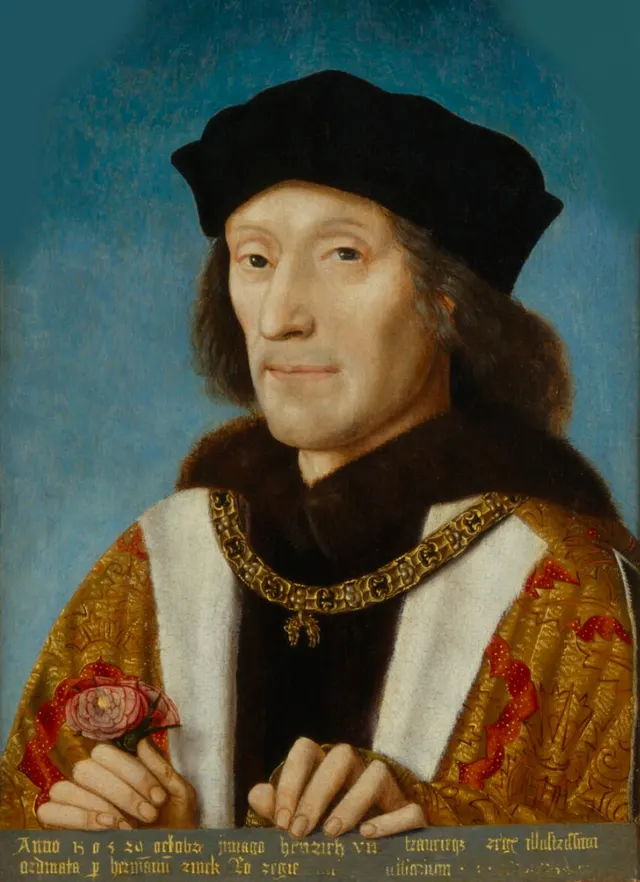
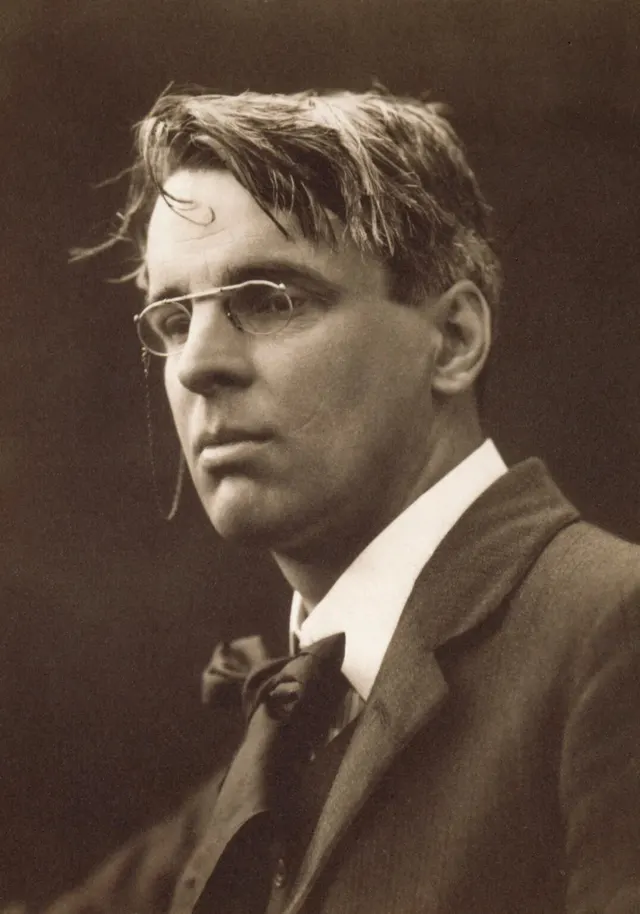
Henry VII
Image creditanonymous · Public domainResized and cropped for display.

Henry VII

The first Tudor king of England, who won the crown at Bosworth in 1485.

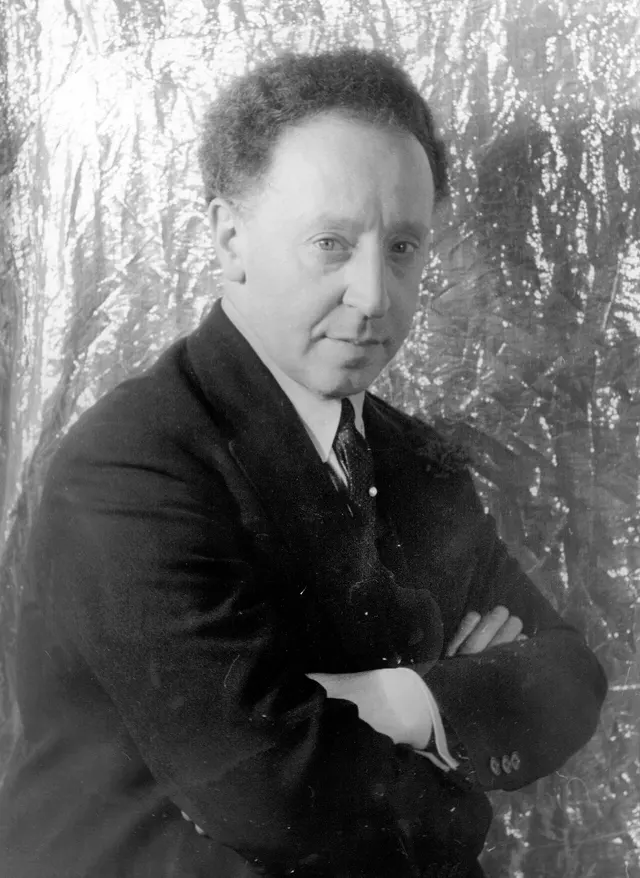
Arthur Rubinstein
Image creditCarl Van Vechten · Public domainResized and cropped for display.

Arthur Rubinstein

Polish-born pianist famous for his Chopin, who played in public for more than 80 years.

◉
IDEAS THAT CHANGED THINGS

Firsts, Science & Discoveries

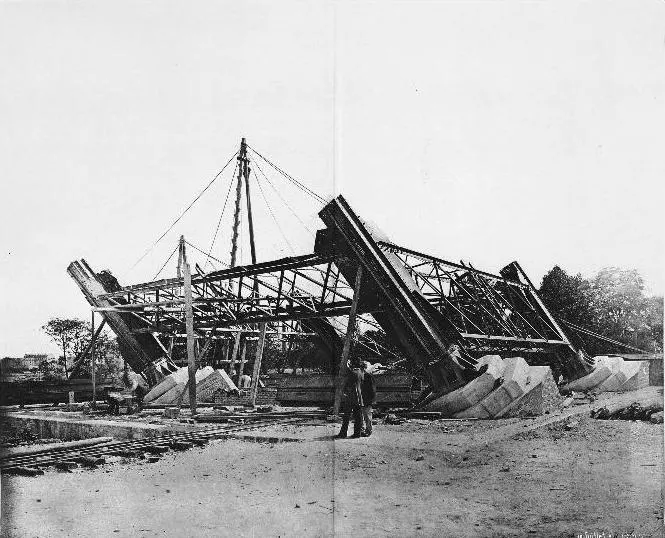
The Eiffel Tower's iron legs rising towards the first platform in the early stages of construction.
The Eiffel Tower’s iron legs rising towards the first platform in the early stages of construction.
Image creditUnknown · Public domainResized and cropped for display.

Work begins on the foundations of the Eiffel Tower

Gustave Eiffel’s company won the competition for a tower to crown the Paris Exposition of 1889, marking a century since the French Revolution. On 8 January 1887 Eiffel signed the contract with the French state and the city of Paris.

Digging began on the Champ de Mars later that month, and work on the foundations started on 28 January 1887. The foundations for the four legs were finished in about four months; then some 18,000 iron parts, drawn to a tenth of a millimetre, were riveted together. The 300-metre tower, the tallest structure in the world, was finished on 31 March 1889.

Read the full storyHistory & Timeline →Source: Eiffel Tower (official site, SETE): history of the tower ↗
♫
MUSIC • FILM • BOOKS • CULTURE

Culture Stories

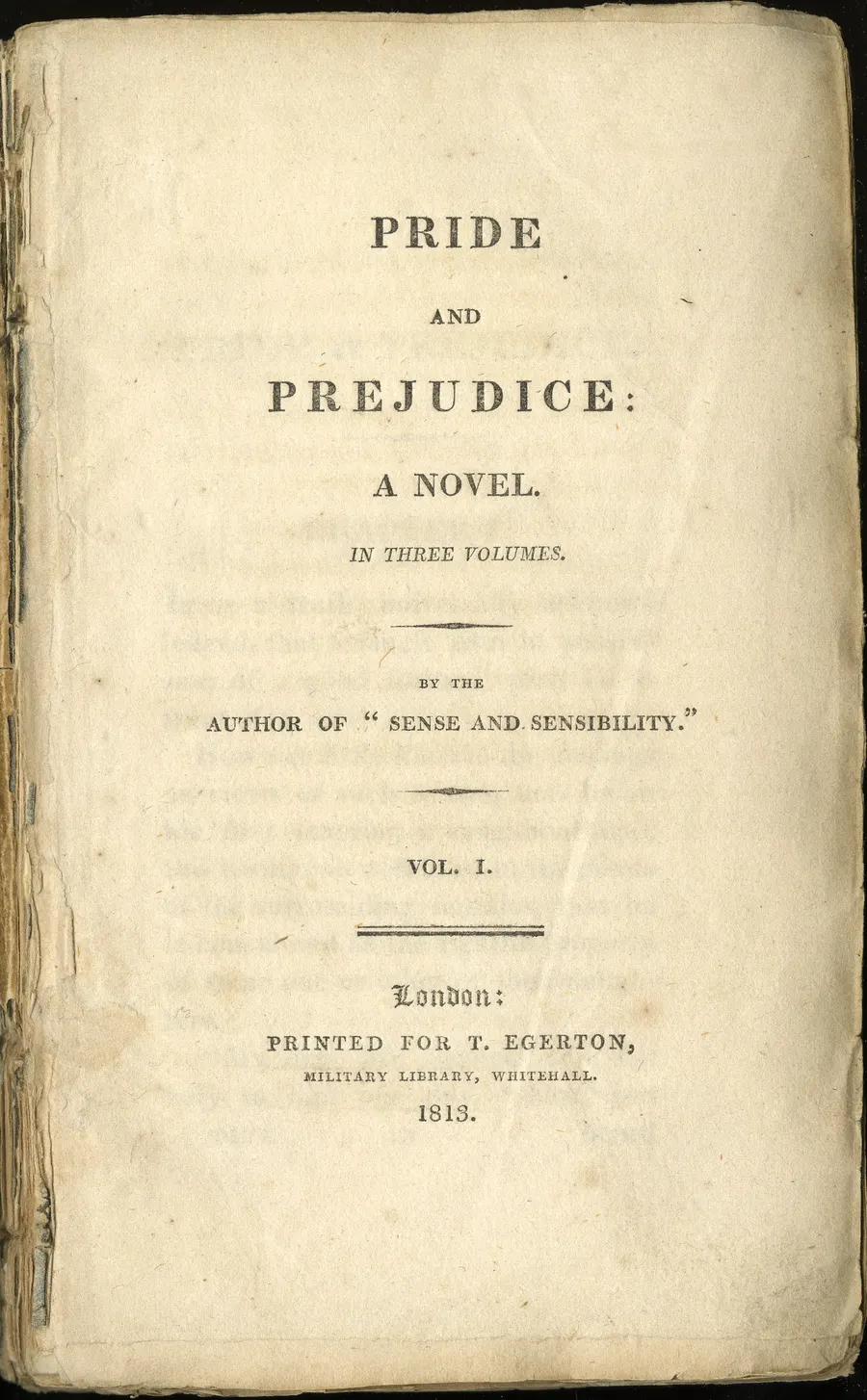
The title page of the first edition of Pride and Prejudice, 1813, 'by the author of Sense and Sensibility'.
The title page of the first edition of Pride and Prejudice, 1813, ‘by the author of Sense and Sensibility’.
Image creditJane Austen (1775-1817) · Public domainResized and cropped for display.

Pride and Prejudice goes on sale

Jane Austen wrote the first version of the novel, then called First Impressions, in her early twenties; a publisher turned it down unread in 1797. After the success of Sense and Sensibility she sold the revised book outright to the London publisher Thomas Egerton for 110 pounds.

It was advertised for sale on 28 January 1813 in three volumes at 18 shillings, with no author’s name, only ‘by the author of Sense and Sensibility’. The first edition sold out within months. The story of Elizabeth Bennet and Mr Darcy has never been out of print and is one of the most loved novels in English.

Read the full storyHistory & Timeline →Source: Jane Austen Society of North America: Pride and Prejudice ↗
A pile of Lego bricks, which still fit bricks made under the 1958 patent.
Image creditAlan Chia · CC BY-SA 2.0Resized and cropped for display.

The Lego brick is patented

The LEGO company of Billund, Denmark, began as a maker of wooden toys and started selling plastic building bricks in 1949. But they did not hold together well, and models fell apart.

Godtfred Kirk Christiansen, son of the founder, came up with tubes inside the brick that grip the studs of the brick below. At 1.58 in the afternoon on 28 January 1958 the company filed a patent for the new ‘stud and tube’ design in Copenhagen. Bricks made under that patent still fit those made today.

Read the full storyHistory & Timeline →Source: LEGO Group: the stud and tube principle ↗
✦
LIVES REMEMBERED

Remembered Today

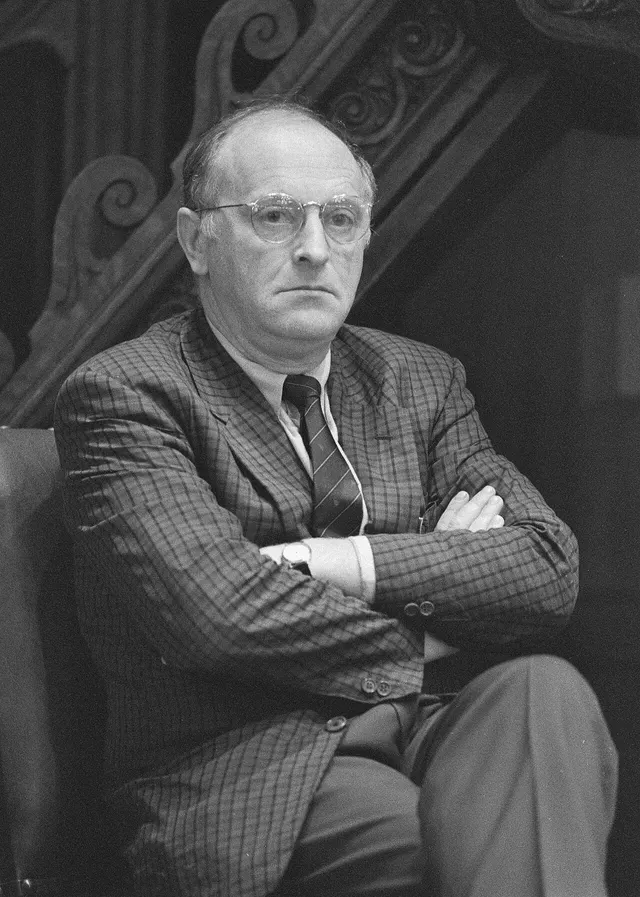
Joseph Brodsky
Image creditAnefo / Croes, R.C. · CC BY-SA 3.0 nlResized and cropped for display.

Joseph Brodsky

Russian poet expelled from the Soviet Union in 1972, winner of the 1987 Nobel Prize.

☉
AROUND THE WORLD

Observances & Anniversaries

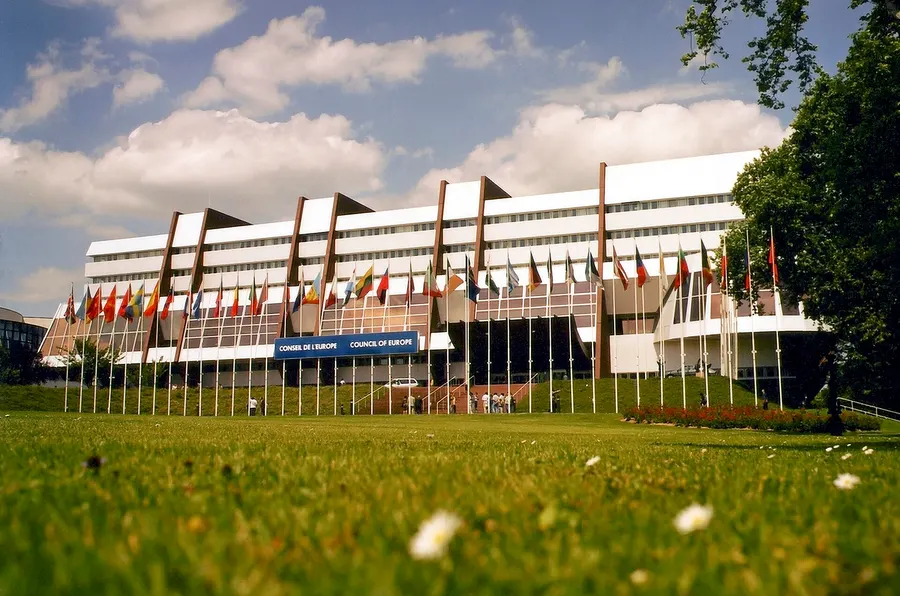
The Palais de l'Europe in Strasbourg, seat of the Council of Europe.
The Palais de l’Europe in Strasbourg, seat of the Council of Europe.
Image creditCouncil of Europe · CC BY 3.0Resized and cropped for display.

Data Protection Day

On 28 January 1981 the Council of Europe opened Convention 108 for signature, the first binding international treaty to protect people’s personal data. In 2006 the Council chose the anniversary as Data Protection Day, and it is now marked around the world, often as Data Privacy Day, with events on keeping personal information safe.

Source: Council of Europe: Data Protection Day, 28 January ↗
HISTORY & TIMELINE

Finished the highlights?

Follow 28 January chronologically, from the Middle Ages to the modern day, with 9 verified events and the sources behind them.

This day through time →