Explore 21 January

Explore 21 January: radicals in Zürich baptise one another and begin the Anabaptist movement, Abel Tasman’s ships reach Tonga, Louis XVI dies on the guillotine and Ireland’s first Dáil declares independence. Meet Stonewall Jackson, Christian Dior and Plácido Domingo, born on 21 January.

This day through time →11 verified events across 3 eras

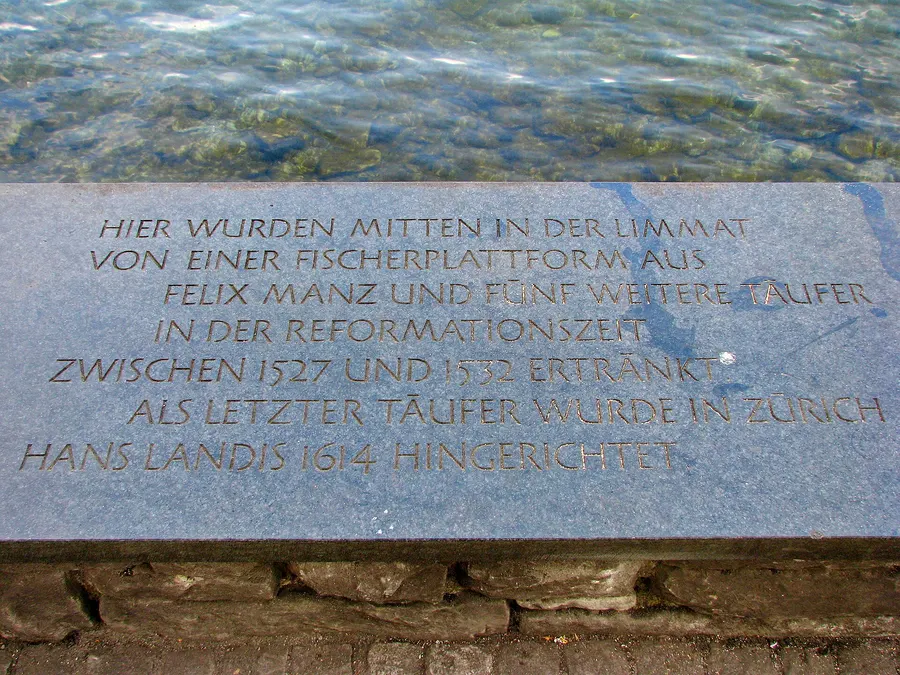
A memorial plaque on the Limmat in Zürich to Felix Manz and five other Anabaptists drowned in the river between 1527 and 1532.
Image creditRoland zh · CC BY-SA 3.0Resized and cropped for display.

Radicals in Zürich baptise one another, beginning the Anabaptist movement

In Zürich the reformer Huldrych Zwingli had broken with Rome, but some of his young followers, led by Conrad Grebel and Felix Manz, wanted to go further. They believed baptism should be for adults who chose the faith for themselves, not for infants. On 18 January 1525 the city council ordered all parents to have their babies baptised within eight days or be banished.

On the night of 21 January about fifteen of the radicals met at the house of Manz’s mother. Grebel baptised the former priest George Blaurock, who then baptised the others. Their enemies called them Anabaptists, ‘re-baptisers’. They were persecuted by Catholics and Protestants alike, and Manz was drowned in the river Limmat two years later, but the movement survived; the Mennonites, Amish and Hutterites all descend from it.

Read the full storyHistory & Timeline →Source: Encyclopaedia Britannica: Swiss Brethren ↗
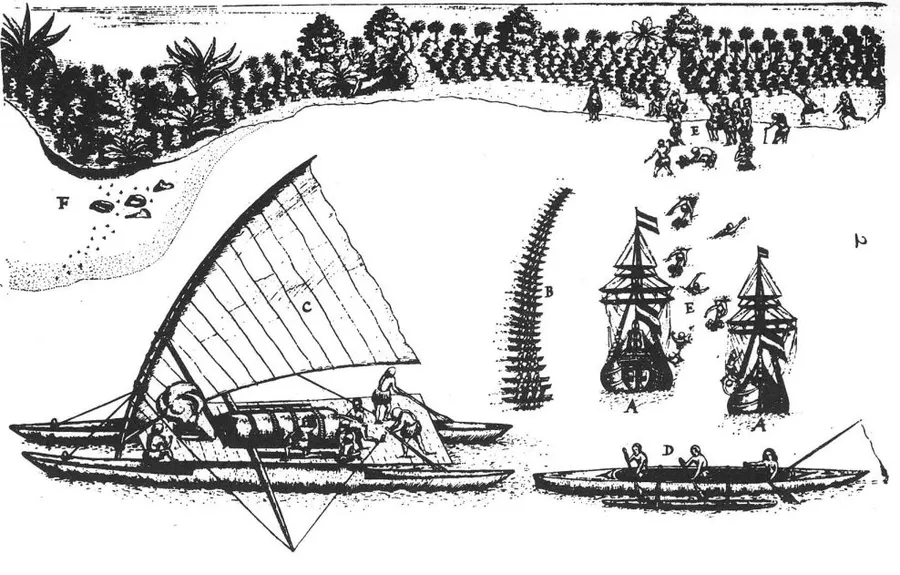
Tasman's two ships at anchor off Tongatapu, with the islanders' canoes and gifts; a woodcut after Isaack Gilsemans, the expedition's artist.
Tasman’s two ships at anchor off Tongatapu, with the islanders’ canoes and gifts; a woodcut after Isaack Gilsemans, the expedition’s artist.
Image creditIsaack Gilsemans · Public domainResized and cropped for display.

Abel Tasman’s ships reach Tonga

In 1642 the Dutch East India Company sent Abel Tasman from Batavia to explore the unknown southern ocean. He sighted Tasmania and the west coast of New Zealand, where a clash with Māori at Golden Bay left four of his men dead, then turned north without landing again.

On 21 January 1643 his ships Heemskerck and Zeehaen reached the southern islands of the Tonga group, the first Europeans known to have visited them. At Tongatapu the islanders came out to trade, and the hungry crews at last obtained plenty of food and water. Tasman sailed on past Fiji and New Guinea, returning to Batavia in June.

Read the full storyHistory & Timeline →Source: Te Ara, Dictionary of New Zealand Biography: Abel Janszoon Tasman ↗
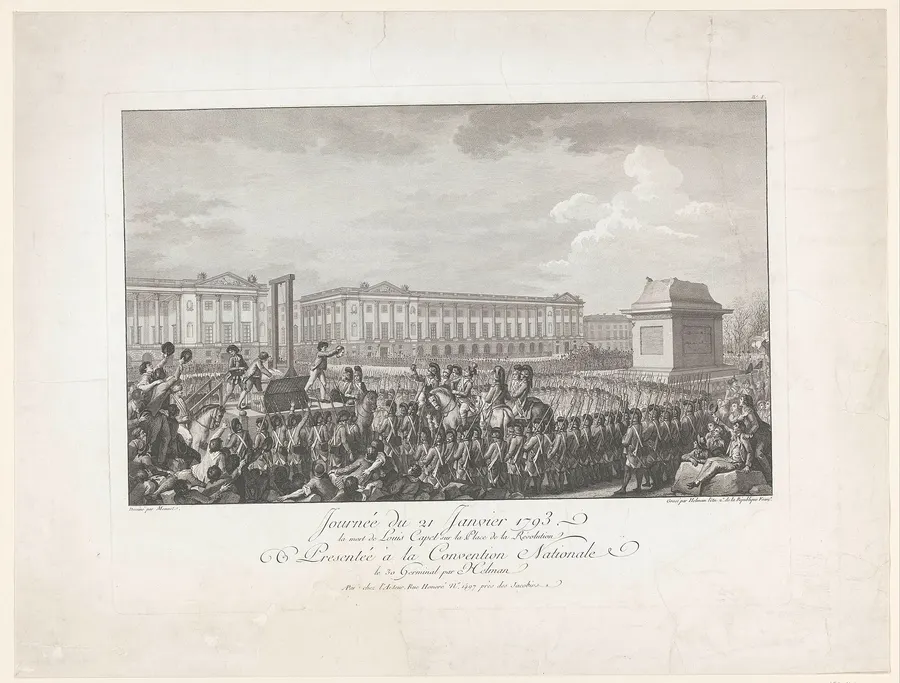
The execution of Louis XVI on the Place de la Révolution, 21 January 1793, in a French print of the 1790s (Rijksmuseum).
Image creditRijksmuseum · CC0Resized and cropped for display.

Louis XVI dies on the guillotine

The French monarchy fell in August 1792, when crowds stormed the Tuileries palace and Louis XVI was imprisoned. That September the new National Convention declared France a republic, and in December it put the former king on trial for treason as ‘Citizen Louis Capet’.

He was found guilty and, by a narrow majority, condemned to death. On the morning of 21 January 1793 he was driven through Paris to the Place de la Révolution, now the Place de la Concorde, and guillotined before a great crowd. His execution drew Britain, Spain and the Netherlands into war with France; his queen, Marie-Antoinette, followed him to the guillotine nine months later.

Read the full storyHistory & Timeline →Source: Palace of Versailles: Louis XVI ↗
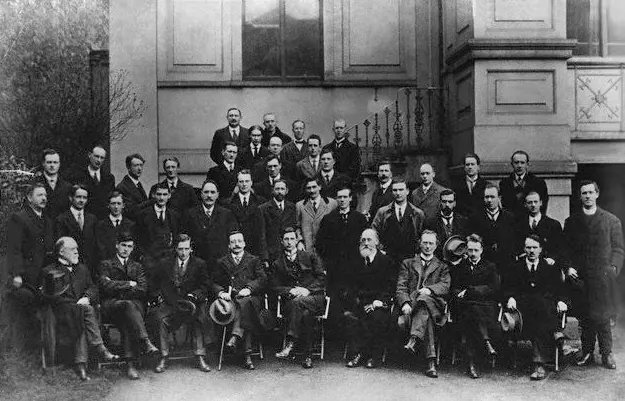
Members of the first Dáil photographed at the Mansion House, Dublin, at its session of April 1919.
Image creditOriginal uploader was Guliolopez at en.wikipedia · Public domainResized and cropped for display.

Ireland’s first Dáil declares independence

In the British general election of December 1918 the Irish nationalist party Sinn Féin won 73 of Ireland’s 105 seats. Its members refused to take their seats at Westminster, and many of them were in prison.

Those who were free met instead in the Round Room of the Mansion House in Dublin on 21 January 1919 as Dáil Éireann, the assembly of Ireland. In a two-hour sitting they adopted a constitution and read a Declaration of Independence in Irish, French and English. On the same day two policemen were shot dead at Soloheadbeg in County Tipperary, in the first action of what became the War of Independence.

Read the full storyHistory & Timeline →Source: Houses of the Oireachtas: history of parliament in Ireland ↗
♙
PEOPLE

Born Today

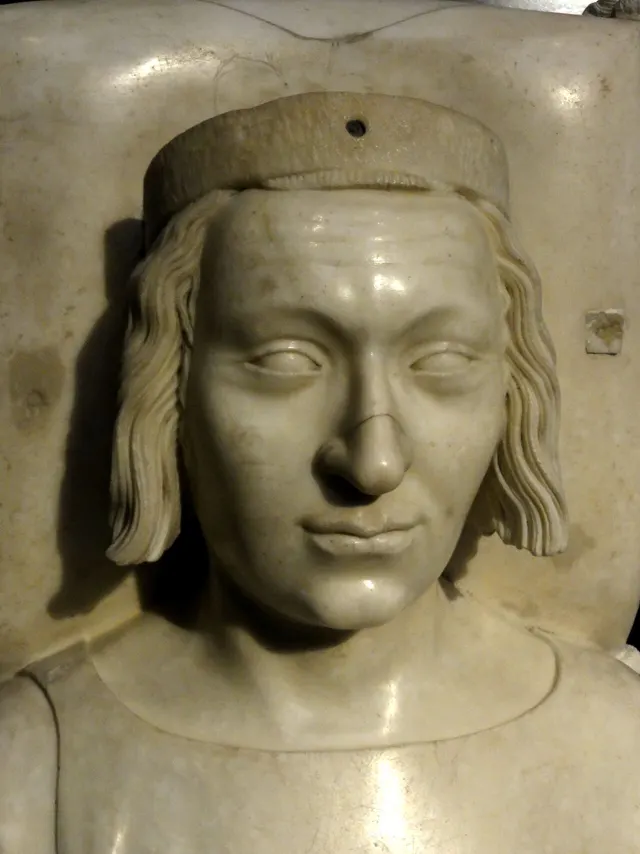
Charles V of France
Image creditP.poschadel · CC BY-SA 3.0Resized and cropped for display.

Charles V of France

King of France from 1364, ‘the Wise’, who won back much of the land lost to England.

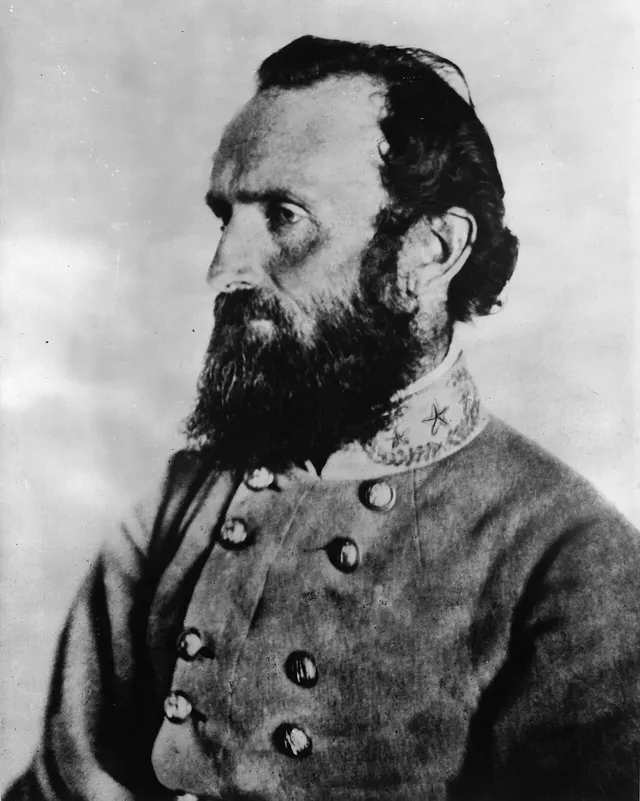
Stonewall Jackson
Image creditUnknown · Public domainResized and cropped for display.

Stonewall Jackson

Confederate general in the American Civil War, famed for his Shenandoah Valley campaign.

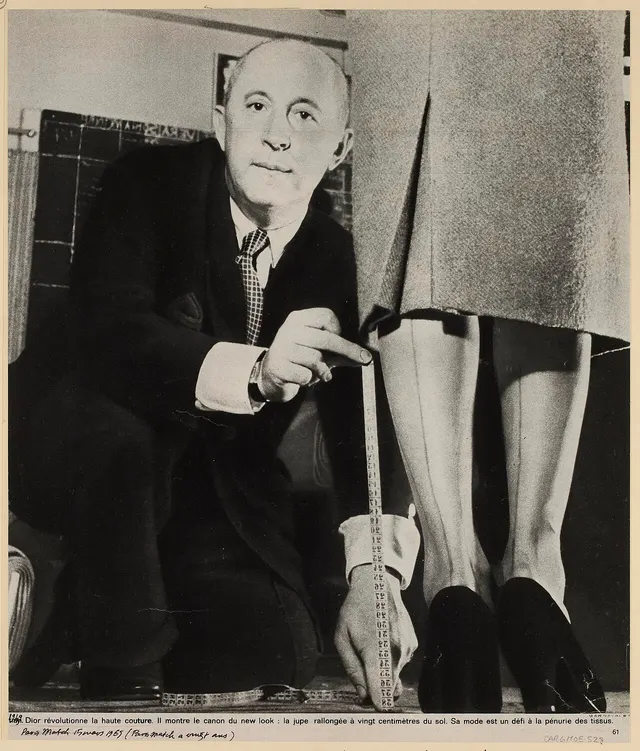
Christian Dior
Image creditParis-Match, editeur · CC0Resized and cropped for display.

Christian Dior

French fashion designer whose ‘New Look’ of 1947 transformed women’s clothes.

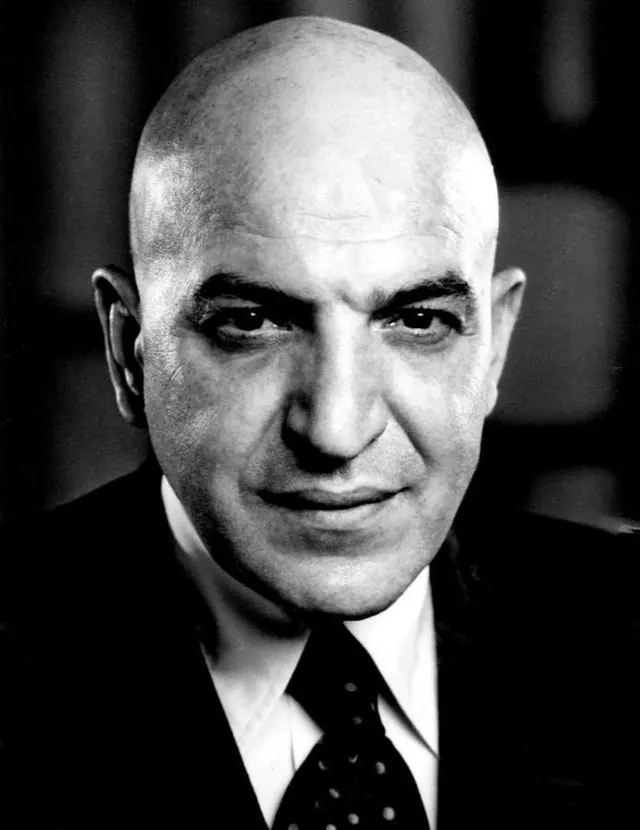
Telly Savalas
Image creditCBS Television · Public domainResized and cropped for display.

Telly Savalas

American actor, the lollipop-sucking detective Kojak.

Paul Allen
Image creditMiles Harris · CC BY-SA 3.0Resized and cropped for display.

Paul Allen

American co-founder of Microsoft with Bill Gates, later a philanthropist.

Hakeem Olajuwon
Image creditU.S. Department of State · Public domainResized and cropped for display.

Hakeem Olajuwon

Nigerian-born basketball centre who led the Houston Rockets to two NBA titles.

◉
IDEAS THAT CHANGED THINGS

Firsts, Science & Discoveries

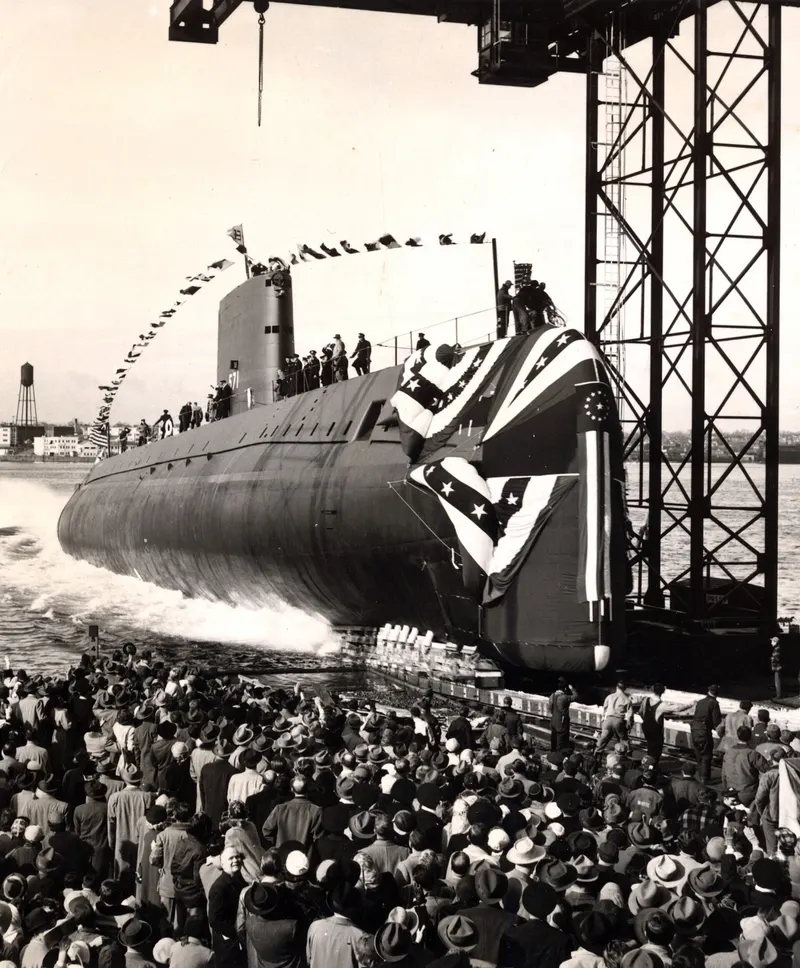
USS Nautilus slides into the Thames River at Groton, Connecticut, 21 January 1954.
Image creditU.S. Navy photo · Public domainResized and cropped for display.

The first nuclear-powered submarine is launched

Ordinary submarines had to surface or snorkel often to run the diesel engines that charged their batteries. A nuclear reactor, needing no air, could drive a submarine underwater for months. A team led by Captain Hyman Rickover built the first reactor small enough to fit inside one.

On 21 January 1954 the First Lady, Mamie Eisenhower, broke a bottle of champagne over the bow of USS Nautilus at the Electric Boat yard in Groton, Connecticut, and she slid into the Thames River. A year later she signalled ‘underway on nuclear power’, and in 1958 she became the first vessel to reach the North Pole, travelling beneath the Arctic ice.

Read the full storyHistory & Timeline →Source: Naval History and Heritage Command: Nautilus IV (SSN-571) ↗
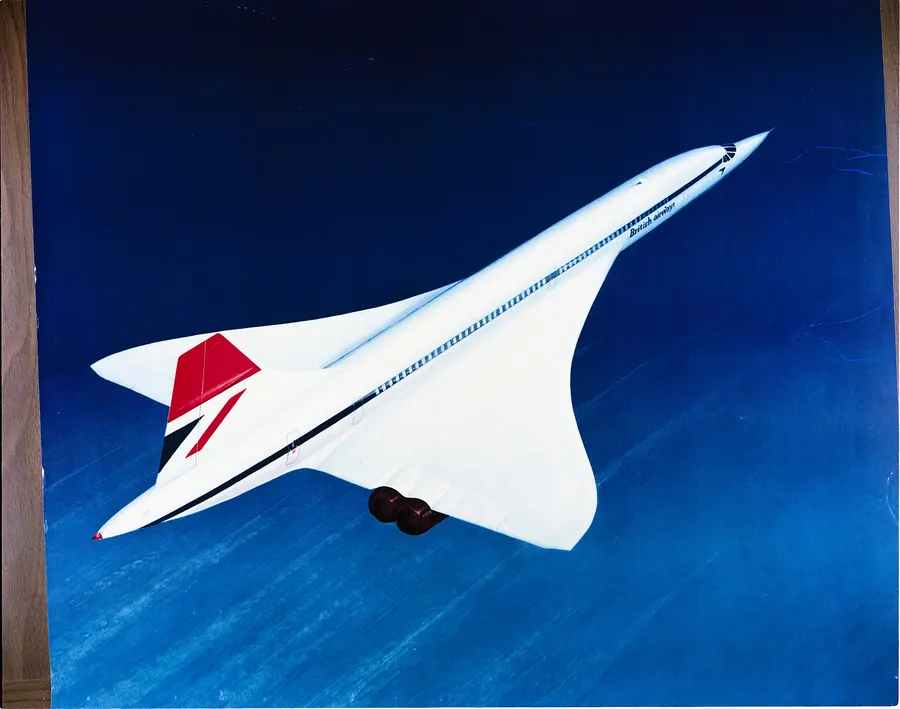
A British Airways Concorde, from a publicity image of 1976.
Image creditUnknown authorUnknown author or not provided · Public domainResized and cropped for display.

Concorde begins carrying passengers

Concorde, built jointly by Britain and France, first flew in 1969. It cruised at more than twice the speed of sound and nearly twice as high as ordinary airliners.

On 21 January 1976 the first scheduled supersonic passenger services took off at the same moment: British Airways from London to Bahrain and Air France from Paris to Rio de Janeiro by way of Dakar. Flights to Washington and New York followed, crossing the Atlantic in about three and a half hours. Fares were high and only fourteen aircraft went into service; after a fatal crash near Paris in 2000 and a slump in air travel, Concorde was retired in 2003.

Read the full storyHistory & Timeline →Source: Brooklands Museum: Concorde timeline ↗
☆
SPORTING HISTORY

Sporting Moments

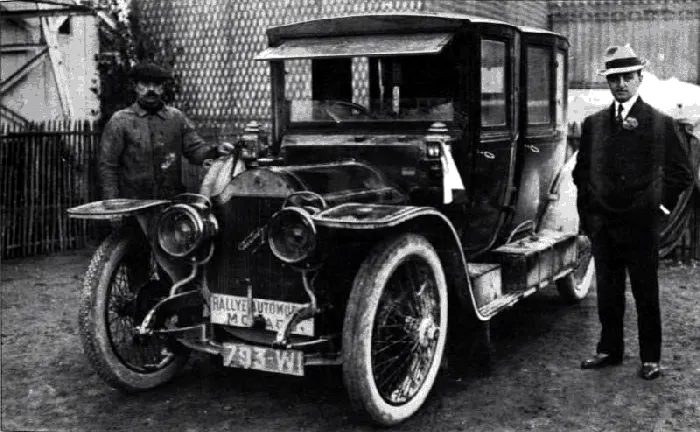
Henri Rougier and his mechanic with the 25-horsepower Turcat-Méry before the first Monte Carlo Rally.
Image creditUnknown · Public domainResized and cropped for display.

The first Monte Carlo Rally sets off

To draw winter visitors to Monaco, its Automobile Club organised a new kind of motoring contest: cars would set out from cities across Europe and converge on Monte Carlo. The first rally began on 21 January 1911, with starting points in Paris, Berlin, Brussels, Boulogne-sur-Mer, Vienna and Geneva.

Twenty-three crews took part. The winner was Henri Rougier, an early aviator, who drove from Paris in a Turcat-Méry at an average of 13.8 kilometres an hour. The Rallye Monte-Carlo became one of the most famous events in motor sport and is still held every January.

Read the full storyHistory & Timeline →Source: Automobile Club de Monaco: history ↗
♫
MUSIC • FILM • BOOKS • CULTURE

Culture Stories

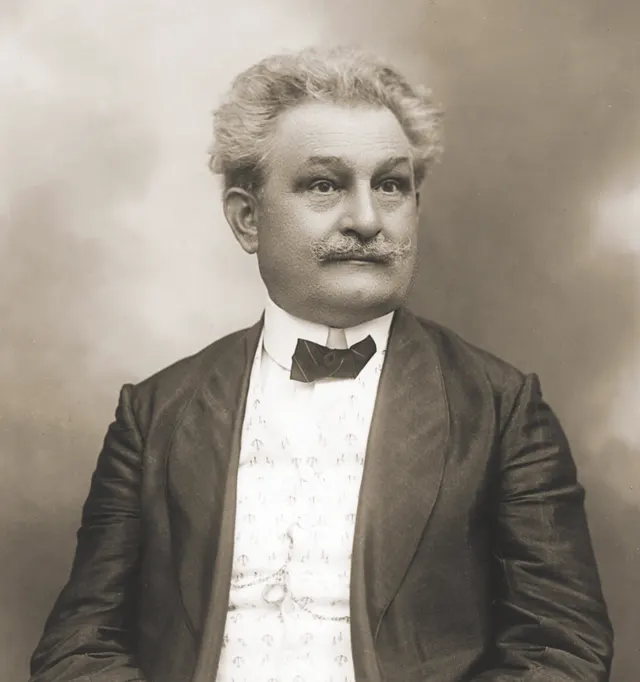
Leoš Janáček, photographed in 1914.
Image creditUnkonwn · Public domainResized and cropped for display.

Janáček’s Jenůfa opens in Brno

Leoš Janáček spent almost nine years writing Jenůfa, a village tragedy of jealousy and a hidden child, set to the rhythms of Moravian speech. He finished it just before the death of his daughter Olga in 1903 and dedicated it to her memory.

The National Theatre in Prague turned it down, so it had its premiere at the modest Veveří Theatre in Brno on 21 January 1904, where it was a great success. Prague finally staged it in 1916, and a Vienna production two years later made Janáček, then in his sixties, famous across Europe.

Read the full storyHistory & Timeline →Source: Leoš Janáček Foundation: Jenůfa ↗
✦
LIVES REMEMBERED

Remembered Today

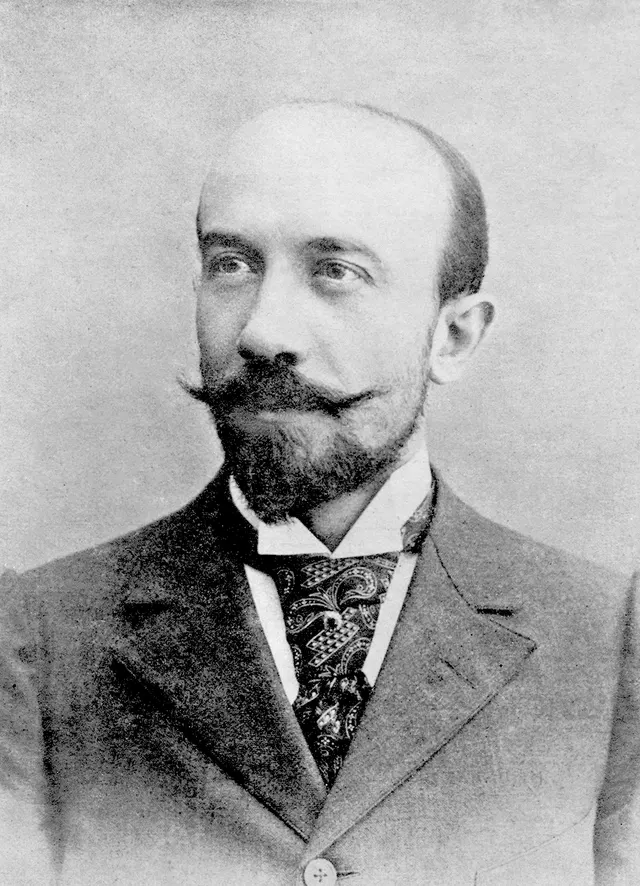
Georges Méliès
Image creditGeorges Méliès · Public domainResized and cropped for display.

Georges Méliès

French stage magician and film pioneer of A Trip to the Moon.

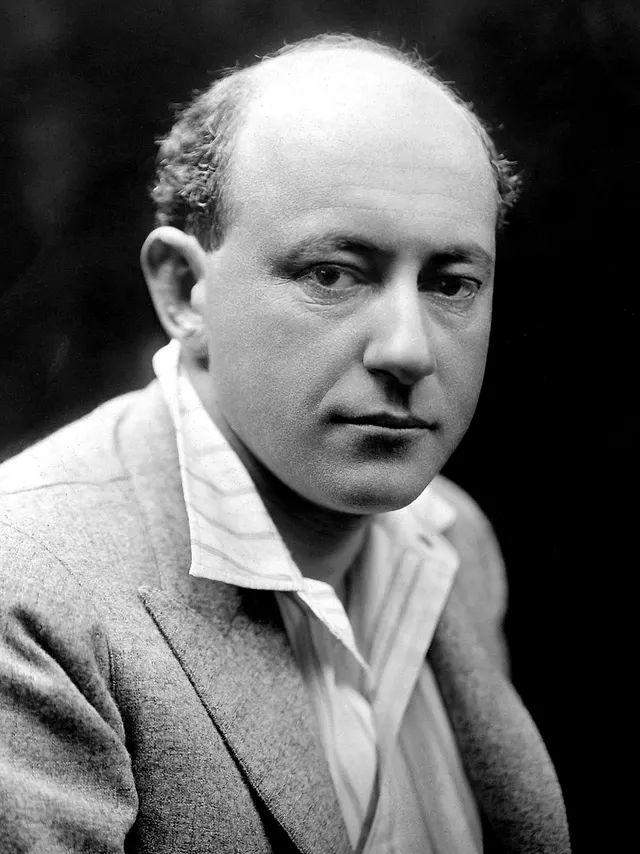
Cecil B. DeMille
Image creditAlbert Witzel · Public domainResized and cropped for display.

Cecil B. DeMille

American film-maker of epics such as The Ten Commandments.

HISTORY & TIMELINE

Finished the highlights?

Follow 21 January chronologically, from the Middle Ages to the modern day, with 11 verified events and the sources behind them.

This day through time →