Explore 17 January

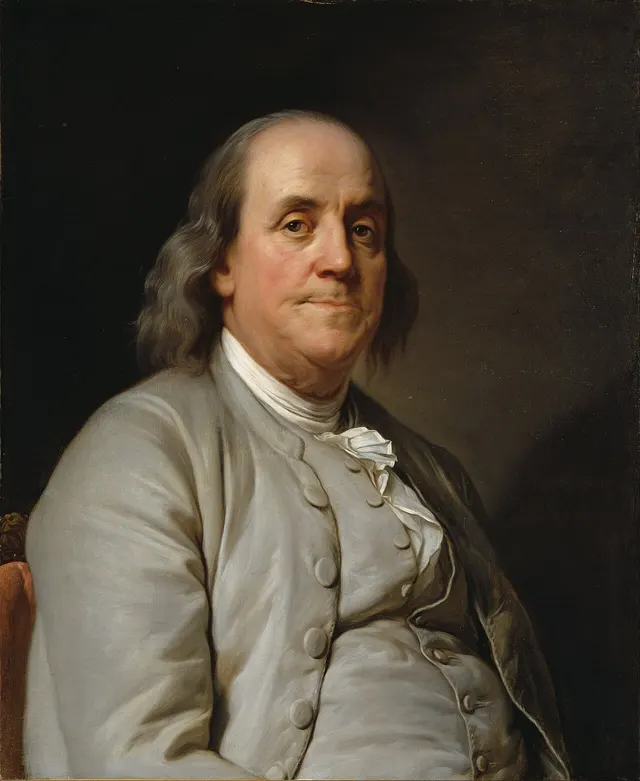
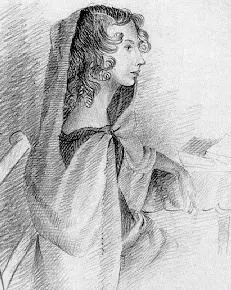
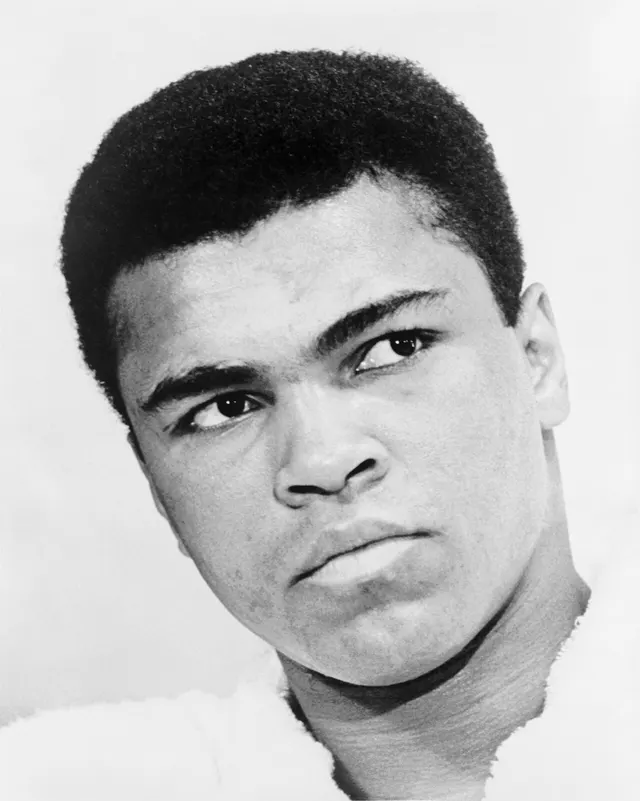
Explore 17 January: Pope Gregory XI brings the papacy home to Rome, Scott’s party reaches the South Pole to find Amundsen there first, Patrice Lumumba is killed in Katanga and an earthquake devastates Kobe. Meet Benjamin Franklin, Anne Brontë and Muhammad Ali, born on 17 January.

This day through time →8 verified events across 4 eras

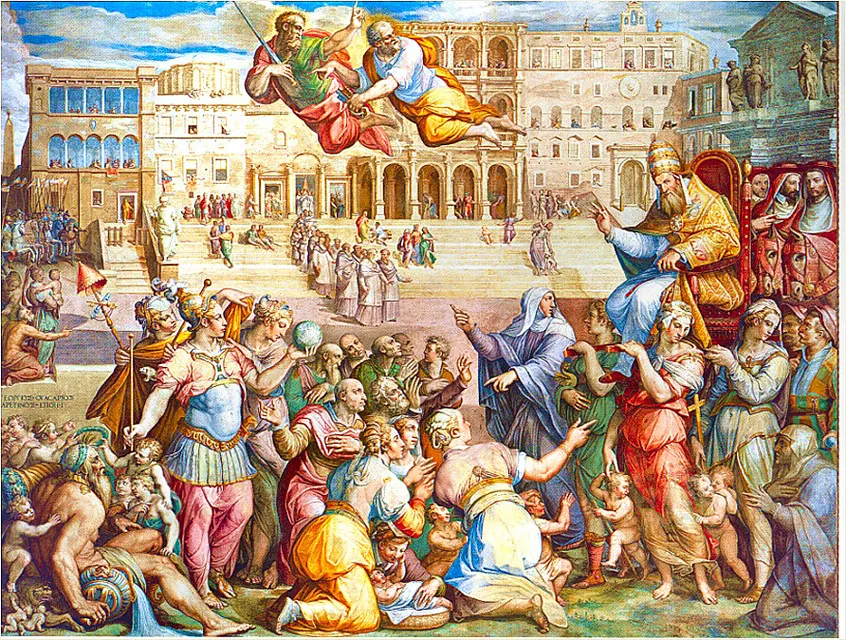
An idealised picture of Gregory XI's return to Rome, a fresco by Giorgio Vasari in the Vatican.
An idealised picture of Gregory XI’s return to Rome, a fresco by Giorgio Vasari in the Vatican.
Image creditUnknown · Public domainResized and cropped for display.

Pope Gregory XI brings the papacy back to Rome

For almost seventy years from 1309 the popes lived not in Rome but at Avignon in southern France, where they were widely seen as too close to the French crown. Rome decayed, the Papal States slid into disorder, and critics such as Catherine of Siena urged the popes to return.

Gregory XI, a Frenchman, left Avignon in September 1376 against the wishes of the French king and most of his cardinals. On 17 January 1377 he made his solemn entry into Rome. He died the next year, and the disputed election that followed split the Church for four decades between rival popes, but the papacy has been based in Rome ever since.

Read the full storyHistory & Timeline →Source: Encyclopaedia Britannica: Gregory XI ↗
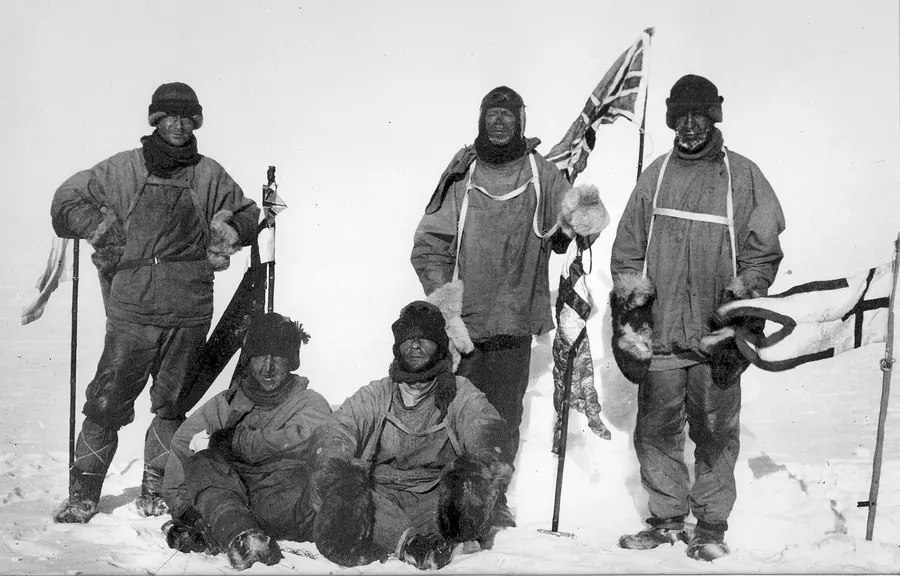
Scott's party at the South Pole on 18 January 1912: Wilson, Scott and Oates standing, Bowers and Evans seated; photographed by Bowers.
Scott’s party at the South Pole on 18 January 1912: Wilson, Scott and Oates standing, Bowers and Evans seated; photographed by Bowers.
Image creditHenry Bowers (1883–1912) · Public domainResized and cropped for display.

Scott reaches the South Pole, a month too late

Robert Falcon Scott’s Terra Nova expedition set out to be first to the South Pole, but the Norwegian Roald Amundsen, using dogs and skis, raced him for it. Scott’s final party of five, Scott, Edward Wilson, Henry Bowers, Lawrence Oates and Edgar Evans, man-hauled their sledges across the polar plateau.

On 17 January 1912 they reached the Pole and found Amundsen’s tent and flag: the Norwegians had been there in mid-December. ‘Great God! this is an awful place,’ Scott wrote in his diary. On the long march back all five men died of cold, hunger and exhaustion; their last camp was found that November.

Read the full storyHistory & Timeline →Source: Royal Museums Greenwich: the race to the South Pole, Scott and Amundsen ↗
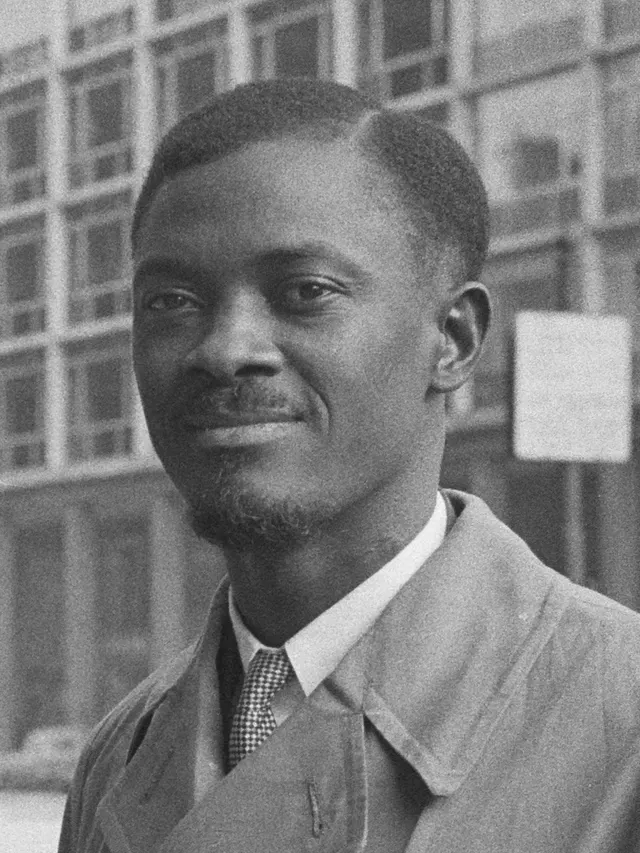
Patrice Lumumba in Brussels, 26 January 1960, during the talks on the Congo's independence.
Patrice Lumumba in Brussels, 26 January 1960, during the talks on the Congo’s independence.
Image creditHarry Pot for Anefo ) · CC BY 4.0Resized and cropped for display.

Patrice Lumumba, the Congo’s first prime minister, is killed

Patrice Lumumba led the Congo to independence from Belgium in June 1960 and became its first prime minister. Within weeks the country was in crisis: the army mutinied, the mineral-rich province of Katanga broke away with Belgian support, and Lumumba’s appeal to the Soviet Union for help alarmed the West. In September he was removed from office, and in December he was arrested.

On 17 January 1961 he and two colleagues, Maurice Mpolo and Joseph Okito, were flown to Katanga and shot the same night by a firing squad, in the presence of Katangan leaders and Belgian officers. His death was announced only weeks later. A Belgian parliamentary inquiry in 2001 found that Belgium bore a moral responsibility.

Read the full storyHistory & Timeline →Source: Encyclopaedia Britannica: Patrice Lumumba ↗
The Disaster Reduction and Human Renovation Institution in Kobe, a museum and research centre built in memory of the 1995 earthquake.
Image creditKishujiRapid · CC BY-SA 4.0Resized and cropped for display.

An earthquake devastates Kobe

At 5.46 in the morning on 17 January 1995 an earthquake of magnitude 6.9 struck beneath Awaji Island and the port city of Kobe in western Japan. In about twenty seconds it brought down more than 100,000 houses, toppled a long section of elevated motorway and set off fires that burned whole districts.

It killed 6,434 people and injured more than 40,000. Japan had believed its cities well prepared, and the disaster led to stronger building rules, a new emphasis on volunteers and local rescue, and a museum and research centre in Kobe dedicated to reducing the harm of future disasters.

Read the full storyHistory & Timeline →Source: US Geological Survey: the 1995 Hanshin-Awaji (Kobe), Japan, earthquake ↗
♙
PEOPLE

Born Today

Benjamin Franklin
Image creditJoseph-Siffred Duplessis · Public domainResized and cropped for display.

Benjamin Franklin

American printer, scientist and statesman who proved that lightning is electricity and helped draft the Declaration of Independence.

Anne Brontë
Image creditCharlotte Brontë · Public domainResized and cropped for display.

Anne Brontë

English novelist of Agnes Grey and The Tenant of Wildfell Hall, youngest of the Brontë sisters.

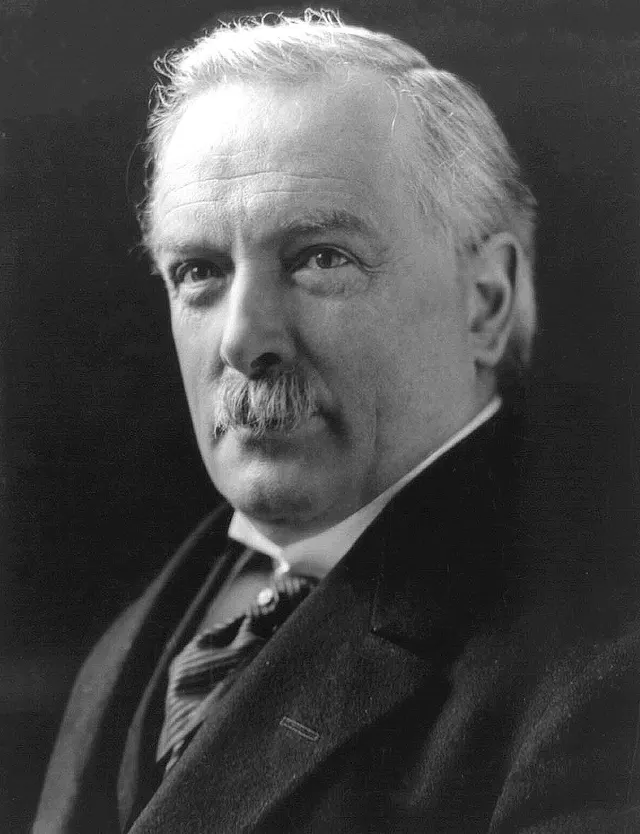
David Lloyd George
Image creditHarris & Ewing · Public domainResized and cropped for display.

David Lloyd George

Welsh Liberal who led Britain as prime minister through the last years of the First World War.

Muhammad Ali
Image creditIra Rosenberg · Public domainResized and cropped for display.

Muhammad Ali

American boxer, three times world heavyweight champion, famous in and out of the ring.

Jim Carrey
Image creditSHOWTIME · CC BY 3.0Resized and cropped for display.

Jim Carrey

Canadian-American comic actor of Ace Ventura and The Truman Show.

◉
IDEAS THAT CHANGED THINGS

Firsts, Science & Discoveries

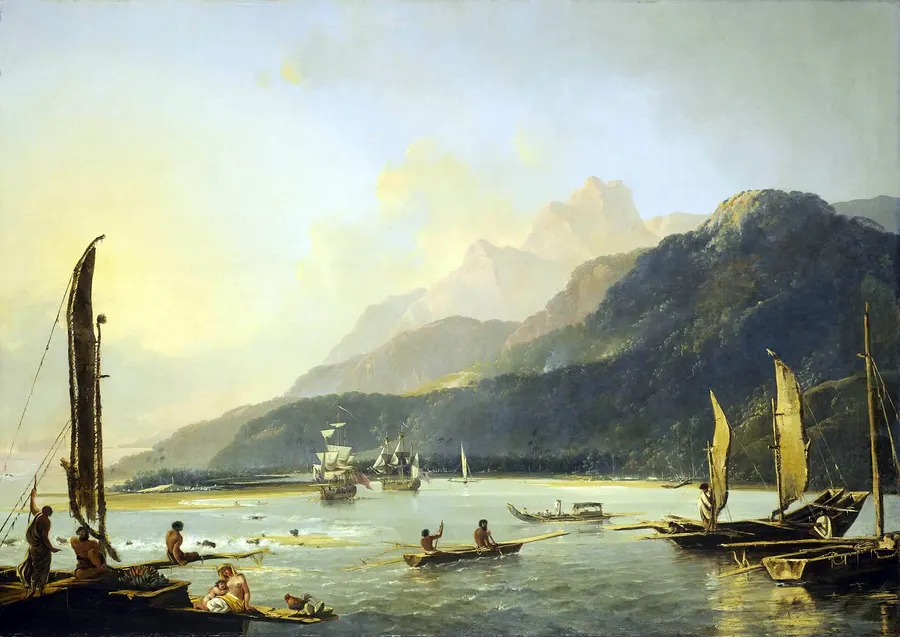
Resolution and Adventure, the ships of Cook's second voyage, at anchor in Matavai Bay, Tahiti; painted by William Hodges in 1776.
Resolution and Adventure, the ships of Cook’s second voyage, at anchor in Matavai Bay, Tahiti; painted by William Hodges in 1776.
Image creditWilliam Hodges · Public domainResized and cropped for display.

James Cook sails across the Antarctic Circle

For centuries geographers imagined a great southern continent balancing the lands of the north. On his second voyage, the British Admiralty sent James Cook with two ships, Resolution and Adventure, to find it or prove it did not exist.

On 17 January 1773 his ships crossed the Antarctic Circle, the first known to have done so. Pack ice forced them back, and over the next year Cook crossed the circle twice more, reaching 71°10’ south, but he never sighted the continent itself. He concluded that any southern land must lie locked in ice, of no use to anyone.

Read the full storyHistory & Timeline →Source: Royal Museums Greenwich: Captain James Cook timeline ↗
✦
LIVES REMEMBERED

Remembered Today

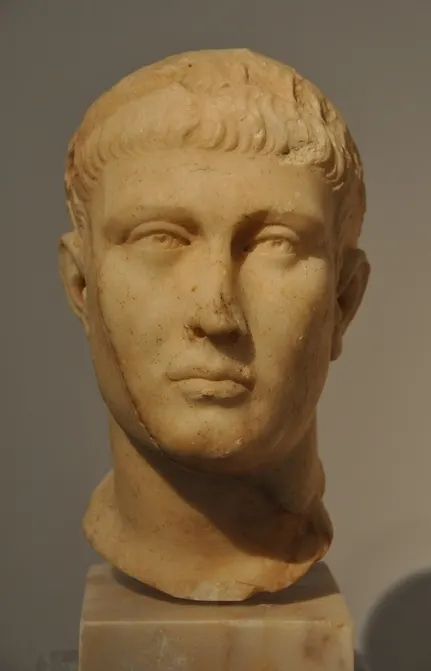
Theodosius I
Image creditwww.livius.org · CC BY-SA 4.0Resized and cropped for display.

Theodosius I

Roman emperor, the last to rule both the eastern and western halves of the empire.

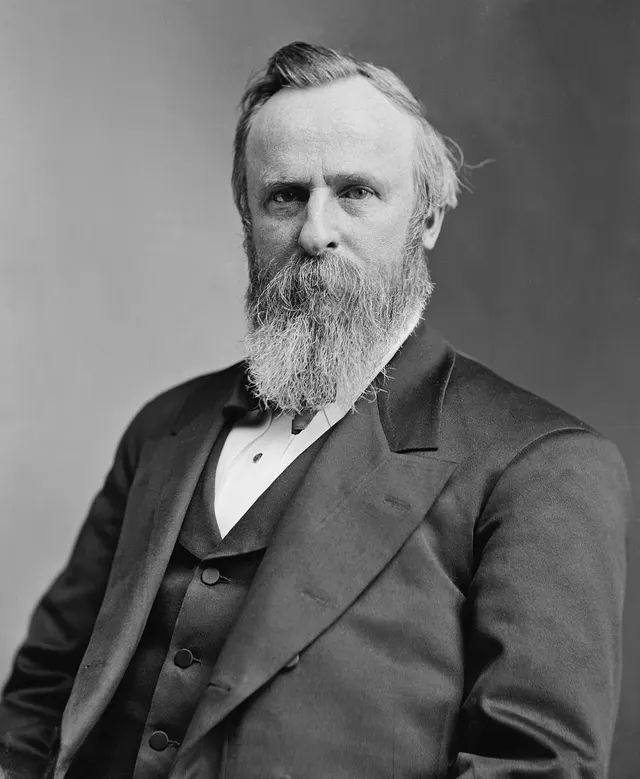
Rutherford B. Hayes
Image creditMathew Benjamin Brady · Public domainResized and cropped for display.

Rutherford B. Hayes

President of the United States from 1877 to 1881, whose disputed election ended Reconstruction.

Camilo José Cela
Image creditUnknown photographer · CC BY 4.0Resized and cropped for display.

Camilo José Cela

Spanish novelist of The Family of Pascual Duarte, winner of the 1989 Nobel Prize in Literature.

Bobby Fischer
Image creditBert Verhoeff for Anefo · CC0Resized and cropped for display.

Bobby Fischer

American chess prodigy who became world champion in 1972.

☉
AROUND THE WORLD

Observances & Anniversaries

Saint Anthony the Great, painted by Michael Damaskinos in the late sixteenth century.
Image creditMichael Damaskinos · Public domainResized and cropped for display.

Saint Anthony’s Day and the blessing of animals

17 January is the feast of Saint Anthony the Great, the Egyptian hermit of the fourth century regarded as the father of Christian monasticism and a patron saint of animals. In Spain, Italy and Mexico many churches mark the day by blessing animals, from farm horses to family pets; in Madrid people bring their pets to the church of San Antón.

Source: Encyclopaedia Britannica: St. Anthony of Egypt ↗
HISTORY & TIMELINE

Finished the highlights?

Follow 17 January chronologically, from the Middle Ages to the modern day, with 8 verified events and the sources behind them.

This day through time →