Explore 18 January

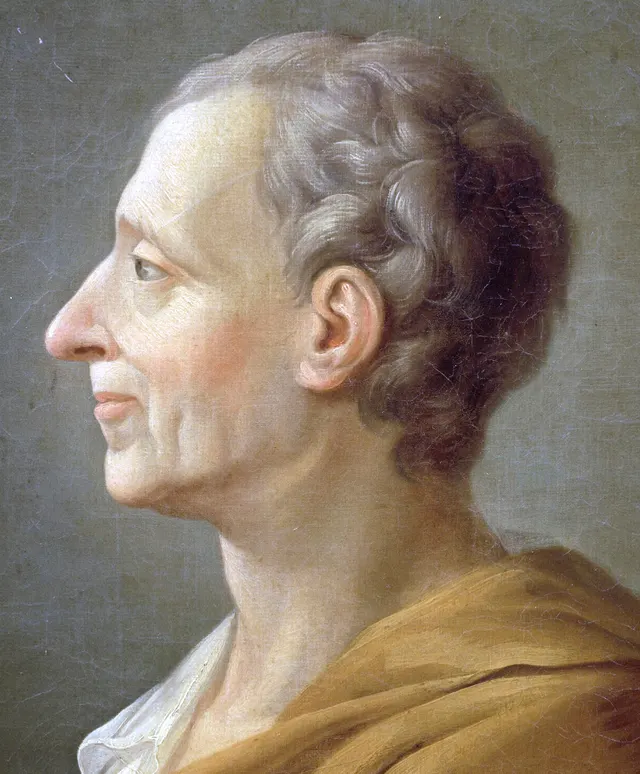
Explore 18 January: Francisco Pizarro founds Lima, James Cook’s ships sight the Hawaiian Islands, the German Empire is proclaimed in the Hall of Mirrors at Versailles and the peace conference that ended the First World War opens in Paris. Meet Montesquieu, A. A. Milne and Cary Grant, born on 18 January.

This day through time →11 verified events across 5 eras

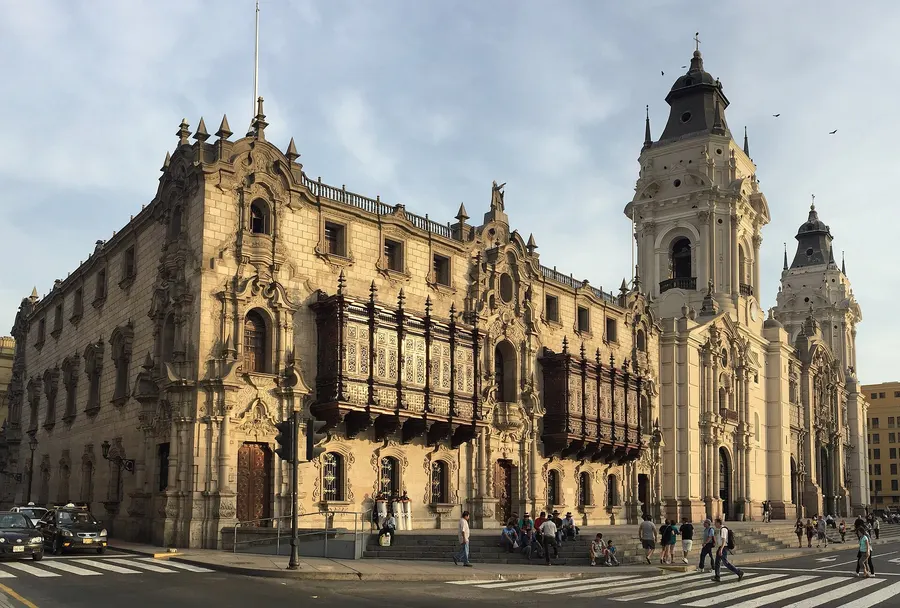
Lima's cathedral towers and the Archbishop's Palace on the Plaza Mayor, the heart of the city Pizarro founded.
Lima’s cathedral towers and the Archbishop’s Palace on the Plaza Mayor, the heart of the city Pizarro founded.
Image creditDavid Felipe Ruiz Hoyos · CC BY-SA 4.0Resized and cropped for display.

Francisco Pizarro founds Lima, the ‘City of the Kings’

Within three years of capturing the Inca emperor Atahualpa, the Spanish conquistador Francisco Pizarro needed a capital for the new colony of Peru. The old Inca capital, Cuzco, lay high in the Andes, far from the sea and from ships to Panama and Spain.

On 18 January 1535 he founded a new city on the coast beside the Rímac river and named it the Ciudad de los Reyes, the City of the Kings, after the Three Kings of the Epiphany season. The name never took hold, and the city came to be called Lima. It became the seat of the Viceroyalty of Peru, the richest and most powerful city in Spanish South America, and its historic centre is now a World Heritage Site.

Read the full storyHistory & Timeline →Source: Encyclopaedia Britannica: Lima, history ↗
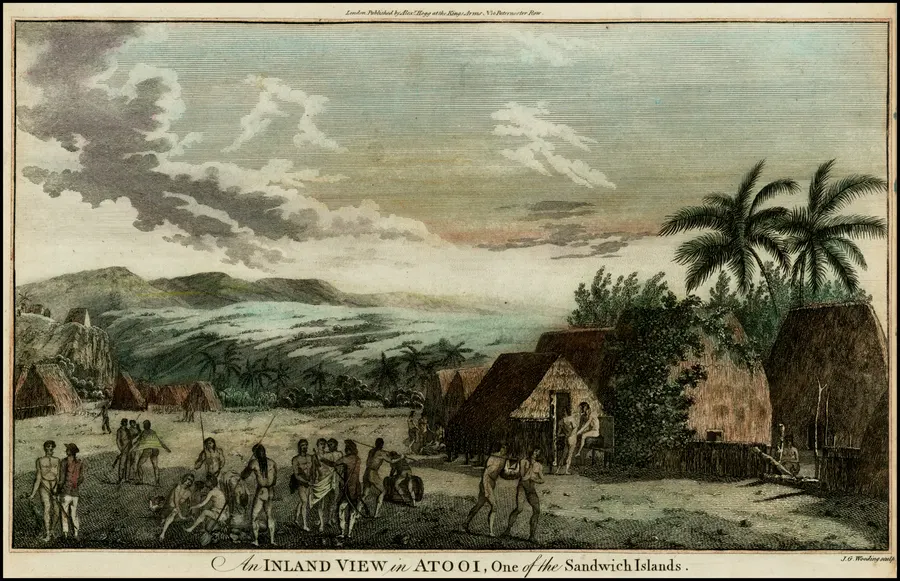
A village near Waimea on Kauai, which Cook's crews visited in 1778; an engraving after a drawing by John Webber, the expedition's artist, published in 1785.
A village near Waimea on Kauai, which Cook’s crews visited in 1778; an engraving after a drawing by John Webber, the expedition’s artist, published in 1785.
Image creditJohn Webber / William Hodges · Public domainResized and cropped for display.

James Cook’s ships sight the Hawaiian Islands

On his third Pacific voyage James Cook was sailing north from Tahiti towards the coast of North America, hoping to find a sea passage around the top of the continent. On 18 January 1778 the crews of Resolution and Discovery sighted a mountainous island, Oahu, and soon afterwards Kauai to the north: the first Europeans known to have reached the Hawaiian Islands.

Two days later the ships anchored off Waimea on Kauai, where the islanders came out in canoes to trade. Cook named the group the Sandwich Islands after his patron, the Earl of Sandwich. He returned a year later to Hawaii Island, where he was killed at Kealakekua Bay in February 1779.

Read the full storyHistory & Timeline →Source: US National Park Service: Cook Landing Site ↗
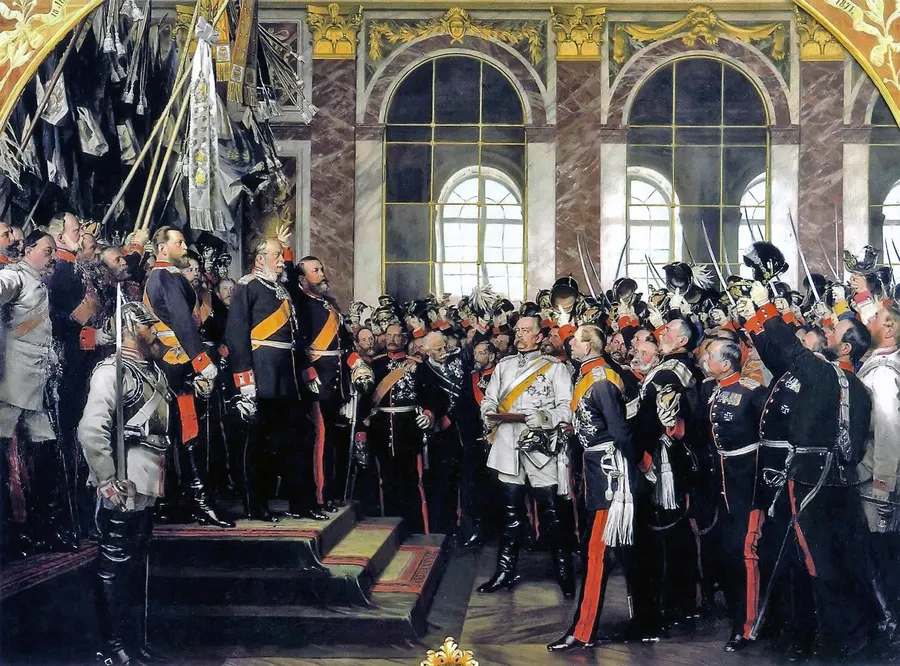
The proclamation of the German Empire in the Hall of Mirrors, painted by Anton von Werner, who was there; Bismarck stands in white at the centre.
Image creditAnton von Werner · Public domainResized and cropped for display.

The German Empire is proclaimed at Versailles

In the summer of 1870 France declared war on Prussia. The Prussian-led German armies won quickly, captured the French emperor Napoleon III at Sedan and laid siege to Paris, while King Wilhelm I of Prussia and his chancellor, Otto von Bismarck, set up their headquarters at Versailles.

On 18 January 1871, before hundreds of officers and the German princes, Wilhelm was proclaimed German emperor in the Hall of Mirrors of Louis XIV’s palace. The southern German states joined the new empire, completing the unification of Germany under Prussia. Holding the ceremony at Versailles was a deliberate humiliation of France, and in 1919 the French chose the same hall for the signing of the peace treaty with Germany.

Read the full storyHistory & Timeline →Source: Palace of Versailles: proclamation of the German Empire, 1871 ↗
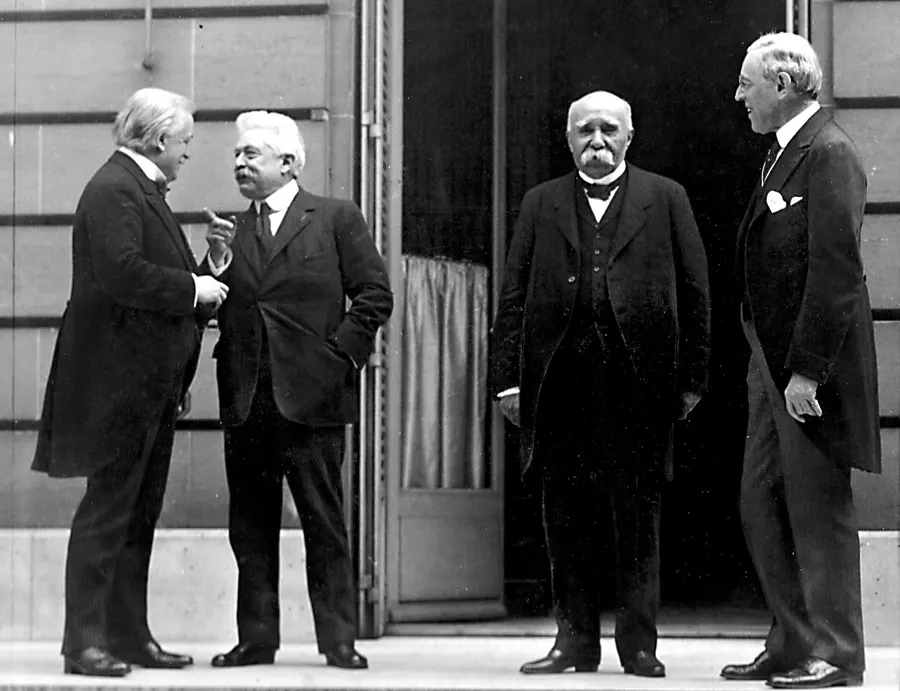
The 'Big Four' at the peace conference in 1919: David Lloyd George, Vittorio Orlando, Georges Clemenceau and Woodrow Wilson.
The ‘Big Four’ at the peace conference in 1919: David Lloyd George, Vittorio Orlando, Georges Clemenceau and Woodrow Wilson.
Image creditEdward N. Jackson (US Army Signal Corps) · Public domainResized and cropped for display.

The peace conference after the First World War opens in Paris

Two months after the armistice of November 1918, the victorious Allies gathered in Paris to settle the peace. The conference opened on the afternoon of 18 January 1919 at the French foreign ministry, under the presidency of Raymond Poincaré, the French president, with delegations from more than two dozen countries.

The real decisions were made by the leaders of Britain, France, the United States and Italy. Over the following months they drew up the Treaty of Versailles with Germany and separate treaties with Austria, Hungary, Bulgaria and the Ottoman Empire, redrew the map of Europe and the Middle East and created the League of Nations.

Read the full storyHistory & Timeline →Source: US Office of the Historian: the Paris Peace Conference and the Treaty of Versailles ↗
♙
PEOPLE

Born Today

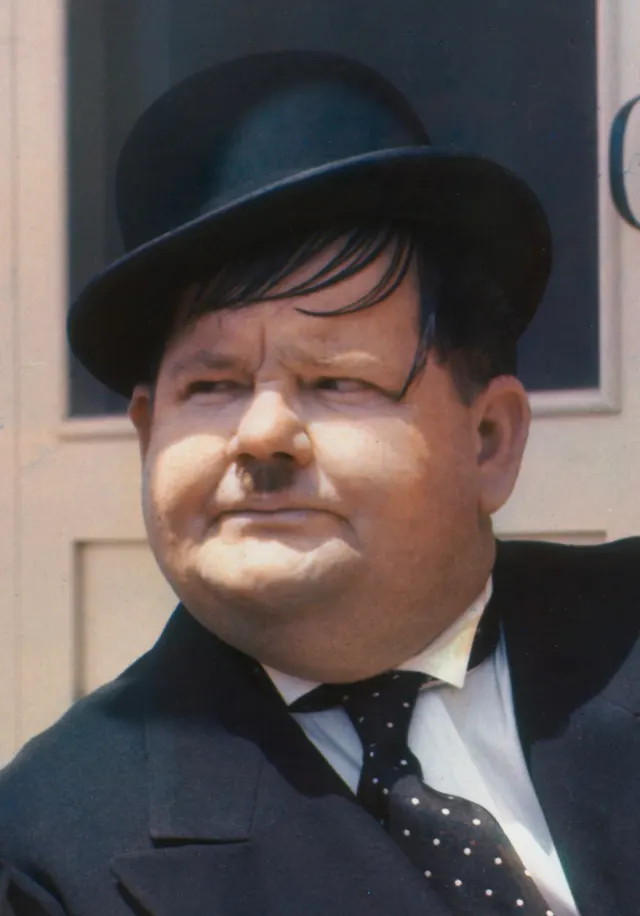
Oliver Hardy
Image creditHarry Warnecke, 1900 - 1984 · CC0Resized and cropped for display.

Oliver Hardy

American comic actor, the larger half of Laurel and Hardy.

Kevin Costner
Image creditAriela Ortiz-Barrantes · CC BY-SA 4.0Resized and cropped for display.

Kevin Costner

American actor and director who won Oscars for Dances with Wolves.

◉
IDEAS THAT CHANGED THINGS

Firsts, Science & Discoveries

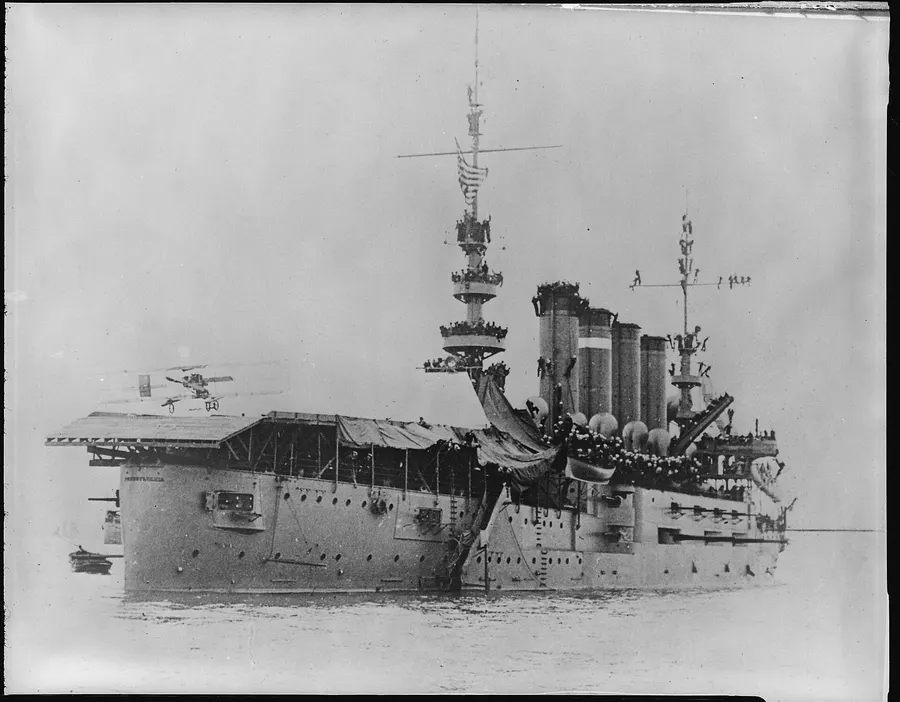
Eugene Ely's biplane on the landing platform at the stern of the cruiser Pennsylvania in San Francisco Bay, 18 January 1911.
Eugene Ely’s biplane on the landing platform at the stern of the cruiser Pennsylvania in San Francisco Bay, 18 January 1911.
Image creditUnknown authorUnknown author or not provided · Public domainResized and cropped for display.

Eugene Ely makes the first landing on a ship

Only eight years after the Wright brothers’ first flight, the US Navy wanted to know whether aircraft could work with the fleet. A civilian pilot, Eugene Ely, had already taken off from a ship in November 1910. Next he would try to land on one.

On 18 January 1911 he flew his Curtiss biplane from a racecourse near San Francisco to the armoured cruiser Pennsylvania, anchored in the bay, and touched down on a wooden platform built over her stern. Ropes weighted with sandbags, caught by hooks on the aircraft, pulled it to a stop. After lunch with the captain he took off again. It was the start of naval aviation and the ancestor of every aircraft carrier landing.

Read the full storyHistory & Timeline →Source: Smithsonian National Air and Space Museum: Eugene Ely and the birth of naval aviation ↗
☆
SPORTING HISTORY

Sporting Moments

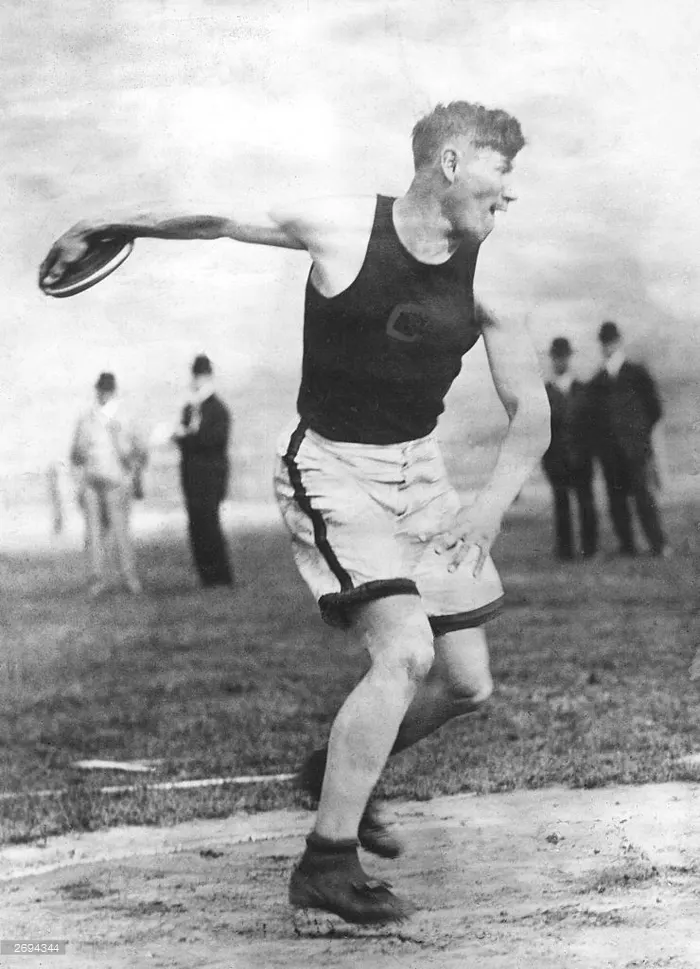
Jim Thorpe throwing the discus at the 1912 Olympic Games in Stockholm.
Image creditUnknown authorUnknown author · Public domainResized and cropped for display.

Jim Thorpe’s Olympic medals are given back

At the 1912 Olympic Games in Stockholm, Jim Thorpe, an American of Sac and Fox descent, won both the pentathlon and the decathlon. Months later it emerged that he had been paid to play minor-league baseball, and under the strict amateur rules of the time his medals were taken away.

Thorpe died in 1953. After years of campaigning by his family and supporters, the International Olympic Committee reinstated him, and on 18 January 1983 two of his children received replica medals from the IOC. In 2022 the IOC went further and named him the sole champion of both events.

Read the full storyHistory & Timeline →Source: Encyclopaedia Britannica: Jim Thorpe ↗
✦
LIVES REMEMBERED

Remembered Today

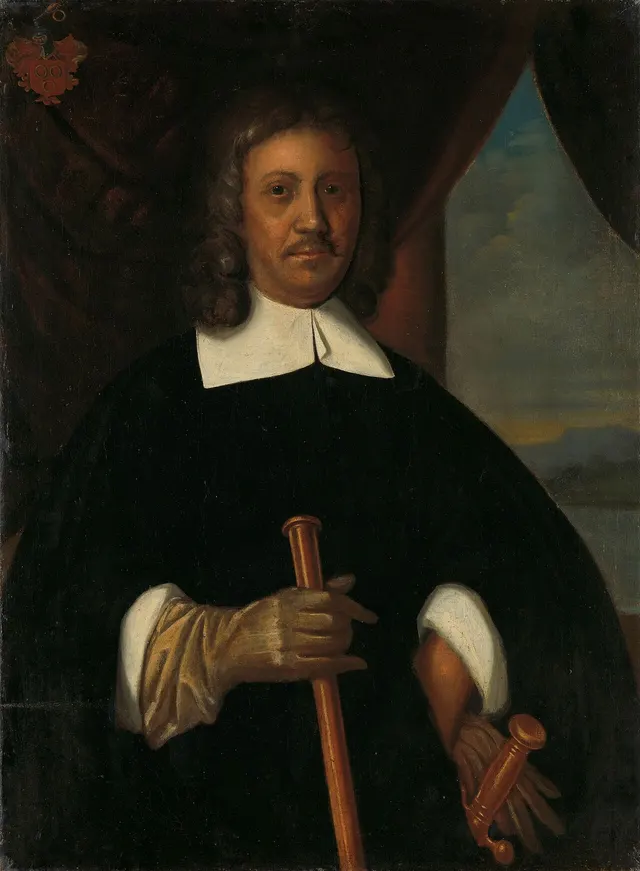
Jan van Riebeeck
Image creditanonymous · CC0Resized and cropped for display.

Jan van Riebeeck

Dutch East India Company official who founded the settlement at the Cape of Good Hope in 1652.

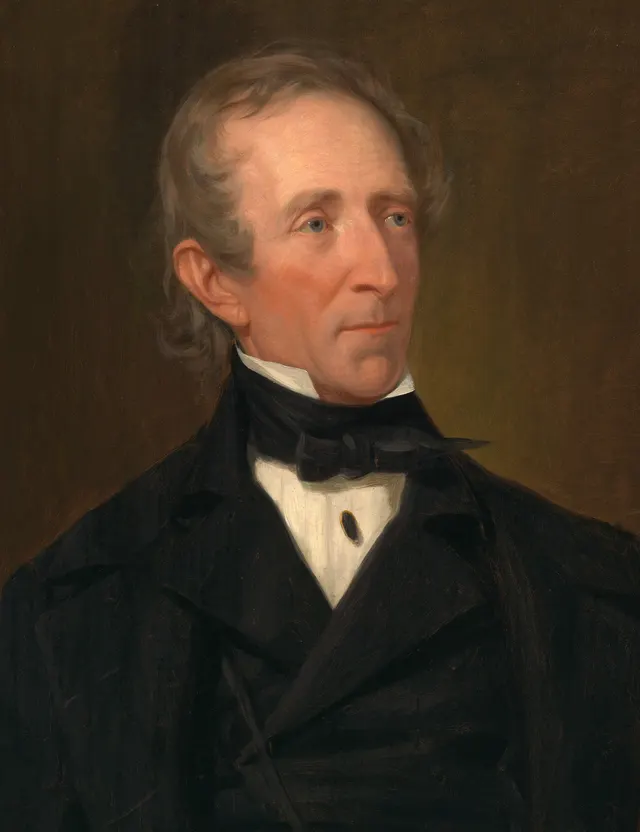
John Tyler
Image creditGeorge Peter Alexander Healy · Public domainResized and cropped for display.

John Tyler

Tenth president of the United States, the first vice-president to take over on a president’s death.

Rudyard Kipling
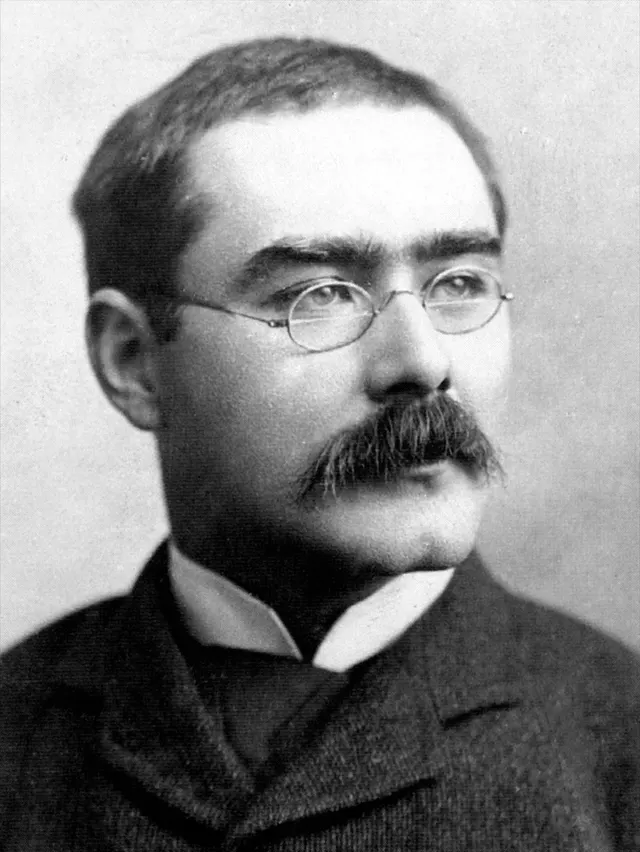
Image creditElliott & Fry · Public domainResized and cropped for display.

Rudyard Kipling

English writer of The Jungle Book and Kim, winner of the 1907 Nobel Prize in Literature.

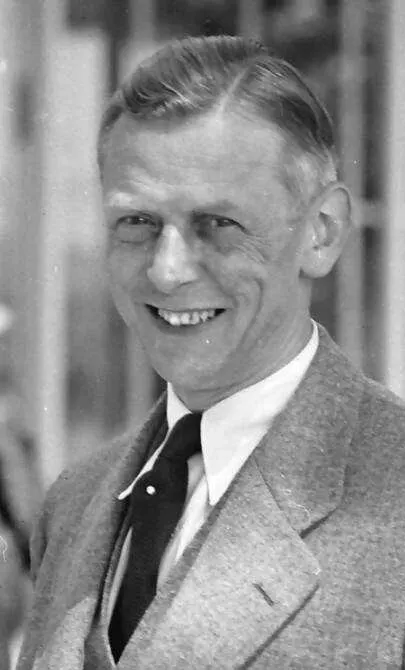
Adolf Butenandt
Image creditWilly Pragher · CC BY 3.0 deResized and cropped for display.

Adolf Butenandt

German biochemist who shared the 1939 Nobel Prize in Chemistry for his work on sex hormones.

☉
AROUND THE WORLD

Observances & Anniversaries

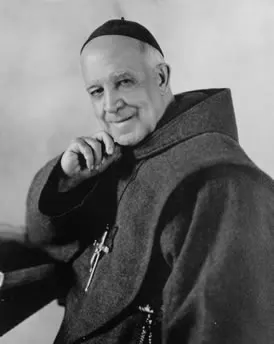
Father Paul Wattson, the American priest who proposed the dates of the week in 1908.
Image creditUnknown authorUnknown author · Public domainResized and cropped for display.

The Week of Prayer for Christian Unity begins

Every year from 18 to 25 January churches of many traditions pray together for Christian unity, exchanging preachers and holding joint services. The dates were proposed in 1908 by Father Paul Wattson and run between two feasts, of Saint Peter and of Saint Paul. The week is now prepared jointly by the World Council of Churches and the Vatican; in the southern hemisphere many churches hold it around Pentecost instead.

Source: World Council of Churches: Week of Prayer for Christian Unity ↗
HISTORY & TIMELINE

Finished the highlights?

Follow 18 January chronologically, from the Middle Ages to the modern day, with 11 verified events and the sources behind them.

This day through time →