
HISTORY & TIMELINE
18 January

A journey through
18 January in history

The eighteenth day of the year has seen a marriage that ended the Wars of the Roses, a Brandenburg elector crown himself king in Prussia, the first ships of Britain’s convict fleet reach Botany Bay and Soviet soldiers break through the siege ring around Leningrad. This timeline follows 18 January from the fifteenth century to the twenty-first.

II
THE MIDDLE AGES

Medieval History

Kingdoms, conflict, faith, power and the changing medieval world.

1486
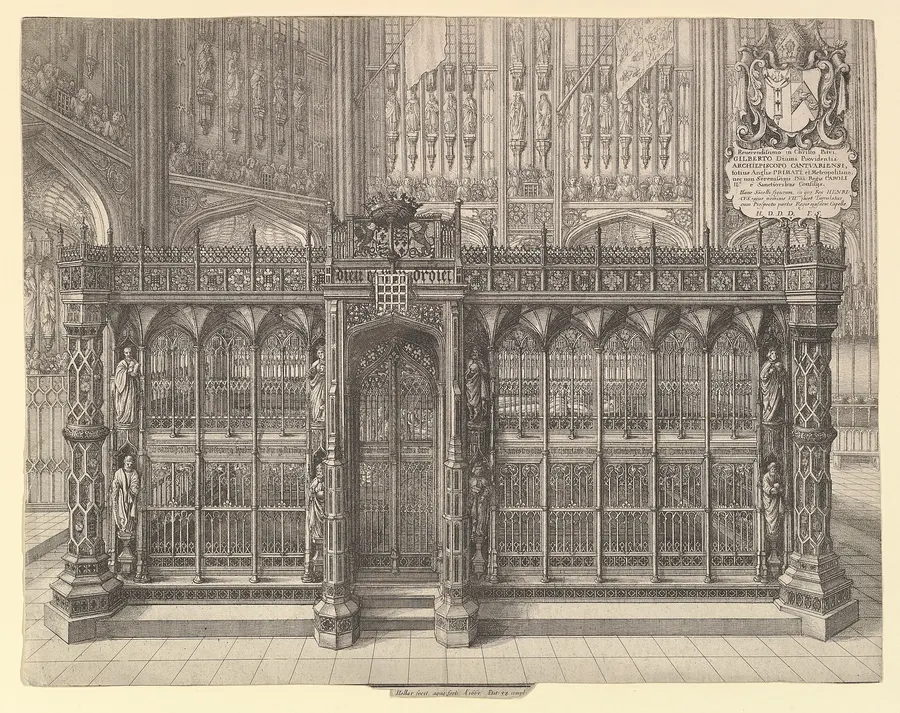
The tomb of Henry VII and Elizabeth of York in Westminster Abbey, inside its bronze screen; an engraving by Wenceslaus Hollar.The tomb of Henry VII and Elizabeth of York in Westminster Abbey, inside its bronze screen; an engraving by Wenceslaus Hollar.Image: Wenceslaus Hollar · CC0
politics · Europe

Henry VII marries Elizabeth of York, joining Lancaster and York

Five months after winning the crown at Bosworth, Henry Tudor, heir of the House of Lancaster, married Elizabeth of York, eldest daughter of Edward IV, at St Paul’s on 18 January 1486. The marriage joined the two warring houses, and the Tudor rose later combined their red and white roses. They lie together in Westminster Abbey.

Source: Westminster Abbey: Henry VII and Elizabeth of York ↗
III
A CHANGING WORLD

Early Modern Era

Exploration, political change, scientific development and expanding global connections.

1535
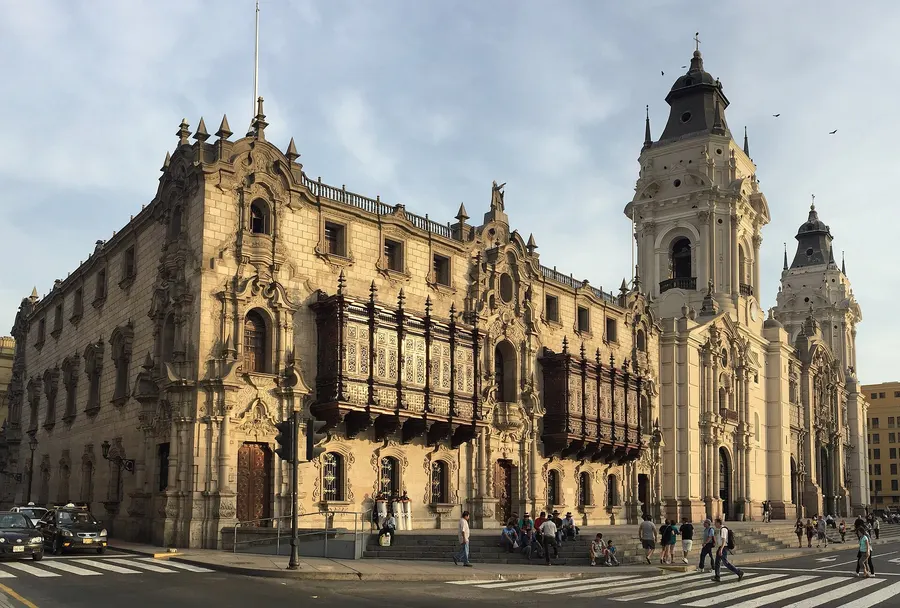
Lima's cathedral towers and the Archbishop's Palace on the Plaza Mayor, the heart of the city Pizarro founded.Lima’s cathedral towers and the Archbishop’s Palace on the Plaza Mayor, the heart of the city Pizarro founded.Image: David Felipe Ruiz Hoyos · CC BY-SA 4.0
politics · Americas

Francisco Pizarro founds Lima, the ‘City of the Kings’

Within three years of capturing the Inca emperor Atahualpa, the Spanish conquistador Francisco Pizarro needed a capital for the new colony of Peru. The old Inca capital, Cuzco, lay high in the Andes, far from the sea and from ships to Panama and Spain. On 18 January 1535 he founded a new city on the coast beside the Rímac river and named it the Ciudad de los Reyes, the City of the Kings, after the Three Kings of the Epiphany season. The name never took hold, and the city came to be called Lima. It became the seat of the Viceroyalty of Peru, the richest and most powerful city in Spanish South America, and its historic centre is now a World Heritage Site.

Source: Encyclopaedia Britannica: Lima, history ↗
1701
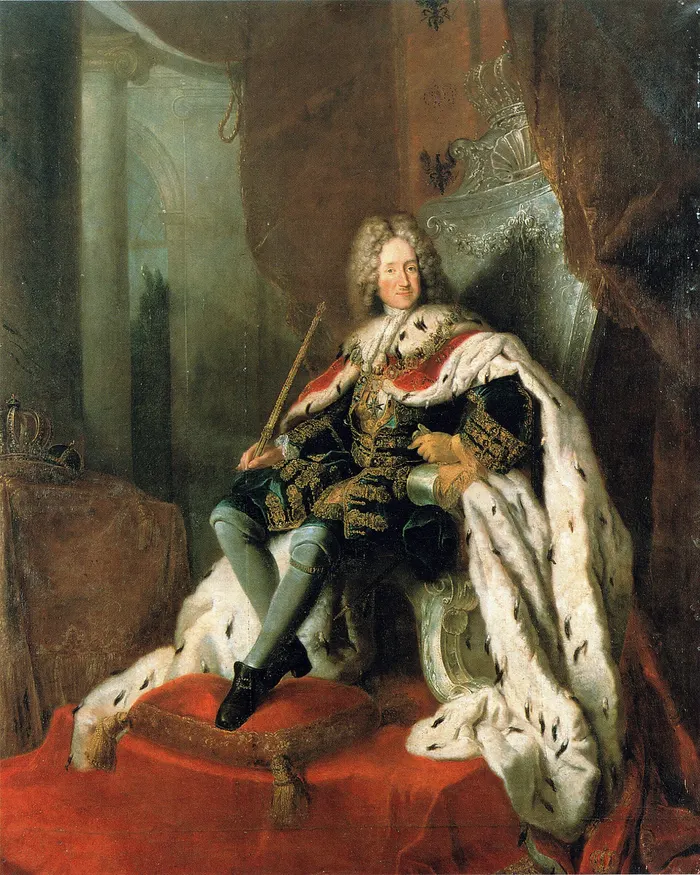
Frederick I of Prussia in his coronation robes, painted by Antoine Pesne.Frederick I of Prussia in his coronation robes, painted by Antoine Pesne.Image: Antoine Pesne · Public domain
politics · Europe

Frederick I crowns himself king in Prussia

Frederick III, Elector of Brandenburg, won the Holy Roman Emperor’s consent to a royal title in return for help in the coming war over the Spanish succession. On 18 January 1701 he crowned himself at Königsberg as Frederick I, ‘king in Prussia’. His kingdom grew into one of Europe’s great powers.

Source: Encyclopaedia Britannica: Frederick I, king of Prussia ↗
1778
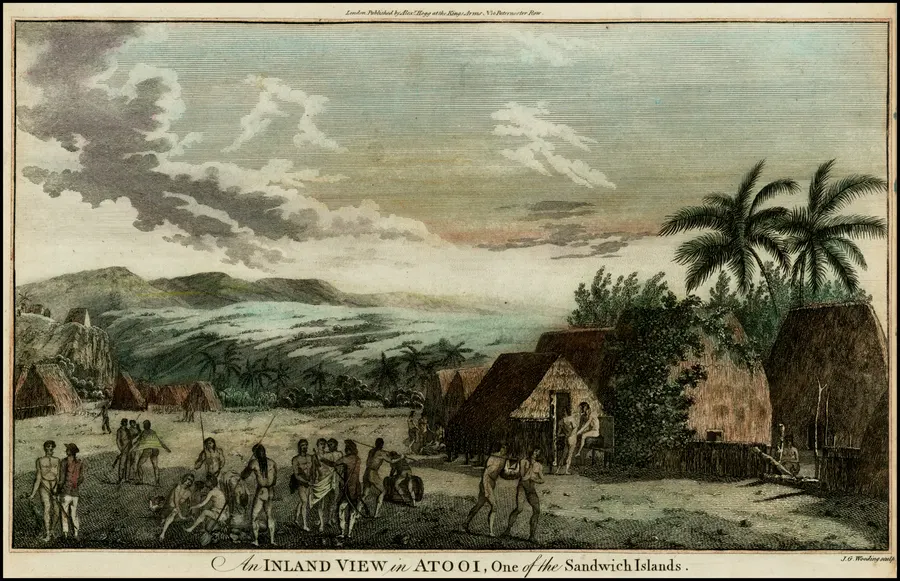
A village near Waimea on Kauai, which Cook's crews visited in 1778; an engraving after a drawing by John Webber, the expedition's artist, published in 1785.A village near Waimea on Kauai, which Cook’s crews visited in 1778; an engraving after a drawing by John Webber, the expedition’s artist, published in 1785.Image: John Webber / William Hodges · Public domain
world · Oceania

James Cook’s ships sight the Hawaiian Islands

On his third Pacific voyage James Cook was sailing north from Tahiti towards the coast of North America, hoping to find a sea passage around the top of the continent. On 18 January 1778 the crews of Resolution and Discovery sighted a mountainous island, Oahu, and soon afterwards Kauai to the north: the first Europeans known to have reached the Hawaiian Islands. Two days later the ships anchored off Waimea on Kauai, where the islanders came out in canoes to trade. Cook named the group the Sandwich Islands after his patron, the Earl of Sandwich. He returned a year later to Hawaii Island, where he was killed at Kealakekua Bay in February 1779.

Source: US National Park Service: Cook Landing Site ↗
1788
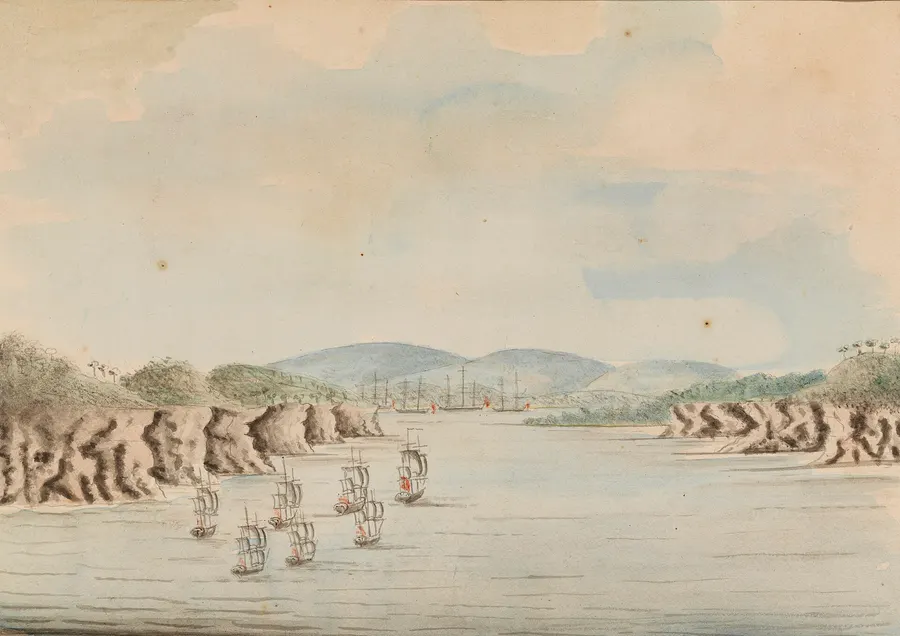
The First Fleet entering Botany Bay in January 1788, a watercolour by William Bradley, an officer of HMS Sirius.The First Fleet entering Botany Bay in January 1788, a watercolour by William Bradley, an officer of HMS Sirius.Image: William Bradley · Public domain
world · Oceania

The first ship of Britain’s convict fleet reaches Botany Bay

After a voyage of eight months from England, Captain Arthur Phillip reached Botany Bay aboard the armed tender Supply on 18 January 1788; the rest of the First Fleet, carrying more than 1,000 people, most of them convicts, followed over the next two days. Finding poor soil and little water, Phillip moved the settlement north to Sydney Cove.

Source: State Library of New South Wales: convict women of the First Fleet, arrival ↗
IV
THE NINETEENTH CENTURY

The 1800s

Industry, empire, invention, reform and a century of enormous transformation.

1871
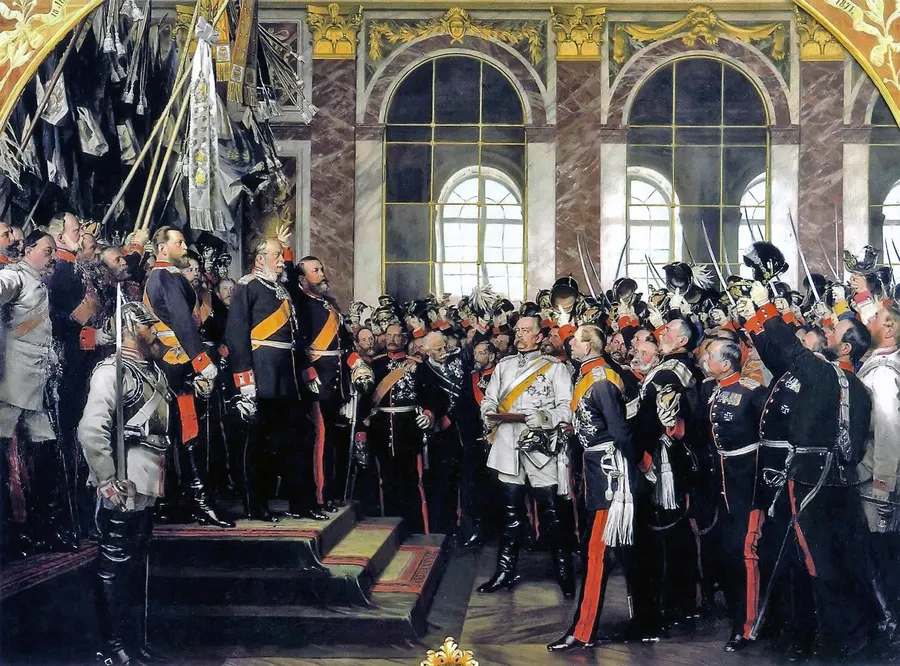
The proclamation of the German Empire in the Hall of Mirrors, painted by Anton von Werner, who was there; Bismarck stands in white at the centre.The proclamation of the German Empire in the Hall of Mirrors, painted by Anton von Werner, who was there; Bismarck stands in white at the centre.Image: Anton von Werner · Public domain
politics · Europe

The German Empire is proclaimed at Versailles

In the summer of 1870 France declared war on Prussia. The Prussian-led German armies won quickly, captured the French emperor Napoleon III at Sedan and laid siege to Paris, while King Wilhelm I of Prussia and his chancellor, Otto von Bismarck, set up their headquarters at Versailles. On 18 January 1871, before hundreds of officers and the German princes, Wilhelm was proclaimed German emperor in the Hall of Mirrors of Louis XIV’s palace. The southern German states joined the new empire, completing the unification of Germany under Prussia. Holding the ceremony at Versailles was a deliberate humiliation of France, and in 1919 the French chose the same hall for the signing of the peace treaty with Germany.

Source: Palace of Versailles: proclamation of the German Empire, 1871 ↗
V
THE TWENTIETH CENTURY

The 1900s

War and peace, technological leaps, social change, politics, sport and popular culture.

1911
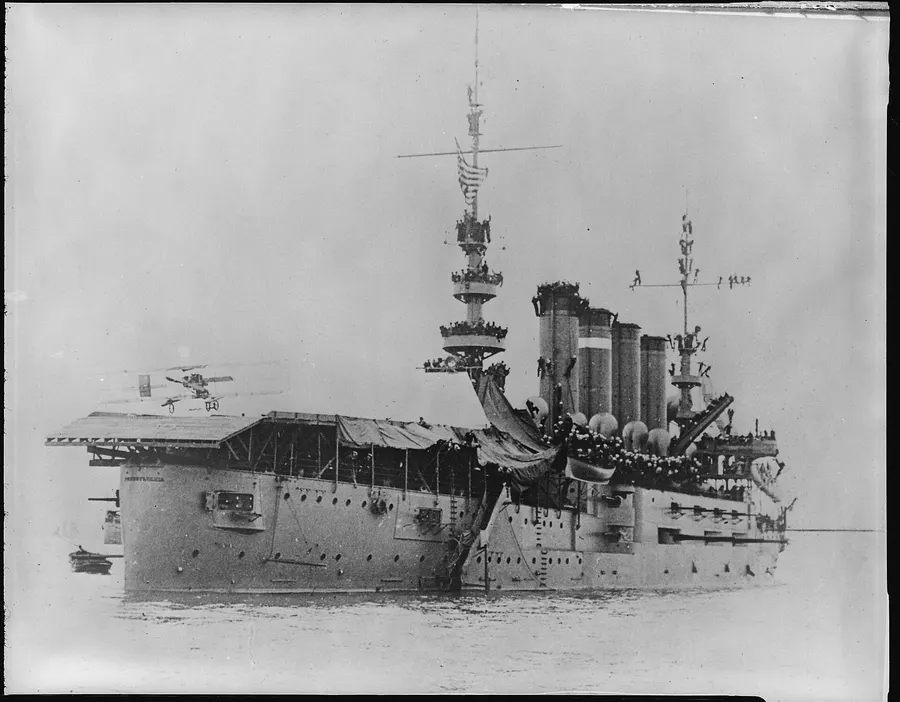
Eugene Ely's biplane on the landing platform at the stern of the cruiser Pennsylvania in San Francisco Bay, 18 January 1911.Eugene Ely’s biplane on the landing platform at the stern of the cruiser Pennsylvania in San Francisco Bay, 18 January 1911.Image: Unknown authorUnknown author or not provided · Public domain
science · Americas

Eugene Ely makes the first landing on a ship

Only eight years after the Wright brothers’ first flight, the US Navy wanted to know whether aircraft could work with the fleet. A civilian pilot, Eugene Ely, had already taken off from a ship in November 1910. Next he would try to land on one. On 18 January 1911 he flew his Curtiss biplane from a racecourse near San Francisco to the armoured cruiser Pennsylvania, anchored in the bay, and touched down on a wooden platform built over her stern. Ropes weighted with sandbags, caught by hooks on the aircraft, pulled it to a stop. After lunch with the captain he took off again. It was the start of naval aviation and the ancestor of every aircraft carrier landing.

Source: Smithsonian National Air and Space Museum: Eugene Ely and the birth of naval aviation ↗
1919
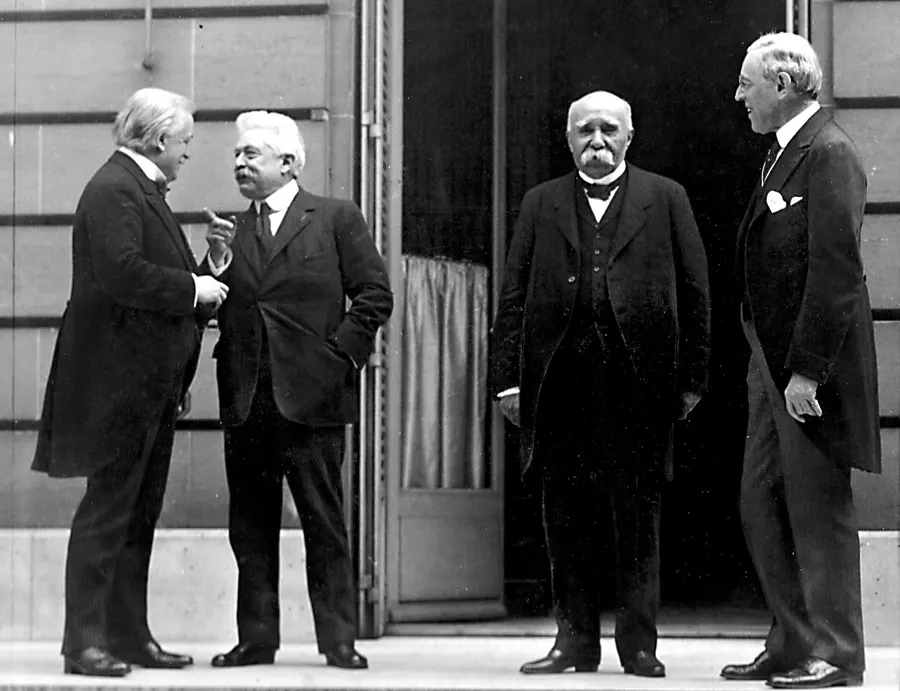
The 'Big Four' at the peace conference in 1919: David Lloyd George, Vittorio Orlando, Georges Clemenceau and Woodrow Wilson.The ‘Big Four’ at the peace conference in 1919: David Lloyd George, Vittorio Orlando, Georges Clemenceau and Woodrow Wilson.Image: Edward N. Jackson (US Army Signal Corps) · Public domain
politics · Global

The peace conference after the First World War opens in Paris

Two months after the armistice of November 1918, the victorious Allies gathered in Paris to settle the peace. The conference opened on the afternoon of 18 January 1919 at the French foreign ministry, under the presidency of Raymond Poincaré, the French president, with delegations from more than two dozen countries. The real decisions were made by the leaders of Britain, France, the United States and Italy. Over the following months they drew up the Treaty of Versailles with Germany and separate treaties with Austria, Hungary, Bulgaria and the Ottoman Empire, redrew the map of Europe and the Middle East and created the League of Nations.

Source: US Office of the Historian: the Paris Peace Conference and the Treaty of Versailles ↗
1943
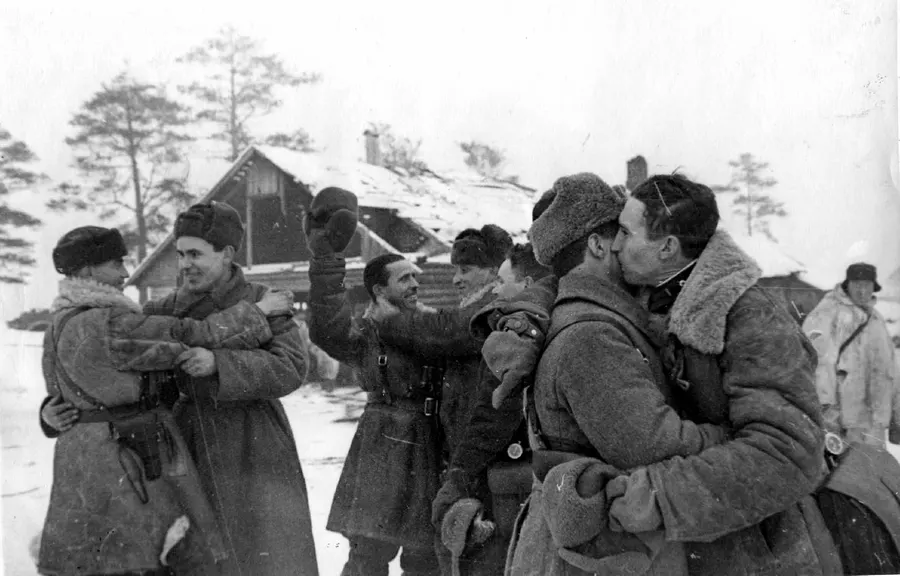
Soldiers and commanders of the Volkhov and Leningrad fronts meet at Workers' Settlement No. 1 as the blockade is broken, January 1943 (TASS photograph).Soldiers and commanders of the Volkhov and Leningrad fronts meet at Workers’ Settlement No. 1 as the blockade is broken, January 1943 (TASS photograph).Image: Семён Нордштейн · Public domain
world · Europe

Soviet troops break through the siege of Leningrad

Leningrad had been cut off by German and Finnish forces since September 1941, and hundreds of thousands of its people had died of hunger. In Operation Iskra, begun on 12 January 1943, troops of the Leningrad and Volkhov fronts attacked from both sides and met on 18 January near Shlisselburg, opening a narrow land corridor to the city. The siege was finally lifted a year later.

Source: Presidential Library (Russia): the break of the Leningrad blockade ↗
1983
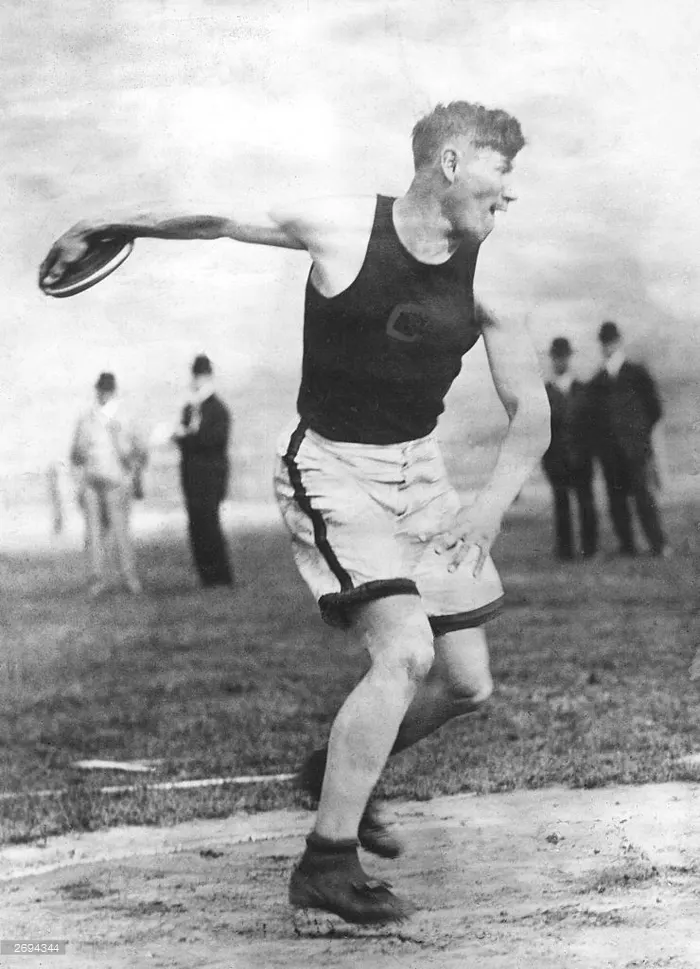
Jim Thorpe throwing the discus at the 1912 Olympic Games in Stockholm.Jim Thorpe throwing the discus at the 1912 Olympic Games in Stockholm.Image: Unknown authorUnknown author · Public domain
sport · Americas

Jim Thorpe’s Olympic medals are given back

At the 1912 Olympic Games in Stockholm, Jim Thorpe, an American of Sac and Fox descent, won both the pentathlon and the decathlon. Months later it emerged that he had been paid to play minor-league baseball, and under the strict amateur rules of the time his medals were taken away. Thorpe died in 1953. After years of campaigning by his family and supporters, the International Olympic Committee reinstated him, and on 18 January 1983 two of his children received replica medals from the IOC. In 2022 the IOC went further and named him the sole champion of both events.

Source: Encyclopaedia Britannica: Jim Thorpe ↗
VI
2000 TO TODAY

Modern Day

The events of recent decades that have already become part of the historical record.

2002
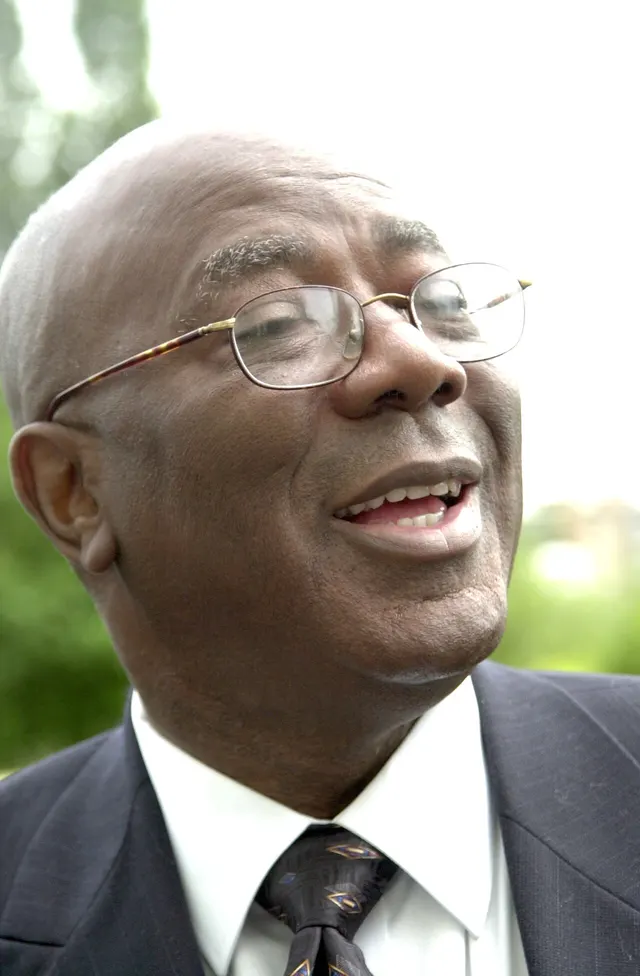
Ahmad Tejan Kabbah, president of Sierra Leone, in 2002.Ahmad Tejan Kabbah, president of Sierra Leone, in 2002.Image: Christian Lambiotte / European Communities · CC BY 4.0
politics · Africa

Sierra Leone declares its civil war over

At a ceremony at Lungi on 18 January 2002, President Ahmad Tejan Kabbah declared an end to the civil war that had torn Sierra Leone apart since 1991 and killed tens of thousands of people. Thousands of surrendered weapons were burned. A large United Nations peacekeeping force had disarmed some 45,000 fighters, among them thousands of child soldiers.

Source: United Nations, Africa Renewal: beyond the battlefield, a blueprint for lasting peace ↗
WHY THESE MOMENTS?

Significance before volume

This page is not the longest possible list of events. It is a chronological journey through 18 January, where each entry is chosen for historical significance, human interest and reliability.

Facts are checked against authoritative museums, archives, universities and reference works. Where sources disagree, the page says so.

EXPLORED THE DEEPER STORY?

Return to the highlights of 18 January

Discover the lighter side of the date with famous birthdays, culture, firsts and lives remembered.

Explore This Day →
← PREVIOUS DAY17 January
HISTORY & TIMELINE18 January
NEXT DAY →19 January