Explore 12 January

Explore 12 January: Palermo rises and starts Europe’s year of revolutions, a revolution overthrows the Sultan of Zanzibar, the Red Army opens its drive from the Vistula to the Oder and an earthquake devastates Haiti. Meet Swami Vivekananda, Jack London and Haruki Murakami, born on 12 January.

This day through time →8 verified events across 3 eras

A satirical print of about 1850: Sicily, shown as a woman, turns away the Neapolitan government at the start of the 1848 revolt.
Image creditMichelangelo Pinto · Public domainResized and cropped for display.

Palermo rises and Europe’s year of revolutions begins

In the 1840s Sicily was ruled from Naples by the Bourbon king Ferdinand II, and many Sicilians resented both his absolute rule and the loss of their island’s old independence. Across Europe, bad harvests and hard times were feeding demands for constitutions and national freedom.

On 12 January 1848 the people of Palermo rose against the royal garrison and, after days of fighting, drove it out. Within weeks Ferdinand had granted a constitution, and in February revolution broke out in Paris, then in Vienna, Berlin, Milan and beyond. Sicily declared its independence that April but was reconquered in 1849; most of the year’s revolutions were crushed, yet they changed European politics for good.

Read the full storyHistory & Timeline →Source: Encyclopaedia Britannica: Italy, the revolutions of 1848 ↗
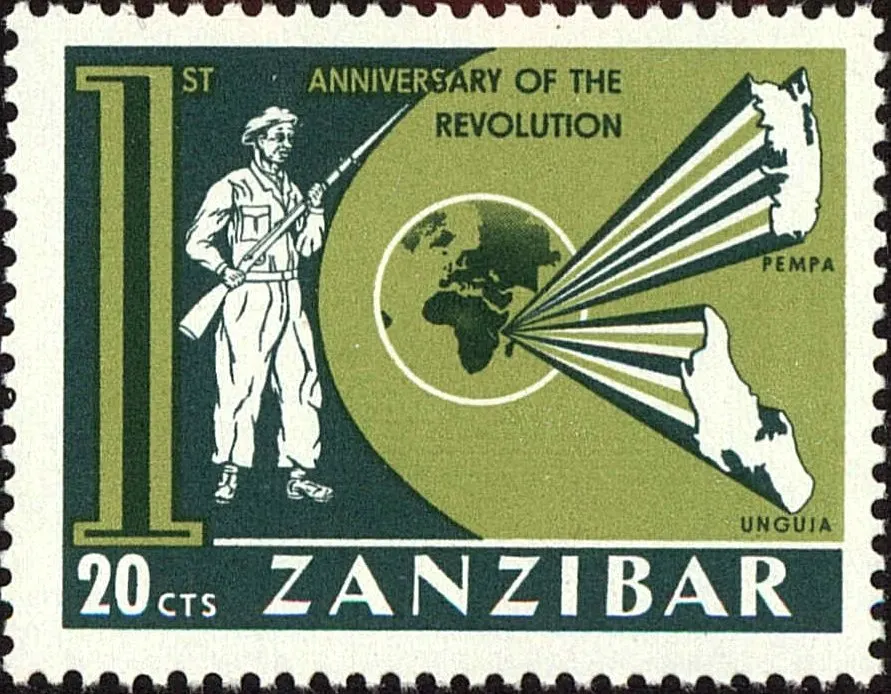
A Zanzibar stamp of 1965 marking the first anniversary of the revolution, with a soldier and a map of Unguja and Pemba.
Image creditPost of Zanzibar · Public domainResized and cropped for display.

Revolution overthrows the Sultan of Zanzibar

Zanzibar became independent from Britain in December 1963 as a constitutional monarchy under its sultan, with a government dominated by the Arab minority. Many of the African majority, who had won most votes but not most seats in the elections, felt shut out of power.

Before dawn on 12 January 1964 several hundred armed men, led by John Okello, seized the police armouries and the radio station. The sultan fled, and the Afro-Shirazi Party’s Abeid Karume became president of a new republic. Thousands of people, most of them Arabs and South Asians, were killed in the violence that followed. In April Zanzibar united with Tanganyika to form Tanzania, and 12 January is a public holiday on the islands.

Read the full storyHistory & Timeline →Source: Encyclopaedia Britannica: Tanzania, independence ↗
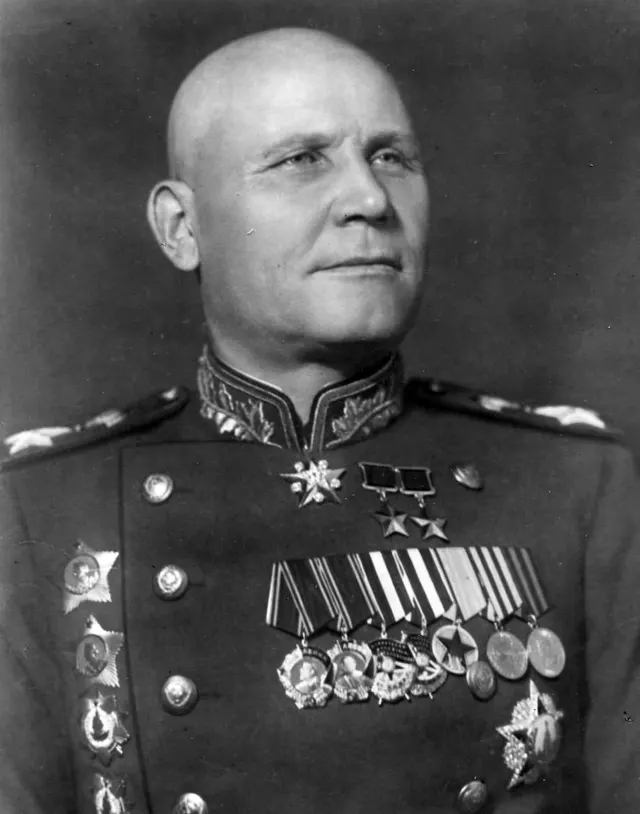
Marshal Ivan Konev, whose armies opened the offensive, photographed in 1945.
Image creditUnknown authorUnknown author · CC BY 4.0Resized and cropped for display.

The Red Army opens its drive from the Vistula to the Oder

By the start of 1945 Soviet armies stood along the Vistula in Poland, holding bridgeheads on its western bank. Facing them, the German line had been thinned to reinforce the Ardennes offensive in the west.

On 12 January 1945 Marshal Ivan Konev’s armies attacked from their bridgehead near Sandomierz; two days later Marshal Georgy Zhukov’s armies struck near Warsaw. The German front collapsed. Warsaw fell on 17 January, Soviet troops reached Auschwitz on the 27th, and by early February they were on the Oder, less than a hundred miles from Berlin.

Read the full storyHistory & Timeline →Source: Encyclopaedia Britannica: World War II, the Soviet advance to the Oder, January-February 1945 ↗
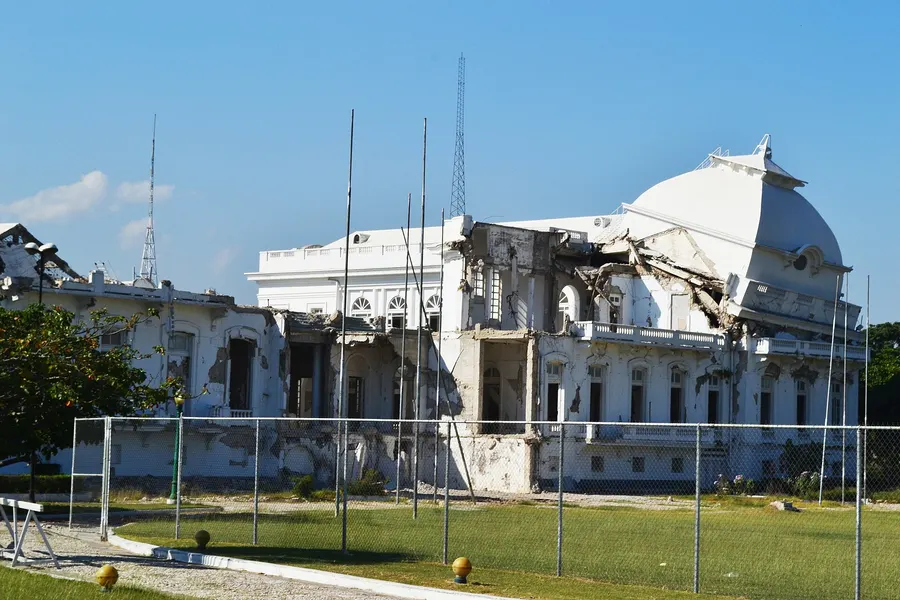
The ruins of Haiti's National Palace in Port-au-Prince, photographed in January 2012, two years after the earthquake.
The ruins of Haiti’s National Palace in Port-au-Prince, photographed in January 2012, two years after the earthquake.
Image creditTrocaire from Ireland · CC BY 2.0Resized and cropped for display.

An earthquake devastates Haiti

Late in the afternoon of 12 January 2010 an earthquake of magnitude 7.0 struck southern Haiti, its centre near Léogâne, about 25 kilometres from the capital, Port-au-Prince. The shaking lasted about 35 seconds, and in a crowded city of poorly built concrete houses it brought down homes, schools, hospitals, the cathedral and the National Palace.

Estimates of the dead range from about 160,000 to more than 300,000; around 1.5 million people lost their homes. Countries and aid agencies around the world sent help, but recovery in the poorest country in the Americas was slow, and a cholera epidemic followed later that year.

Read the full storyHistory & Timeline →Source: US Geological Survey: the Mw 7.0 Haiti earthquake of January 12, 2010 ↗
♙
PEOPLE

Born Today

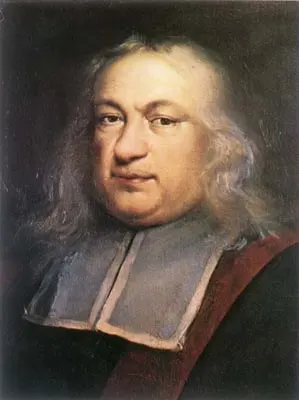
Edmund Burke
Image creditUnknown · Public domainResized and cropped for display.

Edmund Burke

Irish-born statesman and writer whose Reflections on the Revolution in France became a founding text of conservatism.

Jeff Bezos
Image creditSECWAR · Public domainResized and cropped for display.

Jeff Bezos

American businessman who founded Amazon in 1994.

◉
IDEAS THAT CHANGED THINGS

Firsts, Science & Discoveries

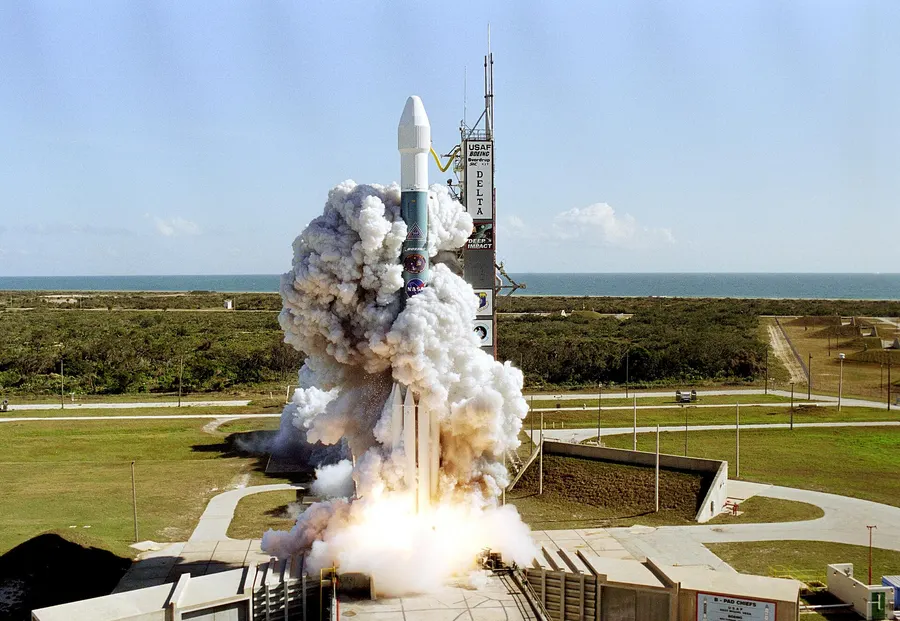
The Delta II rocket carrying NASA's Deep Impact spacecraft lifts off from Cape Canaveral on 12 January 2005.
The Delta II rocket carrying NASA’s Deep Impact spacecraft lifts off from Cape Canaveral on 12 January 2005.
Image creditNASA · Public domainResized and cropped for display.

Deep Impact sets off to strike a comet

Comets are left-over building blocks from the birth of the solar system, but their icy insides are hidden under a dark crust. NASA’s Deep Impact mission set out to look inside one by hitting it.

The spacecraft was launched from Cape Canaveral on 12 January 2005. Six months later, on 4 July, it released a copper-weighted impactor into the path of comet Tempel 1 and watched from a distance as the collision threw up a huge plume of dust and ice, which showed the comet’s surface to be fine, powdery material. The spacecraft went on to study other comets until 2013.

Read the full storyHistory & Timeline →Source: NASA Jet Propulsion Laboratory: Deep Impact launched and flying toward date with a comet ↗
✦
LIVES REMEMBERED

Remembered Today

Maximilian I
Image creditAlbrecht Dürer · Public domainResized and cropped for display.

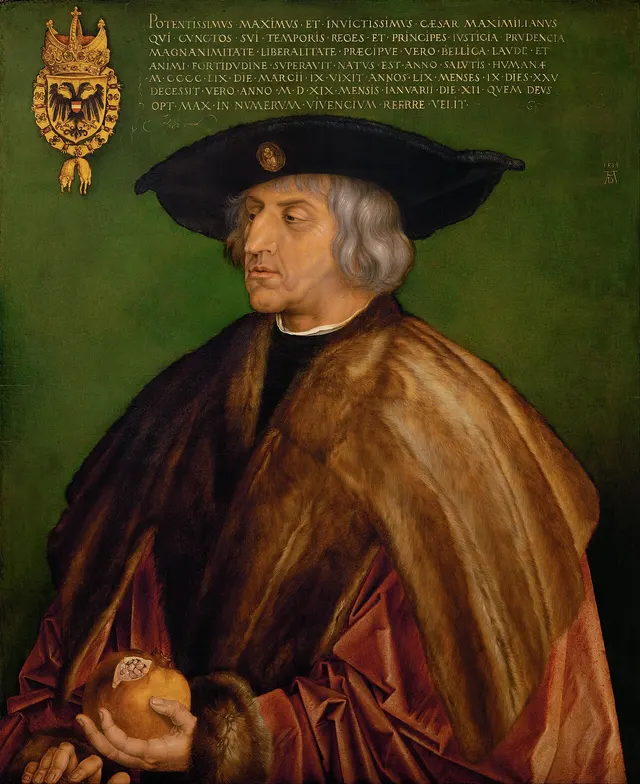
Maximilian I

Holy Roman Emperor whose marriages and alliances laid the ground for the vast Habsburg empire of his grandson Charles V.

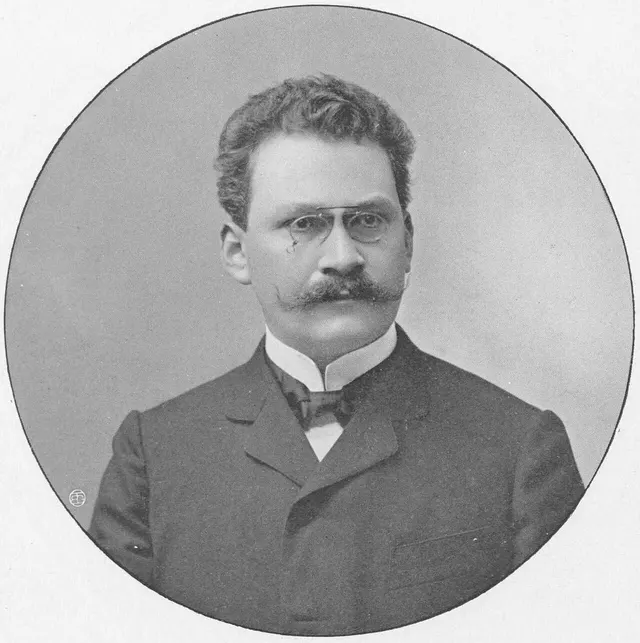
Hermann Minkowski
Image creditHermann Minkowski · Public domainResized and cropped for display.

Hermann Minkowski

German mathematician who showed that space and time can be treated as one four-dimensional spacetime.

Agatha Christie
Image creditJoop van Bilsen for Anefo · CC0Resized and cropped for display.

Agatha Christie

English crime writer who created Hercule Poirot and Miss Marple.

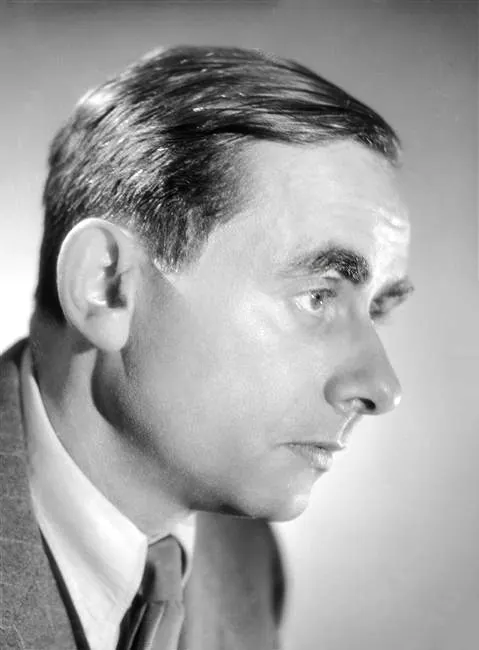
Henri-Georges Clouzot
Image creditStudio Harcourt · Public domainResized and cropped for display.

Henri-Georges Clouzot

French film director of the thrillers The Wages of Fear and Les Diaboliques.

Maurice Gibb
Image creditNBC Television · Public domainResized and cropped for display.

Maurice Gibb

British singer and musician, one of the three Bee Gees brothers.

☉
AROUND THE WORLD

Observances & Anniversaries

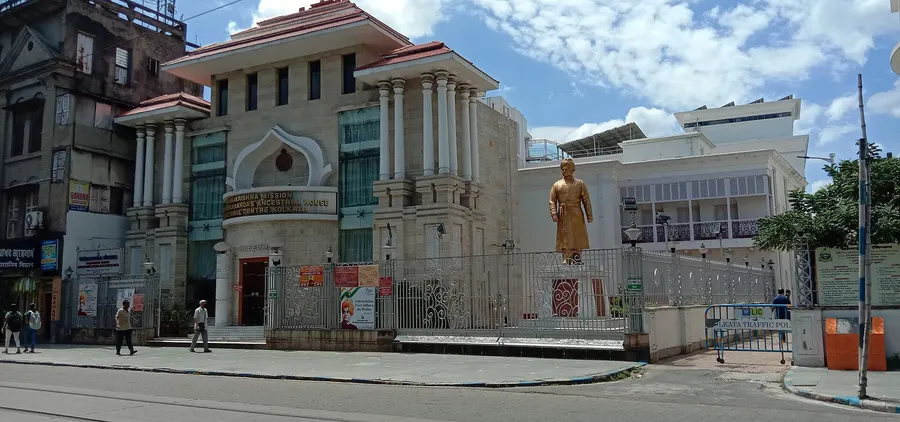
Swami Vivekananda's ancestral house in Kolkata, where he was born, now a museum and cultural centre.
Swami Vivekananda’s ancestral house in Kolkata, where he was born, now a museum and cultural centre.
Image creditBilljones94 · CC BY-SA 4.0Resized and cropped for display.

National Youth Day in India

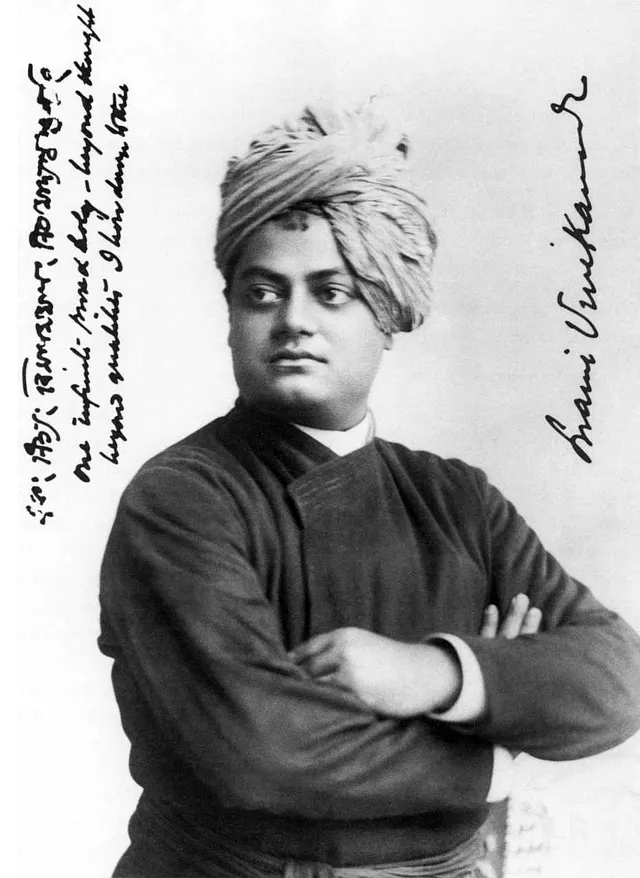
India has kept 12 January as National Youth Day since 1985, on the birthday of Swami Vivekananda, the Hindu monk and teacher born in Calcutta (Kolkata) in 1863. The government chose the day because it saw his ideas of service, self-confidence and learning as an inspiration for young people, and it opens a week of youth events and a national youth festival.

Source: Press Information Bureau, Government of India: National Youth Day (12 January) ↗
HISTORY & TIMELINE

Finished the highlights?

Follow 12 January chronologically, from the Middle Ages to the modern day, with 8 verified events and the sources behind them.

This day through time →