Explore 16 January

Explore 16 January: Ivan IV is crowned the first Tsar of Russia, the Shah leaves Iran for good, El Salvador’s civil war ends in a peace signed in Mexico City and Ellen Johnson Sirleaf becomes Africa’s first elected woman president. Meet Dian Fossey, Susan Sontag and Sade, born on 16 January.

This day through time →8 verified events across 5 eras

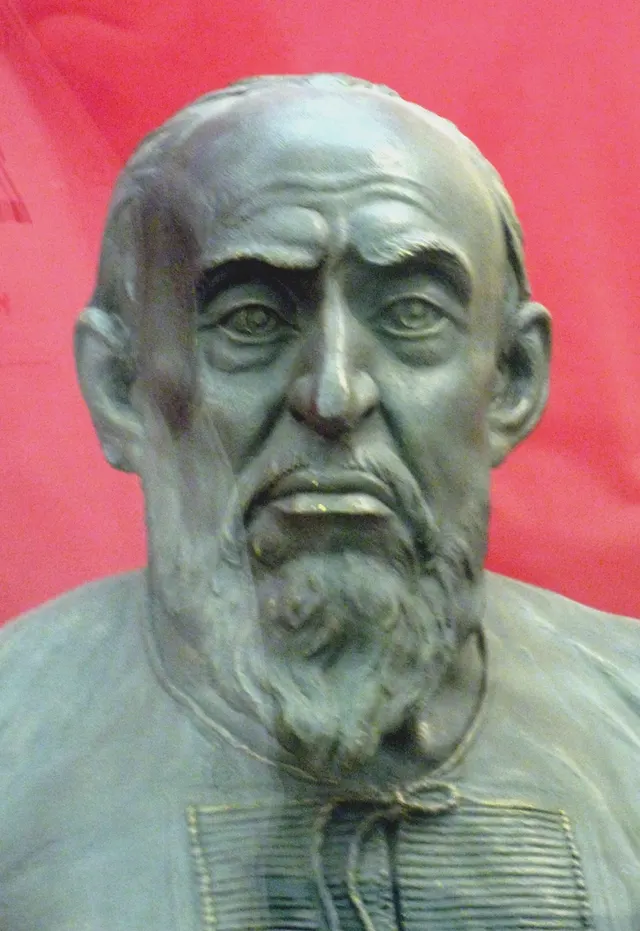
A bust of Ivan IV made by the scientist Mikhail Gerasimov, who reconstructed his face from his skull.
Image creditShakko · CC BY-SA 3.0Resized and cropped for display.

Ivan IV is crowned the first Tsar of Russia

Ivan IV became Grand Prince of Moscow at the age of three, and grew up amid the feuds of the great noble families who ruled in his name. At sixteen he decided to take power himself, and with a grander title than any of his forebears.

On 16 January 1547, in the Cathedral of the Dormition in the Moscow Kremlin, Metropolitan Macarius crowned him ‘Tsar and Grand Prince of all Russia’, the first ruler of Moscow formally crowned with that title, taken from the Latin caesar. Ivan expanded Russia to the Volga and into Siberia, but his later reign of terror earned him the name by which he is remembered: Ivan the Terrible.

Read the full storyHistory & Timeline →Source: Encyclopaedia Britannica: Ivan the Terrible ↗
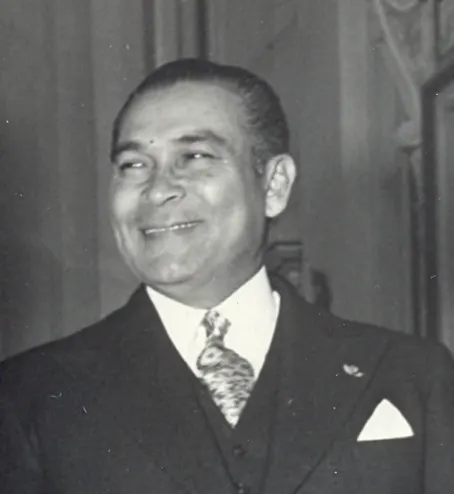
An official portrait of Mohammad Reza Pahlavi, Shah of Iran, 1973.
Image creditGhazarians · Public domainResized and cropped for display.

The Shah leaves Iran for the last time

Mohammad Reza Pahlavi had ruled Iran since 1941, modernising the country with the help of its oil wealth while crushing dissent with his secret police. During 1978 protests against him grew into a revolution, led from exile by the cleric Ayatollah Ruhollah Khomeini, with strikes and huge marches that the army could not stop.

On 16 January 1979 the Shah and his wife flew out of Tehran, officially on holiday. He never returned. Khomeini came back from Paris on 1 February, the monarchy fell days later, and Iran became an Islamic republic. The Shah died in exile in Egypt in 1980.

Read the full storyHistory & Timeline →Source: Encyclopaedia Britannica: Mohammad Reza Shah Pahlavi ↗
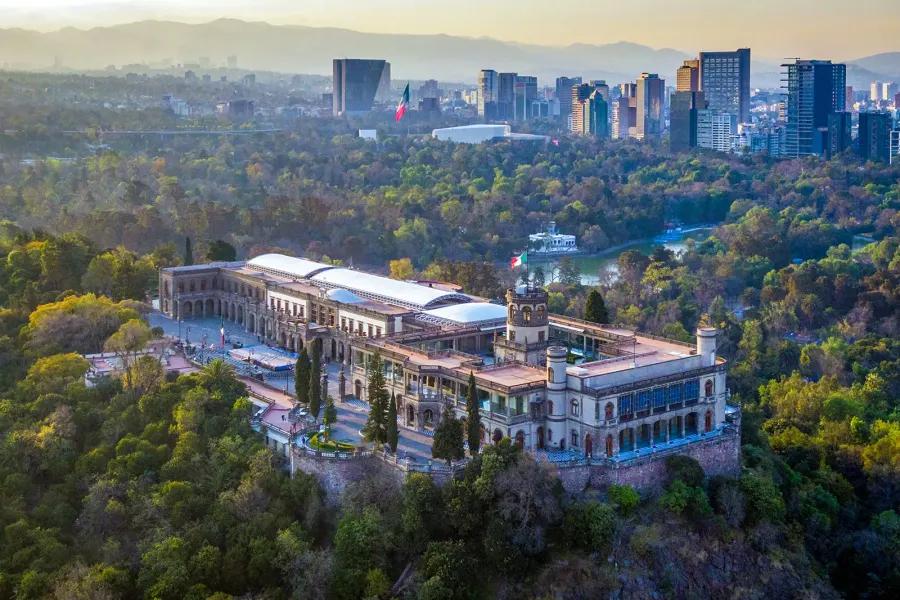
Chapultepec Castle in Mexico City, where the peace agreement was signed; photographed in 2023.
Image creditSisgeo · CC BY-SA 4.0Resized and cropped for display.

El Salvador’s civil war ends at Chapultepec

From 1980 El Salvador’s military-backed government fought the left-wing guerrillas of the Farabundo Martí National Liberation Front (FMLN). The war killed more than 75,000 people, most of them civilians, many at the hands of army units and death squads.

After talks led by the United Nations, the two sides signed a peace agreement at Chapultepec Castle in Mexico City on 16 January 1992. The FMLN laid down its arms and became a political party, the army was cut and purged, a new civilian police force was created and a Truth Commission investigated the worst crimes of the war.

Read the full storyHistory & Timeline →Source: UN Peacemaker: Chapultepec Agreement ↗
Ellen Johnson Sirleaf, former President of Liberia, in 2022.
Image creditPMO Barbados · Public domainResized and cropped for display.

Ellen Johnson Sirleaf becomes Africa’s first elected woman president

Liberia had been torn apart by two civil wars between 1989 and 2003. Ellen Johnson Sirleaf, a Harvard-trained economist who had worked for the World Bank and the United Nations and had been jailed and exiled by earlier regimes, stood for president in the elections that followed, and beat the footballer George Weah in a run-off.

She was sworn in on 16 January 2006, the first woman elected head of state of an African country. She led Liberia for twelve years, through rebuilding, debt relief and the Ebola epidemic, and shared the Nobel Peace Prize in 2011 for her work for women’s rights and peace.

Read the full storyHistory & Timeline →Source: Encyclopaedia Britannica: Ellen Johnson Sirleaf ↗
♙
PEOPLE

Born Today

Fulgencio Batista
Image creditUnknownUnknown · Public domainResized and cropped for display.

Fulgencio Batista

Cuban army officer and dictator, overthrown by Fidel Castro’s revolution in 1959.

Johannes Rau
Image creditJohannes Liebmann · CC BY-SA 4.0Resized and cropped for display.

Johannes Rau

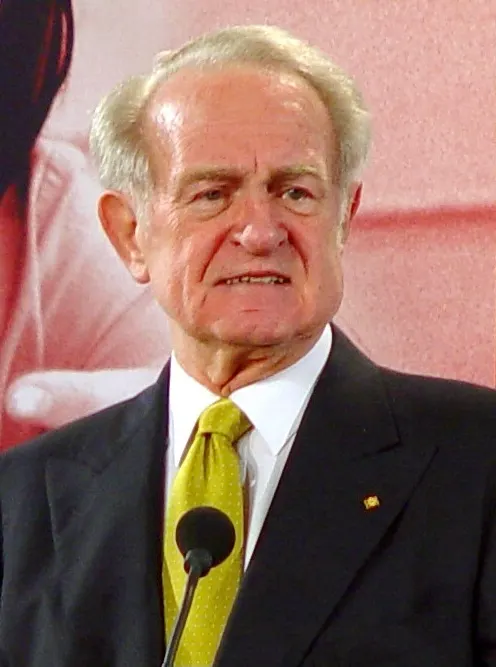
German Social Democrat, President of Germany from 1999 to 2004.

John Carpenter
Image creditUnknown · CC BY 2.0Resized and cropped for display.

John Carpenter

American film director of Halloween and The Thing.

Sade
Image creditThilo Parg · CC BY-SA 3.0Resized and cropped for display.

Sade

Nigerian-born British singer of Smooth Operator.

Kate Moss
Image creditCrooked House Films · CC BY 3.0Resized and cropped for display.

Kate Moss

English model, one of the best-known faces of the 1990s.

◉
IDEAS THAT CHANGED THINGS

Firsts, Science & Discoveries

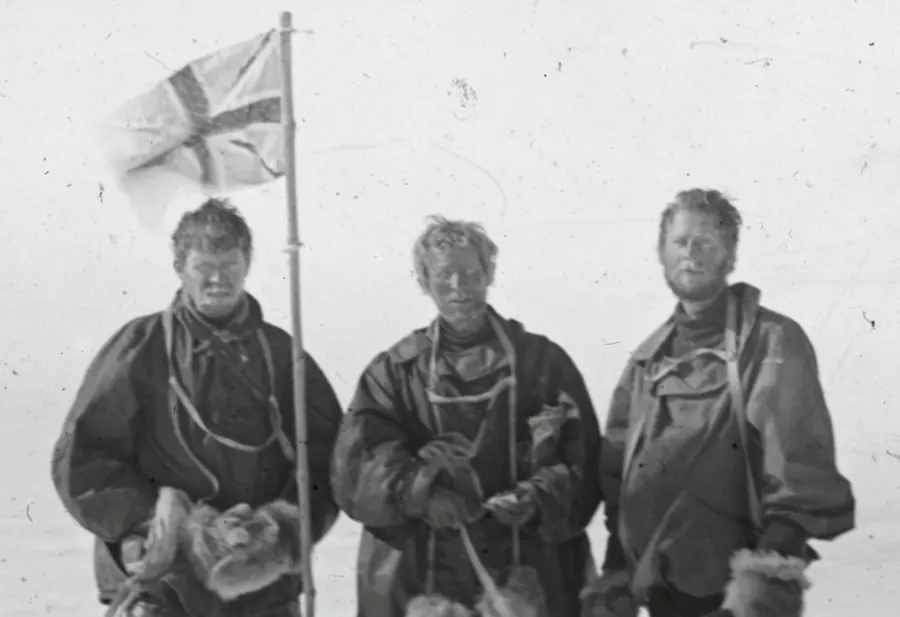
Alistair Mackay, Edgeworth David and Douglas Mawson at the South Magnetic Pole, 16 January 1909.
Image creditEdgeworth David · Public domainResized and cropped for display.

Three explorers reach the South Magnetic Pole

While Ernest Shackleton headed for the geographic South Pole in 1908, three men from his Nimrod expedition set out to find the South Magnetic Pole, the point to which compass needles dip straight down. The geologist Edgeworth David, the physicist Douglas Mawson and the doctor Alistair Mackay hauled their own sledges, with no dogs or ponies.

On 16 January 1909 they reached the pole’s position on the high Antarctic plateau, raised the Union flag and took a photograph. Their journey there and back covered about 1,260 miles and lasted four months, one of the longest unsupported sledging journeys ever made.

Read the full storyHistory & Timeline →Source: Scott Polar Research Institute, University of Cambridge: the Nimrod expedition ↗
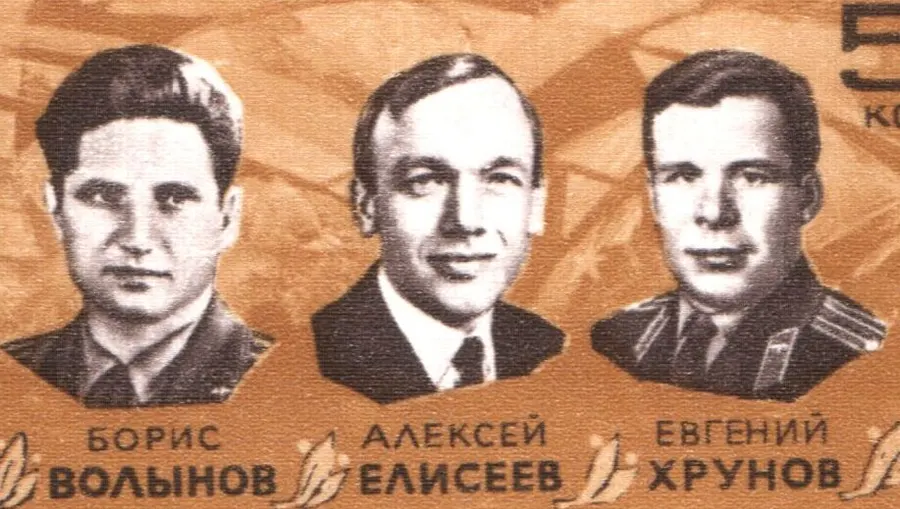
A Soviet stamp showing the Soyuz 5 crew: Boris Volynov, Alexei Yeliseyev and Yevgeny Khrunov.
Image creditUnknown authorUnknown author · Public domainResized and cropped for display.

Cosmonauts walk from one spacecraft to another

In January 1969 the Soviet Union launched Soyuz 4, with one cosmonaut, and Soyuz 5, with three. The two ships met and docked in orbit, the first docking of two crewed spacecraft.

On 16 January 1969 Yevgeny Khrunov and Alexei Yeliseyev put on spacesuits, climbed out of Soyuz 5 and made their way hand over hand to Soyuz 4, in which they returned to Earth the next day. They were the first people to return to Earth in a different spacecraft from the one they had flown up in, a rehearsal for Soviet plans to land on the Moon.

Read the full storyHistory & Timeline →Source: European Space Agency: EVA, a chronology of walking in space ↗
✦
LIVES REMEMBERED

Remembered Today

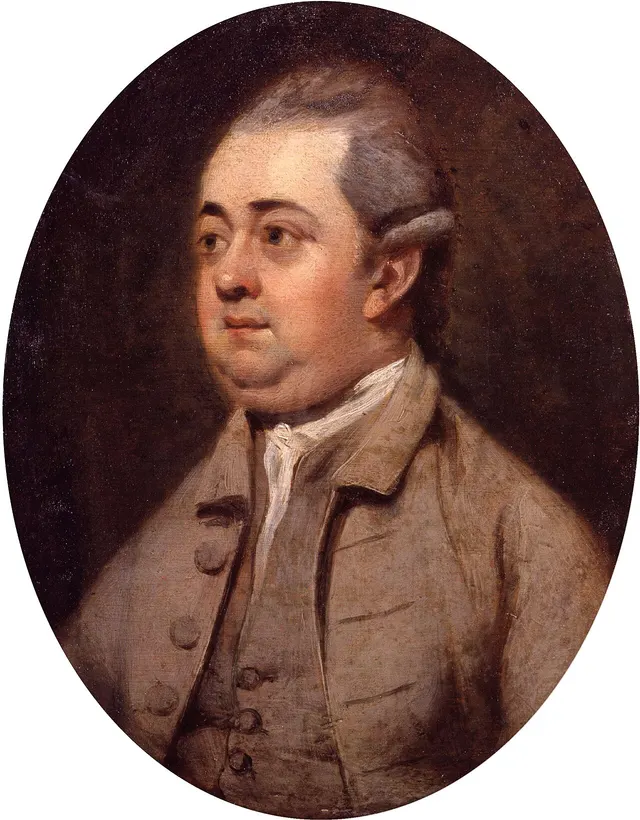
Edward Gibbon
Image creditHenry Walton · Public domainResized and cropped for display.

Edward Gibbon

English historian of The History of the Decline and Fall of the Roman Empire.

HISTORY & TIMELINE

Finished the highlights?

Follow 16 January chronologically, from the Middle Ages to the modern day, with 8 verified events and the sources behind them.

This day through time →