Explore 13 January

Explore 13 January: Émile Zola accuses the French army in J’accuse…!, British and Sikh armies fight at Chillianwala, unarmed Lithuanians face Soviet tanks in Vilnius and 130 countries sign a treaty to ban chemical weapons. Meet Wilhelm Wien, Zhou Youguang and Julia Louis-Dreyfus, born on 13 January.

This day through time →8 verified events across 2 eras

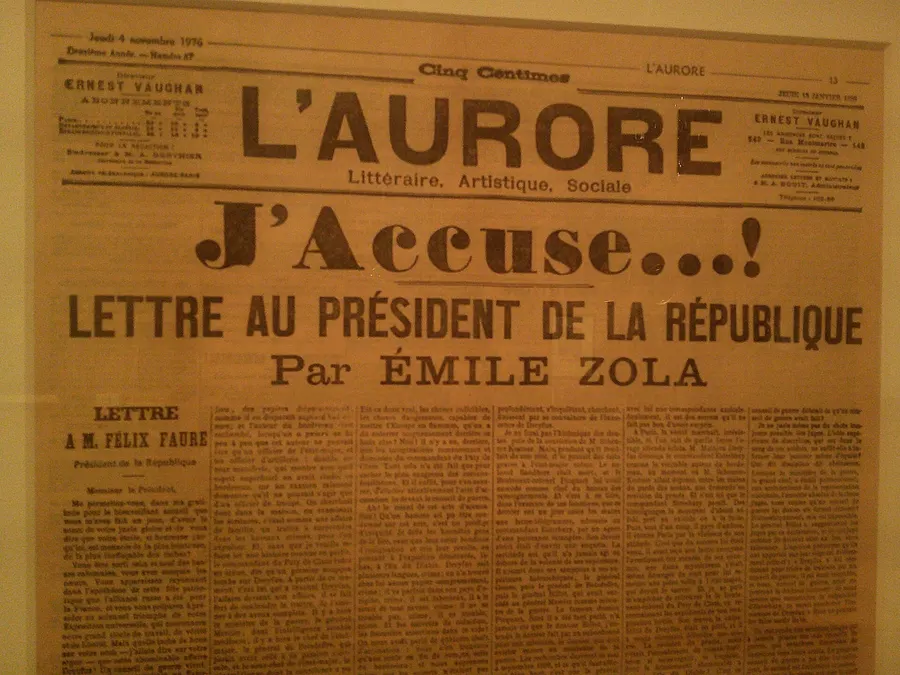
The front page of L'Aurore carrying Émile Zola's open letter J'accuse…!, 1898.
The front page of L’Aurore carrying Émile Zola’s open letter J’accuse…!, 1898.
Image creditÉmile Zola · Public domainResized and cropped for display.

Émile Zola publishes J’accuse…!

In 1894 Alfred Dreyfus, a Jewish captain in the French army, was convicted of selling secrets to Germany and sent to Devil’s Island. The evidence against him was thin, and when another officer, Ferdinand Esterhazy, was shown to be the real traitor, a military court acquitted him in January 1898.

Two days later, on 13 January 1898, the novelist Émile Zola published an open letter to the President of France on the front page of L’Aurore, under the headline J’accuse…! (‘I accuse’). He named the officers and officials he said had covered up the truth. Some 200,000 copies sold that day. Zola was convicted of libel and fled to England, but the letter split France and forced the case open again; Dreyfus was cleared in 1906.

Read the full storyHistory & Timeline →Source: Encyclopaedia Britannica: J’accuse ↗
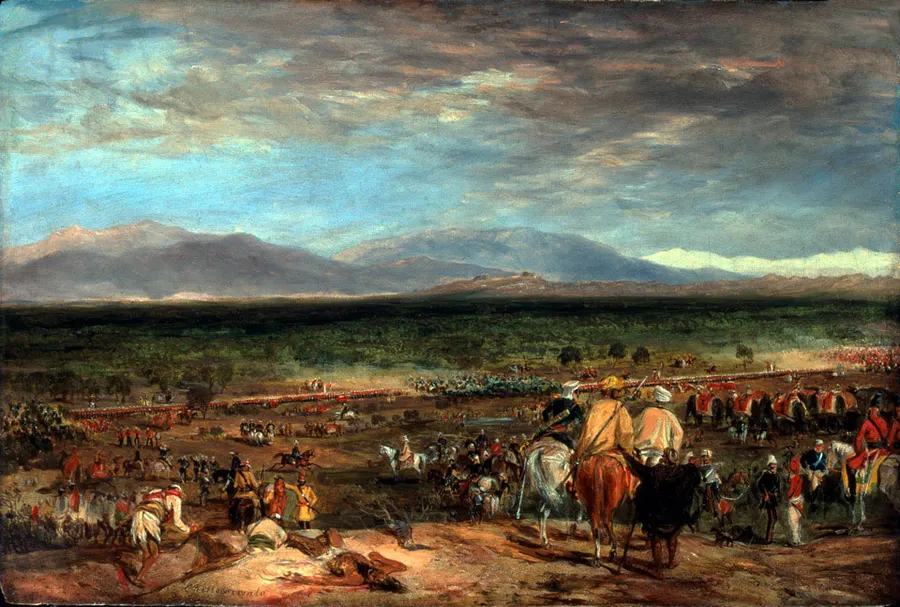
The Battle of Chillianwala, painted in 1849 by Lieutenant Charles Becher Young of the Bengal Engineers (National Army Museum).
Image creditLieutenant (later Colonel) Charles Becher Young (1816-1892) · Public domainResized and cropped for display.

British and Sikh armies clash at Chillianwala

After the death of Maharaja Ranjit Singh in 1839 his Sikh empire in the Punjab weakened, and the British East India Company fought two wars against it. In the second, which began in 1848, the Company’s commander, Lord Gough, marched against the Sikh army of Sher Singh on the River Jhelum.

On 13 January 1849, near the village of Chillianwala, Gough launched a frontal attack through thick scrub that hid the Sikh guns. The fighting was fierce and costly: the British lost about 2,300 men killed and wounded, and at nightfall the Sikhs withdrew with captured colours and many of the guns. Both sides claimed victory. Five weeks later the British won at Gujrat, and the Punjab was annexed.

Read the full storyHistory & Timeline →Source: National Army Museum: Second Sikh War ↗
The memorial to the victims of 13 January 1991 beside the Vilnius television tower.
Image creditDezidor · CC BY 3.0Resized and cropped for display.

Lithuanians defend Vilnius against Soviet troops

In March 1990 Lithuania became the first Soviet republic to declare its independence. Moscow refused to accept it, and in January 1991 Soviet army and special forces units moved to take key buildings in the capital, Vilnius. Thousands of unarmed Lithuanians gathered to guard them.

In the night of 12 to 13 January 1991 troops and tanks stormed the television tower and the radio and television building. Fourteen civilians were killed and hundreds injured, but the crowds protecting the parliament held and the troops did not attack it. The killings brought condemnation from around the world, and in September the Soviet Union recognised Lithuania’s independence. Lithuania marks 13 January as Freedom Defenders’ Day.

Read the full storyHistory & Timeline →Source: Seimas of the Republic of Lithuania: January 13, the way we defended freedom ↗
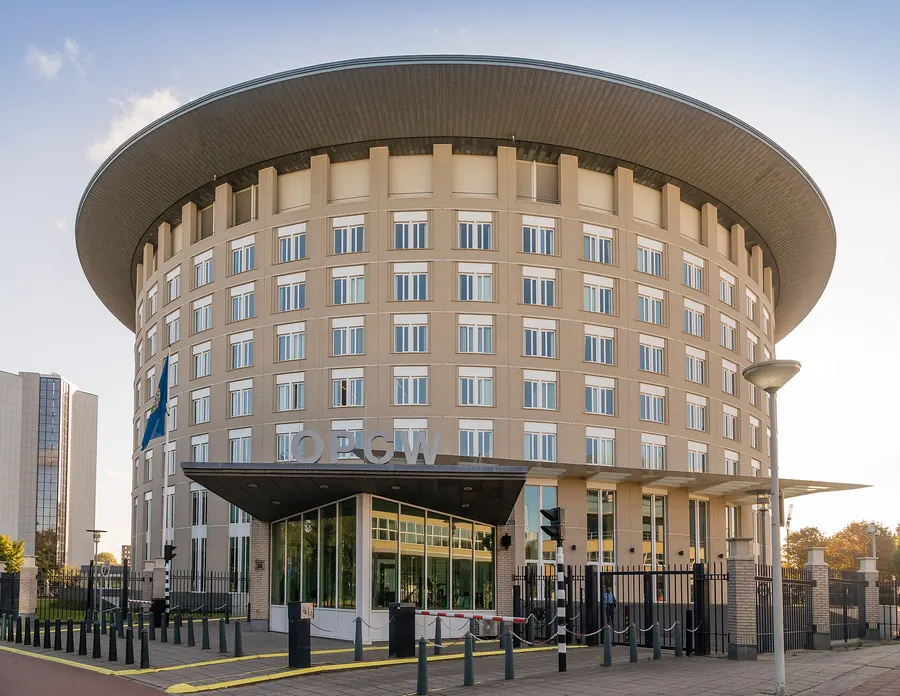
The headquarters of the Organisation for the Prohibition of Chemical Weapons in The Hague, photographed in 2017.
Image creditCEphoto, Uwe Aranas · CC BY-SA 4.0Resized and cropped for display.

130 countries sign the ban on chemical weapons

Poison gas killed and maimed tens of thousands in the First World War, and although a treaty of 1925 banned its use, countries went on making and stockpiling chemical weapons. After years of talks, the Chemical Weapons Convention went further: it banned making, storing and using them, and required existing stocks to be destroyed under international inspection.

The convention was opened for signature in Paris on 13 January 1993, and 130 countries signed it in three days. It came into force in 1997, run by the new Organisation for the Prohibition of Chemical Weapons in The Hague, which won the Nobel Peace Prize in 2013. By 2023 all the stockpiles declared by its members had been destroyed.

Read the full storyHistory & Timeline →Source: Organisation for the Prohibition of Chemical Weapons: history ↗
♙
PEOPLE

Born Today

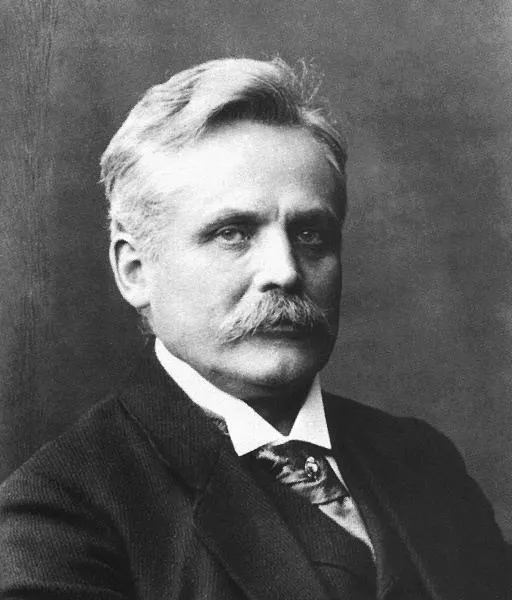
Wilhelm Wien
Image creditUnknown · Public domainResized and cropped for display.

Wilhelm Wien

German physicist who won the 1911 Nobel Prize for his laws of heat radiation.

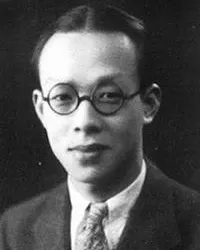
Zhou Youguang
Image creditUnknown authorUnknown author · Public domainResized and cropped for display.

Zhou Youguang

Chinese linguist known as the father of Pinyin, the system for writing Chinese in the Latin alphabet.

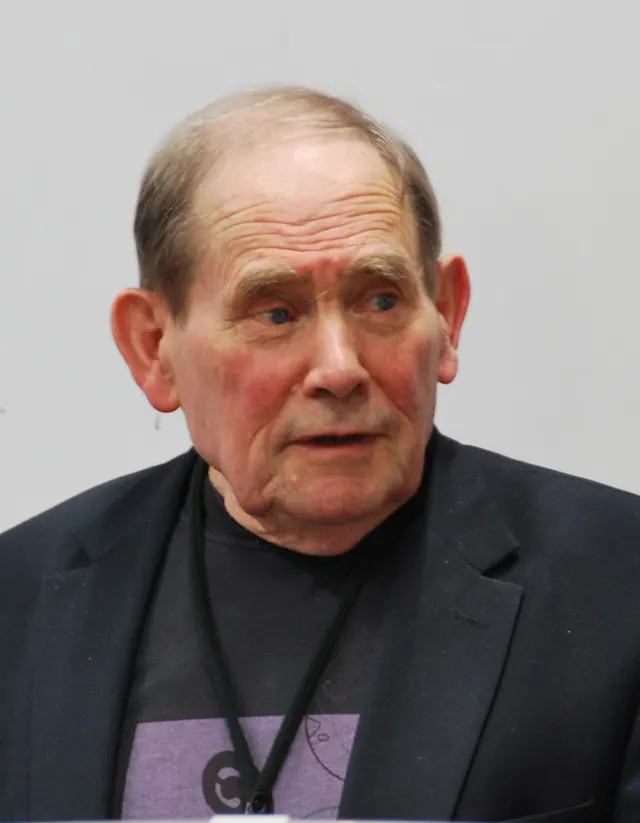
Sydney Brenner
Image creditOIST from Onna Village, Japan · CC BY 2.0Resized and cropped for display.

Sydney Brenner

South African-born biologist who helped crack the genetic code and won the 2002 Nobel Prize.

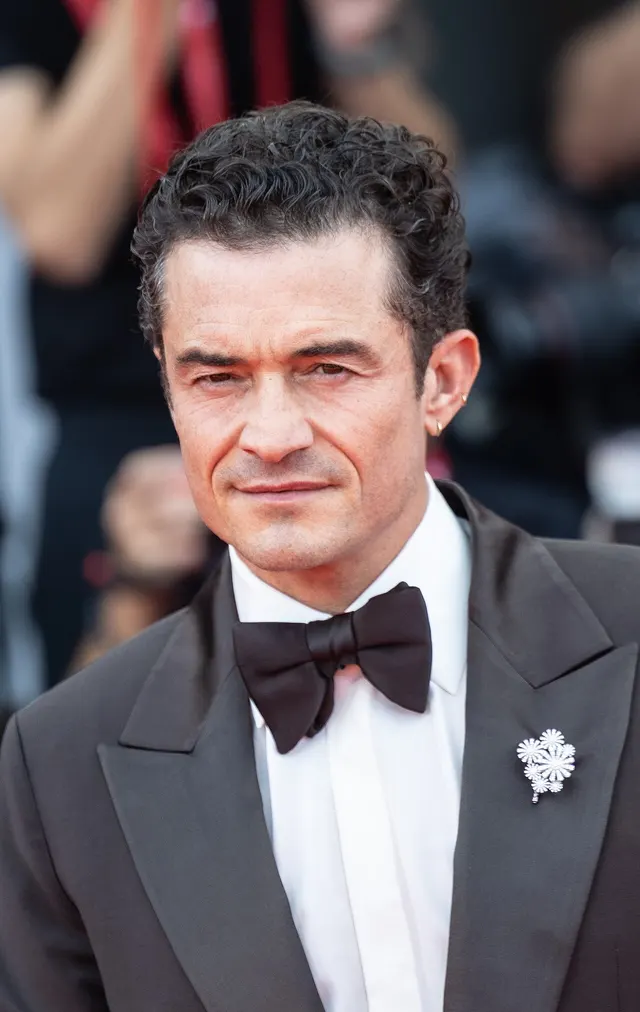
Orlando Bloom
Image creditHarald Krichel · CC BY-SA 4.0Resized and cropped for display.

Orlando Bloom

English actor who played Legolas in The Lord of the Rings films.

♫
MUSIC • FILM • BOOKS • CULTURE

Culture Stories

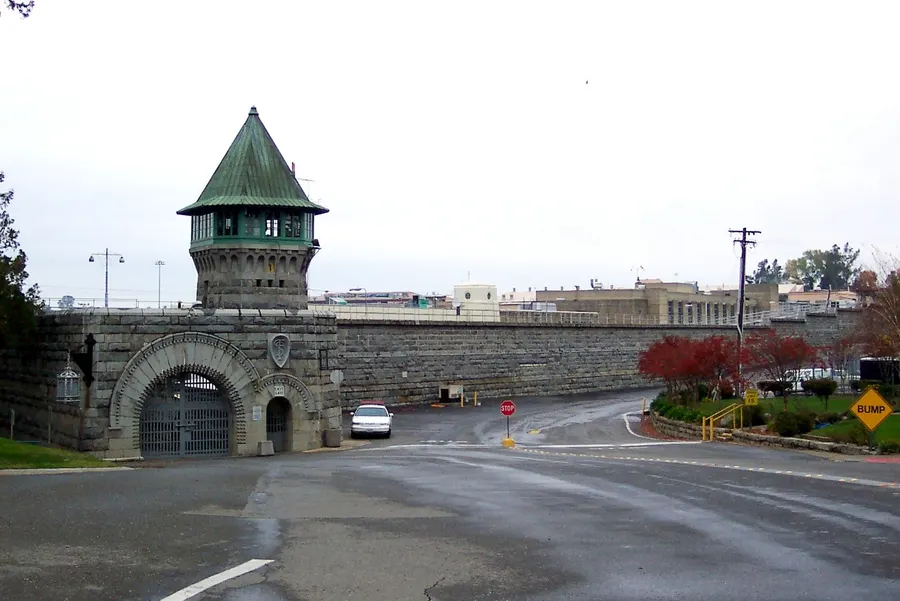
The entrance to Folsom State Prison, California.
Image creditVidor at English Wikipedia · Public domainResized and cropped for display.

Johnny Cash plays Folsom Prison

Johnny Cash had written Folsom Prison Blues in the 1950s, and prisoners wrote to him asking him to play for them. In the mid-1960s his career and health were in trouble, and his record company was doubtful about a live album recorded inside a prison.

On 13 January 1968 Cash, June Carter, Carl Perkins, the Statler Brothers and the Tennessee Three played two shows for the inmates of Folsom State Prison in California. The album made from them, At Folsom Prison, came out that May, went to the top of the country charts and revived his career. It was added to the US National Recording Registry in 2003.

Read the full storyHistory & Timeline →Source: Library of Congress, National Recording Registry: At Folsom Prison, Johnny Cash (1968) ↗
✦
LIVES REMEMBERED

Remembered Today

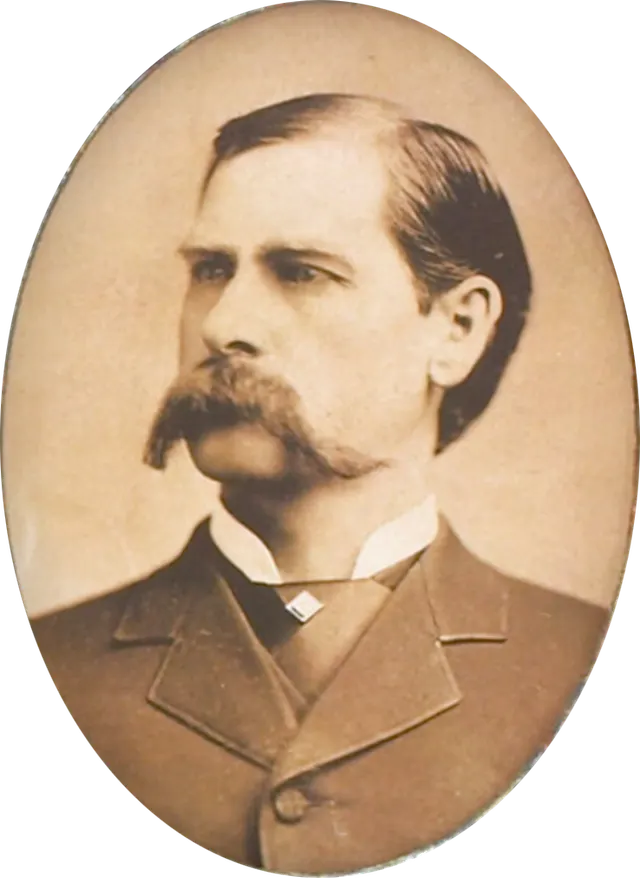
Wyatt Earp
Image creditunattributed · Public domainResized and cropped for display.

Wyatt Earp

American lawman of the Wild West, remembered for the gunfight at the O.K. Corral.

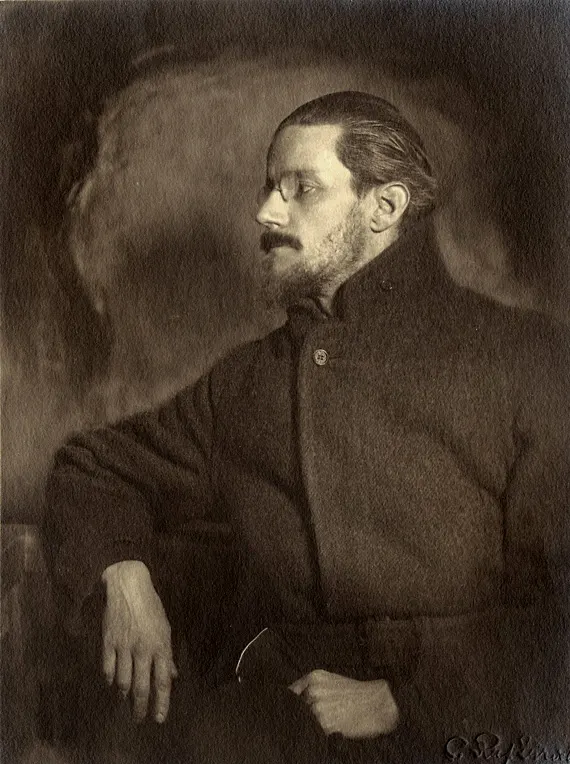
James Joyce
Image creditUnknown · Public domainResized and cropped for display.

James Joyce

Irish writer whose novel Ulysses changed the shape of modern fiction.

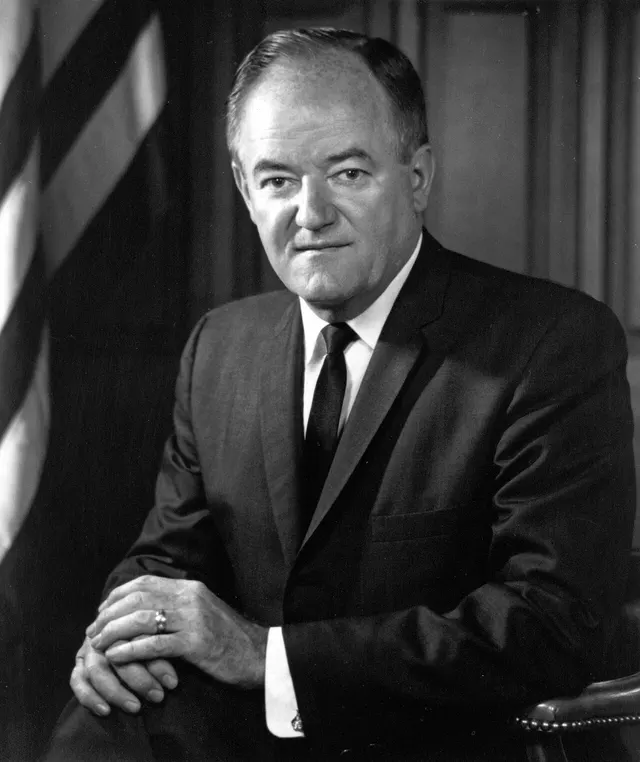
Hubert Humphrey
Image creditLibrary of Congress · Public domainResized and cropped for display.

Hubert Humphrey

Vice President of the United States under Lyndon Johnson and a leading champion of civil rights.

Rauf Denktaş
Image creditUnknown · CC BY-SA 3.0Resized and cropped for display.

Rauf Denktaş

Turkish Cypriot leader and the first president of the self-declared Turkish Republic of Northern Cyprus.

☉
AROUND THE WORLD

Observances & Anniversaries

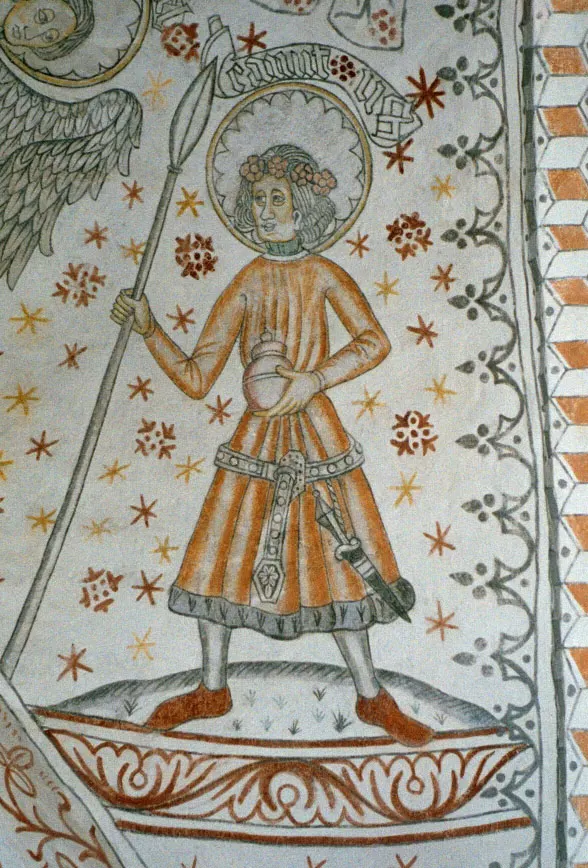
A medieval wall painting of Knud Lavard in Vigersted church, Denmark.
Image creditNo machine-readable author provided. FredrikT assumed (based on copyright claims). · CC BY-SA 3.0Resized and cropped for display.

St Knut’s Day: Christmas ends in Sweden and Finland

In Sweden and Finland 13 January, the twentieth day after Christmas Eve, is Tjugondag Knut, when Christmas is traditionally ‘danced out’. Families take down the tree and children eat the sweets hung on it, often at a party. The name honours the Danish prince Knud Lavard; his name day was moved to this date in the late 1600s.

Source: Nordiska museet: Tjugondag Knut ↗
HISTORY & TIMELINE

Finished the highlights?

Follow 13 January chronologically, from the Middle Ages to the modern day, with 8 verified events and the sources behind them.

This day through time →