Explore 15 January

Explore 15 January: Elizabeth I is crowned, the British Museum opens its doors, a great earthquake shakes Nepal and Bihar and Biafra’s surrender ends Nigeria’s civil war. Meet Martin Luther King Jr., Mihai Eminescu and Gamal Abdel Nasser, born on 15 January.

This day through time →8 verified events across 3 eras

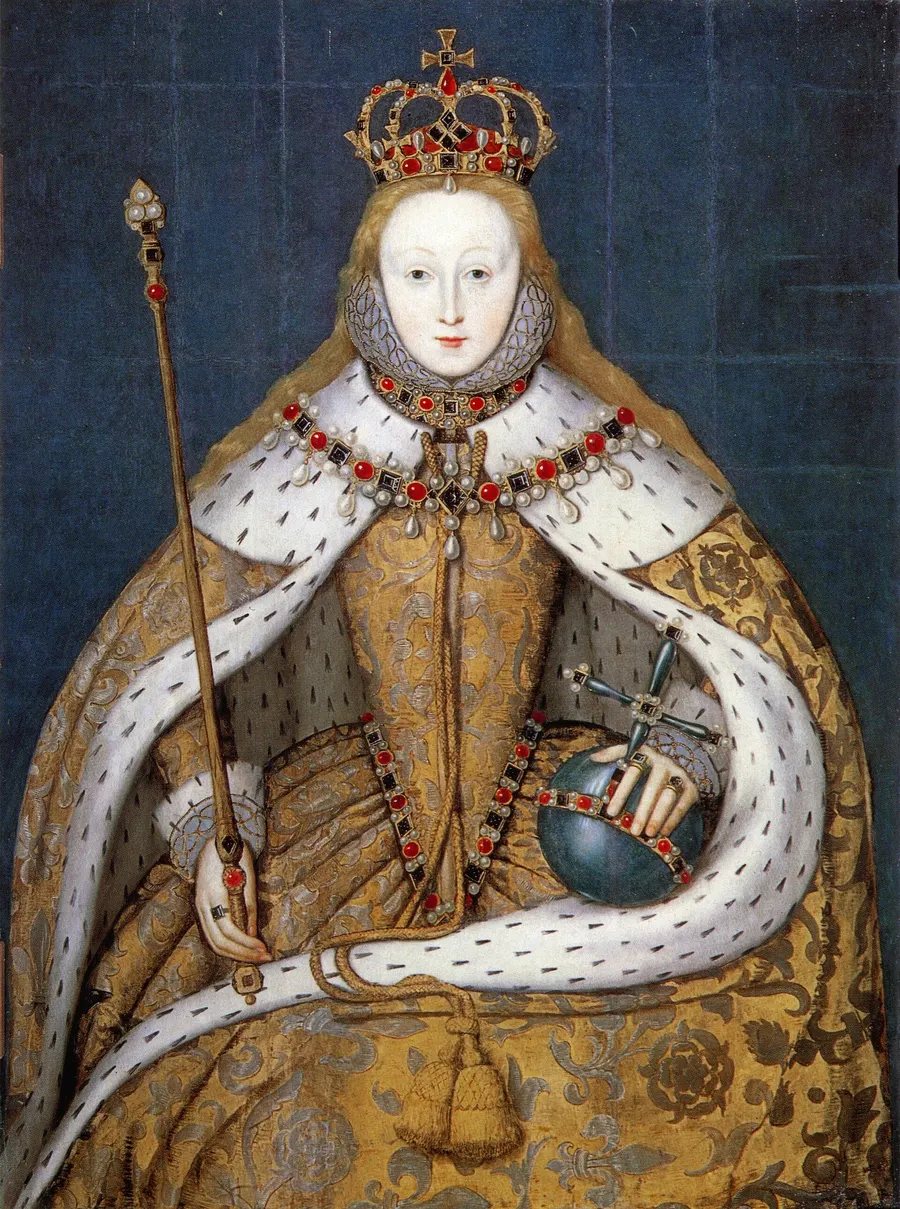
Elizabeth I in her coronation robes, patterned with Tudor roses and trimmed with ermine; painted about 1600-10 after a lost original of about 1559.
Image creditUnknown authorUnknown author · Public domainResized and cropped for display.

Elizabeth I is crowned in Westminster Abbey

Elizabeth, daughter of Henry VIII and Anne Boleyn, came to the throne in November 1558 on the death of her Catholic half-sister, Mary I. The country was divided over religion, and many Catholics doubted her right to rule.

After a grand procession through the City of London the day before, she was crowned in Westminster Abbey on 15 January 1559, a date said to have been chosen by her astrologer, John Dee. The Archbishop of Canterbury’s post was vacant, so the Bishop of Carlisle crowned her, in a service partly in Latin and partly in English. She reigned for 44 years, and it was the last coronation in the Abbey to follow the Catholic rite.

Read the full storyHistory & Timeline →Source: Westminster Abbey: Elizabeth I ↗
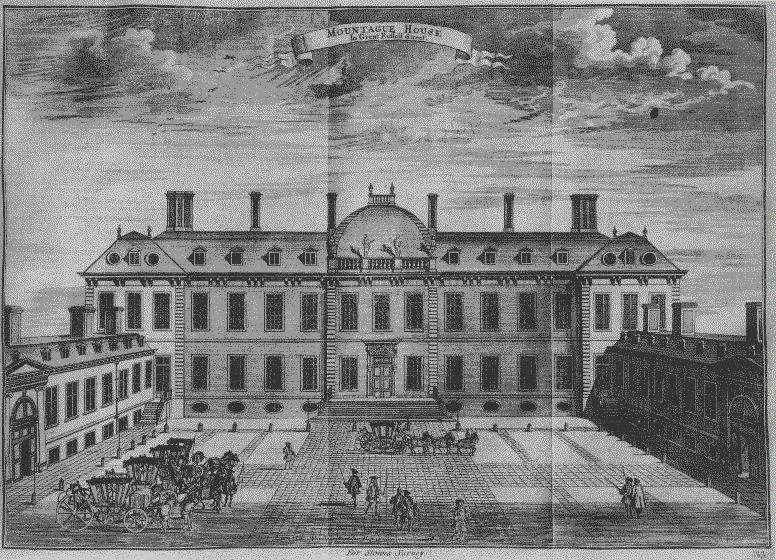
Montagu House in Bloomsbury, the British Museum's first home, in a drawing by Sutton Nicholls published in 1754.
Montagu House in Bloomsbury, the British Museum’s first home, in a drawing by Sutton Nicholls published in 1754.
Image creditUnknown · Public domainResized and cropped for display.

The British Museum opens to the public

When the physician and collector Sir Hans Sloane died in 1753, he left his collection of more than 70,000 objects, books and specimens to the nation in return for a payment to his heirs. Parliament set up the British Museum to hold it, together with two great libraries, and bought Montagu House in Bloomsbury as its home.

The museum opened on 15 January 1759. It was free to ‘all studious and curious persons’, though at first visitors had to apply for tickets and were shown round in small groups. It was one of the first national museums open to the public anywhere, and it now welcomes millions of visitors a year on the same site, in the buildings that replaced Montagu House.

Read the full storyHistory & Timeline →Source: British Museum: Montagu House, the first British Museum ↗
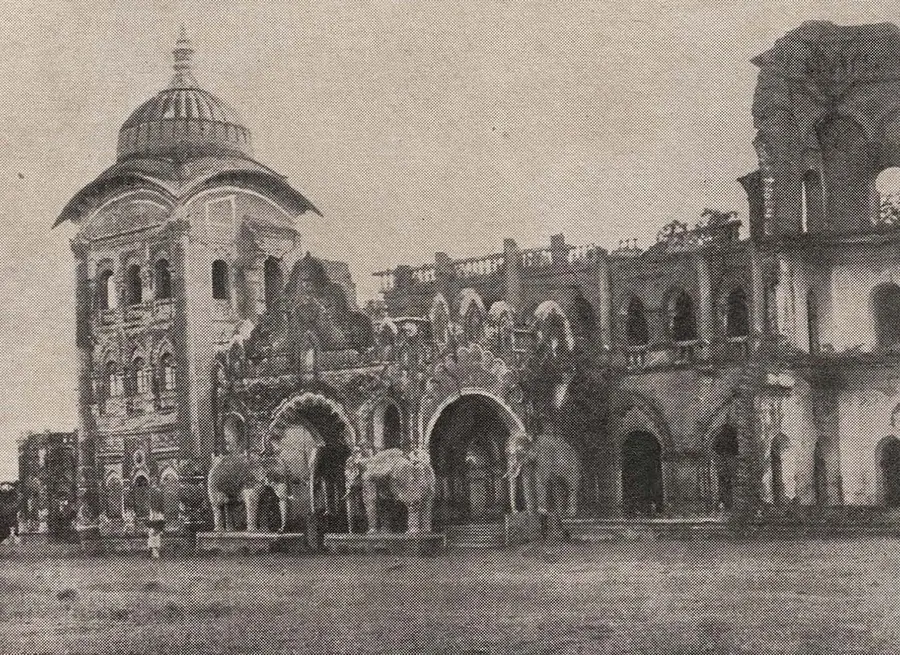
The old Raj palace at Darbhanga in Bihar, damaged by the earthquake of 1934.
Image creditP. C. Roy Chaudhury · CC BY-SA 4.0Resized and cropped for display.

A great earthquake strikes Nepal and Bihar

A little after two in the afternoon local time on 15 January 1934, an earthquake of about magnitude 8 struck eastern Nepal and the plains of Bihar in northern India. The ground shook violently across a vast area, and in the soft soils of the plains it turned to liquid, swallowing buildings and fields.

About 10,600 people died, around two-thirds of them in India. Towns such as Monghyr and Darbhanga in Bihar were badly damaged, and in the Kathmandu Valley many old temples and houses fell. It remained the worst natural disaster in Nepal’s recorded history until the earthquake of 2015.

Read the full storyHistory & Timeline →Source: US Geological Survey: M 8.0, 1934 Bihar-Nepal earthquake ↗
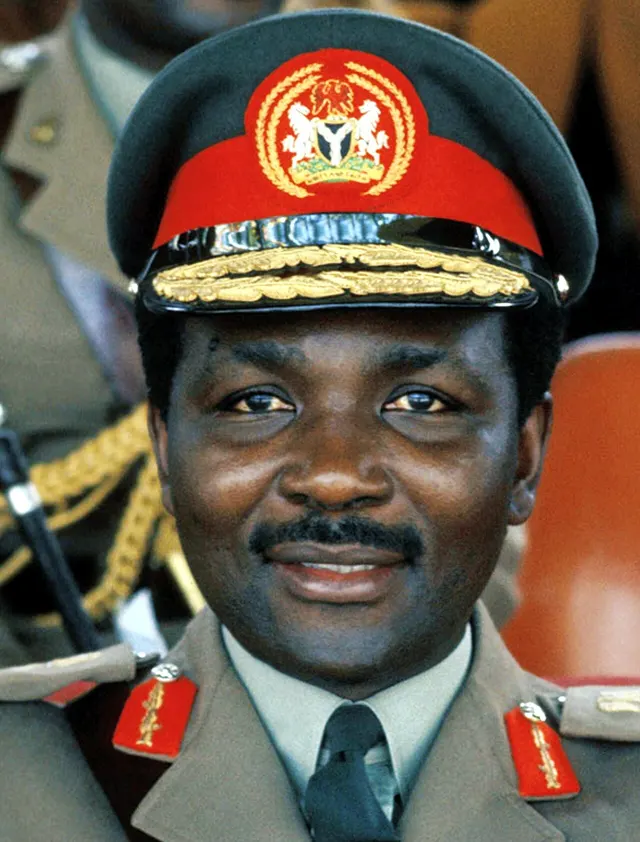
General Yakubu Gowon, head of Nigeria's federal military government during the civil war.
General Yakubu Gowon, head of Nigeria’s federal military government during the civil war.
Image creditUnknown authorUnknown author · Public domainResized and cropped for display.

Biafra surrenders and Nigeria’s civil war ends

In 1967 Nigeria’s Eastern Region, home of most of the Igbo people, broke away as the Republic of Biafra under Colonel Odumegwu Ojukwu. Federal forces blockaded it, and the war and the famine it caused killed hundreds of thousands of people, perhaps more than a million, most of them civilians.

By January 1970 Biafra had collapsed. Ojukwu fled abroad, and on 15 January 1970 his deputy, Major General Philip Effiong, formally surrendered to the federal head of state, General Yakubu Gowon, in Lagos. Gowon declared there was ‘no victor, no vanquished’ and set out to reconcile the country, though the scars of the war lasted for decades.

Read the full storyHistory & Timeline →Source: Encyclopaedia Britannica: Nigerian civil war ↗
♙
PEOPLE

Born Today

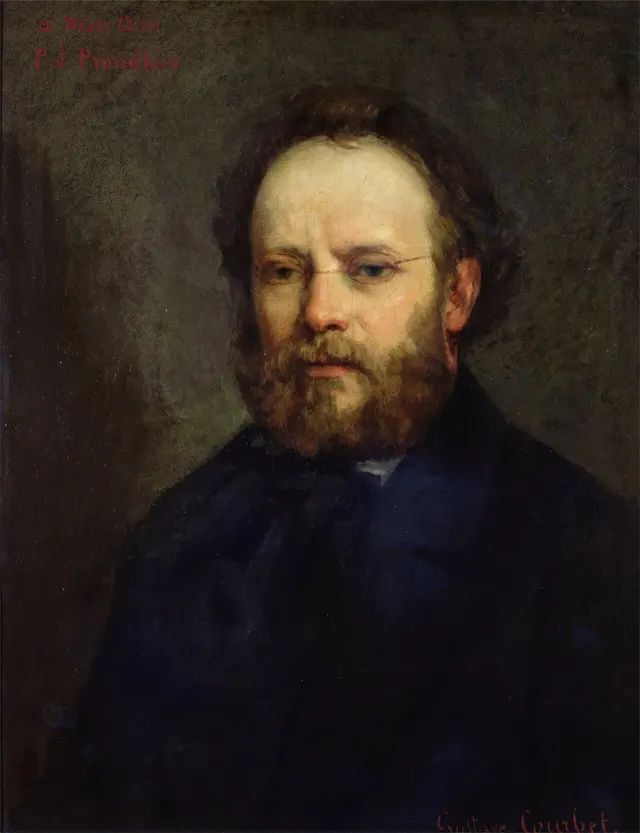
Pierre-Joseph Proudhon
Image creditGustave Courbet · Public domainResized and cropped for display.

Pierre-Joseph Proudhon

French thinker, the first to call himself an anarchist, famous for the phrase ‘property is theft’.

Mihai Eminescu
Image creditJan Tomas · Public domainResized and cropped for display.

Mihai Eminescu

Romania’s national poet, author of the long poem Luceafărul.

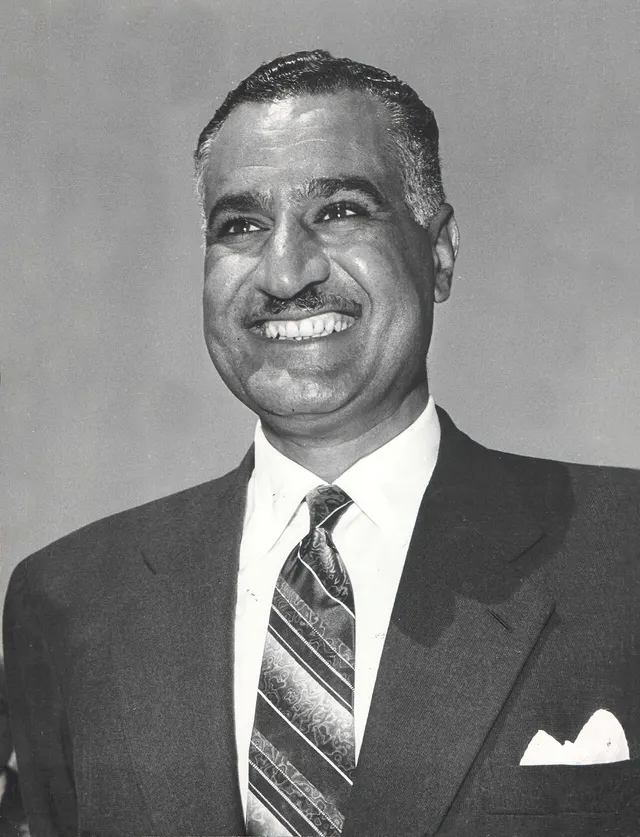
Gamal Abdel Nasser
Image creditStevan Kragujević · CC BY-SA 3.0Resized and cropped for display.

Gamal Abdel Nasser

President of Egypt from 1956 to 1970, who nationalised the Suez Canal.

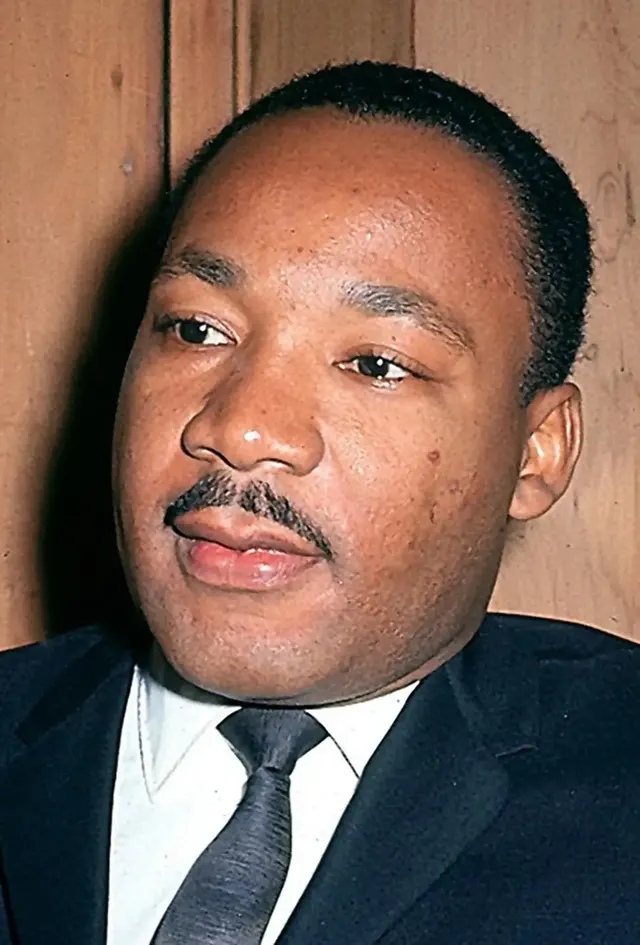
Martin Luther King Jr.
Image creditAssociated Press · Public domainResized and cropped for display.

Martin Luther King Jr.

American Baptist minister who led the civil rights movement and won the 1964 Nobel Peace Prize.

◉
IDEAS THAT CHANGED THINGS

Firsts, Science & Discoveries

Jimmy Wales, co-founder of Wikipedia, at the Edinburgh International Book Festival in 2026.
Image creditPhilipRomano · CC BY-SA 4.0Resized and cropped for display.

Wikipedia goes online

In 2000 the internet entrepreneur Jimmy Wales and the philosopher Larry Sanger started Nupedia, a free online encyclopedia written by experts, but its careful review process meant very few articles were finished. They decided to try a ‘wiki’, a website that any visitor could edit.

Wikipedia went online on 15 January 2001. Written and corrected by volunteers, it grew far faster than anyone expected, spread to hundreds of languages and became one of the most visited websites in the world. It is run by the non-profit Wikimedia Foundation and has no advertising.

Read the full storyHistory & Timeline →Source: Encyclopaedia Britannica: Larry Sanger ↗
☆
SPORTING HISTORY

Sporting Moments

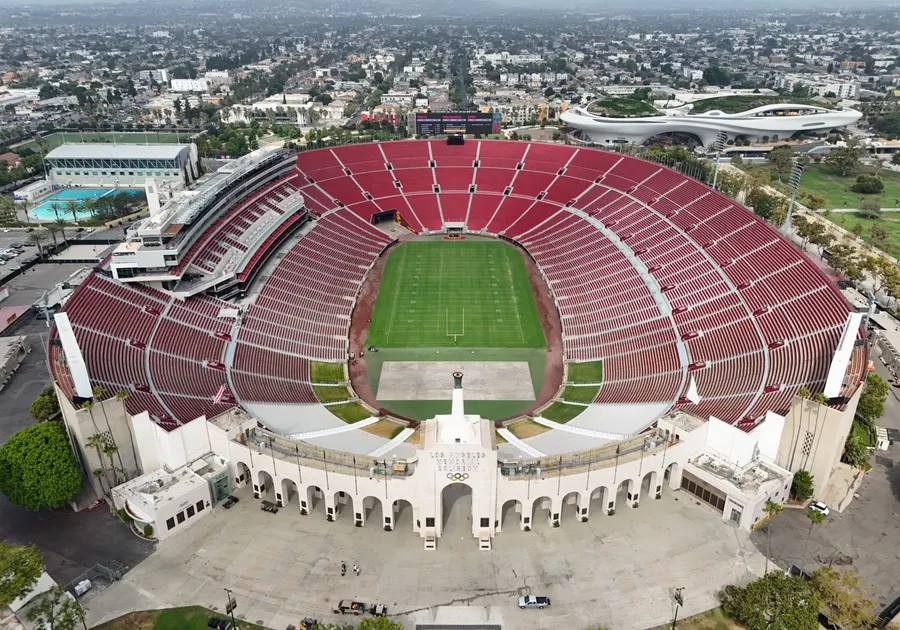
The Los Angeles Memorial Coliseum, where the first Super Bowl was played, seen from the air in 2025.
Image creditQuintin Soloviev · CC BY 4.0Resized and cropped for display.

The first Super Bowl is played

In the 1960s American professional football had two rival leagues, the National Football League and the newer American Football League. In 1966 they agreed to merge, and to have their champions meet in a single game at the end of the season.

The first AFL-NFL World Championship Game, later called Super Bowl I, was played at the Los Angeles Memorial Coliseum on 15 January 1967. Vince Lombardi’s Green Bay Packers beat the Kansas City Chiefs 35-10 in front of about 63,000 spectators, with millions more watching on two television networks. The Super Bowl has since become the biggest annual sporting event in the United States.

Read the full storyHistory & Timeline →Source: Pro Football Hall of Fame: 1967 ↗
✦
LIVES REMEMBERED

Remembered Today

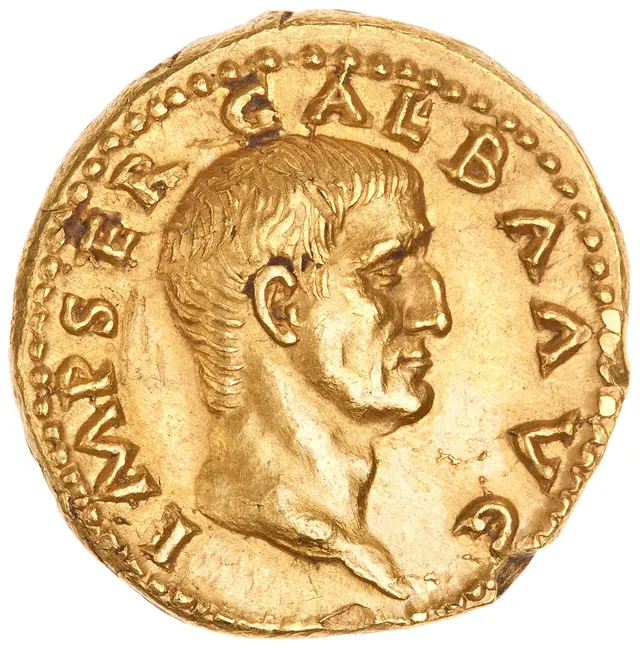
Galba
Image creditAmerican Numismatic Society · CC0Resized and cropped for display.

Galba

Roman emperor for seven months, killed in the Forum in the Year of the Four Emperors.

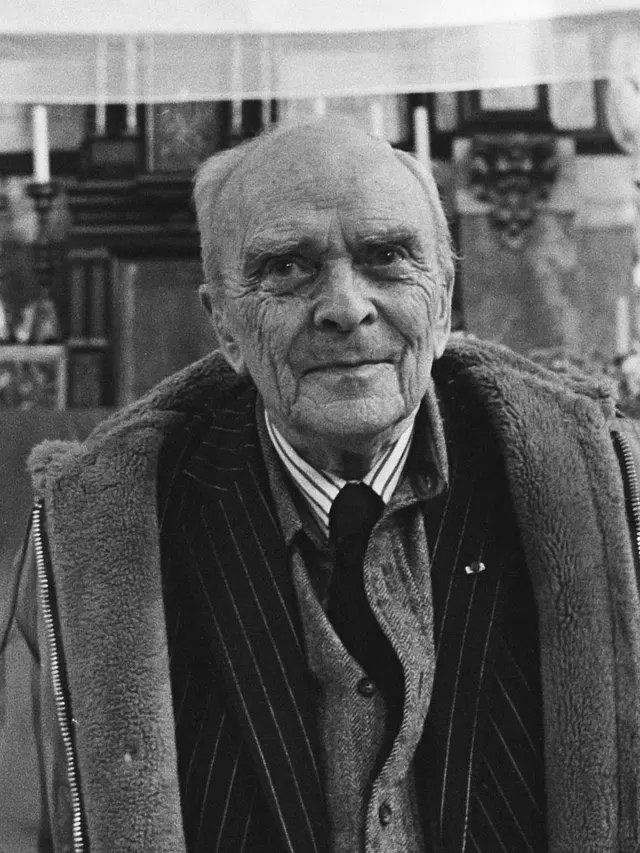
Seán MacBride
Image creditBogaerts, Rob / Anefo · CC0Resized and cropped for display.

Seán MacBride

Irish politician and a founder of Amnesty International, who won the 1974 Nobel Peace Prize.

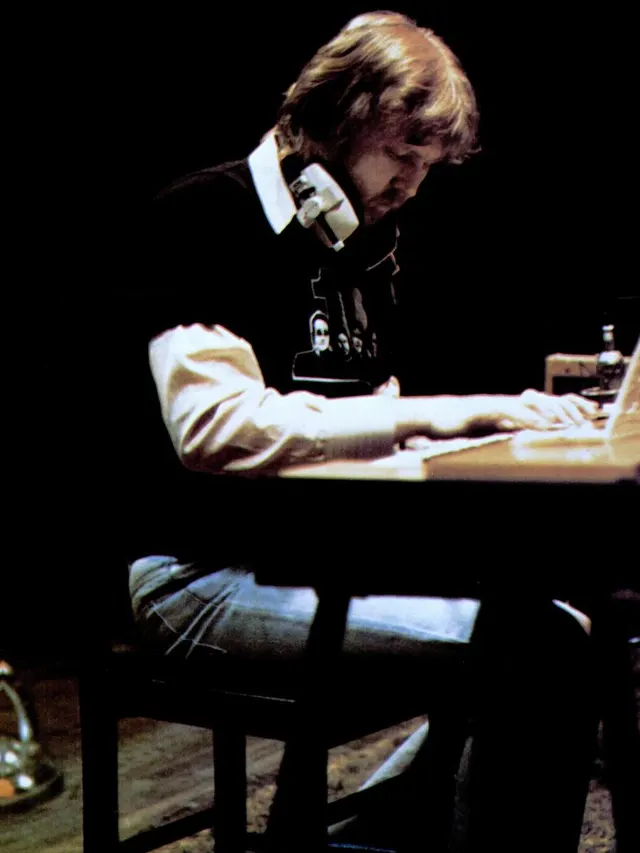
Harry Nilsson
Image creditRCA Records · Public domainResized and cropped for display.

Harry Nilsson

American singer and songwriter whose hits included Without You and Everybody’s Talkin’.

☉
AROUND THE WORLD

Observances & Anniversaries

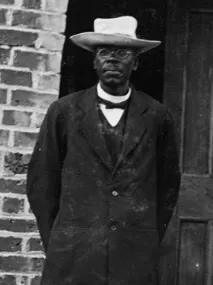
John Chilembwe (left) in 1914, about a year before his rising.
Image creditUnknown authorUnknown author · Public domainResized and cropped for display.

John Chilembwe Day in Malawi

Malawi keeps 15 January as a public holiday in memory of John Chilembwe, a Baptist minister who led a rising against British colonial rule in Nyasaland in 1915. The rising was quickly put down and Chilembwe was killed, but he is honoured as a forerunner of the struggle that led to Malawi’s independence in 1964.

Source: The Nation (Malawi): Malawians urged to emulate Chilembwe ↗
HISTORY & TIMELINE

Finished the highlights?

Follow 15 January chronologically, from the Middle Ages to the modern day, with 8 verified events and the sources behind them.

This day through time →