Explore 22 January

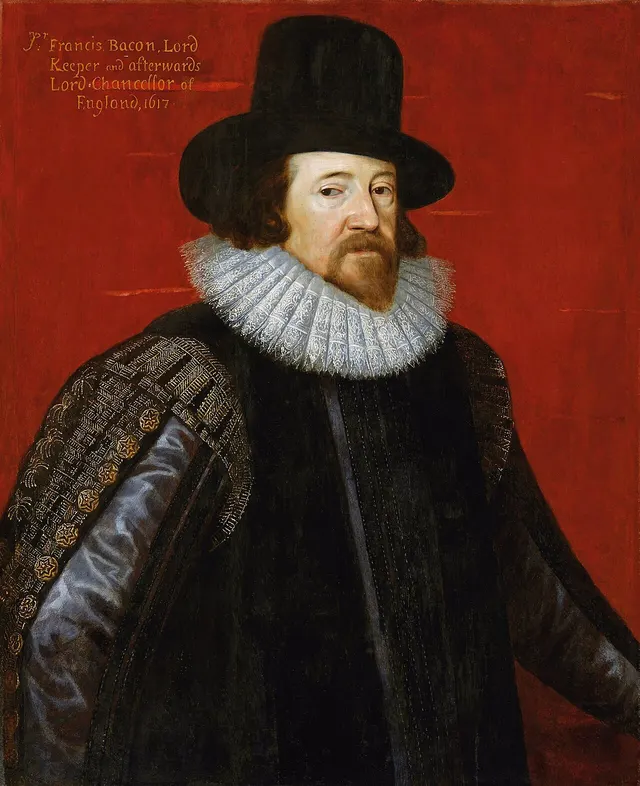
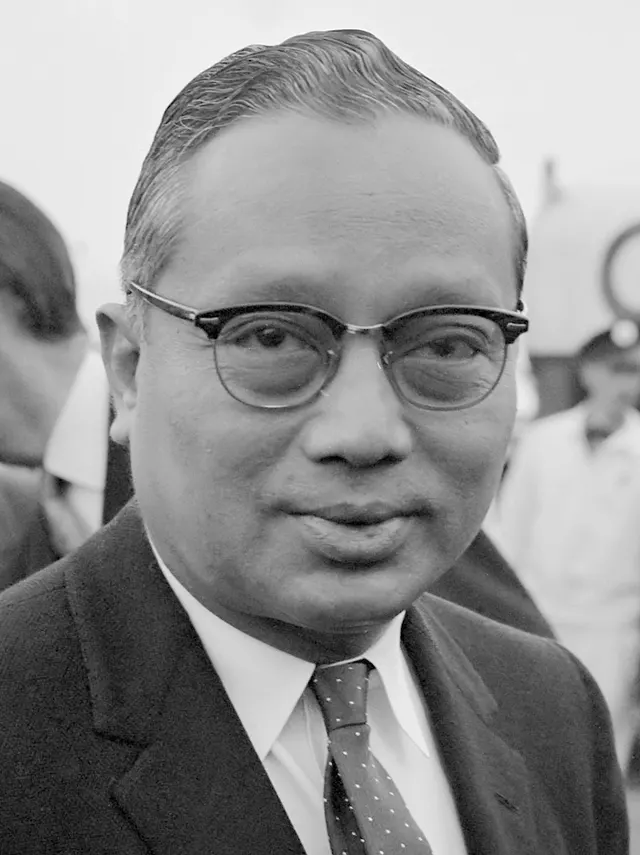
Explore 22 January: the Ottomans defeat the Mamluks outside Cairo, a Zulu army destroys a British force at Isandlwana, troops fire on marching workers in St Petersburg and France and West Germany seal their reconciliation. Meet Francis Bacon, Lord Byron and U Thant, born on 22 January.

This day through time →10 verified events across 3 eras

Sultan Selim I, 'the Grim', in an Ottoman miniature from a family tree of the sultans (Topkapi Palace Museum).
Sultan Selim I, ‘the Grim’, in an Ottoman miniature from a family tree of the sultans (Topkapi Palace Museum).
Image creditOttoman miniature painter · Public domainResized and cropped for display.

The Ottomans defeat the Mamluks outside Cairo

For more than two and a half centuries the Mamluks, a military elite of former slave soldiers, had ruled Egypt and Syria from Cairo and guarded the holy cities of Mecca and Medina. In 1516 the Ottoman sultan Selim I turned his army south, crushed the Mamluks at Marj Dabiq near Aleppo and swept through Syria.

On 22 January 1517 his disciplined infantry and artillery defeated the last Mamluk army at Raydaniyah, just outside Cairo, and the city soon fell. Egypt, Syria and Palestine became Ottoman provinces, the sharif of Mecca sent Selim the keys of the holy city, and the Ottoman sultans became the leading power of the Islamic world.

Read the full storyHistory & Timeline →Source: Encyclopaedia Britannica: Battle of Raydaniyah ↗
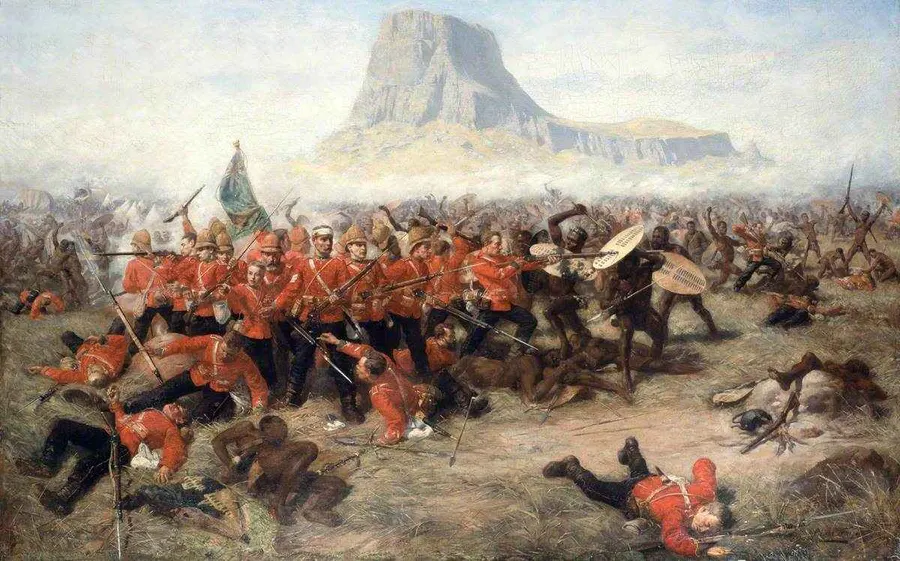
The Battle of Isandlwana, painted by Charles Edwin Fripp in 1885, with the mountain behind.
Image creditCharles Edwin Fripp · Public domainResized and cropped for display.

A Zulu army destroys a British force at Isandlwana

In January 1879 British forces invaded the Zulu kingdom of Cetshwayo, expecting a quick victory. The commander, Lord Chelmsford, left part of his army camped below the mountain of Isandlwana while he took the rest in search of the enemy.

On 22 January a Zulu army of more than 20,000 men attacked the camp. In a few hours the defenders were overwhelmed and most of the 1,700 soldiers and African auxiliaries there were killed, Britain’s worst defeat by an indigenous army. The same afternoon a Zulu reserve attacked the small post at Rorke’s Drift, where a garrison of little more than a hundred held out through the night. Britain sent reinforcements and conquered the kingdom later that year.

Read the full storyHistory & Timeline →Source: National Army Museum: the Battle of Isandlwana, 22 January 1879 ↗
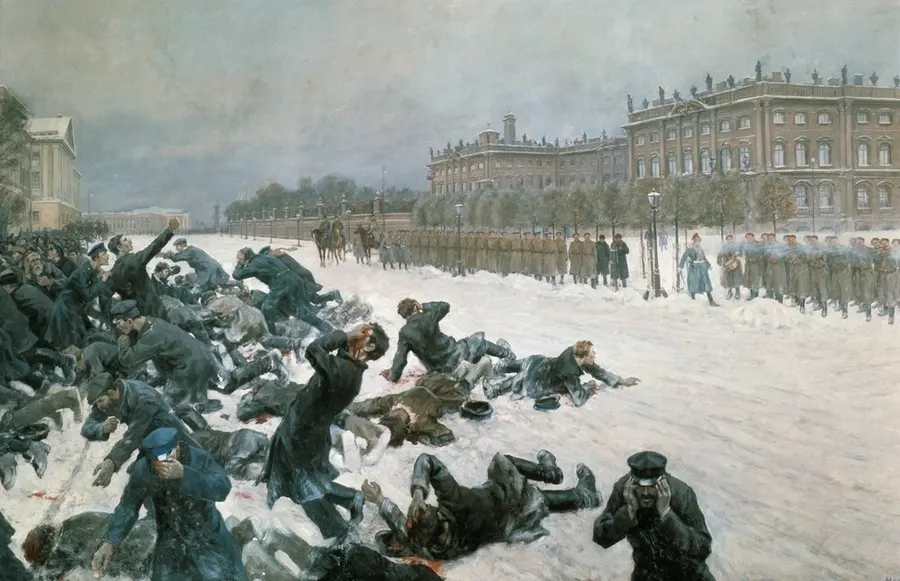
Troops fire on the marchers outside the Winter Palace, in a painting by Ivan Vladimirov.
Image creditIvan Vladimirov · Public domainResized and cropped for display.

Troops fire on marching workers in St Petersburg: ‘Bloody Sunday’

In January 1905 tens of thousands of workers in St Petersburg were on strike. A priest, Georgy Gapon, led them in a peaceful procession to the Winter Palace to hand Tsar Nicholas II a petition asking for shorter hours, fair wages and an elected assembly. Many marchers carried icons and portraits of the tsar.

On Sunday 22 January (9 January in the Russian calendar of the time) soldiers opened fire on the crowds. More than a hundred people were killed and hundreds wounded; the tsar was not even in the palace. The massacre destroyed many Russians’ faith in the tsar and set off months of strikes, mutinies and uprisings, the Revolution of 1905, which forced Nicholas to grant Russia its first parliament, the Duma.

Read the full storyHistory & Timeline →Source: Encyclopaedia Britannica: Bloody Sunday (Russia, 1905) ↗
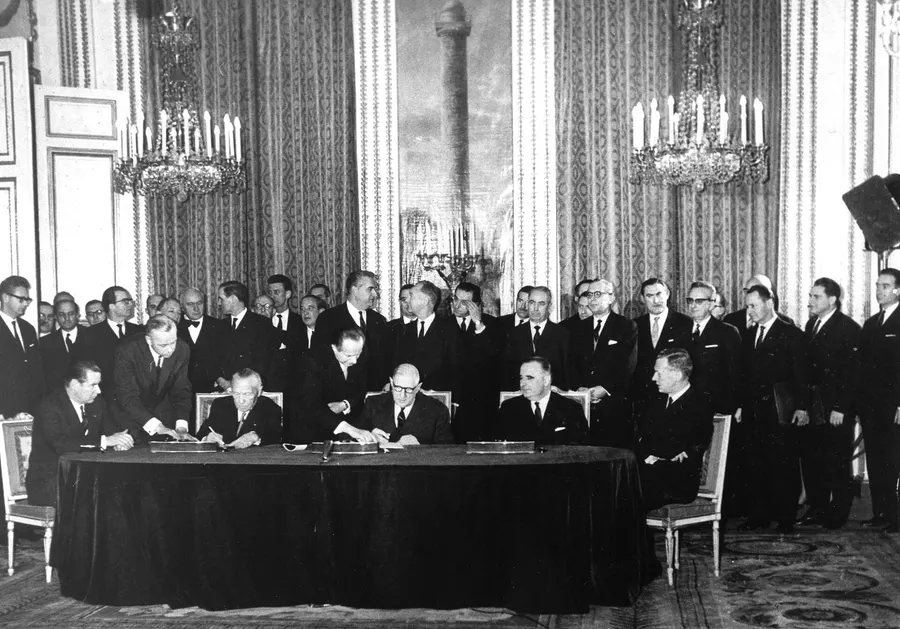
The signing of the Élysée Treaty in Paris, 22 January 1963 (German Federal Archives).
Image creditUnknown authorUnknown author · CC BY-SA 3.0 deResized and cropped for display.

France and West Germany sign a treaty of friendship

France and Germany had fought three wars in seventy years. After 1945 the French president Charles de Gaulle and the West German chancellor Konrad Adenauer, both old men who remembered those wars, set out to make their countries partners.

On 22 January 1963 they signed the Élysée Treaty in Paris. It committed their governments to consult regularly on foreign policy, defence, education and youth, with summits at least twice a year, and it created the Franco-German Youth Office, which has since sent millions of young people on exchanges. The anniversary is marked in both countries as a Day of Franco-German Friendship.

Read the full storyHistory & Timeline →Source: France Diplomatie: the Élysée Treaty in six questions ↗
♙
PEOPLE

Born Today

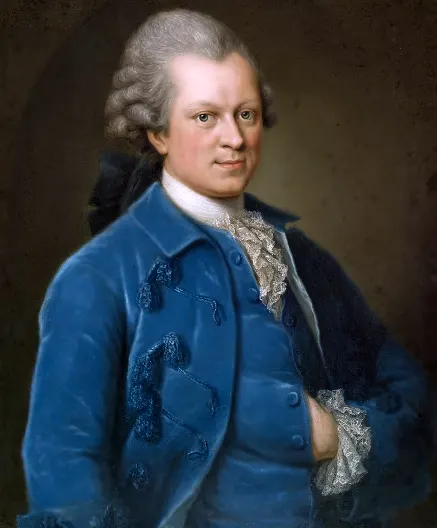
Gotthold Ephraim Lessing
Image creditAnna Rosina de Gasc · Public domainResized and cropped for display.

Gotthold Ephraim Lessing

German writer of the Enlightenment, author of Nathan the Wise.

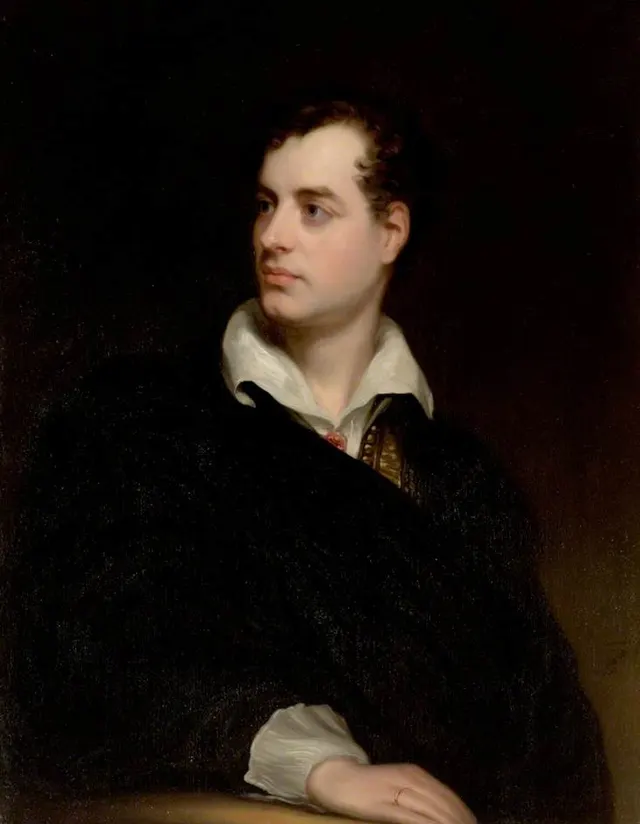
Lord Byron
Image creditThomas Phillips · Public domainResized and cropped for display.

Lord Byron

English Romantic poet of Don Juan, who died supporting Greek independence.

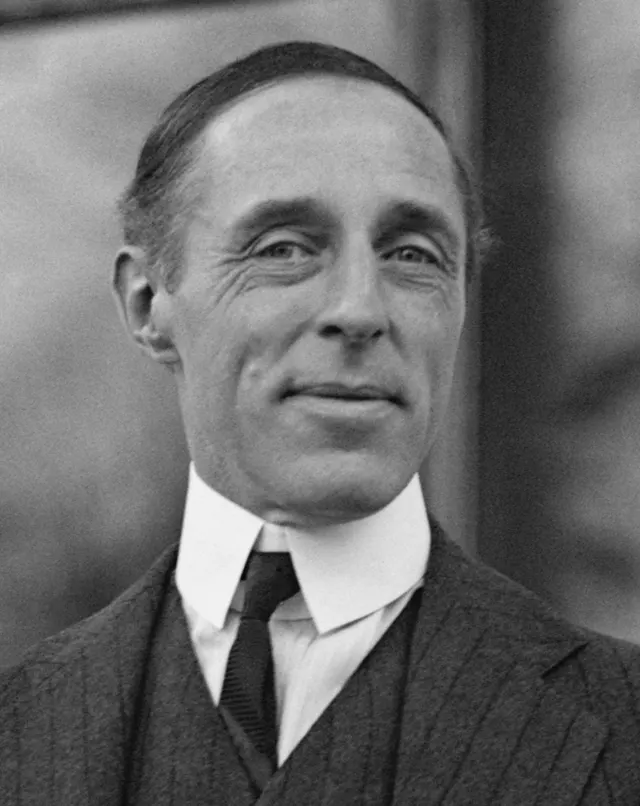
D. W. Griffith
Image creditUnknown authorUnknown author · Public domainResized and cropped for display.

D. W. Griffith

American film director who pioneered the language of cinema, though his Birth of a Nation glorified the Ku Klux Klan.

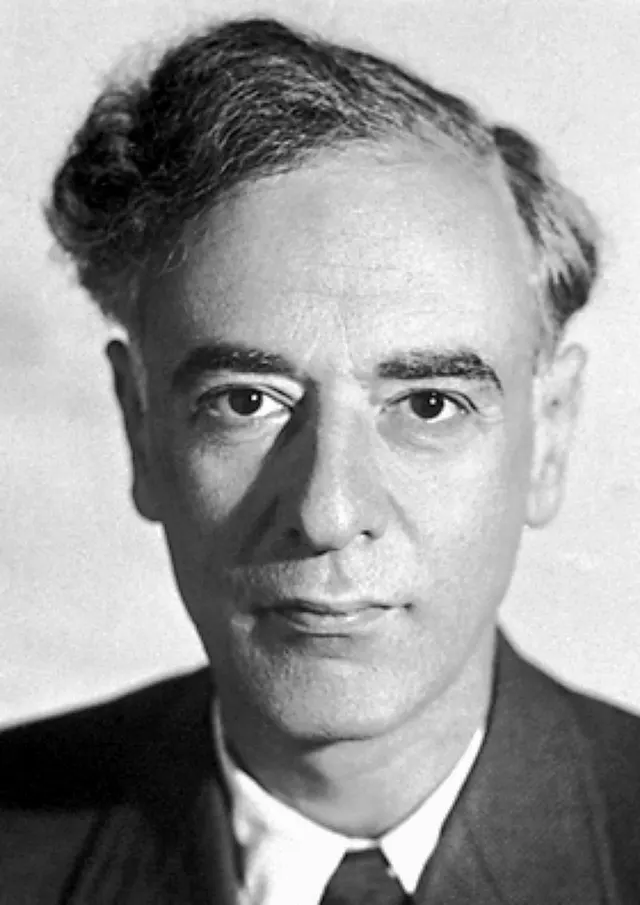
Lev Landau
Image creditNobel foundation · Public domainResized and cropped for display.

Lev Landau

Soviet physicist, winner of the 1962 Nobel Prize for his theory of liquid helium.

Sam Cooke
Image creditRCA Victor Records · Public domainResized and cropped for display.

Sam Cooke

American soul singer of You Send Me and A Change Is Gonna Come.

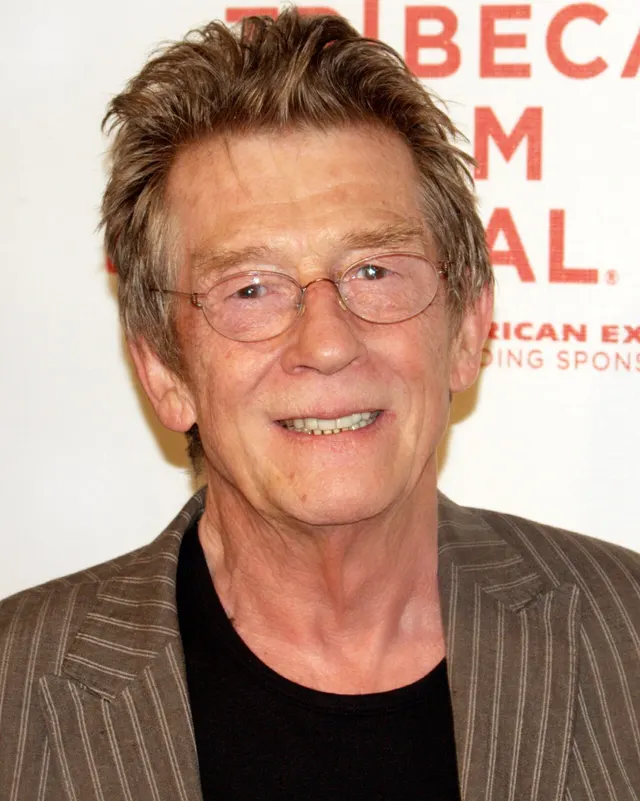
John Hurt
Image creditDavid Shankbone · CC BY 3.0Resized and cropped for display.

John Hurt

English actor of The Elephant Man and Alien.

◉
IDEAS THAT CHANGED THINGS

Firsts, Science & Discoveries

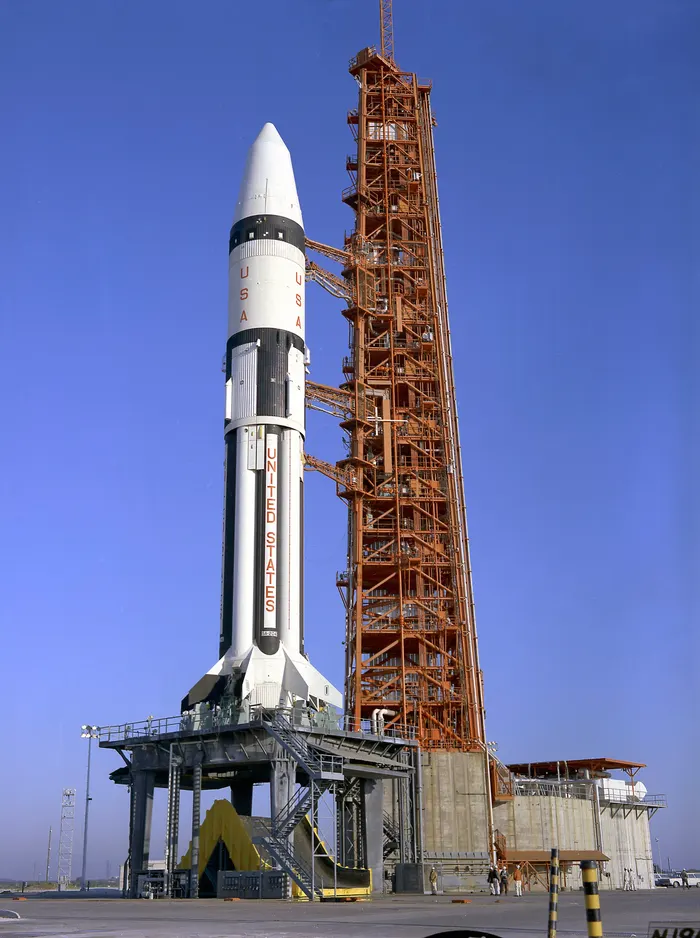
The Saturn IB rocket for Apollo 5 on its launch pad at Cape Kennedy, 22 January 1968.
Image creditNASA · Public domainResized and cropped for display.

Apollo 5 tests the lunar module in space

To land on the Moon, NASA needed a spacecraft unlike any before: the lunar module, a fragile two-stage lander that would fly only in space. Before trusting astronauts to it, NASA flew one without a crew.

Apollo 5 lifted off from Cape Kennedy on 22 January 1968. In Earth orbit the lander’s descent engine shut down after four seconds instead of thirty-nine, stopped by over-cautious software, but flight controllers in Houston switched to a back-up plan and fired the engines by command. The test was judged such a success that a second uncrewed flight was cancelled.

Read the full storyHistory & Timeline →Source: NASA: Apollo 5 ↗
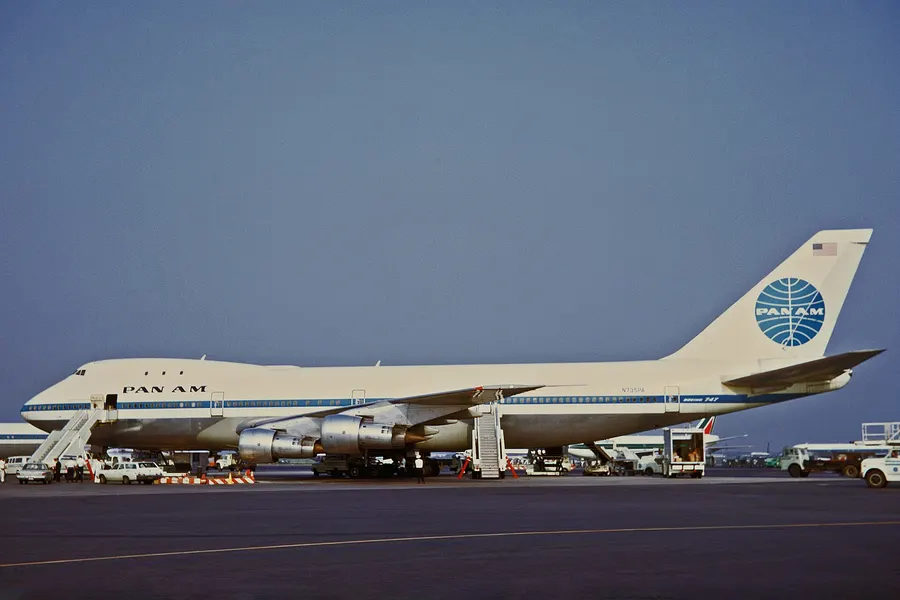
A Pan Am Boeing 747, Clipper Constitution, at Kennedy Airport, New York, in July 1970.
Image creditKen Fielding · CC BY-SA 3.0Resized and cropped for display.

The jumbo jet enters service

Boeing designed the 747 at the request of Pan American World Airways, which wanted an aircraft far bigger than its 707s. With its wide body, twin aisles and hump-backed upper deck, it could carry more than twice as many passengers.

The first scheduled 747 service, Pan Am’s flight from New York to London, took place on 22 January 1970. By cutting the cost of each seat, the ‘jumbo jet’ helped make long-distance flying affordable for millions, and it remained in production for more than fifty years.

Read the full storyHistory & Timeline →Source: Smithsonian National Air and Space Museum: the evolution of the commercial airliner ↗
✦
LIVES REMEMBERED

Remembered Today

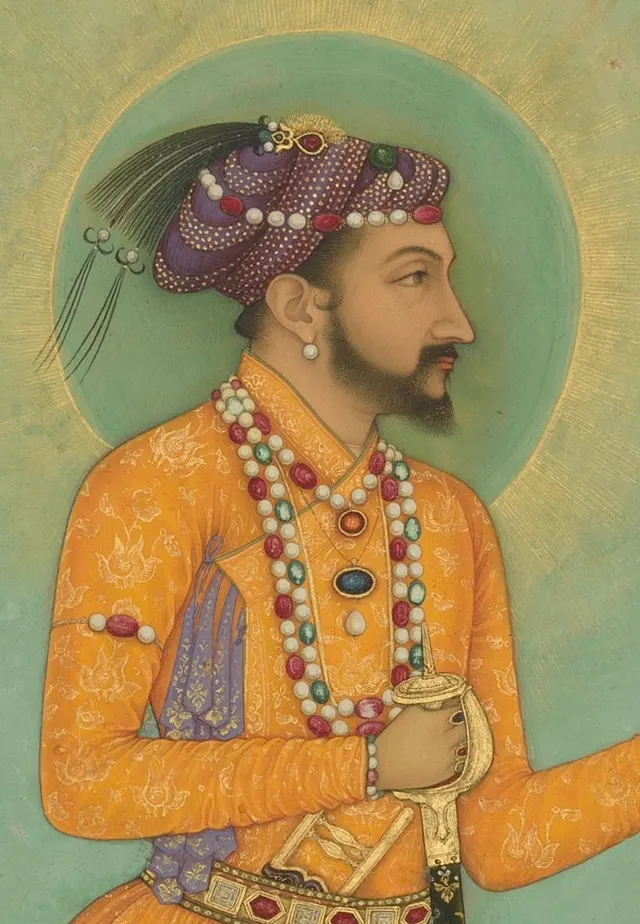
Shah Jahan
Image creditBichitr · Public domainResized and cropped for display.

Shah Jahan

Mughal emperor who built the Taj Mahal in memory of his wife Mumtaz Mahal.

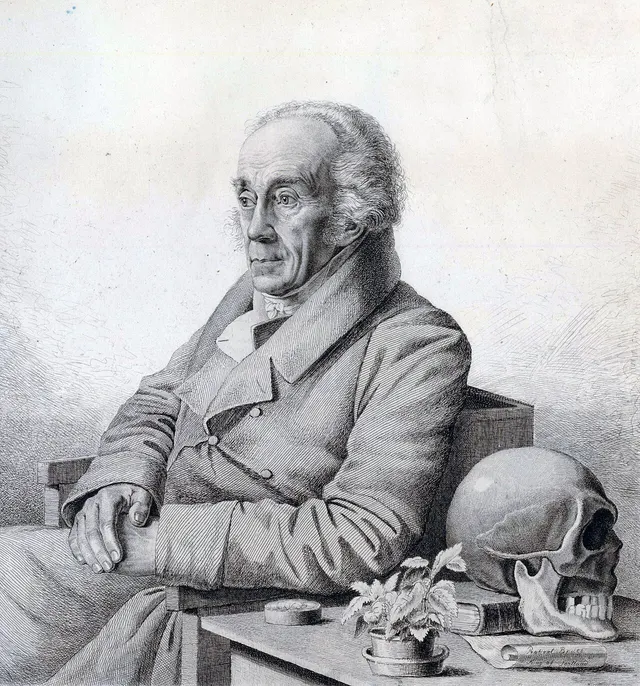
Johann Friedrich Blumenbach
Image creditLudwig Emil Grimm · Public domainResized and cropped for display.

Johann Friedrich Blumenbach

German naturalist, a founder of physical anthropology.

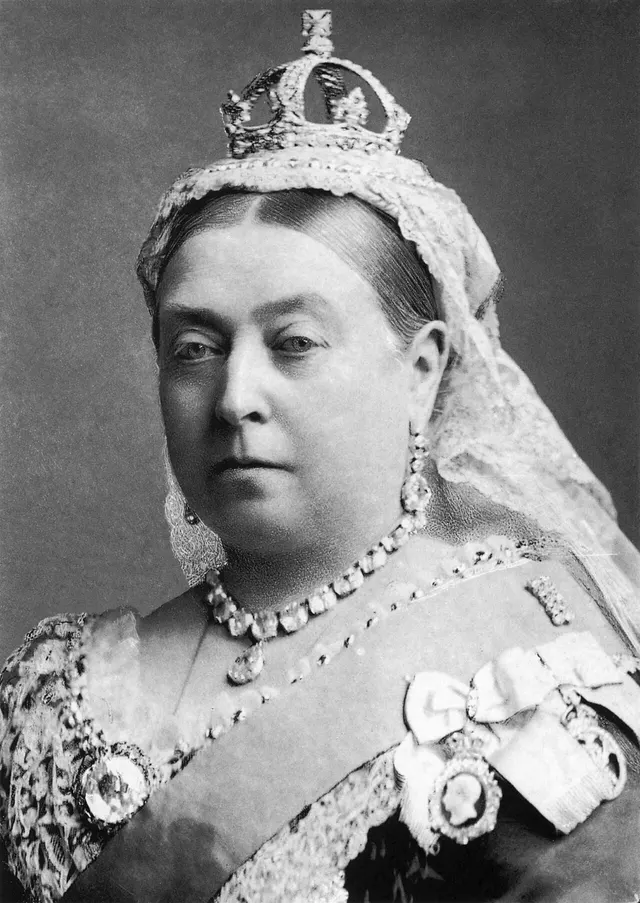
Queen Victoria
Image creditAlexander Bassano · Public domainResized and cropped for display.

Queen Victoria

Queen of the United Kingdom from 1837, whose reign of almost 64 years was then the longest in British history.

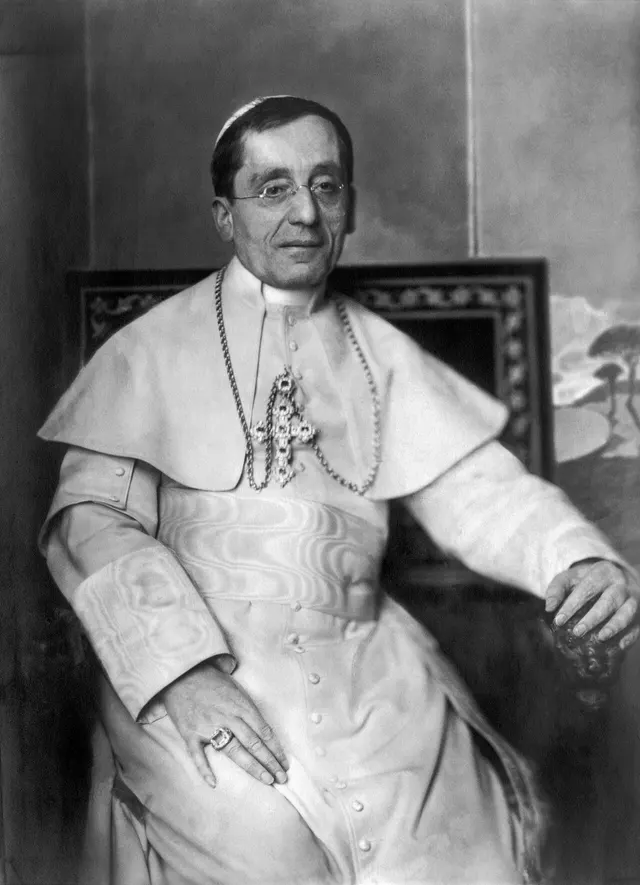
Benedict XV
Image creditNicola Perscheid · Public domainResized and cropped for display.

Benedict XV

Pope from 1914 who tried in vain to broker peace in the First World War.

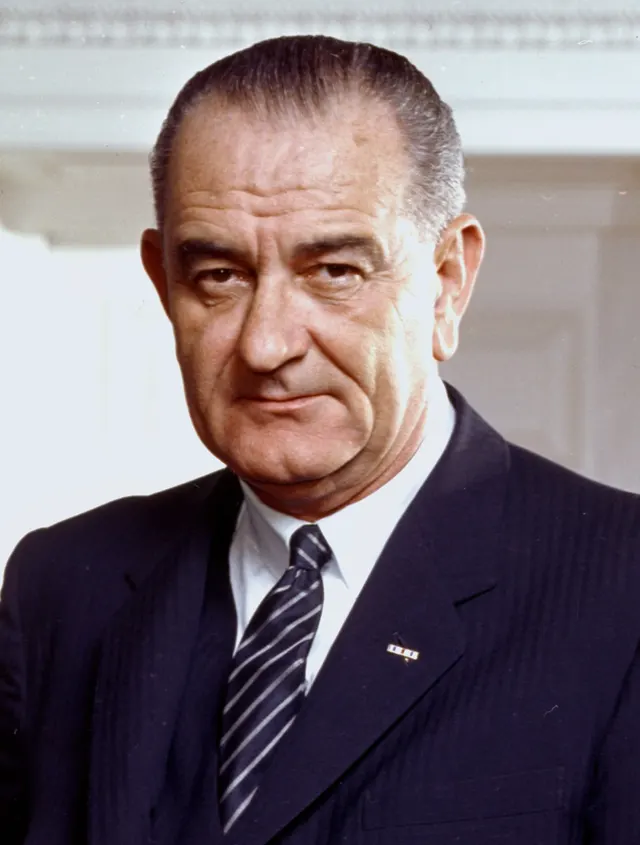
Lyndon B. Johnson
Image creditArnold Newman · Public domainResized and cropped for display.

Lyndon B. Johnson

President of the United States from 1963 to 1969, who signed the Civil Rights Act and escalated the Vietnam War.

Heath Ledger
Image creditHowie · CC BY-SA 2.0Resized and cropped for display.

Heath Ledger

Australian actor of Brokeback Mountain and The Dark Knight.

☉
AROUND THE WORLD

Observances & Anniversaries

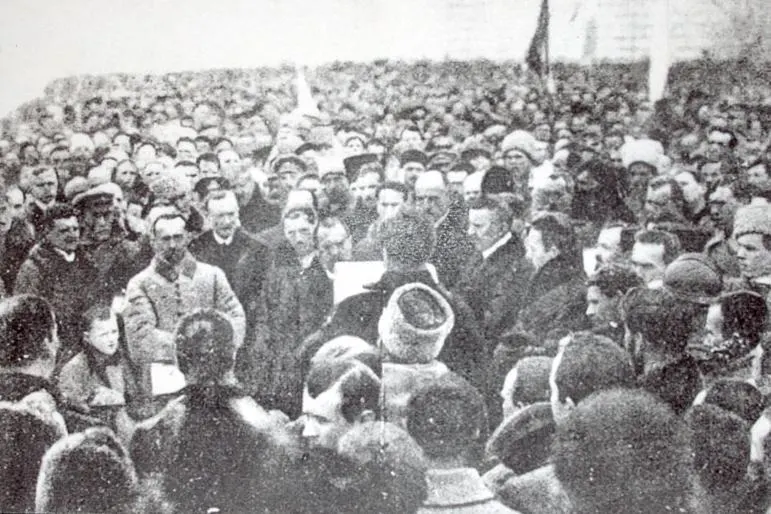
Crowds in Sofia Square, Kyiv, at the proclamation of the Act of Unity on 22 January 1919.
Image creditUnknown authorUnknown author · Public domainResized and cropped for display.

Unity Day in Ukraine

On 22 January 1919, as the Russian and Austro-Hungarian empires collapsed, the Ukrainian People’s Republic and the West Ukrainian People’s Republic proclaimed their union at a ceremony on Sofia Square in Kyiv. The united state did not survive the wars that followed, but the Act of Unity became a symbol of Ukrainian nationhood, and since 1999 Ukraine has marked 22 January as its Day of Unity.

Source: Ministry of Foreign Affairs of Ukraine (Consulate in Edinburgh): Day of Unity of Ukraine ↗
HISTORY & TIMELINE

Finished the highlights?

Follow 22 January chronologically, from the Middle Ages to the modern day, with 10 verified events and the sources behind them.

This day through time →