Explore 25 January

Explore 25 January: Jesuit missionaries found São Paulo, Nellie Bly races around the world in 72 days, Idi Amin seizes power in Uganda and Egyptians fill Tahrir Square to demand an end to Hosni Mubarak’s rule. Meet Robert Burns, Virginia Woolf and Eusébio, born on 25 January.

This day through time →8 verified events across 4 eras

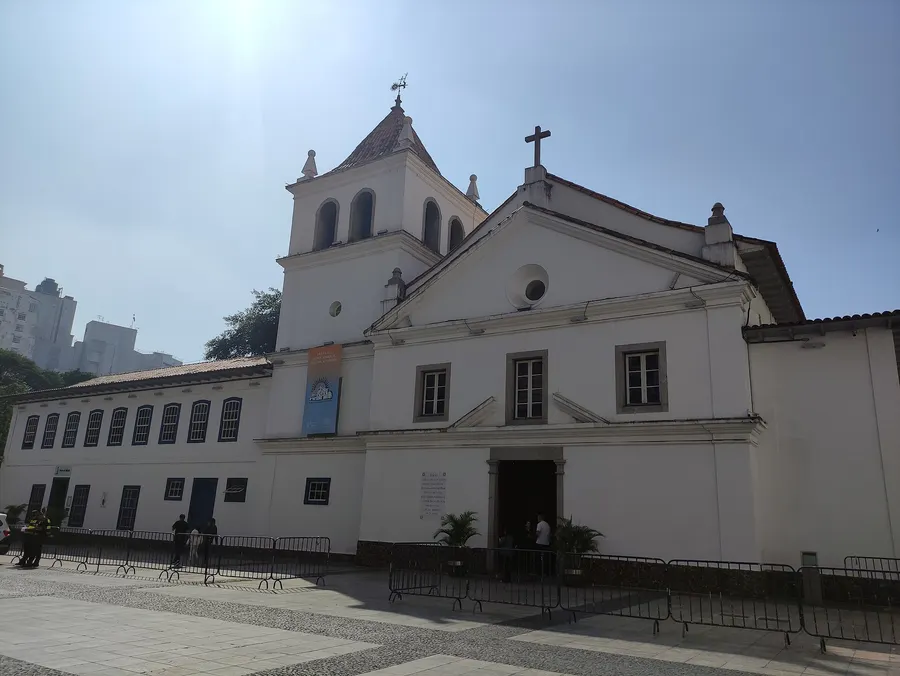
The Pátio do Colégio in São Paulo, a reconstruction of the Jesuit college around which the city grew.
Image creditFerik80 · CC BY-SA 4.0Resized and cropped for display.

Jesuit missionaries found São Paulo

The Portuguese Jesuits Manuel da Nóbrega and José de Anchieta came to Brazil to convert its Indigenous peoples. They climbed from the coast to the plateau above and chose a hilltop between two rivers for a mission and school.

The mission was founded on 25 January 1554, the feast of the Conversion of Saint Paul, and the settlement took the saint’s name. It grew slowly, with only a few hundred inhabitants by 1600, and became the base of the bandeirantes, who pushed deep into the interior hunting for slaves and gold. Today São Paulo is the largest city in South America.

Read the full storyHistory & Timeline →Source: Encyclopaedia Britannica: São Paulo ↗
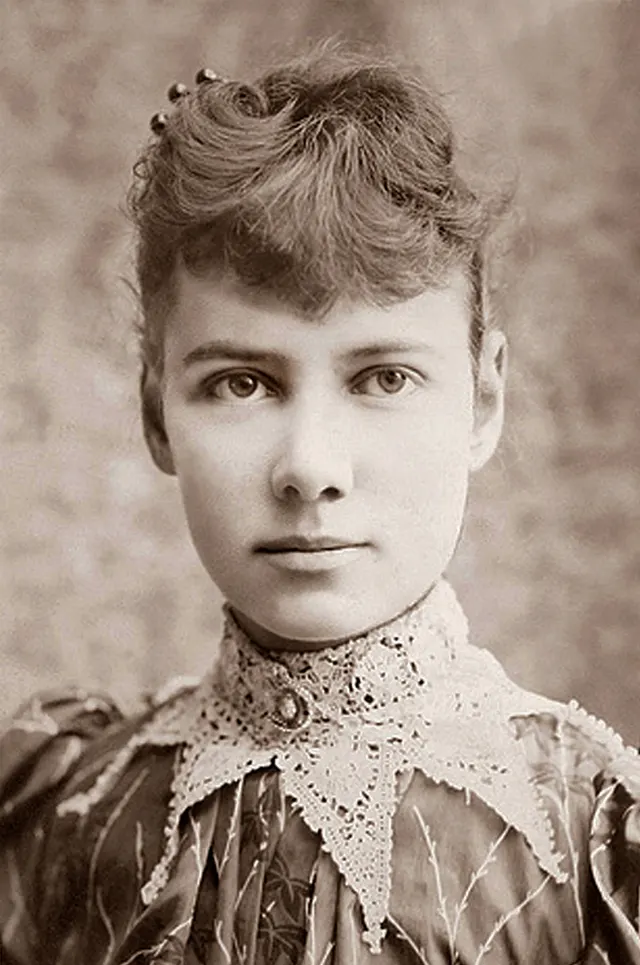
Nellie Bly, photographed by H. J. Myers about 1890.
Image creditH. J. Myers, photographer · Public domainResized and cropped for display.

Nellie Bly races around the world in 72 days

Nellie Bly, the pen name of Elizabeth Cochrane, was already famous for having herself committed to a New York asylum to expose its cruelty. In November 1889 her newspaper, the New York World, sent her to beat the 80 days of Phileas Fogg in Jules Verne’s novel.

Travelling by steamship, train, rickshaw and donkey, and meeting Verne himself in France on the way, she stepped off the train in Jersey City on 25 January 1890, 72 days, 6 hours and 11 minutes after setting out. Cheering crowds met her, and the World’s competition to guess her time drew almost a million entries.

Read the full storyHistory & Timeline →Source: Library of Congress: Nellie Bly, a resource guide ↗
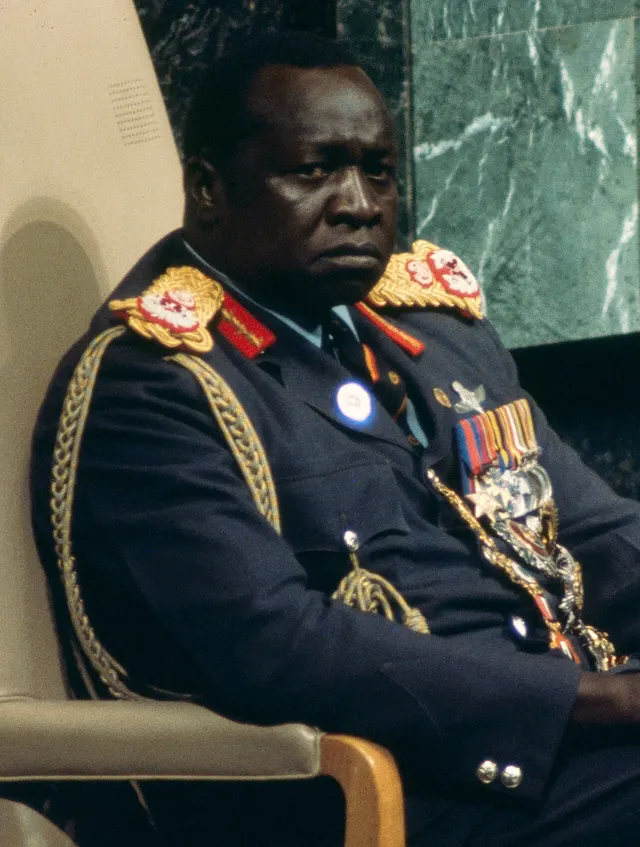
Idi Amin at the United Nations in New York, photographed by Bernard Gotfryd.
Image creditBernard Gotfryd · Public domainResized and cropped for display.

Idi Amin seizes power in Uganda

Milton Obote had led Uganda since its independence from Britain in 1962, relying more and more on the army and police to keep power. His army commander, Idi Amin, had built a following among the soldiers, and the two men were falling out.

While Obote was abroad at the Commonwealth conference in Singapore, troops loyal to Amin moved in the early hours of 25 January 1971, and that afternoon Radio Uganda announced that the army had taken over the government. Many Ugandans at first welcomed the coup, but Amin’s eight years in power were among the most brutal of the century: tens of thousands, perhaps hundreds of thousands, of people were killed, and the country’s Asian community was expelled in 1972.

Read the full storyHistory & Timeline →Source: US Office of the Historian: Foreign Relations of the United States, Uganda coup, January 1971 ↗
Crowds in Cairo's Tahrir Square on the night of 25 January 2011.
Crowds in Cairo’s Tahrir Square on the night of 25 January 2011.
Image creditAl Jazeera English · CC BY-SA 2.0Resized and cropped for display.

Egyptians fill Tahrir Square to demand change

Inspired by the uprising that had just toppled Tunisia’s president, young Egyptians used social media to call for protests on 25 January 2011, National Police Day, against police brutality, poverty, corruption and the thirty-year rule of President Hosni Mubarak.

Tens of thousands marched in Cairo and other cities, and crowds occupied Tahrir Square. Over the next eighteen days the protests grew into a national uprising in which at least 840 people were killed, many of them shot by security forces. On 11 February Mubarak resigned and handed power to the army. Egyptians still call it the 25 January Revolution.

Read the full storyHistory & Timeline →Source: Encyclopaedia Britannica: Egypt Uprising of 2011 ↗
♙
PEOPLE

Born Today

Robert Burns
Image creditAlexander Nasmyth · Public domainResized and cropped for display.

Robert Burns

Scotland’s national poet, author of Auld Lang Syne and To a Mouse.

Ilya Prigogine
Image creditUnknown (Keystone - US) · Public domainResized and cropped for display.

Ilya Prigogine

Russian-born Belgian chemist, winner of the 1977 Nobel Prize for his work on the thermodynamics of complex systems.

Eduard Shevardnadze
Image creditRobert D. Ward · Public domainResized and cropped for display.

Eduard Shevardnadze

Soviet foreign minister who helped end the Cold War, later president of Georgia.

Corazon Aquino
Image creditAirman Gerald B. Johnson · Public domainResized and cropped for display.

Corazon Aquino

President of the Philippines from 1986, brought to power by the People Power revolution.

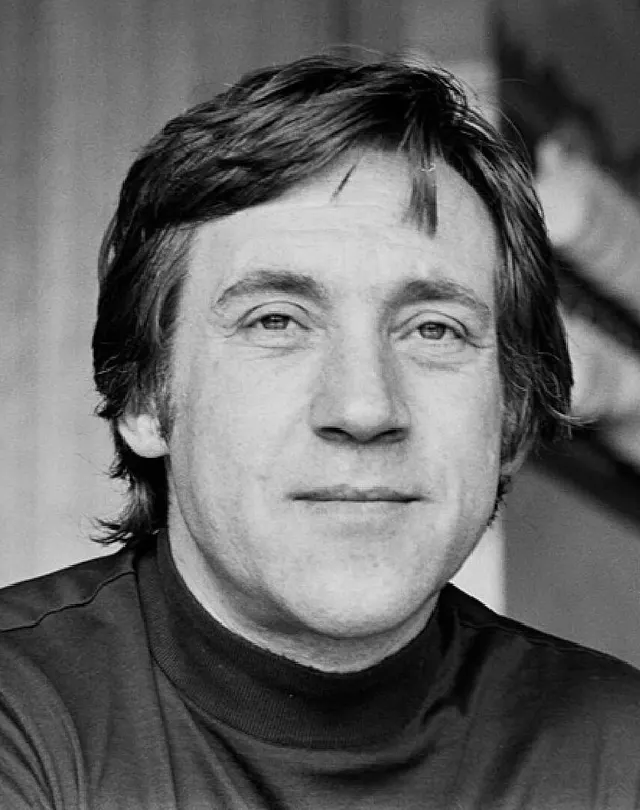
Vladimir Vysotsky
Image creditUnknown authorUnknown author · CC BY 4.0Resized and cropped for display.

Vladimir Vysotsky

Soviet actor and singer-songwriter whose gravelly ballads were loved across the USSR.

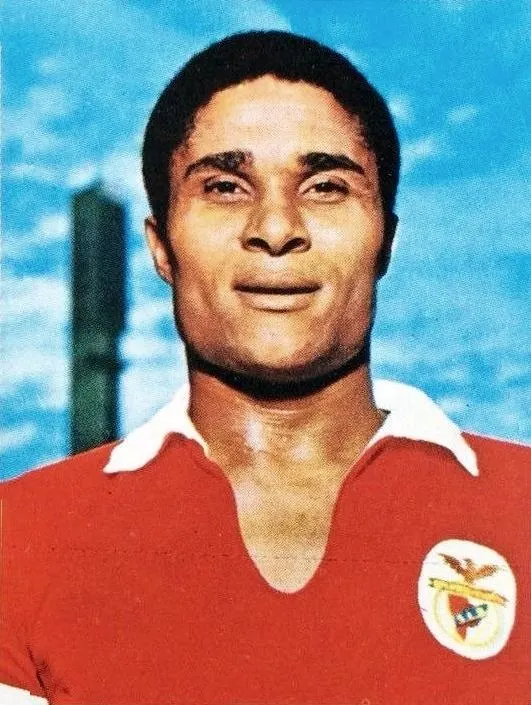
Eusébio
Image creditPanini · Public domainResized and cropped for display.

Eusébio

Mozambican-born Portuguese footballer, the star of Benfica and top scorer at the 1966 World Cup.

Alicia Keys
Image creditPhilipRomanoPhoto · CC BY 4.0Resized and cropped for display.

Alicia Keys

American singer, songwriter and pianist of Fallin’ and Empire State of Mind.

◉
IDEAS THAT CHANGED THINGS

Firsts, Science & Discoveries

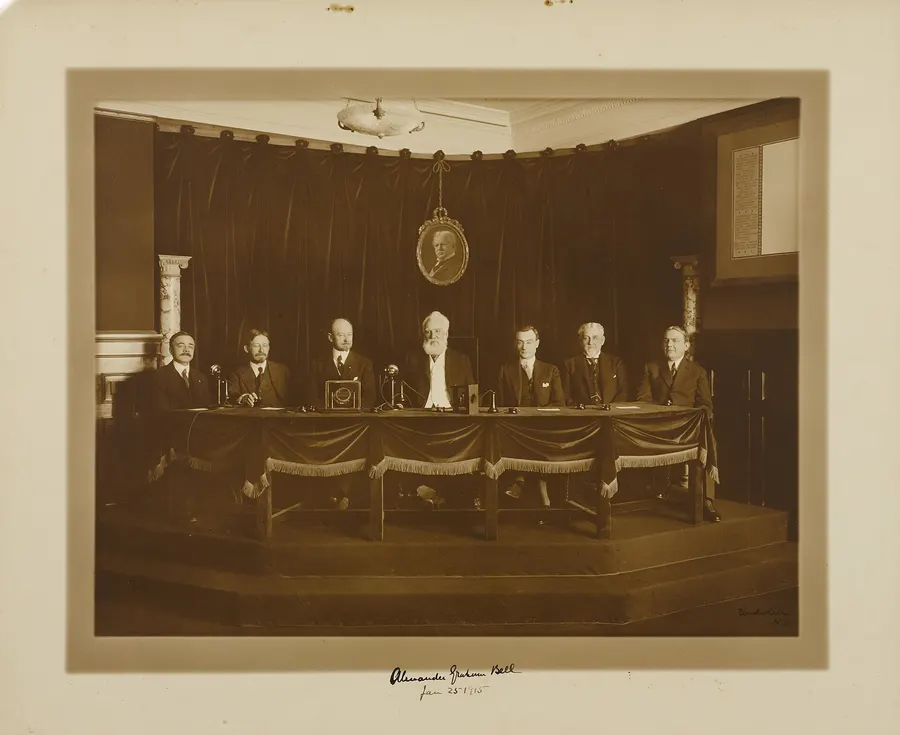
Alexander Graham Bell and AT&T officials in New York at the opening of the transcontinental telephone line, 25 January 1915.
Image creditIrving Underhill · Public domainResized and cropped for display.

Alexander Graham Bell opens the telephone line from coast to coast

Early telephone calls faded over distance, and a line across the whole United States became possible only with the vacuum-tube amplifiers developed in the 1910s. AT&T finished the line, more than 5,000 kilometres long, in 1914.

On 25 January 1915 it was formally opened. In New York the 67-year-old Alexander Graham Bell repeated the words of his first telephone call of 1876, ‘Mr Watson, come here, I want you,’ and in San Francisco his old assistant Thomas Watson replied that it would now take him a week to get there. President Woodrow Wilson joined the call from Washington.

Read the full storyHistory & Timeline →Source: Engineering and Technology History Wiki (IEEE): transcontinental telephone service ↗
☆
SPORTING HISTORY

Sporting Moments

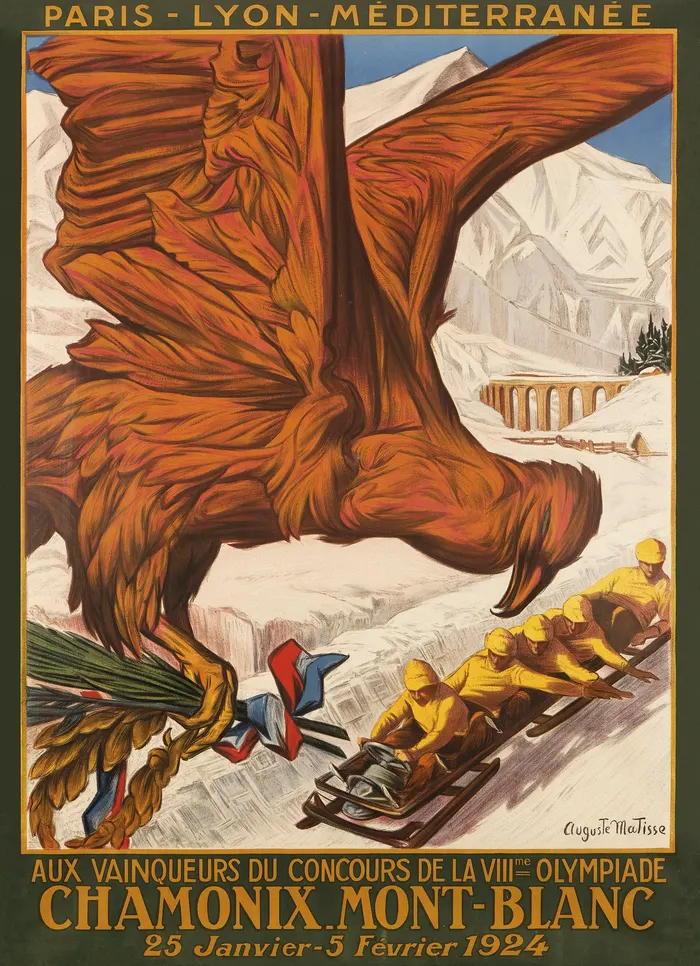
A railway poster by Auguste Matisse for the winter games at Chamonix-Mont-Blanc, 25 January to 5 February 1924.
Image creditMatisse, Auguste (1866-1931). Illustrateur Compagnie des chemins de fer de Paris à Lyon et à la Méditerranée. Dialoguiste · Public domainResized and cropped for display.

The first Winter Olympics open at Chamonix

Skating and ice hockey had appeared at the summer Olympics, but there were no Games for snow and ice. France, host of the 1924 Olympics in Paris, agreed to stage an International Winter Sports Week under the IOC’s patronage at Chamonix, beneath Mont Blanc.

It opened on 25 January 1924 with about 250 athletes from 16 countries competing in 16 events, from ski jumping and bobsleigh to curling. It was such a success that the IOC created the Winter Games, and in 1926 it recognised Chamonix as the first Olympic Winter Games.

Read the full storyHistory & Timeline →Source: Olympics.com (IOC): Chamonix 1924, the Olympic Winter Games are born ↗
♫
MUSIC • FILM • BOOKS • CULTURE

Culture Stories

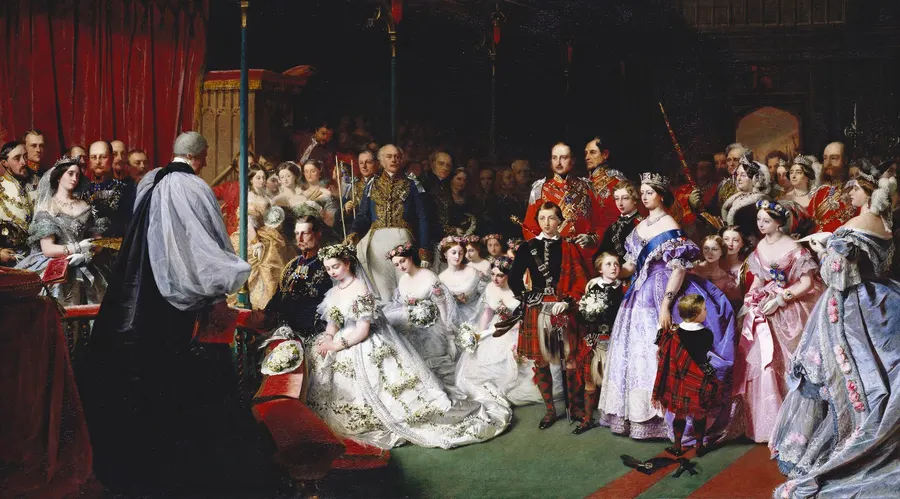
The marriage of Victoria, Princess Royal, and Prince Frederick William of Prussia in the Chapel Royal, 25 January 1858, painted by John Phillip (Royal Collection).
Image creditJohn Phillip · Public domainResized and cropped for display.

Mendelssohn’s Wedding March is played for a royal bride

Felix Mendelssohn wrote his Wedding March in the early 1840s as part of his music for Shakespeare’s A Midsummer Night’s Dream. It was meant for the theatre, not the church.

On 25 January 1858 Queen Victoria’s eldest daughter, Victoria, the Princess Royal, married Prince Frederick William of Prussia in the Chapel Royal at St James’s Palace, and Mendelssohn’s march was played at the ceremony. The royal example set a fashion, and the march has accompanied brides and grooms down the aisle ever since.

Read the full storyHistory & Timeline →Source: Encyclopaedia Britannica: Wedding March (Mendelssohn) ↗
✦
LIVES REMEMBERED

Remembered Today

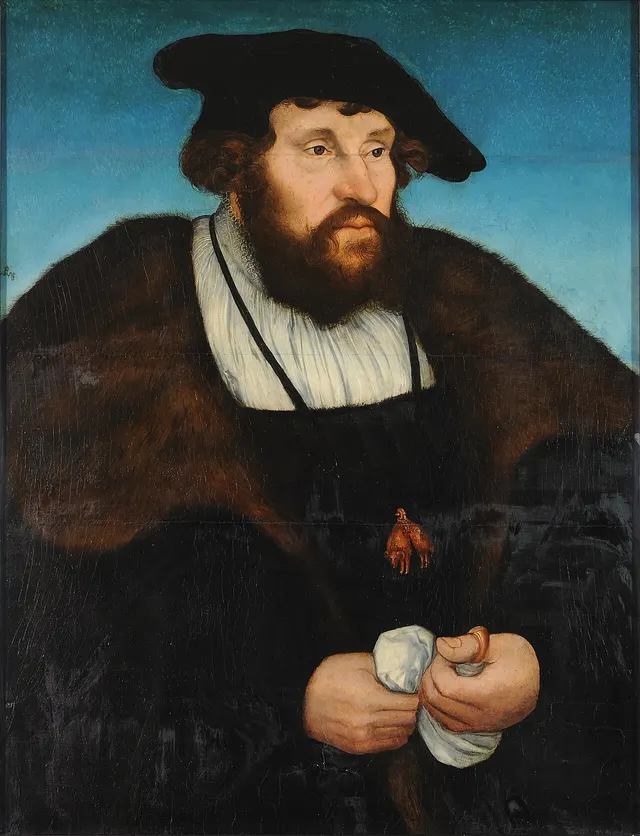
Christian II of Denmark
Image creditLucas Cranach the Elder · Public domainResized and cropped for display.

Christian II of Denmark

King of Denmark, Norway and Sweden, deposed in 1523 and held prisoner for his last 27 years.

☉
AROUND THE WORLD

Observances & Anniversaries

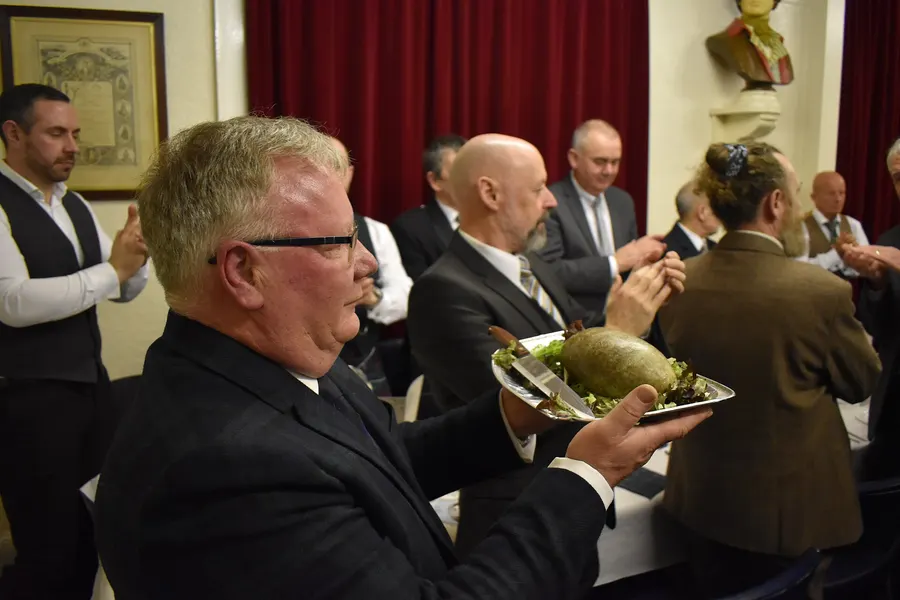
The haggis is carried in at the Dundee Burns Club's 160th annual Burns supper, 25 January 2020.
The haggis is carried in at the Dundee Burns Club’s 160th annual Burns supper, 25 January 2020.
Image creditConnor Beaton · CC BY-SA 4.0Resized and cropped for display.

Burns Night

On or around 25 January, the birthday of Robert Burns, Scots at home and around the world hold Burns suppers in his honour. A piper leads in the haggis, someone recites Burns’s poem To a Haggis before it is cut open, and the evening of speeches, songs and whisky ends with everyone singing Auld Lang Syne. The tradition began in 1801, when nine of his friends met at his birthplace in Alloway to remember him.

Source: National Trust for Scotland: the first Burns Supper ↗
HISTORY & TIMELINE

Finished the highlights?

Follow 25 January chronologically, from the Middle Ages to the modern day, with 8 verified events and the sources behind them.

This day through time →