
HISTORY & TIMELINE
25 January

A journey through
25 January in history

The twenty-fifth day of the year has seen Henry VIII secretly marry Anne Boleyn, Mendelssohn’s Wedding March played for a royal bride, Alexander Graham Bell open the telephone line from coast to coast and the first Winter Olympics begin at Chamonix. This timeline follows 25 January from the sixteenth century to the twenty-first.

III
A CHANGING WORLD

Early Modern Era

Exploration, political change, scientific development and expanding global connections.

1533
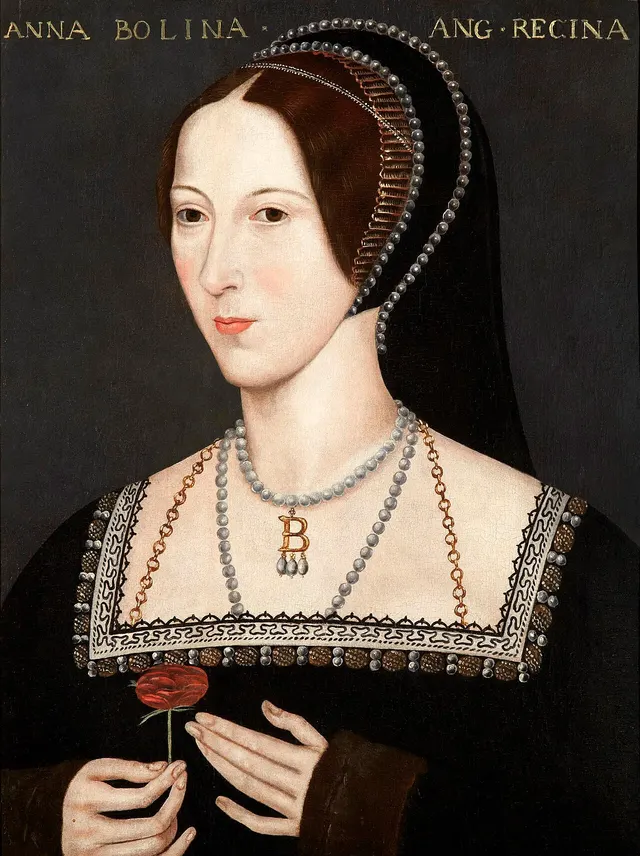
Anne Boleyn, a portrait of the English school after a lost original, at Hever Castle.Anne Boleyn, a portrait of the English school after a lost original, at Hever Castle.Image: English school · Public domain
politics · Europe

Henry VIII secretly marries Anne Boleyn

Henry VIII had spent six years trying to end his marriage to Catherine of Aragon. With Anne Boleyn pregnant and no annulment yet granted, the two were married in secret early on 25 January 1533, in a room of the Holbein Gate at Whitehall Palace, before a handful of witnesses. In May Archbishop Cranmer declared Henry’s first marriage void; in September Anne gave birth to the future Elizabeth I.

Source: Historic Royal Palaces: Henry VIII and Anne Boleyn’s secret wedding at Whitehall Palace ↗
1554
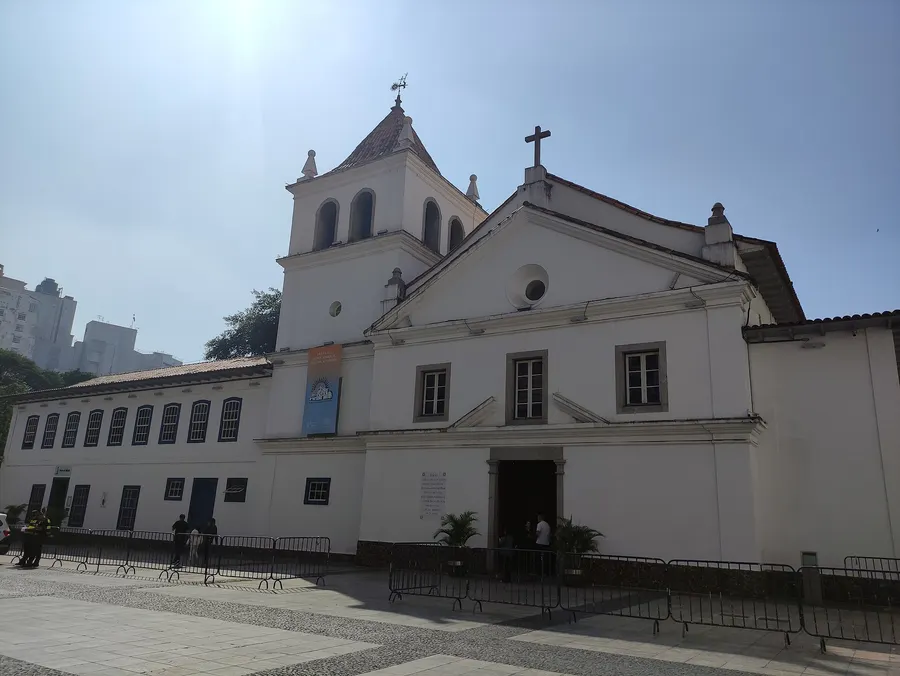
The Pátio do Colégio in São Paulo, a reconstruction of the Jesuit college around which the city grew.The Pátio do Colégio in São Paulo, a reconstruction of the Jesuit college around which the city grew.Image: Ferik80 · CC BY-SA 4.0
culture · Americas

Jesuit missionaries found São Paulo

The Portuguese Jesuits Manuel da Nóbrega and José de Anchieta came to Brazil to convert its Indigenous peoples. They climbed from the coast to the plateau above and chose a hilltop between two rivers for a mission and school. The mission was founded on 25 January 1554, the feast of the Conversion of Saint Paul, and the settlement took the saint’s name. It grew slowly, with only a few hundred inhabitants by 1600, and became the base of the bandeirantes, who pushed deep into the interior hunting for slaves and gold. Today São Paulo is the largest city in South America.

Source: Encyclopaedia Britannica: São Paulo ↗
IV
THE NINETEENTH CENTURY

The 1800s

Industry, empire, invention, reform and a century of enormous transformation.

1858
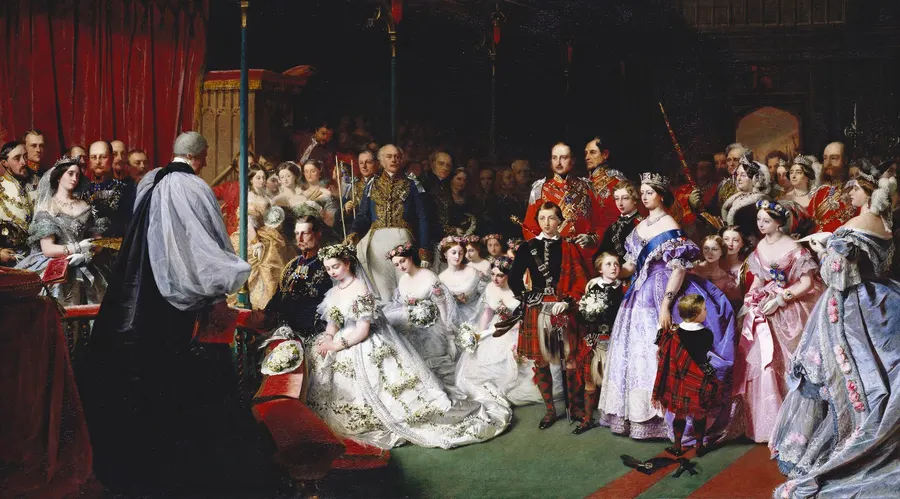
The marriage of Victoria, Princess Royal, and Prince Frederick William of Prussia in the Chapel Royal, 25 January 1858, painted by John Phillip (Royal Collection).The marriage of Victoria, Princess Royal, and Prince Frederick William of Prussia in the Chapel Royal, 25 January 1858, painted by John Phillip (Royal Collection).Image: John Phillip · Public domain
culture · Europe

Mendelssohn’s Wedding March is played for a royal bride

Felix Mendelssohn wrote his Wedding March in the early 1840s as part of his music for Shakespeare’s A Midsummer Night’s Dream. It was meant for the theatre, not the church. On 25 January 1858 Queen Victoria’s eldest daughter, Victoria, the Princess Royal, married Prince Frederick William of Prussia in the Chapel Royal at St James’s Palace, and Mendelssohn’s march was played at the ceremony. The royal example set a fashion, and the march has accompanied brides and grooms down the aisle ever since.

Source: Encyclopaedia Britannica: Wedding March (Mendelssohn) ↗
1890
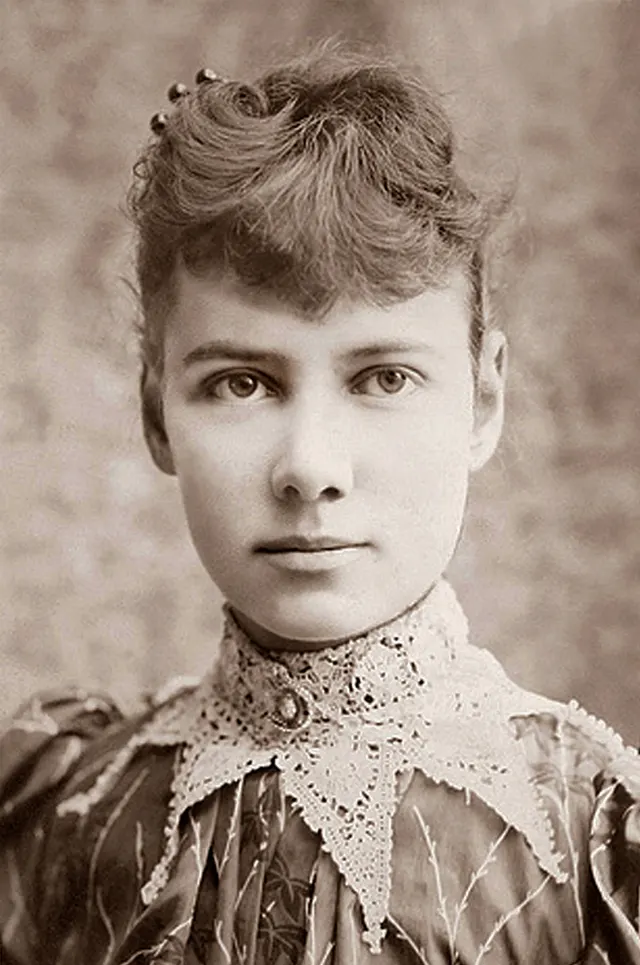
Nellie Bly, photographed by H. J. Myers about 1890.Nellie Bly, photographed by H. J. Myers about 1890.Image: H. J. Myers, photographer · Public domain
world · Global

Nellie Bly races around the world in 72 days

Nellie Bly, the pen name of Elizabeth Cochrane, was already famous for having herself committed to a New York asylum to expose its cruelty. In November 1889 her newspaper, the New York World, sent her to beat the 80 days of Phileas Fogg in Jules Verne’s novel. Travelling by steamship, train, rickshaw and donkey, and meeting Verne himself in France on the way, she stepped off the train in Jersey City on 25 January 1890, 72 days, 6 hours and 11 minutes after setting out. Cheering crowds met her, and the World’s competition to guess her time drew almost a million entries.

Source: Library of Congress: Nellie Bly, a resource guide ↗
V
THE TWENTIETH CENTURY

The 1900s

War and peace, technological leaps, social change, politics, sport and popular culture.

1915
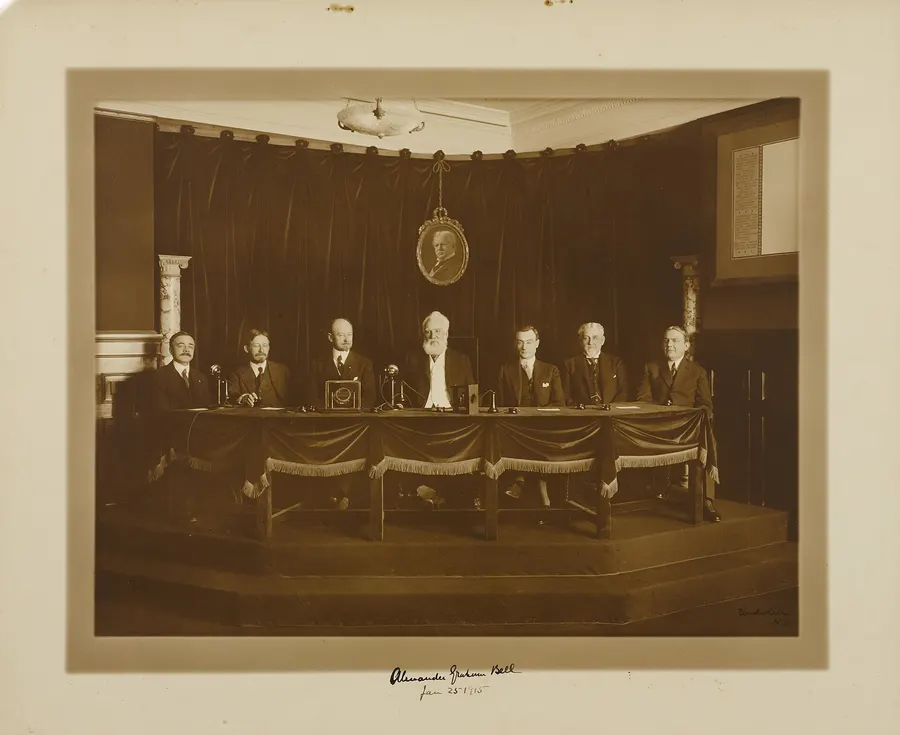
Alexander Graham Bell and AT&T officials in New York at the opening of the transcontinental telephone line, 25 January 1915.Alexander Graham Bell and AT&T officials in New York at the opening of the transcontinental telephone line, 25 January 1915.Image: Irving Underhill · Public domain
science · Americas

Alexander Graham Bell opens the telephone line from coast to coast

Early telephone calls faded over distance, and a line across the whole United States became possible only with the vacuum-tube amplifiers developed in the 1910s. AT&T finished the line, more than 5,000 kilometres long, in 1914. On 25 January 1915 it was formally opened. In New York the 67-year-old Alexander Graham Bell repeated the words of his first telephone call of 1876, ‘Mr Watson, come here, I want you,’ and in San Francisco his old assistant Thomas Watson replied that it would now take him a week to get there. President Woodrow Wilson joined the call from Washington.

Source: Engineering and Technology History Wiki (IEEE): transcontinental telephone service ↗
1924
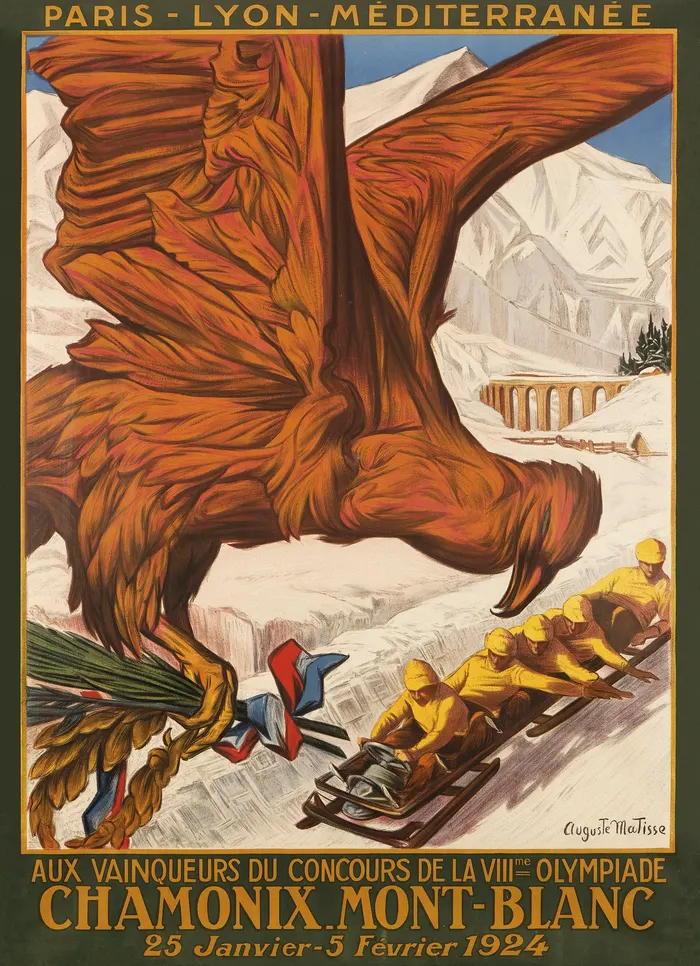
A railway poster by Auguste Matisse for the winter games at Chamonix-Mont-Blanc, 25 January to 5 February 1924.A railway poster by Auguste Matisse for the winter games at Chamonix-Mont-Blanc, 25 January to 5 February 1924.Image: Matisse, Auguste (1866-1931). Illustrateur Compagnie des chemins de fer de Paris à Lyon et à la Méditerranée. Dialoguiste · Public domain
sport · Europe

The first Winter Olympics open at Chamonix

Skating and ice hockey had appeared at the summer Olympics, but there were no Games for snow and ice. France, host of the 1924 Olympics in Paris, agreed to stage an International Winter Sports Week under the IOC’s patronage at Chamonix, beneath Mont Blanc. It opened on 25 January 1924 with about 250 athletes from 16 countries competing in 16 events, from ski jumping and bobsleigh to curling. It was such a success that the IOC created the Winter Games, and in 1926 it recognised Chamonix as the first Olympic Winter Games.

Source: Olympics.com (IOC): Chamonix 1924, the Olympic Winter Games are born ↗
1971
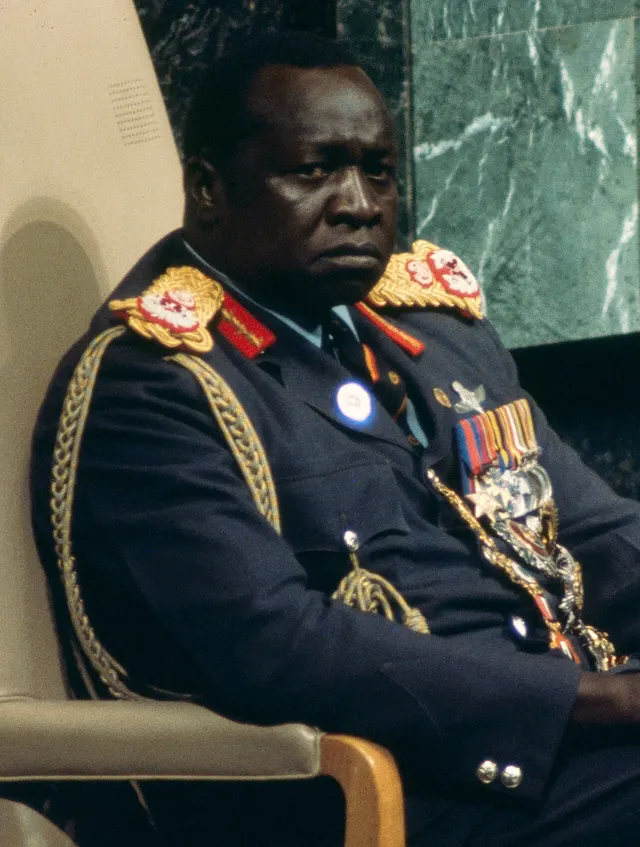
Idi Amin at the United Nations in New York, photographed by Bernard Gotfryd.Idi Amin at the United Nations in New York, photographed by Bernard Gotfryd.Image: Bernard Gotfryd · Public domain
politics · Africa

Idi Amin seizes power in Uganda

Milton Obote had led Uganda since its independence from Britain in 1962, relying more and more on the army and police to keep power. His army commander, Idi Amin, had built a following among the soldiers, and the two men were falling out. While Obote was abroad at the Commonwealth conference in Singapore, troops loyal to Amin moved in the early hours of 25 January 1971, and that afternoon Radio Uganda announced that the army had taken over the government. Many Ugandans at first welcomed the coup, but Amin’s eight years in power were among the most brutal of the century: tens of thousands, perhaps hundreds of thousands, of people were killed, and the country’s Asian community was expelled in 1972.

Source: US Office of the Historian: Foreign Relations of the United States, Uganda coup, January 1971 ↗
VI
2000 TO TODAY

Modern Day

The events of recent decades that have already become part of the historical record.

2011
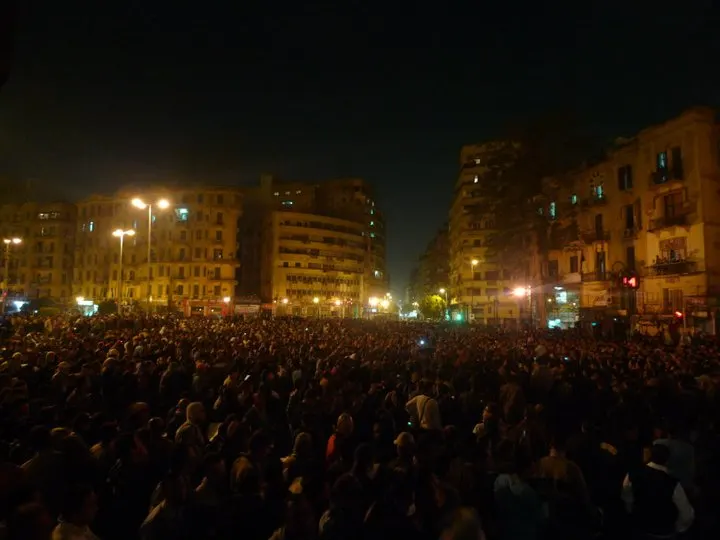
Crowds in Cairo's Tahrir Square on the night of 25 January 2011.Crowds in Cairo’s Tahrir Square on the night of 25 January 2011.Image: Al Jazeera English · CC BY-SA 2.0
politics · Africa

Egyptians fill Tahrir Square to demand change

Inspired by the uprising that had just toppled Tunisia’s president, young Egyptians used social media to call for protests on 25 January 2011, National Police Day, against police brutality, poverty, corruption and the thirty-year rule of President Hosni Mubarak. Tens of thousands marched in Cairo and other cities, and crowds occupied Tahrir Square. Over the next eighteen days the protests grew into a national uprising in which at least 840 people were killed, many of them shot by security forces. On 11 February Mubarak resigned and handed power to the army. Egyptians still call it the 25 January Revolution.

Source: Encyclopaedia Britannica: Egypt Uprising of 2011 ↗
WHY THESE MOMENTS?

Significance before volume

This page is not the longest possible list of events. It is a chronological journey through 25 January, where each entry is chosen for historical significance, human interest and reliability.

Facts are checked against authoritative museums, archives, universities and reference works. Where sources disagree, the page says so.

EXPLORED THE DEEPER STORY?

Return to the highlights of 25 January

Discover the lighter side of the date with famous birthdays, culture, firsts and lives remembered.

Explore This Day →
← PREVIOUS DAY24 January
HISTORY & TIMELINE25 January
NEXT DAY →26 January