
1699
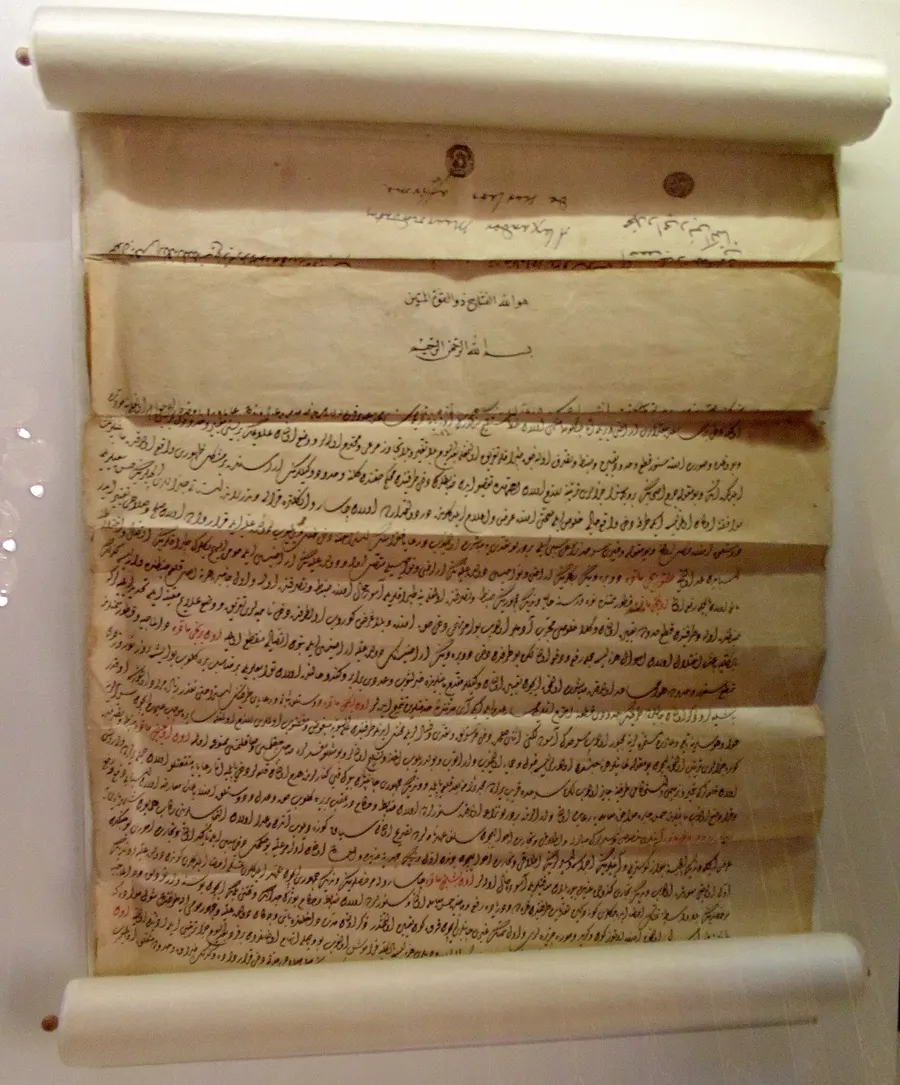 A copy of the Treaty of Karlowitz, on display in the Doge’s Palace in Venice.Image: O.Mustafin · CC0
politics · Europe
The Ottoman Empire signs away Hungary at Karlowitz
In 1683 an Ottoman army besieged Vienna and was driven off. Austria, Poland, Venice and later Russia joined in a Holy League and spent the next sixteen years pushing the Ottomans back down the Danube, winning a crushing victory at Zenta in 1697. Peace was signed at Karlowitz, in what is now Serbia, on 26 January 1699, with Britain and the Dutch Republic acting as mediators. The sultan gave up almost all of Hungary and Transylvania to Austria, Podolia to Poland and much of Dalmatia and the Morea to Venice. It was the first time the Ottomans had accepted defeat at a peace conference with a coalition of Christian powers, and it made Habsburg Austria the leading power in central Europe.
Source: Encyclopaedia Britannica: Treaty of Carlowitz ↗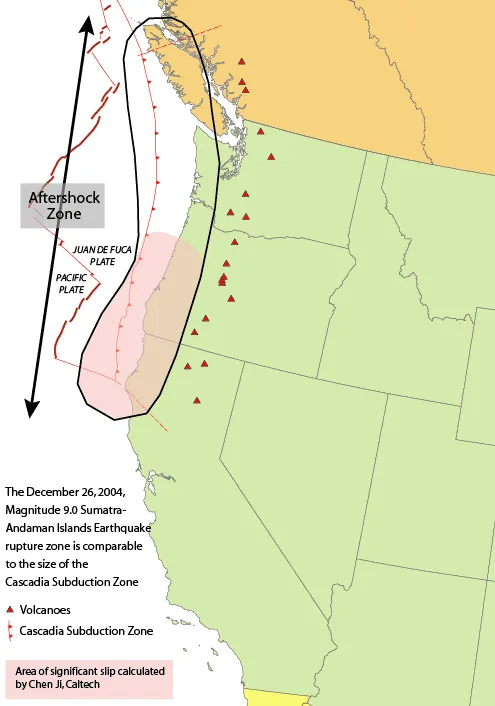 A US Geological Survey map of the Cascadia subduction zone, where the 1700 earthquake struck.Image:
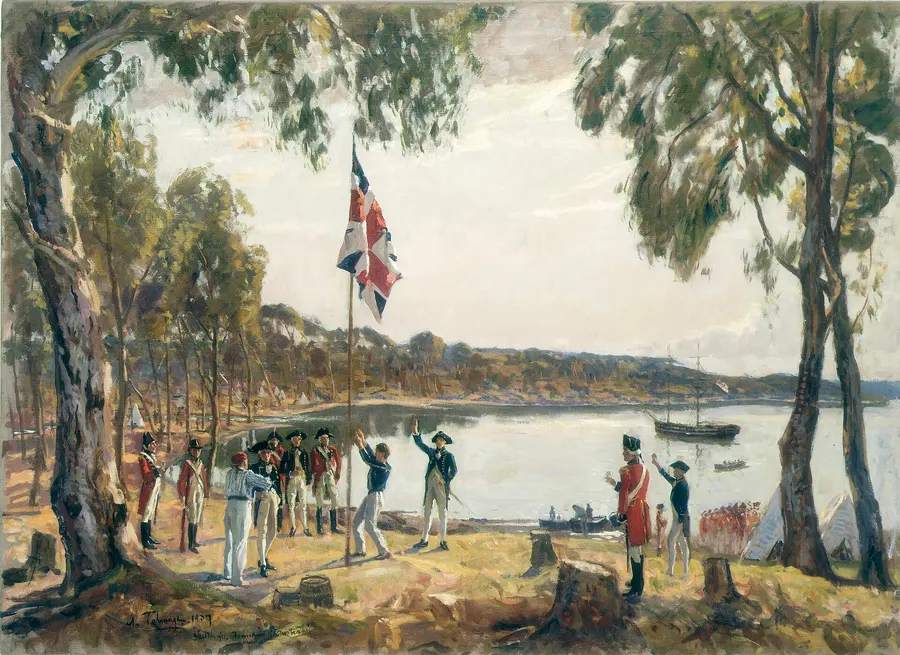 The Founding of Australia, Algernon Talmage’s 1937 oil sketch of Arthur Phillip’s party raising the flag at Sydney Cove (State Library of New South Wales).Image:
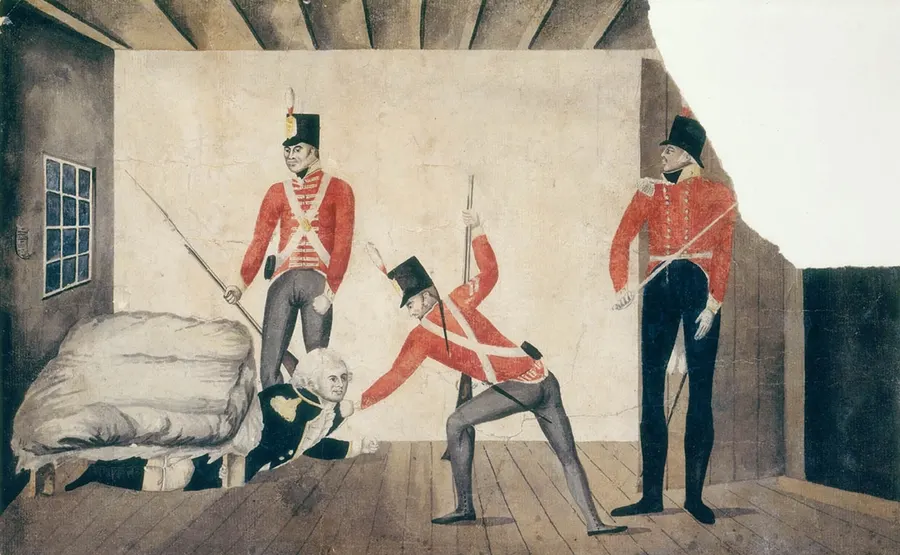 The arrest of Governor Bligh, a satirical watercolour of 1808 showing soldiers pulling him from under a bed (State Library of New South Wales).Image:
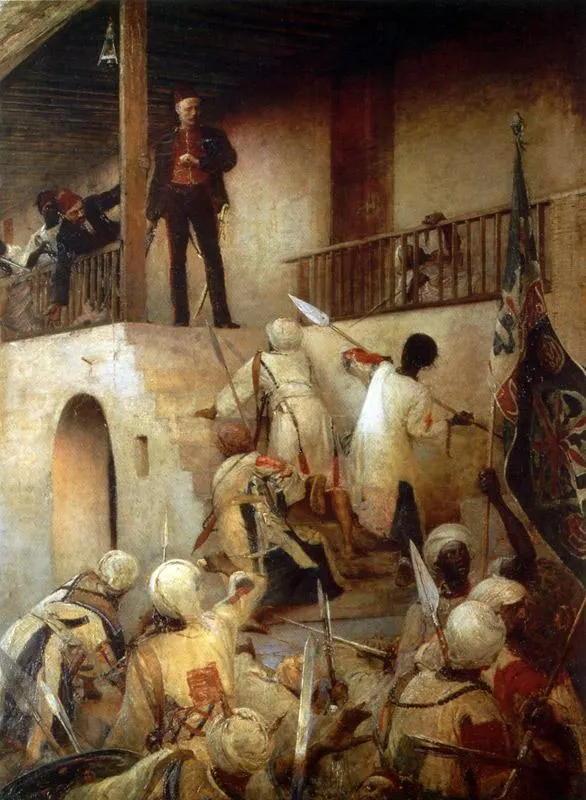 General Gordon’s Last Stand, George William Joy’s 1893 painting of Gordon on the palace steps at Khartoum.Image:
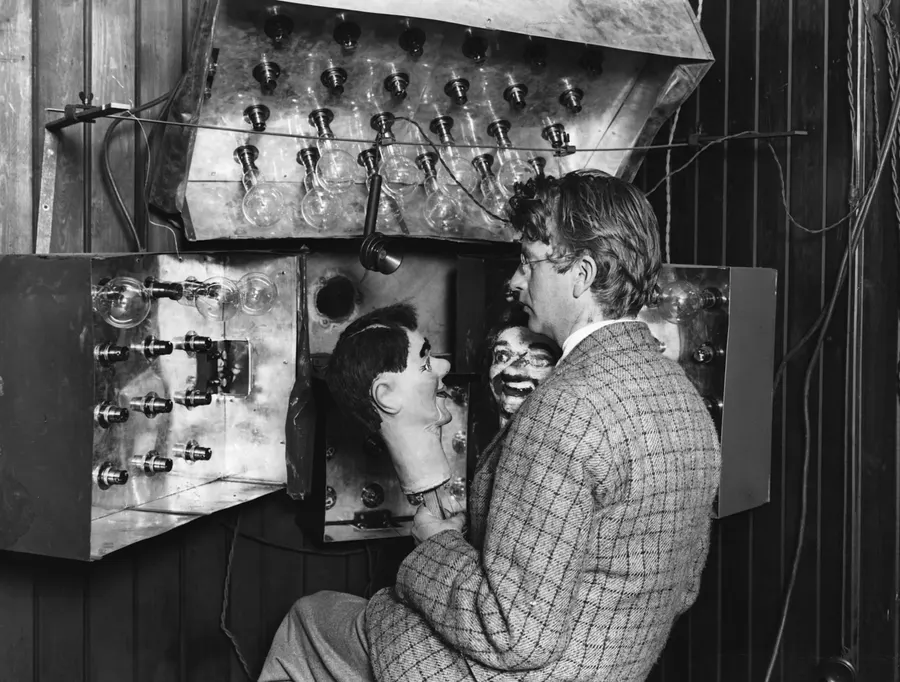 John Logie Baird with his early television apparatus and the ventriloquist’s dummy he used as a subject.Image:
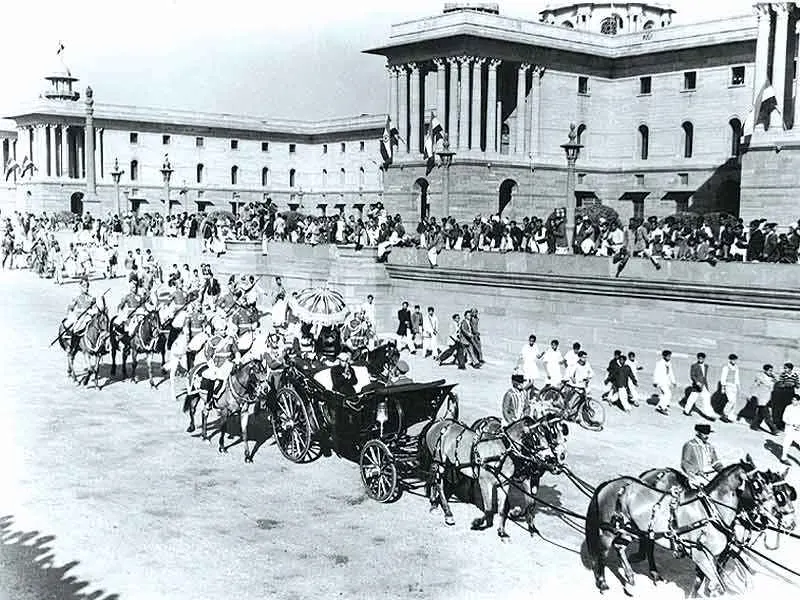 President Rajendra Prasad, in the horse-drawn carriage, at the first Republic Day parade in New Delhi, 26 January 1950.Image:
 Václav Havel, photographed in later life.Image:
 Smritivan, the memorial garden to the victims of the 2001 earthquake, on Bhujia Hill above Bhuj.Image: