
1302
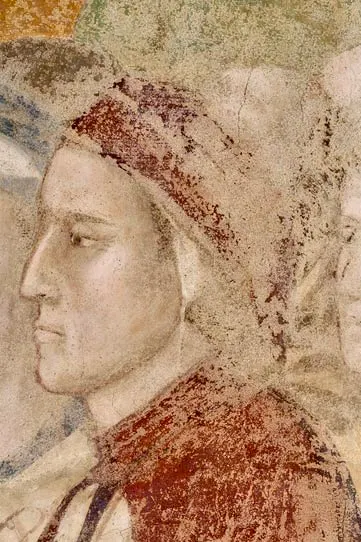 The oldest known portrait of Dante, a detail of a fourteenth-century fresco of Paradise in the chapel of the Bargello, Florence.Image: Wolfgang Sauber · CC BY-SA 3.0
culture · Europe
Dante is sentenced to exile from Florence
Dante Alighieri was a poet and a politician in Florence, which was split between two factions, the Black and the White Guelphs. He had served as one of the city’s priors for the Whites. In 1301 the Blacks seized power with the backing of the pope while Dante was away on an embassy to Rome. On 27 January 1302 the new government condemned him in his absence on a charge of corruption in office, fining him 5,000 florins and banishing him from Tuscany for two years. When he did not appear, he was sentenced in March to be burned alive if he ever returned. He never saw Florence again, and he wrote the Divine Comedy in exile.
Source: Encyclopaedia Britannica: Dante Alighieri, public career ↗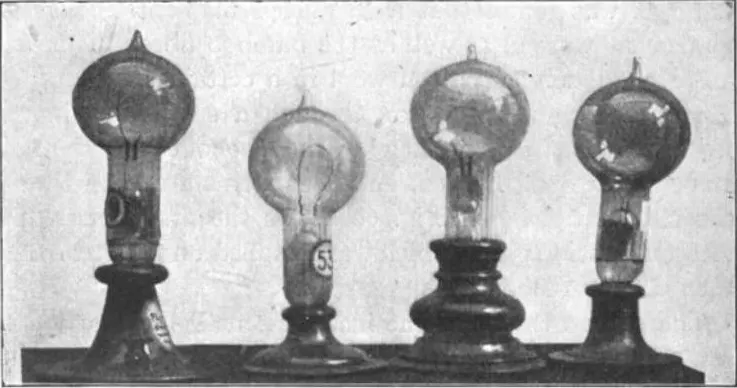 Early Edison lamps with horseshoe-shaped carbonised paper filaments, from a 1904 photograph by William J. Hammer.Image:
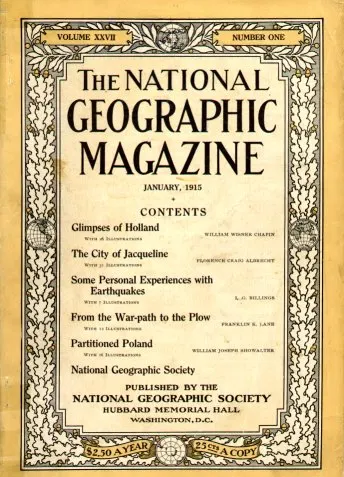 The cover of the National Geographic Magazine for January 1915.Image:
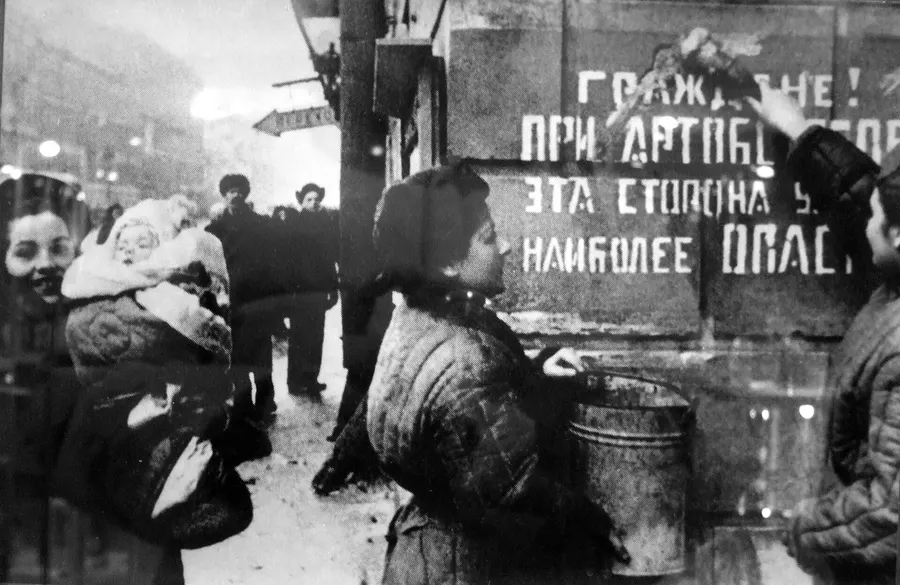 Leningraders in 1944 beside a wartime sign warning that this side of the street is the most dangerous during shelling.Image:
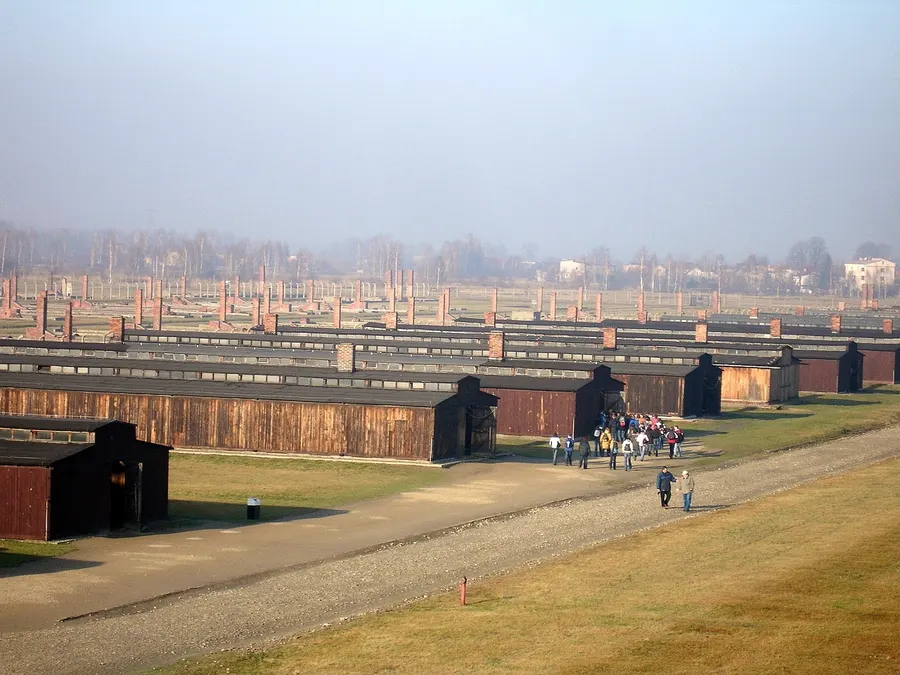 The barracks of Auschwitz II-Birkenau, now part of the Auschwitz-Birkenau State Museum.Image:
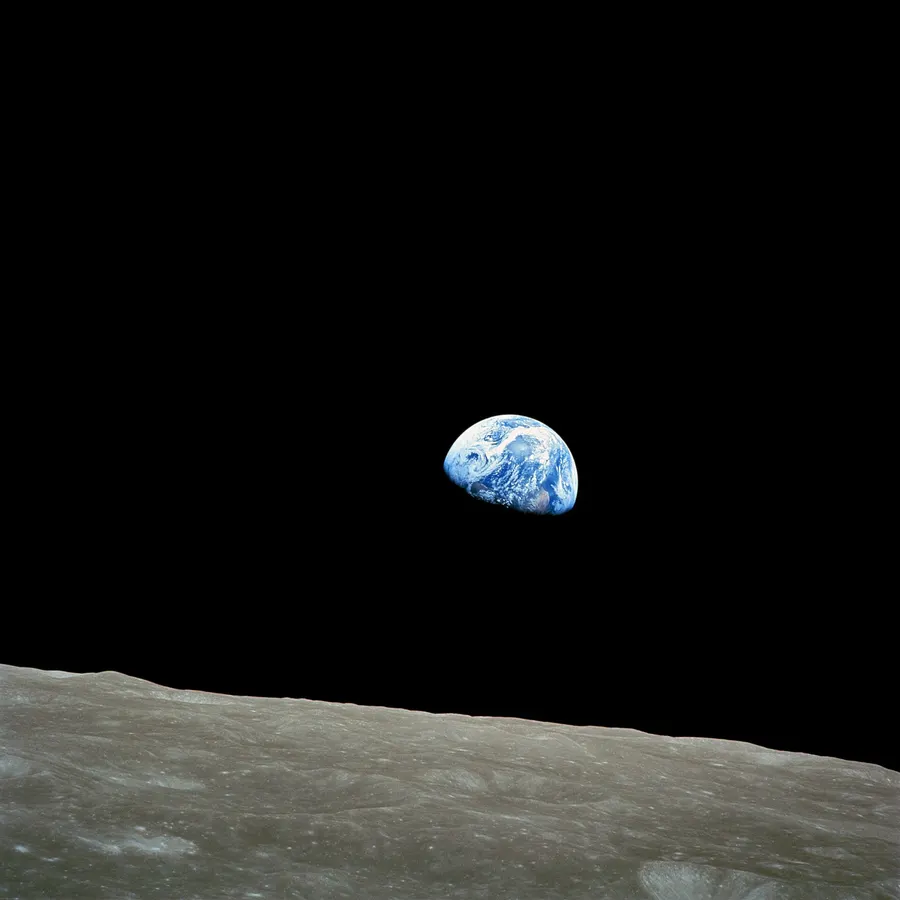 Earthrise, photographed from lunar orbit by the Apollo 8 astronaut Bill Anders in December 1968.Image:
 Gus Grissom, Ed White and Roger Chaffee in front of Launch Complex 34 on 17 January 1967, ten days before the fire.Image:
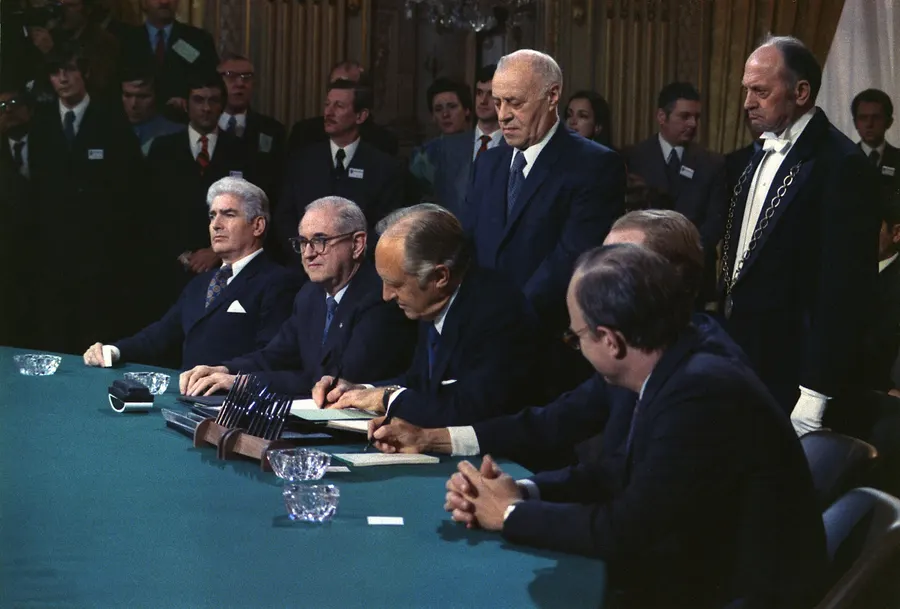 US Secretary of State William Rogers signs the Paris Peace Accords at the Hotel Majestic, Paris, 27 January 1973.Image: