
HISTORY & TIMELINE
28 January

A journey through
28 January in history

The twenty-eighth day of the year has seen Henry VIII die and a nine-year-old become king, Pride and Prejudice go on sale, British lancers charge at Aliwal, work begin on the Eiffel Tower and a Danish toymaker patent the Lego brick. This timeline follows 28 January from the eleventh century to the twentieth.

JUMP THROUGH TIME
II
THE MIDDLE AGES

Medieval History

Kingdoms, conflict, faith, power and the changing medieval world.

1077
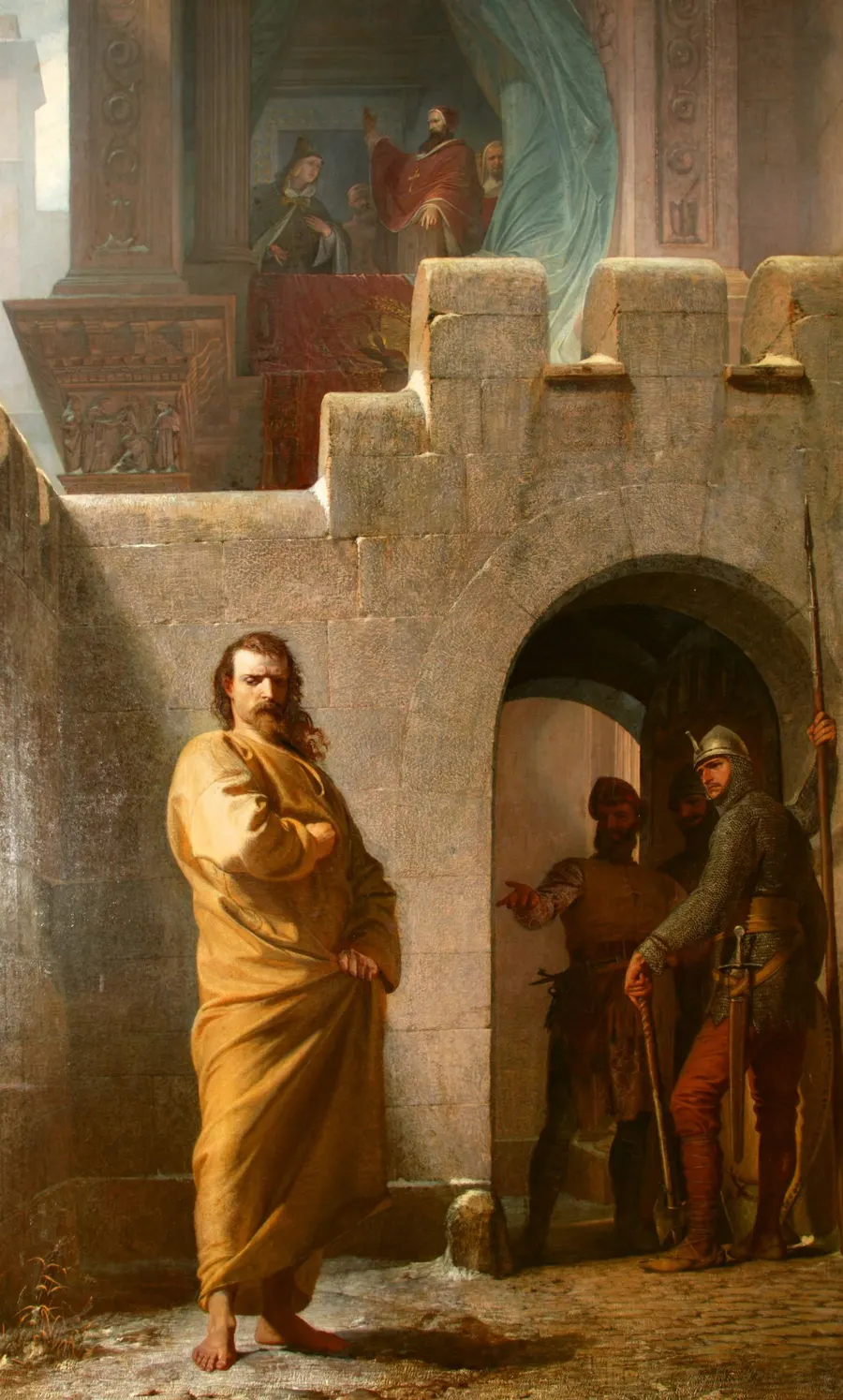
Henry IV before Canossa, painted by Eduard Schwoiser in 1862.Henry IV before Canossa, painted by Eduard Schwoiser in 1862.Image: Eduard Schwoiser (1826 — 1902) · Public domain
culture · Europe

An emperor kneels to the pope at Canossa

The German king Henry IV and Pope Gregory VII were locked in a struggle over who had the right to appoint bishops. When Henry’s bishops declared the pope deposed in 1076, Gregory excommunicated the king and released his subjects from their oaths, and the German princes threatened to choose a new king. Henry crossed the Alps in the depth of winter to meet the pope at the castle of Canossa, in northern Italy, home of his cousin Countess Matilda of Tuscany. For three days he stood at the gate as a penitent, barefoot and dressed in wool. On 28 January 1077 Gregory lifted the excommunication. ‘Going to Canossa’ has meant a humiliating climb-down ever since.

Source: Encyclopaedia Britannica: Canossa ↗
III
A CHANGING WORLD

Early Modern Era

Exploration, political change, scientific development and expanding global connections.

1547
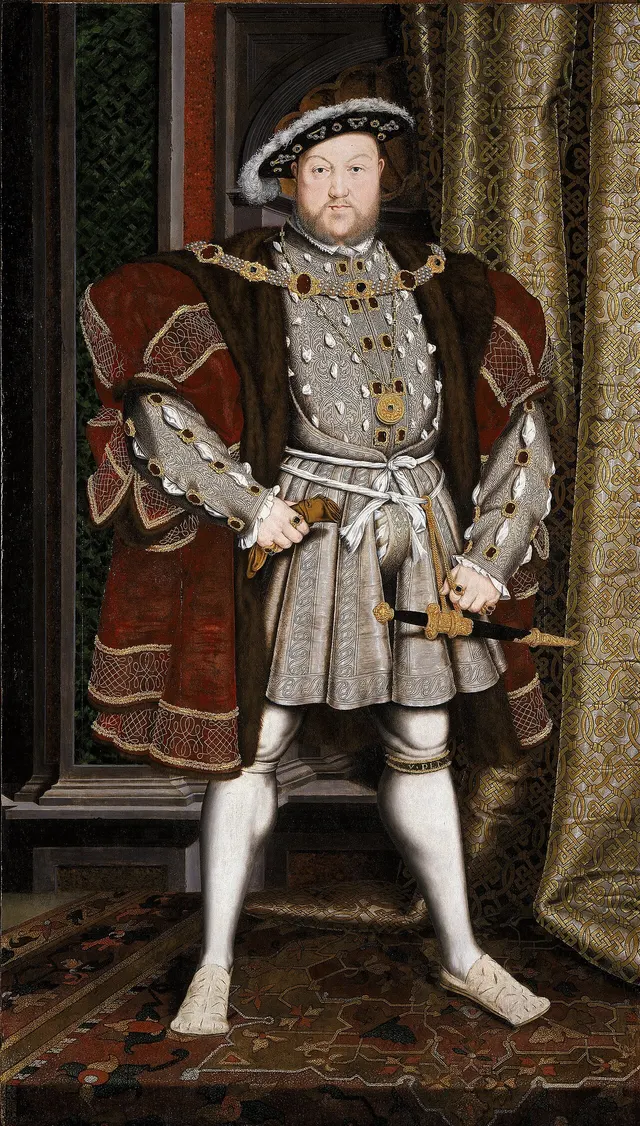
Henry VIII, a full-length portrait from the workshop of Hans Holbein the Younger.Henry VIII, a full-length portrait from the workshop of Hans Holbein the Younger.Image: Workshop of Hans Holbein the Younger · Public domain
politics · Europe

Henry VIII dies, and his nine-year-old son becomes king

Henry VIII, who had married six times and broken with the Church of Rome, died at Whitehall Palace in the early hours of 28 January 1547, aged 55. His son by Jane Seymour, nine years old, succeeded him as Edward VI. The boy was brought up a Protestant and the English Reformation went further under his reign, but he died at fifteen in 1553.

Source: Historic Royal Palaces: the extravagant funeral of Henry VIII ↗
IV
THE NINETEENTH CENTURY

The 1800s

Industry, empire, invention, reform and a century of enormous transformation.

1813
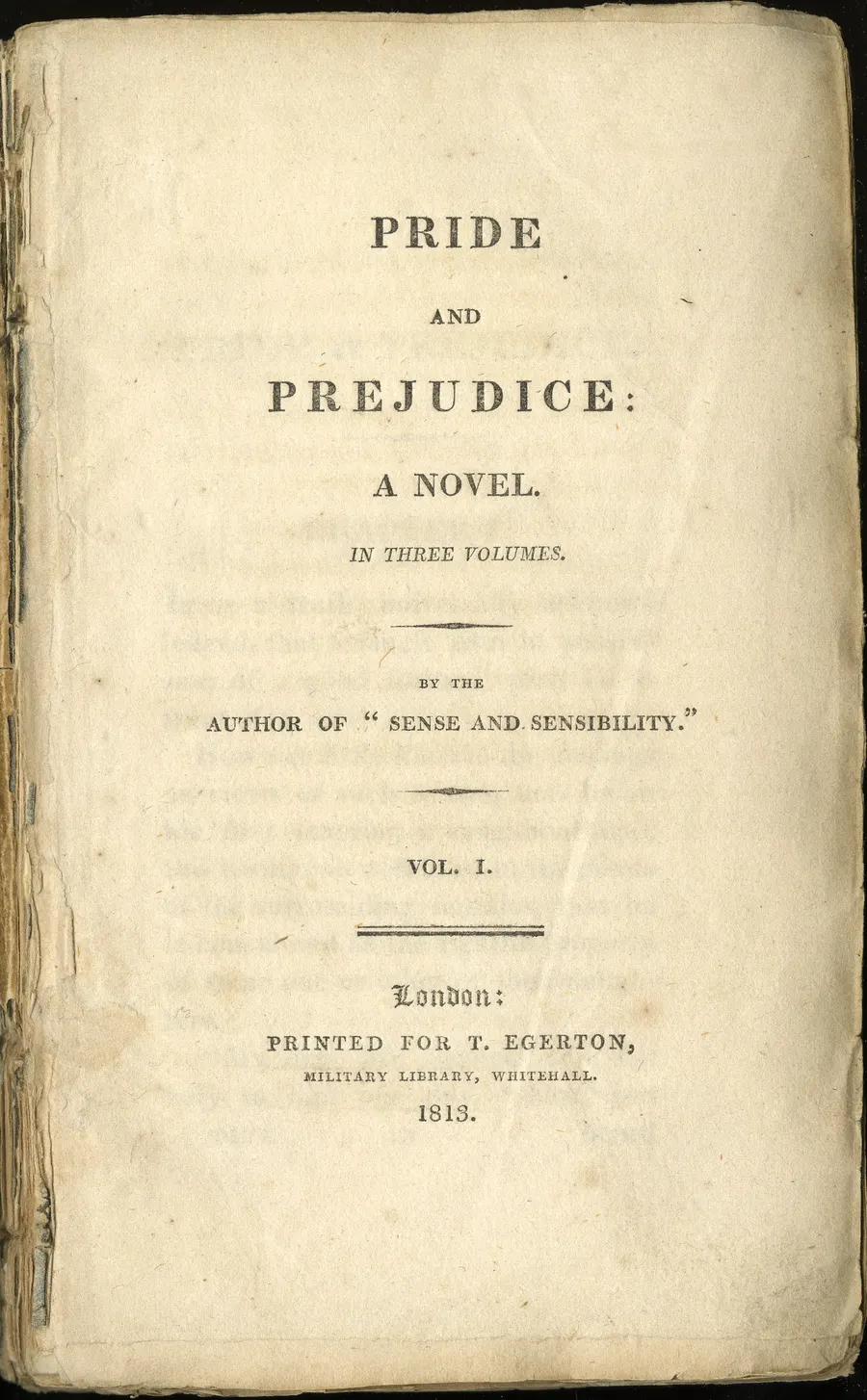
The title page of the first edition of Pride and Prejudice, 1813, 'by the author of Sense and Sensibility'.The title page of the first edition of Pride and Prejudice, 1813, ‘by the author of Sense and Sensibility’.Image: Jane Austen (1775-1817) · Public domain
culture · Europe

Pride and Prejudice goes on sale

Jane Austen wrote the first version of the novel, then called First Impressions, in her early twenties; a publisher turned it down unread in 1797. After the success of Sense and Sensibility she sold the revised book outright to the London publisher Thomas Egerton for 110 pounds. It was advertised for sale on 28 January 1813 in three volumes at 18 shillings, with no author’s name, only ‘by the author of Sense and Sensibility’. The first edition sold out within months. The story of Elizabeth Bennet and Mr Darcy has never been out of print and is one of the most loved novels in English.

Source: Jane Austen Society of North America: Pride and Prejudice ↗
1820
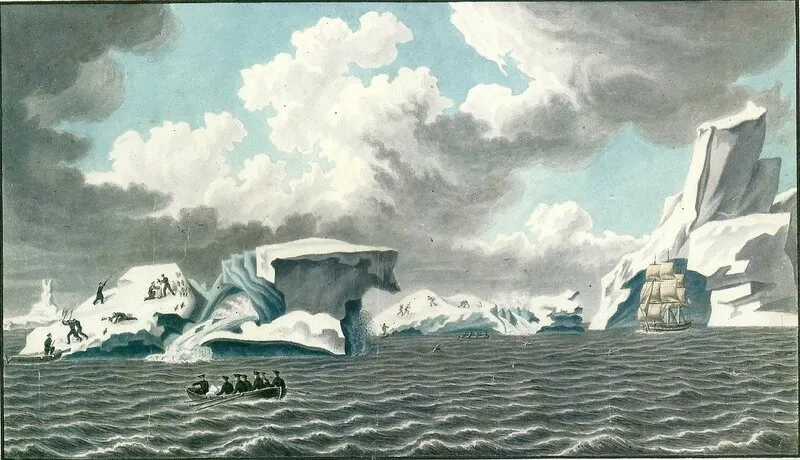
Ice islands in the Southern Ocean, drawn about 1820 by Pavel Mikhailov, the artist on Bellingshausen's expedition.Ice islands in the Southern Ocean, drawn about 1820 by Pavel Mikhailov, the artist on Bellingshausen’s expedition.Image: Pavel Mihajlov · Public domain
world · Global

Russian sailors sight the ice of Antarctica

People had long guessed that a great southern continent lay near the South Pole, but James Cook sailed round the Antarctic seas in the 1770s without seeing land. In 1819 Tsar Alexander I sent two sloops, the Vostok and the Mirny, under Fabian Gottlieb von Bellingshausen and Mikhail Lazarev to search the far south. On 28 January 1820 (16 January in the Russian calendar of the time) they came up against a wall of ice ‘covered with small hillocks’ at about 69 degrees south. It was the edge of an ice shelf fringing the continent, and it is now widely counted as the first sighting of Antarctica. British and American sailors sighted the Antarctic Peninsula within days.

Source: Presidential Library (Russia): Antarctica discovered by the Russian expedition ↗
1846
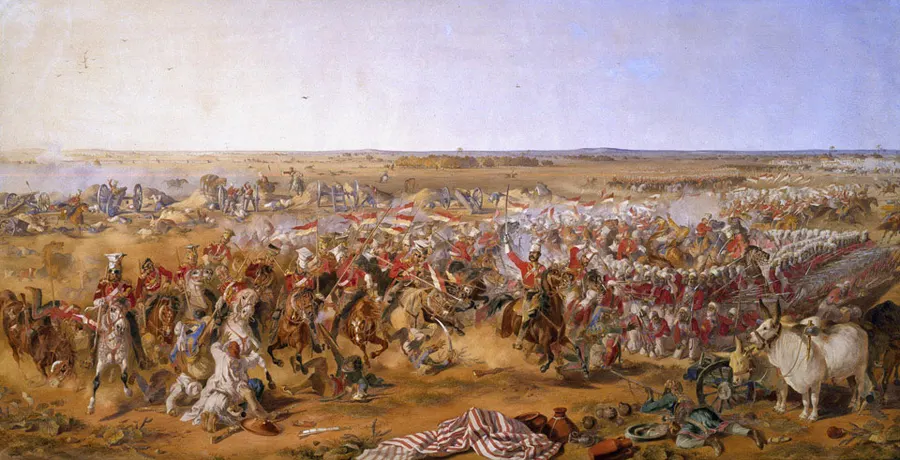
The 16th Lancers at the Battle of Aliwal, 28 January 1846, painted by Michael Angelo Hayes.The 16th Lancers at the Battle of Aliwal, 28 January 1846, painted by Michael Angelo Hayes.Image: Michael Angelo Hayes · Public domain
world · Asia

British and Sikh armies meet at Aliwal

In the First Anglo-Sikh War, a British and Indian force of about 12,000 under Sir Harry Smith met a larger Sikh army on the Sutlej river on 28 January 1846. The British won, and the charge of the 16th Lancers through the Sikh squares became famous. Two weeks later the main Sikh army was defeated at Sobraon, and the Treaty of Lahore put much of the Punjab under British control.

Source: National Army Museum: Battle of Aliwal ↗
1887
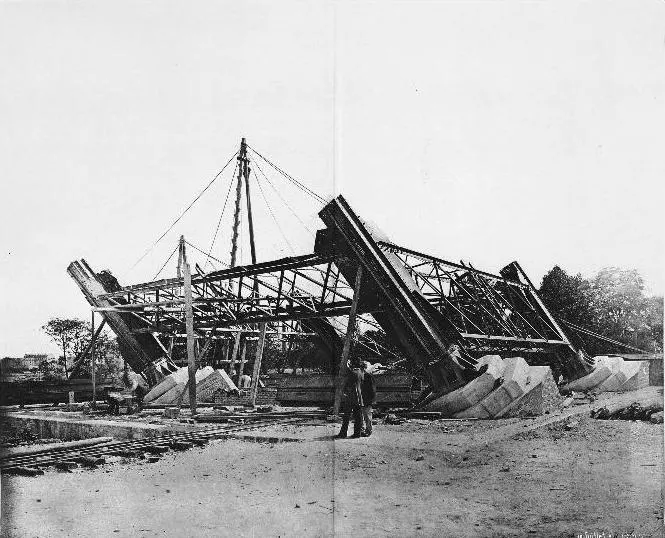
The Eiffel Tower's iron legs rising towards the first platform in the early stages of construction.The Eiffel Tower’s iron legs rising towards the first platform in the early stages of construction.Image: Unknown · Public domain
science · Europe

Work begins on the foundations of the Eiffel Tower

Gustave Eiffel’s company won the competition for a tower to crown the Paris Exposition of 1889, marking a century since the French Revolution. On 8 January 1887 Eiffel signed the contract with the French state and the city of Paris. Digging began on the Champ de Mars later that month, and work on the foundations started on 28 January 1887. The foundations for the four legs were finished in about four months; then some 18,000 iron parts, drawn to a tenth of a millimetre, were riveted together. The 300-metre tower, the tallest structure in the world, was finished on 31 March 1889.

Source: Eiffel Tower (official site, SETE): history of the tower ↗
V
THE TWENTIETH CENTURY

The 1900s

War and peace, technological leaps, social change, politics, sport and popular culture.

1932
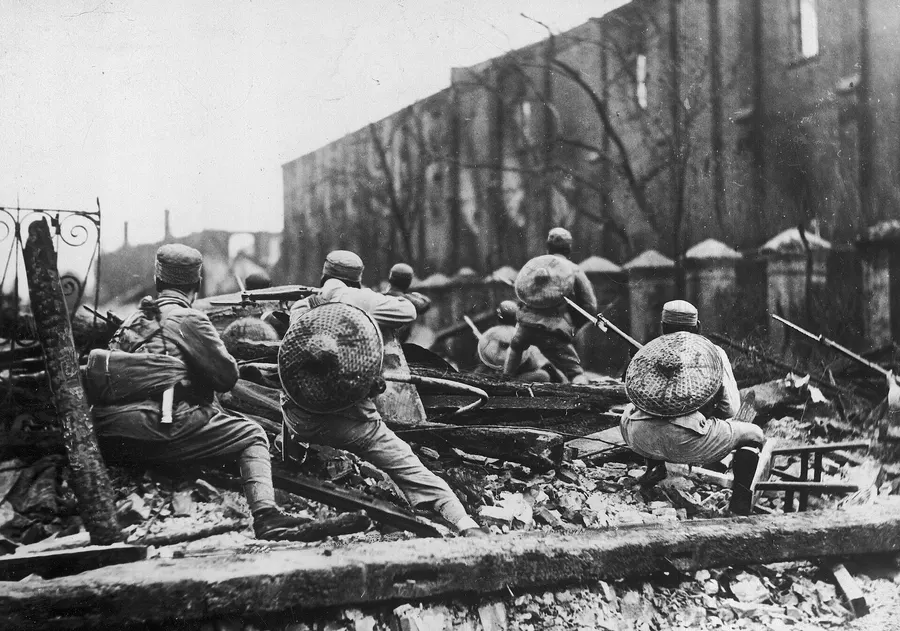
Soldiers of the Chinese 19th Route Army in the ruins of Zhabei (Chapei), Shanghai, February 1932.Soldiers of the Chinese 19th Route Army in the ruins of Zhabei (Chapei), Shanghai, February 1932.Image: Unknown authorUnknown author · Public domain
world · Asia

Japanese forces attack Shanghai

In 1931 Japan’s army seized Manchuria, and Chinese boycotts of Japanese goods spread across the country. In Shanghai, where Japan had troops to protect its settlement, tension grew after Japanese monks were attacked in January 1932, and Japan demanded that the city clamp down. Although the mayor accepted the demands, around midnight on 28 January 1932 Japanese marines moved into the crowded Zhabei district and clashed with the Chinese 19th Route Army. Japanese aircraft bombed the district, destroying much of it, including the Commercial Press and its great library. The fighting lasted until a ceasefire in March and was a prelude to the full war that began in 1937.

Source: US Office of the Historian: Foreign Relations of the United States 1932, the Far East ↗
1958
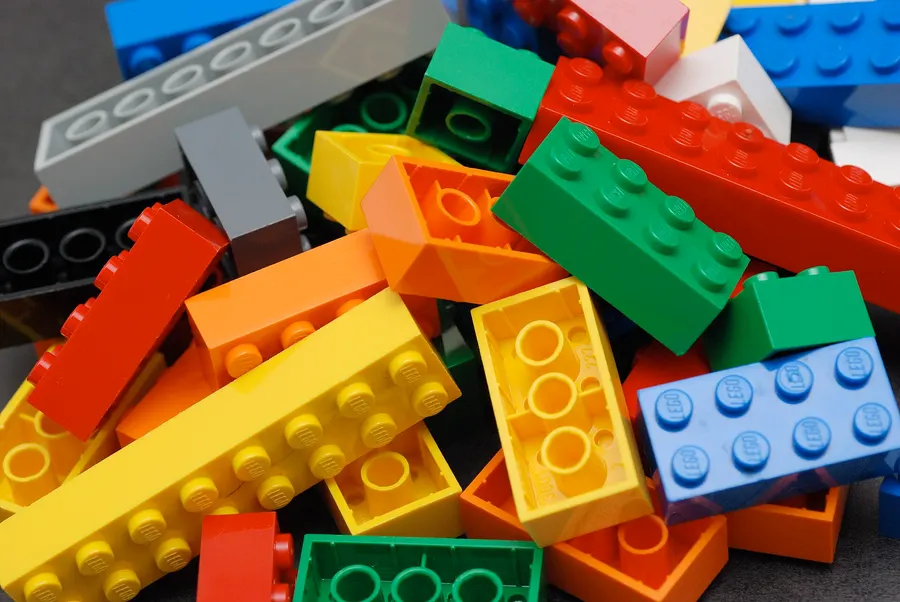
A pile of Lego bricks, which still fit bricks made under the 1958 patent.A pile of Lego bricks, which still fit bricks made under the 1958 patent.Image: Alan Chia · CC BY-SA 2.0
culture · Europe

The Lego brick is patented

The LEGO company of Billund, Denmark, began as a maker of wooden toys and started selling plastic building bricks in 1949. But they did not hold together well, and models fell apart. Godtfred Kirk Christiansen, son of the founder, came up with tubes inside the brick that grip the studs of the brick below. At 1.58 in the afternoon on 28 January 1958 the company filed a patent for the new ‘stud and tube’ design in Copenhagen. Bricks made under that patent still fit those made today.

Source: LEGO Group: the stud and tube principle ↗
1986
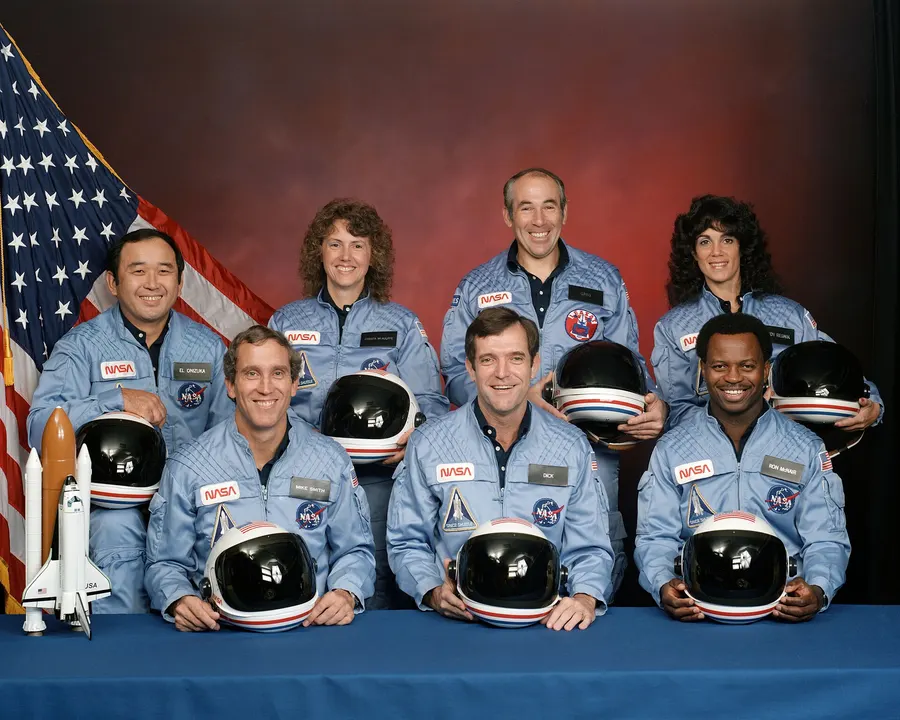
The crew of Challenger's mission STS-51-L in their official portrait, 15 November 1985.The crew of Challenger’s mission STS-51-L in their official portrait, 15 November 1985.Image: NASA · Public domain
world · Americas

The space shuttle Challenger is lost

Challenger was to carry seven astronauts, among them Christa McAuliffe, a New Hampshire teacher chosen from more than 11,000 applicants to be the first teacher in space. Schoolchildren across America watched the launch from Florida on television. On the cold morning of 28 January 1986, 73 seconds after lift-off, a seal in one of the solid rocket boosters failed, flame burst through, and the shuttle broke apart. All seven crew members were killed: Dick Scobee, Michael Smith, Judith Resnik, Ellison Onizuka, Ronald McNair, Gregory Jarvis and Christa McAuliffe. The shuttle fleet was grounded for almost three years while NASA redesigned the boosters.

Source: NASA: Challenger STS-51L accident ↗
WHY THESE MOMENTS?

Significance before volume

This page is not the longest possible list of events. It is a chronological journey through 28 January, where each entry is chosen for historical significance, human interest and reliability.

Facts are checked against authoritative museums, archives, universities and reference works. Where sources disagree, the page says so.

EXPLORED THE DEEPER STORY?

Return to the highlights of 28 January

Discover the lighter side of the date with famous birthdays, culture, firsts and lives remembered.

Explore This Day →
← PREVIOUS DAY27 January
HISTORY & TIMELINE28 January
NEXT DAY →29 January