
HISTORY & TIMELINE
29 January

A journey through
29 January in history

The twenty-ninth day of the year has seen Edgar Allan Poe’s The Raven appear in a New York newspaper, a Hawaiian queen proclaimed in Honolulu and the Winter Olympics open at the foot of the Bergisel ski jump in Innsbruck. This timeline follows 29 January from the nineteenth century to the twentieth.

JUMP THROUGH TIME
IV
THE NINETEENTH CENTURY

The 1800s

Industry, empire, invention, reform and a century of enormous transformation.

1845
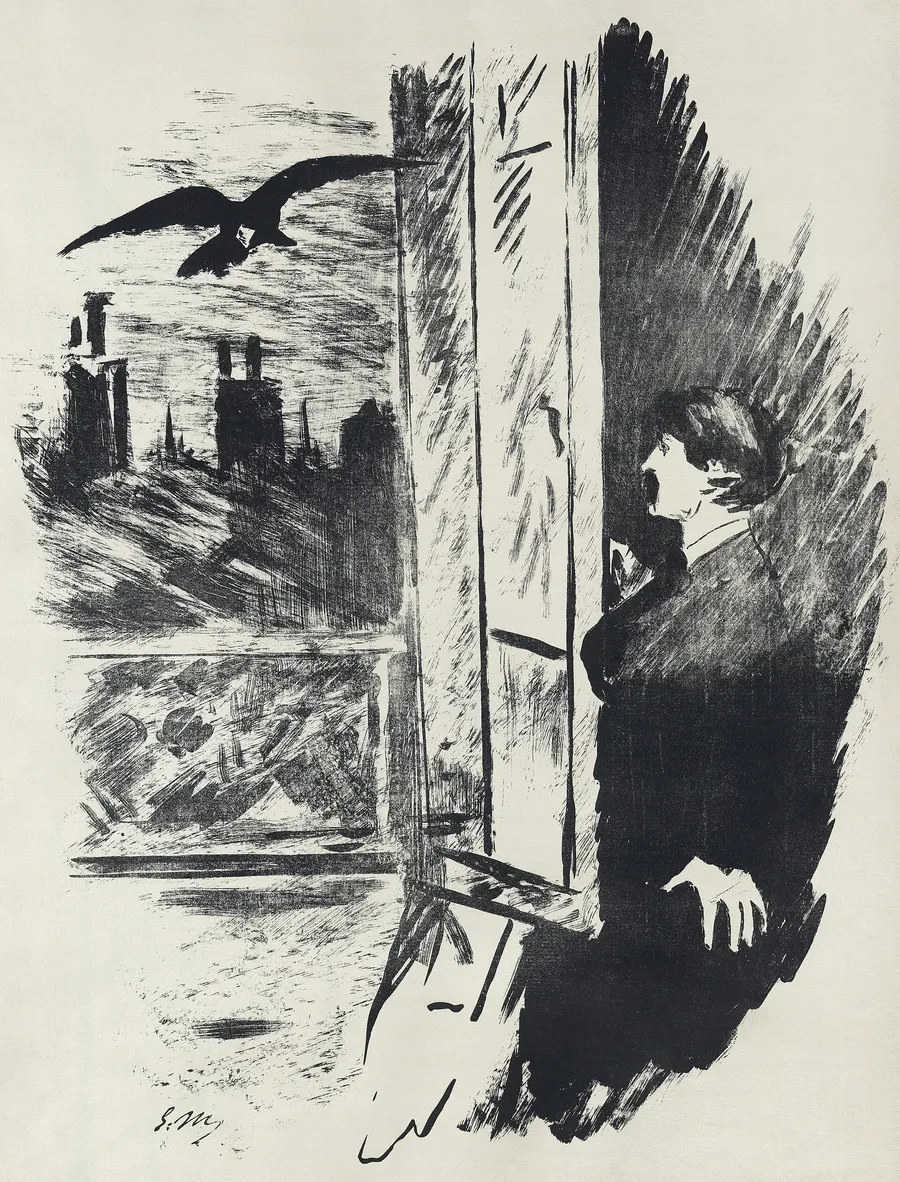
Édouard Manet's illustration of the raven at the window, from the 1875 French edition of the poem translated by Stéphane Mallarmé.Édouard Manet’s illustration of the raven at the window, from the 1875 French edition of the poem translated by Stéphane Mallarmé.Image: Édouard Manet · Public domain
culture · Americas

Edgar Allan Poe’s The Raven appears in print

Edgar Allan Poe was a struggling writer and editor in New York when he sold his poem of a grieving man visited at midnight by a talking raven to the American Review, which planned to print it under the pen name Quarles. On 29 January 1845 the New York Evening Mirror printed it first, from advance sheets of the magazine and under Poe’s own name. With its hypnotic rhythm and its refrain of ‘Nevermore’, it was an instant sensation, reprinted again and again within weeks, and it made Poe famous, though it earned him very little money.

Source: Edgar Allan Poe Society of Baltimore: The Raven ↗
1856
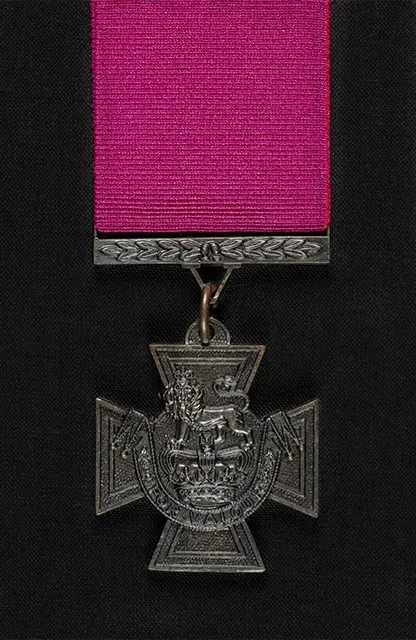
The Victoria Cross, with the inscription 'For Valour' and its crimson ribbon.The Victoria Cross, with the inscription ‘For Valour’ and its crimson ribbon.Image: Wikimedia commons user Arghya1999 · CC BY-SA 3.0
world · Europe

Queen Victoria creates the Victoria Cross

Newspaper reports from the Crimean War brought home to the British public the courage of ordinary soldiers and sailors, but Britain had no medal for gallantry that men of every rank could win. Orders of knighthood went to officers. On 29 January 1856 Queen Victoria signed the royal warrant creating a new decoration, the Victoria Cross, to be awarded only for conspicuous bravery in the face of the enemy, whatever the recipient’s rank. The first 62 crosses were presented by the queen herself in Hyde Park in June 1857. It remains the highest award for gallantry in Britain and several Commonwealth countries.

Source: National Army Museum: the Victoria Cross ↗
1861
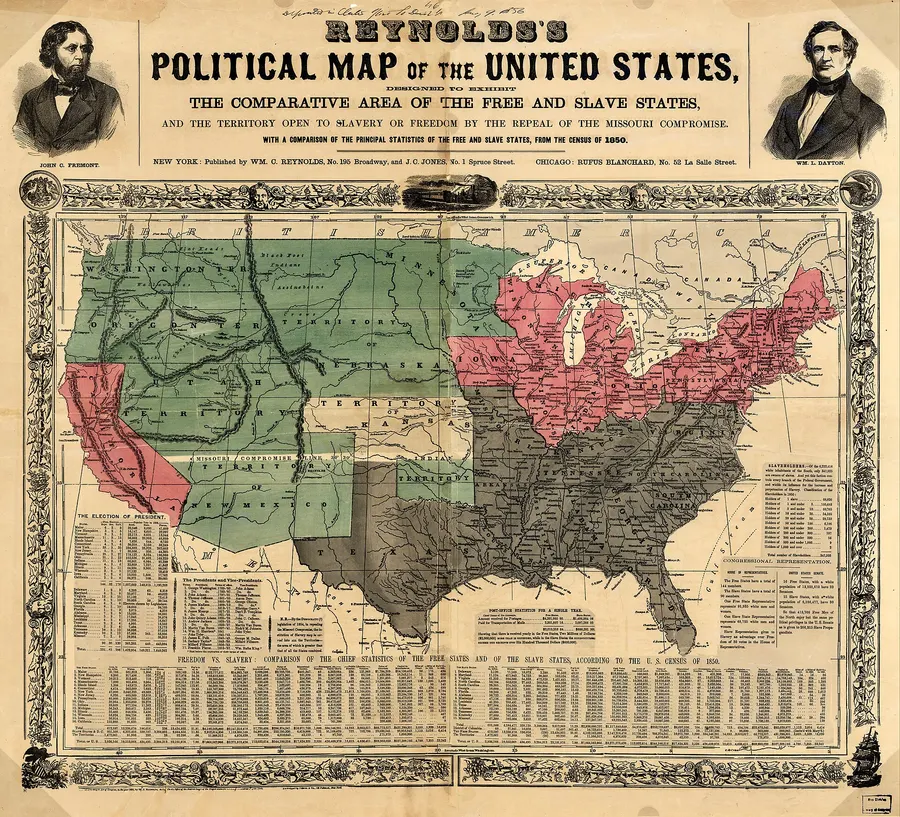
Reynolds's Political Map of the United States, 1856, showing the free states, the slave states and the disputed territories, Kansas among them.Reynolds’s Political Map of the United States, 1856, showing the free states, the slave states and the disputed territories, Kansas among them.Image: New York: Wm. C. Reynolds and J. C. Jones · Public domain
politics · Americas

Kansas joins the Union as a free state

In 1854 Congress let the settlers of the new Kansas Territory decide for themselves whether to allow slavery. Supporters and opponents of slavery rushed in, rival governments were set up, and the violence that followed became known as Bleeding Kansas. In 1859 Kansans approved the Wyandotte Constitution, which banned slavery, and the House of Representatives voted to admit the state. Southern senators blocked the bill, but as the Southern states seceded after Abraham Lincoln’s election their senators left, and the bill passed. Kansas became the 34th state on 29 January 1861, less than three months before the Civil War began.

Source: US National Archives: Kansas statehood, 29 January 1861 ↗
1886
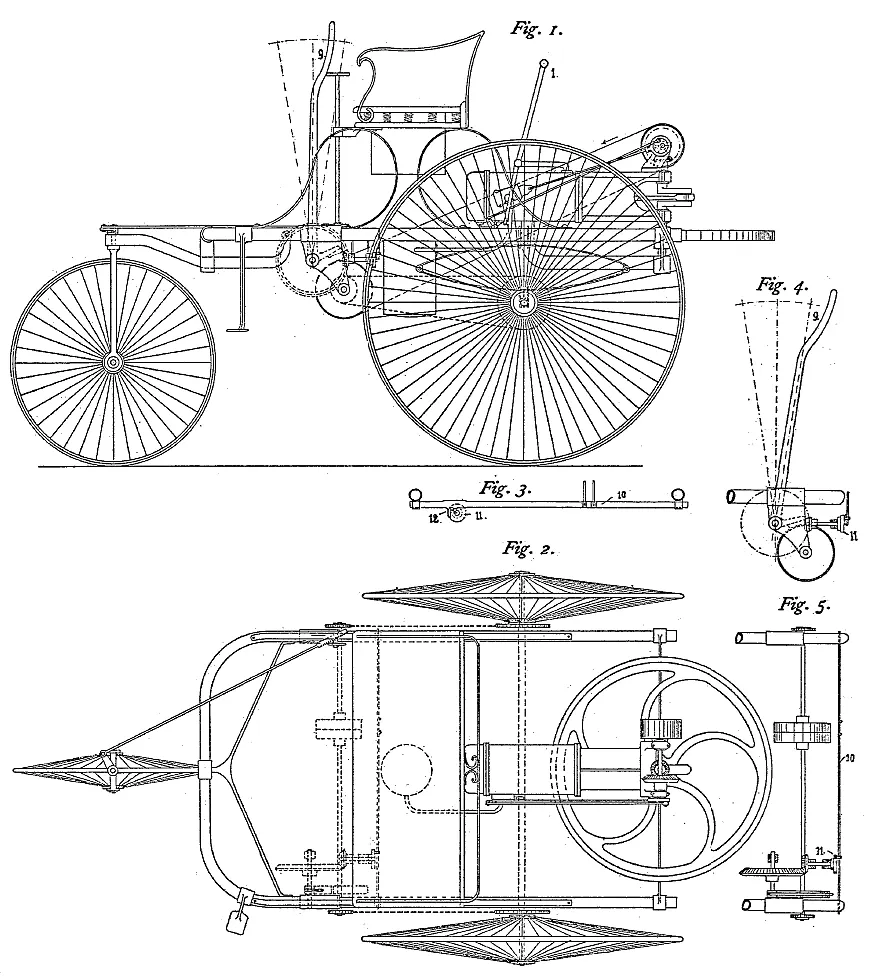
Drawings of the three-wheeled Benz Patent-Motorwagen from its German patent, DRP 37435.Drawings of the three-wheeled Benz Patent-Motorwagen from its German patent, DRP 37435.Image: RobertSimons · CC0
science · Europe

Karl Benz files the patent for his motor car

Engineers had fitted engines to carriages before, but Karl Benz of Mannheim designed a vehicle around its engine from the start: a light three-wheeler with a single-cylinder petrol engine, electric ignition and water cooling. On 29 January 1886 he applied to the Imperial Patent Office in Berlin for a patent on a ‘vehicle powered by a gas engine’. Patent DRP 37435 is often called the birth certificate of the car and is listed in UNESCO’s Memory of the World register. In 1888 his wife Bertha drove one of his cars more than 100 kilometres to her mother’s home, showing the public that it worked.

Source: Mercedes-Benz Group: Benz Patent Motor Car, the first automobile (1885-1886) ↗
1891
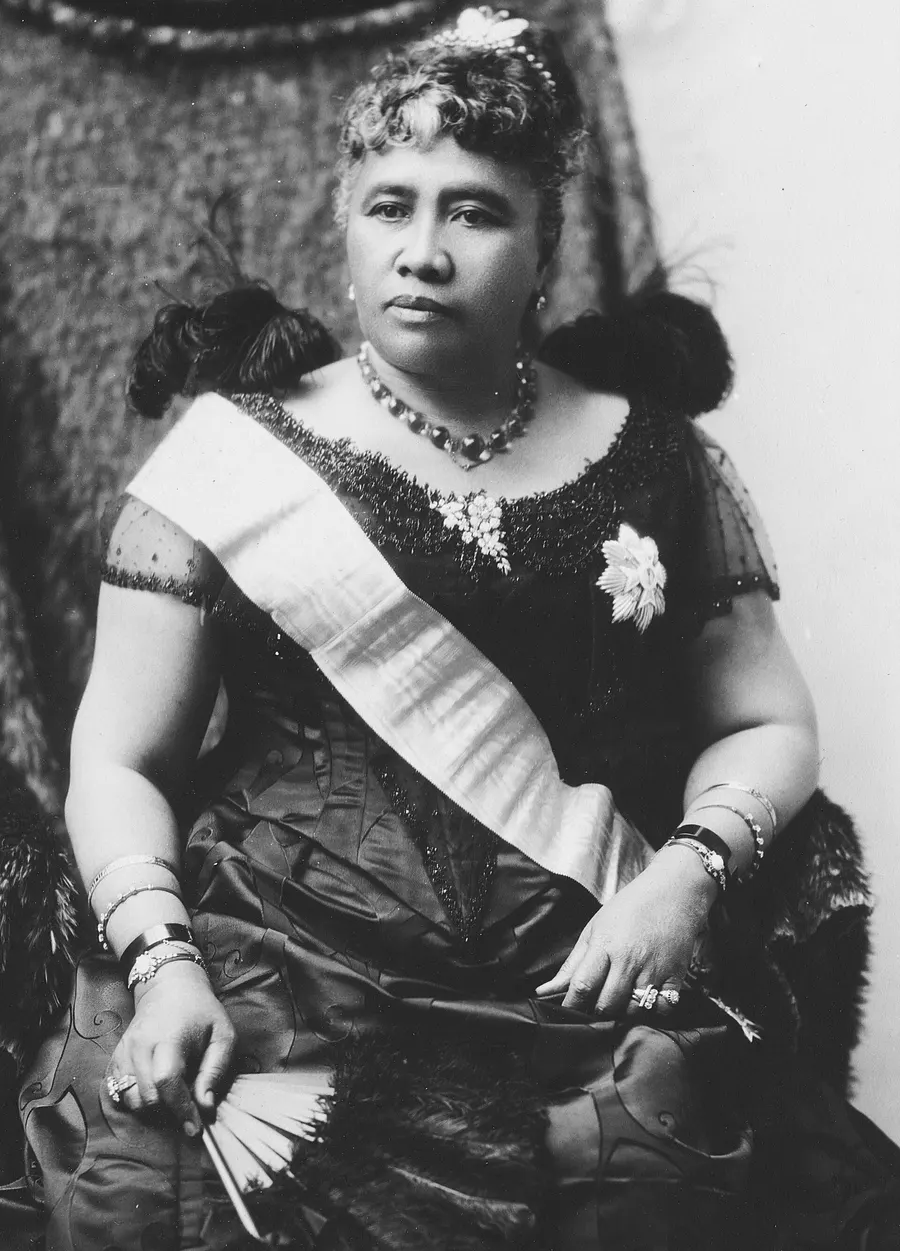
Queen Liliʻuokalani, the last sovereign of the Kingdom of Hawaii, photographed about 1891.Queen Liliʻuokalani, the last sovereign of the Kingdom of Hawaii, photographed about 1891.Image: James J. Williams / Adam Cuerden · Public domain
politics · Oceania

Liliʻuokalani becomes the last monarch of Hawaii

King Kalākaua had been forced in 1887 to accept a constitution, drawn up by American and European businessmen, that stripped the crown of much of its power. When he died in San Francisco in January 1891, his sister Liliʻuokalani succeeded him and was proclaimed queen on 29 January 1891, the kingdom’s first and only reigning queen. She set out to restore the monarchy’s powers and the rights of Native Hawaiians. In January 1893 a group of mostly American businessmen, backed by US marines, overthrew her, and in 1898 the United States annexed the islands. She was also a composer, remembered for the song Aloha ʻOe.

Source: Encyclopaedia Britannica: Liliuokalani ↗
V
THE TWENTIETH CENTURY

The 1900s

War and peace, technological leaps, social change, politics, sport and popular culture.

1964
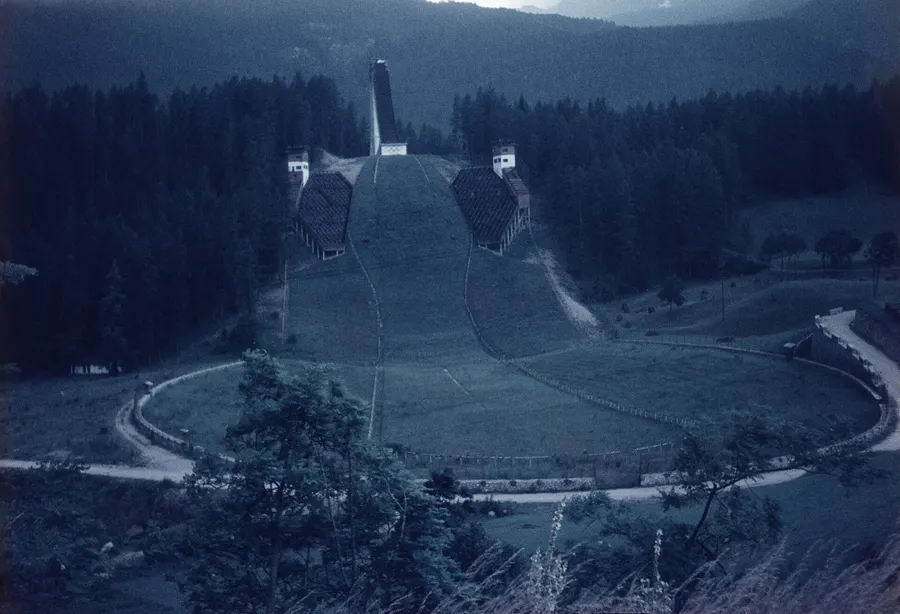
The Bergisel ski jump at Innsbruck, where the 1964 Winter Olympics opened, photographed in 1966.The Bergisel ski jump at Innsbruck, where the 1964 Winter Olympics opened, photographed in 1966.Image: Jack Bain · CC BY 4.0
sport · Europe

The Winter Olympics open at Innsbruck

The Austrian city of Innsbruck, ringed by the Alps, was chosen to host the ninth Olympic Winter Games. It was the first time the flame for a Winter Games was lit at Olympia in Greece and carried to the host city. The Games opened on 29 January 1964 in the stadium at the foot of the Bergisel ski jump, where the skier Christl Staffner lit the cauldron. More than a thousand athletes from 36 countries took part. Luge made its Olympic debut, and the Soviet speed skater Lidia Skoblikova won all four women’s events.

Source: Olympics.com (IOC): Innsbruck 1964 Olympic Winter Games ↗
WHY THESE MOMENTS?

Significance before volume

This page is not the longest possible list of events. It is a chronological journey through 29 January, where each entry is chosen for historical significance, human interest and reliability.

Facts are checked against authoritative museums, archives, universities and reference works. Where sources disagree, the page says so.

EXPLORED THE DEEPER STORY?

Return to the highlights of 29 January

Discover the lighter side of the date with famous birthdays, culture, firsts and lives remembered.

Explore This Day →
← PREVIOUS DAY28 January
HISTORY & TIMELINE29 January
NEXT DAY →30 January