Explore 1 February

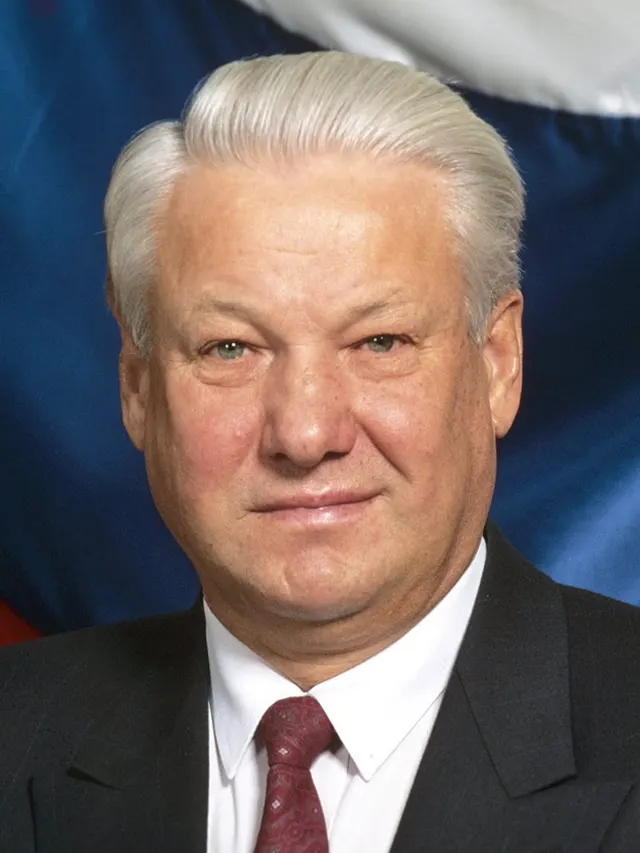
Explore 1 February: Koxinga drives the Dutch from Taiwan, the king of Portugal and his heir are shot in Lisbon, Ayatollah Khomeini returns to Iran in triumph and the space shuttle Columbia is lost on its way home. Meet John Ford, Clark Gable and Boris Yeltsin, born on 1 February.

This day through time →8 verified events across 4 eras

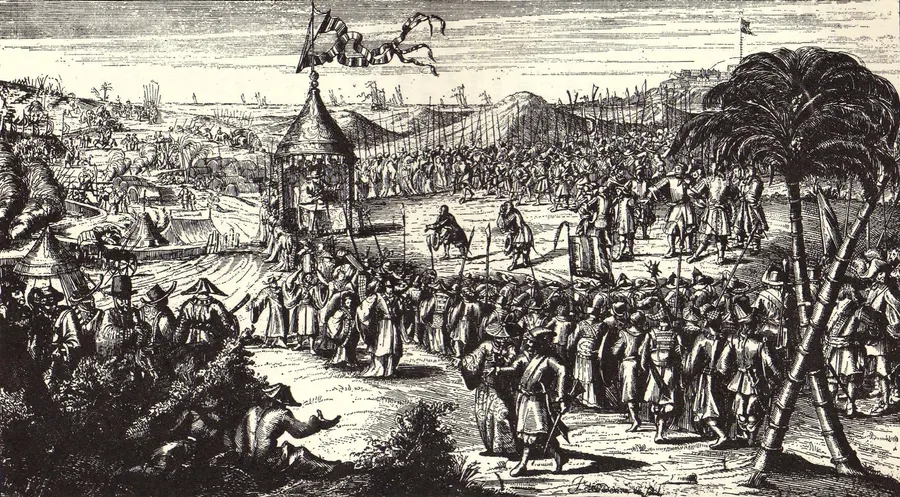
The surrender of Fort Zeelandia on Formosa in 1662, from an engraving by Jan van Baden published in 1675.
Image creditJan van Baden · Public domainResized and cropped for display.

Koxinga drives the Dutch from Taiwan

The Dutch East India Company had ruled part of Taiwan, which Europeans called Formosa, from its stronghold of Fort Zeelandia since the 1620s. Zheng Chenggong, known in the West as Koxinga, was a Chinese commander fighting to restore the fallen Ming dynasty against the new Qing rulers of China, and he needed a secure base.

In April 1661 he landed on Taiwan with a force of more than 25,000 men and laid siege to the fort. After nine months, with its garrison worn down by hunger and disease and no relief arriving from Batavia, Fort Zeelandia surrendered on 1 February 1662 on generous terms, and the Dutch sailed away. Koxinga died a few months later, but his family ruled Taiwan until 1683, and he is honoured as a hero on both sides of the Taiwan Strait.

Read the full storyHistory & Timeline →Source: Encyclopaedia Britannica: Zheng Chenggong ↗
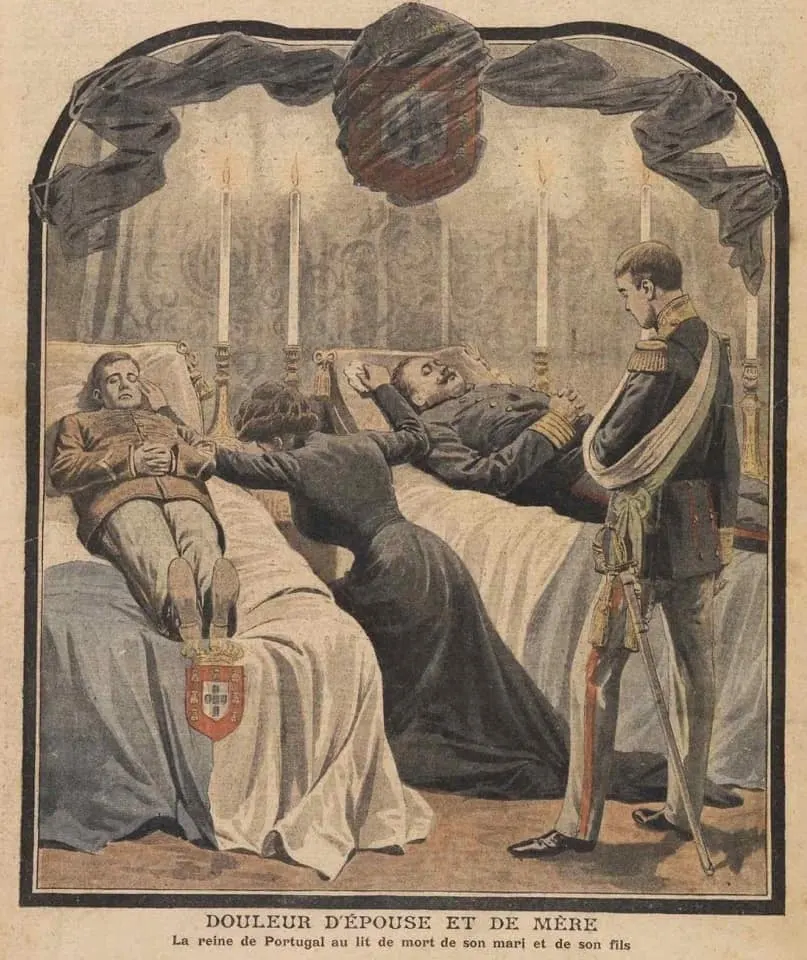
Queen Amélie mourning her husband and son, with the wounded Prince Manuel beside her, on the cover of a French magazine in February 1908.
Image creditUnknown authorUnknown author · Public domainResized and cropped for display.

The king of Portugal and his heir are shot in Lisbon

Portugal’s constitutional monarchy was in crisis. In 1906 King Carlos appointed João Franco as prime minister and let him rule without parliament, and republicans and many monarchists alike were outraged.

On the afternoon of 1 February 1908 the royal family was driving in an open carriage through the Terreiro do Paço, Lisbon’s great square by the river, when gunmen opened fire. The king was killed at once and his heir, Luís Filipe, was mortally wounded; his younger son Manuel was hit in the arm. Manuel II reigned for only two years before a revolution in October 1910 made Portugal a republic.

Read the full storyHistory & Timeline →Source: Encyclopaedia Britannica: Charles, king of Portugal ↗
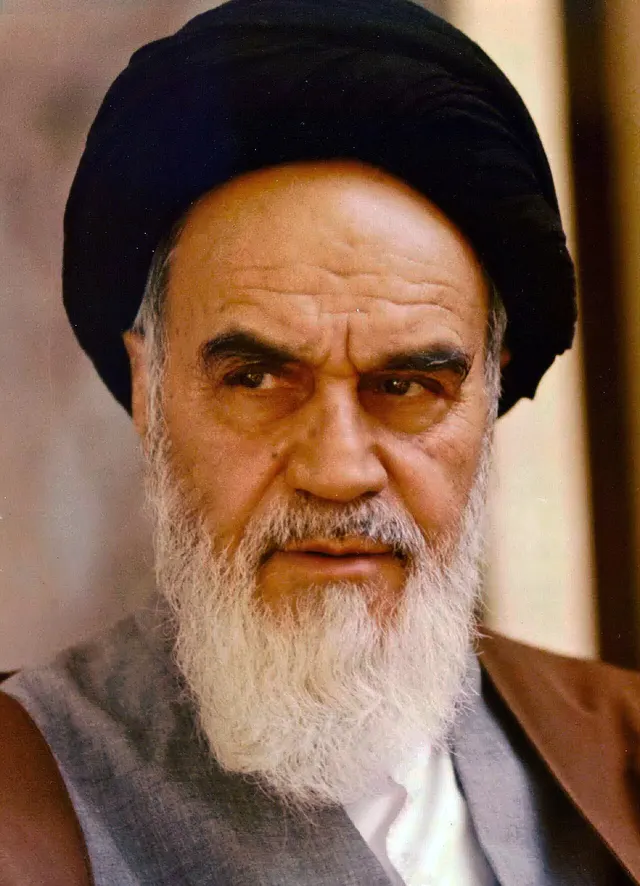
Ayatollah Ruhollah Khomeini, in a 1981 portrait by Ali Kaveh.
Image creditAli Kaveh[1][2][3] · Public domainResized and cropped for display.

Ayatollah Khomeini returns to Iran

The Shiite cleric Ruhollah Khomeini had been expelled from Iran in 1964 for opposing the Shah, Mohammad Reza Pahlavi. From exile in Iraq and, from October 1978, near Paris, his recorded sermons fed a growing revolution. Months of strikes and huge demonstrations forced the Shah to leave the country on 16 January 1979.

On 1 February 1979 Khomeini flew into Tehran after almost 15 years in exile and was met by crowds of millions. Within days the Shah’s last government collapsed, and in a referendum that spring Iran became an Islamic republic, with Khomeini as its supreme leader until his death in 1989.

Read the full storyHistory & Timeline →Source: Encyclopaedia Britannica: Iranian Revolution ↗
The crew of Columbia's final mission, STS-107, in their official portrait.
The crew of Columbia’s final mission, STS-107, in their official portrait.
Image creditNASA · Public domainResized and cropped for display.

The space shuttle Columbia is lost on its way home

Columbia, the oldest of NASA’s shuttles, lifted off on 16 January 2003 on a 16-day science mission with a crew of seven, including Kalpana Chawla, the first woman of Indian birth in space, and Ilan Ramon, Israel’s first astronaut. About 81 seconds after launch a piece of foam insulation broke off the fuel tank and struck the left wing.

As Columbia returned on the morning of 1 February 2003, hot gases entered the damaged wing and the shuttle broke apart over Texas, 16 minutes before it was due to land in Florida. All seven crew members were killed: Rick Husband, William McCool, Michael Anderson, David Brown, Kalpana Chawla, Laurel Clark and Ilan Ramon. After the disaster the United States decided to retire the shuttles, which last flew in 2011.

Read the full storyHistory & Timeline →Source: NASA: STS-107 ↗
♙
PEOPLE

Born Today

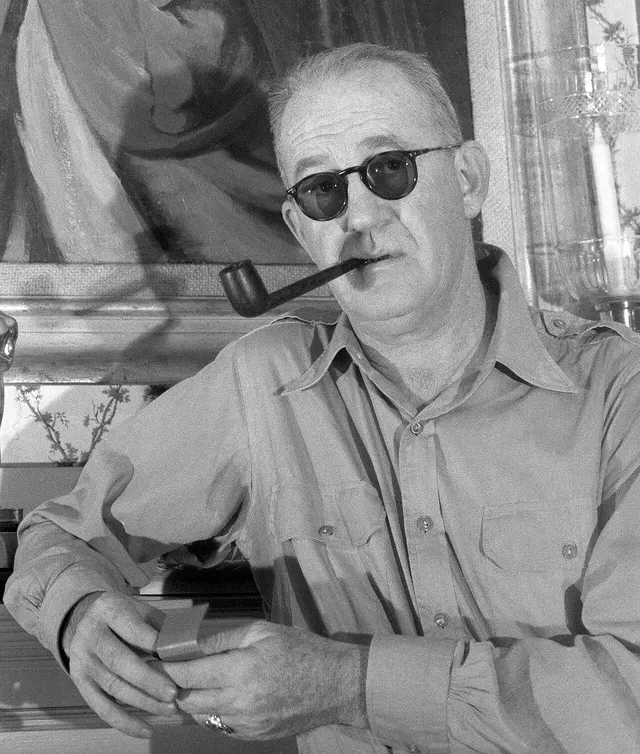
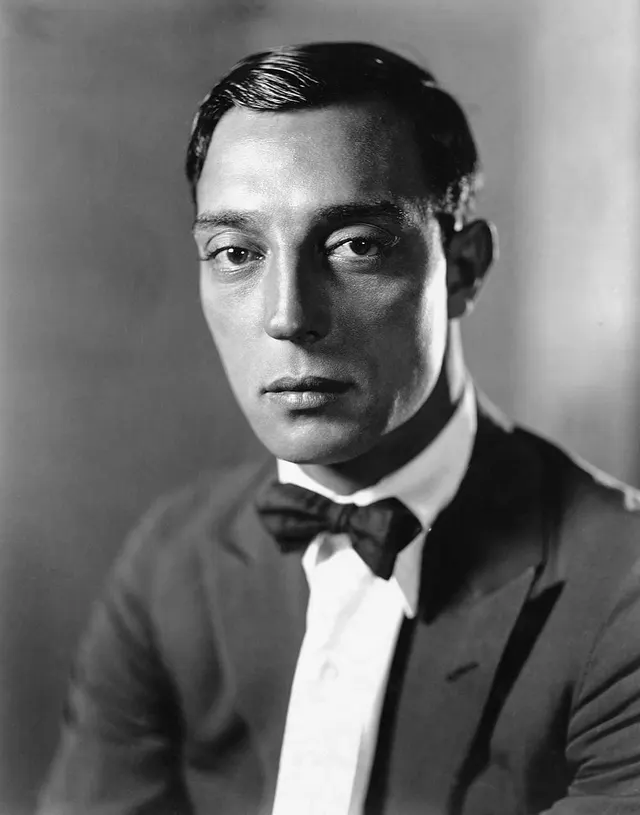
John Ford
Image creditLos Angeles Daily News · Public domainResized and cropped for display.

John Ford

American film director of Stagecoach, The Grapes of Wrath and The Searchers.

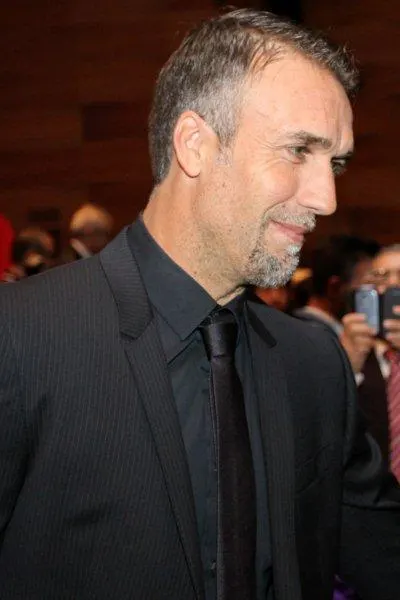
Gabriel Batistuta
Image creditRoberto Vicario · CC BY-SA 3.0Resized and cropped for display.

Gabriel Batistuta

Argentine striker, a prolific scorer for Fiorentina and his country.

♫
MUSIC • FILM • BOOKS • CULTURE

Culture Stories

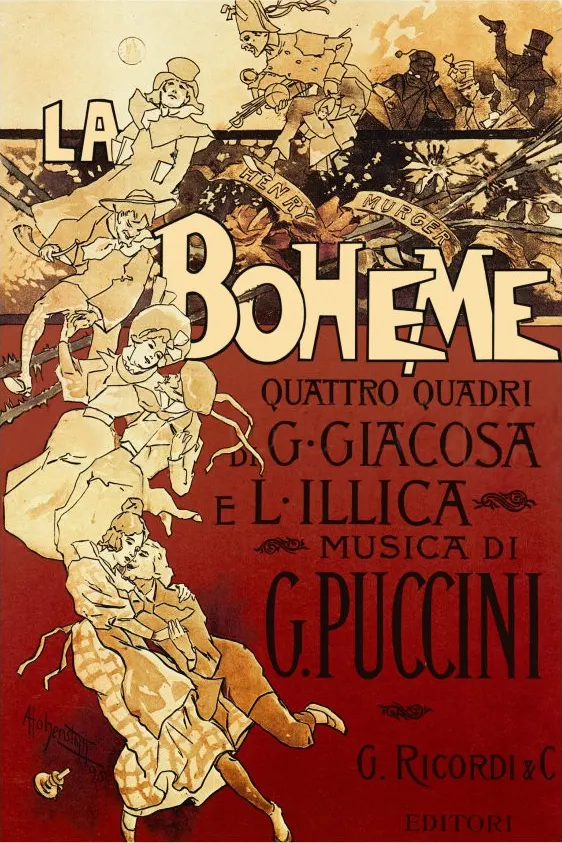
Adolfo Hohenstein's 1896 poster for La bohème, published by Ricordi.
Adolfo Hohenstein’s 1896 poster for La bohème, published by Ricordi.
Image creditAdolfo Hohenstein · Public domainResized and cropped for display.

Puccini’s La bohème opens in Turin

Giacomo Puccini based his fourth opera on Henri Murger’s stories of poor young artists in the Latin Quarter of Paris: the poet Rodolfo, the painter Marcello and the seamstress Mimì, whose love ends with her death from tuberculosis.

It was first performed at the Teatro Regio in Turin on 1 February 1896, conducted by the 29-year-old Arturo Toscanini. The critics were cool, but the audience applauded at length, and La bohème soon became one of the most loved and most often performed operas in the world.

Read the full storyHistory & Timeline →Source: Teatro Regio Torino: La bohème ↗
✦
LIVES REMEMBERED

Remembered Today

Augustus II the Strong
Image creditLouis de Silvestre · Public domainResized and cropped for display.

Augustus II the Strong

Elector of Saxony and king of Poland, a patron of the arts who made Dresden a baroque capital.

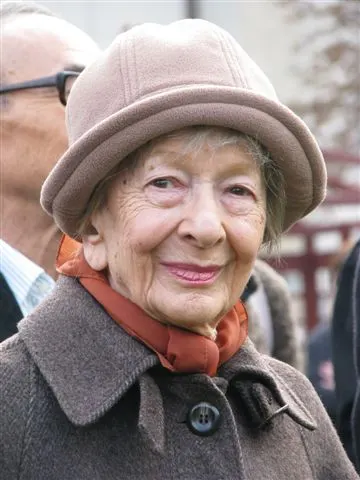
Wisława Szymborska
Image creditMariusz Kubik · CC BY 3.0Resized and cropped for display.

Wisława Szymborska

Polish poet, winner of the 1996 Nobel Prize in Literature.

☉
AROUND THE WORLD

Observances & Anniversaries

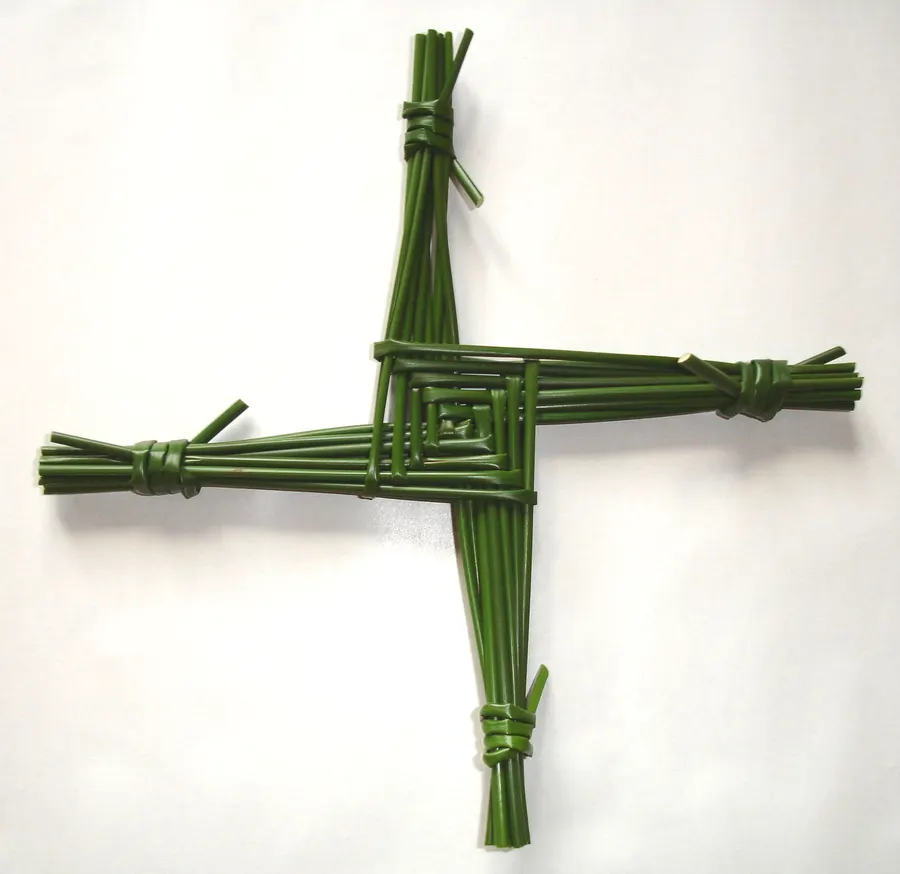
A Saint Brigid's cross woven from green rushes.
A Saint Brigid’s cross woven from green rushes.
Image creditCulnacreann · CC BY 3.0Resized and cropped for display.

Saint Brigid’s Day and Imbolc

1 February is the feast of Saint Brigid, one of Ireland’s patron saints, and the old Celtic festival of Imbolc, the beginning of spring. Crosses woven from rushes are hung in homes for protection. Since 2023 Ireland has had a public holiday for the day, its first named after a woman, on 1 February when it falls on a Friday and otherwise on the first Monday of the month.

Source: Government of Ireland: inaugural Saint Brigid’s Day bank holiday ↗
HISTORY & TIMELINE

Finished the highlights?

Follow 1 February chronologically, from the Middle Ages to the modern day, with 8 verified events and the sources behind them.

This day through time →