Explore 6 February

Explore 6 February: France signs an alliance with the rebel American colonies, Stamford Raffles gains Singapore for the British East India Company, Māori chiefs and the British Crown sign the Treaty of Waitangi and Elizabeth II becomes queen. Meet Bob Marley, Babe Ruth and Ronald Reagan, born on 6 February.

This day through time →7 verified events across 3 eras

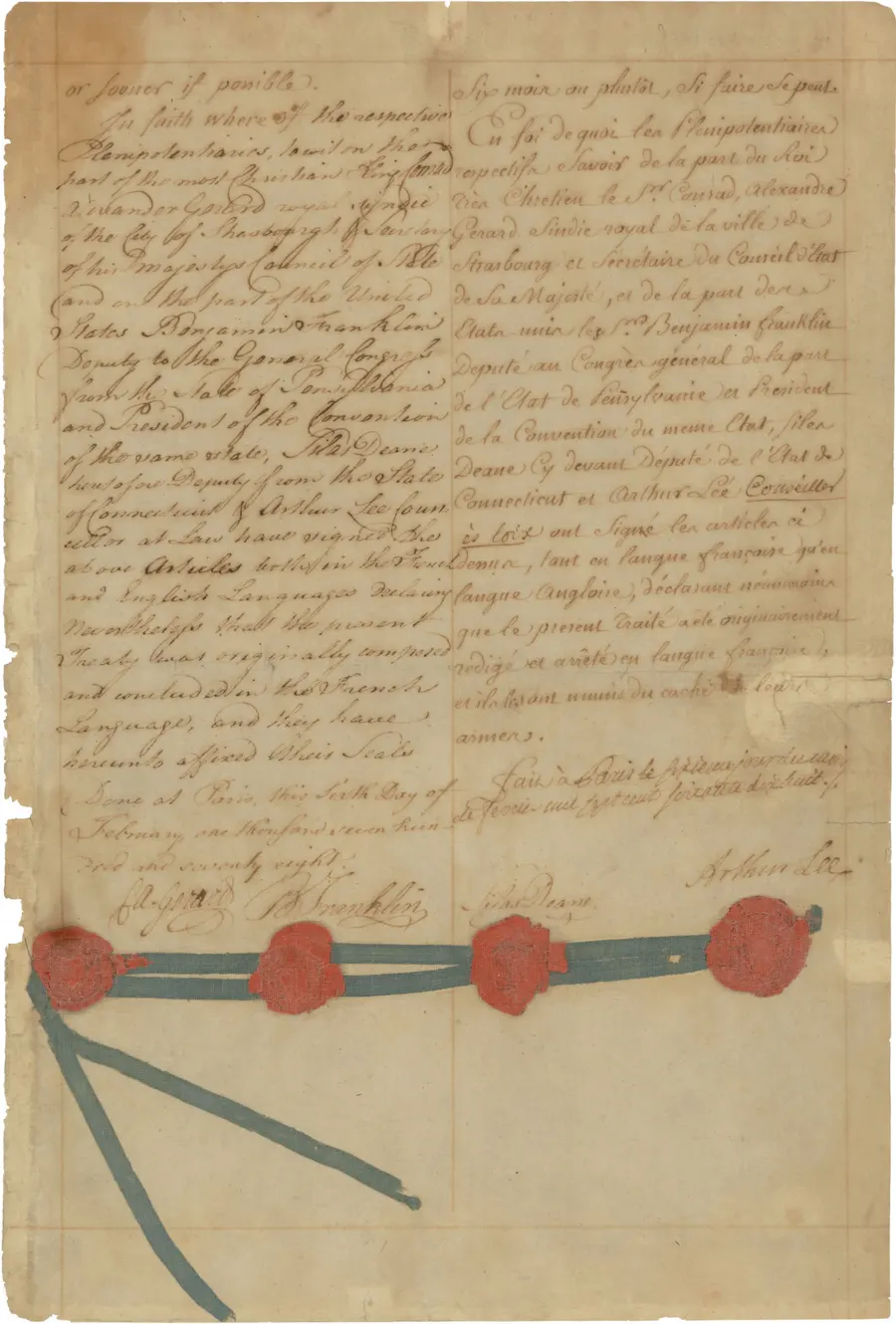
The signature page of the Treaty of Alliance between France and the United States, 6 February 1778, with its seals.
Image creditBenjamin Franklin · Public domainResized and cropped for display.

France signs an alliance with the rebel American colonies

Since 1776 Benjamin Franklin had been in Paris, charming French society and quietly securing money and arms for the American rebels. The French government, eager to weaken Britain after losing the Seven Years’ War, held back from open support until it was sure the Americans could win.

News of the American victory at Saratoga in October 1777 decided the matter. On 6 February 1778 Franklin, Silas Deane and Arthur Lee signed two treaties with France: one of friendship and trade, and one of alliance, in which each side promised not to make peace with Britain until American independence was secured. French troops, money and above all the French fleet proved decisive at Yorktown in 1781.

Read the full storyHistory & Timeline →Source: US National Archives: Treaty of Alliance with France (1778) ↗
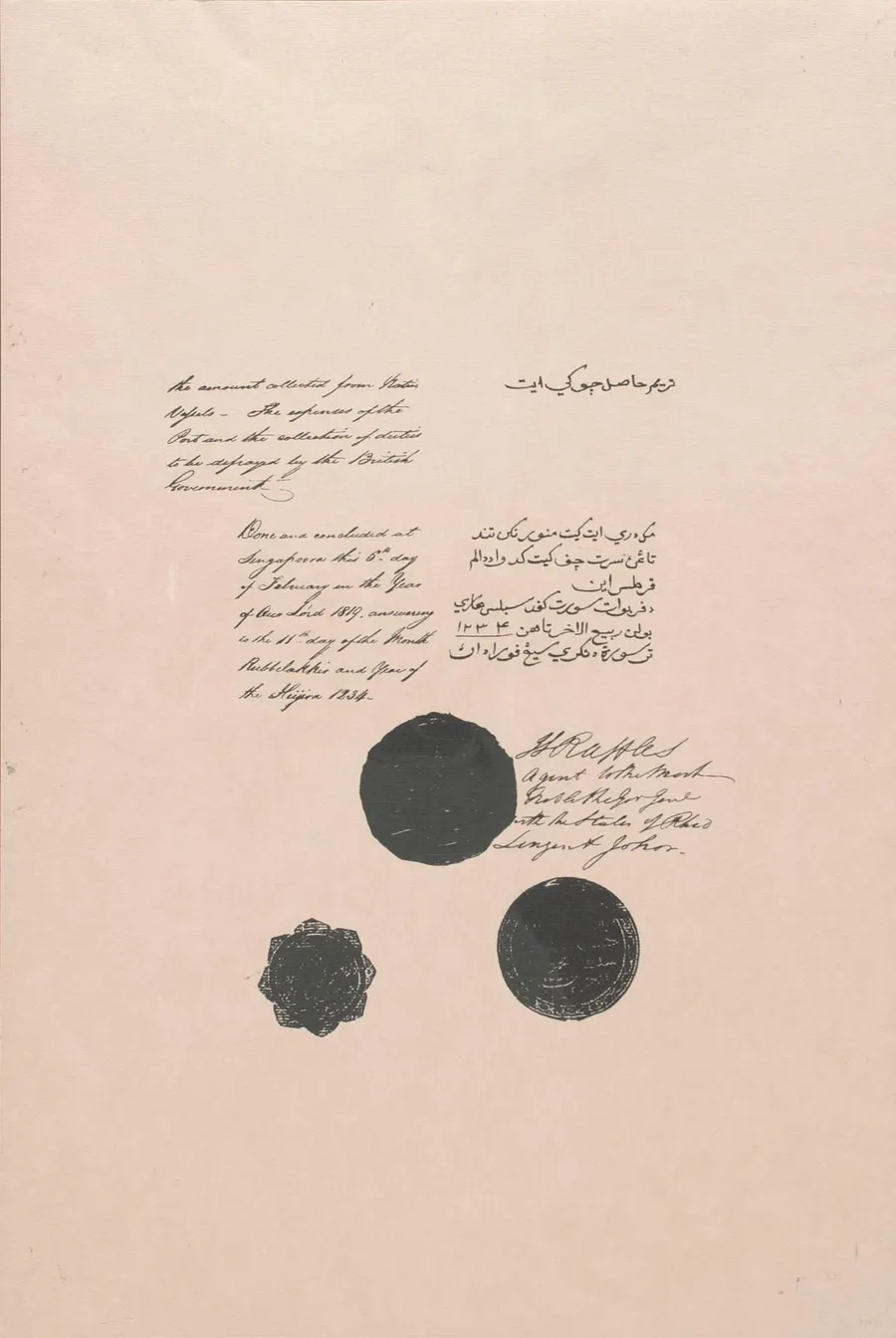
The signature page of the 1819 Singapore Treaty, signed by Stamford Raffles, Sultan Hussein and Temenggong Abdul Rahman.
Image creditSir Raffles, Temenggong Abdul Rahman, Sultan Hussein · Public domainResized and cropped for display.

Stamford Raffles gains Singapore for the British East India Company

Britain’s East India Company wanted a base at the southern end of the Strait of Malacca, the sea lane between India and China, where the Dutch controlled most of the ports. Stamford Raffles, a Company official, landed on the island of Singapore in late January 1819 and found it lightly settled under the Temenggong, a local Malay chief.

To make an agreement legal, Raffles recognised Hussein, the elder brother of the reigning sultan of Johor, as sultan. On 6 February 1819 Raffles, Sultan Hussein and the Temenggong signed a treaty allowing the Company to set up a trading post in return for yearly payments, and the British flag was raised. Declared a free port, Singapore grew within a few decades into one of the busiest harbours in Asia.

Read the full storyHistory & Timeline →Source: National Library Board Singapore, Infopedia: 1819 Singapore Treaty ↗
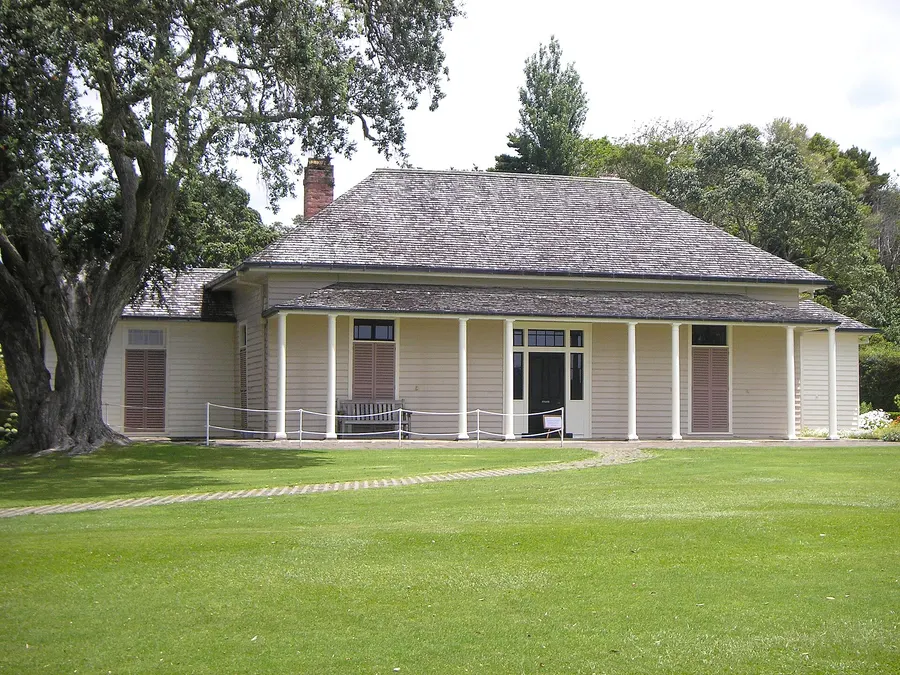
The Treaty House at Waitangi, the home of the British Resident James Busby, in front of which the treaty was signed.
Image creditWinstonwolfe at English Wikipedia · CC BY-SA 3.0Resized and cropped for display.

Māori chiefs and the British Crown sign the Treaty of Waitangi

By the late 1830s British settlers were arriving in New Zealand in growing numbers, land was being bought up on a large scale, and there were fears that France might claim the islands. The British government sent Captain William Hobson to negotiate with Māori leaders for sovereignty.

On 6 February 1840, at Waitangi in the Bay of Islands, Hobson and more than forty rangatira (chiefs) signed the treaty; copies then travelled the country and some 540 chiefs signed in all. The English and Māori texts differ on the central point: the English speaks of ceding sovereignty, the Māori of granting kāwanatanga (governance) while keeping tino rangatiratanga (full authority). The treaty is New Zealand’s founding document, and 6 February is Waitangi Day, the national day.

Read the full storyHistory & Timeline →Source: NZHistory, Ministry for Culture and Heritage: Waitangi, 6 February 1840 ↗
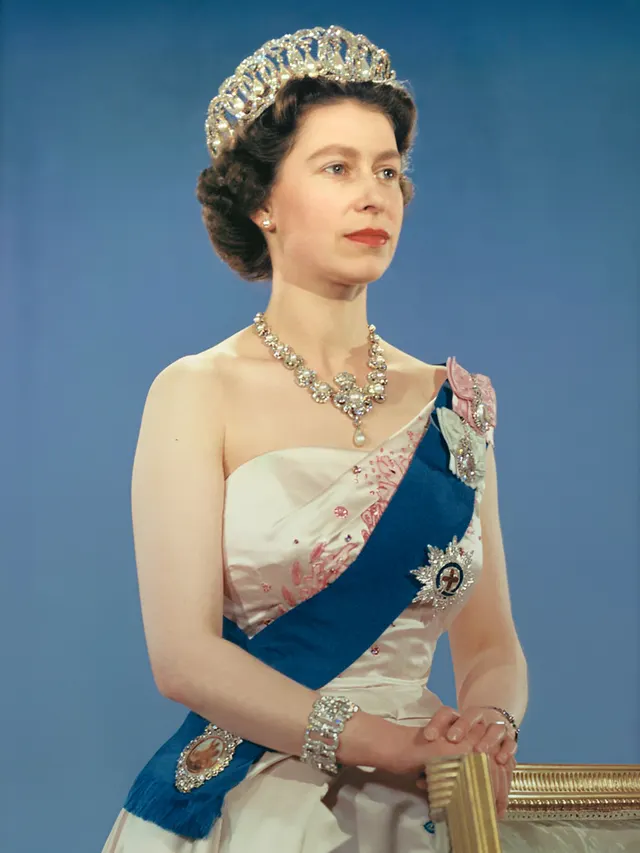
Queen Elizabeth II in her official portrait for her 1959 tour.
Image creditDonald McKague · Public domainResized and cropped for display.

Elizabeth II becomes queen

In early 1952 King George VI, weakened by lung cancer, sent his elder daughter Princess Elizabeth and her husband Philip on a tour of the Commonwealth in his place. Their first stop was Kenya.

The king died in his sleep at Sandringham in the early hours of 6 February 1952. The news reached the couple at Sagana Lodge that afternoon, and the 25-year-old princess, now queen, flew home at once. She reigned for 70 years, the longest of any British monarch, until her death in 2022.

Read the full storyHistory & Timeline →Source: The Royal Family: Queen Elizabeth II’s accession and coronation ↗
♙
PEOPLE

Born Today

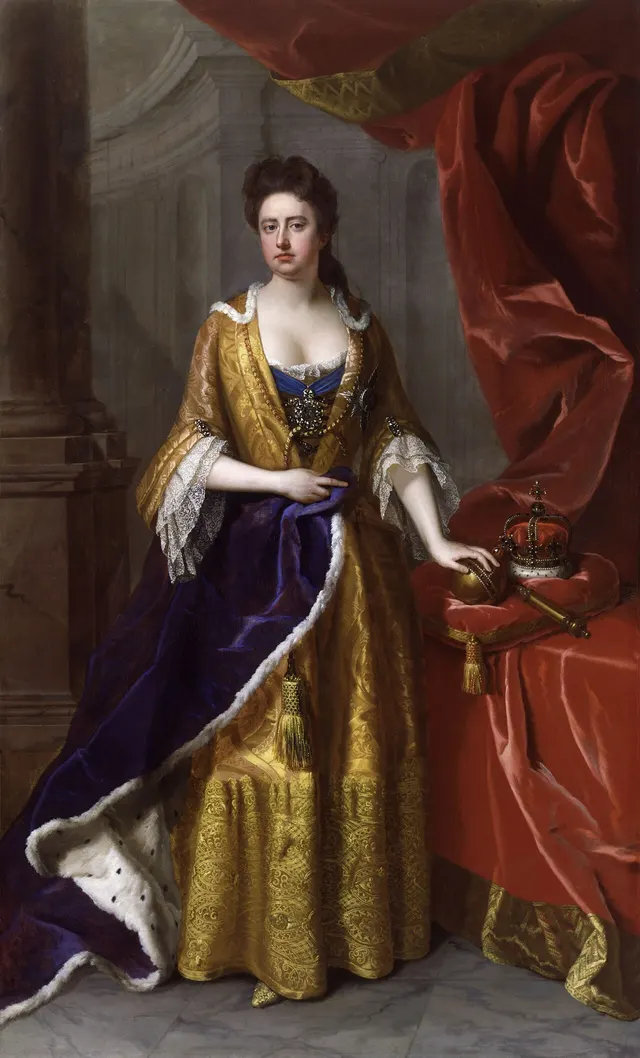
Queen Anne
Image creditMichael Dahl · Public domainResized and cropped for display.

Queen Anne

Queen under whom England and Scotland united as Great Britain in 1707.

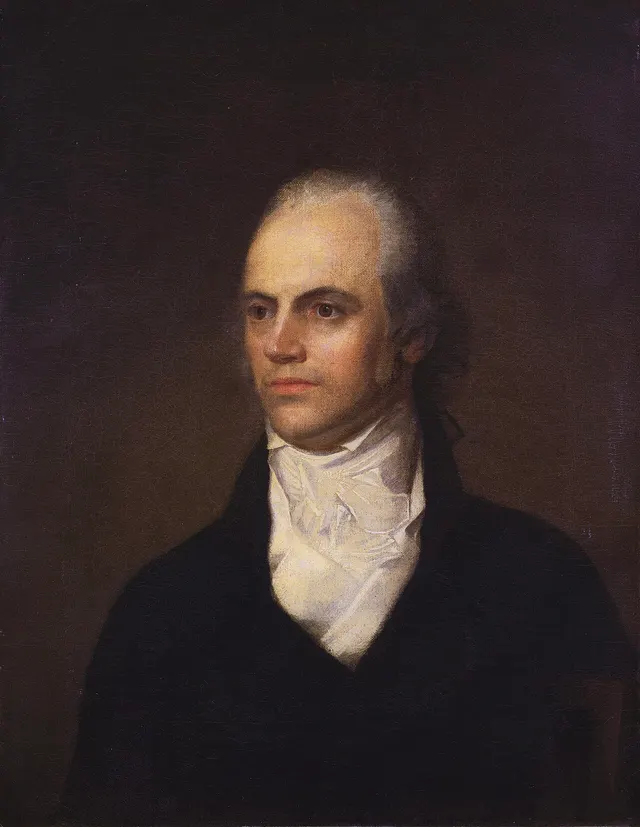
Aaron Burr
Image creditJohn Vanderlyn · Public domainResized and cropped for display.

Aaron Burr

American vice-president who killed Alexander Hamilton in a duel.

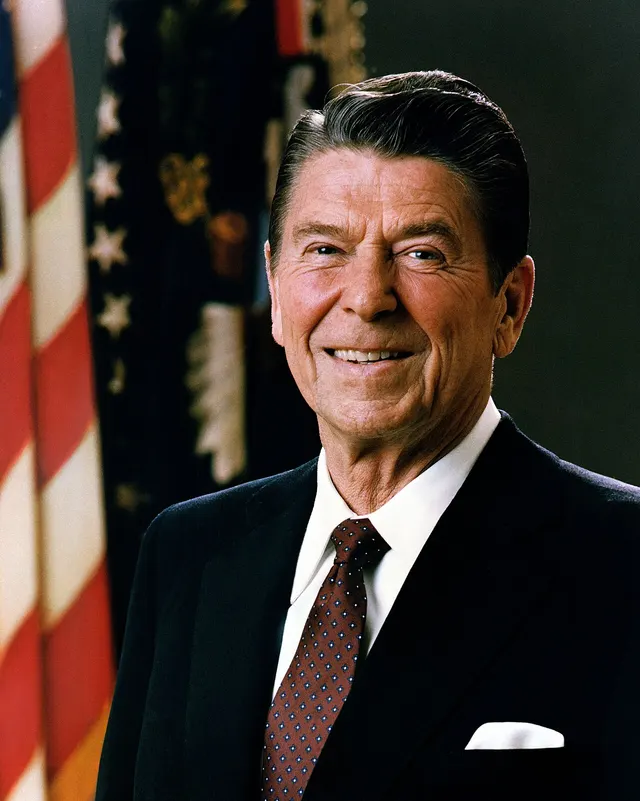
Ronald Reagan
Image creditMichael Evans · Public domainResized and cropped for display.

Ronald Reagan

Film actor who became president of the United States from 1981 to 1989.

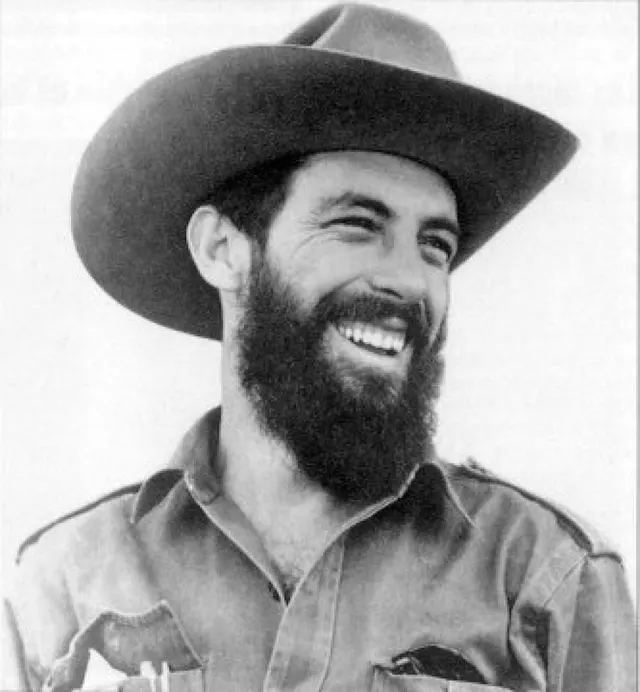
Camilo Cienfuegos
Image creditUnknown author. · Public domainResized and cropped for display.

Camilo Cienfuegos

Cuban revolutionary commander, lost at sea months after the revolution’s victory.

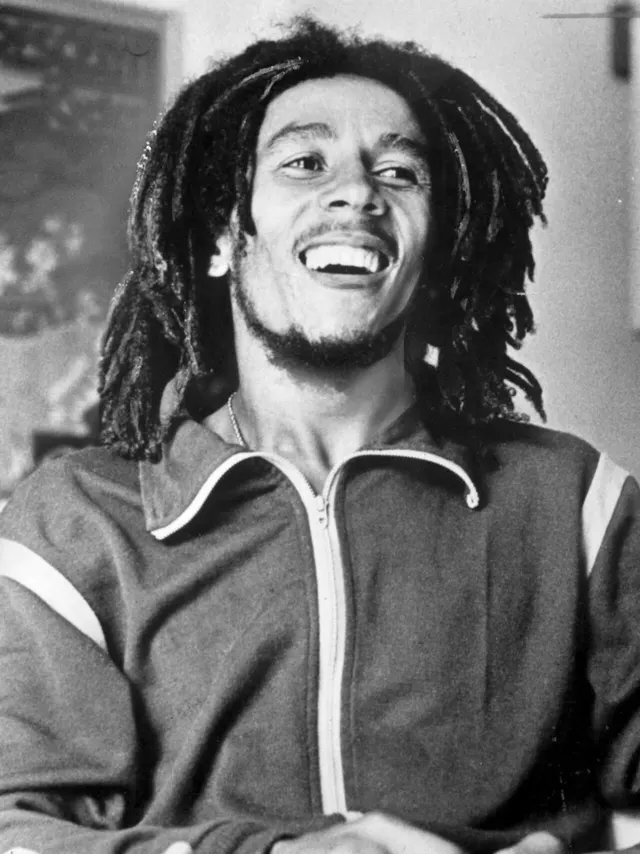
Bob Marley
Image creditNot credited · Public domainResized and cropped for display.

Bob Marley

Jamaican singer and songwriter who took reggae to the world.

◉
IDEAS THAT CHANGED THINGS

Firsts, Science & Discoveries

Jack Kilby at Texas Instruments in Dallas in the early 1960s.
Image creditJames R. Biard · CC BY-SA 4.0Resized and cropped for display.

Jack Kilby files the first patent for an integrated circuit

In the 1950s electronic circuits were built from separate transistors, resistors and capacitors wired together by hand, and the more complex a machine became, the more its connections failed. In the summer of 1958 Jack Kilby, a new engineer at Texas Instruments, worked out how to make all the parts of a circuit from a single piece of semiconductor.

His first working chip, on a sliver of germanium, ran in September 1958, and on 6 February 1959 Texas Instruments filed his patent for ‘miniaturized electronic circuits’. Robert Noyce at Fairchild independently developed a silicon version months later that proved easier to mass-produce. The integrated circuit is the basis of every modern computer and phone, and Kilby shared the Nobel Prize in Physics in 2000.

Read the full storyHistory & Timeline →Source: Computer History Museum: Kilby files patent for integrated circuit ↗
☆
SPORTING HISTORY

Sporting Moments

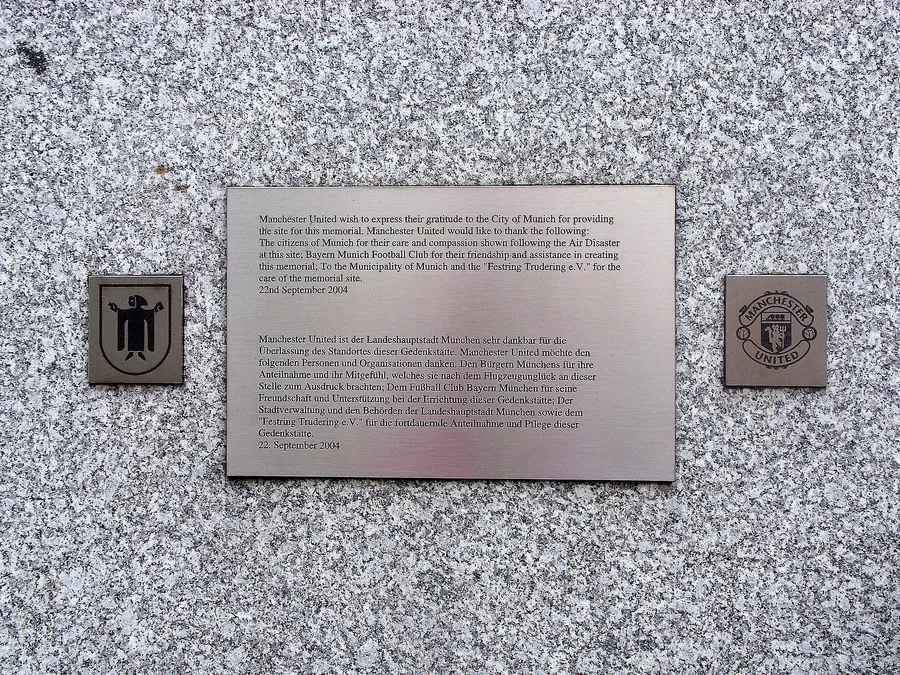
The inscription on the memorial stone near the site of the crash in Munich.
Image creditFlo Sorg · Public domainResized and cropped for display.

The Munich air disaster kills eight Manchester United players

Manchester United’s young side, the ‘Busby Babes’ built by manager Matt Busby, were English champions and were chasing the European Cup. On 5 February 1958 a draw against Red Star in Belgrade took them into the semi-finals.

Flying home the next day, their chartered plane stopped to refuel in Munich. On its third attempt to take off from a slush-covered runway on 6 February it failed to leave the ground and crashed. Twenty-three people died, among them eight players, including Duncan Edwards, three club staff and eight journalists. Busby survived severe injuries and rebuilt the team, which won the European Cup ten years later with the survivor Bobby Charlton in the side.

Read the full storyHistory & Timeline →Source: Manchester United: Munich remembered ↗
✦
LIVES REMEMBERED

Remembered Today

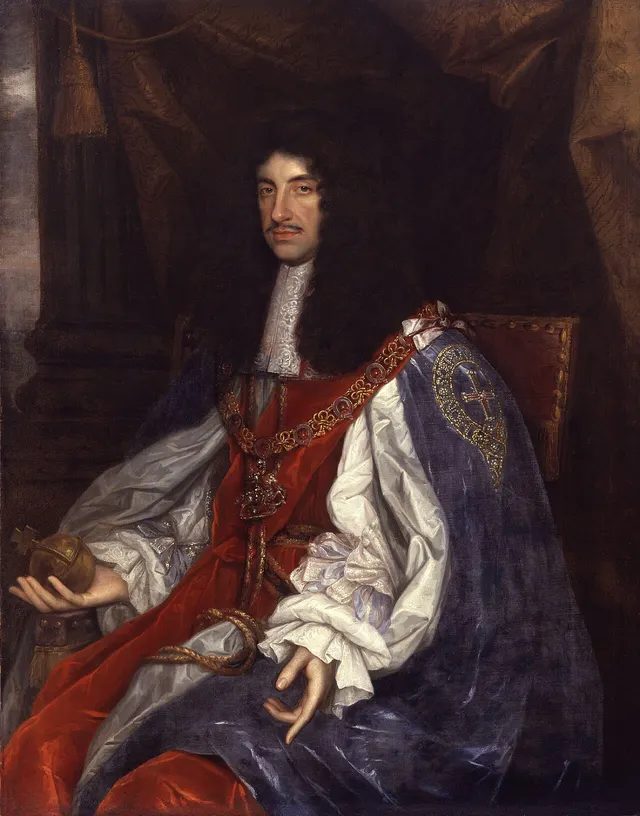
Charles II
Image creditJohn Michael Wright · Public domainResized and cropped for display.

Charles II

King restored to the thrones of England, Scotland and Ireland in 1660.

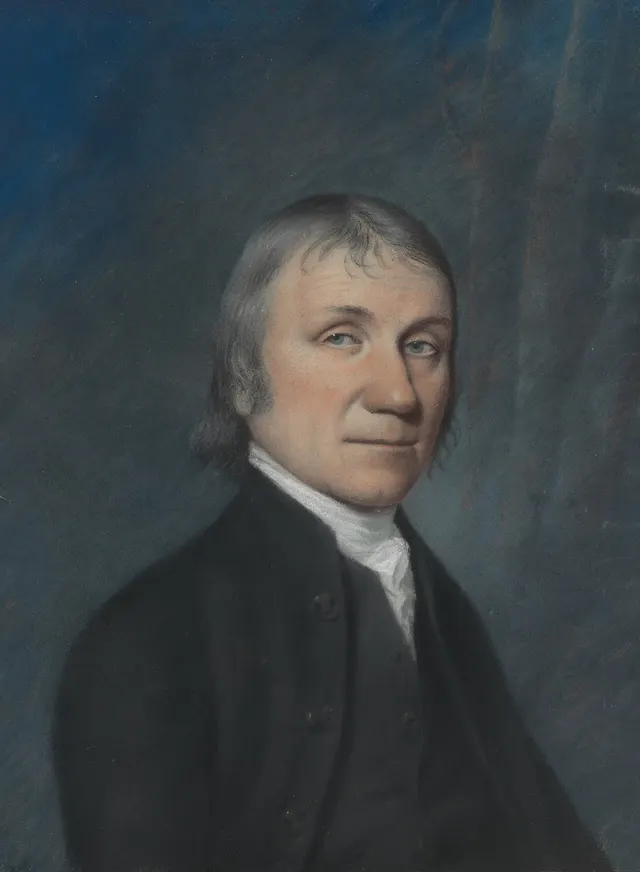
Joseph Priestley
Image creditJames Sharples · Public domainResized and cropped for display.

Joseph Priestley

English chemist and minister who isolated oxygen, later an exile in Pennsylvania.

Gustav Klimt
Image creditJosef Anton Trčka · Public domainResized and cropped for display.

Gustav Klimt

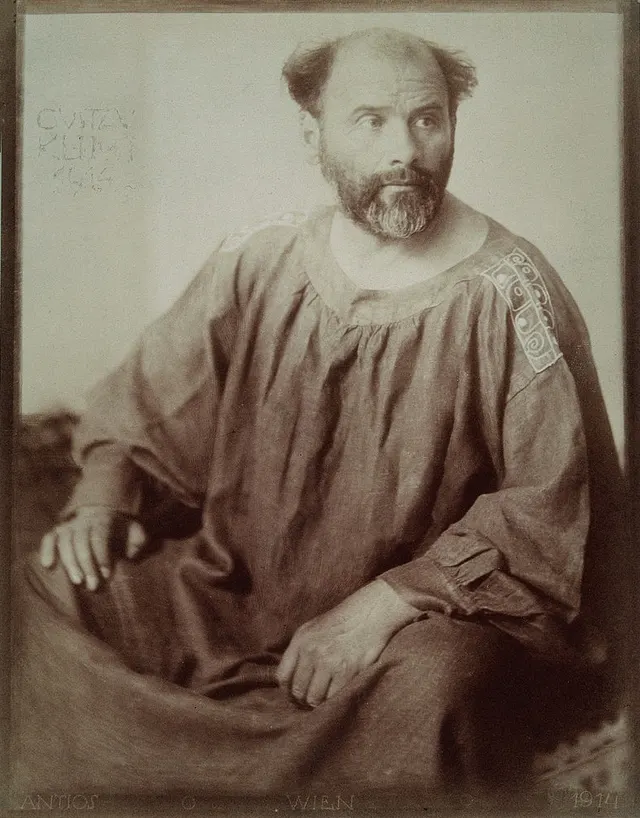
Austrian painter of The Kiss and a founder of the Vienna Secession.

Lata Mangeshkar
Image creditBollywood Hungama · CC BY 3.0Resized and cropped for display.

Lata Mangeshkar

Indian playback singer whose voice was heard in more than a thousand films.

☉
AROUND THE WORLD

Observances & Anniversaries

The Sámi band Adjágas playing at a Sámi National Day concert in Oslo, 6 February 2012.
Image creditFornyingsdepartementet · CC BY 2.0Resized and cropped for display.

Sámi National Day

On 6 February 1917 more than a hundred Sámi from Norway and Sweden, many of them women, met in Trondheim for the first congress to bring the Sámi together across national borders. The anniversary is the Sámi National Day, marked in Norway, Sweden, Finland and Russia with the Sámi flag, the national song and celebrations.

Source: Sámi Parliament of Sweden (Sametinget): our national day ↗
HISTORY & TIMELINE

Finished the highlights?

Follow 6 February chronologically, from the Middle Ages to the modern day, with 7 verified events and the sources behind them.

This day through time →