Explore 13 February

Explore 13 February: France tests its first atomic bomb in the Sahara, Australia’s prime minister says sorry to the Stolen Generations, Parliament offers the English crown to William and Mary and the siege of Budapest comes to an end. Meet Georges Simenon, Chuck Yeager and Peter Gabriel, born on 13 February.

This day through time →8 verified events across 4 eras

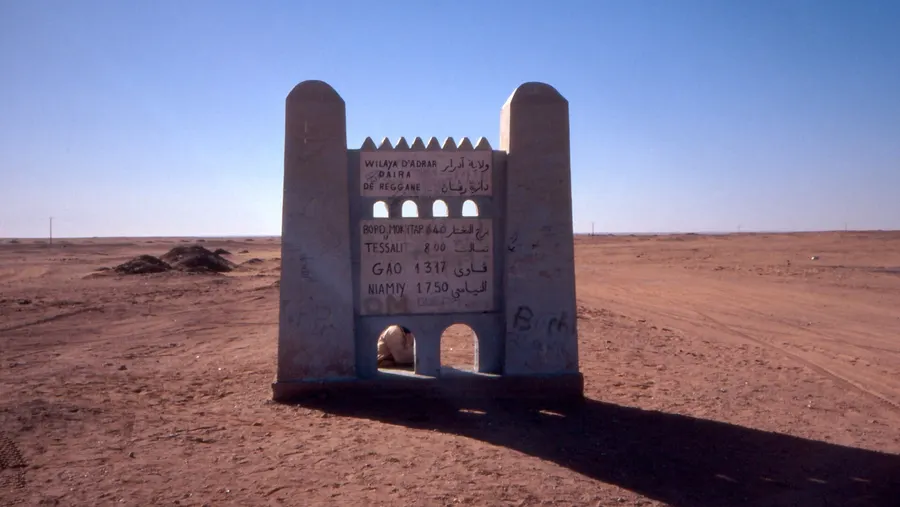
The start of the Tanezrouft road south of Reggane in the Algerian Sahara, the area of the first French tests, photographed in 1990.
Image creditAlbert Backer · CC BY-SA 3.0Resized and cropped for display.

France tests its first atomic bomb in the Sahara

After the Second World War, France was determined to have its own nuclear weapons rather than rely on the United States, and under President Charles de Gaulle it built a test site near the oasis of Reggane in the Sahara, in what was then French Algeria.

On 13 February 1960 a bomb code-named Gerboise Bleue (Blue Jerboa) was exploded on top of a tower in the desert. With a yield of about 70 kilotons, several times that of the Hiroshima bomb, it made France the fourth nuclear power after the United States, the Soviet Union and Britain. France carried out 17 tests in Algeria before moving them to French Polynesia, and the fallout and the waste left in the desert are still a cause of grievance in Algeria.

Read the full storyHistory & Timeline →Source: CTBTO Preparatory Commission: 13 February 1960, the first French nuclear test ↗
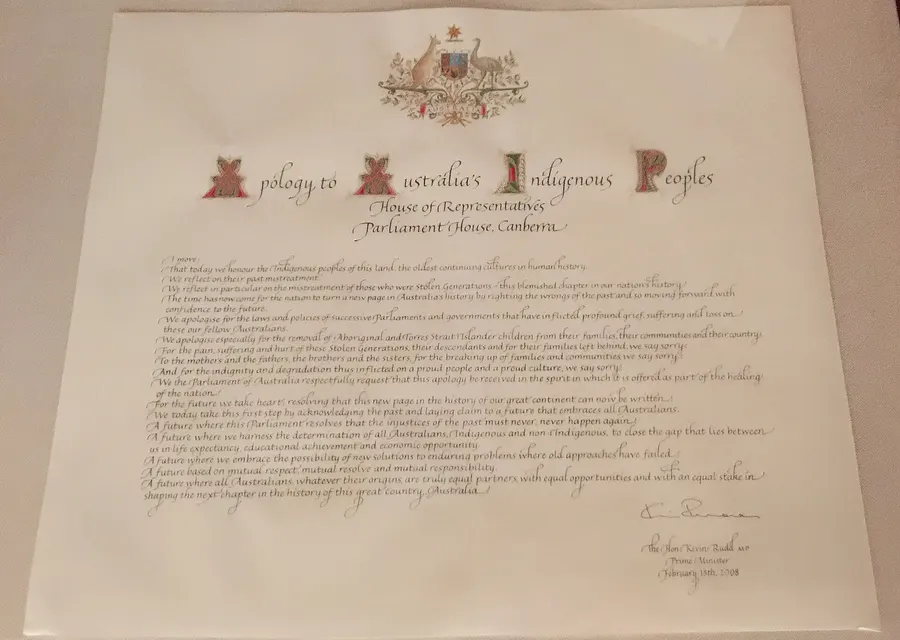
The text of the Apology to Australia's Indigenous Peoples, displayed at Parliament House, Canberra.
The text of the Apology to Australia’s Indigenous Peoples, displayed at Parliament House, Canberra.
Image creditBill H. Gong · CC BY-SA 4.0Resized and cropped for display.

Australia’s prime minister says sorry to the Stolen Generations

For much of the twentieth century, Australian governments and churches removed Aboriginal and Torres Strait Islander children from their families, aiming to absorb them into white society. The children taken became known as the Stolen Generations.

On 13 February 2008, as the first business of the new parliament, Prime Minister Kevin Rudd moved a formal apology for the laws and policies that had inflicted ‘profound grief, suffering and loss’, and above all for the removal of children from their families. Thousands gathered in Canberra and millions watched across the country, and many people wept as he finished.

Read the full storyHistory & Timeline →Source: National Museum of Australia: national apology ↗
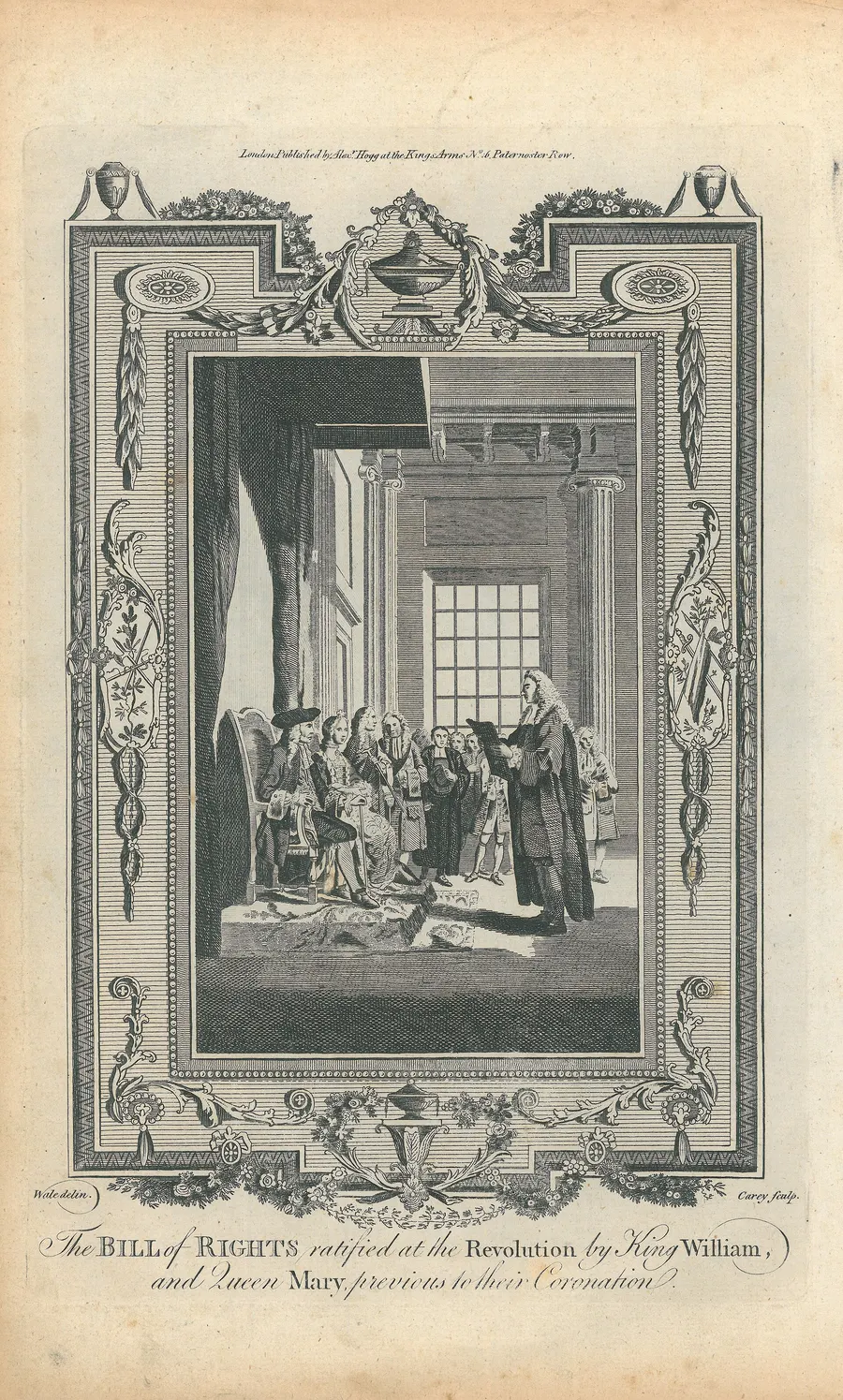
The Bill of Rights ratified by King William and Queen Mary before their coronation, an engraving after Samuel Wale, 1783.
Image creditSamuel Wale · Public domainResized and cropped for display.

Parliament offers the English crown to William and Mary

In November 1688 William of Orange, the Dutch stadtholder, landed in England with an army at the invitation of leading Protestants who feared the Catholic rule of his father-in-law, James II. James’s support melted away and he fled to France.

A Convention Parliament declared that James had abandoned the throne, and on 13 February 1689, in the Banqueting House in Whitehall, it offered the crown jointly to William and his wife Mary, James’s elder daughter, after reading out a Declaration of Rights that listed the liberties the Stuarts had broken. The Declaration became the Bill of Rights later that year, and the ‘Glorious Revolution’ confirmed that the monarch would rule with, and not over, Parliament.

Read the full storyHistory & Timeline →Source: UK Parliament: the Convention and Bill of Rights ↗
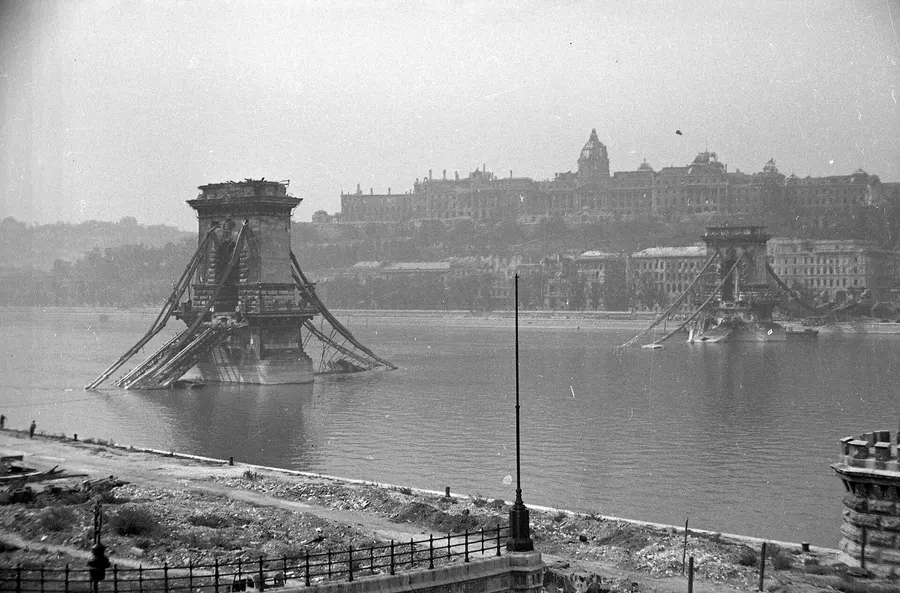
The wrecked Chain Bridge over the Danube and the ruined Royal Palace on Castle Hill, Budapest, 1945.
Image creditFOTO:Fortepan — ID 16247: Adományozó/Donor: Kurutz Márton. archive copy at the Wayback Machine · CC BY-SA 3.0Resized and cropped for display.

The siege of Budapest ends in ruins

By late 1944 the Red Army had fought its way into Hungary, Germany’s last ally. Hitler ordered Budapest to be held at all costs, and at the end of December Soviet and Romanian forces encircled the city with tens of thousands of German and Hungarian troops and hundreds of thousands of civilians inside.

Pest, on the east bank, fell in January. The defenders held out in Buda and on its Castle Hill for weeks more, and on 13 February 1945 the last resistance ended. The siege had lasted more than a hundred days and cost tens of thousands of civilian lives, and much of the historic city lay in ruins.

Read the full storyHistory & Timeline →Source: Encyclopaedia Britannica: Budapest, the modern city ↗
♙
PEOPLE

Born Today

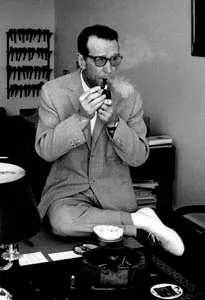
Georges Simenon
Image creditErling Mandelmann · CC BY-SA 3.0Resized and cropped for display.

Georges Simenon

Belgian novelist who created the detective Maigret.

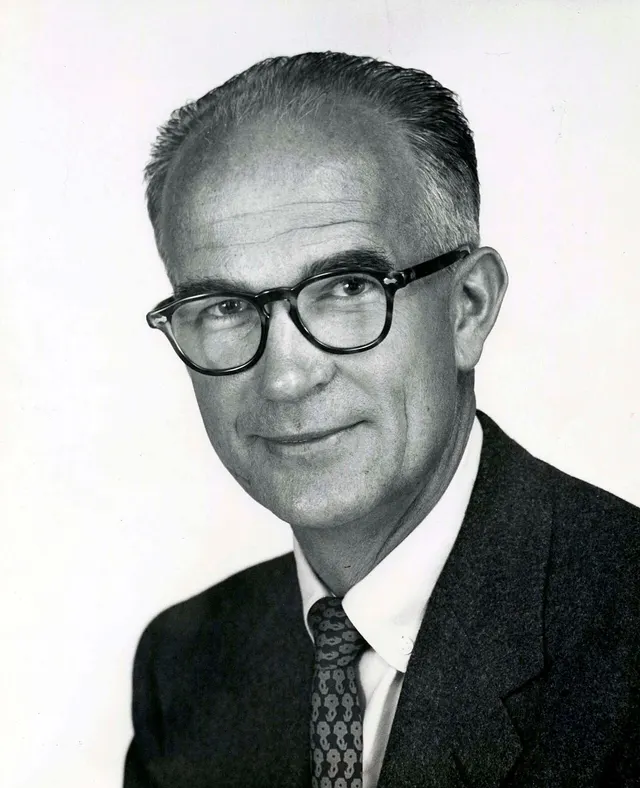
William Shockley
Image creditNobel foundation · Public domainResized and cropped for display.

William Shockley

American physicist who shared the Nobel Prize for the transistor.

Kim Novak
Image creditWilderstraum · CC0Resized and cropped for display.

Kim Novak

American actress of Alfred Hitchcock’s Vertigo.

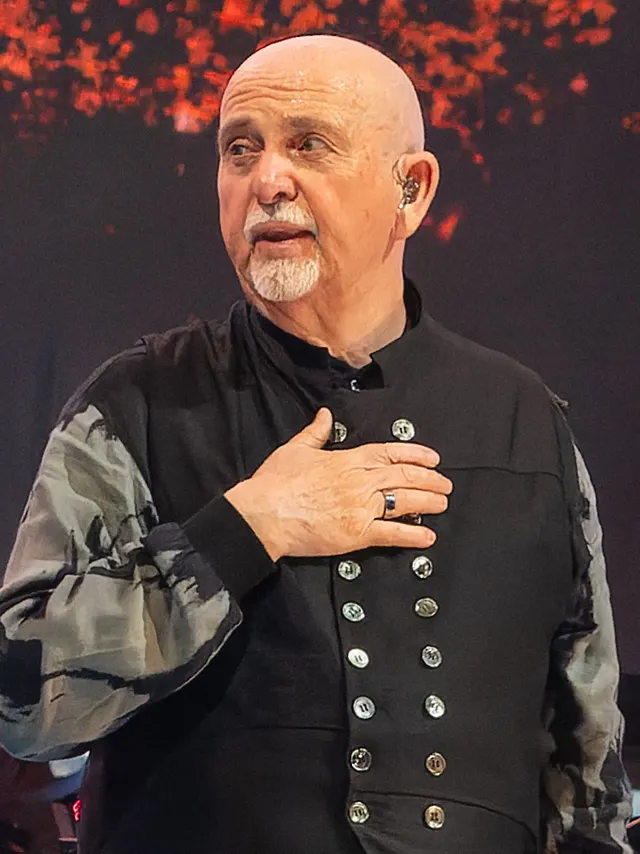
Peter Gabriel
Image creditRaph_PH · CC BY 2.0Resized and cropped for display.

Peter Gabriel

English singer, founder member of Genesis and solo artist of Sledgehammer.

Robbie Williams
Image creditKevin Payravi · CC BY-SA 4.0Resized and cropped for display.

Robbie Williams

English singer of Take That and the solo hit Angels.

◉
IDEAS THAT CHANGED THINGS

Firsts, Science & Discoveries

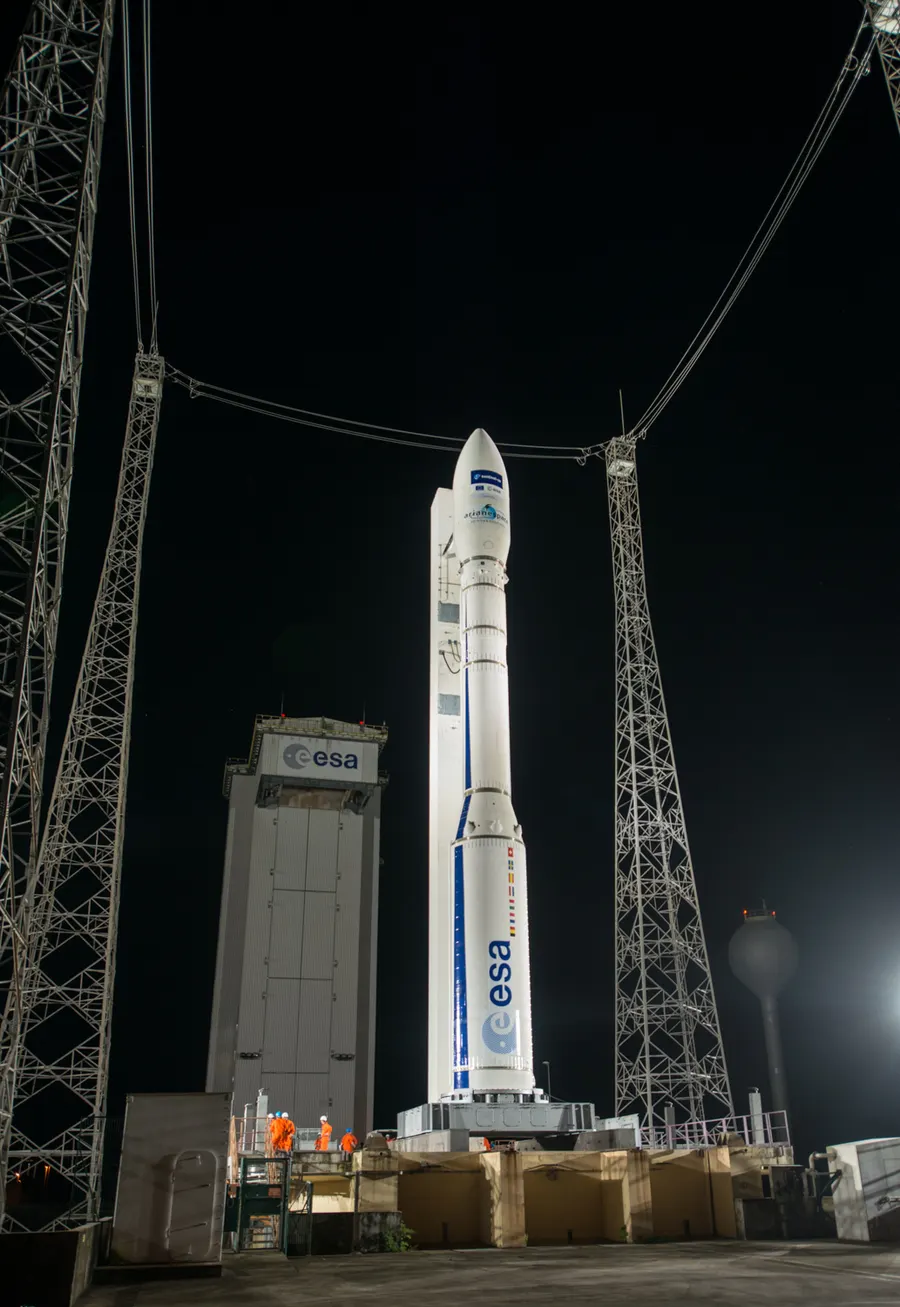
A Vega rocket on its launch pad at Europe's Spaceport in Kourou, French Guiana, before a later launch in June 2015.
A Vega rocket on its launch pad at Europe’s Spaceport in Kourou, French Guiana, before a later launch in June 2015.
Image creditESA_events · CC BY-SA 2.0Resized and cropped for display.

Europe’s Vega rocket makes its first flight

Europe’s Ariane rockets were built to carry large satellites. To launch smaller scientific and Earth-watching satellites more cheaply, the European Space Agency and Italy, the main contributor, developed a light rocket named Vega.

On 13 February 2012 the first Vega lifted off from Europe’s Spaceport at Kourou in French Guiana and placed nine satellites in orbit, among them LARES, an Italian sphere of tungsten alloy covered with laser reflectors, used to test a prediction of Einstein’s theory of relativity. The flawless first flight qualified the rocket for regular service.

Read the full storyHistory & Timeline →Source: European Space Agency: ESA’s new Vega launcher scores success on maiden flight ↗
✦
LIVES REMEMBERED

Remembered Today

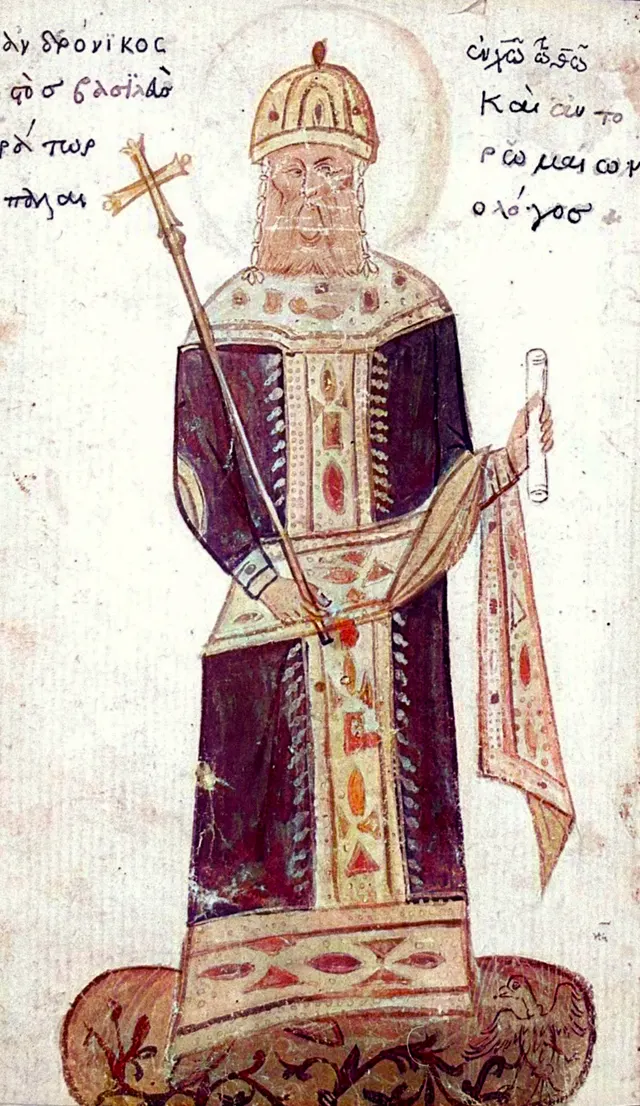
Andronikos II Palaiologos
Image creditGeorge Pachymeres · CC BY-SA 4.0Resized and cropped for display.

Andronikos II Palaiologos

Byzantine emperor for 46 years until his grandson forced him from the throne in 1328.

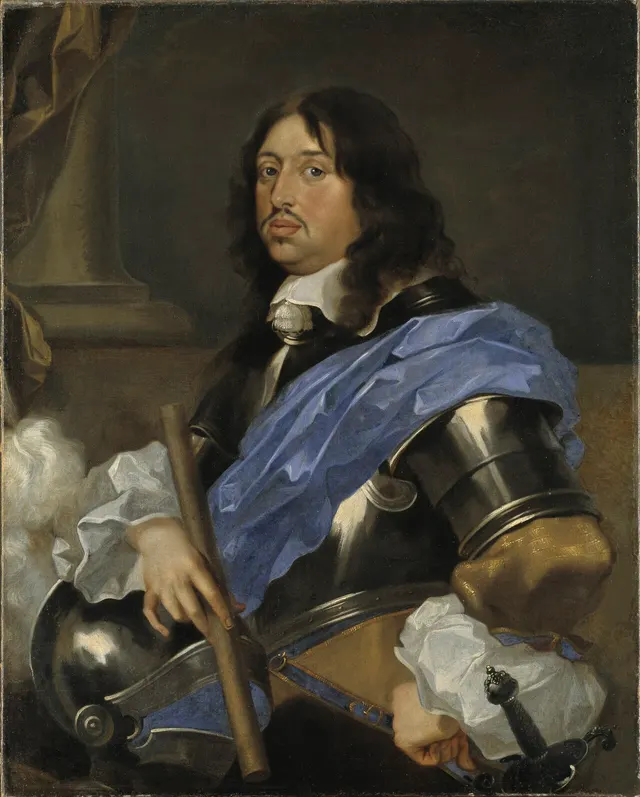
Charles X Gustav
Image creditSébastien Bourdon · Public domainResized and cropped for display.

Charles X Gustav

King of Sweden who led his army across the frozen sea to invade Denmark.

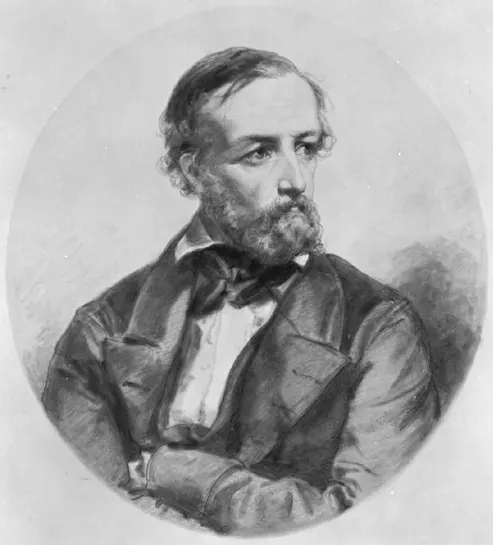
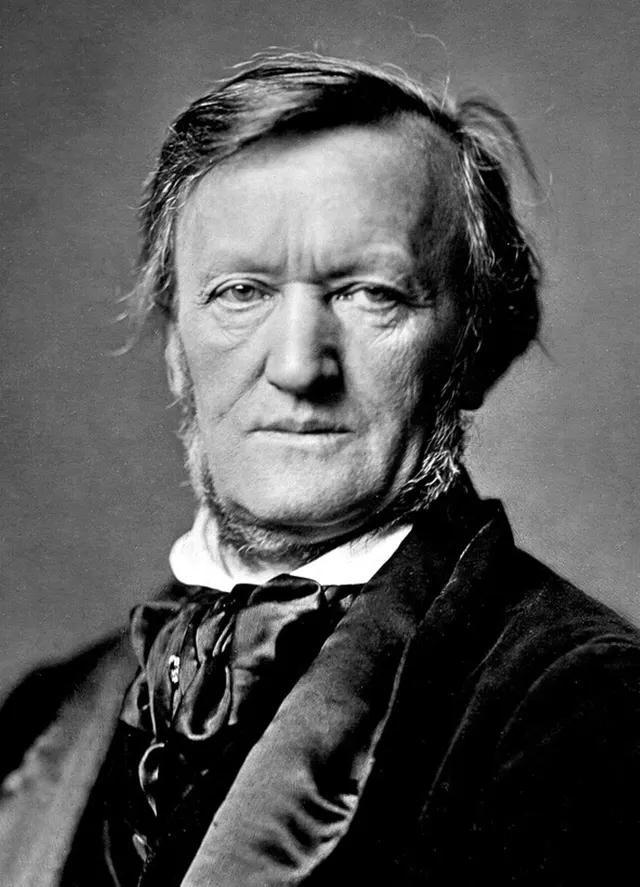
Richard Wagner
Image creditFranz Hanfstaengl · Public domainResized and cropped for display.

Richard Wagner

German composer of The Ring of the Nibelung, who died in Venice.

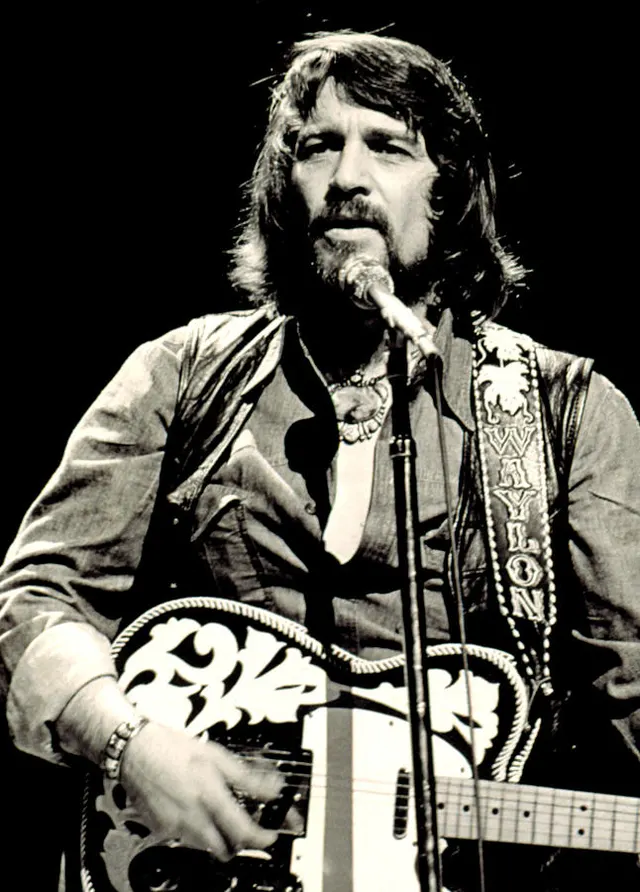
Waylon Jennings
Image creditRCA Records · Public domainResized and cropped for display.

Waylon Jennings

American country singer, a leader of the ‘outlaw country’ movement.

☉
AROUND THE WORLD

Observances & Anniversaries

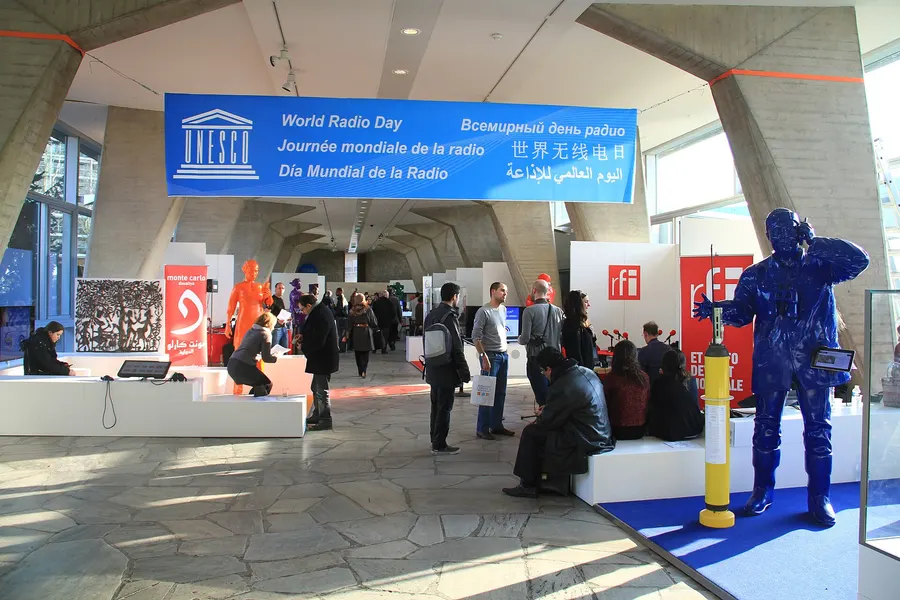
A World Radio Day event at UNESCO's headquarters in Paris, 2013.
A World Radio Day event at UNESCO’s headquarters in Paris, 2013.
Image creditJonathasmello · CC BY-SA 3.0Resized and cropped for display.

World Radio Day

Proclaimed by UNESCO in 2011 and adopted by the United Nations General Assembly in 2012, World Radio Day celebrates radio as a cheap, far-reaching medium that brings news and voices to people everywhere. It falls on the anniversary of the founding of United Nations Radio on 13 February 1946.

Source: UNESCO: history of World Radio Day ↗
HISTORY & TIMELINE

Finished the highlights?

Follow 13 February chronologically, from the Middle Ages to the modern day, with 8 verified events and the sources behind them.

This day through time →