Explore 18 February

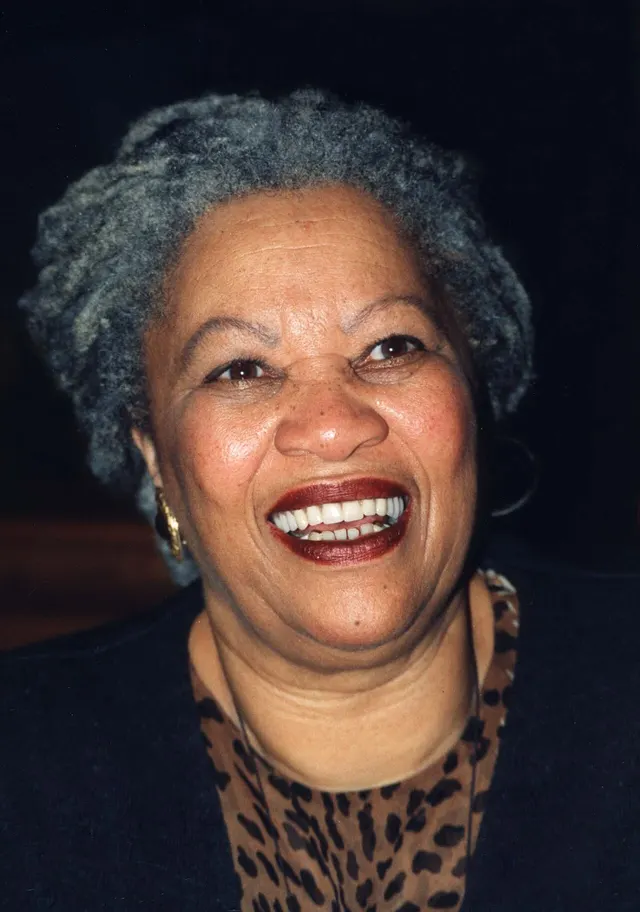
Explore 18 February: The Gambia becomes independent, Hans and Sophie Scholl of the White Rose are arrested in Munich, Jefferson Davis is sworn in as president of the Confederacy and a young astronomer finds Pluto. Meet Alessandro Volta, Toni Morrison and Yoko Ono, born on 18 February.

This day through time →7 verified events across 3 eras

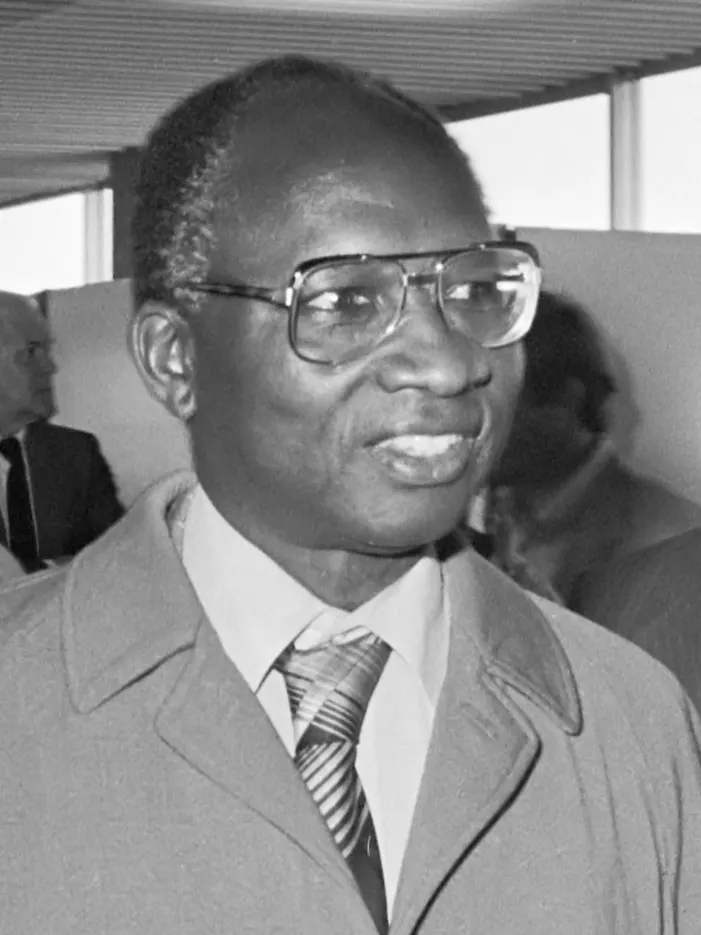
Dawda Jawara, The Gambia's first prime minister and later president, arriving at Schiphol airport in the Netherlands in September 1979.
Dawda Jawara, The Gambia’s first prime minister and later president, arriving at Schiphol airport in the Netherlands in September 1979.
Image creditFernando Pereira / Anefo · CC BY-SA 3.0 nlResized and cropped for display.

The Gambia becomes independent

The Gambia, a narrow strip of land along the Gambia River surrounded on three sides by Senegal, grew out of British trading posts founded from the seventeenth century. It became a British colony and protectorate, and after the Second World War it moved step by step towards self-government under the leadership of Dawda Jawara, a veterinary surgeon who became prime minister in 1962.

On 18 February 1965 The Gambia became an independent state within the Commonwealth, the smallest country on mainland Africa. It joined the United Nations that September and became a republic in 1970, with Jawara as president. The day is The Gambia’s national holiday.

Read the full storyHistory & Timeline →Source: UK legislation: The Gambia Independence Order 1965 ↗

The White Rose memorial outside the University of Munich: bronze copies of the group's leaflets set into the pavement.
The White Rose memorial outside the University of Munich: bronze copies of the group’s leaflets set into the pavement.
Image creditGryffindor · Public domainResized and cropped for display.

Hans and Sophie Scholl of the White Rose are arrested

The White Rose was a small circle of students at the University of Munich and one of their professors who, from 1942, wrote and secretly spread leaflets calling on Germans to resist Hitler and denouncing the murder of the Jews.

On 18 February 1943 the brother and sister Hans and Sophie Scholl carried copies of their sixth leaflet into the university and left them in the corridors, throwing the last ones from a balcony into the atrium. A caretaker saw them and they were arrested. Tried by the People’s Court four days later with their friend Christoph Probst, all three were sentenced to death and executed that same day. Other members were executed later. Today they are honoured across Germany.

Read the full storyHistory & Timeline →Source: United States Holocaust Memorial Museum: the White Rose opposition movement ↗
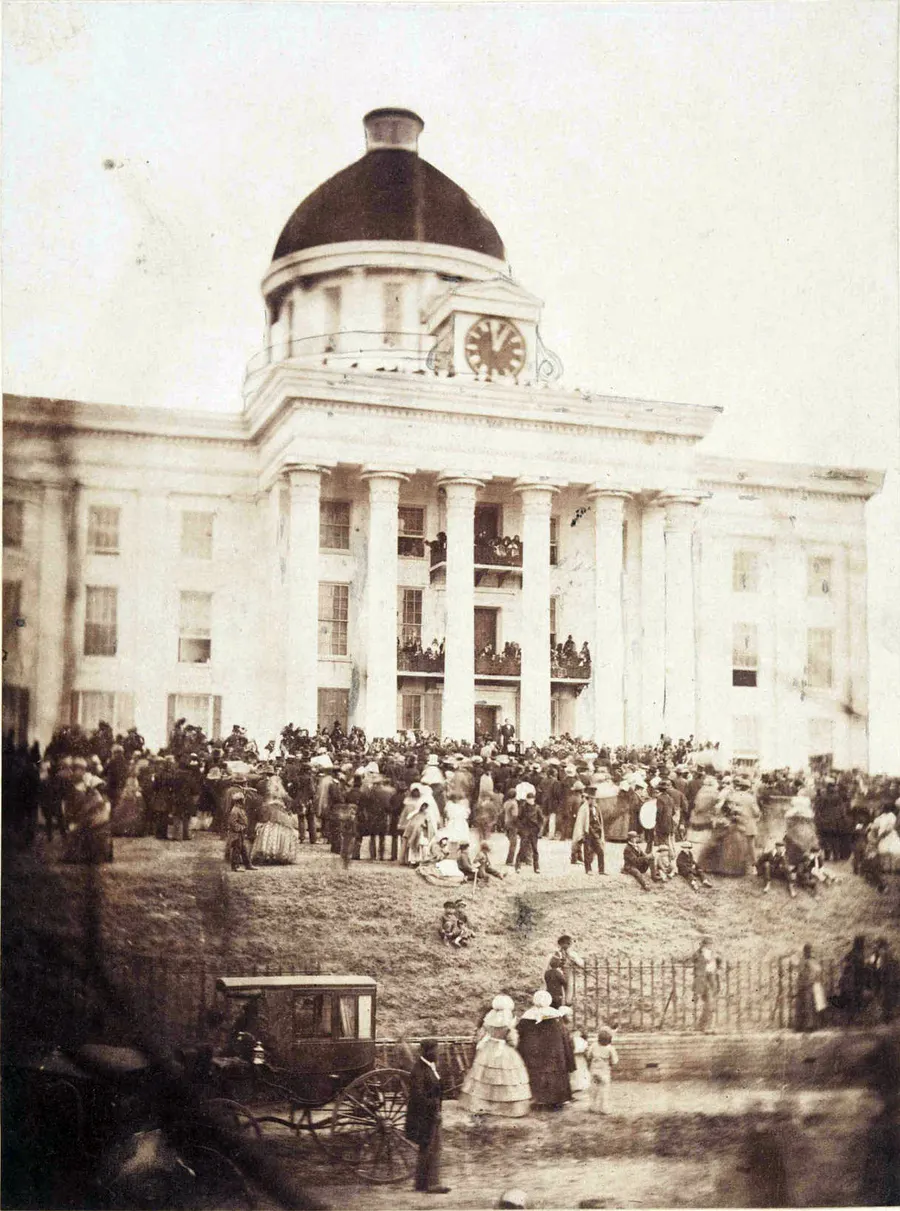
The crowd at the inauguration of Jefferson Davis in front of the state capitol at Montgomery, Alabama, on 18 February 1861.
Image creditArchibald Crossland McIntyre of Montgomery, Alabama · Public domainResized and cropped for display.

Jefferson Davis is sworn in as president of the Confederacy

After Abraham Lincoln’s election in November 1860, seven slave-holding states of the Deep South voted to leave the United States. Their delegates met at Montgomery, Alabama, in February 1861, formed the Confederate States of America and chose Jefferson Davis of Mississippi, a former US senator and secretary of war, as provisional president.

Davis was sworn in on the portico of the Alabama state capitol on 18 February 1861. He sent commissioners to Washington to seek a peaceful separation, but Lincoln would not receive them. Two months later Confederate guns fired on Fort Sumter and the Civil War began.

Read the full storyHistory & Timeline →Source: Encyclopaedia Britannica: Jefferson Davis ↗
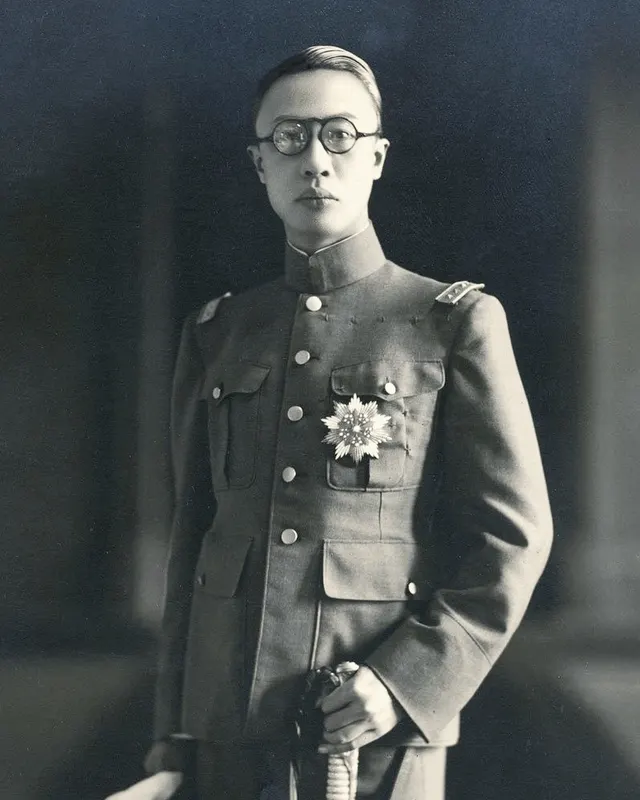
Puyi, the former emperor of China, in uniform during his years as ruler of Manchukuo.
Image creditUnknown authorUnknown author · Public domainResized and cropped for display.

Japan’s army sets up a puppet state in Manchuria

In September 1931 officers of Japan’s Kwantung Army staged an explosion on a Japanese-owned railway near Mukden (now Shenyang) and blamed it on the Chinese. Using it as a pretext, and without the approval of the government in Tokyo, the army overran all of Manchuria within months.

On 18 February 1932 a council of Manchurian leaders, working under Japanese control, declared the region independent of China. On 1 March the new state of Manchukuo was proclaimed, with Puyi, the last emperor of China, as its head. Few countries recognised it, and when the League of Nations condemned the takeover, Japan walked out of the League.

Read the full storyHistory & Timeline →Source: US Department of State, Office of the Historian: the Mukden Incident of 1931 and the Stimson Doctrine ↗
♙
PEOPLE

Born Today

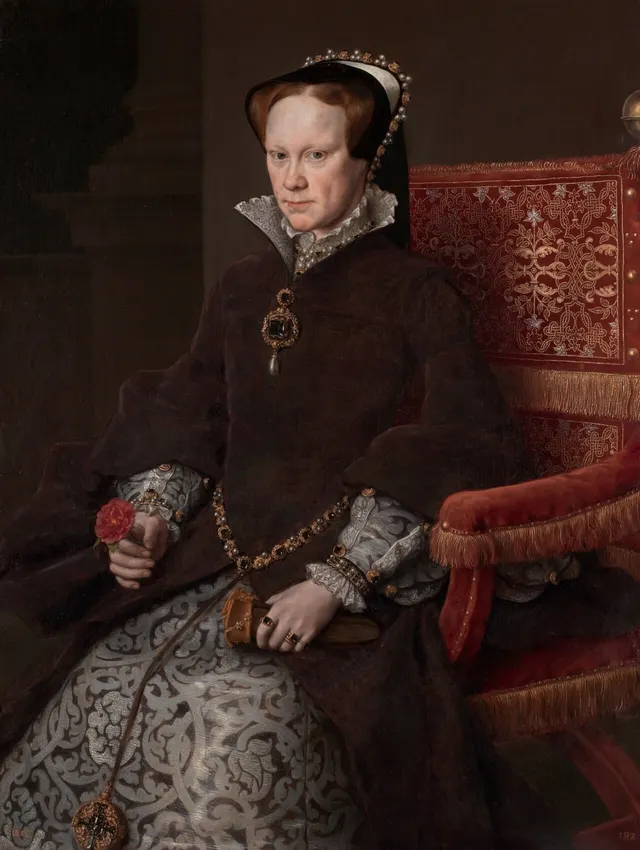
Mary I
Image creditAntonis Mor · Public domainResized and cropped for display.

Mary I

Queen of England from 1553 to 1558, who tried to restore the Catholic Church.

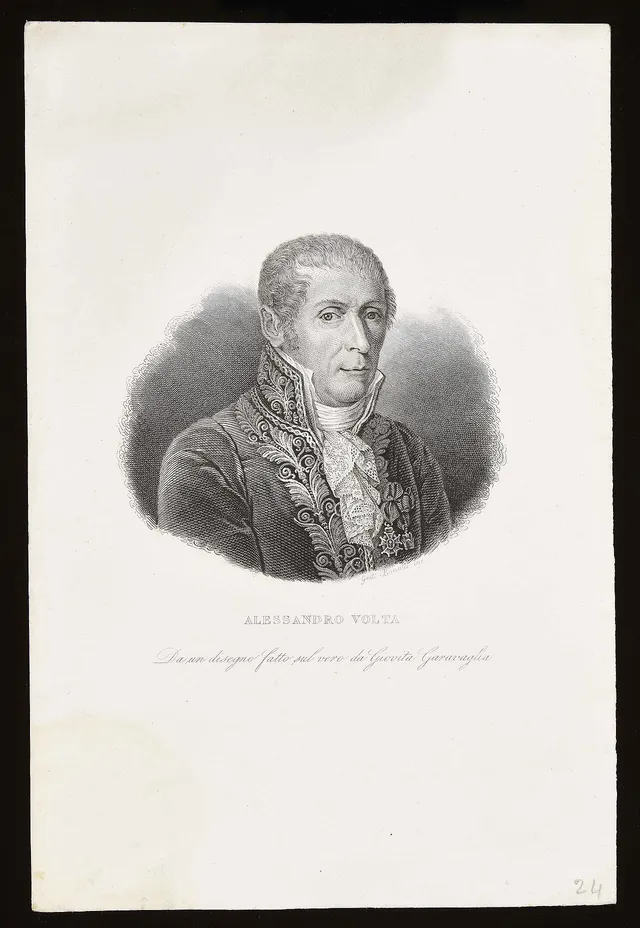
Alessandro Volta
Image creditGaetano Bonatti · CC0Resized and cropped for display.

Alessandro Volta

Italian physicist who invented the electric battery; the volt is named after him.

Miloš Forman
Image creditSkrnik · CC BY-SA 4.0Resized and cropped for display.

Miloš Forman

Czech-born film director of One Flew Over the Cuckoo’s Nest and Amadeus.

John Travolta
Image creditRON RAFFETY · CC BY-SA 2.0Resized and cropped for display.

John Travolta

American actor of Saturday Night Fever, Grease and Pulp Fiction.

Roberto Baggio
Image creditAbolfaZl0990 · CC BY-SA 4.0Resized and cropped for display.

Roberto Baggio

Italian footballer, World Player of the Year in 1993.

◉
IDEAS THAT CHANGED THINGS

Firsts, Science & Discoveries

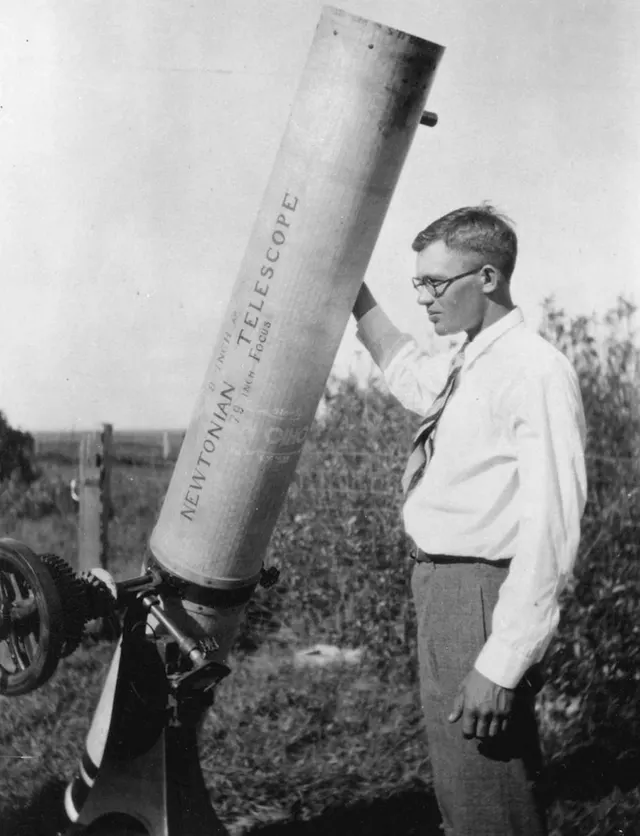
Clyde Tombaugh with his home-made telescope, around 1930.
Image creditUnknown authorUnknown author · Public domainResized and cropped for display.

Clyde Tombaugh finds Pluto

The astronomer Percival Lowell was convinced that an unknown ‘Planet X’ lay beyond Neptune, and after his death his observatory at Flagstaff, Arizona, resumed the search. It hired Clyde Tombaugh, a 22-year-old farm boy from Kansas who had built his own telescopes, to take photographs of the night sky.

Tombaugh compared pairs of plates taken days apart in a blink comparator, flicking between them to spot anything that had moved against the stars. On 18 February 1930, examining plates taken in January, he found a faint moving dot. The discovery was announced on 13 March, and the new world was named Pluto. In 2006 astronomers reclassified it as a dwarf planet.

Read the full storyHistory & Timeline →Source: Encyclopaedia Britannica: Clyde Tombaugh ↗
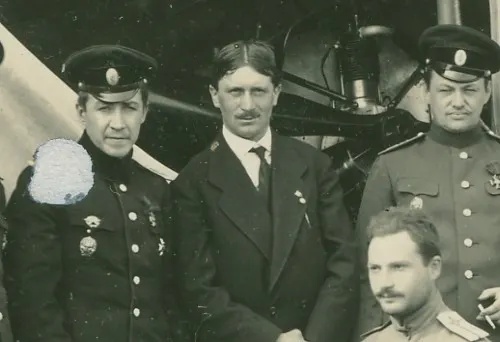
The French pilot Henri Pequet with his Russian flying pupils in Moscow, June 1914.
Image creditUnknown authorUnknown author · Public domainResized and cropped for display.

The world’s first official airmail is flown in India

In February 1911 an exhibition at Allahabad (now Prayagraj) in northern India drew huge crowds to see aeroplanes, then a great novelty. The organisers arranged, with the approval of the Indian postal service, for mail to be carried by air as a demonstration.

On 18 February 1911 the 23-year-old French pilot Henri Pequet took off in a Humber-Sommer biplane with a sack of about 6,500 letters and cards and flew across the Yamuna river to Naini, a few miles away. It was the first official airmail carried by aeroplane anywhere in the world.

Read the full storyHistory & Timeline →Source: Smithsonian National Postal Museum: world’s first official air mail by airplane, India, 1911 ↗
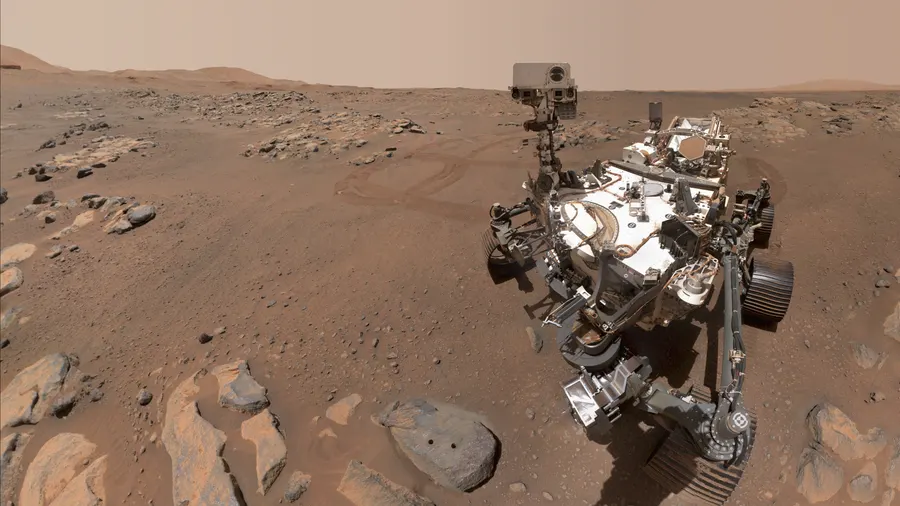
Perseverance photographs itself beside a rock nicknamed 'Rochette', with two holes it drilled for samples, on Mars in September 2021.
Perseverance photographs itself beside a rock nicknamed ‘Rochette’, with two holes it drilled for samples, on Mars in September 2021.
Image creditNASA/JPL-Caltech · Public domainResized and cropped for display.

The Perseverance rover lands on Mars

NASA’s Perseverance rover, about the size of a car, was launched in July 2020 to look for signs of ancient microbial life on Mars and to collect rock samples that a later mission might bring back to Earth. Its target was Jezero Crater, which scientists believe once held a lake fed by a river delta.

After a journey of seven months, it landed in the crater on 18 February 2021, lowered on cables from a rocket-powered ‘sky crane’. It carried a small helicopter, Ingenuity, which that April made the first powered, controlled flight on another planet.

Read the full storyHistory & Timeline →Source: NASA Jet Propulsion Laboratory: touchdown! NASA’s Mars Perseverance rover safely lands on Red Planet ↗
✦
LIVES REMEMBERED

Remembered Today

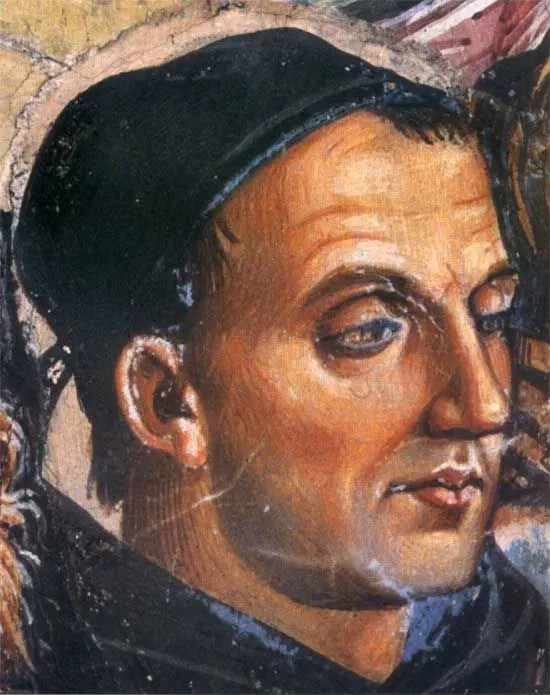
Fra Angelico
Image creditLuca Signorelli · Public domainResized and cropped for display.

Fra Angelico

Italian friar and painter of the frescoes in the convent of San Marco, Florence.

Martin Luther
Image creditLucas Cranach the Elder · Public domainResized and cropped for display.

Martin Luther

German monk whose challenge to the Church began the Protestant Reformation.

HISTORY & TIMELINE

Finished the highlights?

Follow 18 February chronologically, from the Middle Ages to the modern day, with 7 verified events and the sources behind them.

This day through time →