Explore 19 February

Explore 19 February: Roosevelt signs Executive Order 9066, Japanese aircraft bomb Darwin, Huaynaputina erupts in Peru and Cyprus’s road to independence is agreed. Meet Copernicus, Brâncuși and Sócrates, born on this date.

This day through time →10 verified events across 5 eras

An 'I am an American' sign in the window of a Japanese American grocery in Oakland, California, photographed by Dorothea Lange in March 1942 after the owner was ordered to leave.
An ‘I am an American’ sign in the window of a Japanese American grocery in Oakland, California, photographed by Dorothea Lange in March 1942 after the owner was ordered to leave.
Image creditDorothea Lange · Public domainResized and cropped for display.

Roosevelt signs Executive Order 9066

On 19 February 1942, ten weeks after Pearl Harbor, President Franklin D. Roosevelt signed Executive Order 9066. It allowed the Secretary of War and his commanders to declare military areas from which ‘any or all persons may be excluded’. It did not name any group, but it was used to remove people of Japanese ancestry from the West Coast.

About 112,000 men, women and children, most of them American citizens, were forced into camps inland. In 1983 a federal commission found that the order had not been justified by military necessity, blaming ‘race prejudice, war hysteria and a failure of political leadership’.

Read the full storyHistory & Timeline →Source: National Archives: Executive Order 9066 (1942) ↗
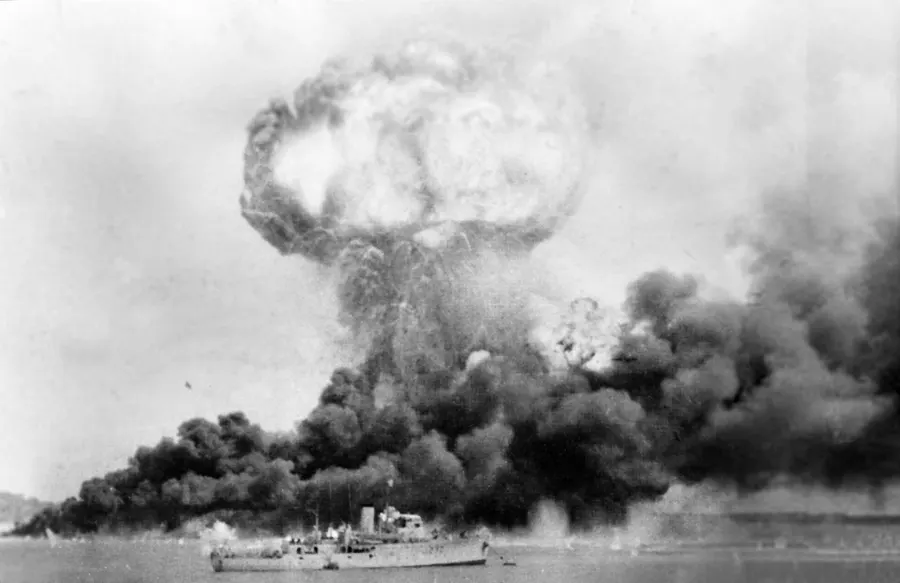
The ammunition ship MV Neptuna explodes in Darwin harbour during the first raid, 19 February 1942, with oil tanks burning behind; HMAS Deloraine is in the foreground.
Image creditRAN Historical Collection · Public domainResized and cropped for display.

Japanese aircraft bomb Darwin

On the morning of 19 February 1942 Japanese aircraft attacked Darwin in the first and largest air raid on mainland Australia. The first wave, of 188 aircraft from four carriers in the Timor Sea, was planned and led by the commander of the Pearl Harbor attack. A second raid by 54 land-based bombers followed before noon.

Ships were sunk in the harbour, aircraft destroyed and much of the town damaged. The official inquiry counted 243 dead; later estimates run a little higher. Darwin was raided many more times over the next 21 months.

Read the full storyHistory & Timeline →Source: Australian War Memorial: Darwin air raids ↗
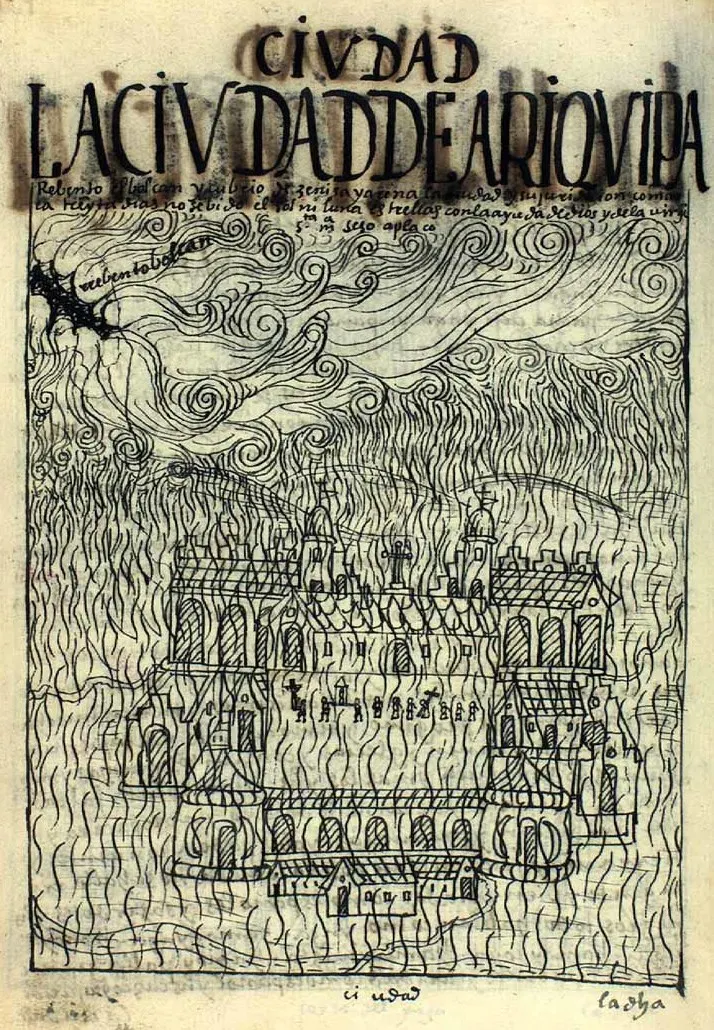
Ash falling on Arequipa during the eruption, in a drawing by the Andean chronicler Felipe Guaman Poma de Ayala, about 1615.
Image creditFelipe Huaman Puma de Ayala · Public domainResized and cropped for display.

Huaynaputina erupts in Peru

After several days of earthquakes, the Peruvian volcano Huaynaputina exploded on 19 February 1600, according to the Spanish chronicles that volcanologists use to reconstruct the event. It was the largest eruption in South America’s recorded history, throwing out around 30 cubic kilometres of ash and rock.

Ash buried villages and fell thickly on Arequipa, and mudflows reached the Pacific, 120 km away. Scientists have linked the eruption to cold summers and failed harvests far beyond the Andes in the years that followed.

Read the full storyHistory & Timeline →Source: Smithsonian Institution, Global Volcanism Program: Huaynaputina ↗
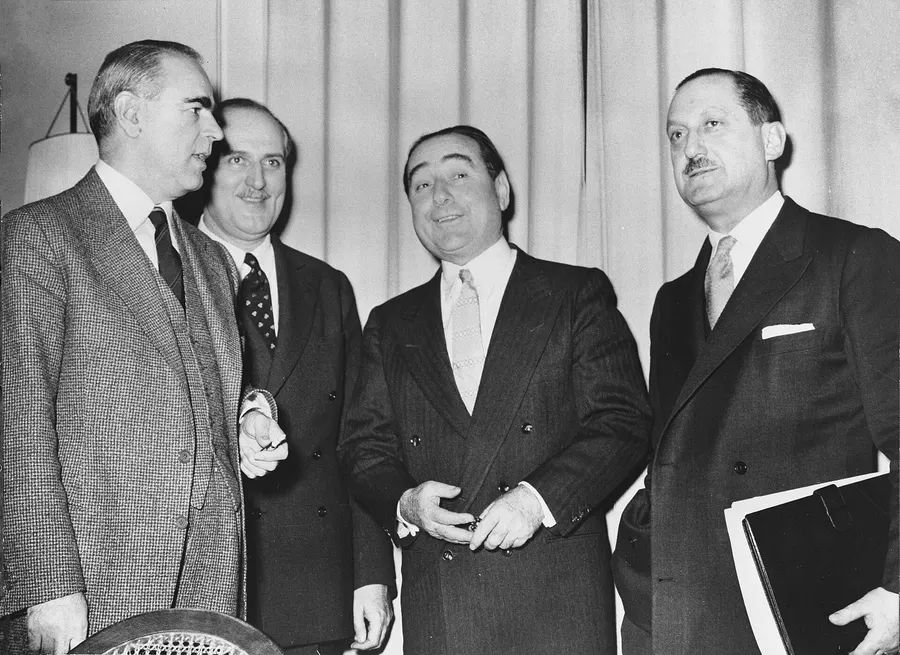
Greek and Turkish leaders at the Zurich talks on Cyprus, 10 February 1959: Konstantinos Karamanlis, Fatin Rüştü Zorlu, Adnan Menderes and Evangelos Averoff.
Image creditBehrens, Herbert / Anefo · CC BY 4.0Resized and cropped for display.

A deal is struck on Cypriot independence

At Lancaster House in London on 19 February 1959, Britain, Greece and Turkey, with Archbishop Makarios for the Greek Cypriots and Dr Fazıl Küçük for the Turkish Cypriots, accepted the settlement worked out at Zurich the week before. The documents were initialled that day.

The agreements laid down a constitution and three treaties of guarantee, alliance and establishment, under which Britain kept two military bases. Cyprus became an independent republic on 16 August 1960.

Read the full storyHistory & Timeline →Source: UK Parliament, Hansard: Cyprus (Agreement), 19 February 1959 ↗
♙
PEOPLE

Born Today

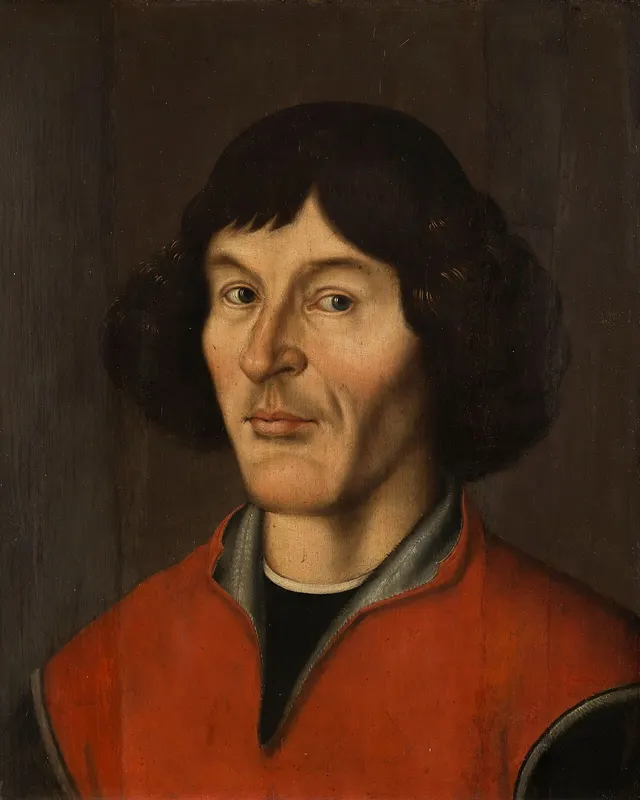
Nicolaus Copernicus
Image creditUnknown authorUnknown author · Public domainResized and cropped for display.

Nicolaus Copernicus

Polish astronomer whose book On the Revolutions of the Heavenly Spheres put the Sun, not the Earth, at the centre of the planets’ orbits.

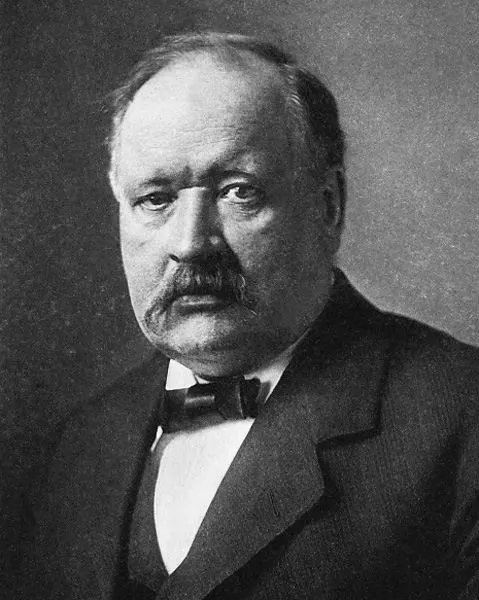
Svante Arrhenius
Image creditMeisenbach Riffarth & Co. · Public domainResized and cropped for display.

Svante Arrhenius

Swedish chemist who won the 1903 Nobel Prize in Chemistry and was among the first to calculate how carbon dioxide warms the Earth.

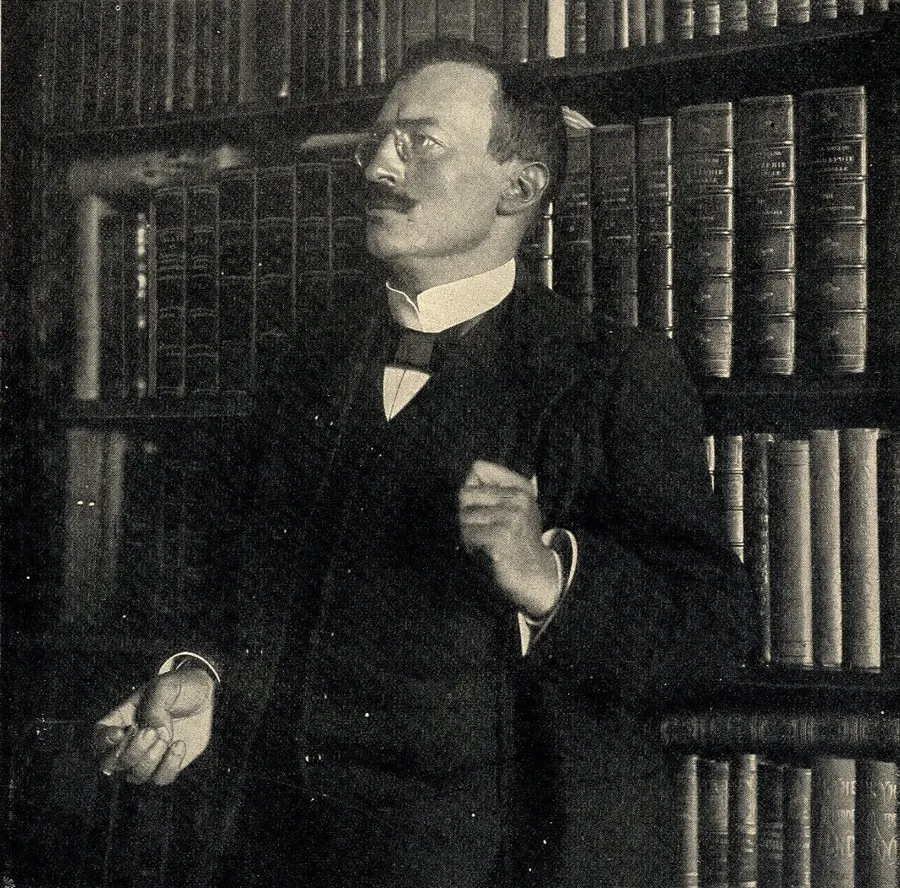
Sven Hedin
Image creditAnton Blomberg · Public domainResized and cropped for display.

Sven Hedin

Swedish explorer who mapped large parts of Central Asia and Tibet on expeditions spanning more than forty years.

Constantin Brâncuși
Image creditEdward Steichen · Public domainResized and cropped for display.

Constantin Brâncuși

Romanian sculptor who worked in Paris and pared forms down to their essence, as in Bird in Space.

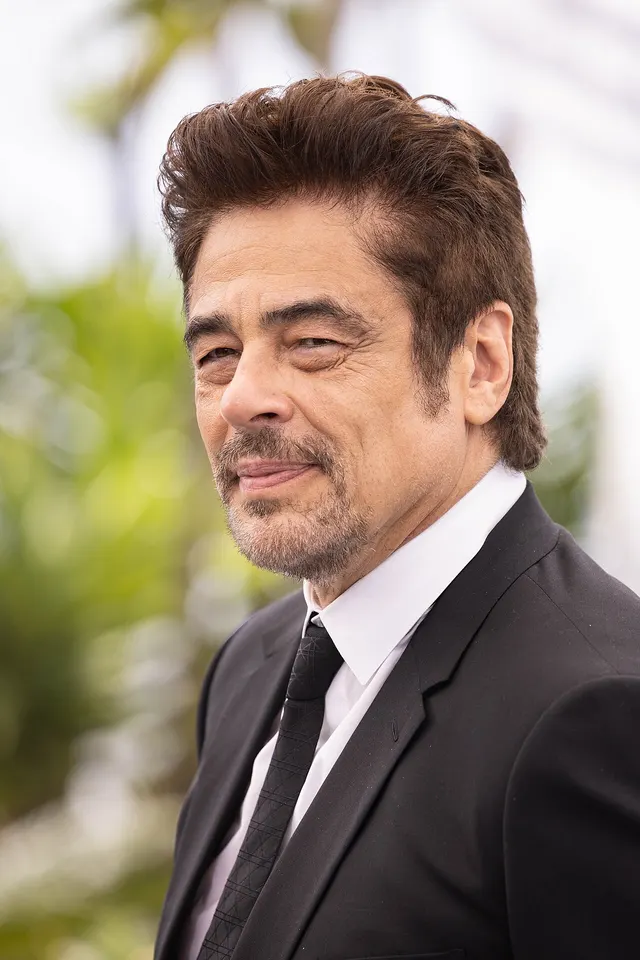
Benicio del Toro
Image creditHarald Krichel · CC BY-SA 4.0Resized and cropped for display.

Benicio del Toro

Puerto Rican actor who won an Oscar for Traffic.

◉
IDEAS THAT CHANGED THINGS

Firsts, Science & Discoveries

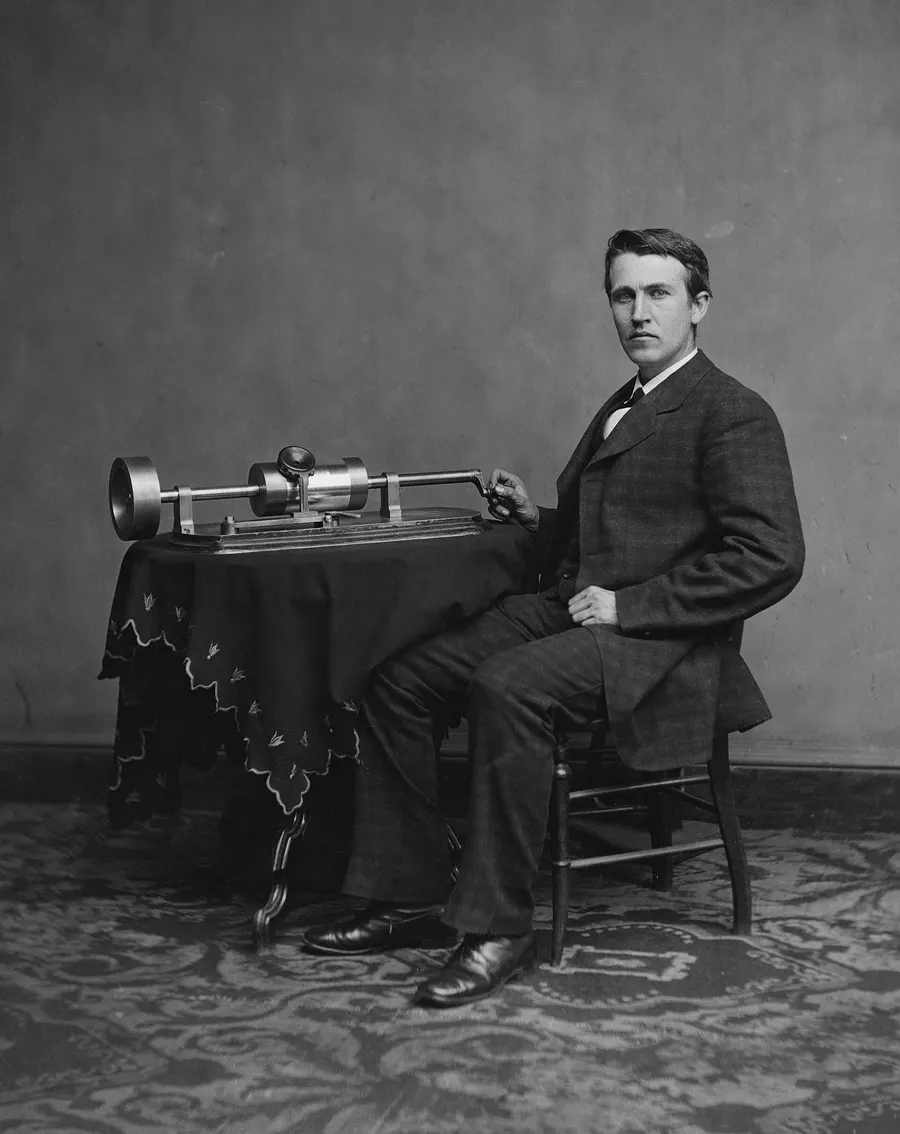
Thomas Edison with his tinfoil phonograph, photographed at Mathew Brady's studio.
Thomas Edison with his tinfoil phonograph, photographed at Mathew Brady’s studio.
Image creditLevin C. Handy (per http://hdl.loc.gov/loc.pnp/cwpbh.04326) · Public domainResized and cropped for display.

Edison is granted the phonograph patent

Thomas Edison’s patent for the phonograph was issued on 19 February 1878. He had filed it on 24 December 1877, only weeks after his workshop at Menlo Park built the first machine, which recorded sound as dents in a sheet of tinfoil wrapped round a turning cylinder.

It was the first machine that could both record sound and play it back, and it made Edison famous. The tinfoil was fragile, and practical wax-cylinder phonographs arrived only in the late 1880s.

Read the full storyHistory & Timeline →Source: Library of Congress: History of the cylinder phonograph ↗
✦
LIVES REMEMBERED

Remembered Today

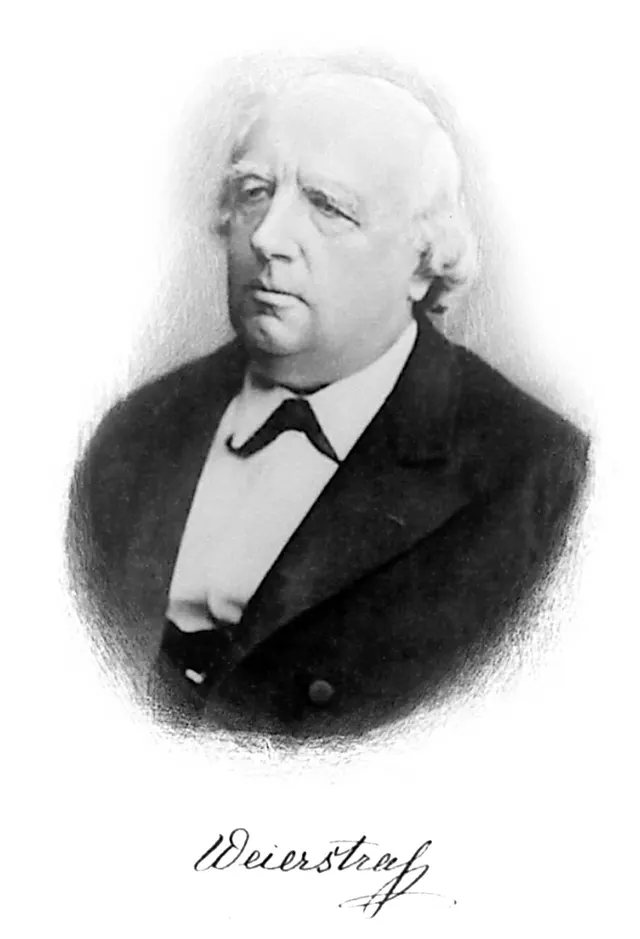
Karl Weierstrass
Image creditUnknown author · Public domainResized and cropped for display.

Karl Weierstrass

German mathematician who put calculus on rigorous foundations and is often called the father of modern analysis.

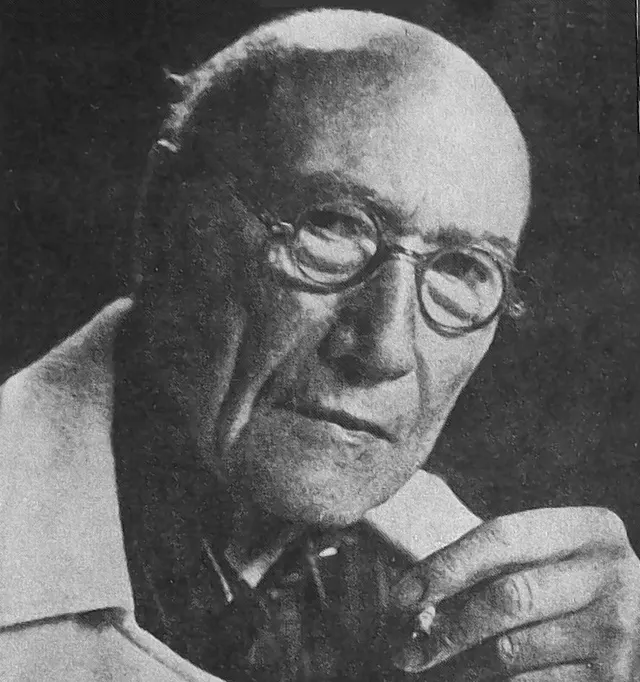
Knut Hamsun
Image creditAnders Beer Wilse · CC BY 2.0Resized and cropped for display.

Knut Hamsun

Norwegian novelist of Hunger and Nobel laureate, whose reputation was damaged by his support for the Nazi occupation.

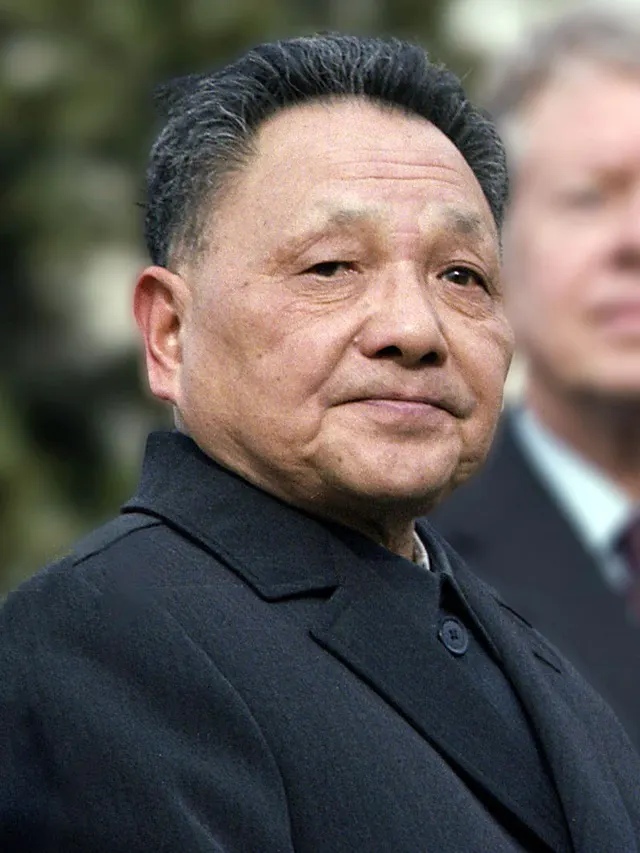
Deng Xiaoping
Image creditUnknown authorUnknown author · Public domainResized and cropped for display.

Deng Xiaoping

Chinese leader who opened China’s economy to markets and foreign investment from the late 1970s.

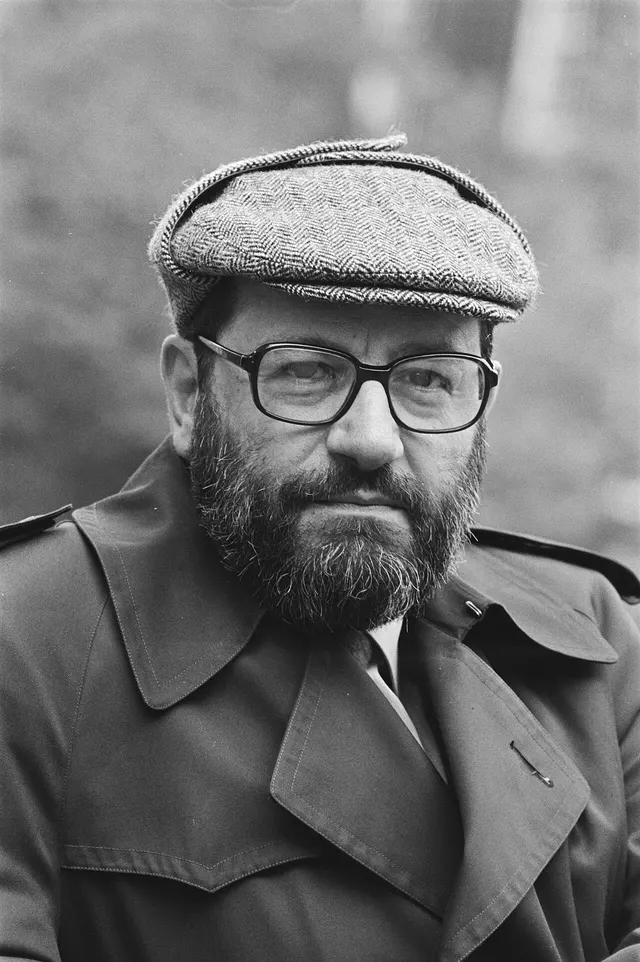
Umberto Eco
Image creditRob Bogaerts for Anefo · CC0Resized and cropped for display.

Umberto Eco

Italian scholar of signs and author of the novel The Name of the Rose.

☉
AROUND THE WORLD

Observances & Anniversaries

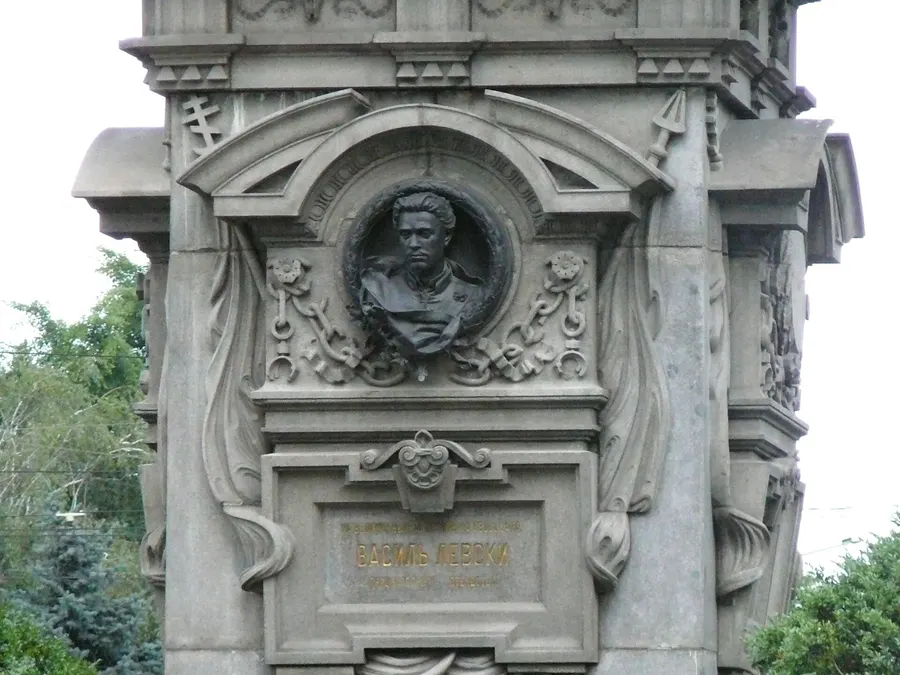
The monument in Sofia that marks the place where Vasil Levski was hanged, completed in 1895.
Image creditElena Chochkova · CC BY-SA 3.0Resized and cropped for display.

Remembering Vasil Levski (Bulgaria)

Bulgaria remembers Vasil Levski, the ‘Apostle of Freedom’, who organised a secret revolutionary network against Ottoman rule and was hanged near Sofia in 1873. Because of a long-standing mix-up over the date, some towns mark the anniversary on 18 February, while the main ceremony, attended by the country’s leaders, is held on 19 February at his monument in central Sofia.

Source: BTA, Bulgarian News Agency: Bulgaria commemorates national hero Vasil Levski ↗
HISTORY & TIMELINE

Finished the highlights?

Follow 19 February chronologically, from the Middle Ages to the modern day, with 10 verified events and the sources behind them.

This day through time →