Explore 24 February

Explore 24 February: Estonia declares independence, the Pope issues the bull that created the Gregorian calendar, a French king is captured at Pavia and the Gulf War’s ground offensive begins. Meet Steve Jobs, Winslow Homer and Wilhelm Grimm, born on this date.

This day through time →9 verified events across 4 eras

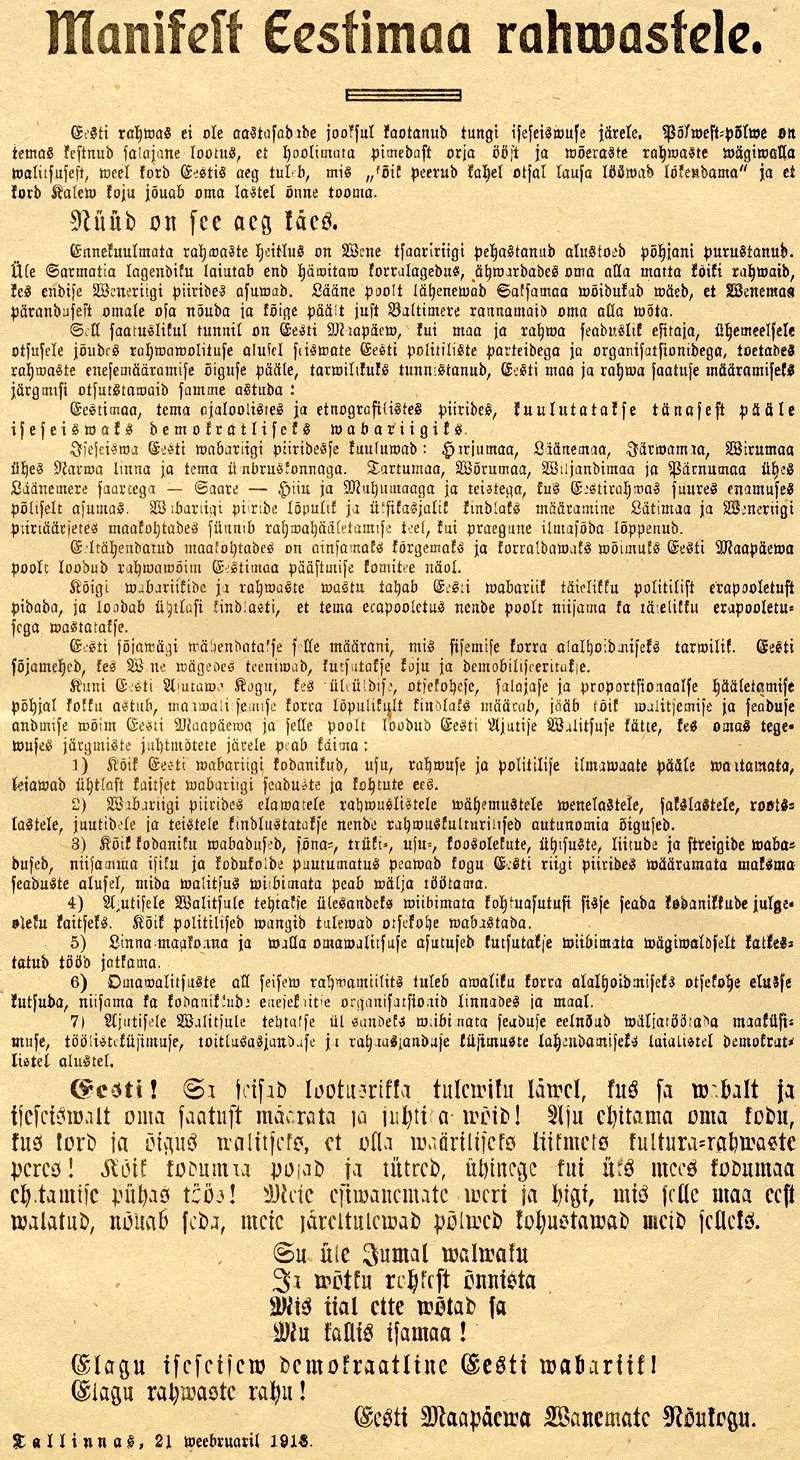
The 'Manifesto to all the peoples of Estonia', the country's declaration of independence, 1918.
The ‘Manifesto to all the peoples of Estonia’, the country’s declaration of independence, 1918.
Image creditThe Elders of Estonian National Council · Public domainResized and cropped for display.

Estonia declares independence

On 24 February 1918, in the gap between the retreating Russian army and the advancing Germans, the Estonian National Council’s committee of elders issued a ‘Manifesto to all the peoples of Estonia’ declaring an independent democratic republic. It promised equal rights to all citizens, including the country’s minorities.

German troops entered Tallinn the next day, but after Germany’s defeat that November and a war against Soviet Russia, Estonia’s independence was recognised in 1920. The declaration’s anniversary is Estonia’s national day.

Read the full storyHistory & Timeline →Source: Office of the President of Estonia: Declaration of Independence ↗
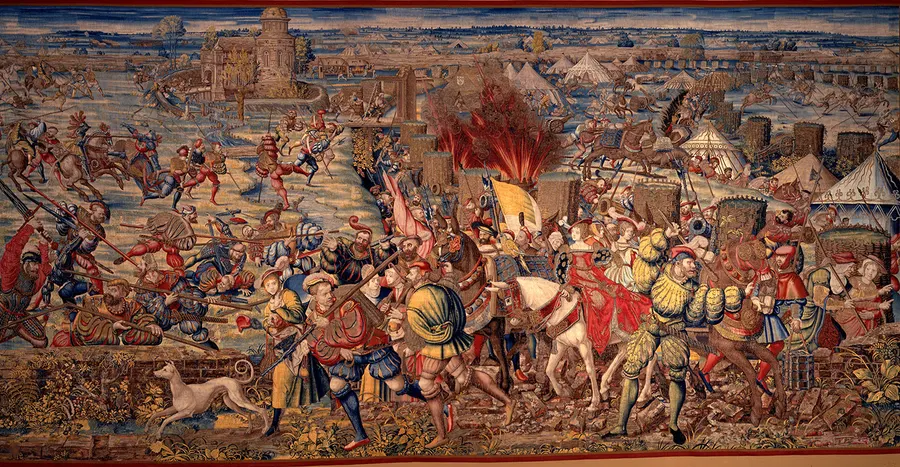
The Battle of Pavia in a Brussels tapestry designed by Bernard van Orley, about 1528-31.
Image creditBernard van Orley · Public domainResized and cropped for display.

Francis I of France is captured at Pavia

On 24 February 1525, outside the walls of Pavia in northern Italy, the army of the Holy Roman Emperor Charles V destroyed the French army besieging the city. Its Spanish arquebusiers cut down the French cavalry, and King Francis I himself was taken prisoner. The battle fell on Charles’s 25th birthday.

Francis was taken to Spain and held for more than a year, until he signed the Treaty of Madrid giving up his claims in Italy, which he disowned as soon as he was free. The victory confirmed Habsburg power in Italy.

Read the full storyHistory & Timeline →Source: Encyclopaedia Britannica: Battle of Pavia ↗
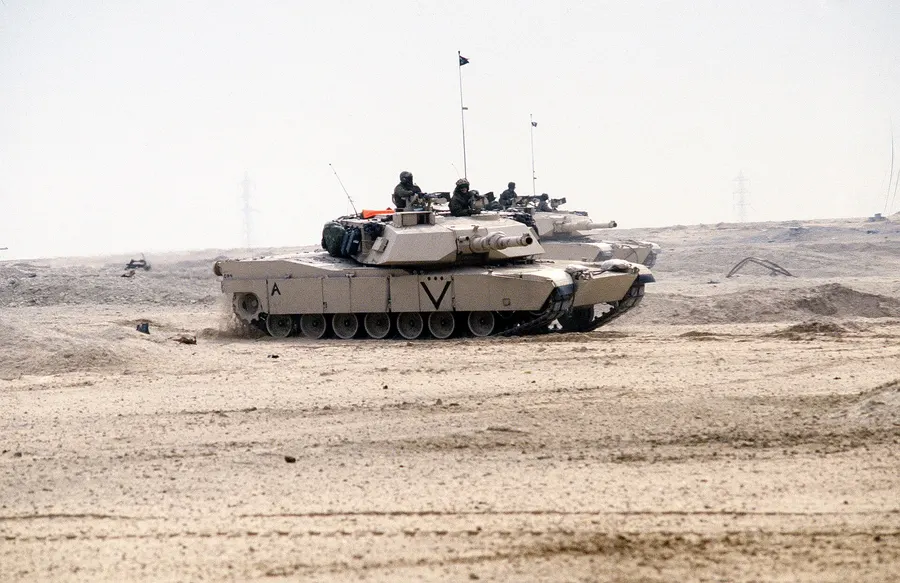
US Marine Corps M1A1 Abrams tanks cross the desert in Kuwait during the ground offensive, dated 24 February 1991.
Image creditDepartment of Defense. American Forces Information Service. Defense Visual Information Center. 1994 · Public domainResized and cropped for display.

The Gulf War’s ground offensive begins

After more than five weeks of air attacks, the US-led coalition launched its ground offensive against Iraq’s forces in Kuwait and southern Iraq on 24 February 1991. Armoured columns swept north from Saudi Arabia, and a wide flanking move cut deep into Iraq.

Within three days Kuwait City had been retaken. A ceasefire was declared about 100 hours after the ground war began, ending the war that had started with Iraq’s invasion of Kuwait the previous August.

Read the full storyHistory & Timeline →Source: Naval History and Heritage Command: Operation Desert Storm in February-March 1991 ↗
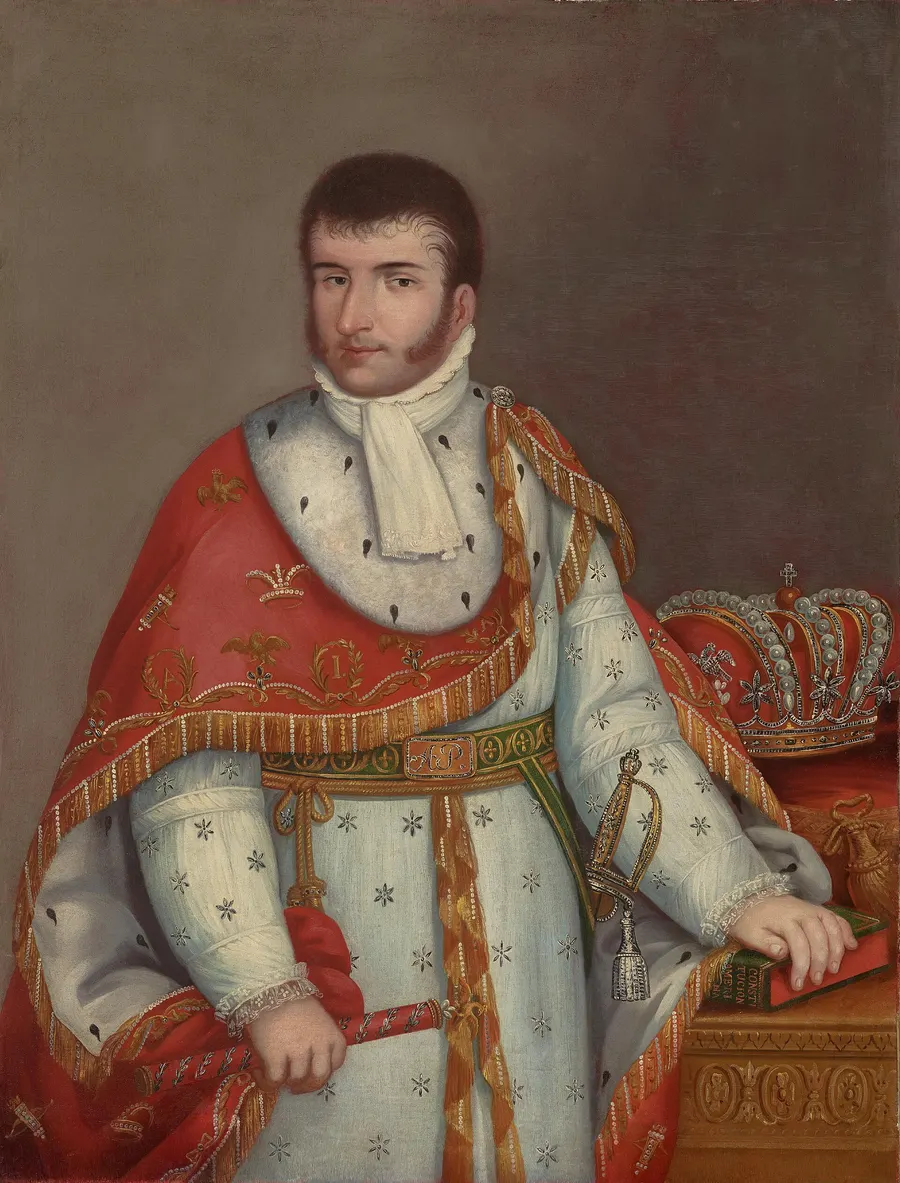
Agustín de Iturbide as emperor of Mexico, in a 19th-century portrait.
Image creditJosephus Arias Huarte (Mexican, active 19th century) · CC BY-SA 4.0Resized and cropped for display.

Iturbide proclaims the Plan of Iguala

On 24 February 1821 Agustín de Iturbide, a royalist officer who had changed sides, proclaimed the Plan of Iguala, calling for Mexico’s independence from Spain. It rested on three guarantees: independence, the Catholic faith and the union of Mexicans born in America and in Spain.

The plan won over most of the country’s powerful groups, and that August Spain’s last viceroy accepted Mexican independence in the Treaty of Córdoba. Iturbide briefly made himself emperor in 1822. The tricolour banner of his Army of the Three Guarantees was the ancestor of Mexico’s flag.

Read the full storyHistory & Timeline →Source: Library of Congress: Plan of Iguala, February 24, 1821 ↗
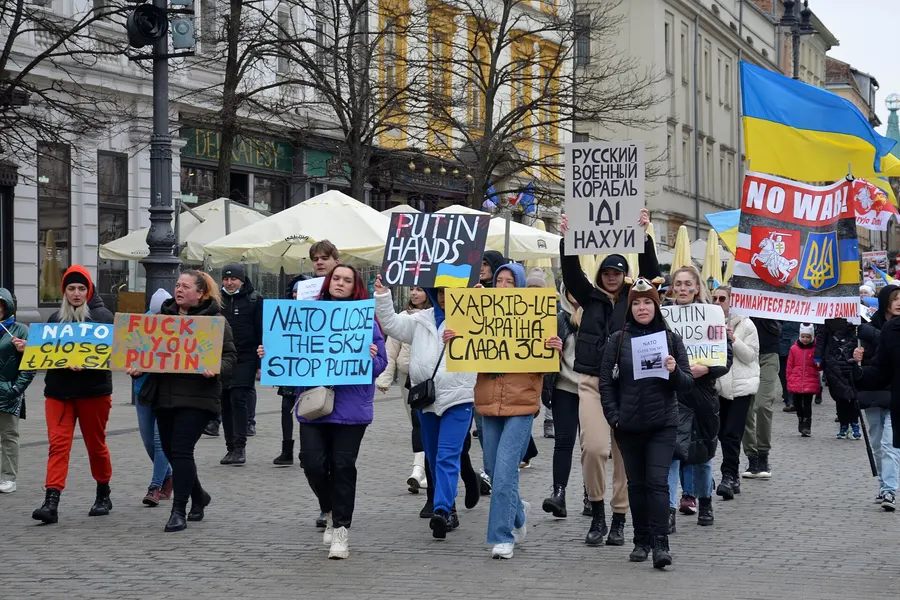
People who have fled Ukraine waiting at a help point in Kraków, Poland, March 2022.
People who have fled Ukraine at a help point in Kraków, Poland, in March 2022. Within weeks of the invasion, millions had crossed into neighbouring countries.
Image creditSilar · CC BY-SA 4.0Resized and cropped for display.

Russia launches a full-scale invasion of Ukraine

In the early hours of 24 February 2022, Russia launched a full-scale invasion of Ukraine from the north, east and south, with missile strikes on cities across the country. It was the largest attack on a European state since the Second World War and followed eight years of conflict that began with Russia’s seizure of Crimea in 2014.

Ukraine’s forces held Kyiv, and Russian troops withdrew from the north of the country within weeks, but fighting continued along a long front in the east and south. Millions of people left their homes, and the war brought sanctions, an energy crisis and the biggest refugee movement in Europe since 1945. The conflict is still going on, and this entry records only how it began.

Read the full storyHistory & Timeline →Source: UNHCR: Ukraine emergency ↗
♙
PEOPLE

Born Today

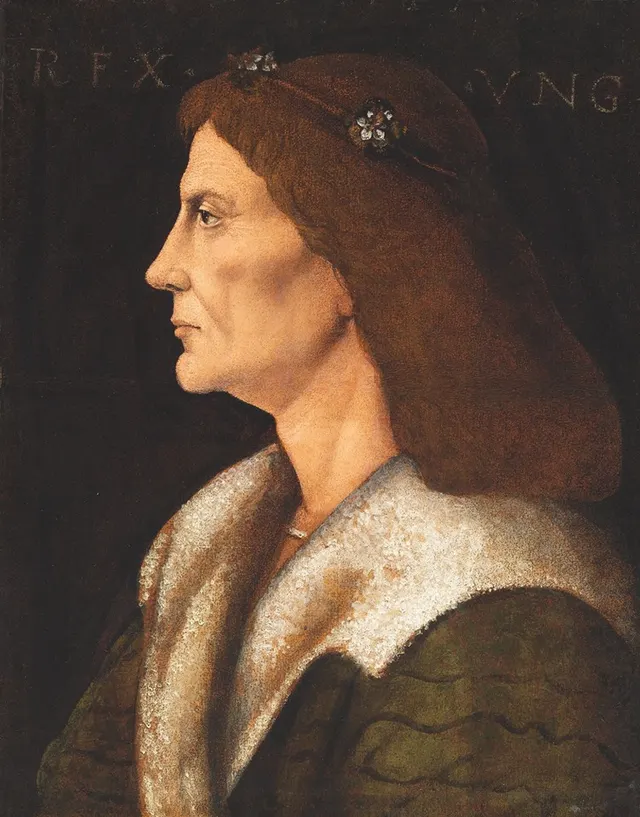
Matthias Corvinus
Image creditAndrea Mantegna · Public domainResized and cropped for display.

Matthias Corvinus

King of Hungary from 1458, a Renaissance patron whose court and great library made Buda a centre of learning.

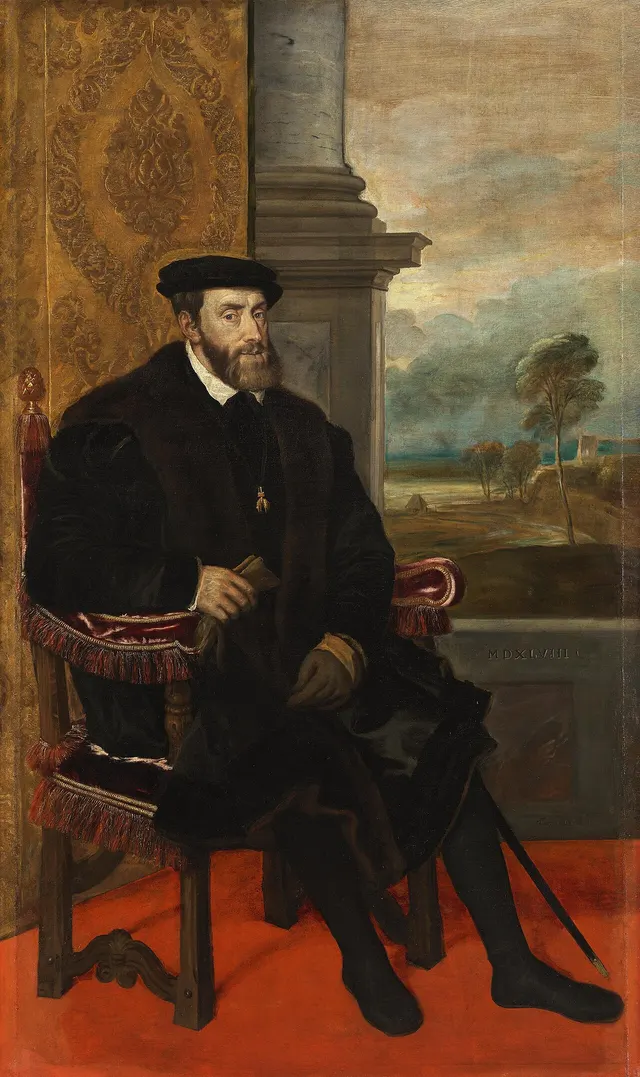
Charles V
Image creditAttributed to Titian · Public domainResized and cropped for display.

Charles V

Habsburg ruler of Spain, the Netherlands and the Holy Roman Empire, whose lands stretched from Europe to the Americas.

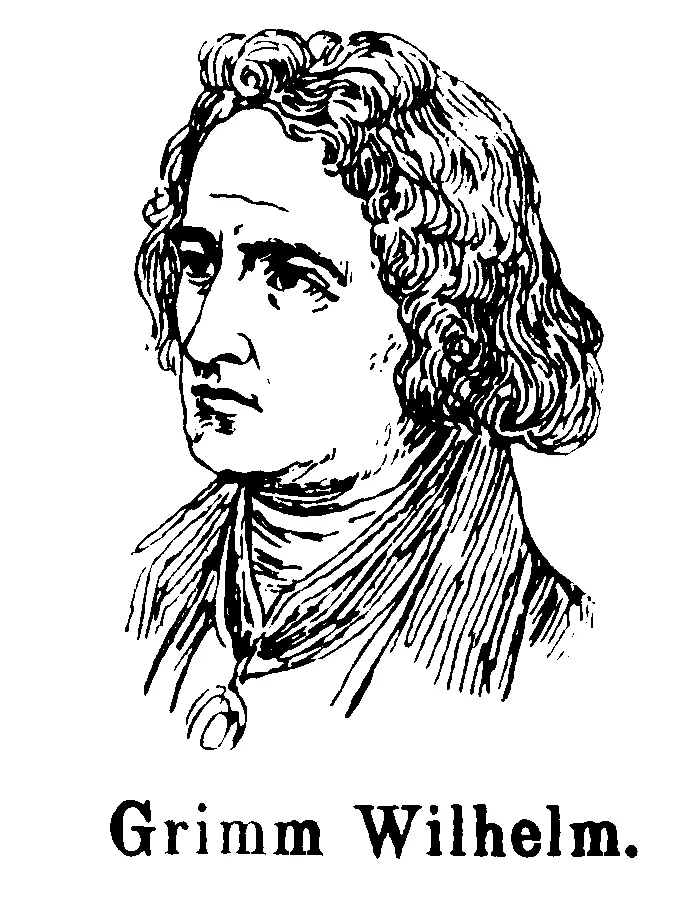
Wilhelm Grimm
Image creditState22 · CC BY-SA 3.0Resized and cropped for display.

Wilhelm Grimm

German scholar who, with his brother Jacob, collected and published Grimms’ Fairy Tales.

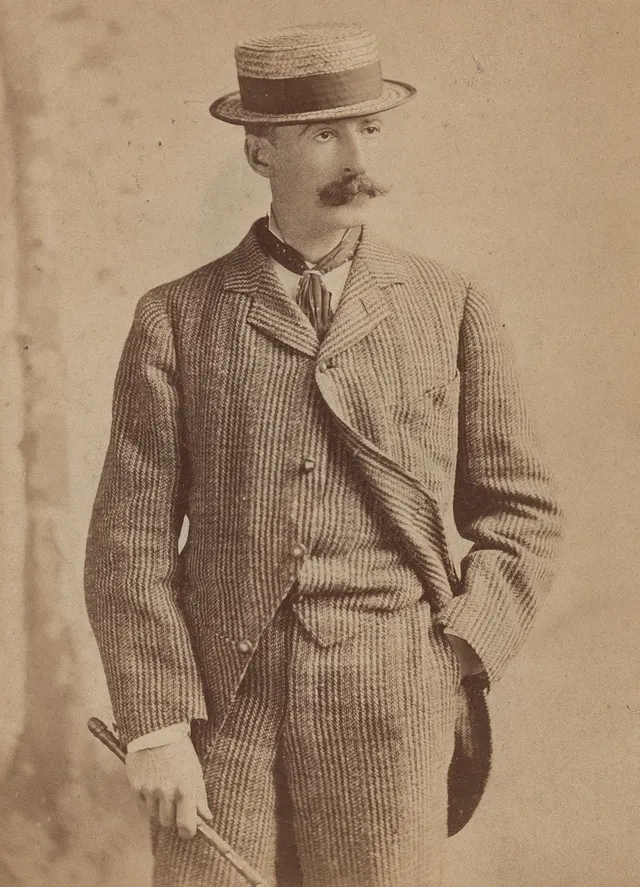
Winslow Homer
Image creditNapoleon Sarony · Public domainResized and cropped for display.

Winslow Homer

American painter of the sea and of rural life, one of the great artists of 19th-century America.

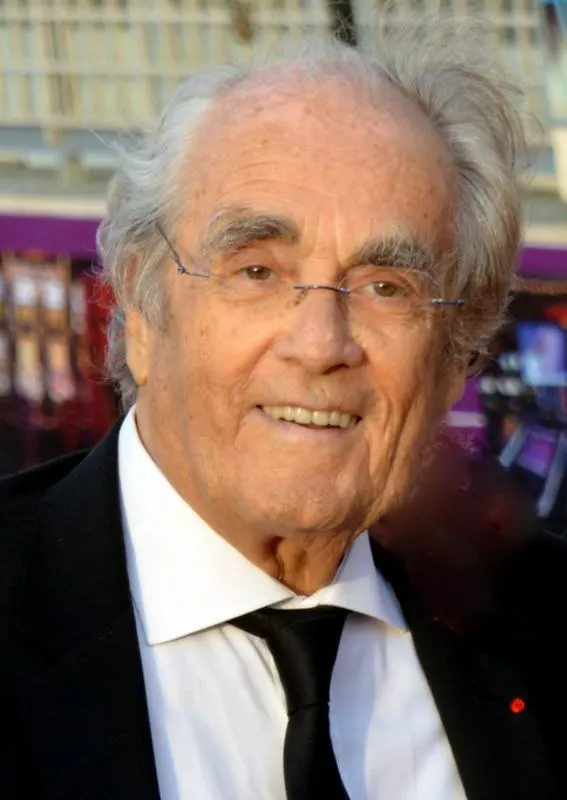
Michel Legrand
Image creditGeorges Biard · CC BY-SA 3.0Resized and cropped for display.

Michel Legrand

French composer of film scores including The Umbrellas of Cherbourg, winner of three Oscars.

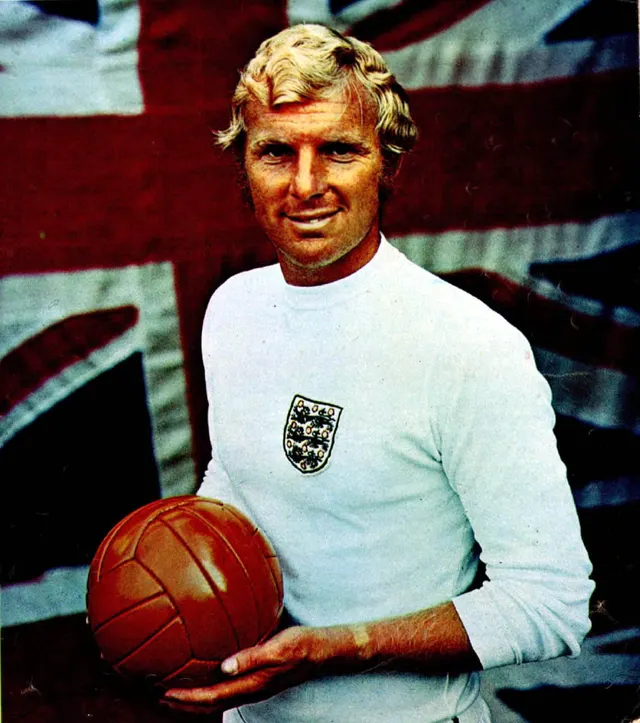
Denis Law
Image creditDanny Molyneux · CC BY 2.0Resized and cropped for display.

Denis Law

Scottish footballer, Manchester United’s goalscoring star of the 1960s and European Footballer of the Year in 1964.

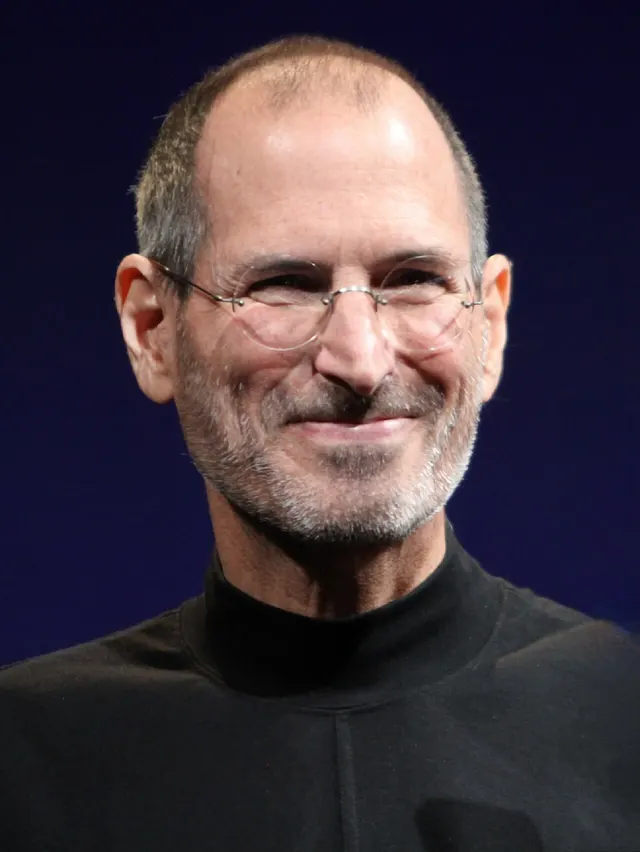
Steve Jobs
Image creditMatthew Yohe · CC BY-SA 3.0Resized and cropped for display.

Steve Jobs

American co-founder of Apple, who led the creation of the Macintosh, the iPod and the iPhone.

Alain Prost
Image creditThesupermat · CC BY-SA 4.0Resized and cropped for display.

Alain Prost

French racing driver who won the Formula One world championship four times.

◉
IDEAS THAT CHANGED THINGS

Firsts, Science & Discoveries

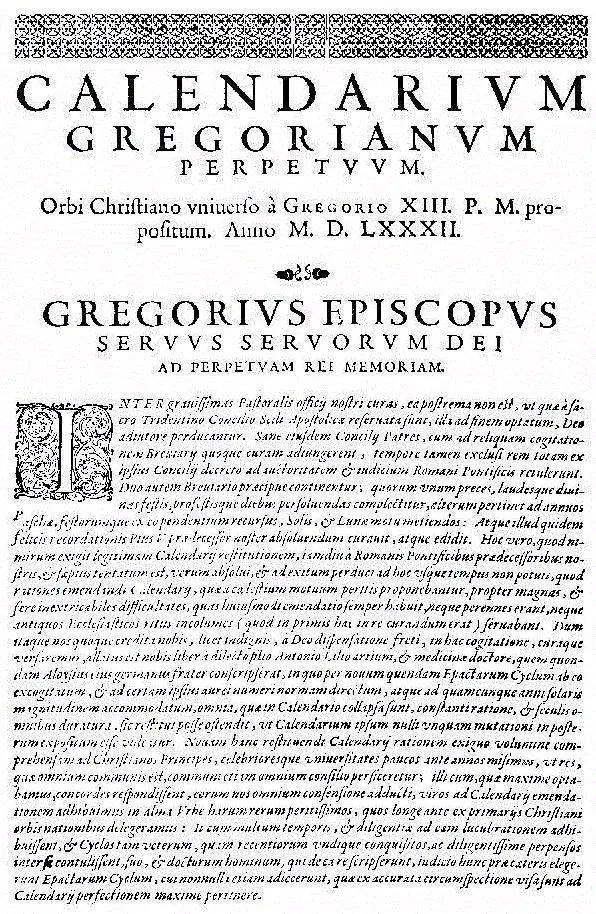
The first page of the papal bull Inter gravissimas, 1582.
Image creditGregory XIII · Public domainResized and cropped for display.

Pope Gregory XIII decrees a new calendar

On 24 February 1582 Pope Gregory XIII issued the bull Inter gravissimas, reforming the calendar. The Julian calendar’s year was about eleven minutes too long, and over the centuries the spring equinox, and with it the date of Easter, had drifted by ten days.

The bull ordered that 4 October 1582 be followed by 15 October, and it changed the leap-year rule so that century years are leap years only if divisible by 400. Catholic countries followed quickly; Britain waited until 1752 and Russia until 1918.

Read the full storyHistory & Timeline →Source: Encyclopaedia Britannica: Inter gravissimas ↗
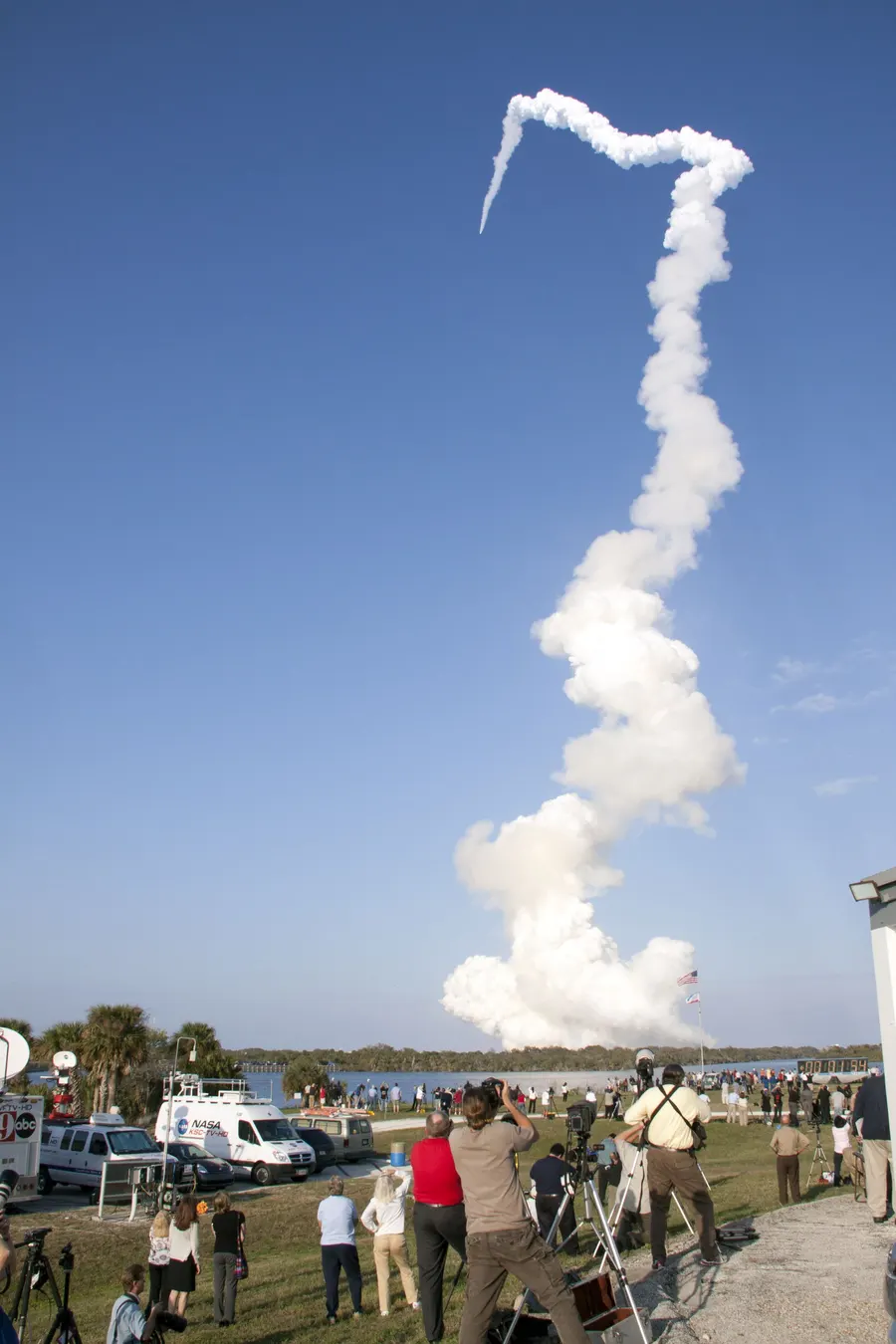
Space Shuttle Discovery climbs away from Kennedy Space Center on its final mission, STS-133, February 2011.
Image creditNASA/Troy Cryder · Public domainResized and cropped for display.

Space Shuttle Discovery launches for the last time

Space Shuttle Discovery lifted off from Kennedy Space Center in Florida at 4.53 in the afternoon on 24 February 2011 on its 39th and final mission. Its six crew delivered a storage module and Robonaut 2, a humanoid robot helper, to the International Space Station.

Discovery landed on 9 March after 13 days in space, and retired as the most-flown shuttle. It is now displayed at the Smithsonian’s Steven F. Udvar-Hazy Center in Virginia.

Read the full storyHistory & Timeline →Source: NASA: STS-133 ↗
✦
LIVES REMEMBERED

Remembered Today

Georg Christoph Lichtenberg
Image creditH. Schwenterle · Public domainResized and cropped for display.

Georg Christoph Lichtenberg

German physicist and writer of witty aphorisms, who discovered the branching electrical patterns named after him.

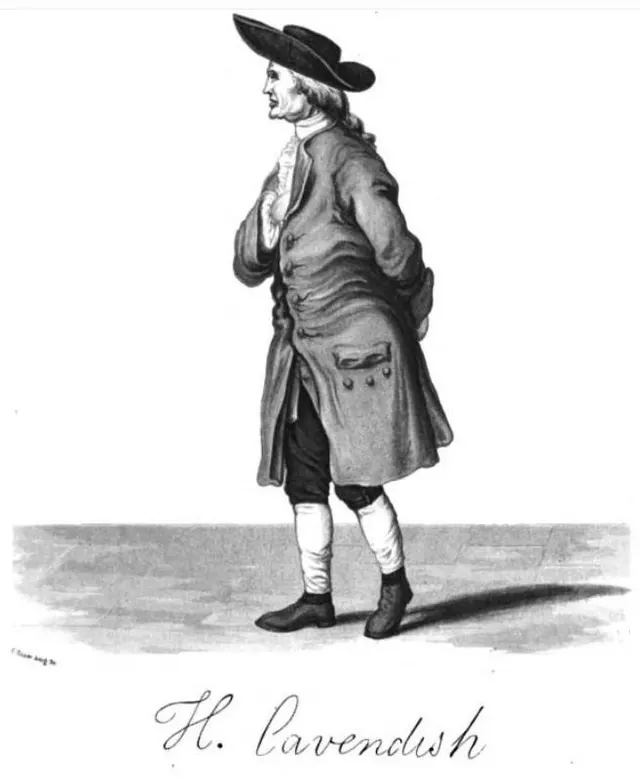
Henry Cavendish
Image creditGeorge Wilson · Public domainResized and cropped for display.

Henry Cavendish

English scientist who identified hydrogen and measured the density of the Earth.

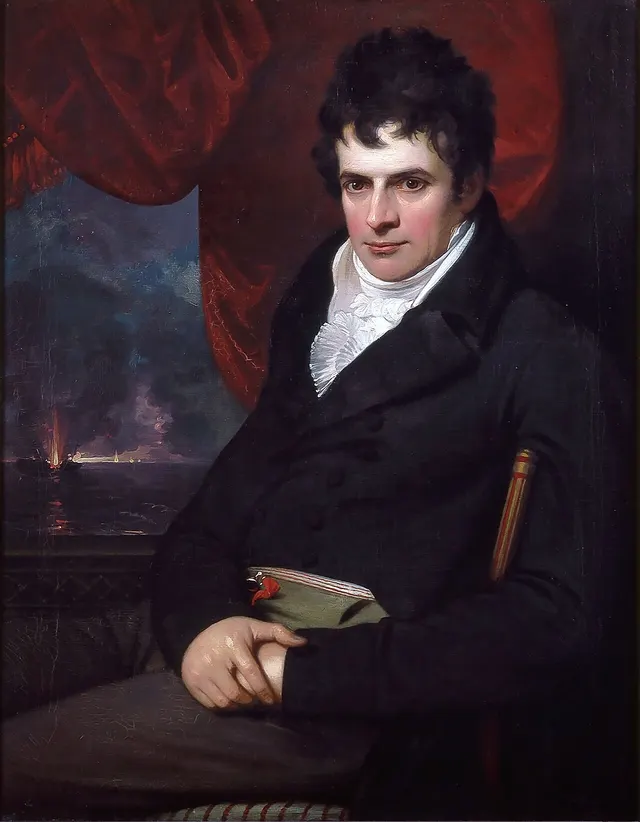
Robert Fulton
Image creditBenjamin West · Public domainResized and cropped for display.

Robert Fulton

American engineer whose Clermont of 1807 was the first commercially successful steamboat.

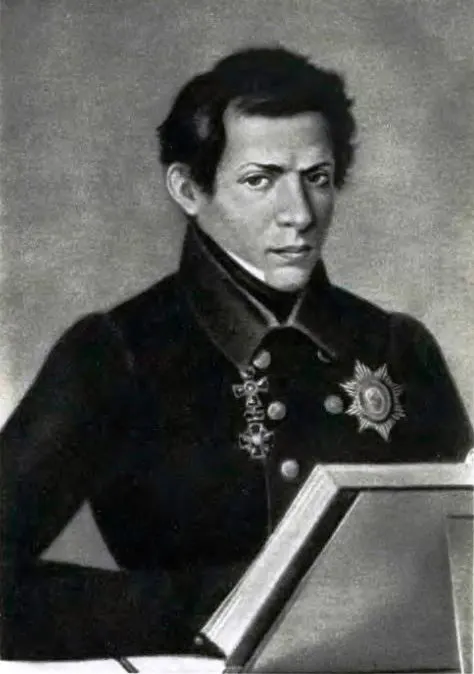
Nikolai Lobachevsky
Image creditLev Kryukov · Public domainResized and cropped for display.

Nikolai Lobachevsky

Russian mathematician who founded non-Euclidean geometry.

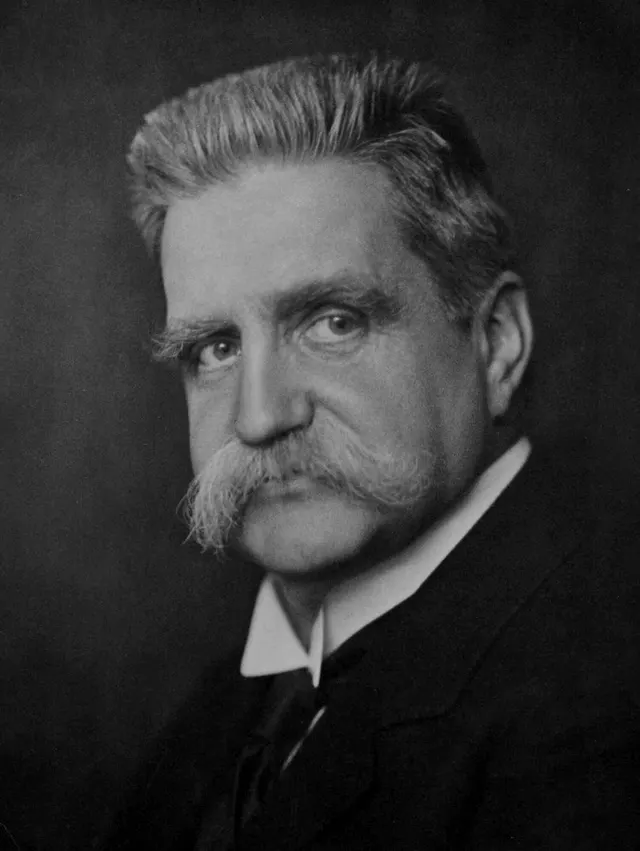
Hjalmar Branting
Image creditHenry B. Goodwin · Public domainResized and cropped for display.

Hjalmar Branting

Swedish Social Democratic leader, three times prime minister, who shared the 1921 Nobel Peace Prize.

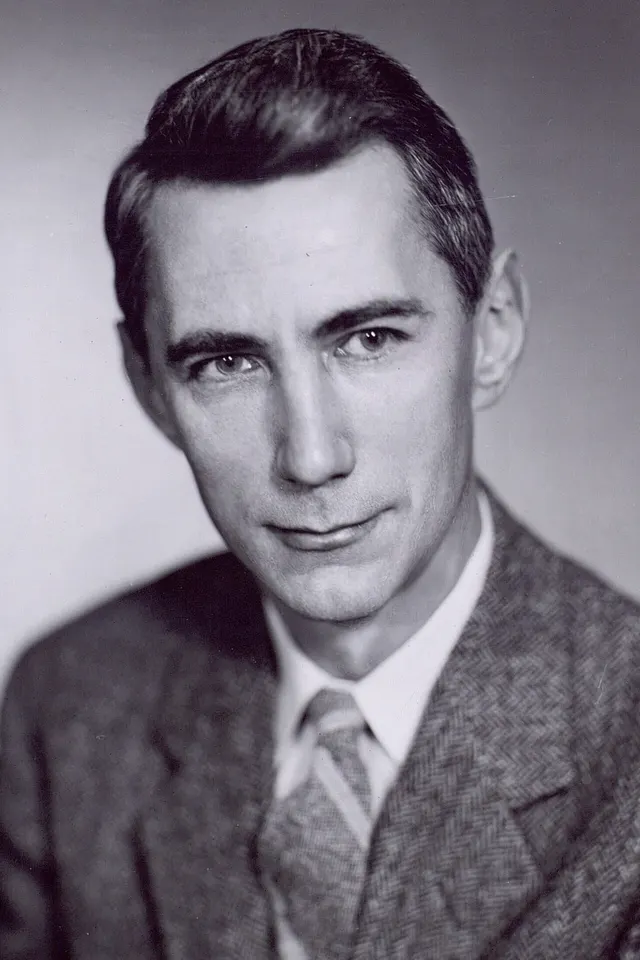
Claude Shannon
Image creditUnknown authorUnknown author · CC BY 2.0Resized and cropped for display.

Claude Shannon

American mathematician whose theory of information laid the foundations of the digital age.

☉
AROUND THE WORLD

Observances & Anniversaries

President Vicente Fox gives the civil salute to the flag, 2005.
Image creditGustavo Benítez (Presidencia de la República)? · Public domainResized and cropped for display.

Flag Day (Mexico)

Mexico honours its flag on 24 February, the anniversary of the Plan of Iguala of 1821, whose Army of the Three Guarantees carried a tricolour banner. The day was first marked in 1934 and made official by President Lázaro Cárdenas in 1940, with ceremonies at schools, barracks and public squares across the country.

Source: Government of Mexico, Secretaría de Gobernación: 24 de febrero, Día de la Bandera ↗
HISTORY & TIMELINE

Finished the highlights?

Follow 24 February chronologically, from the Middle Ages to the modern day, with 9 verified events and the sources behind them.

This day through time →