
1525
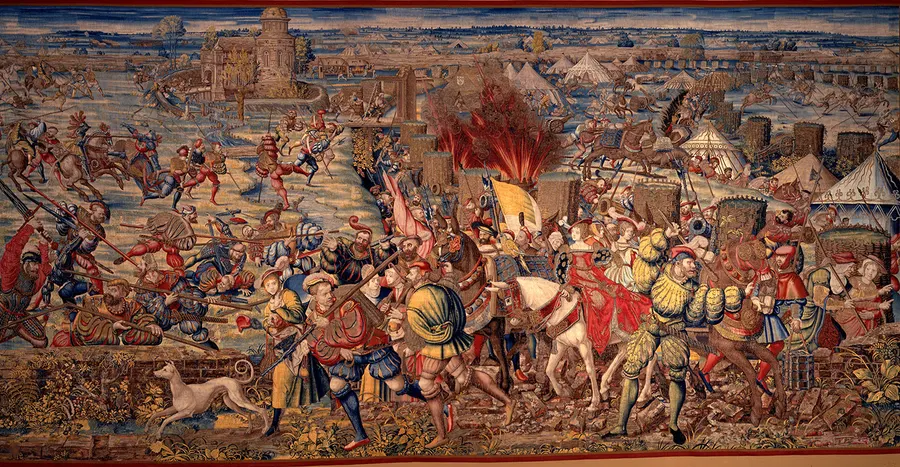 The Battle of Pavia in a Brussels tapestry designed by Bernard van Orley, about 1528-31.Image: Bernard van Orley · Public domain
world · Europe
Francis I of France is captured at Pavia
On 24 February 1525, outside the walls of Pavia in northern Italy, the army of the Holy Roman Emperor Charles V destroyed the French army besieging the city. Its Spanish arquebusiers cut down the French cavalry, and King Francis I himself was taken prisoner. The battle fell on Charles’s 25th birthday. Francis was taken to Spain and held for more than a year, until he signed the Treaty of Madrid giving up his claims in Italy, which he disowned as soon as he was free. The victory confirmed Habsburg power in Italy.
Source: Encyclopaedia Britannica: Battle of Pavia ↗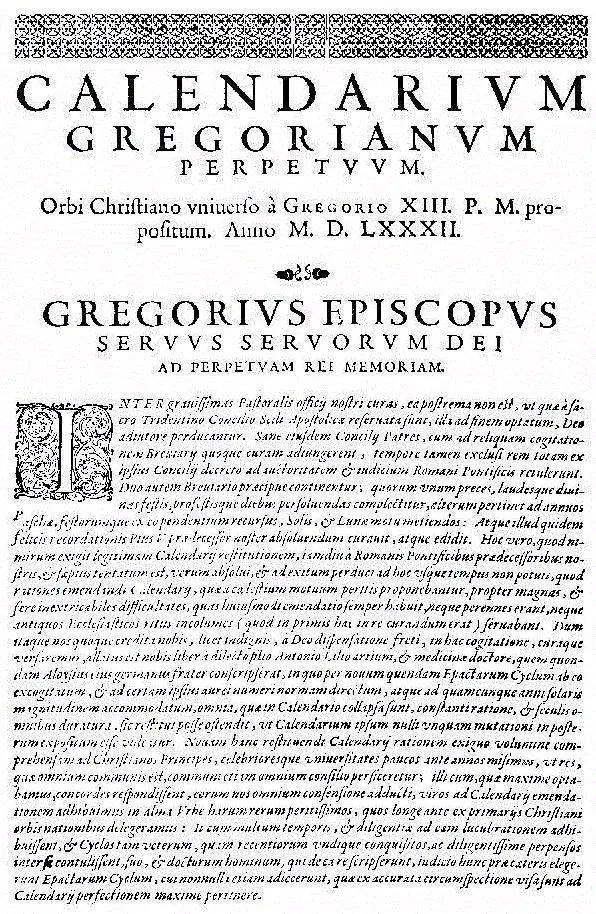 The first page of the papal bull Inter gravissimas, 1582.Image:
 A painted cotton hanging, probably 19th century, showing Nader Shah’s army defeating Muhammad Shah’s at Karnal.Image:
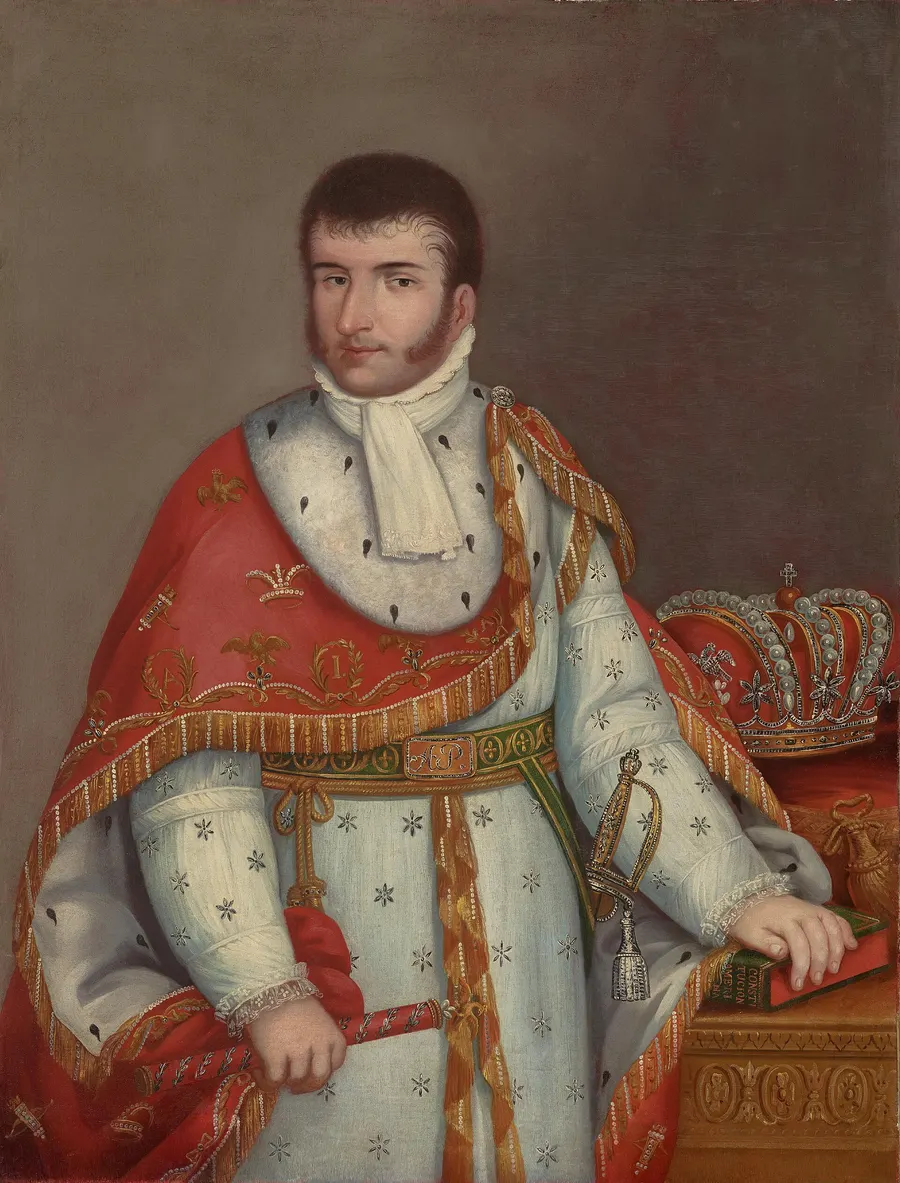 Agustín de Iturbide as emperor of Mexico, in a 19th-century portrait.Image:
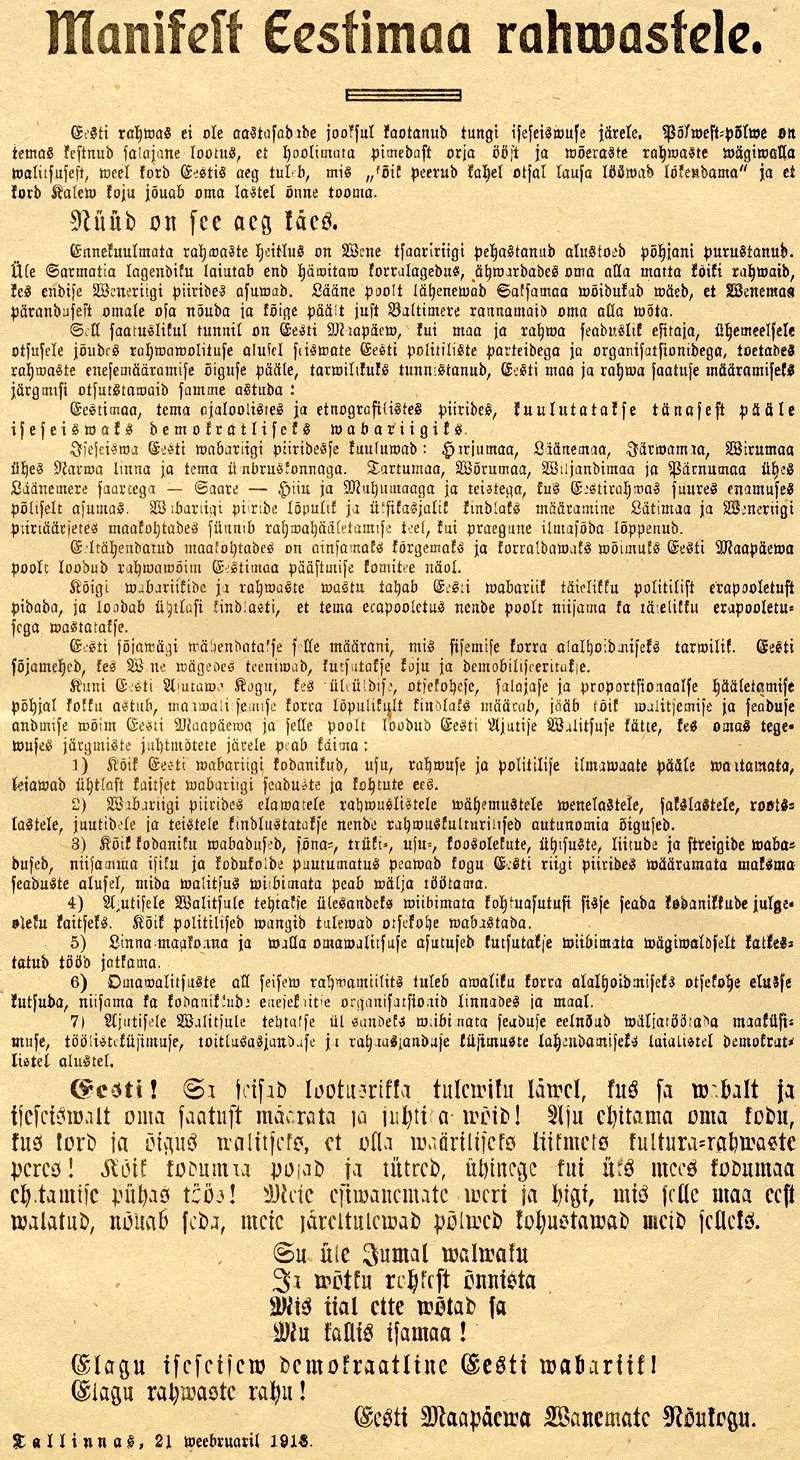 The ‘Manifesto to all the peoples of Estonia’, the country’s declaration of independence, 1918.Image:
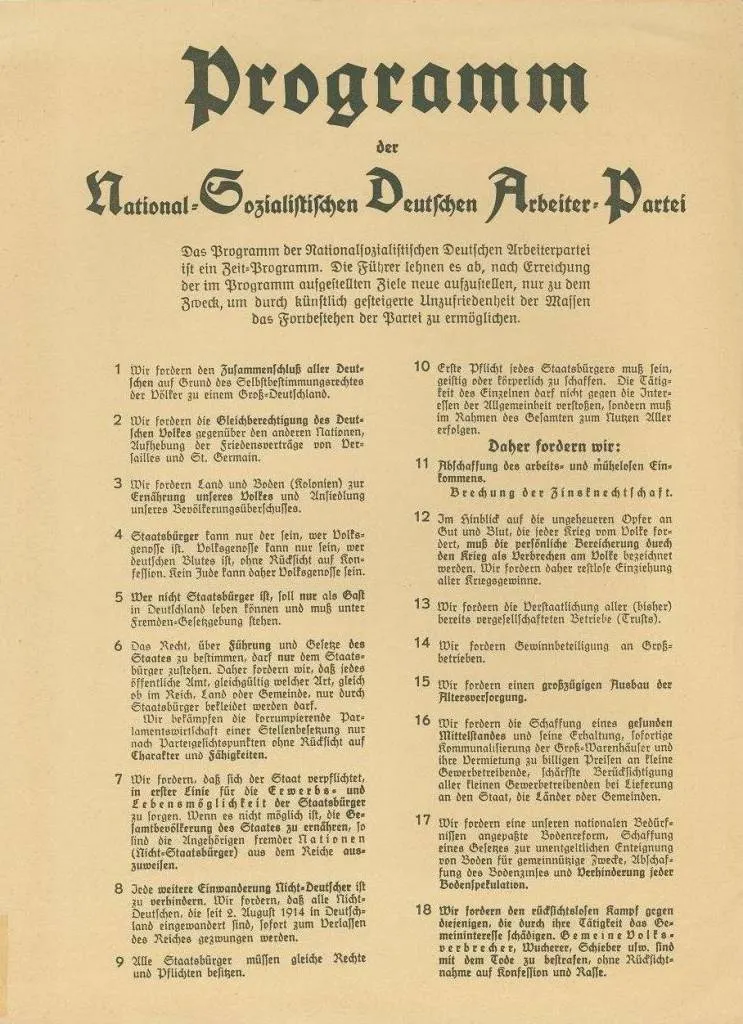 The first page of the printed 25-point programme, 1920.Image:
 US Marine Corps M1A1 Abrams tanks cross the desert in Kuwait during the ground offensive, dated 24 February 1991.Image:
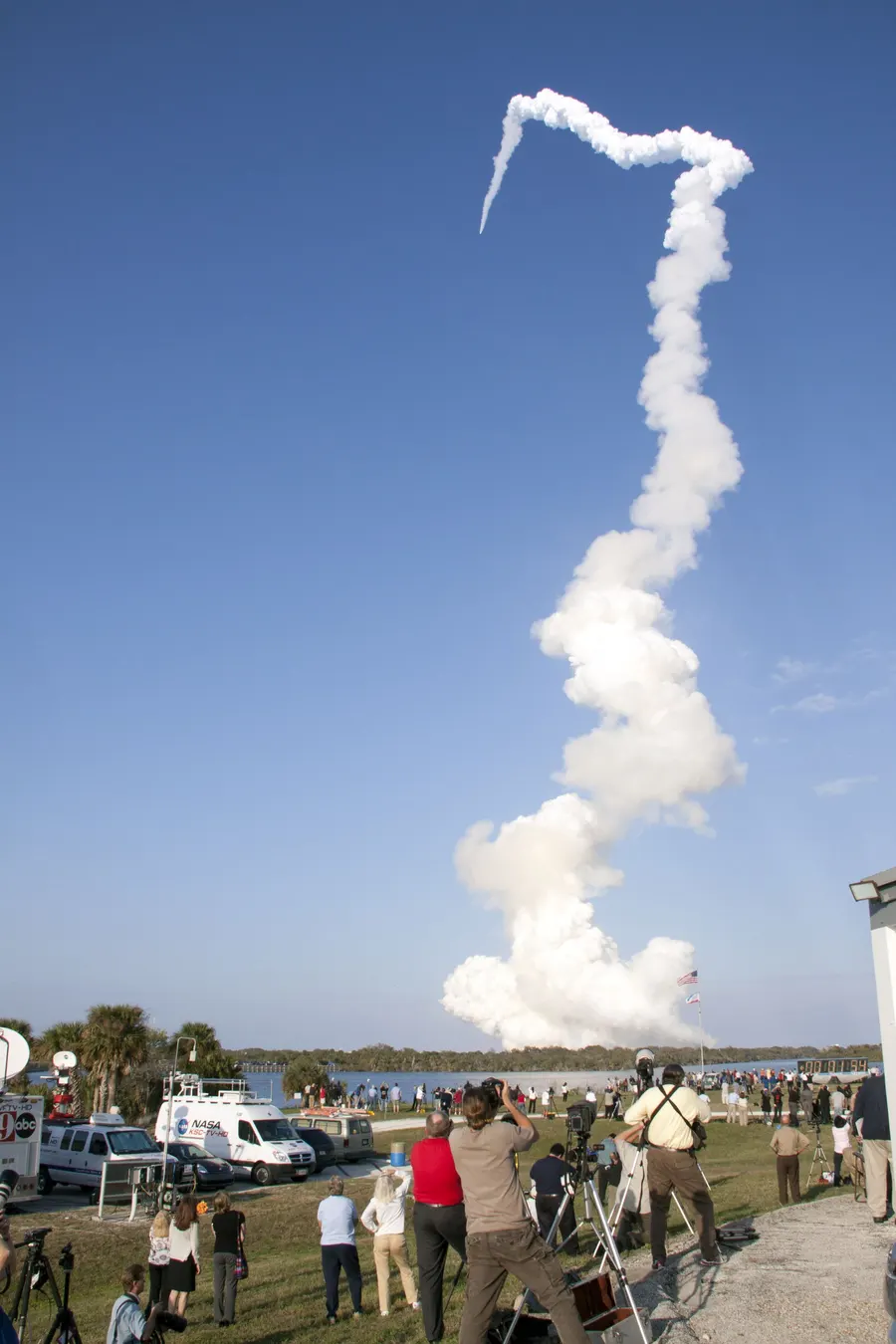 Space Shuttle Discovery climbs away from Kennedy Space Center on its final mission, STS-133, February 2011.Image:
 People who have fled Ukraine at a help point in Kraków, Poland, in March 2022. Within weeks of the invasion, millions had crossed into neighbouring countries.Image: