
303
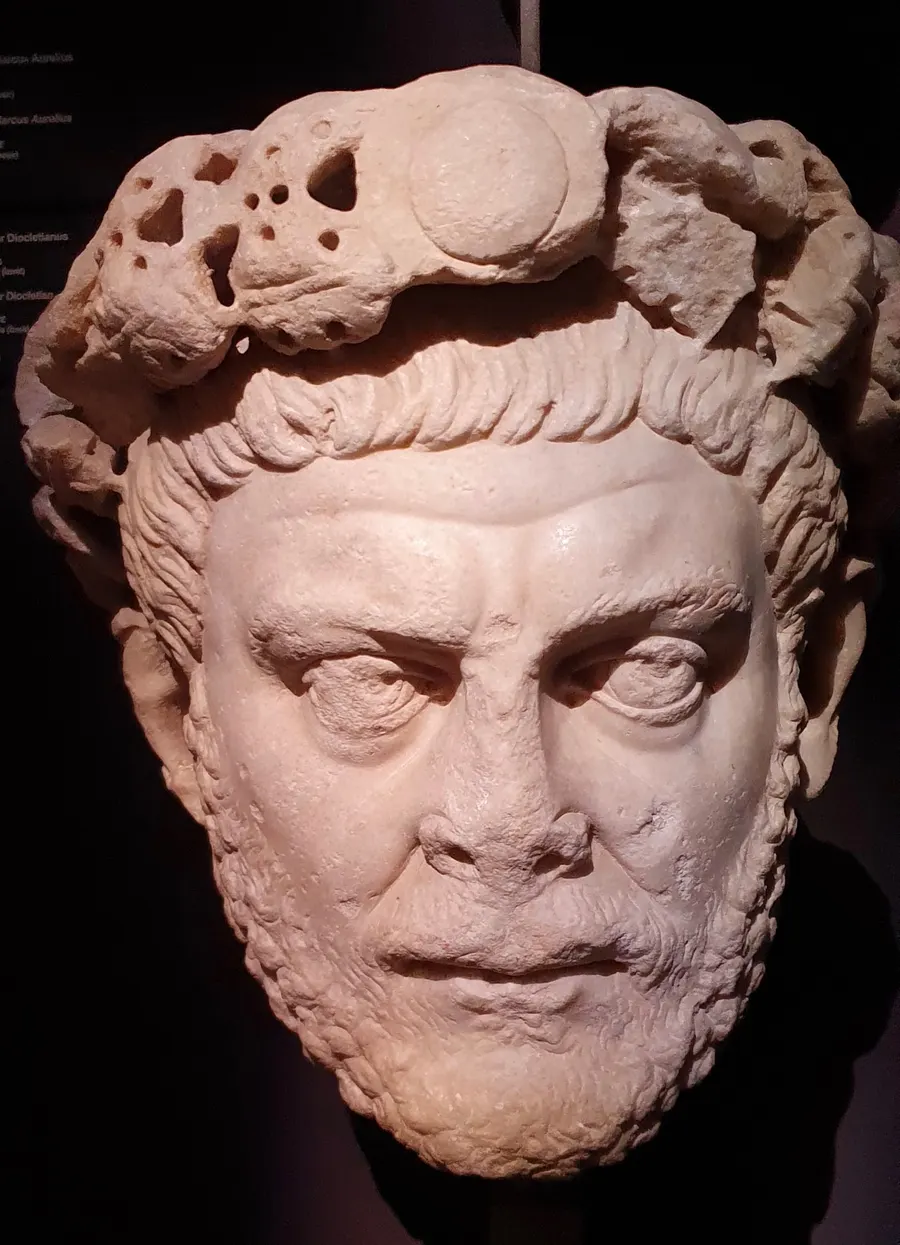 Bust of Diocletian found at Nicomedia (today İzmit), in the Istanbul Archaeological Museums.Image: Yair-haklai · CC BY-SA 4.0
culture · Asia
Diocletian opens the Great Persecution
On 23 February 303, the Roman festival of the Terminalia, the emperor Diocletian had the church at Nicomedia, his capital in Asia Minor, torn down and its scriptures burned. An edict published there the same day ordered churches destroyed and Christian books handed over, and stripped Christians of legal rights. It began the Great Persecution, the last and harshest attempt by Rome to suppress Christianity, which went on in parts of the empire for about a decade.
Source: World History Encyclopedia: Diocletian ↗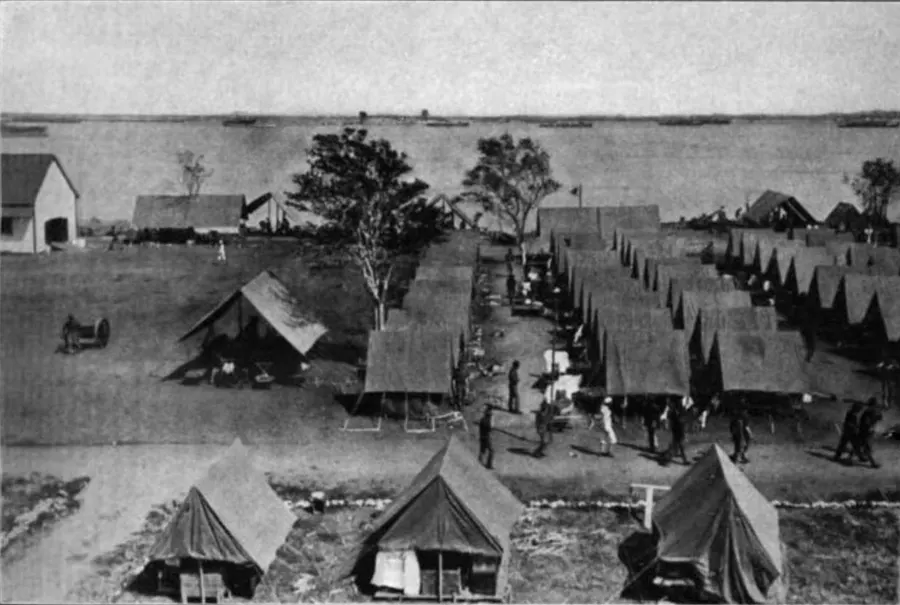 The US naval base at Guantánamo Bay in 1916.Image:
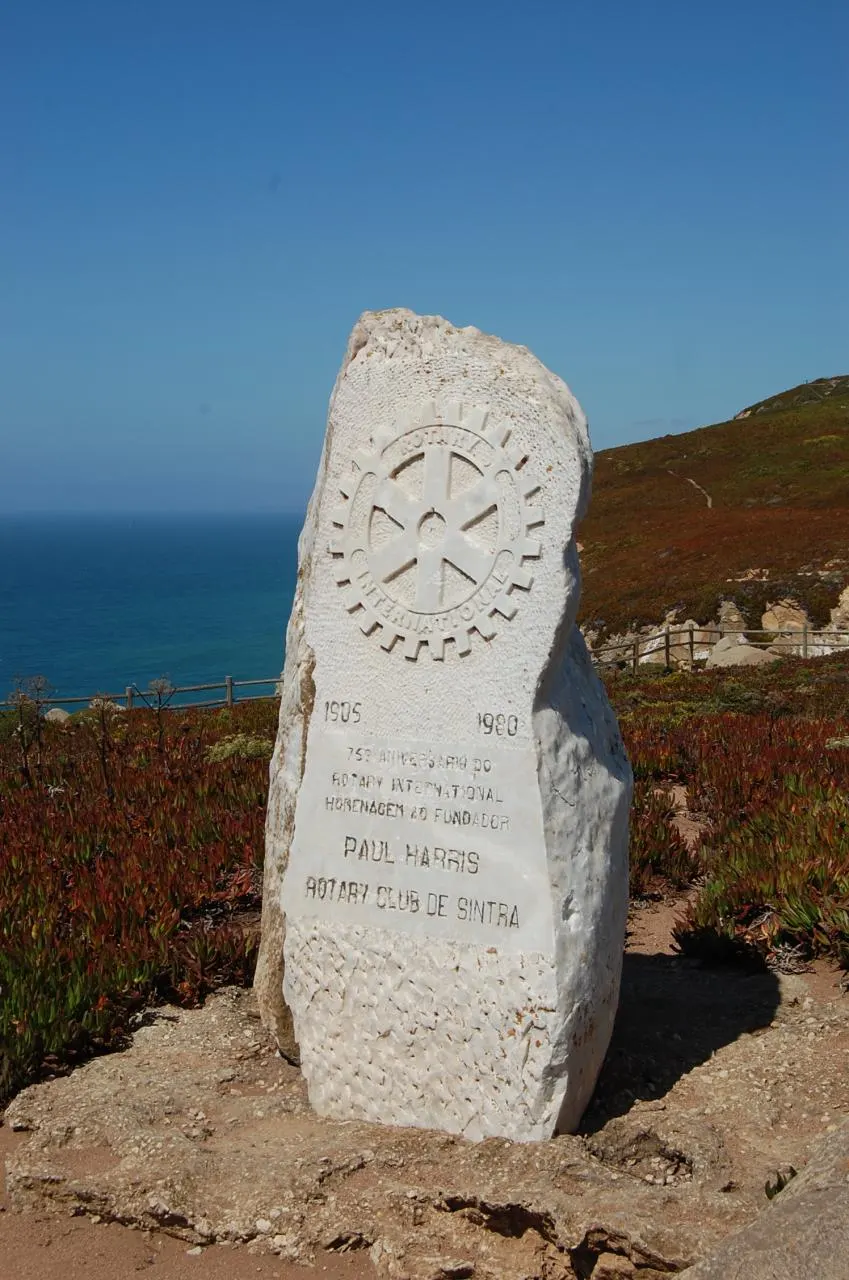 A stone marker bearing the Rotary wheel and Paul Harris’s name, photographed in 2009.Image:
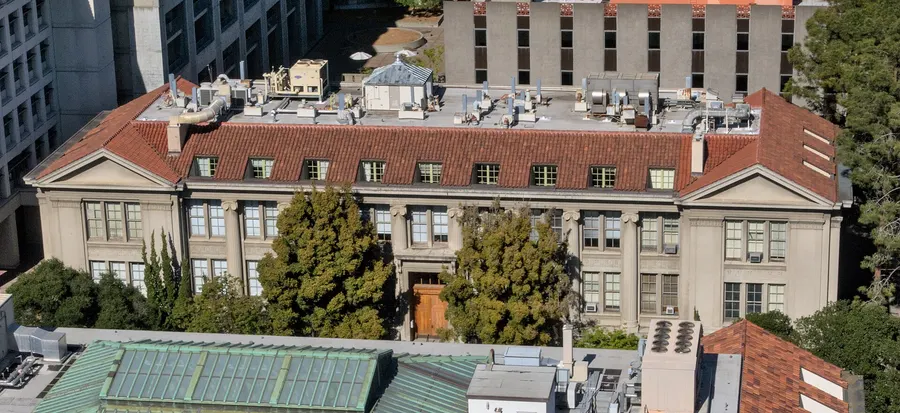 Gilman Hall at the University of California, Berkeley, where plutonium was identified in Room 307.Image:
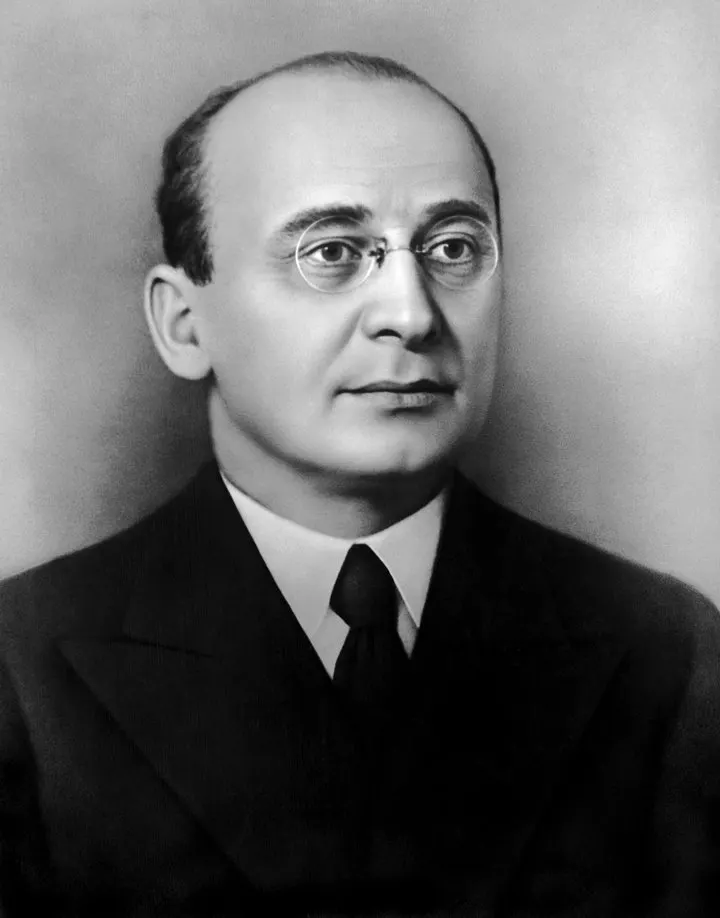 Lavrentiy Beria, head of the Soviet secret police, who oversaw the deportation in person.Image:
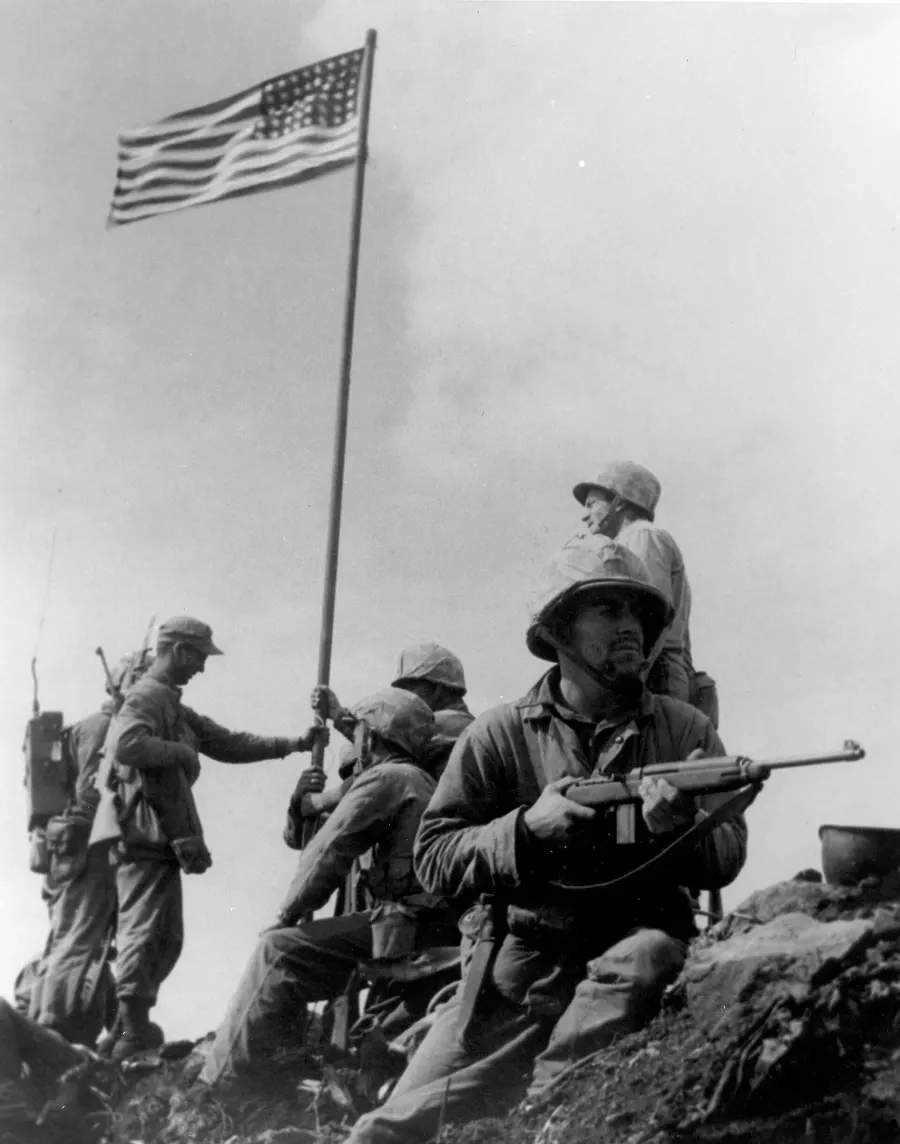 The first flag raised on Mount Suribachi, at 10.20 on 23 February 1945, photographed by Staff Sergeant Louis Lowery.Image:
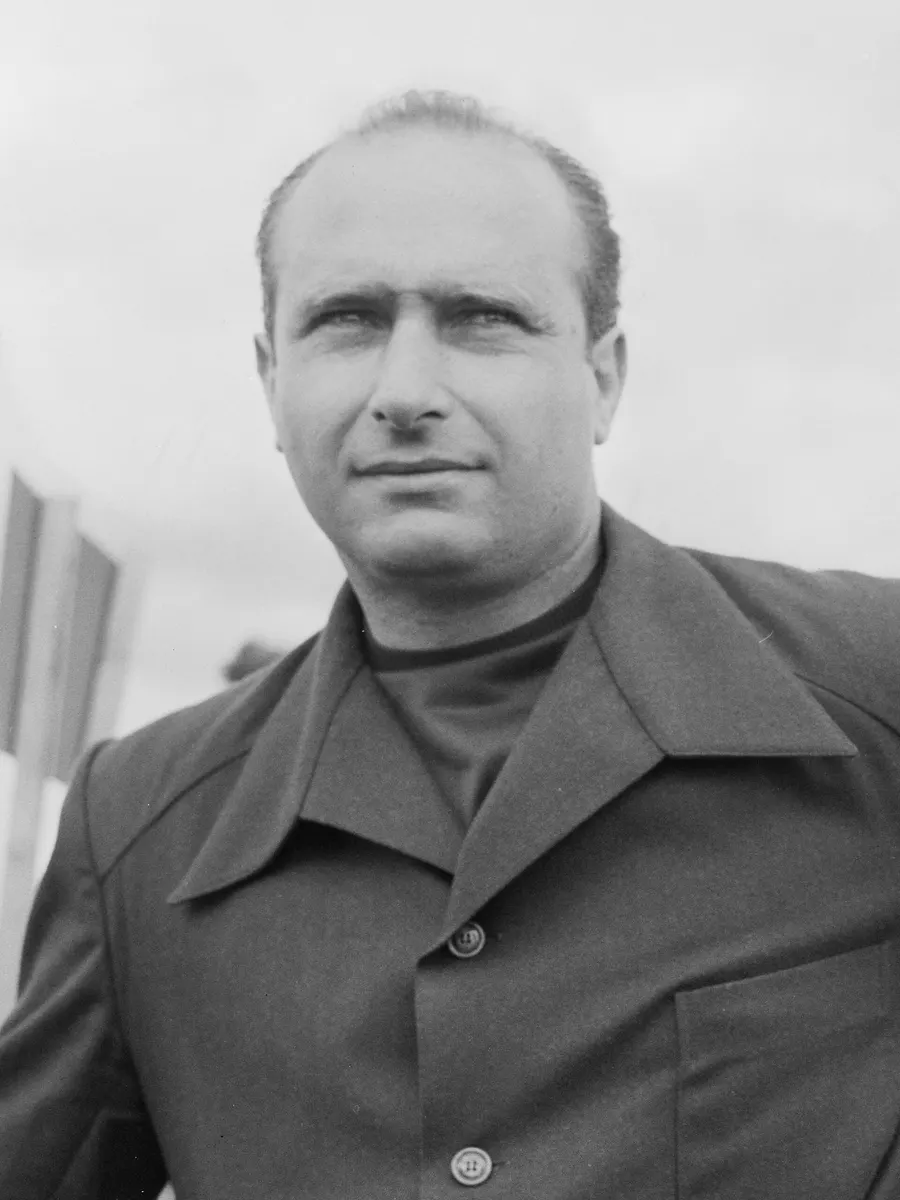 Juan Manuel Fangio at a race in Kristianstad, Sweden, in August 1955.Image:
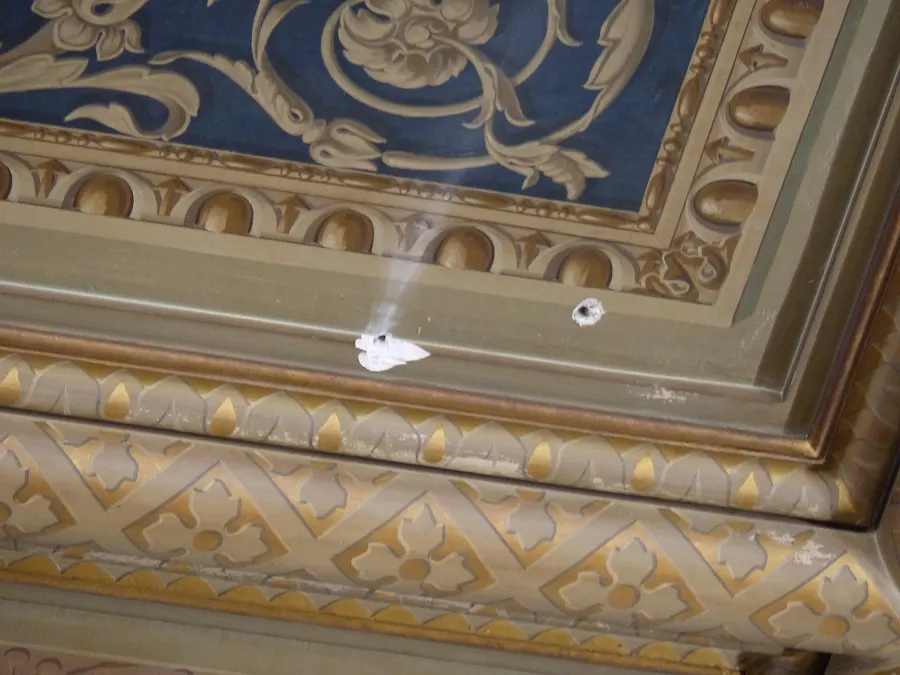 Bullet holes left in the ceiling of Spain’s Congress of Deputies by the 1981 coup attempt, photographed in 2015.Image:
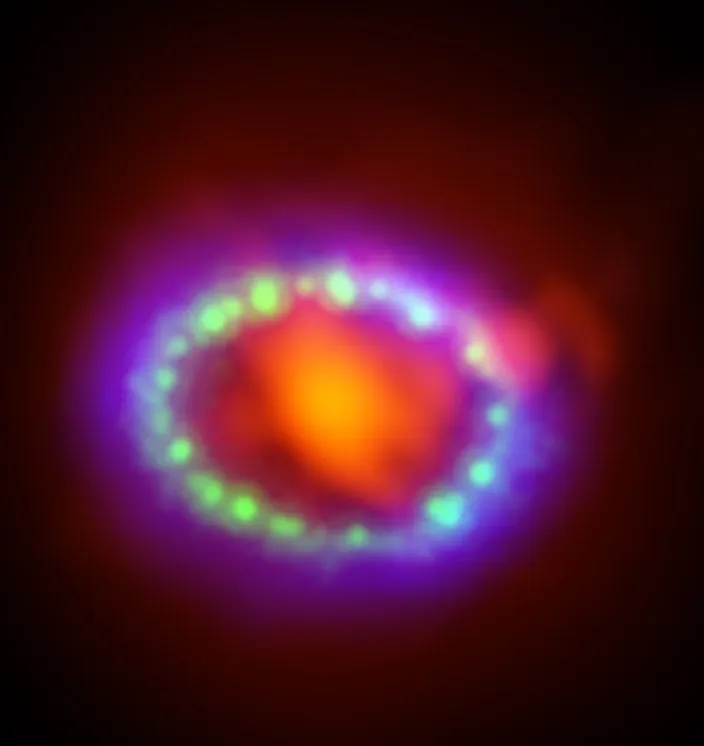 The remnant of Supernova 1987A in a combined image from the ALMA, Hubble and Chandra telescopes, 2014.Image: