
HISTORY & TIMELINE
25 February

A journey through
25 February in history

From the fall of the last great Sasanian king in 628 to a young boxer who ‘shook up the world’ in 1964, 25 February has seen empires lose their grip and new voices take the stage. This timeline follows the date across fourteen centuries.

JUMP THROUGH TIME
I
EARLIEST RECORDS

Ancient & Early History

The earliest worthwhile records and events connected with this date.

628
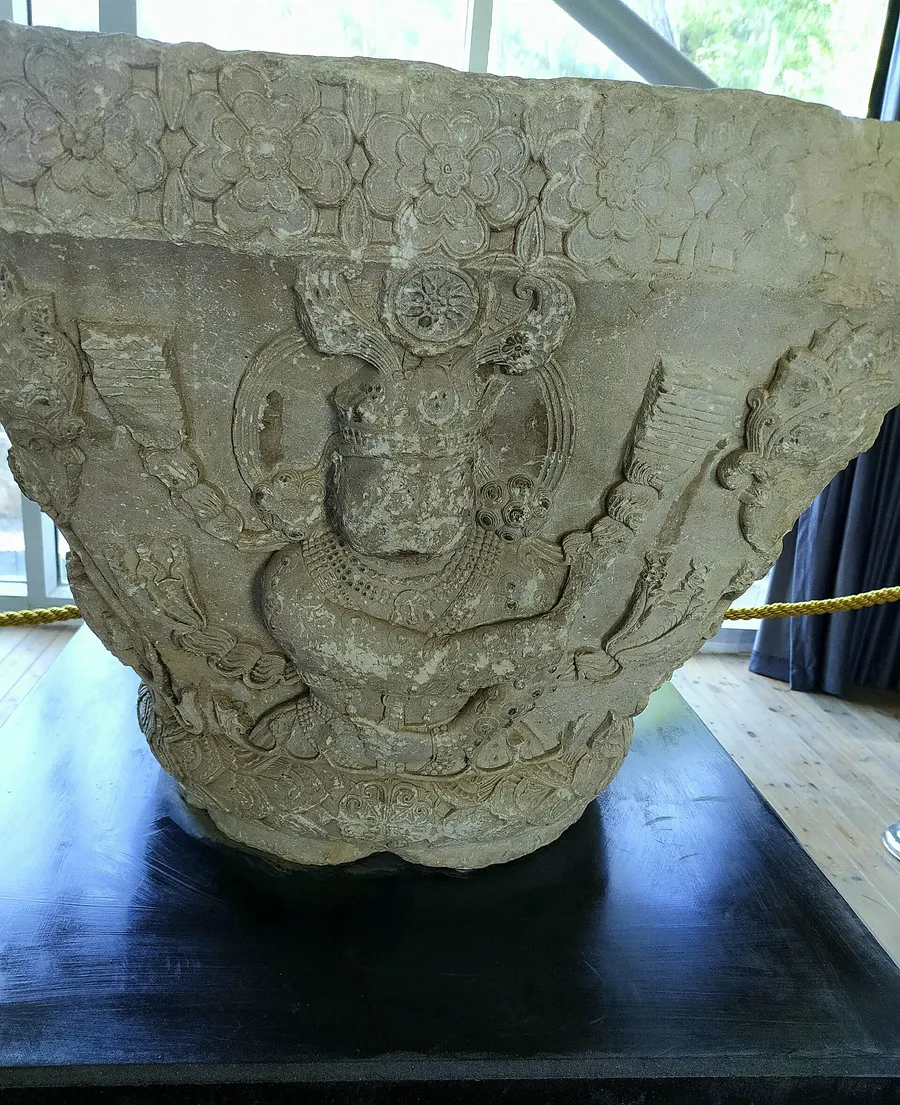
A carved capital showing Khosrow II, at Taq-e Bostan near Kermanshah, Iran.A carved capital showing Khosrow II, at Taq-e Bostan near Kermanshah, Iran.Image: Sajad Arya Kia · CC BY-SA 4.0
politics · Asia

Khosrow II, the last great Sasanian king, is overthrown

On 25 February 628 nobles at Ctesiphon, worn out by nearly thirty years of war with the Byzantine Empire, overthrew the Persian king Khosrow II and proclaimed his son Shiroe king as Kavad II. Khosrow, whose armies had once reached Egypt and the walls of Constantinople, was imprisoned and put to death days later. Kavad made peace with the Byzantines but died within the year, and the weakened empire fell to the Arab conquests soon after.

Source: Encyclopaedia Iranica: Ḵosrow II ↗
IV
THE NINETEENTH CENTURY

The 1800s

Industry, empire, invention, reform and a century of enormous transformation.

1870
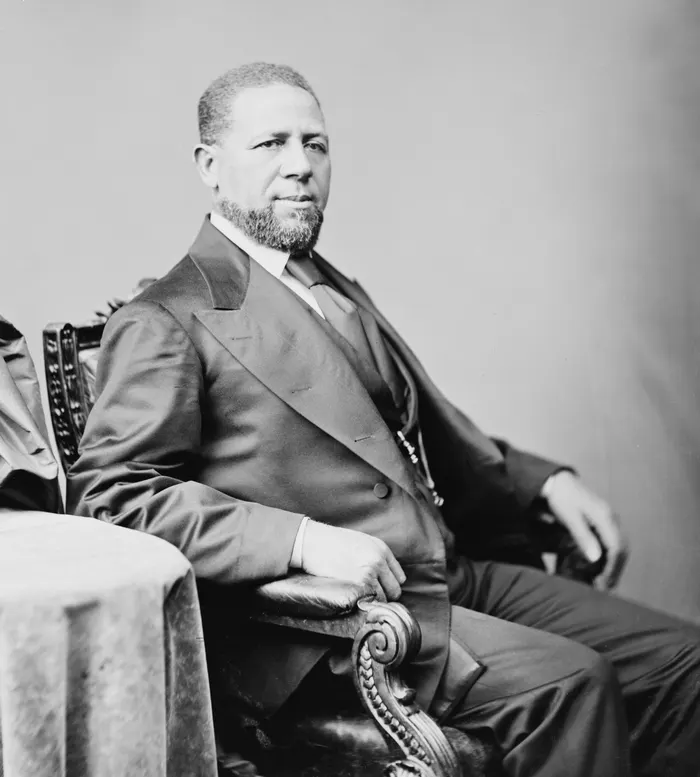
Hiram Revels, photographed by the studio of Mathew Brady.Hiram Revels, photographed by the studio of Mathew Brady.Image: Mathew Benjamin Brady / Levin Corbin Handy · Public domain
politics · Americas

Hiram Revels becomes the first Black US senator

On 25 February 1870 the galleries of the US Senate broke into applause as Hiram Revels, a minister and Republican from Mississippi, took his oath as the first African American senator. Some Democrats had tried to block him, arguing that he had not been a citizen for the required nine years, but the Senate voted 48 to 8 to seat him. Revels served for a year, completing the unexpired term of a senator who had left Mississippi to join the Confederacy. He later became the first president of Alcorn College, a Black university in Mississippi.

Source: United States Senate: Hiram Revels, first African American senator ↗
V
THE TWENTIETH CENTURY

The 1900s

War and peace, technological leaps, social change, politics, sport and popular culture.

1921
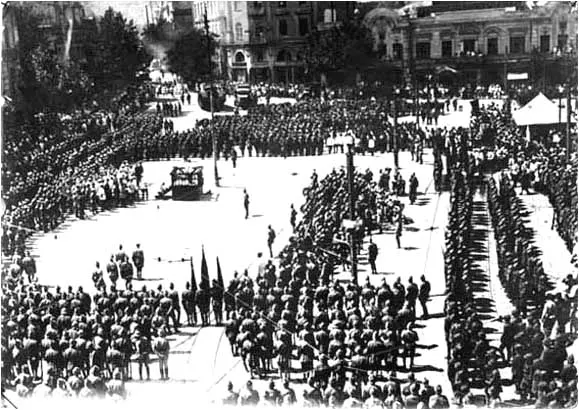
The 11th Red Army parades in Tbilisi on 25 February 1921.The 11th Red Army parades in Tbilisi on 25 February 1921.Image: The original uploader was Kober at English Wikipedia. · Public domain
world · Asia

The Red Army takes Tbilisi

On 25 February 1921 Soviet Russia’s 11th Red Army entered Tbilisi, the capital of the Democratic Republic of Georgia, after a week of fighting, and a Bolshevik government was installed the same day. The independent republic, founded in May 1918, fell within weeks, and Georgia became part of the Soviet Union. Since 2010 Georgia has marked 25 February as Soviet Occupation Day.

Source: National Archives of Georgia: The first Democratic Republic of Georgia ↗
1948
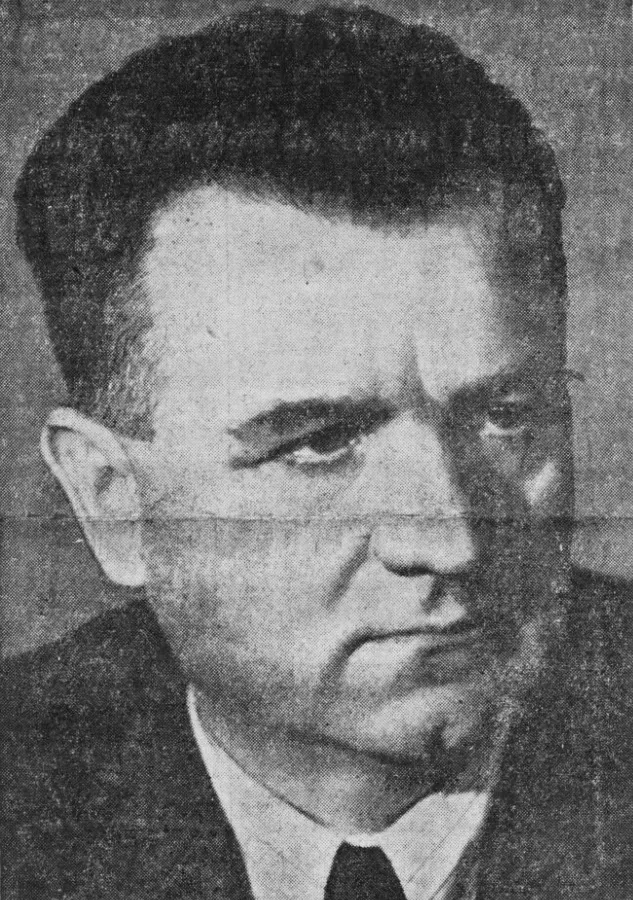
Klement Gottwald, from a newspaper photograph dated 26 February 1948.Klement Gottwald, from a newspaper photograph dated 26 February 1948.Image: Unknown authorUnknown author · Public domain
politics · Europe

Communists take power in Czechoslovakia

In February 1948 twelve non-communist ministers resigned from Czechoslovakia’s coalition government, expecting President Edvard Beneš to refuse and force early elections. Instead the communists called crowds on to the streets and armed workers’ militias. On 25 February Beneš accepted the resignations and approved a new cabinet under the communist leader Klement Gottwald. Gottwald announced his victory to a crowd in Wenceslas Square. The ‘Victorious February’ began four decades of communist rule, and the shock in the West helped speed up the founding of NATO.

Source: US Department of State, Office of the Historian: Foreign Relations of the United States, 1948, Czechoslovakia ↗
1956
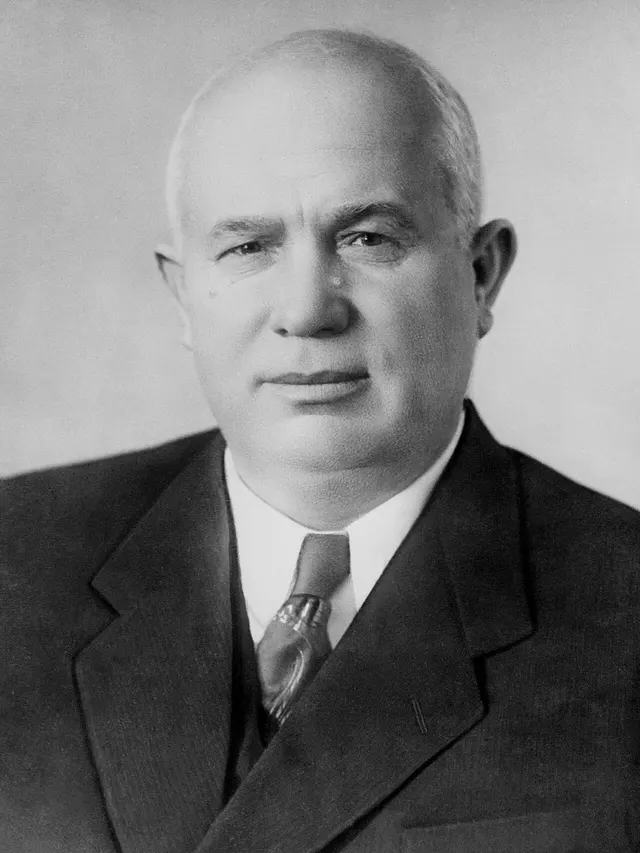
Nikita Khrushchev in an official portrait of the mid-1950s.Nikita Khrushchev in an official portrait of the mid-1950s.Image: TASS · Public domain
politics · Europe

Khrushchev denounces Stalin in a secret speech

At a closed session at the end of the Soviet Communist Party’s 20th Congress, on 25 February 1956, Nikita Khrushchev spoke for about four hours to delegates about ‘the cult of personality and its consequences’. Three years after Stalin’s death, he accused him of mass arrests, torture and executions of loyal party members, and of blunders in the war. The speech was meant to stay inside the party, but its text reached the West within weeks and was published in June. It shook communists everywhere and helped spark the upheavals in Poland and Hungary later that year.

Source: US Department of State, Office of the Historian: Khrushchev and the Twentieth Congress of the Communist Party ↗
1964
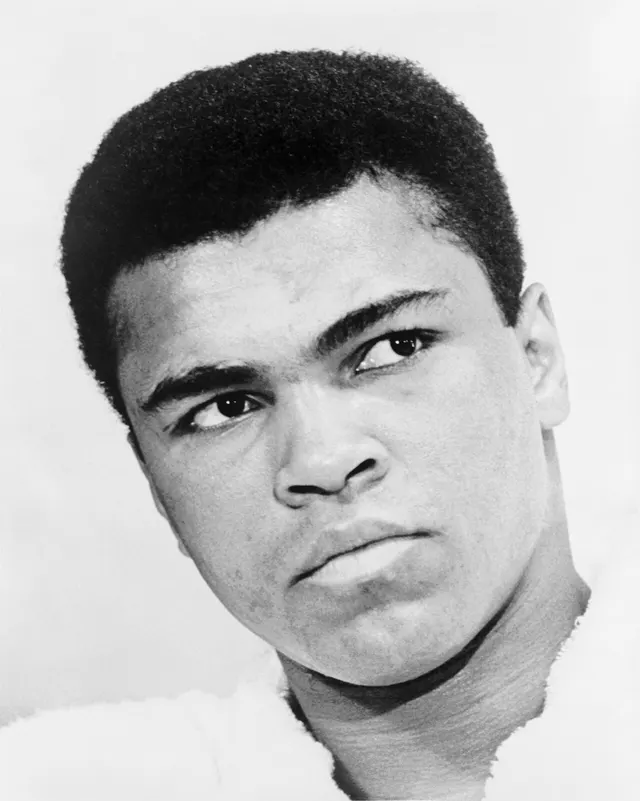
Muhammad Ali in 1967, three years after he first won the title as Cassius Clay.Muhammad Ali in 1967, three years after he first won the title as Cassius Clay.Image: Ira Rosenberg · Public domain
sport · Americas

Cassius Clay ‘shakes up the world’

At Miami Beach on 25 February 1964, 22-year-old Cassius Clay, a 7-to-1 outsider, took the world heavyweight title from Sonny Liston, who failed to come out for the seventh round with an injured shoulder. Clay had danced away from Liston’s punches and cut him in the third round. Former champion Joe Louis called it the biggest upset in boxing history. Days later Clay confirmed that he had joined the Nation of Islam, and he soon took the name Muhammad Ali.

Source: Muhammad Ali Center: New name, new champion, 60 years later ↗
1991
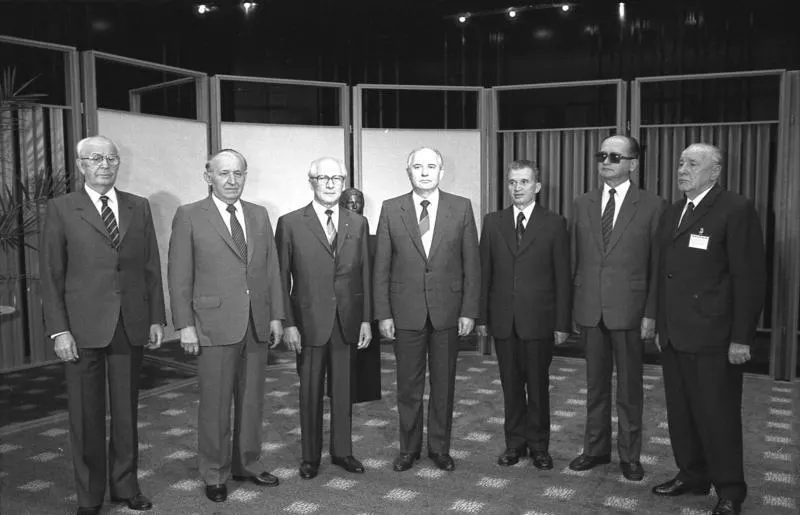
Leaders of the Warsaw Pact countries at a meeting in East Berlin, May 1987.Leaders of the Warsaw Pact countries at a meeting in East Berlin, May 1987.Image: Rainer Mittelstädt · CC BY-SA 3.0 de
politics · Europe

The Warsaw Pact agrees to disband its armies

Meeting in Budapest on 25 February 1991, the foreign and defence ministers of the six remaining Warsaw Pact members, the Soviet Union, Bulgaria, Czechoslovakia, Hungary, Poland and Romania, announced that the alliance’s military structures would be dissolved. East Germany had left when Germany reunited the previous October. The military command was wound up at the end of March, and the pact itself was formally dissolved on 1 July 1991, ending the Soviet-led alliance created in 1955 as a counterweight to NATO.

Source: CVCE, University of Luxembourg: Statement on the dissolution of the military structures of the Warsaw Pact (25 February 1991) ↗
WHY THESE MOMENTS?

Significance before volume

This page is not the longest possible list of events. It is a chronological journey through 25 February, where each entry is chosen for historical significance, human interest and reliability.

Facts are checked against authoritative museums, archives, universities and reference works. Where sources disagree, the page says so.

EXPLORED THE DEEPER STORY?

Return to the highlights of 25 February

Discover the lighter side of the date with famous birthdays, culture, firsts and lives remembered.

Explore This Day →