Explore 1 March

Explore 1 March: Ethiopia routs an Italian army at Adwa, Koreans rise peacefully against Japanese rule, Yellowstone becomes the world’s first national park and Henri Becquerel stumbles on radioactivity. Meet Oskar Kokoschka, Yitzhak Rabin and Harry Belafonte, born on this date.

This day through time →12 verified events across 3 eras

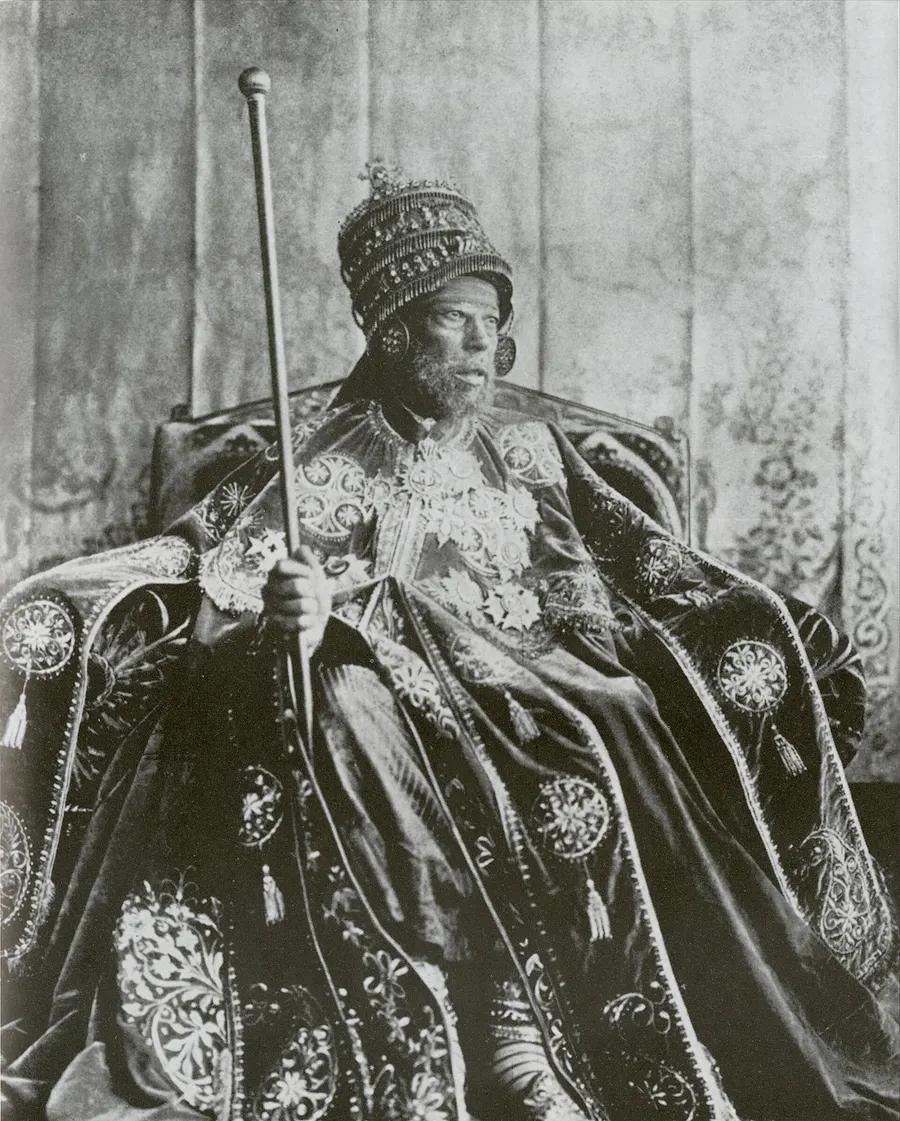
Emperor Menelik II of Ethiopia in his coronation robes.
Image creditUnknown authorUnknown author · Public domainResized and cropped for display.

Ethiopia defeats Italy at Adwa

On 1 March 1896, in the mountains near Adwa in northern Ethiopia, the army of Emperor Menelik II crushed an Italian invasion force of about 20,000 under General Oreste Baratieri. Menelik’s troops, many armed with modern rifles bought from France and Russia, greatly outnumbered the Italians, who had marched through the night on separate columns.

The defeat ended Italy’s first war against Ethiopia and forced it to recognise the country’s independence. Adwa became a symbol across Africa and beyond: an African state had beaten a European colonial army and kept its freedom.

Read the full storyHistory & Timeline →Source: South African History Online: Remembering the Battle of Adwa ↗
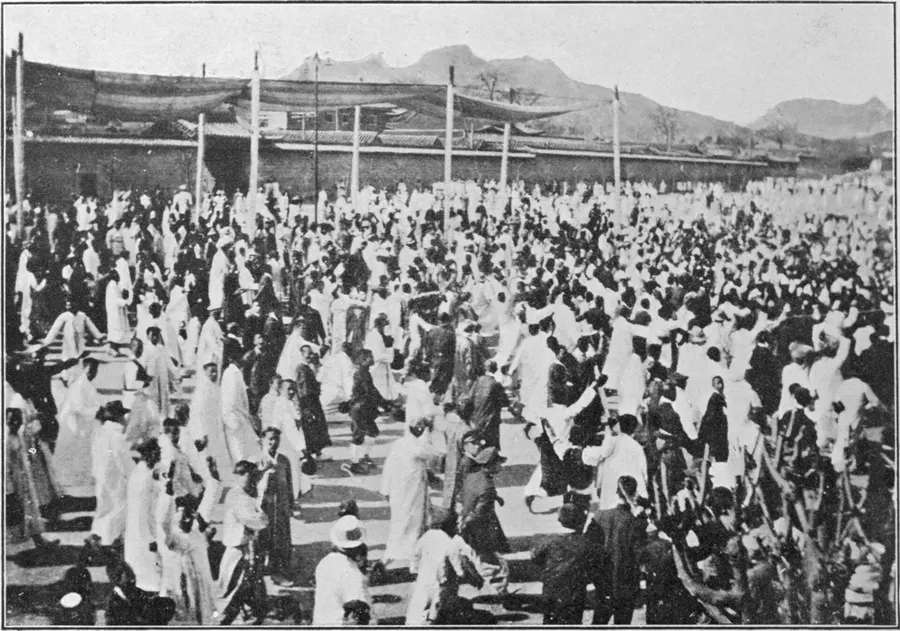
A peaceful independence demonstration in Seoul, March 1919.
Image creditBureau d'information coréen · Public domainResized and cropped for display.

Korea’s March First Movement

On 1 March 1919 a Declaration of Independence signed by 33 religious leaders was read out in Pagoda Park in Seoul, and crowds poured into the streets shouting ‘Mansei!’, long live Korean independence. Korea had been ruled by Japan since 1910.

Over the following year some two million people joined more than 1,500 peaceful demonstrations. Japanese forces killed about 7,000 and wounded many more. The rising failed to free Korea, but it led to a provisional government in exile in Shanghai, and 1 March is a national holiday in South Korea.

Read the full storyHistory & Timeline →Source: Encyclopaedia Britannica: March First Movement ↗
Thomas Moran's painting The Grand Canyon of the Yellowstone, 1872.
Thomas Moran’s painting The Grand Canyon of the Yellowstone, 1872.
Image creditThomas Moran · Public domainResized and cropped for display.

Yellowstone becomes the first national park

On 1 March 1872 President Ulysses S. Grant signed the act that set aside more than two million acres of geysers, canyons and forest in the Wyoming and Montana territories ‘as a public park or pleasuring-ground for the benefit and enjoyment of the people’.

Yellowstone was the first national park in the United States and in the world. The idea spread, and today there are thousands of national parks in countries across the globe.

Read the full storyHistory & Timeline →Source: US National Archives: Act establishing Yellowstone National Park (1872) ↗
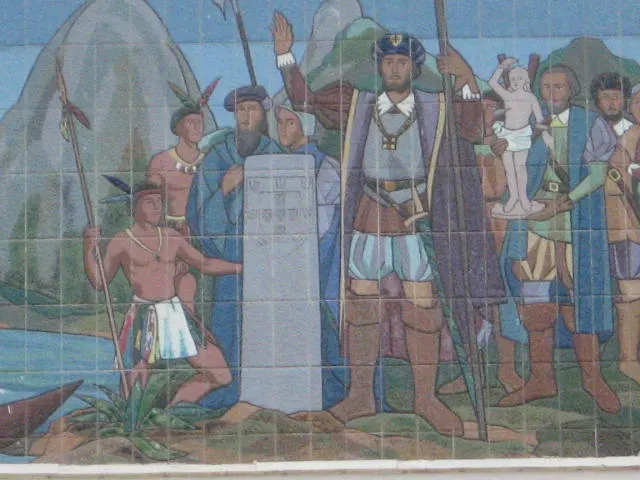
The founding of Rio de Janeiro shown in a tiled mural.
Image creditJunius · CC BY-SA 3.0Resized and cropped for display.

The Portuguese found Rio de Janeiro

On 1 March 1565 the Portuguese commander Estácio de Sá landed at the entrance to Guanabara Bay and founded the settlement of São Sebastião do Rio de Janeiro, named after King Sebastião of Portugal and his patron saint. The Jesuits Manuel da Nóbrega and José de Anchieta were with him.

The aim was to drive out the French, who had built a colony in the bay a decade earlier. Estácio de Sá was mortally wounded by an arrow in the fighting, but the city survived and grew into one of the great cities of the Americas.

Read the full storyHistory & Timeline →Source: Rio de Janeiro City Hall (MultiRio): A fundação da cidade de São Sebastião do Rio de Janeiro ↗
♙
PEOPLE

Born Today

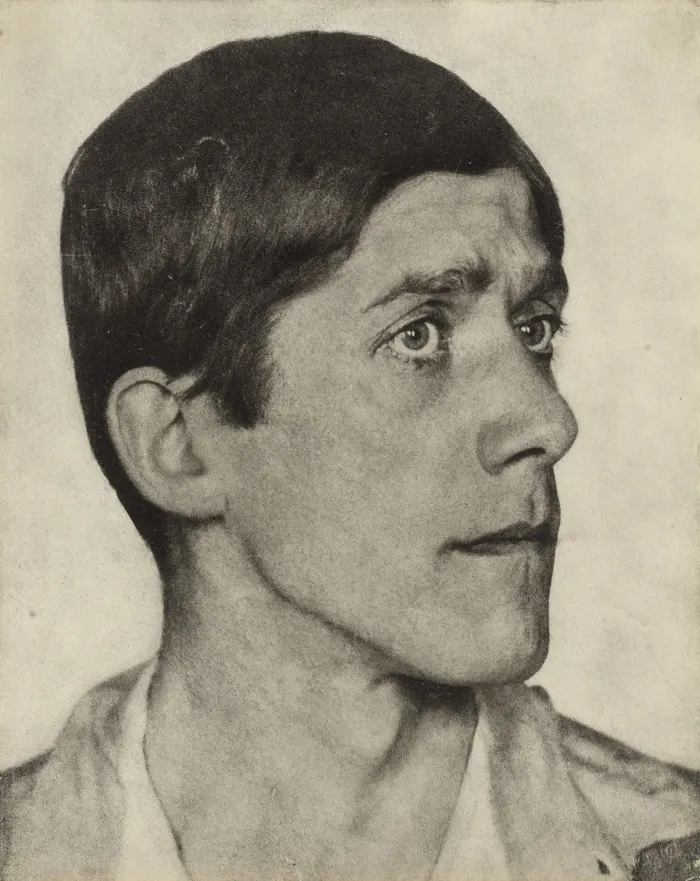
Oskar Kokoschka
Image creditHugo Erfurth · Public domainResized and cropped for display.

Oskar Kokoschka

Austrian Expressionist painter and playwright.

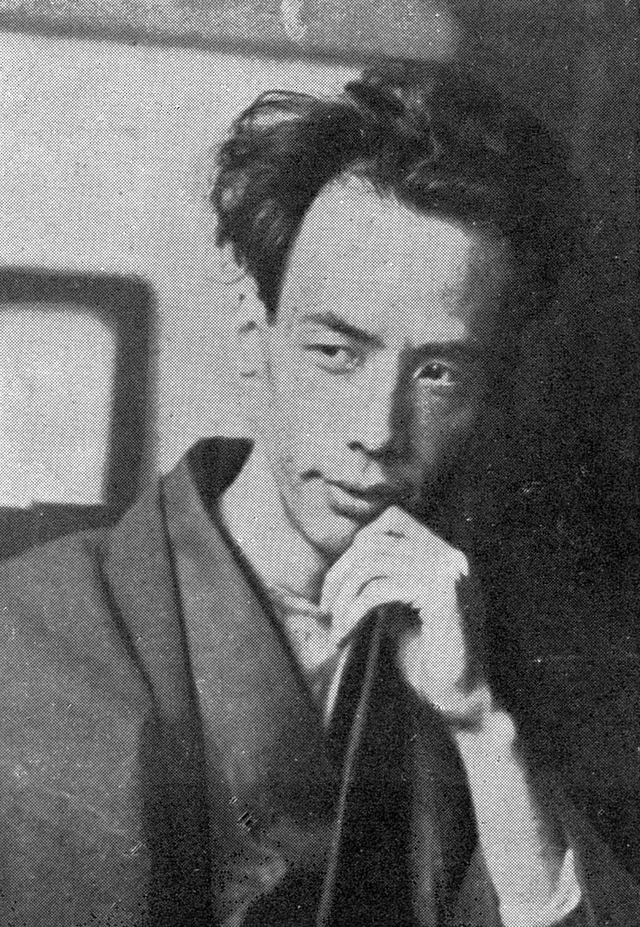
Ryūnosuke Akutagawa
Image creditUnknown authorUnknown author · Public domainResized and cropped for display.

Ryūnosuke Akutagawa

Japanese short-story writer of ‘Rashōmon’, after whom Japan’s leading literary prize is named.

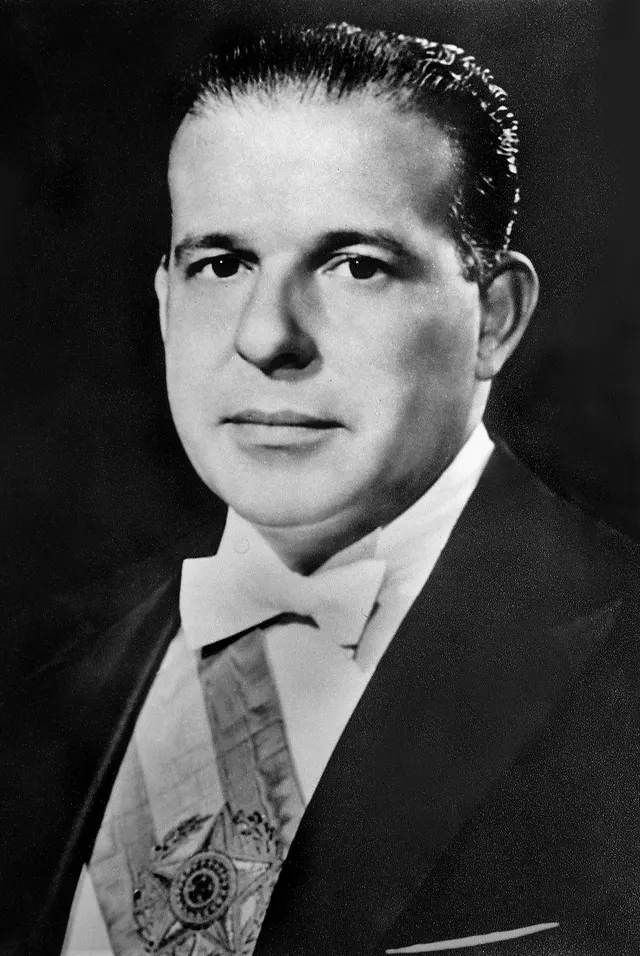
João Goulart
Image creditGoverno do Brasil · Public domainResized and cropped for display.

João Goulart

President of Brazil from 1961 until he was overthrown by a military coup in 1964.

Yitzhak Rabin
Image creditYaakov Saar · CC BY-SA 3.0Resized and cropped for display.

Yitzhak Rabin

Israeli general and prime minister who signed the Oslo Accords and shared the 1994 Nobel Peace Prize.

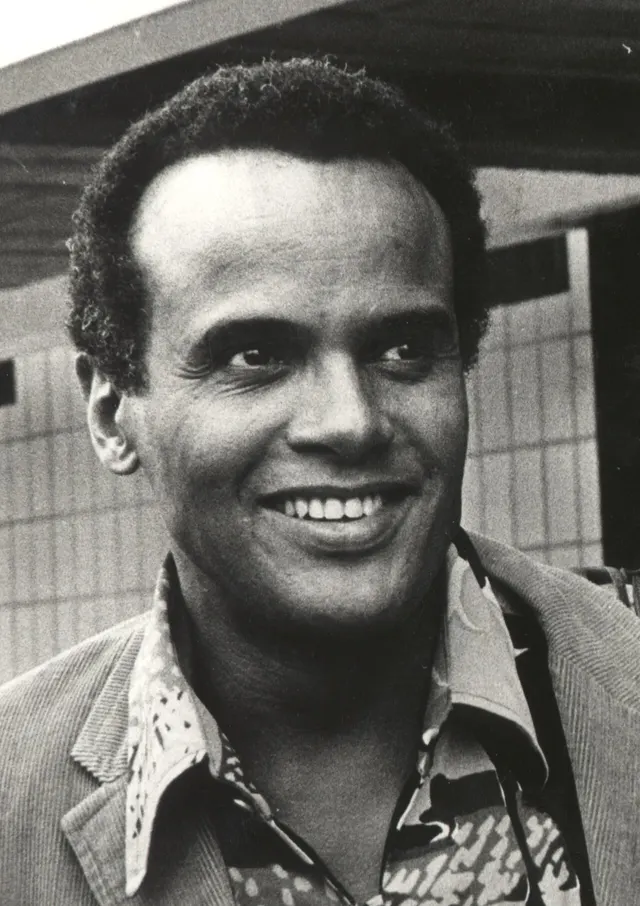
Harry Belafonte
Image creditUnknownUnknown · Public domainResized and cropped for display.

Harry Belafonte

American singer of the ‘Banana Boat Song’ and a leading supporter of the civil rights movement.

Lupita Nyong'o
Image creditPhilipRomano · CC BY-SA 4.0Resized and cropped for display.

Lupita Nyong’o

Kenyan-Mexican actress who won an Academy Award for 12 Years a Slave.

◉
IDEAS THAT CHANGED THINGS

Firsts, Science & Discoveries

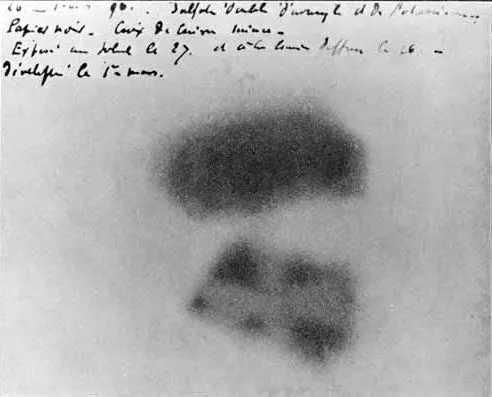
One of Henri Becquerel's photographic plates, darkened by radiation from uranium salts, with his handwritten notes.
One of Henri Becquerel’s photographic plates, darkened by radiation from uranium salts, with his handwritten notes.
Image creditHenri Becquerel · Public domainResized and cropped for display.

Becquerel stumbles on radioactivity

Henri Becquerel thought that uranium salts might give off X-rays after being exposed to sunlight. When cloudy Paris weather stopped his experiment in late February 1896, he put the salts and some wrapped photographic plates away in a drawer. On 1 March he developed the plates anyway and found them strongly fogged: the uranium was giving off rays with no help from the Sun.

It was the discovery of radioactivity. Becquerel shared the 1903 Nobel Prize in Physics with Marie and Pierre Curie, who went on to find new radioactive elements.

Read the full storyHistory & Timeline →Source: American Physical Society, APS News: March 1, 1896, Henri Becquerel discovers radioactivity ↗
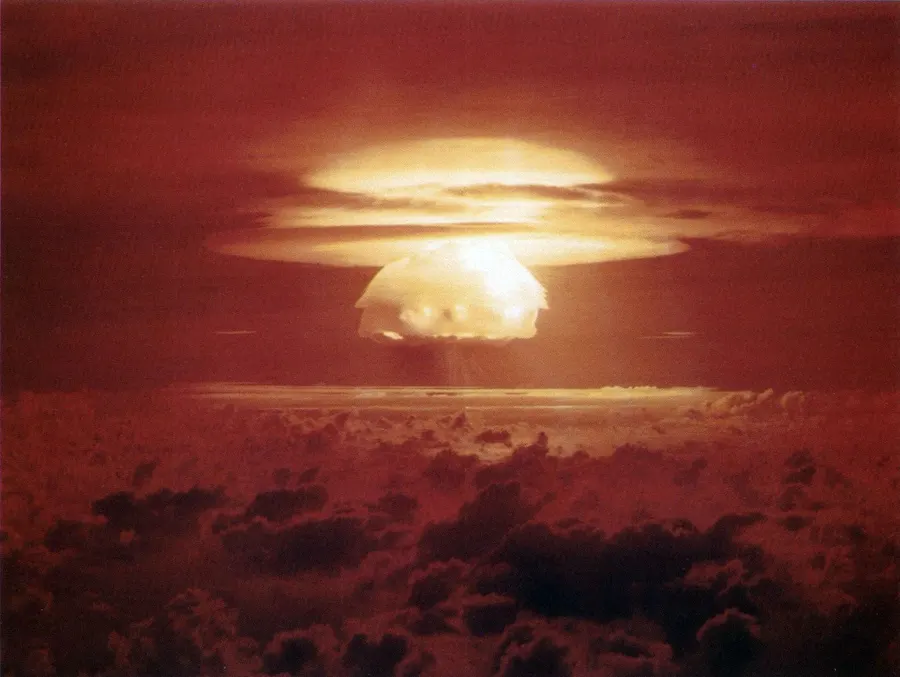
The Castle Bravo fireball over Bikini Atoll, 1 March 1954.
Image creditUnited States Department of Energy · Public domainResized and cropped for display.

The Castle Bravo test poisons the Pacific

On 1 March 1954 the United States exploded a hydrogen bomb on Bikini Atoll in the Marshall Islands. Scientists expected about 5 megatons; the blast was about 15, a thousand times the power of the Hiroshima bomb and the largest American test ever.

Radioactive fallout spread over thousands of square miles, contaminating Marshall Islanders, American servicemen and the crew of the Japanese fishing boat Lucky Dragon. The disaster fed worldwide alarm about testing that led to the treaty banning tests in the atmosphere in 1963.

Read the full storyHistory & Timeline →Source: Comprehensive Nuclear-Test-Ban Treaty Organization: 1 March 1954, Castle Bravo ↗
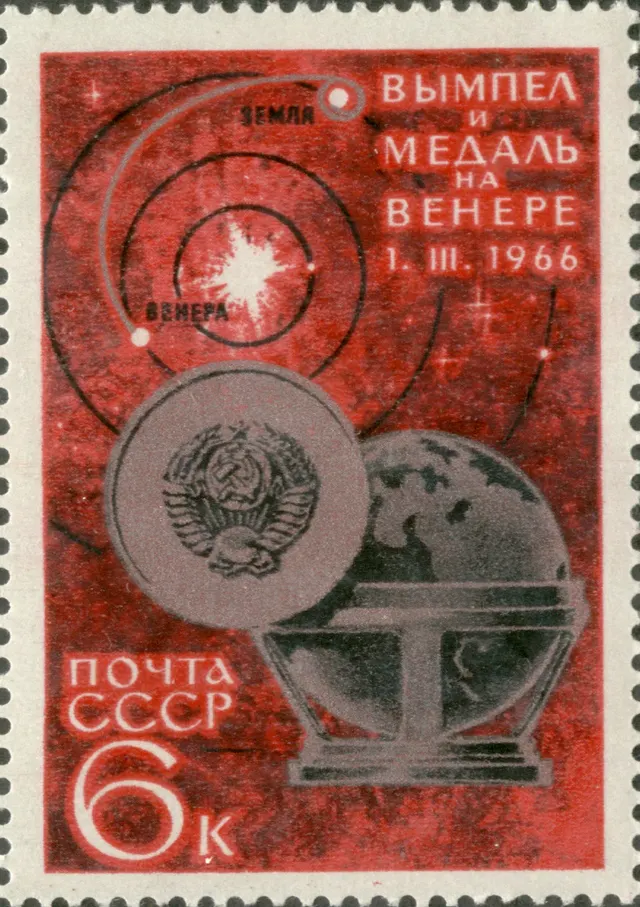
A Soviet stamp of 1966 celebrating the pennant and medal carried to Venus, dated 1.III.1966.
Image creditRussian government · Public domainResized and cropped for display.

Venera 3 reaches Venus

The Soviet probe Venera 3, launched in November 1965, struck the surface of Venus on 1 March 1966. It was the first spacecraft to reach another planet.

Its radio had failed two weeks earlier, so it sent back no information about Venus. But it carried medallions bearing the Soviet coat of arms, and the Soviet Union celebrated the landing as a first.

Read the full storyHistory & Timeline →Source: NASA Space Science Data Coordinated Archive: Venera 3 ↗
✦
LIVES REMEMBERED

Remembered Today

Leopold II, Holy Roman Emperor
Image creditAnton Hickel · Public domainResized and cropped for display.

Leopold II, Holy Roman Emperor

Reforming Grand Duke of Tuscany and then Holy Roman Emperor, brother of Marie Antoinette.

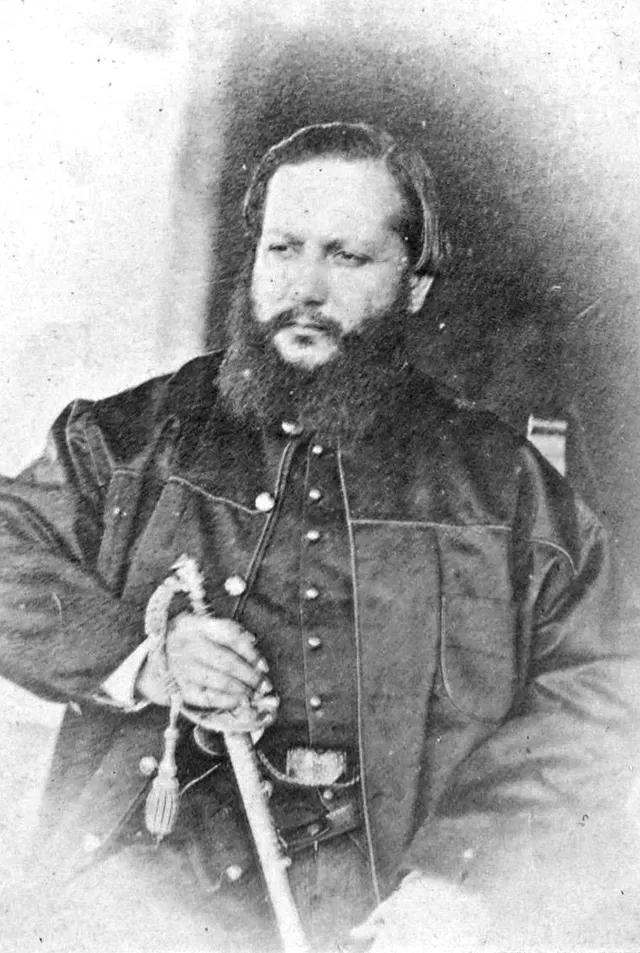
Francisco Solano López
Image creditDomenico Parodi · Public domainResized and cropped for display.

Francisco Solano López

President of Paraguay, killed in the last battle of the war against Brazil, Argentina and Uruguay.

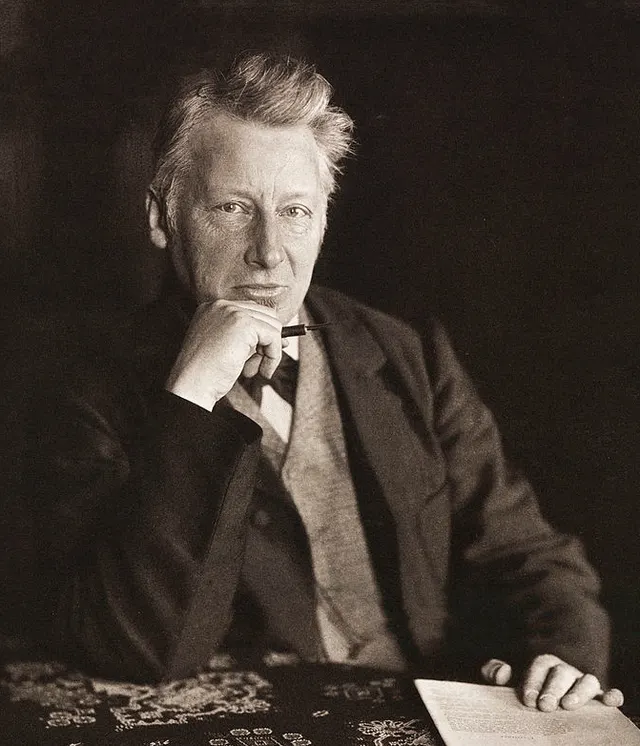
Jacobus van 't Hoff
Image creditNicola Perscheid · Public domainResized and cropped for display.

Jacobus van ‘t Hoff

Dutch chemist who won the first Nobel Prize in Chemistry, in 1901.

☉
AROUND THE WORLD

Observances & Anniversaries

The centenary ceremony for the March First Movement in Gwanghwamun Square, Seoul, 1 March 2019.
Image creditKorea.net · CC BY-SA 2.0Resized and cropped for display.

Independence Movement Day in South Korea

Samiljeol, ‘three-one day’, is a public holiday in South Korea marking the March First Movement of 1919. The Declaration of Independence is read aloud each year at Tapgol (Pagoda) Park in Seoul, where it was first proclaimed.

Source: Korea.net (Government of the Republic of Korea): Understanding the March First Independence Movement ↗
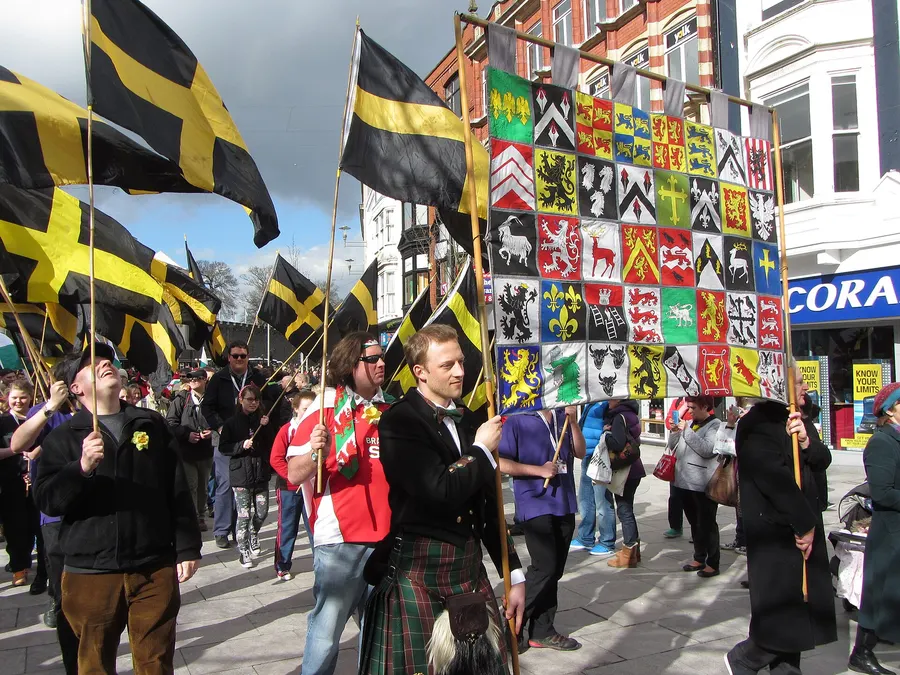
The St David's Day parade in Cardiff, 2014, with the black-and-gold flag of St David.
The St David’s Day parade in Cardiff, 2014, with the black-and-gold flag of St David.
Image creditGareth James · CC BY-SA 2.0Resized and cropped for display.

St David’s Day in Wales

Wales celebrates its patron saint, Dewi Sant, a 6th-century bishop who founded a monastery at St Davids, on 1 March. People wear leeks or daffodils, children often dress in traditional costume and towns hold parades.

Source: Amgueddfa Cymru, Museum Wales: St David’s Day in Wales ↗
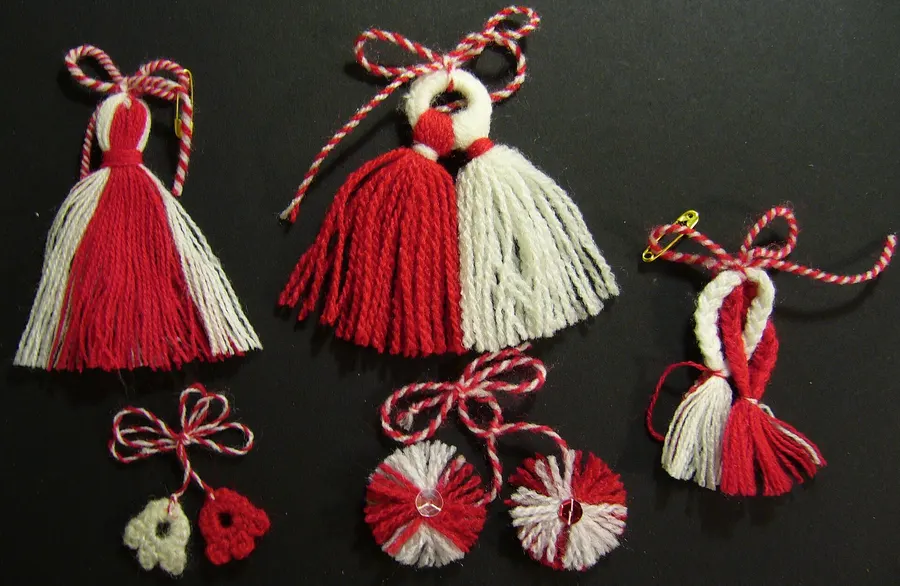
Martenitsi, the red-and-white tokens exchanged in Bulgaria on 1 March.
Image creditPetko Yotov (user:5ko) · CC BY-SA 3.0Resized and cropped for display.

Baba Marta and the martenitsa

On 1 March people in Bulgaria, Romania, Moldova and North Macedonia give one another red-and-white threads to wear for health and good luck in the coming spring, taking them off when they see a stork, a swallow or a tree in blossom. UNESCO added the custom to its list of intangible heritage in 2017.

Source: UNESCO Intangible Cultural Heritage: Cultural practices associated to the 1st of March ↗
HISTORY & TIMELINE

Finished the highlights?

Follow 1 March chronologically, from the Middle Ages to the modern day, with 12 verified events and the sources behind them.

This day through time →