Explore 29 February

Explore 29 February, the leap day that comes round once every four years: Columbus uses an eclipse to win food in Jamaica, tunnellers meet beneath the Gotthard, Hattie McDaniel wins an Oscar and an earthquake levels Agadir. Meet Gioachino Rossini, Herman Hollerith and Morarji Desai, born on this rare date.

This day through time →10 verified events across 4 eras

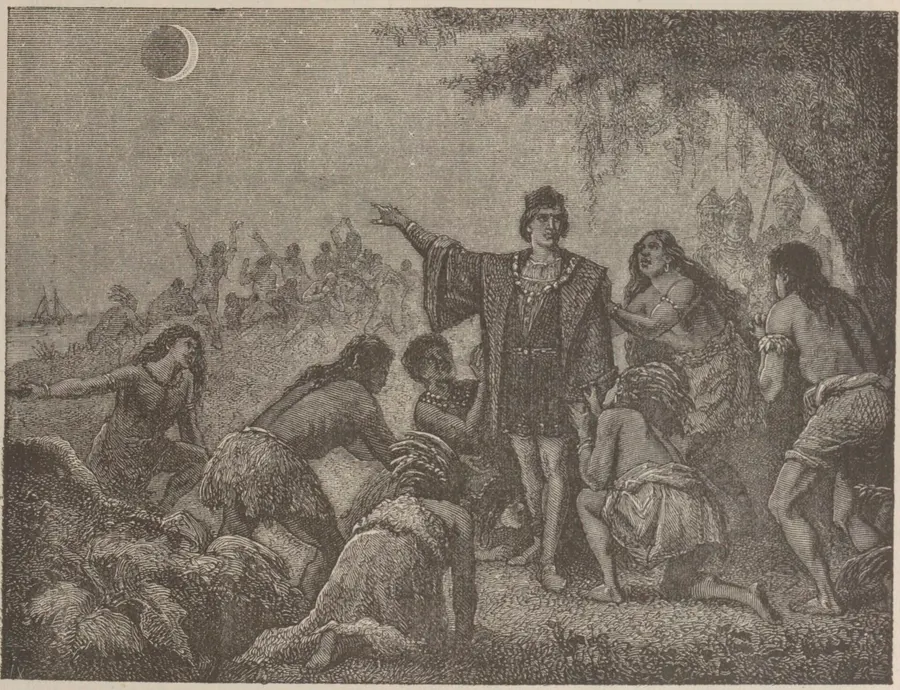
Columbus and the eclipse, as imagined in Camille Flammarion's Astronomie populaire, 1881.
Columbus and the eclipse, as imagined in Camille Flammarion’s Astronomie populaire, 1881.
Image creditCamille Flammarion · Public domainResized and cropped for display.

Columbus borrows the Moon to win food in Jamaica

On his fourth voyage Christopher Columbus had been stranded on Jamaica for months, his worm-eaten ships beached, and the Taíno had stopped bringing food. From an astronomical almanac he knew that a total eclipse of the Moon was due, and he warned the local leaders that God was angry and would show it in the sky.

On the evening of 29 February 1504 the Moon rose and darkened to a deep red, as he had foretold. The frightened Taíno promised to keep the Spaniards supplied, and Columbus’s party survived until a rescue ship arrived in June.

Read the full storyHistory & Timeline →Source: NASA Goddard Space Flight Center: Lunar eclipses of history ↗
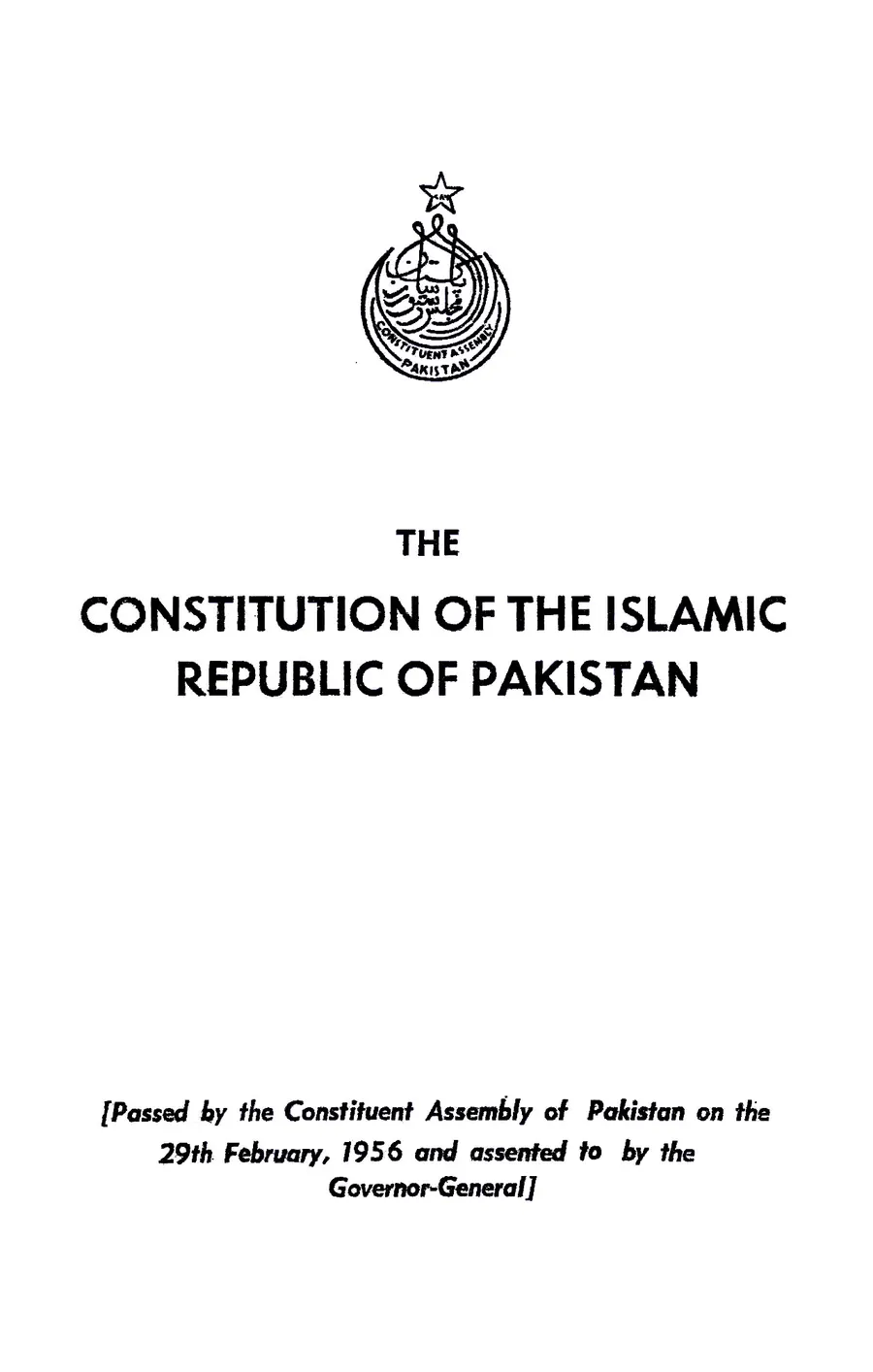
The cover of Pakistan's first constitution, 'passed by the Constituent Assembly of Pakistan on the 29th February, 1956'.
The cover of Pakistan’s first constitution, ‘passed by the Constituent Assembly of Pakistan on the 29th February, 1956’.
Image creditGovernment of Pakistan, edited by Kaim Amin · Public domainResized and cropped for display.

Pakistan adopts its first constitution

Nine years after independence, Pakistan’s second Constituent Assembly passed the country’s first constitution on 29 February 1956. It made Pakistan an Islamic republic, ending its status as a British dominion, and came into force on 23 March.

The constitution had 234 articles but a short life. Members from East Pakistan’s Awami League and the Hindu minority parties rejected it on the final day, and it was set aside when martial law was declared in October 1958.

Read the full storyHistory & Timeline →Source: National Assembly of Pakistan: History ↗
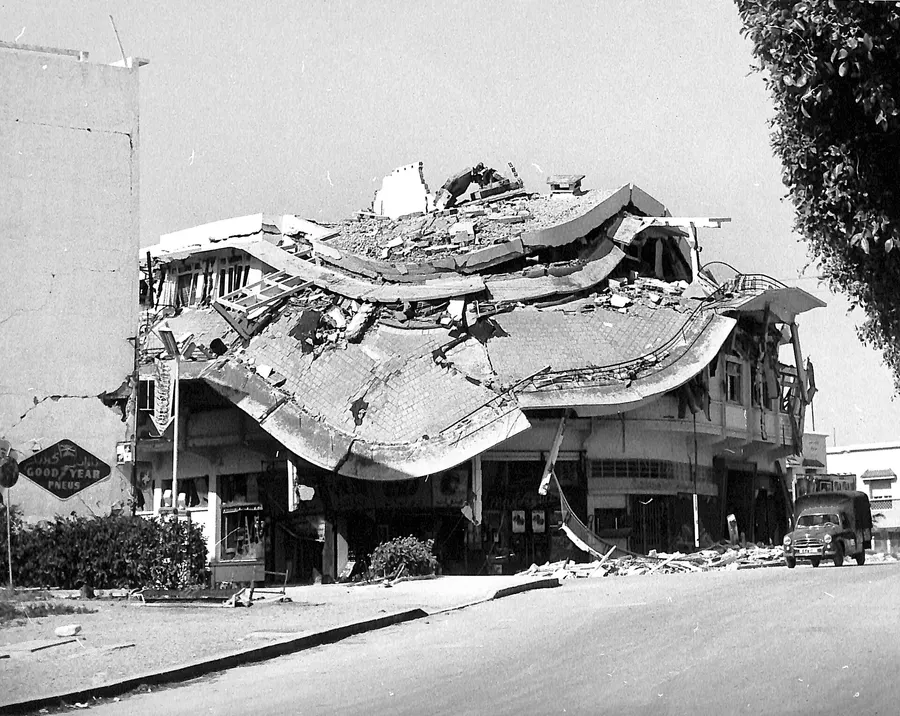
Destroyed buildings in Agadir after the earthquake, 1960.
Image creditAmerican Red Cross, Boston Metropolitan Chapter · Public domainResized and cropped for display.

An earthquake destroys Agadir

Late on the evening of 29 February 1960 an earthquake of magnitude 5.9 struck directly beneath Agadir, on Morocco’s Atlantic coast. It was not a large quake by global standards, but it was shallow, and within seconds much of the city had collapsed.

At least 12,000 people were killed, around a third of the population, and as many again were injured. The true toll will never be known, because the rubble was cleared quickly to stop disease spreading.

Read the full storyHistory & Timeline →Source: NOAA National Centers for Environmental Information: Significant earthquake, Agadir, 1960 ↗
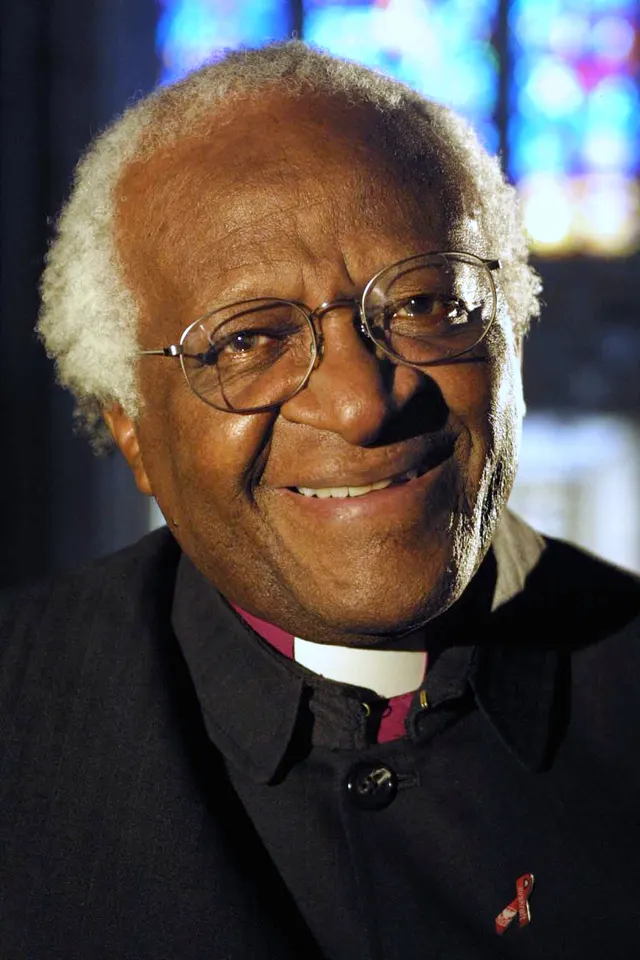
Archbishop Desmond Tutu in later life.
Image creditBenny Gool · Public domainResized and cropped for display.

Police arrest Desmond Tutu in Cape Town

Days after South Africa’s government banned leading anti-apartheid organisations, church leaders led a march from St George’s Cathedral in Cape Town towards Parliament on 29 February 1988 to deliver a petition. Riot police stopped them, turned a water cannon on kneeling clergy and detained dozens.

Among those held were Archbishop Desmond Tutu, the Reverend Allan Boesak and the Catholic Archbishop Stephen Naidoo. They were freed within hours, but the arrests made headlines around the world.

Read the full storyHistory & Timeline →Source: UPI Archives: Riot police briefly detained Archbishop Desmond Tutu and other church leaders, 29 February 1988 ↗
♙
PEOPLE

Born Today

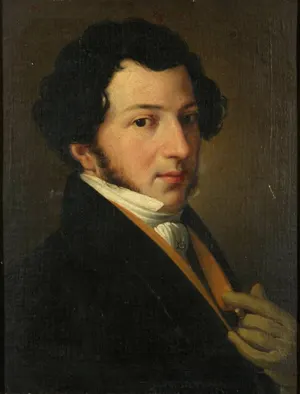
Gioachino Rossini
Image credituncredited · Public domainResized and cropped for display.

Gioachino Rossini

Italian composer of The Barber of Seville and William Tell.

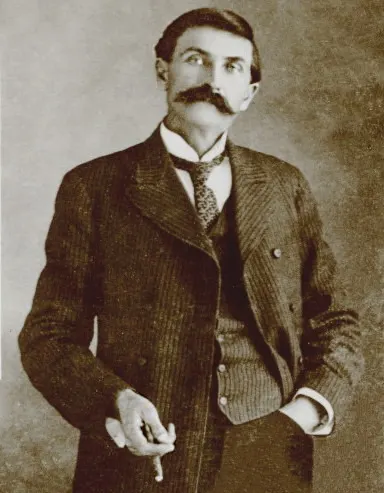
Herman Hollerith
Image creditCharles Milton Bell · Public domainResized and cropped for display.

Herman Hollerith

American inventor of the punched-card tabulating machine used in the 1890 census; his firm grew into IBM.

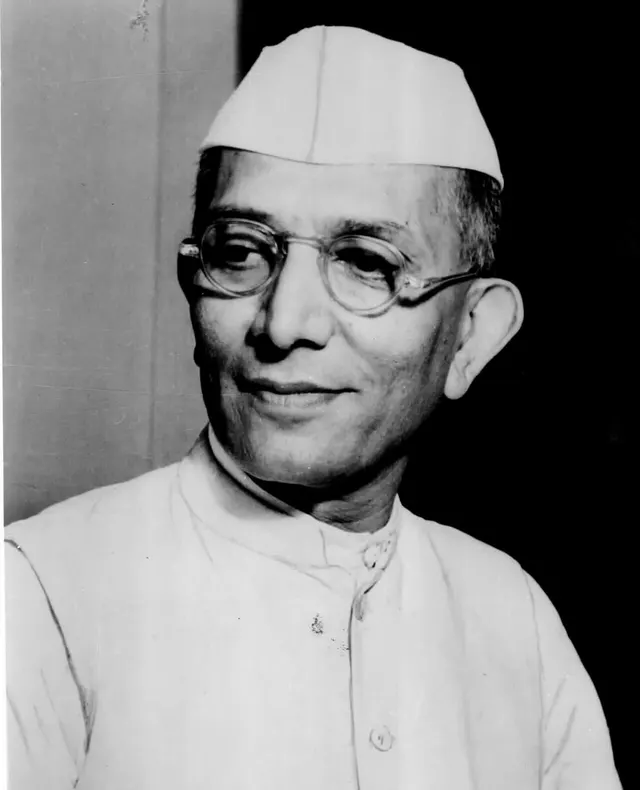
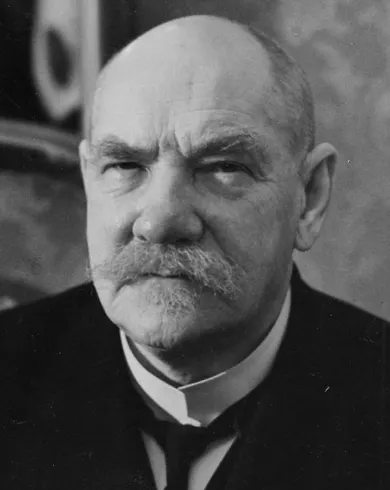
Morarji Desai
Image creditUS EMBASSY NEW DELHI · Public domainResized and cropped for display.

Morarji Desai

Prime Minister of India from 1977 to 1979, the first to lead a government not formed by Congress.

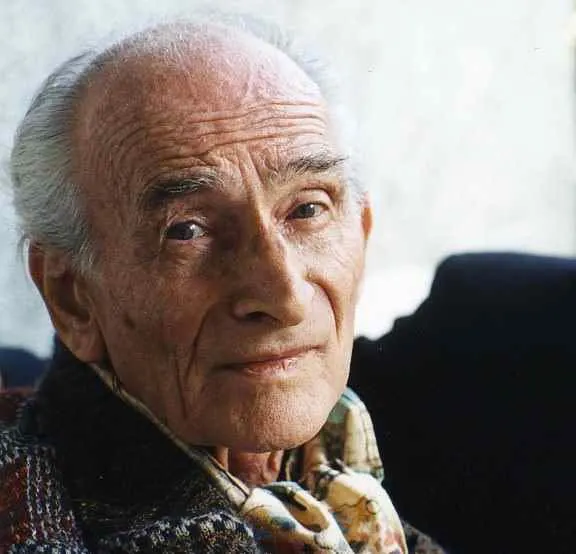
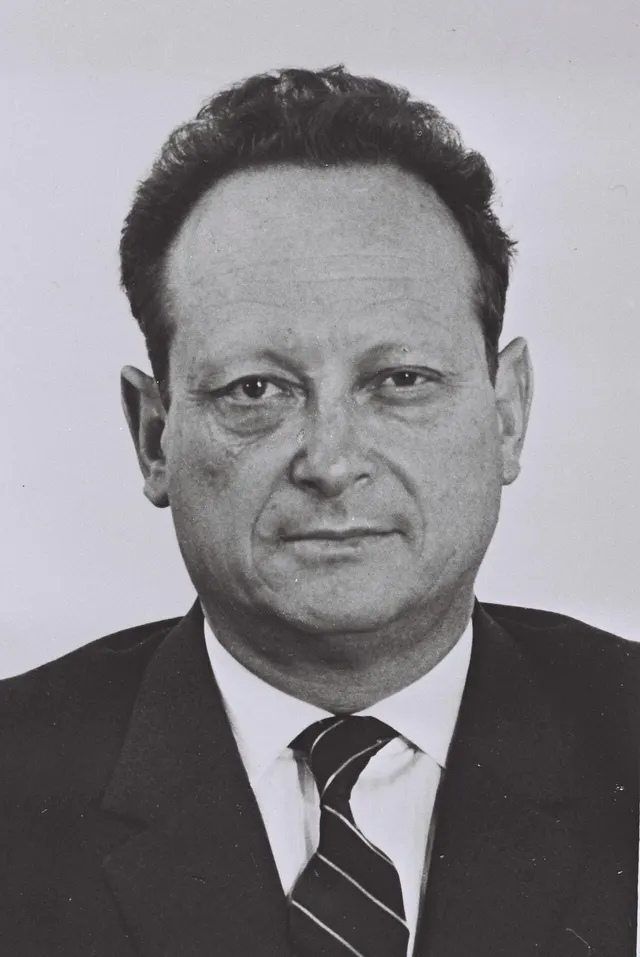
Balthus
Image creditDamianPettigrew · CC BY-SA 3.0Resized and cropped for display.

Balthus

French painter of quiet, dreamlike interiors and street scenes.

Khaled
Image creditArab Idol · CC BY 3.0Resized and cropped for display.

Khaled

Algerian singer, the ‘King of Raï’, known for Didi and Aïcha.

◉
IDEAS THAT CHANGED THINGS

Firsts, Science & Discoveries

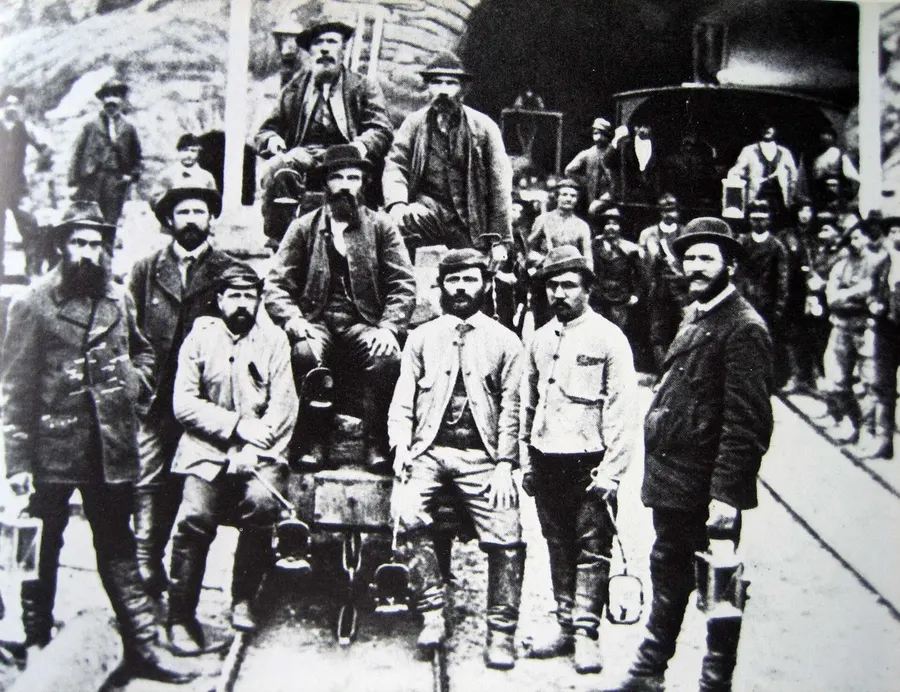
Workers on the Gotthard tunnel at Airolo, 1880.
Image creditUnknown photographer · Public domainResized and cropped for display.

Tunnellers meet beneath the Gotthard

On Sunday 29 February 1880 the crews digging the Gotthard rail tunnel from Göschenen in the north and Airolo in the south broke through to each other beneath the Swiss Alps. After seven and a half years of work the two headings met only 33 centimetres apart sideways and less than 10 centimetres in height.

At about 15 kilometres it was the longest railway tunnel in the world. The cost was high: the engineer Louis Favre had died inside it the year before, and some 177 workers lost their lives. Trains began running through it in 1882.

Read the full storyHistory & Timeline →Source: ETH Zurich, ETHeritage: Tunneldurchstich am Gotthard ↗
♫
MUSIC • FILM • BOOKS • CULTURE

Culture Stories

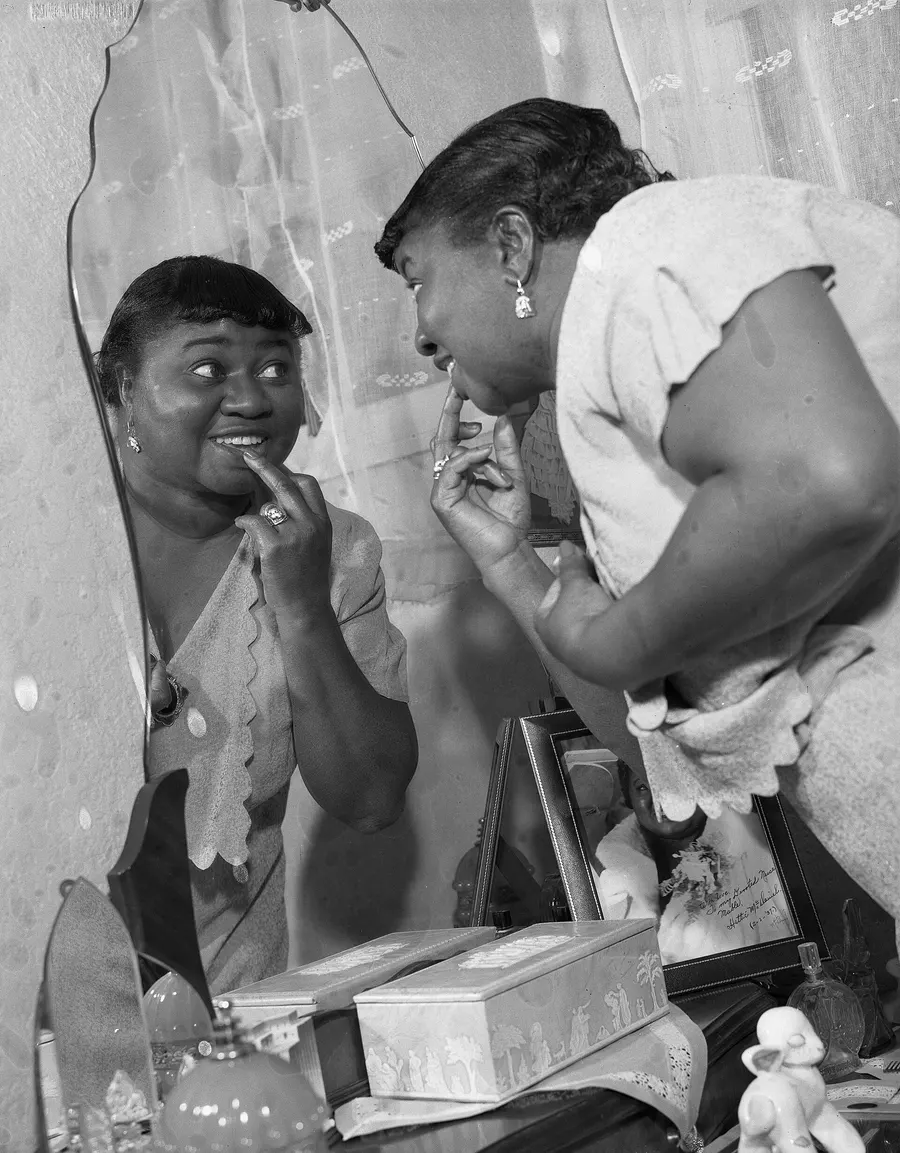
Hattie McDaniel at her dressing table in Los Angeles, 11 February 1940.
Image creditLos Angeles Times · CC BY-SA 4.0Resized and cropped for display.

Hattie McDaniel wins an Oscar

At the 12th Academy Awards, held at the Cocoanut Grove in Los Angeles on 29 February 1940, Hattie McDaniel won Best Supporting Actress for her role as Mammy in Gone with the Wind. She was the first Black person to be nominated for, and to win, an Academy Award.

The venue was segregated, and she sat at a separate table away from the film’s other stars. Her plaque later went missing; in 2023 the Academy presented a replacement to Howard University.

Read the full storyHistory & Timeline →Source: Academy of Motion Picture Arts and Sciences: The 12th Academy Awards, 1940 ↗
✦
LIVES REMEMBERED

Remembered Today

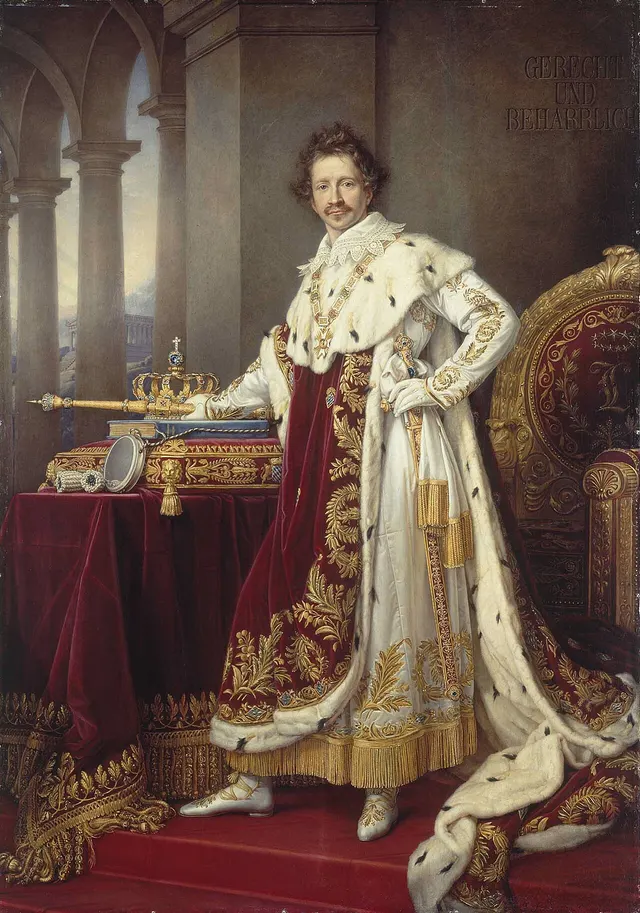
Ludwig I of Bavaria
Image creditJoseph Karl Stieler · Public domainResized and cropped for display.

Ludwig I of Bavaria

King of Bavaria who filled Munich with museums and monuments; the festivities for his wedding in 1810 became the first Oktoberfest.

Yigal Allon
Image creditUnknown photographer · Public domainResized and cropped for display.

Yigal Allon

Israeli commander and politician, briefly acting prime minister in 1969.

☉
AROUND THE WORLD

Observances & Anniversaries

Tokyo Tower lit up for Rare Disease Day, 29 February 2024.
Image creditSyced · CC0Resized and cropped for display.

Rare Disease Day

The first Rare Disease Day was held on 29 February 2008, chosen as the rarest day of the year. Organised by the patient alliance EURORDIS, it is now marked on the last day of February in more than 100 countries to raise awareness of the millions of people living with rare conditions.

Source: Rare Disease Day (EURORDIS): Rare Disease Day 2008 ↗
HISTORY & TIMELINE

Finished the highlights?

Follow 29 February chronologically, from the Middle Ages to the modern day, with 10 verified events and the sources behind them.

This day through time →