Explore 3 March

Explore 3 March: a Russian tsar frees more than 20 million serfs, Turkey abolishes the caliphate, suffragists march on Washington and 80 nations agree to protect endangered wildlife. Meet Alexander Graham Bell, Jean Harlow and Zico, born on this date.

This day through time →11 verified events across 2 eras

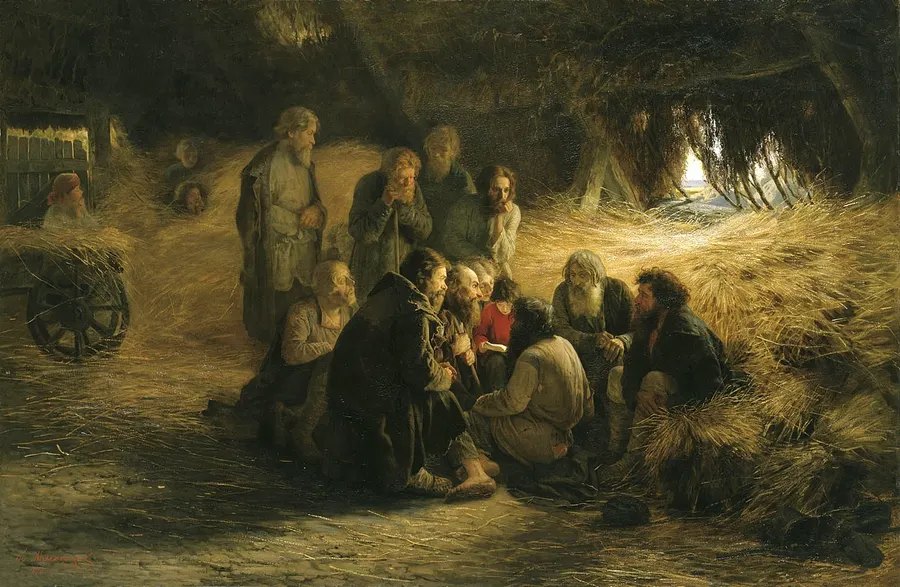
Reading of the 1861 Manifesto, painted by Grigoriy Myasoyedov in 1873.
Image creditGrigoriy Myasoyedov · Public domainResized and cropped for display.

Tsar Alexander II frees Russia’s serfs

On 3 March 1861 (19 February in the Russian calendar of the day) Tsar Alexander II signed the Emancipation Manifesto, together with 17 laws putting it into effect. More than 20 million privately owned serfs gained personal freedom and the right to own property.

Defeat in the Crimean War and fear of peasant revolt had pushed the tsar to act. But the terms were hard: former serfs had to pay for the land they received, often over decades, and many stayed poor and tied to their villages.

Read the full storyHistory & Timeline →Source: Presidential Library of Russia: The emancipation reform of 1861 ↗
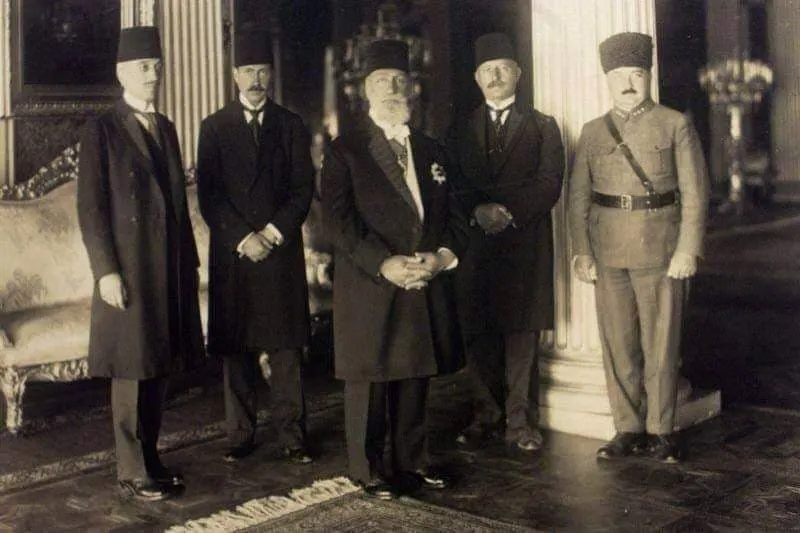
The official delegation sent to tell Caliph Abdülmecid II that he had been deposed, 3 March 1924.
Image creditUnknown photographer · Public domainResized and cropped for display.

Turkey abolishes the caliphate

Four months after declaring a republic, the Grand National Assembly of Turkey voted on 3 March 1924 to abolish the caliphate, the office of religious leadership that the Ottoman sultans had claimed for four centuries. Every member of the Ottoman dynasty was ordered to leave the country.

The last caliph, Abdülmecid II, was sent into exile in Europe. The step was part of Mustafa Kemal’s drive to build a secular state, and the office has never been restored.

Read the full storyHistory & Timeline →Source: Encyclopaedia Britannica: Turkey, declaration of the Turkish republic ↗
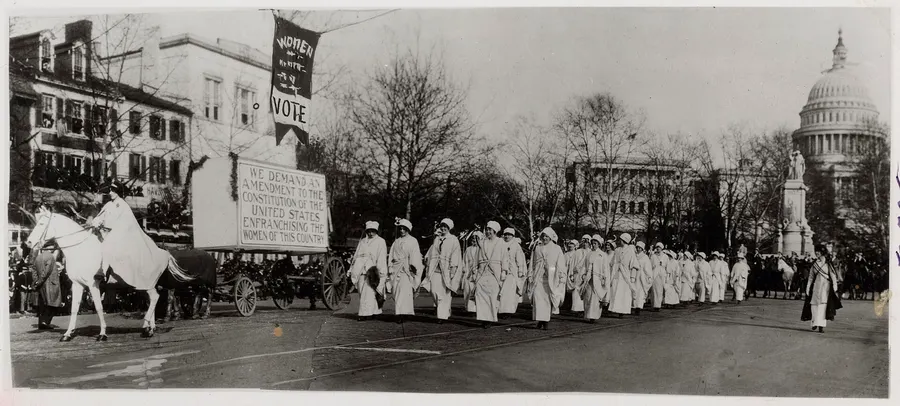
The head of the Woman Suffrage Procession in Washington, 3 March 1913, with the Capitol behind.
Image creditU. S. Information Agency · Public domainResized and cropped for display.

Suffragists march on Washington

On 3 March 1913, the day before Woodrow Wilson became president, more than 5,000 women marched along Pennsylvania Avenue in Washington to demand the vote. Organised by Alice Paul, the procession was led by the lawyer Inez Milholland on a white horse, with floats, bands and mounted brigades.

Huge crowds of onlookers blocked the route and jeered and shoved the marchers, and more than 100 people were taken to hospital. The uproar brought the campaign fresh publicity; in 1920 the 19th Amendment gave American women the vote.

Read the full storyHistory & Timeline →Source: National Park Service: 1913 Woman Suffrage Procession ↗
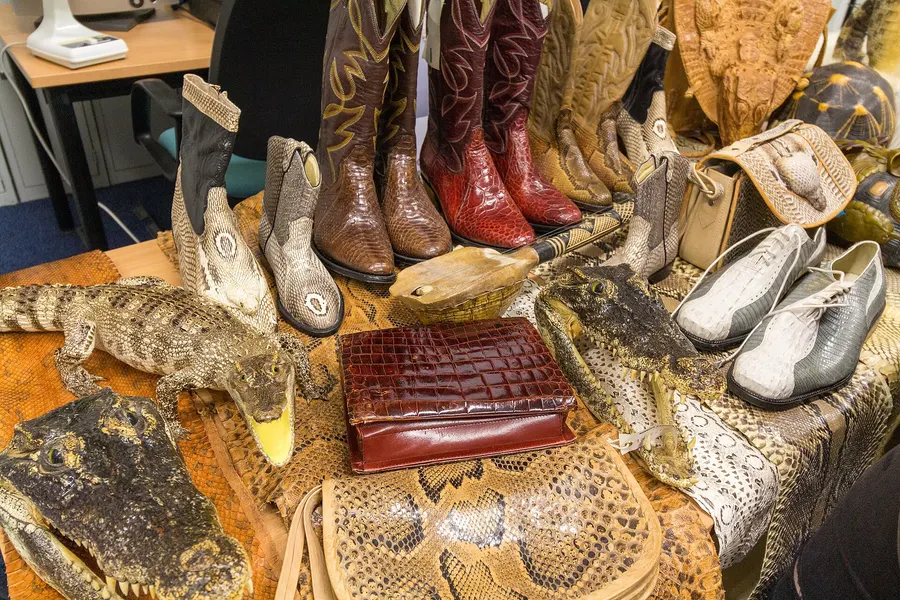
Goods made from protected species, seized by British customs officers, on display in London.
Image creditThe wub · CC BY-SA 4.0Resized and cropped for display.

The world agrees to protect endangered species from trade

Delegates from 80 countries meeting in Washington agreed the text of the Convention on International Trade in Endangered Species of Wild Fauna and Flora, known as CITES, and it was opened for signature on 3 March 1973. It came into force in 1975.

CITES sets rules so that international trade does not threaten the survival of wild animals and plants, from elephants and tigers to rare orchids. In 2013 the United Nations named 3 March World Wildlife Day.

Read the full storyHistory & Timeline →Source: CITES Secretariat: What is CITES? ↗
♙
PEOPLE

Born Today

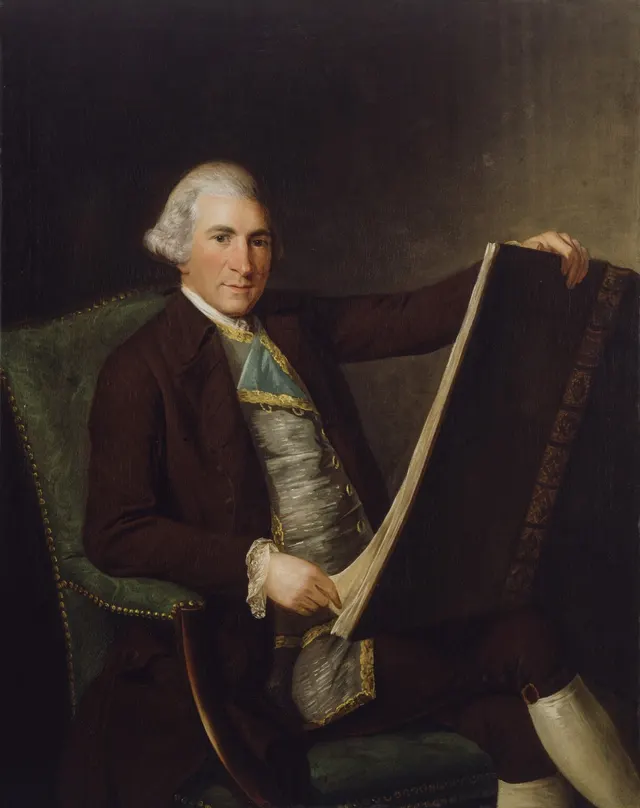
Georg Cantor
Image creditUnknown authorUnknown author · Public domainResized and cropped for display.

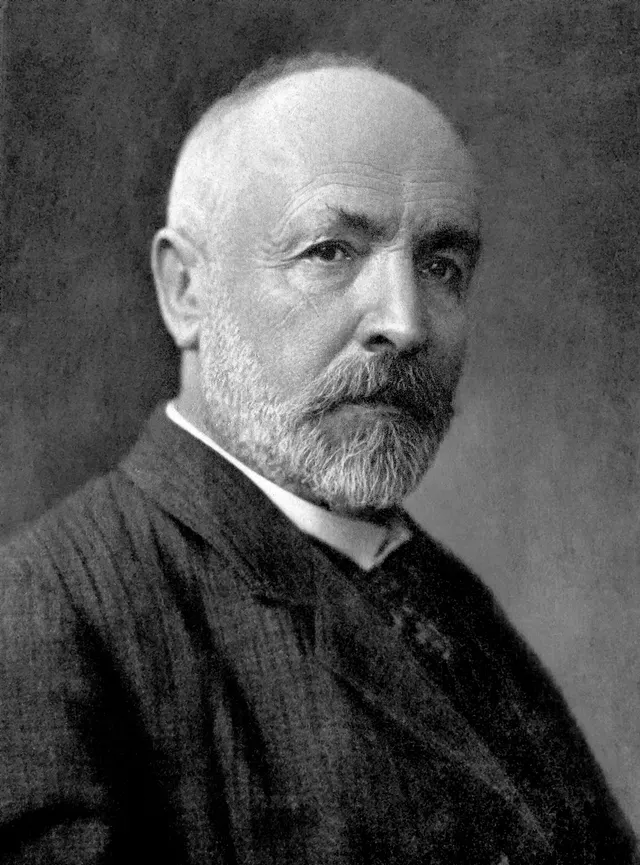
Georg Cantor

German mathematician, born in St Petersburg, who created set theory and showed that some infinities are larger than others (19 February Old Style).

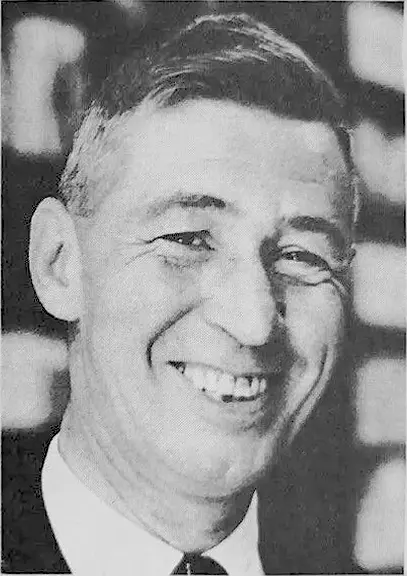
Alexander Graham Bell
Image creditUnknown authorUnknown author · CC0Resized and cropped for display.

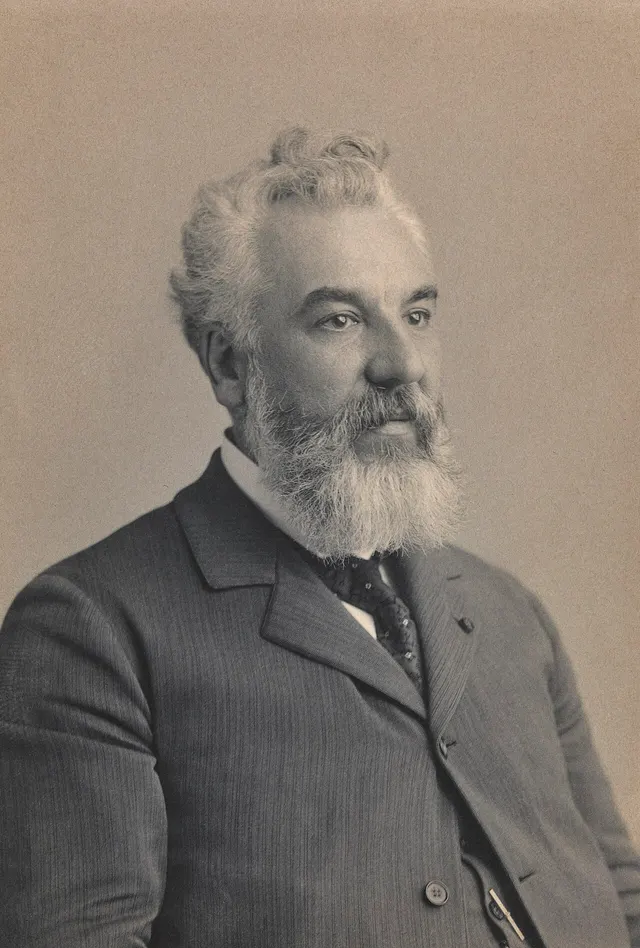
Alexander Graham Bell

Scottish-born inventor who patented the telephone in 1876.

Jean Harlow
Image creditstudio · Public domainResized and cropped for display.

Jean Harlow

American film star of the 1930s, Hollywood’s original ‘platinum blonde’.

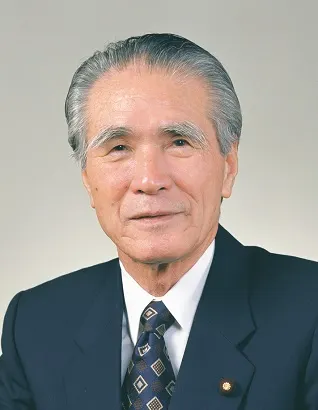
Tomiichi Murayama
Image credit内閣官房内閣広報室 · CC BY 4.0Resized and cropped for display.

Tomiichi Murayama

Prime Minister of Japan who in 1995 issued a landmark apology for the country’s wartime aggression.

Zico
Image creditDoha Stadium Plus Qatar · CC BY 2.0Resized and cropped for display.

Zico

Brazilian attacking midfielder, one of the great players of the 1982 World Cup.

◉
IDEAS THAT CHANGED THINGS

Firsts, Science & Discoveries

Apollo 9 lifts off from Kennedy Space Center, 3 March 1969.
Image creditNASA · Public domainResized and cropped for display.

Apollo 9 takes the lunar module into space

At 11 in the morning on 3 March 1969 a Saturn V rocket launched Apollo 9 from Kennedy Space Center with James McDivitt, David Scott and Russell Schweickart aboard. It was the first crewed flight of the lunar module, the craft that would land astronauts on the Moon.

In ten days in Earth orbit the crew flew the lunar module on its own, separated it from the command ship and docked again, and Schweickart tested the moonwalk suit on a spacewalk. They splashed down on 13 March, clearing the way for the first landing that July.

Read the full storyHistory & Timeline →Source: NASA: Apollo 9 ↗
☆
SPORTING HISTORY

Sporting Moments

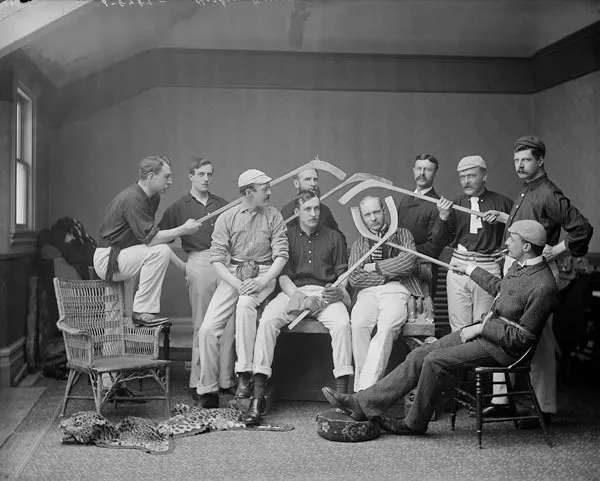
Early ice hockey players with their sticks in Ottawa, 1889.
Image creditUnknown · Public domainResized and cropped for display.

The first organised indoor ice hockey game

On 3 March 1875 James Creighton organised a game of hockey at the Victoria Skating Rink in Montreal. It is the first recorded indoor game between two named teams, played with a referee, a flat wooden puck and a recorded score. Creighton’s side won 2-1.

The game, announced in the newspapers beforehand, drew spectators and inspired new teams in Montreal and beyond. The sport grew into Canada’s national game.

Read the full storyHistory & Timeline →Source: Government of Canada: Backgrounder, James George Aylwin Creighton (1850-1930) ↗
♫
MUSIC • FILM • BOOKS • CULTURE

Culture Stories

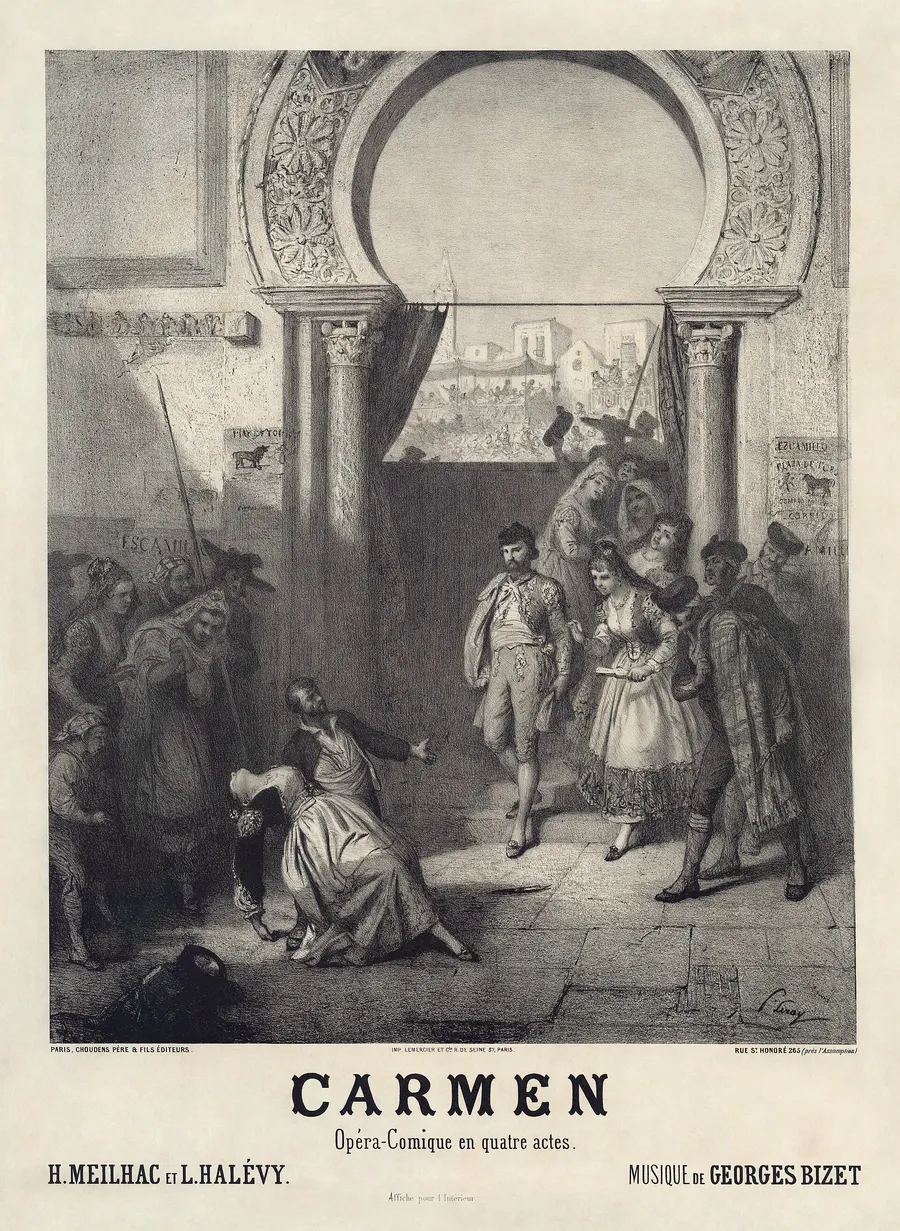
Prudent-Louis Leray's poster for the first production of Carmen, 1875.
Prudent-Louis Leray’s poster for the first production of Carmen, 1875.
Image creditPrudent-Louis Leray (1820-1879); Restored by Adam Cuerden · Public domainResized and cropped for display.

Bizet’s Carmen opens to a cool reception

Georges Bizet’s opera Carmen, with a libretto by Henri Meilhac and Ludovic Halévy after a story by Prosper Mérimée, opened at the Opéra-Comique in Paris on 3 March 1875. Critics and audiences found its tale of a free-spirited Spanish woman and the soldier who kills her too daring and too violent for the house.

Bizet died three months later, aged 36, never knowing what the opera would become. Within a few years Carmen was a triumph around the world, and it is now among the most performed operas of all.

Read the full storyHistory & Timeline →Source: Bibliothèque nationale de France: Du scandale à la gloire, création de Carmen le 3 mars 1875 ↗
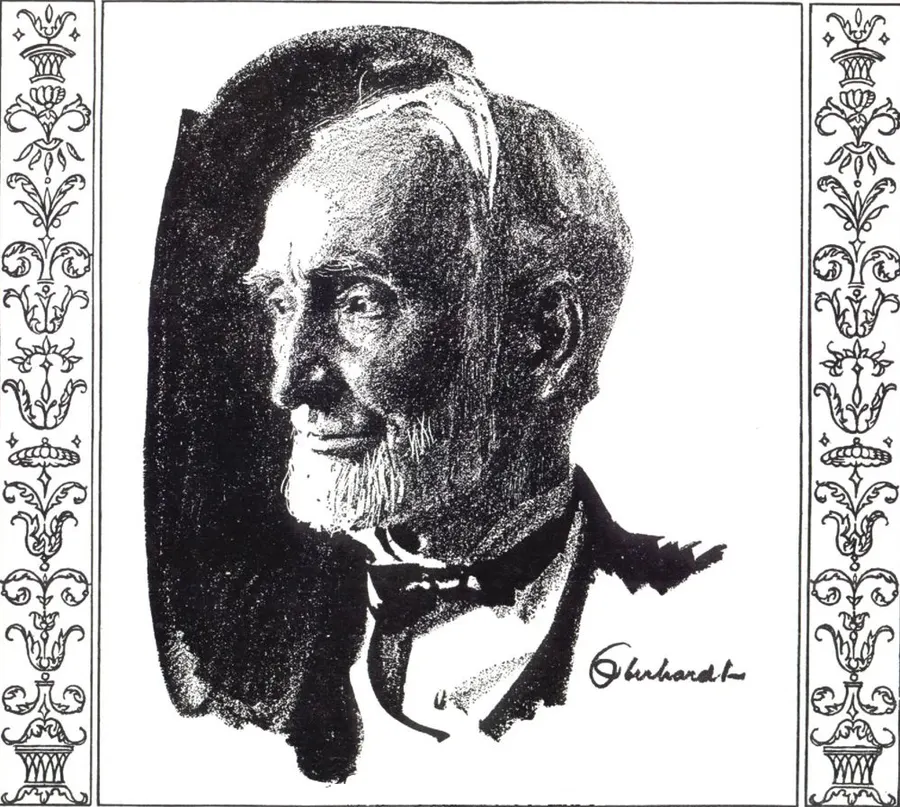
The cover portrait of Joseph Cannon from the first issue of Time, 3 March 1923.
Image creditUnknown artist (Time, 3 March 1923) · Public domainResized and cropped for display.

The first issue of Time magazine

Two young Yale graduates, Briton Hadden and Henry Luce, published the first issue of Time on 3 March 1923. It set out to give busy readers the week’s news in short, lively articles, and its first cover showed the retired Speaker of the House of Representatives, Joseph Cannon.

About 12,000 copies of the 32-page first issue were printed. Time became one of the world’s most influential news magazines, known for its red border and its Person of the Year.

Read the full storyHistory & Timeline →Source: Encyclopaedia Britannica: Time (American magazine) ↗
✦
LIVES REMEMBERED

Remembered Today

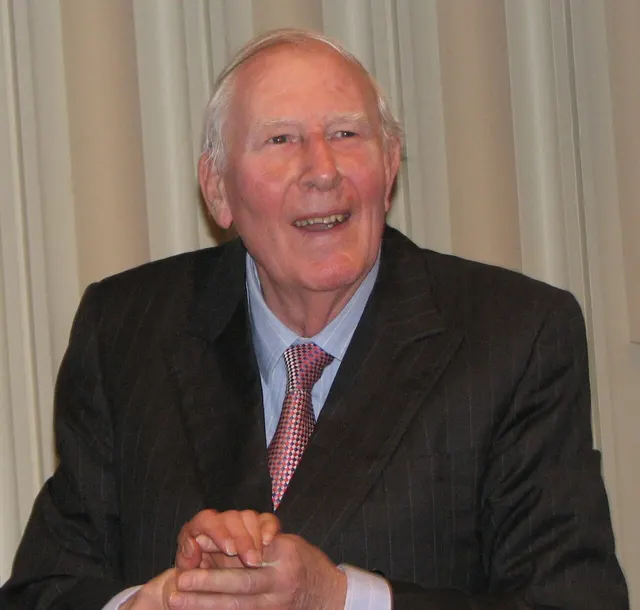
Roger Bannister
Image creditUser:Pruneau · CC BY-SA 3.0Resized and cropped for display.

Roger Bannister

English athlete and neurologist who ran the first mile in under four minutes, in 1954.

☉
AROUND THE WORLD

Observances & Anniversaries

Bulgarian National Guards parade in Sofia on Liberation Day, 3 March 2018.
Image creditMinistry of Defence of Bulgaria · CC BY-SA 2.0Resized and cropped for display.

Liberation Day in Bulgaria

Bulgaria’s national day falls on 3 March, the anniversary of the Treaty of San Stefano of 1878, which ended almost five centuries of Ottoman rule and recognised a Bulgarian state. It is marked with parades, wreaths and flags across the country.

Source: Council of Ministers of the Republic of Bulgaria: History ↗
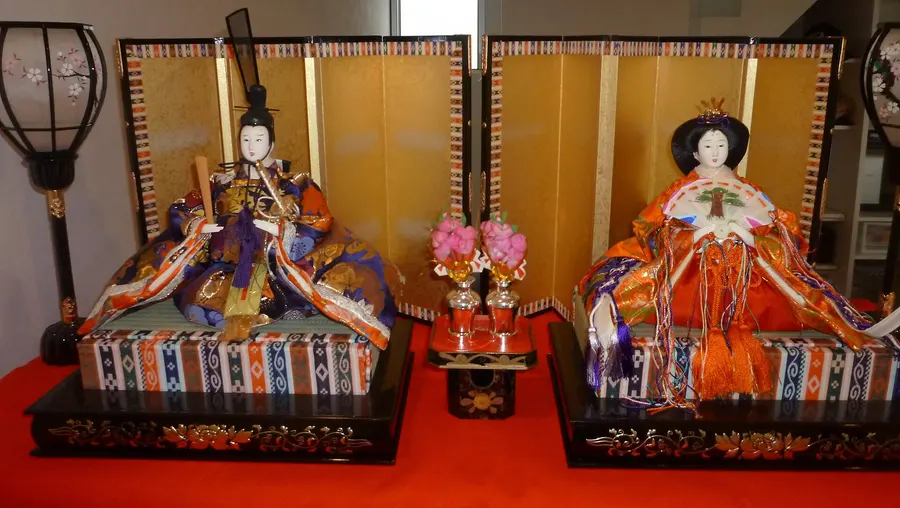
The emperor and empress dolls from the top tier of a hina doll display.
Image creditNesnad · CC BY-SA 3.0Resized and cropped for display.

Hinamatsuri, Japan’s Doll Festival

On 3 March Japanese families wish their daughters health and happiness by setting out hina dolls, dressed as the court of a Heian-period emperor and empress, on tiered stands. The custom dates from the Edo period, and the day is celebrated with special foods such as chirashi sushi and clam soup.

Source: Web Japan (Ministry of Foreign Affairs of Japan): Hina Matsuri ↗
HISTORY & TIMELINE

Finished the highlights?

Follow 3 March chronologically, from the Middle Ages to the modern day, with 11 verified events and the sources behind them.

This day through time →