
HISTORY & TIMELINE
3 March

A journey through
3 March in history

From the Russian Empire’s great reform of 1861 to Apollo 9’s test of the lunar module in 1969, 3 March has seen treaties redraw Europe, a famous opera fail on its first night and the first organised game of indoor ice hockey. This timeline follows the date across more than a century.

JUMP THROUGH TIME
IV
THE NINETEENTH CENTURY

The 1800s

Industry, empire, invention, reform and a century of enormous transformation.

1861
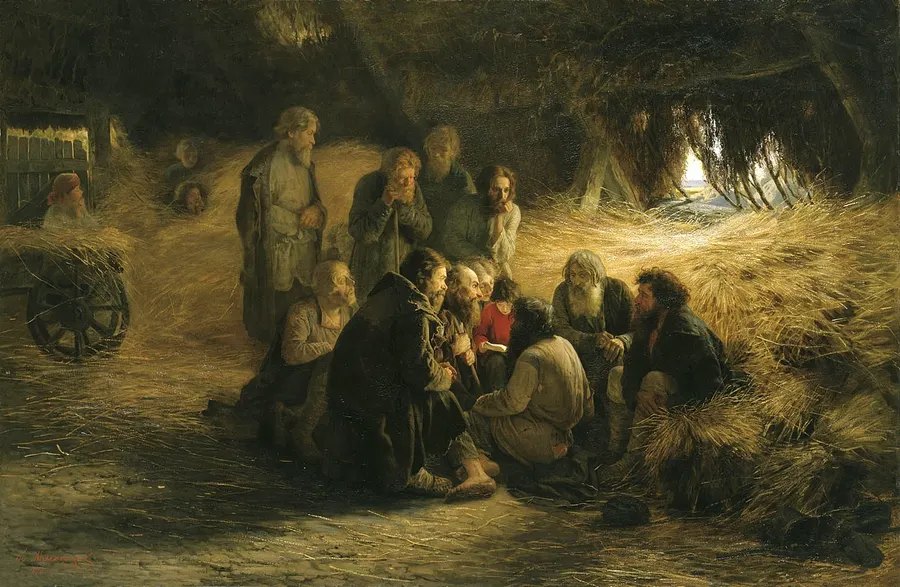
Reading of the 1861 Manifesto, painted by Grigoriy Myasoyedov in 1873.Reading of the 1861 Manifesto, painted by Grigoriy Myasoyedov in 1873.Image: Grigoriy Myasoyedov · Public domain
world · Europe

Tsar Alexander II frees Russia’s serfs

On 3 March 1861 (19 February in the Russian calendar of the day) Tsar Alexander II signed the Emancipation Manifesto, together with 17 laws putting it into effect. More than 20 million privately owned serfs gained personal freedom and the right to own property. Defeat in the Crimean War and fear of peasant revolt had pushed the tsar to act. But the terms were hard: former serfs had to pay for the land they received, often over decades, and many stayed poor and tied to their villages.

Source: Presidential Library of Russia: The emancipation reform of 1861 ↗
1875
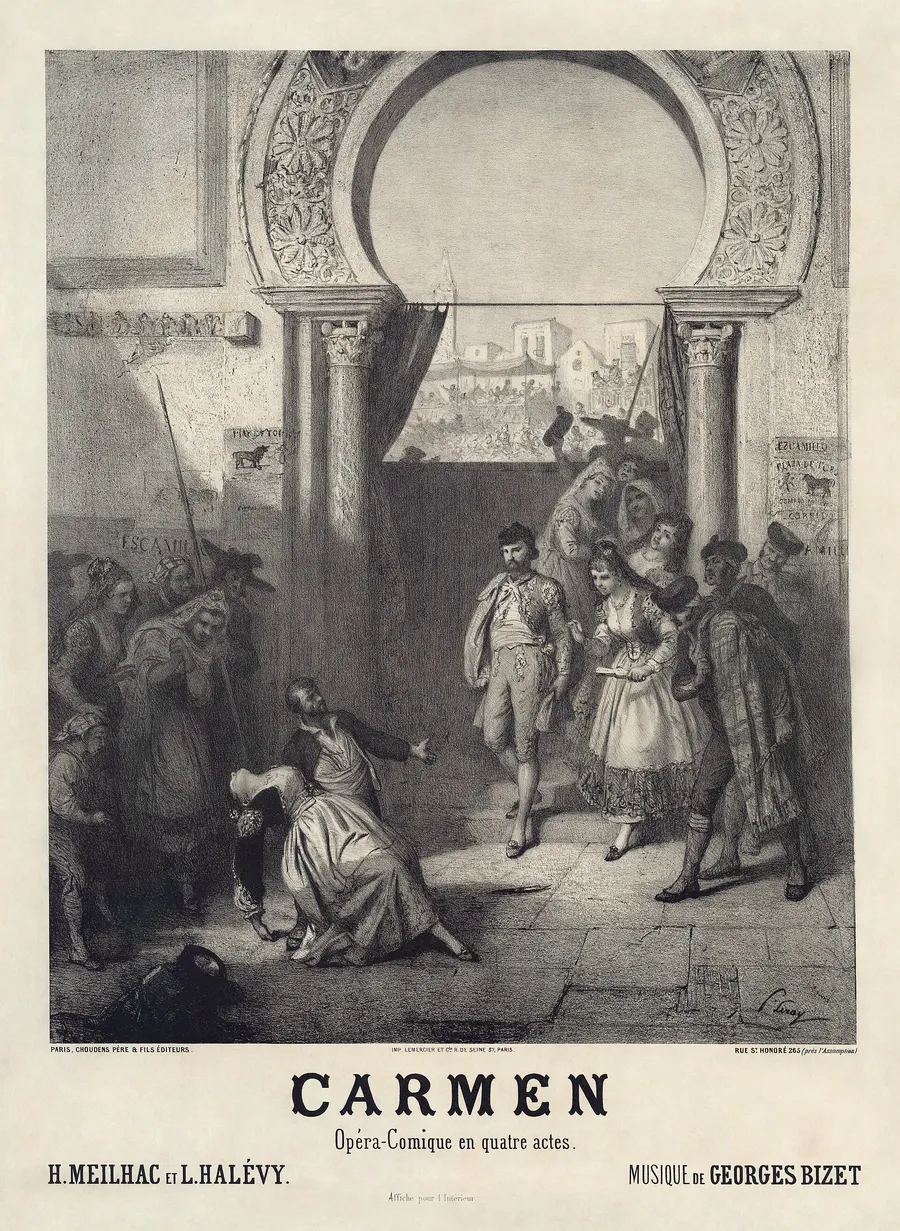
Prudent-Louis Leray's poster for the first production of Carmen, 1875.Prudent-Louis Leray’s poster for the first production of Carmen, 1875.Image: Prudent-Louis Leray (1820-1879); Restored by Adam Cuerden · Public domain
culture · Europe

Bizet’s Carmen opens to a cool reception

Georges Bizet’s opera Carmen, with a libretto by Henri Meilhac and Ludovic Halévy after a story by Prosper Mérimée, opened at the Opéra-Comique in Paris on 3 March 1875. Critics and audiences found its tale of a free-spirited Spanish woman and the soldier who kills her too daring and too violent for the house. Bizet died three months later, aged 36, never knowing what the opera would become. Within a few years Carmen was a triumph around the world, and it is now among the most performed operas of all.

Source: Bibliothèque nationale de France: Du scandale à la gloire, création de Carmen le 3 mars 1875 ↗
1875
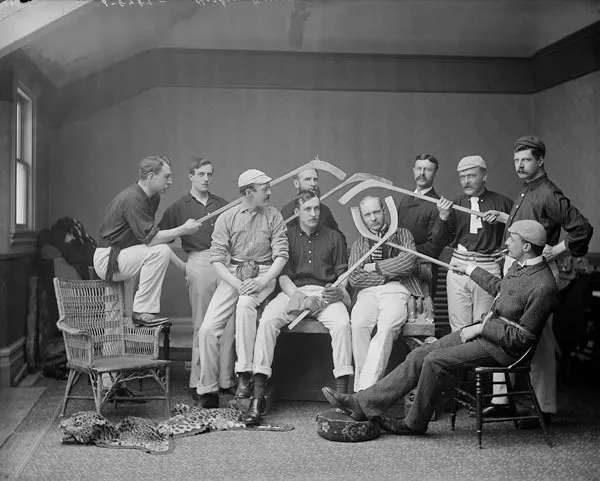
Early ice hockey players with their sticks in Ottawa, 1889.Early ice hockey players with their sticks in Ottawa, 1889.Image: Unknown · Public domain
sport · Americas

The first organised indoor ice hockey game

On 3 March 1875 James Creighton organised a game of hockey at the Victoria Skating Rink in Montreal. It is the first recorded indoor game between two named teams, played with a referee, a flat wooden puck and a recorded score. Creighton’s side won 2-1. The game, announced in the newspapers beforehand, drew spectators and inspired new teams in Montreal and beyond. The sport grew into Canada’s national game.

Source: Government of Canada: Backgrounder, James George Aylwin Creighton (1850-1930) ↗
1878
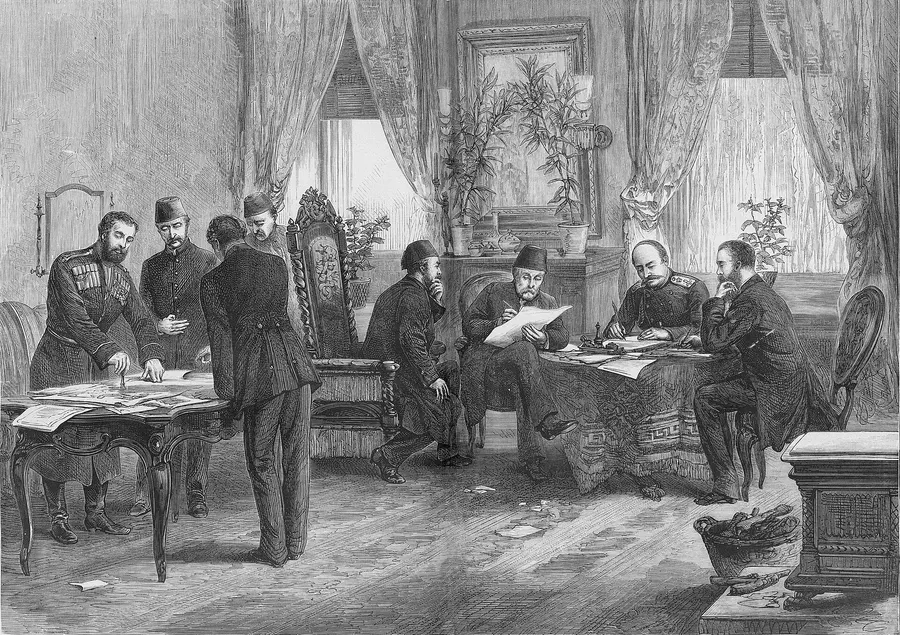
The signing of the Treaty of San Stefano, in an engraving of 1878.The signing of the Treaty of San Stefano, in an engraving of 1878.Image: Unknown authorUnknown author · Public domain
politics · Europe

The Treaty of San Stefano creates a large Bulgaria

Signed on 3 March 1878 (19 February Old Style) near Constantinople, the Treaty of San Stefano ended the Russo-Turkish War. The Ottomans recognised the independence of Serbia, Montenegro and Romania and a large self-governing Bulgaria stretching from the Danube to the Aegean. Britain and Austria-Hungary objected, and the Congress of Berlin cut Bulgaria back that July.

Source: Encyclopaedia Britannica: Treaty of San Stefano ↗
V
THE TWENTIETH CENTURY

The 1900s

War and peace, technological leaps, social change, politics, sport and popular culture.

1913
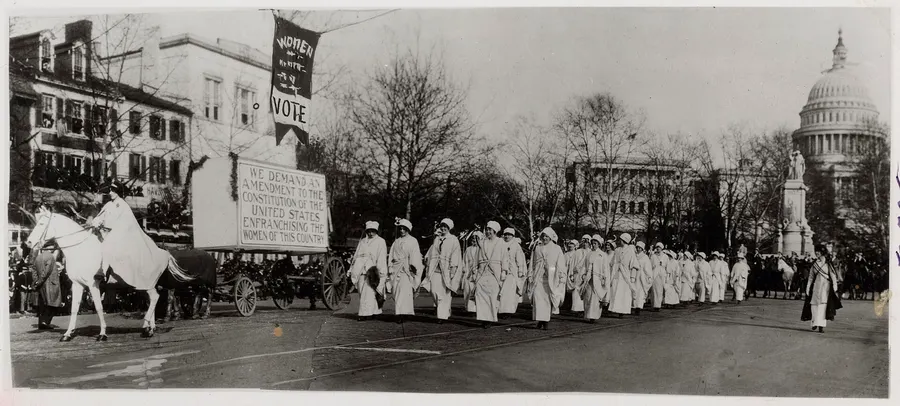
The head of the Woman Suffrage Procession in Washington, 3 March 1913, with the Capitol behind.The head of the Woman Suffrage Procession in Washington, 3 March 1913, with the Capitol behind.Image: U. S. Information Agency · Public domain
world · Americas

Suffragists march on Washington

On 3 March 1913, the day before Woodrow Wilson became president, more than 5,000 women marched along Pennsylvania Avenue in Washington to demand the vote. Organised by Alice Paul, the procession was led by the lawyer Inez Milholland on a white horse, with floats, bands and mounted brigades. Huge crowds of onlookers blocked the route and jeered and shoved the marchers, and more than 100 people were taken to hospital. The uproar brought the campaign fresh publicity; in 1920 the 19th Amendment gave American women the vote.

Source: National Park Service: 1913 Woman Suffrage Procession ↗
1918
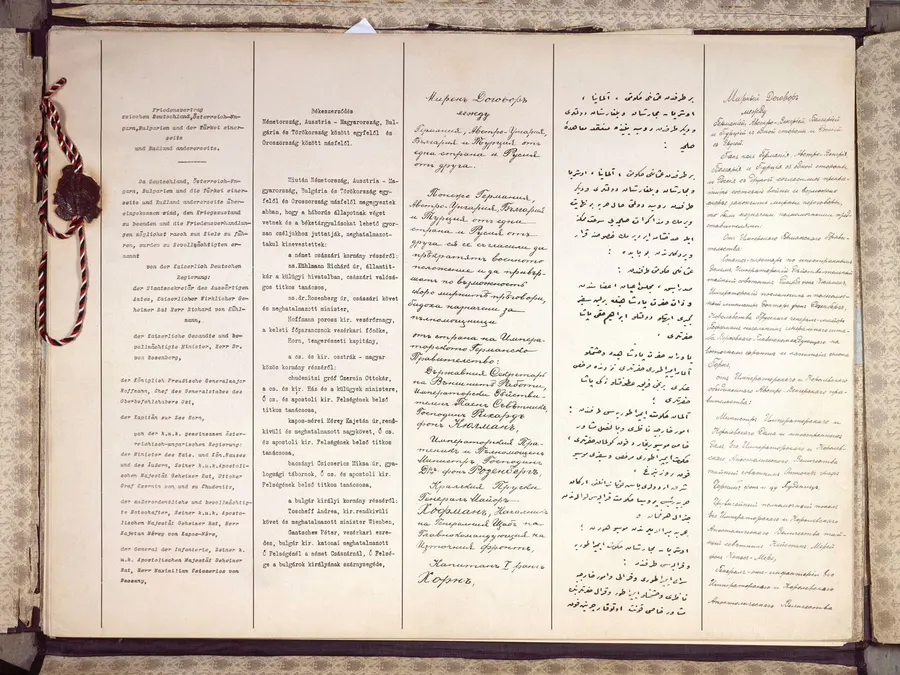
The opening pages of the Treaty of Brest-Litovsk, 1918.The opening pages of the Treaty of Brest-Litovsk, 1918.Image: Unknown authorUnknown author · Public domain
world · Europe

Russia leaves the First World War at Brest-Litovsk

After Germany renewed its advance and Lenin threatened to resign, Soviet Russia signed a peace treaty with Germany and its allies at Brest-Litovsk on 3 March 1918. Russia gave up Ukraine, Finland and its Polish and Baltic lands: more than a quarter of its population and much of its farmland and industry. Germany’s defeat that November made the treaty void.

Source: Encyclopaedia Britannica: Treaties of Brest-Litovsk ↗
1923
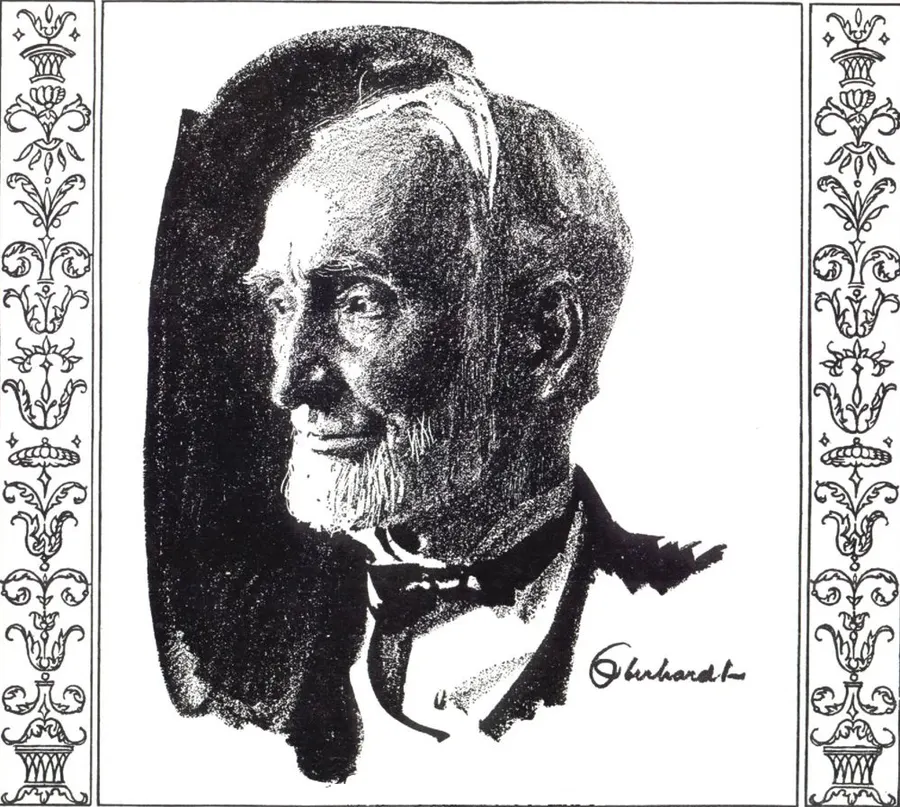
The cover portrait of Joseph Cannon from the first issue of Time, 3 March 1923.The cover portrait of Joseph Cannon from the first issue of Time, 3 March 1923.Image: Unknown artist (Time, 3 March 1923) · Public domain
culture · Americas

The first issue of Time magazine

Two young Yale graduates, Briton Hadden and Henry Luce, published the first issue of Time on 3 March 1923. It set out to give busy readers the week’s news in short, lively articles, and its first cover showed the retired Speaker of the House of Representatives, Joseph Cannon. About 12,000 copies of the 32-page first issue were printed. Time became one of the world’s most influential news magazines, known for its red border and its Person of the Year.

Source: Encyclopaedia Britannica: Time (American magazine) ↗
1924
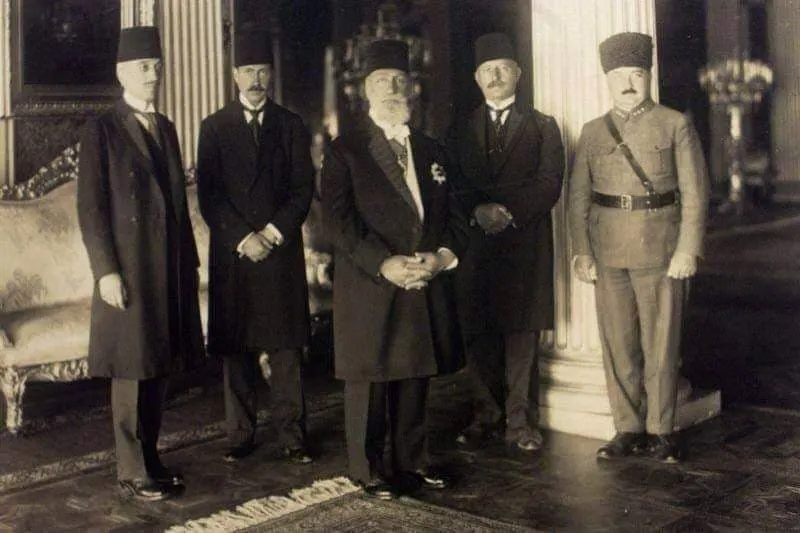
The official delegation sent to tell Caliph Abdülmecid II that he had been deposed, 3 March 1924.The official delegation sent to tell Caliph Abdülmecid II that he had been deposed, 3 March 1924.Image: Unknown photographer · Public domain
culture · Asia

Turkey abolishes the caliphate

Four months after declaring a republic, the Grand National Assembly of Turkey voted on 3 March 1924 to abolish the caliphate, the office of religious leadership that the Ottoman sultans had claimed for four centuries. Every member of the Ottoman dynasty was ordered to leave the country. The last caliph, Abdülmecid II, was sent into exile in Europe. The step was part of Mustafa Kemal’s drive to build a secular state, and the office has never been restored.

Source: Encyclopaedia Britannica: Turkey, declaration of the Turkish republic ↗
1931
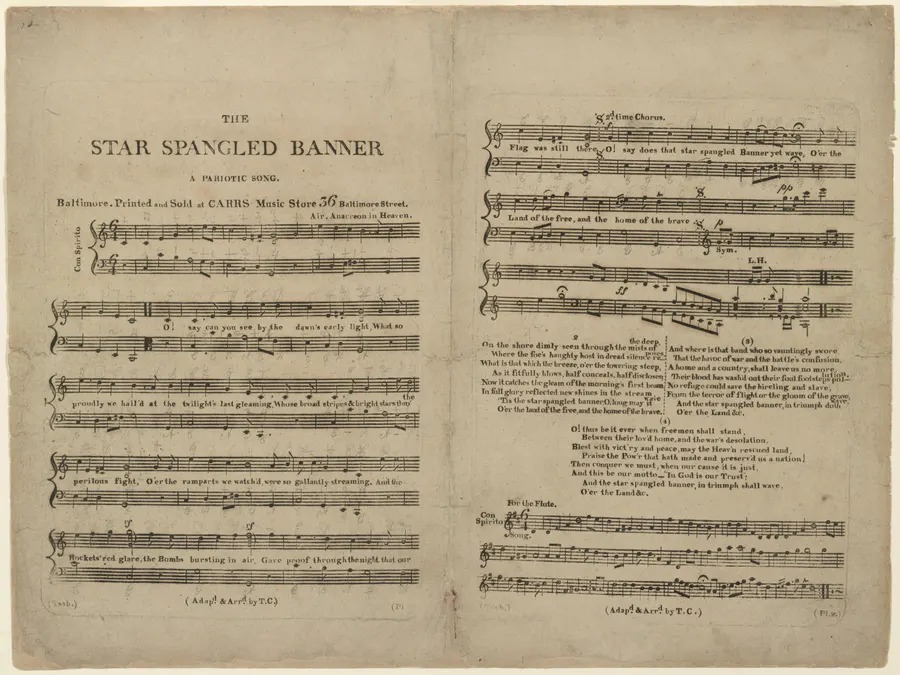
The first printed sheet music of The Star-Spangled Banner, published by Thomas Carr in 1814.The first printed sheet music of The Star-Spangled Banner, published by Thomas Carr in 1814.Image: Thomas Carr (arranger) · Public domain
culture · Americas

The Star-Spangled Banner becomes the US national anthem

On 3 March 1931 President Herbert Hoover signed the law making ‘The Star-Spangled Banner’, Francis Scott Key’s poem of 1814 set to an older tune, the national anthem of the United States. A petition with more than five million signatures had backed the bill.

Source: US House of Representatives, History, Art and Archives: The designation of the Star-Spangled Banner ↗
1969
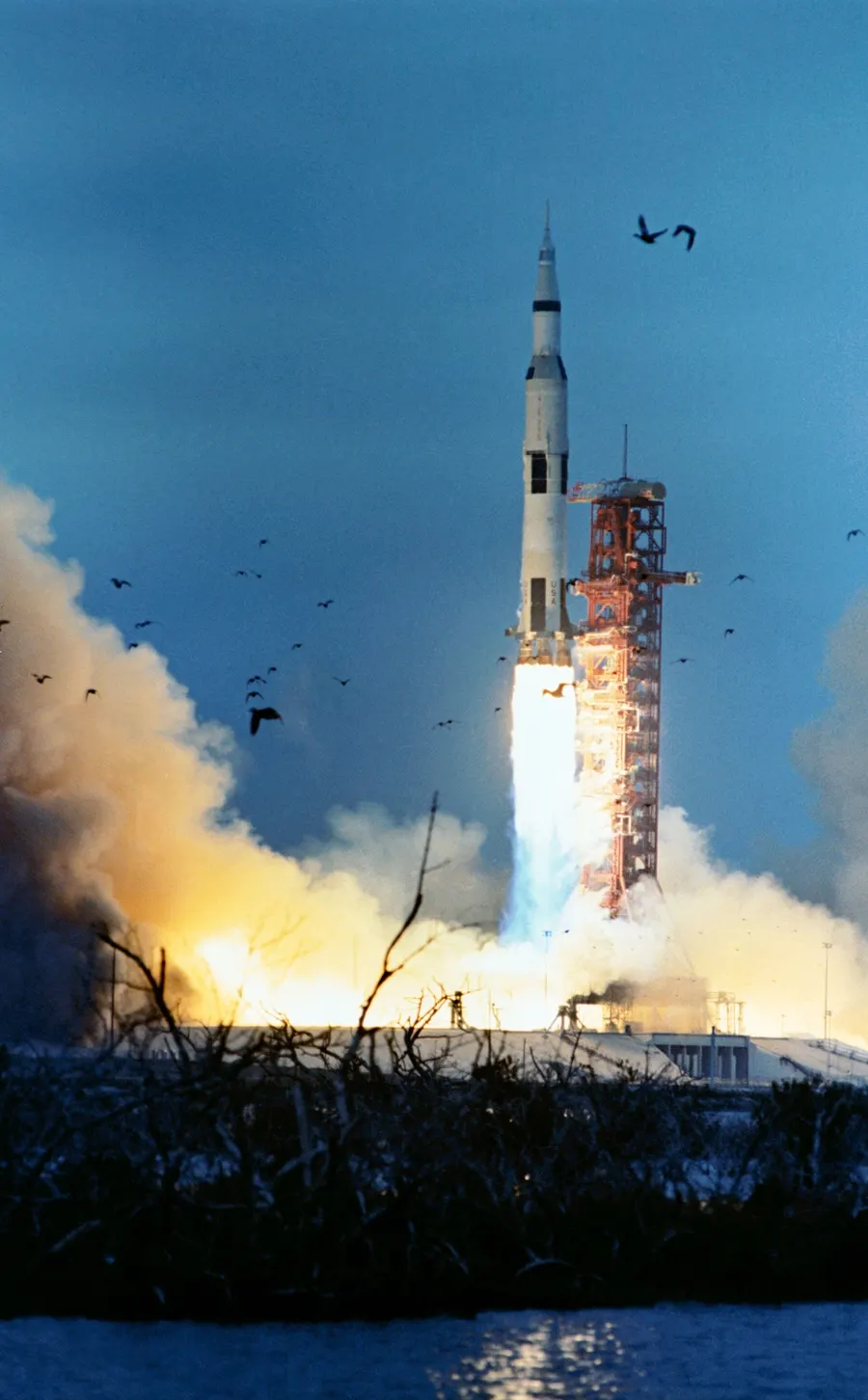
Apollo 9 lifts off from Kennedy Space Center, 3 March 1969.Apollo 9 lifts off from Kennedy Space Center, 3 March 1969.Image: NASA · Public domain
science · Americas

Apollo 9 takes the lunar module into space

At 11 in the morning on 3 March 1969 a Saturn V rocket launched Apollo 9 from Kennedy Space Center with James McDivitt, David Scott and Russell Schweickart aboard. It was the first crewed flight of the lunar module, the craft that would land astronauts on the Moon. In ten days in Earth orbit the crew flew the lunar module on its own, separated it from the command ship and docked again, and Schweickart tested the moonwalk suit on a spacewalk. They splashed down on 13 March, clearing the way for the first landing that July.

Source: NASA: Apollo 9 ↗
1973
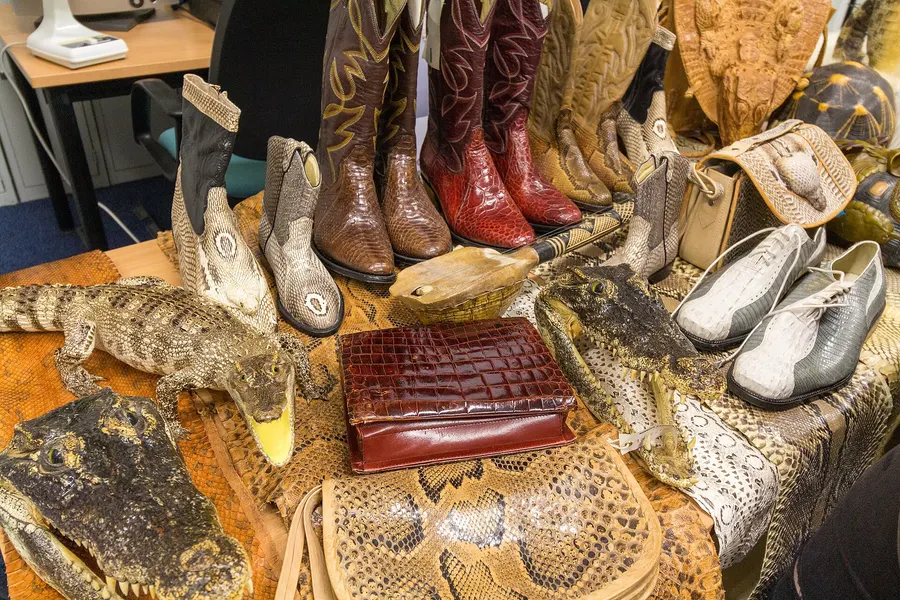
Goods made from protected species, seized by British customs officers, on display in London.Goods made from protected species, seized by British customs officers, on display in London.Image: The wub · CC BY-SA 4.0
world · Global

The world agrees to protect endangered species from trade

Delegates from 80 countries meeting in Washington agreed the text of the Convention on International Trade in Endangered Species of Wild Fauna and Flora, known as CITES, and it was opened for signature on 3 March 1973. It came into force in 1975. CITES sets rules so that international trade does not threaten the survival of wild animals and plants, from elephants and tigers to rare orchids. In 2013 the United Nations named 3 March World Wildlife Day.

Source: CITES Secretariat: What is CITES? ↗
WHY THESE MOMENTS?

Significance before volume

This page is not the longest possible list of events. It is a chronological journey through 3 March, where each entry is chosen for historical significance, human interest and reliability.

Facts are checked against authoritative museums, archives, universities and reference works. Where sources disagree, the page says so.

EXPLORED THE DEEPER STORY?

Return to the highlights of 3 March

Discover the lighter side of the date with famous birthdays, culture, firsts and lives remembered.

Explore This Day →
← PREVIOUS DAY2 March
HISTORY & TIMELINE3 March
NEXT DAY →4 March