
HISTORY & TIMELINE
4 March

A journey through
4 March in history

From the election of Frederick Barbarossa in 1152 to the first flight of the airship Hindenburg in 1936, 4 March has seen new governments sworn in, a great bridge opened and a ballet that flopped before becoming the most famous of all. This timeline follows the date across eight centuries.

JUMP THROUGH TIME
II
THE MIDDLE AGES

Medieval History

Kingdoms, conflict, faith, power and the changing medieval world.

1152
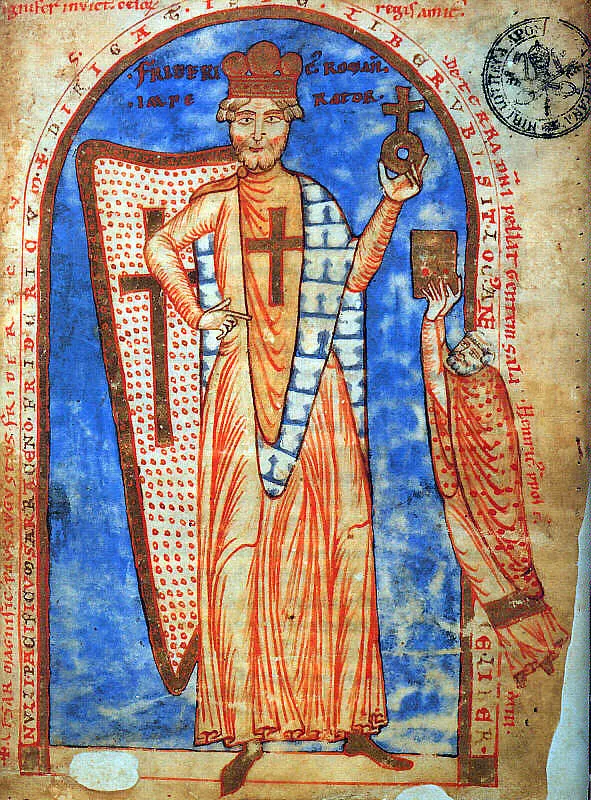
Frederick Barbarossa as a crusader, in a manuscript made in 1188.Frederick Barbarossa as a crusader, in a manuscript made in 1188.Image: unknown illustrator · Public domain
politics · Europe

Frederick Barbarossa is elected King of Germany

Meeting at Frankfurt on 4 March 1152, the German princes elected Frederick of Swabia, called Barbarossa for his red beard, as their king, in succession to his uncle Conrad III. Crowned Holy Roman Emperor in Rome in 1155, he spent much of his reign fighting to control Italy and drowned in 1190 on his way to the Third Crusade.

Source: Catholic Encyclopedia (New Advent): Frederick I ↗
III
A CHANGING WORLD

Early Modern Era

Exploration, political change, scientific development and expanding global connections.

1789
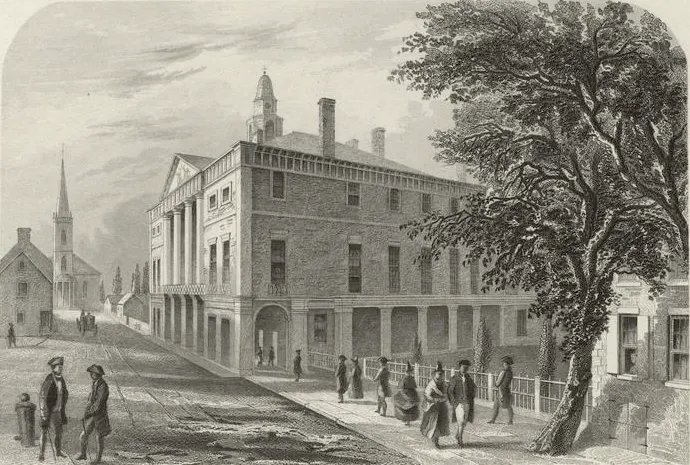
Federal Hall on Wall Street, New York, where the First Congress met, in a 19th-century engraving.Federal Hall on Wall Street, New York, where the First Congress met, in a 19th-century engraving.Image: Robert Hinshelwood · Public domain
politics · Americas

The new US government under the Constitution begins

4 March 1789 was the day set for government under the new United States Constitution to begin, and the First Congress gathered at Federal Hall in New York. So few members had arrived over winter roads that neither house could do business until April; George Washington was inaugurated there on 30 April.

Source: US House of Representatives, History, Art and Archives: The opening of the First Congress in New York City ↗
IV
THE NINETEENTH CENTURY

The 1800s

Industry, empire, invention, reform and a century of enormous transformation.

1824
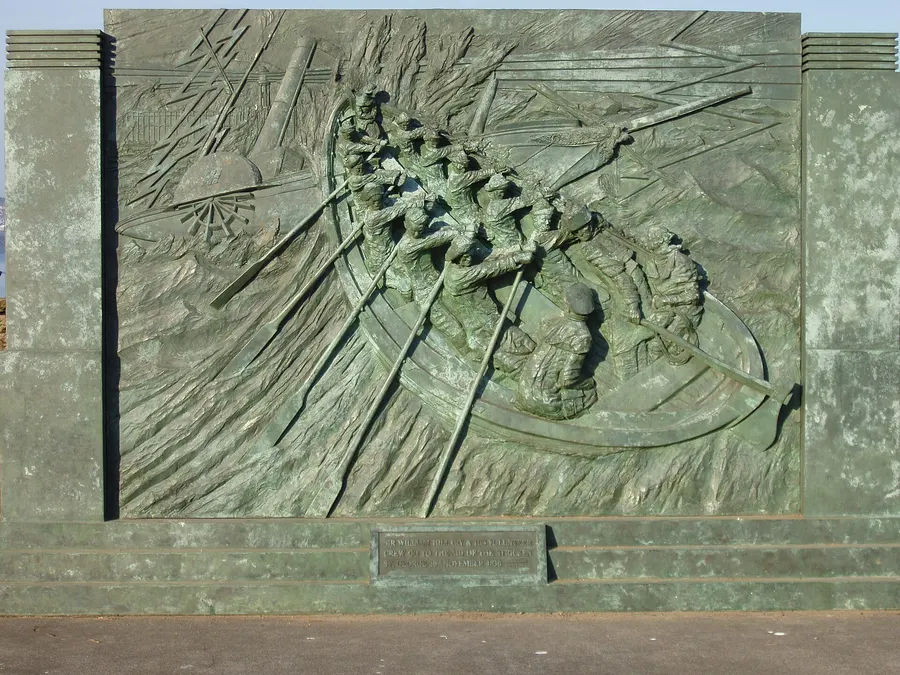
The memorial to Sir William Hillary and the lifeboat crews on Loch Promenade, Douglas, Isle of Man.The memorial to Sir William Hillary and the lifeboat crews on Loch Promenade, Douglas, Isle of Man.Image: Gregory J Kingsley · CC BY-SA 3.0
world · Europe

Britain founds a national lifeboat service

At a meeting in the City of London Tavern on 4 March 1824, chaired by the Archbishop of Canterbury, the National Institution for the Preservation of Life from Shipwreck was founded. It was the idea of Sir William Hillary, who had watched many ships wrecked off his home on the Isle of Man. Renamed the Royal National Lifeboat Institution in 1854, the charity still crews its lifeboats mainly with volunteers. Its crews and lifeguards have saved more than 146,000 lives around the coasts of the United Kingdom and Ireland.

Source: Royal National Lifeboat Institution: How the RNLI was founded in 1824 ↗
1861
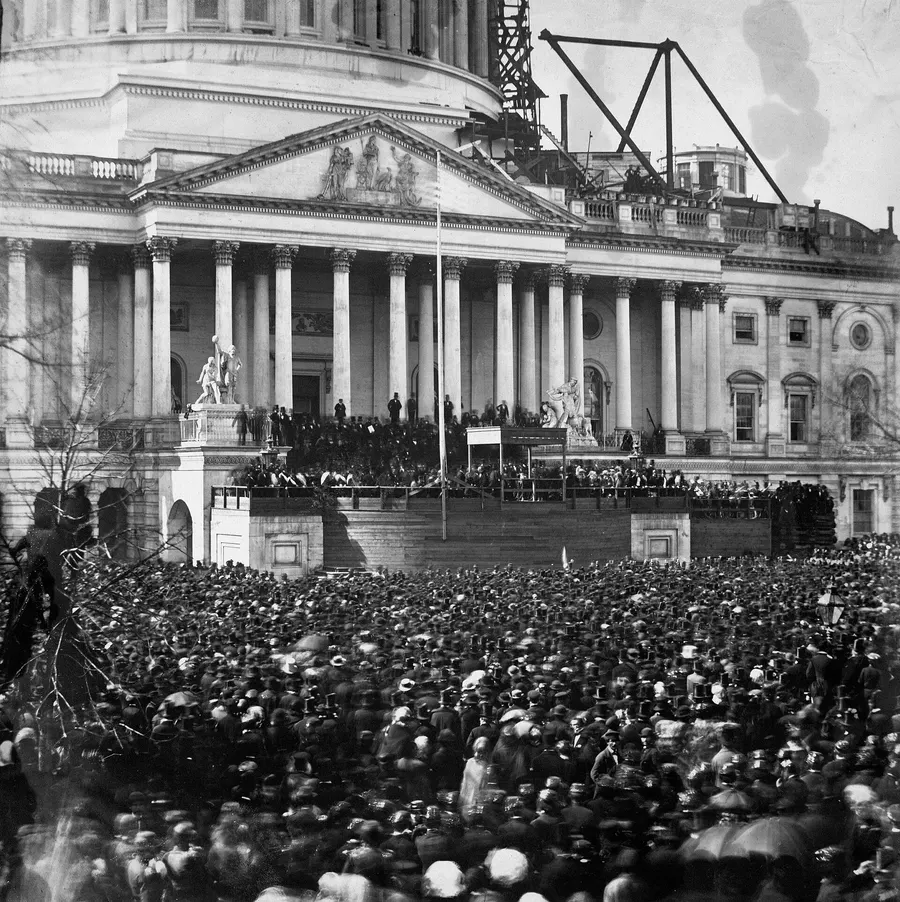
Crowds at Lincoln's first inauguration before the Capitol, its new dome still under construction, 4 March 1861.Crowds at Lincoln’s first inauguration before the Capitol, its new dome still under construction, 4 March 1861.Image: Unknown authorUnknown author · Public domain
politics · Americas

Lincoln is inaugurated as the Union breaks apart

With seven southern states already gone from the Union, Abraham Lincoln took the oath of office on the East Portico of the unfinished Capitol on 4 March 1861, guarded by soldiers and sharpshooters. In his address he appealed to the ‘better angels of our nature’. The Civil War began five weeks later.

Source: National Park Service: Lincoln’s first inauguration ↗
1877
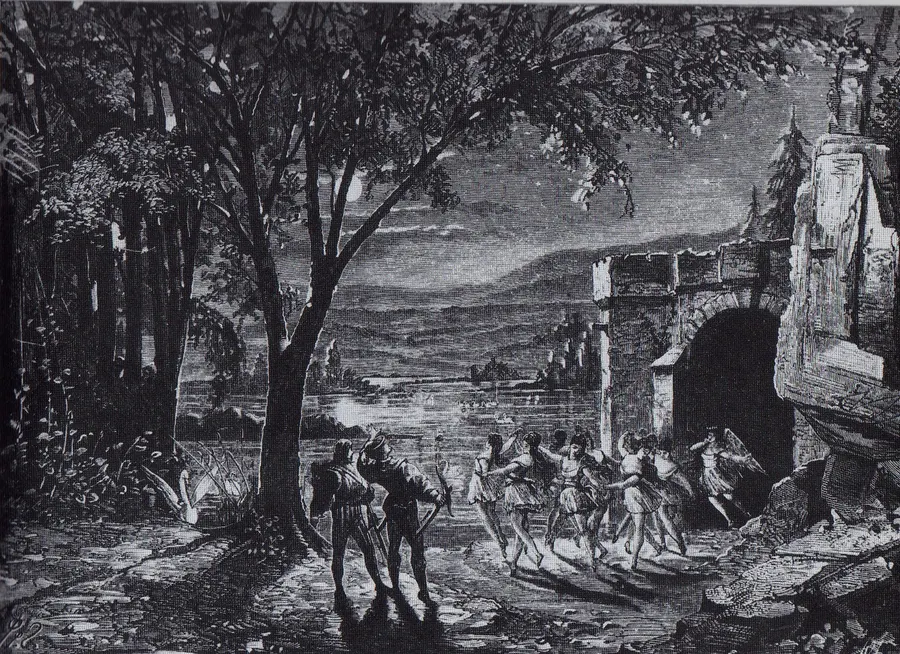
A stage design for the second act of Swan Lake at the Bolshoi, Moscow, 1877.A stage design for the second act of Swan Lake at the Bolshoi, Moscow, 1877.Image: F. Gaanen (set designer) · Public domain
culture · Europe

Swan Lake has its first night

Tchaikovsky’s first ballet, Swan Lake, was first performed at the Bolshoi Theatre in Moscow on 4 March 1877 (20 February in the Russian calendar), as a benefit night for the ballerina Pelageya Karpakova. The choreography was by Julius Reisinger. The reception was lukewarm, the dancing was criticised, and the production was dropped after a few seasons. The version danced around the world today is the revival by Marius Petipa and Lev Ivanov in St Petersburg in 1895, after the composer’s death.

Source: Tchaikovsky Research: Swan Lake ↗
1890
The Forth Bridge seen from Dalmeny, 2022.The Forth Bridge seen from Dalmeny, 2022.Image: MrMasterKeyboard · CC BY-SA 4.0
science · Europe

The Forth Bridge opens

In a gale on 4 March 1890 the Prince of Wales, the future Edward VII, drove in a gilded last rivet to open the Forth Bridge, carrying the railway across the Firth of Forth near Edinburgh. Its designer, Benjamin Baker, was knighted at the ceremony. With its three huge cantilevers it was one of the first great structures in Britain built of steel, and it completed an unbroken east-coast railway from London to Aberdeen. Still carrying trains today, it is a UNESCO World Heritage Site.

Source: Network Rail: The opening of the Forth Bridge ↗
V
THE TWENTIETH CENTURY

The 1900s

War and peace, technological leaps, social change, politics, sport and popular culture.

1933
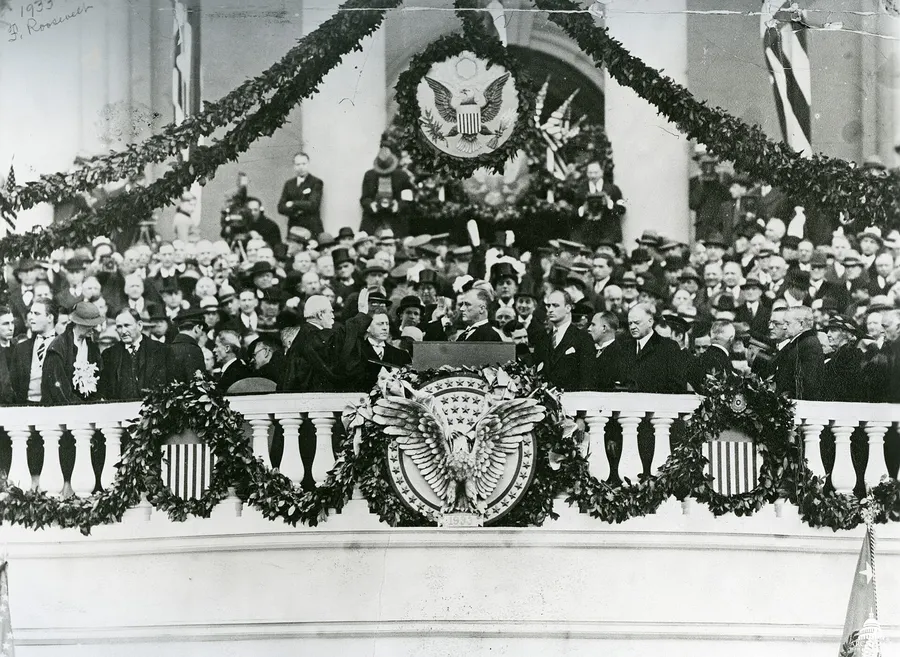
Franklin D. Roosevelt takes the oath at the Capitol, 4 March 1933.Franklin D. Roosevelt takes the oath at the Capitol, 4 March 1933.Image: USCapitol · Public domain
politics · Americas

Roosevelt: ‘The only thing we have to fear is fear itself’

Franklin D. Roosevelt was sworn in as president of the United States on 4 March 1933, at the depth of the Great Depression. Thousands of banks had failed, millions of people were out of work, and on the morning of his inauguration many of the nation’s banks had shut their doors. In his address he told Americans that ‘the only thing we have to fear is fear itself’ and promised action. Within days he had closed the banks to stop the panic and called Congress into a special session, the start of the programme of recovery and reform known as the New Deal.

Source: US National Archives: FDR’s first inaugural address declaring ‘war’ on the Great Depression ↗
1936
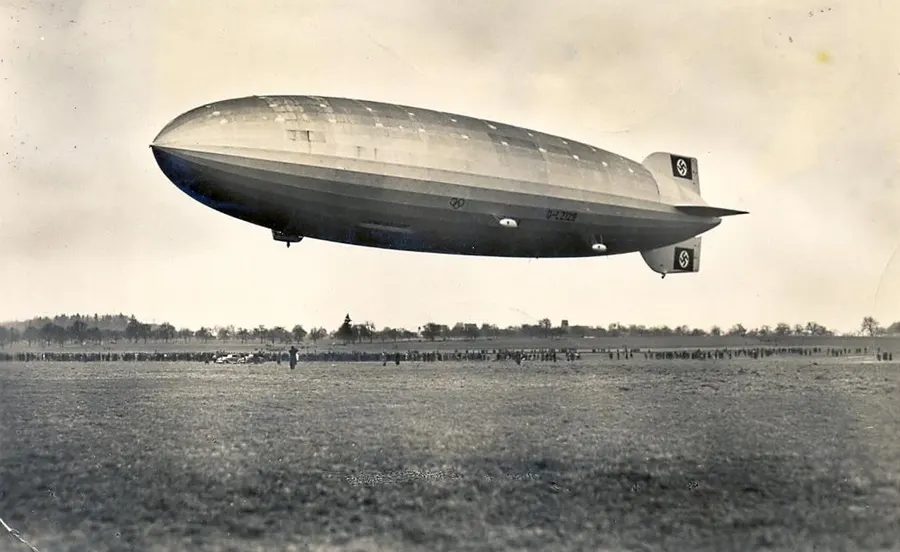
LZ 129 rising on its first flight at Friedrichshafen, 4 March 1936, on a postcard of the time.LZ 129 rising on its first flight at Friedrichshafen, 4 March 1936, on a postcard of the time.Image: Unknown photographer (1936 postcard) · Public domain
science · Europe

The airship Hindenburg flies for the first time

The giant Zeppelin LZ 129 left its hangar at Friedrichshafen on Lake Constance on the afternoon of 4 March 1936 for a first flight of about three hours, with Hugo Eckener in command. At 245 metres long it was the largest aircraft ever to fly; the name Hindenburg was painted on its side a few weeks later. It carried passengers across the Atlantic in comfort through 1936. On 6 May 1937 it caught fire while landing at Lakehurst, New Jersey, and 36 people died, bringing the age of passenger airships to an end.

Source: Airships.net: LZ-129 Hindenburg, a detailed history ↗
1938
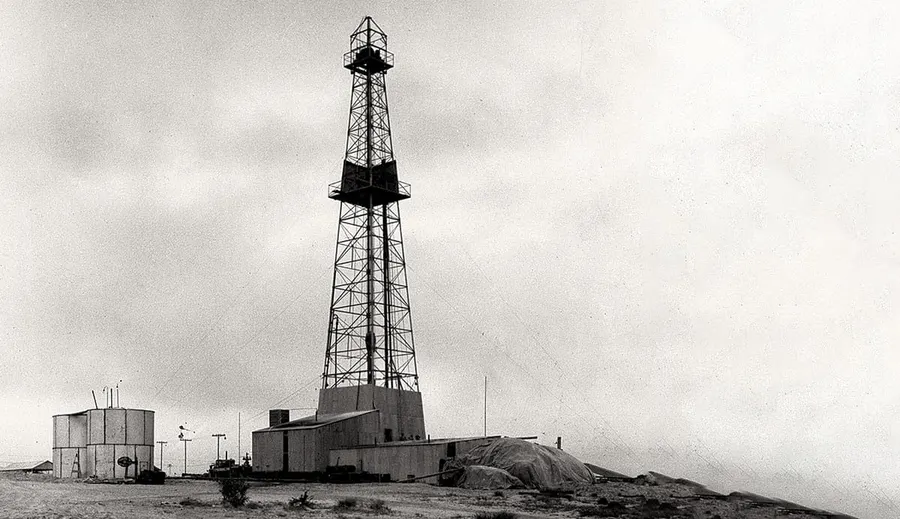
The drilling rig at Dammam Well No. 7 in 1938.The drilling rig at Dammam Well No. 7 in 1938.Image: Unknown Author · Public domain
world · Asia

Saudi Arabia’s first great oil well starts to flow

American geologists had been drilling near Dammam on the Gulf coast of Saudi Arabia for almost three years with little success. On 4 March 1938 Dammam Well No. 7, drilled far deeper than planned, began producing oil in commercial quantities, 1,585 barrels on its first day and 3,690 barrels a day three days later. It was the first commercial oil well in the kingdom. The discovery transformed Saudi Arabia and the Gulf, and the company that drilled it grew into Saudi Aramco, one of the largest oil producers in the world.

Source: AramcoWorld: Discovery! Chapter 7, Dammam No. 7 ↗
1980
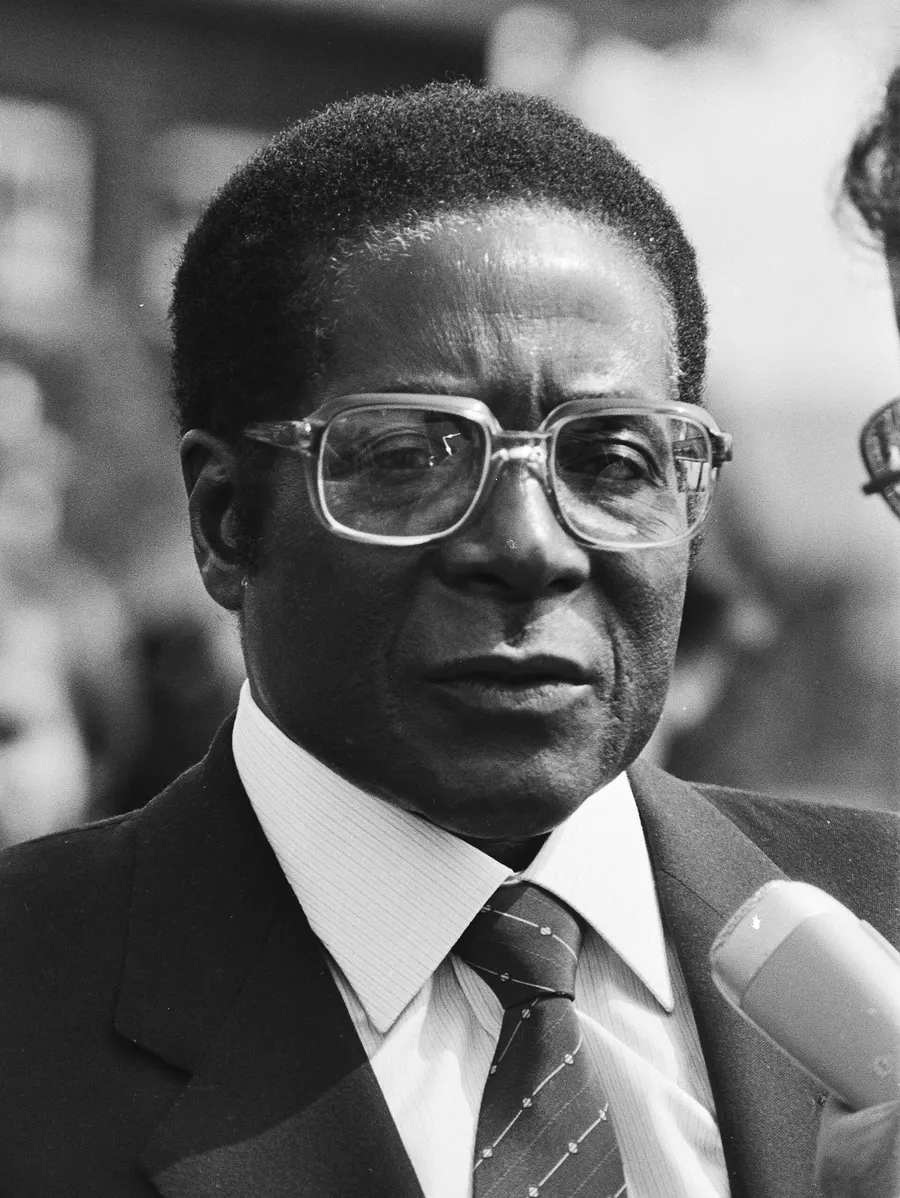
Robert Mugabe as prime minister of Zimbabwe, on a visit to the Netherlands in 1982.Robert Mugabe as prime minister of Zimbabwe, on a visit to the Netherlands in 1982.Image: Hans van Dijk for Anefo · CC0
politics · Africa

Robert Mugabe wins Zimbabwe’s independence election

After a long guerrilla war and the Lancaster House agreement, Rhodesia held elections open to all its people in February 1980. The results, announced on 4 March, gave Robert Mugabe’s ZANU-PF 57 of the 80 seats elected by the common roll, a clear majority in the new parliament. Joshua Nkomo’s party won 20 and Bishop Abel Muzorewa’s three. Mugabe became prime minister and the country became independent as Zimbabwe on 18 April 1980. Hailed at first as a reconciler, he went on to rule for 37 years, increasingly by repression, until he was forced from power in 2017.

Source: South African History Online: ZANU-PF under Robert Mugabe wins the first free elections in Zimbabwe ↗
WHY THESE MOMENTS?

Significance before volume

This page is not the longest possible list of events. It is a chronological journey through 4 March, where each entry is chosen for historical significance, human interest and reliability.

Facts are checked against authoritative museums, archives, universities and reference works. Where sources disagree, the page says so.

EXPLORED THE DEEPER STORY?

Return to the highlights of 4 March

Discover the lighter side of the date with famous birthdays, culture, firsts and lives remembered.

Explore This Day →
← PREVIOUS DAY3 March
HISTORY & TIMELINE4 March
NEXT DAY →5 March