
HISTORY & TIMELINE
2 March

A journey through
2 March in history

From an American ban on the Atlantic slave trade in 1807 to the first person in space from outside the two superpowers in 1978, 2 March has seen new nations, record-breaking flights and a basketball score that has never been matched. This timeline follows the date across two centuries.

JUMP THROUGH TIME
IV
THE NINETEENTH CENTURY

The 1800s

Industry, empire, invention, reform and a century of enormous transformation.

1807
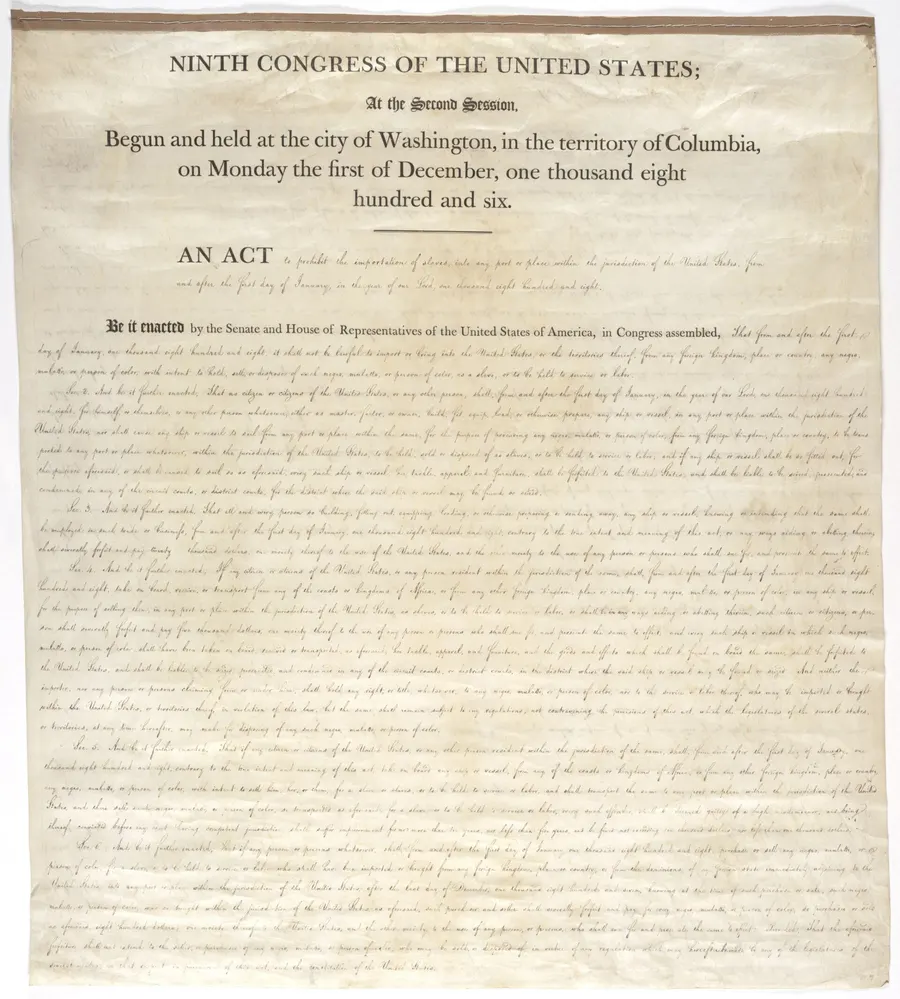
The engrossed act of Congress prohibiting the importation of slaves, 1807.The engrossed act of Congress prohibiting the importation of slaves, 1807.Image: US Congress · Public domain
world · Americas

The United States bans the Atlantic slave trade

President Thomas Jefferson signed the Act Prohibiting Importation of Slaves on 2 March 1807, making it illegal to bring enslaved people into the United States from 1 January 1808, the earliest date the Constitution allowed. Britain abolished its own slave trade three weeks later. The act did not end slavery or the trade in enslaved people within the country, which grew.

Source: US National Archives: Federal laws and the slave trade, introduction ↗
1836
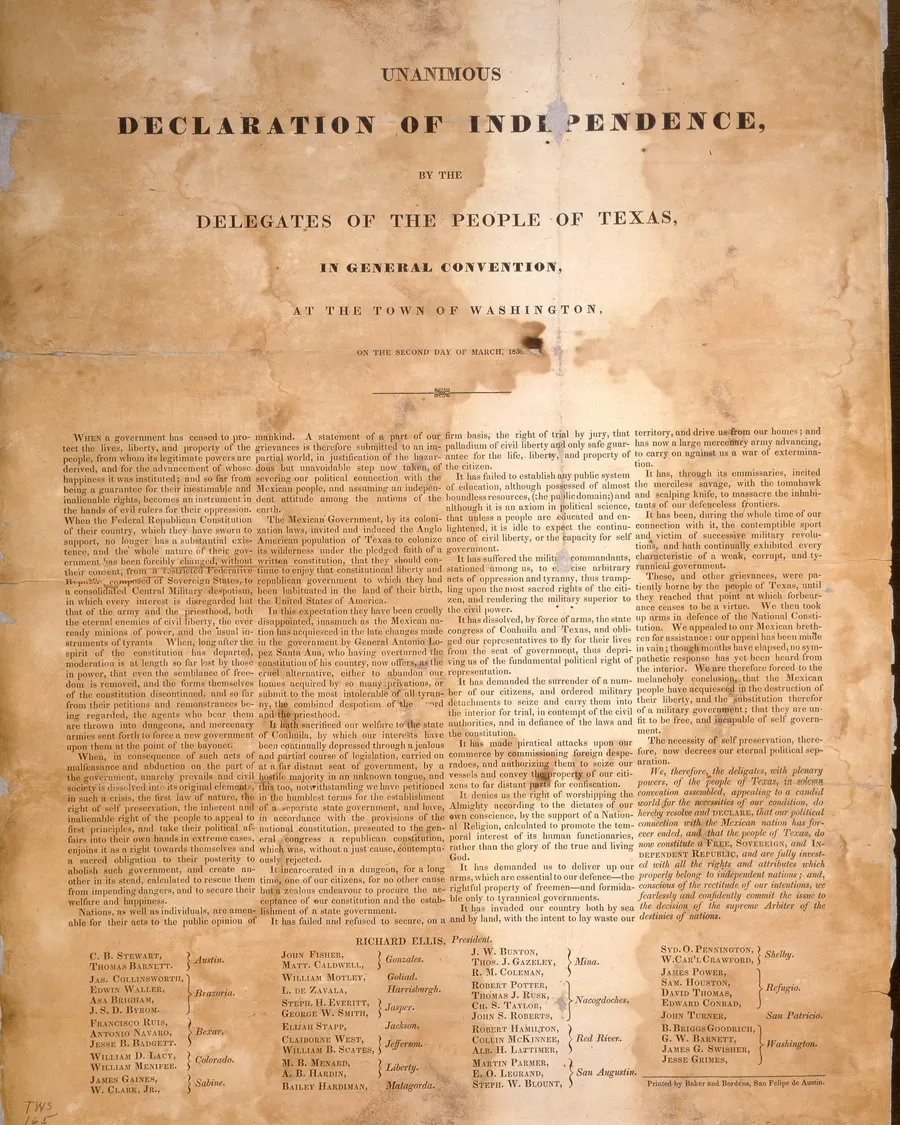
A printed broadside of the Texas Declaration of Independence, 1836.A printed broadside of the Texas Declaration of Independence, 1836.Image: Texas.; Texas (Provisional government, 1835) San Felipe de Austin : Baker and Bordens, 1836 · Public domain
politics · Americas

Texas declares its independence from Mexico

Delegates meeting in an unfinished building at Washington-on-the-Brazos voted unanimously in the early hours of 2 March 1836 to adopt a declaration making Texas an independent republic, free of Mexico. George Childress chaired the committee that drafted it, and 59 delegates went on to sign it. At that moment the Alamo was under siege by the Mexican army; it fell four days later. Independence was won at San Jacinto in April, and Texas stayed a republic until it joined the United States in 1845. Texans still mark 2 March as Texas Independence Day.

Source: Texas State Library and Archives Commission: Texas Declaration of Independence, March 2, 1836 ↗
V
THE TWENTIETH CENTURY

The 1900s

War and peace, technological leaps, social change, politics, sport and popular culture.

1933
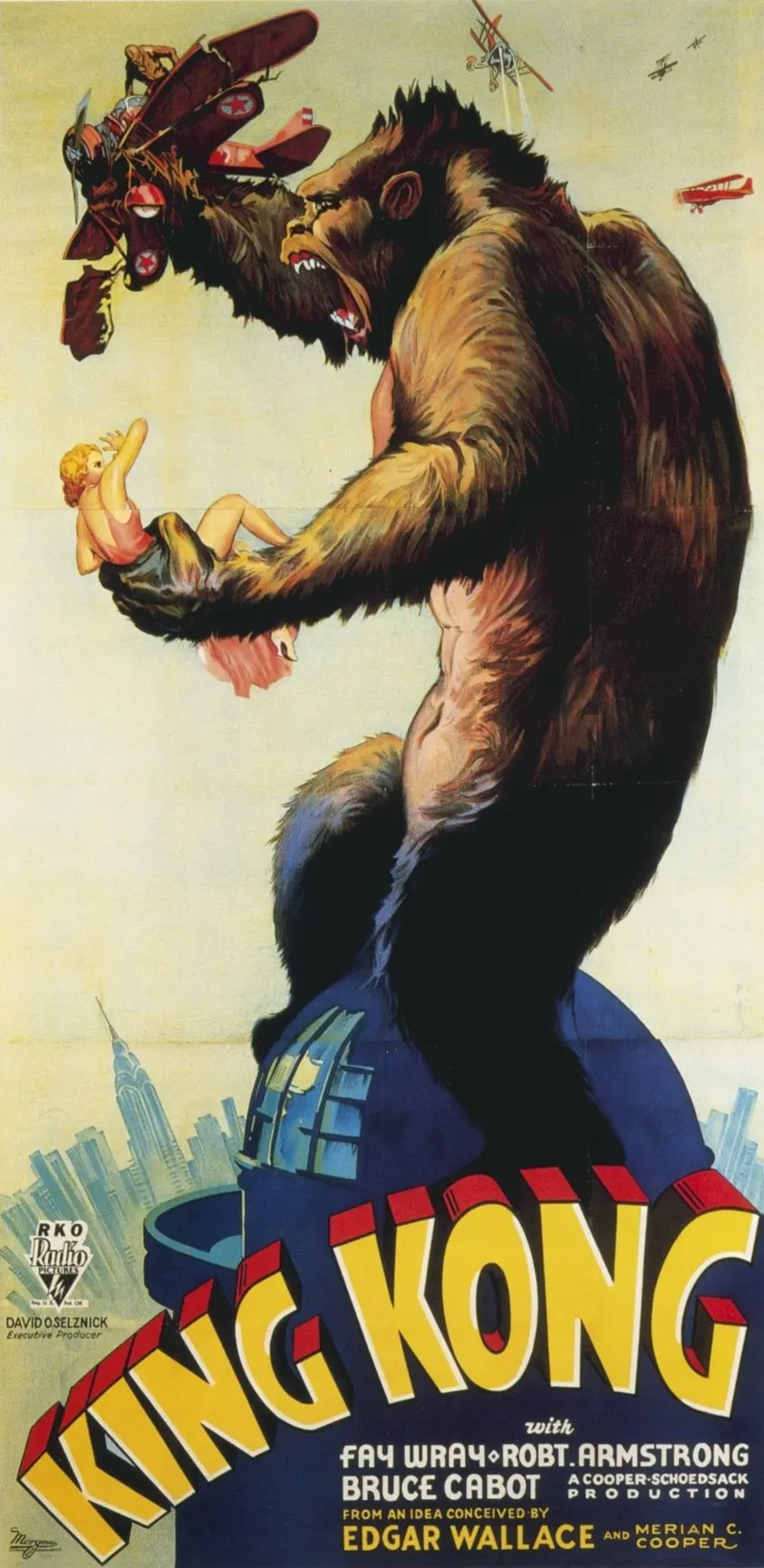
A publicity poster for King Kong, 1933.A publicity poster for King Kong, 1933.Image: Unknown authorUnknown author · Public domain
culture · Americas

King Kong opens in New York

King Kong opened in New York on 2 March 1933, showing at both Radio City Music Hall and the RKO Roxy. More than 50,000 people saw it on the first day. Directed by Merian C. Cooper and Ernest B. Schoedsack for RKO, the story of a giant ape carried off to Manhattan owed its magic to Willis O’Brien’s stop-motion models, animated a frame at a time. It became one of the most famous films ever made.

Source: American Film Institute Catalog: King Kong (1933) ↗
1939
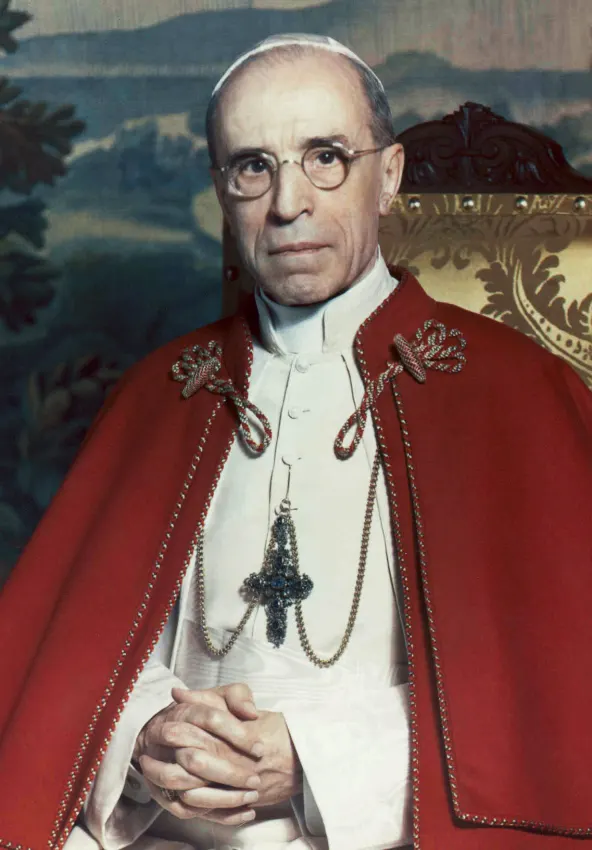
Pius XII, photographed by Michael Pitcairn in 1951.Pius XII, photographed by Michael Pitcairn in 1951.Image: Michael Pitcairn · Public domain
culture · Europe

Cardinal Pacelli is elected Pope Pius XII

On 2 March 1939, his 63rd birthday, Cardinal Eugenio Pacelli, the Vatican’s Secretary of State, was elected pope on the third ballot of one of the shortest conclaves in history. As Pius XII he led the Catholic Church through the Second World War, and his response to the Holocaust is still debated.

Source: Encyclopaedia Britannica: Pius XII ↗
1949
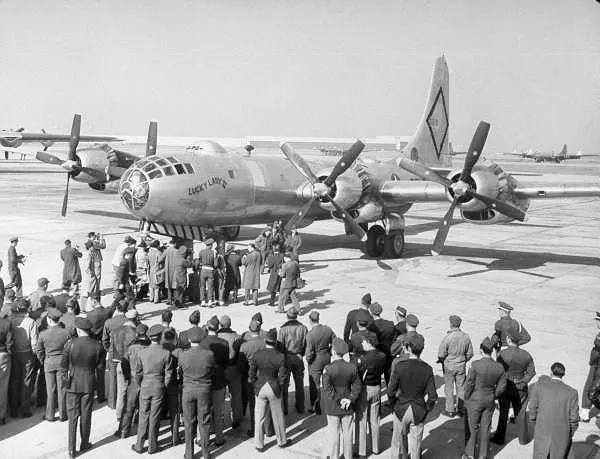
Lucky Lady II preparing to take off from Carswell Air Force Base, Texas, 1949.Lucky Lady II preparing to take off from Carswell Air Force Base, Texas, 1949.Image: United States Air Force · Public domain
world · Americas

Lucky Lady II flies non-stop round the world

A US Air Force B-50 bomber named Lucky Lady II, commanded by Captain James Gallagher, landed on 2 March 1949 after flying round the world without stopping. It had taken off on 26 February, refuelling in mid-air along the way, and the flight lasted 94 hours and 1 minute. It showed that bombers could now reach any target on Earth.

Source: US Air Force Historical Support Division: Lucky Ladies I, II and III ↗
1955
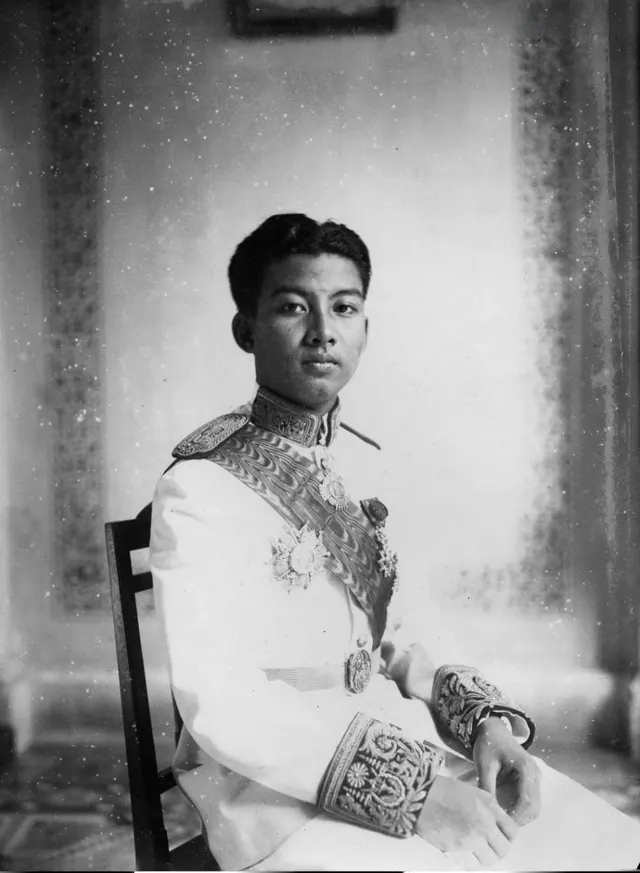
Norodom Sihanouk as a young king, 1941.Norodom Sihanouk as a young king, 1941.Image: (unknown, Abaca Press claims ownership but claim is doubtful) · Public domain
politics · Asia

King Sihanouk gives up his throne to go into politics

On 2 March 1955 King Norodom Sihanouk of Cambodia abdicated in favour of his father, Norodom Suramarit, so that he could lead a political movement, the Sangkum, in elections that year. He became prime minister and dominated Cambodian politics for the next fifteen years, returning as head of state in 1960.

Source: Encyclopaedia Britannica: Norodom Sihanouk ↗
1956
Sultan Mohammed V of Morocco, later king, in 1953.Sultan Mohammed V of Morocco, later king, in 1953.Image: Fotograaf Onbekend / Anefo · CC0

politics · Africa

France recognises Morocco’s independence

On 2 March 1956 France and Morocco signed a joint declaration ending the French protectorate that had ruled most of the country since 1912. The sultan, Mohammed V, who had been exiled by the French and allowed back only in November 1955, became the leader of a sovereign state. Spain gave up its zone in the north a month later, on 7 April. Mohammed V took the title of king in 1957, and his descendants still rule Morocco.

Source: US Department of State, Office of the Historian: Morocco ↗
1958
'Able', one of the Sno-Cat tractors of Vivian Fuchs's crossing party, in the Canterbury Museum, New Zealand.‘Able’, one of the Sno-Cat tractors of Vivian Fuchs’s crossing party, in the Canterbury Museum, New Zealand.Image: Sgerbic · CC BY-SA 4.0
world · Global

The first overland crossing of Antarctica

On 2 March 1958 Vivian Fuchs’s twelve-man crossing party drove into Scott Base on the Ross Sea, completing the first crossing of Antarctica by land. They had set out from the Weddell Sea on 24 November 1957 with tracked vehicles and dog teams, and covered about 3,470 kilometres in 99 days by way of the South Pole. The Commonwealth Trans-Antarctic Expedition fulfilled a goal that had defeated Ernest Shackleton in 1914. From the Ross Sea side, a New Zealand party led by Edmund Hillary laid supply depots and met Fuchs at the Pole in January.

Source: Scott Polar Research Institute, University of Cambridge: The Commonwealth Trans-Antarctic Expedition 1955-58 ↗
1962
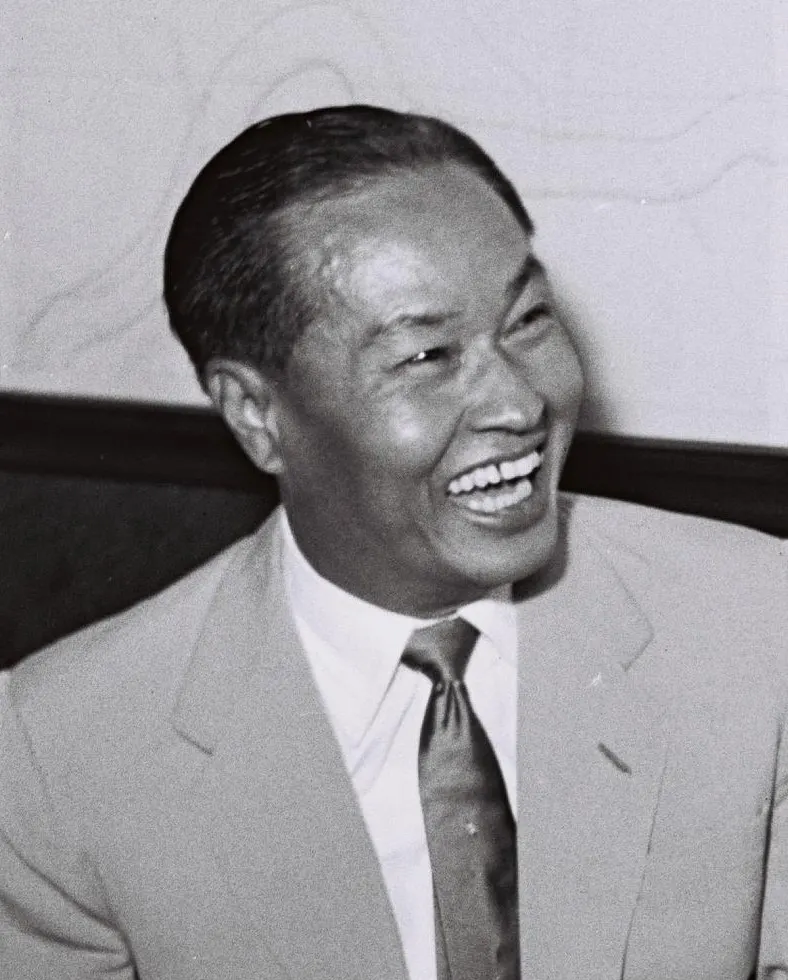
General Ne Win in 1959, three years before the coup.General Ne Win in 1959, three years before the coup.Image: Moshe Pridan · Public domain
politics · Asia

General Ne Win seizes power in Burma

Early on 2 March 1962 troops and police took control of Rangoon, and General Ne Win announced on the radio that the army had taken over. Prime Minister U Nu, the chief justice and members of the cabinet were arrested and the constitution was suspended. A military Revolutionary Council ruled in place of parliament, and Burma became a one-party state under Ne Win’s Burma Socialist Programme Party. The army’s grip on the country, later named Myanmar, has lasted in one form or another ever since.

Source: Encyclopaedia Britannica: U Ne Win ↗
1962
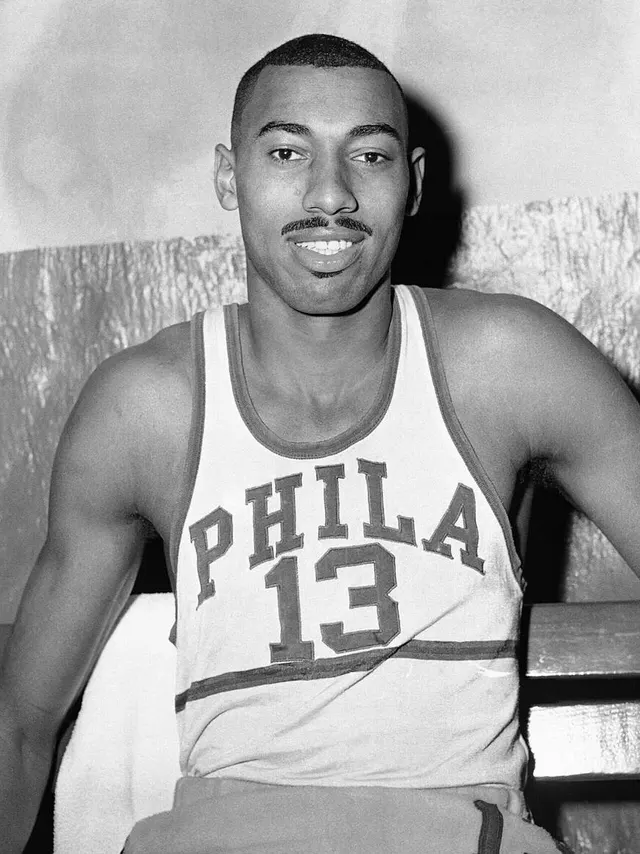
Wilt Chamberlain in his Philadelphia Warriors kit, about 1960.Wilt Chamberlain in his Philadelphia Warriors kit, about 1960.Image: Bill Allen · Public domain
sport · Americas

Wilt Chamberlain scores 100 points

In Hershey, Pennsylvania, on 2 March 1962, Wilt Chamberlain of the Philadelphia Warriors scored 100 points in a single game as his team beat the New York Knicks 169-147. He made 36 field goals and 28 of 32 free throws. Only 4,124 people were in the arena and the game was not televised, yet no player in the NBA has come close to the record since.

Source: NBA.com: Top moments, Wilt Chamberlain scores 100 in 1962 game against the Knicks ↗
1969
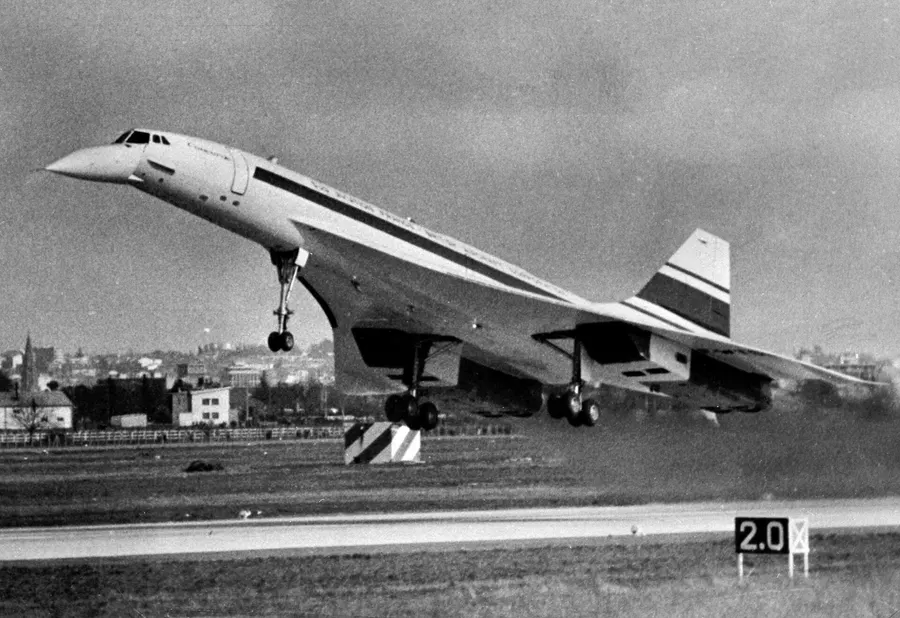
Concorde 001 lifts off from Toulouse on its first flight, 2 March 1969.Concorde 001 lifts off from Toulouse on its first flight, 2 March 1969.Image: André Cros · CC BY-SA 4.0
science · Europe

Concorde flies for the first time

At 3.38 in the afternoon on 2 March 1969 the Anglo-French supersonic airliner Concorde 001 took off from Toulouse with the test pilot André Turcat at the controls. The first flight lasted 29 minutes and never went faster than about 480 kilometres an hour; Turcat called it a trip around the runway. The same aircraft broke the sound barrier that October and reached twice the speed of sound in November 1970. Airline services began in 1976 and ran until 2003. The prototype is now at the Air and Space Museum at Le Bourget.

Source: Airbus: The day Concorde flew into the history books ↗
1972
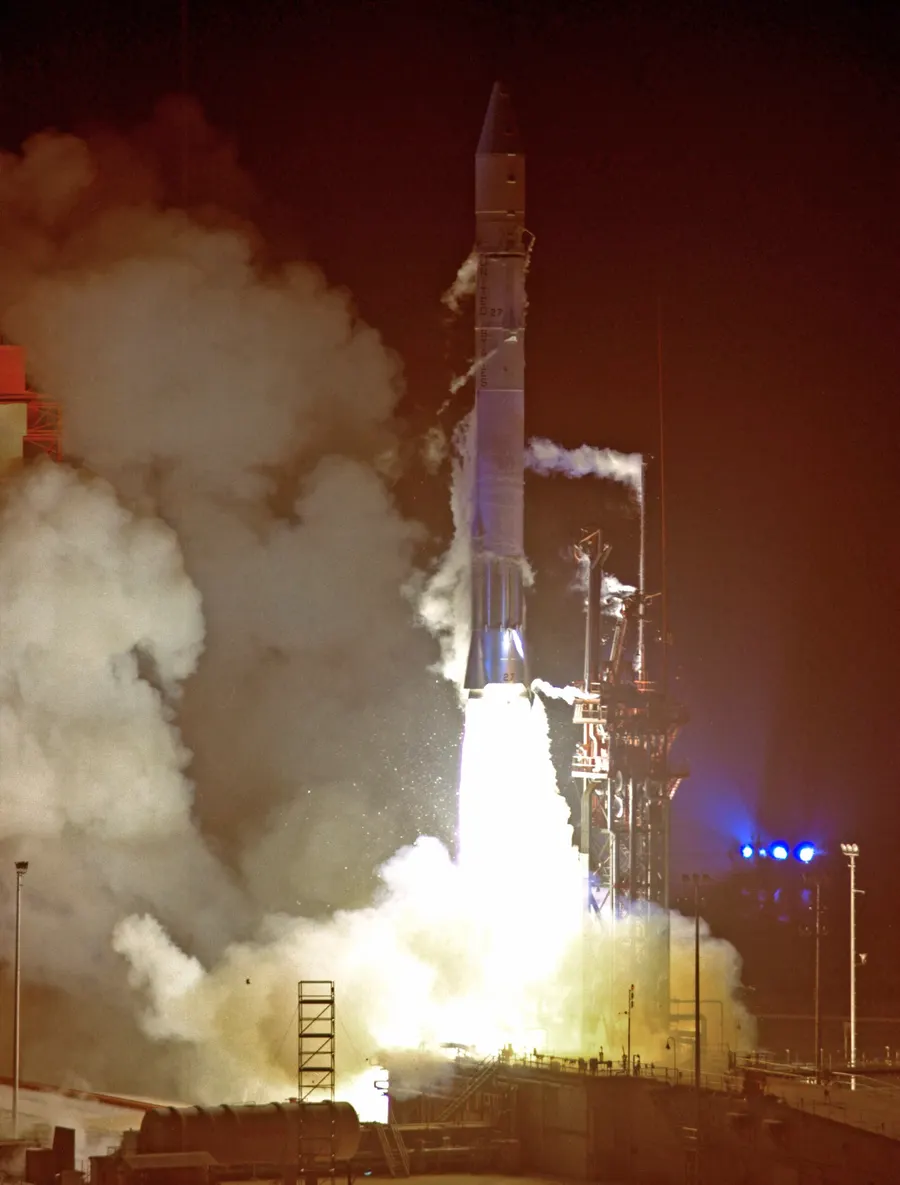
Pioneer 10 lifts off from Cape Kennedy on the night of 2 March 1972.Pioneer 10 lifts off from Cape Kennedy on the night of 2 March 1972.Image: Launch_of_Pioneer_10.jpg: NASA Ames Resarch Center (NASA-ARC) derivative work: Nova13 (talk) · Public domain
science · Americas

Pioneer 10 sets off for Jupiter

On the evening of 2 March 1972 an Atlas-Centaur rocket launched NASA’s Pioneer 10 from Cape Kennedy. It was the fastest object yet sent from Earth and passed the Moon’s orbit in about 11 hours. Pioneer 10 became the first spacecraft to cross the asteroid belt and the first to fly past Jupiter, in December 1973. It then headed out of the solar system, carrying a plaque with a picture of a man and a woman and a map showing where it came from.

Source: NASA: 50 years ago, Pioneer 10 launches to explore Jupiter ↗
1978
The Soyuz 28 mission patch, with the flags of the Soviet Union and Czechoslovakia.The Soyuz 28 mission patch, with the flags of the Soviet Union and Czechoslovakia.Image: Soviet space program · Public domain
science · Europe

The first space traveller from neither superpower

On 2 March 1978 Vladimír Remek, a Czechoslovak air force pilot, was launched on Soyuz 28 with the Soviet cosmonaut Aleksei Gubarev. He was the first person to go into space who was neither Soviet nor American. The pair docked with the Salyut 6 space station and returned on 10 March after almost eight days. Remek flew under the Soviet Interkosmos programme for allied countries, and decades later became a member of the European Parliament.

Source: European Space Agency: Vladimír Remek ↗
RESEARCH

Sources & Further Reading

Selected authoritative references supporting the events on this page.

US National Archives: Federal laws and the slave trade, introduction↗Monticello (Thomas Jefferson Foundation): Jefferson proposes abolition of the slave trade↗Texas State Library and Archives Commission: Texas Declaration of Independence, March 2, 1836↗Texas State Historical Association, Handbook of Texas: Texas Declaration of Independence↗American Film Institute Catalog: King Kong (1933)↗Encyclopedia.com: King Kong↗Encyclopaedia Britannica: Pius XII↗Holy See: Pius XII↗US Air Force Historical Support Division: Lucky Ladies I, II and III↗US Air Force, Pope Field: Historian highlights Lucky Lady II↗Encyclopaedia Britannica: Norodom Sihanouk↗Encyclopaedia Britannica: Sangkum Reastr Niyum↗US Department of State, Office of the Historian: Morocco↗Encyclopaedia Britannica: Morocco, independent Morocco↗Scott Polar Research Institute, University of Cambridge: The Commonwealth Trans-Antarctic Expedition 1955-58↗Antarctica New Zealand: The crossing party is welcomed at Scott Base on 2 March 1958↗Encyclopaedia Britannica: U Ne Win↗CIA Reading Room: The Ne Win coup↗NBA.com: Top moments, Wilt Chamberlain scores 100 in 1962 game against the Knicks↗ESPN: March 2, 1962, the night Wilt scored 100↗Airbus: The day Concorde flew into the history books↗Musée de l’Air et de l’Espace: BAC-Sud Aviation Concorde prototype 001 F-WTSS↗NASA: 50 years ago, Pioneer 10 launches to explore Jupiter↗NASA Space Science Data Coordinated Archive: Pioneer 10↗European Space Agency: Vladimír Remek↗Encyclopaedia Britannica: Vladimir Remek↗
WHY THESE MOMENTS?

Significance before volume

This page is not the longest possible list of events. It is a chronological journey through 2 March, where each entry is chosen for historical significance, human interest and reliability.

Facts are checked against authoritative museums, archives, universities and reference works. Where sources disagree, the page says so.

EXPLORED THE DEEPER STORY?

Return to the highlights of 2 March

Discover the lighter side of the date with famous birthdays, culture, firsts and lives remembered.

Explore This Day →
← PREVIOUS DAY1 March
HISTORY & TIMELINE2 March
NEXT DAY →3 March